
REVIEW · JOHANNESBURG CITY TOURS
Johannesburg: Soweto Tour with Lunch
Township history hits different on this route. You get a guided, real-world look at Soweto, with stops tied to the Mandela House story and the Hector Pieterson Museum moment in 1976.
I also like the way the day mixes meaning with momentum. You walk through Orlando West and the Diepkloof area market streets, then you roll past major landmarks like Vilakazi Street and the Freedom Square zone, so you see how everyday life and political history sit side by side. The big consideration is time, some museum moments can feel short, and the Mandela House museum portion inside is optional and has an extra cost per person when you arrive.
In This Review
- Key points to know before you go
- Soweto in one day: why this 6-hour route works
- Pickup and the pre-departure briefing that sets expectations
- The Orlando West and Diepkloof walk: markets, vendors, and everyday flow
- Vilakazi Street: the Mandela and Tutu connection in real neighborhoods
- Mandela House outside photos, and museum entry if you want the extra time
- Hector Pieterson Museum: where the 1976 story becomes personal
- Freedom Square and the Freedom Charter Memorial: ideas you can stand in front of
- Regina Mundi Church, taxi rank, and Maponya Mall: seeing function, not just memory
- Passing Soccer City Stadium and seeing global South Africa nearby
- Shanty town interaction and Chris Hani Baragwanath Hospital viewpoint
- Lunch in Soweto: included meal, plan for no drinks
- Price and value: what $94 buys, and what may cost extra
- What to bring and how to handle the weather
- Guide quality is the real difference maker
- Who should book this Soweto tour with lunch
- Should you book this Soweto tour with lunch?
- FAQ
- How long is the Soweto tour?
- Where are you picked up?
- What is the language of the tour guide?
- Is lunch included, and are drinks included?
- Is entry to the Hector Pieterson Museum included?
- Is Mandela House museum entry included?
- What sights are included besides Mandela House and Hector Pieterson Museum?
- Is WiFi available on the tour?
- Is the tour wheelchair accessible?
- What should I bring for the tour?
- Is free cancellation available?
Key points to know before you go

- Mandela House and Hector Pieterson Museum connect the people to the events, not just the dates
- Vilakazi Street puts you on the famous walking corridor linked to Desmond Tutu and Mandela family connections
- Diepkloof and Orlando West market walk gives you a street-level view, with vendors selling almost anything
- Freedom Square and Freedom Charter Memorial ground the day in the ideas behind the struggle
- Chris Hani Baragwanath Hospital adds a powerful “today” perspective, not just memorial stops
- Lunch in Soweto plus onboard uncapped WiFi keeps the day practical, even when the topics get heavy
Other Soweto routes we have reviewed, each with a local guide
- Johannesburg: Soweto Half-Day Tour★ 4.7 · 196 reviews
- Johannesburg: Soweto Tour with Lunch★ 4.8 · 43 reviews
- Soweto: Sip & Paint Walking Tour & Take Home a Canvas★ 4.8 · 7 reviews
Soweto in one day: why this 6-hour route works
Soweto is huge, and trying to do it solo can feel like you are just collecting names. This tour is built to give you a storyline in one sitting. You start with Johannesburg departures, then you head into Soweto with a planned set of stops that connect geography to events, plus real neighborhood walking time.
The best part of this route is pacing. You get time on the street in areas like Orlando West and Diepkloof, then you move into the memorial and symbol-heavy stops like Freedom Square and the Hector Pieterson Museum. Later, you shift again to major institutions, including Chris Hani Baragwanath Hospital. That mix matters, because Soweto is not just an education day. It is also where people work, trade, travel, and live.
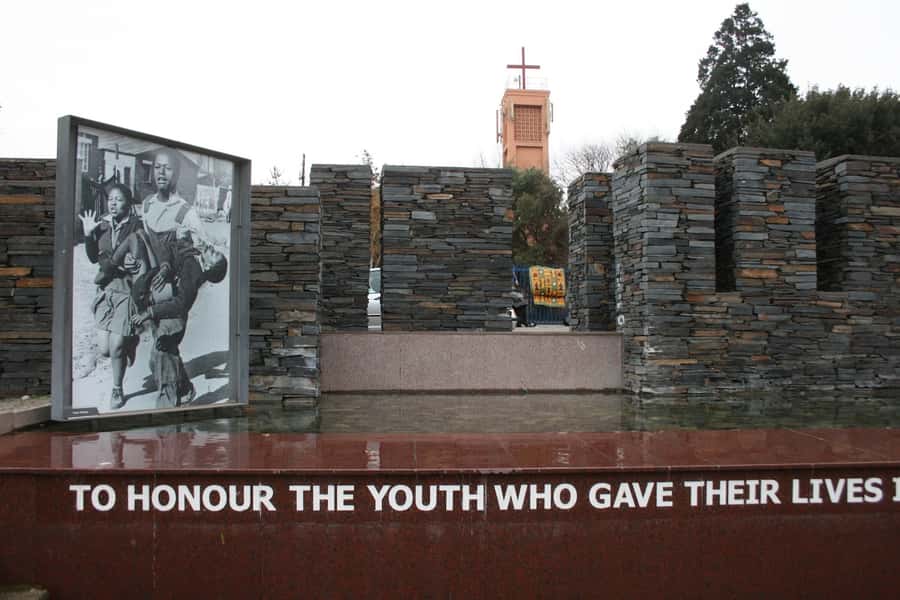
And yes, this can be emotional. The story of June 16, 1976, and the way Hector Pieterson’s death is remembered is hard to shake. I like that your guide sets context before you arrive at the museum, so you understand what you are seeing, not just where you are standing.
Pickup and the pre-departure briefing that sets expectations
You are picked up from your accommodation in Johannesburg or Pretoria, then you get a quick pre-departure briefing from your guide. That briefing is not a fluff intro. It helps you understand the day’s structure, what might be photo-friendly, and how to handle sensitive topics with respect.
After pickup, you ride by coach toward Soweto. There is a short travel segment on the way, and the route includes passing National Football Stadium, the venue that hosted the opening and closing ceremonies of the 2010 World Cup. It is an interesting contrast, because you see a global sports icon close by, then you slide into township streets where the reality is much more personal and local.
Your guide leads the day in English, and the tour includes free onboard uncapped WiFi. That is handy for quick mapping, group messages, or just keeping your phone charged mentally while you focus on the history.
The Orlando West and Diepkloof walk: markets, vendors, and everyday flow
One of the strongest parts of the day is the time spent walking in Orlando West and the Diepkloof area. You are not just driving past neighborhoods. You spend about two hours walking with a guide, including time to see vendors and stalls selling everything from everyday goods to snacks and small items you did not know you needed.
This stop is where you see Soweto as a community, not a backdrop. Even when the day turns heavy later, this walking segment reminds you that township life is built on commerce, relationships, and local routines.
Practical tip: wear comfortable shoes and keep your camera ready, but also keep your attention on your guide’s pace. Market streets move quickly. If you stop to photograph every stall, you can eat up the whole walk. Better plan, pick a few moments you really want, then enjoy the rest with your eyes and questions.
Vilakazi Street: the Mandela and Tutu connection in real neighborhoods
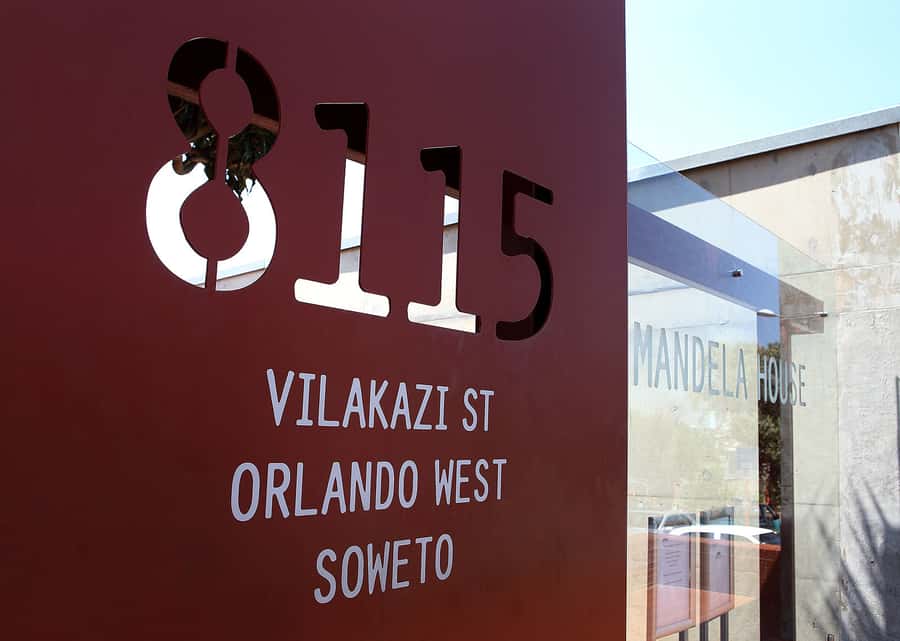
After the market walking, the tour shifts to the Orlando West and Vilakazi Street area. This is where the day becomes very name-specific. You drive past homes connected to major figures, including the former home of Nelson Mandela and the home of Archbishop Desmond Tutu.
You will also spend time reading about the Soweto uprising and the June 16, 1976 events, where Hector Pieterson became a symbol of what the schoolchildren faced that day. Your guide’s job here is to connect those memorial points to what you can see around you now.
Vilakazi Street is also a photo magnet, but the point is not only the photos. It is the idea that these people lived here among ordinary streets and daily movement. If you are the kind of visitor who wants meaning before you snap the picture, this part fits.
Mandela House outside photos, and museum entry if you want the extra time
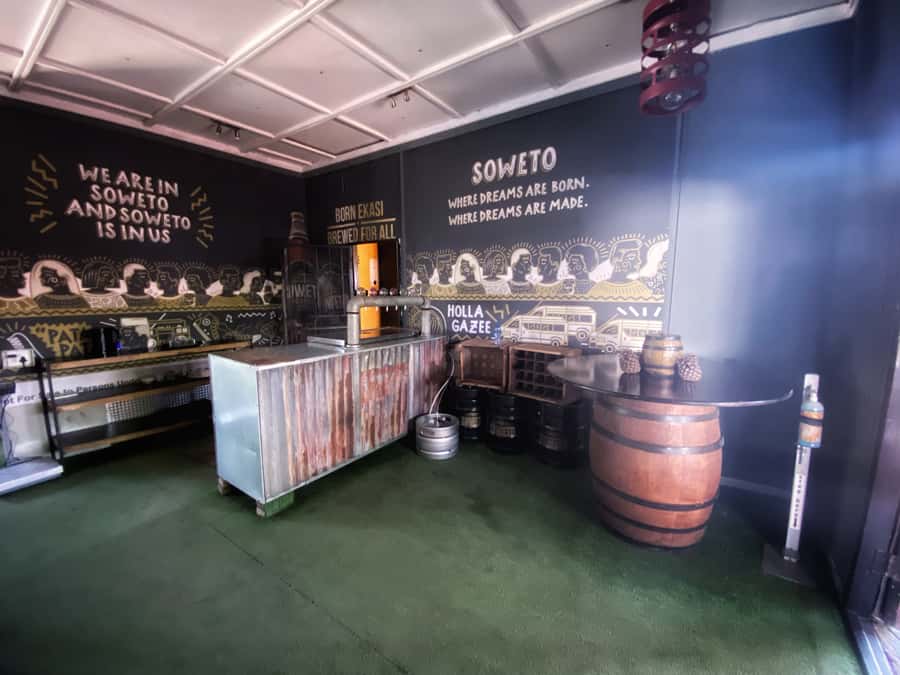
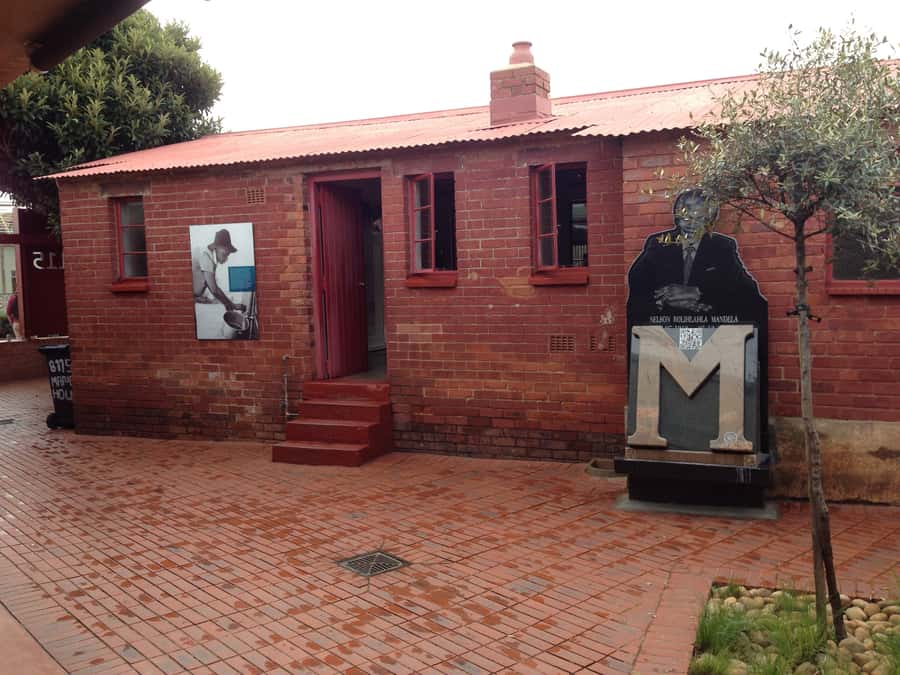
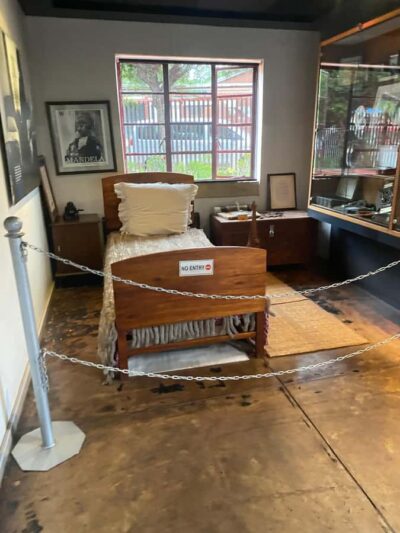
You get the chance to photograph Nelson Mandela’s residence at the Mandela House stop. The tour also includes an informal settlement Mandela House Museum visit, but there is an important note: visits inside the museum are optional, with an extra cost per person payable on arrival.
This is the main place where you need to decide what kind of day you want. If you prefer a tighter schedule, you can focus on the exterior and the guided context. If you want more museum time and more depth, budget for that optional entry and give yourself permission to slow down.
A helpful mindset: museums like this often work best when you read slowly and absorb fewer details at a time. Take breaks, especially if the 1976 story starts to hit harder than you expected.
Hector Pieterson Museum: where the 1976 story becomes personal
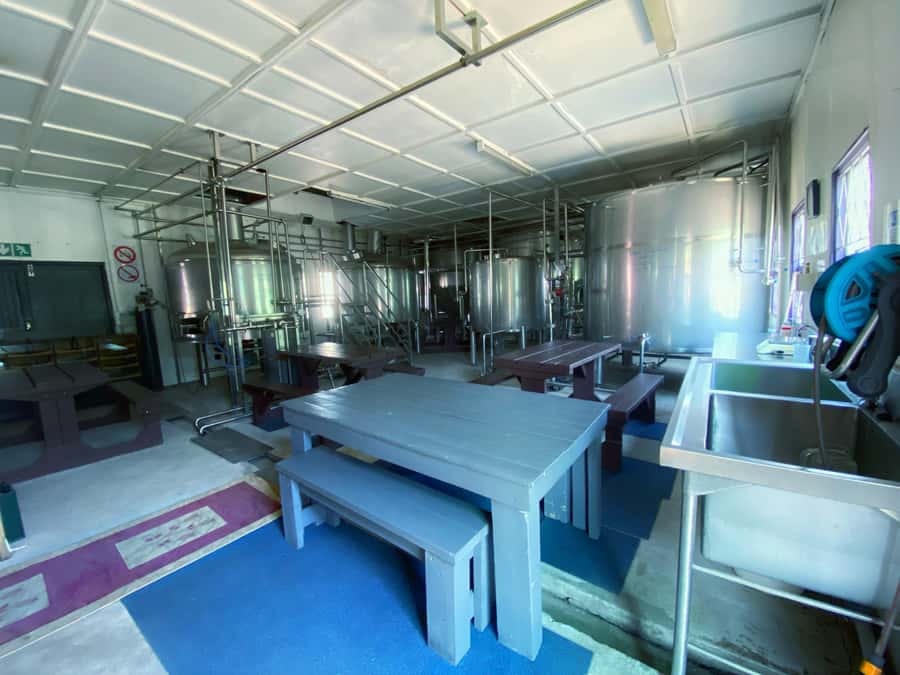
The Hector Pieterson Museum entry fee is included. That matters because it lets you focus on the experience, not the logistics. This is a museum stop built around the June 16, 1976 tragedy, and it is the emotional centerpiece of the day.
From guides described in past departures, the best approach is clear, calm interpretation. One guide style you may encounter, Tshepo, has been praised for answering questions and adjusting the pacing for what the group needs. Another guide style, Prince, has been praised for clear explanations. The common thread is that the museum moment lands better when you understand what you are seeing, and you can ask follow-up questions without feeling rushed.
Reality check: this is not a light stop. The museum can feel poignant and heavy. If you bring a friend who gets restless in emotional spaces, give them a job, like asking you one question after each room, so you both stay engaged.
Freedom Square and the Freedom Charter Memorial: ideas you can stand in front of
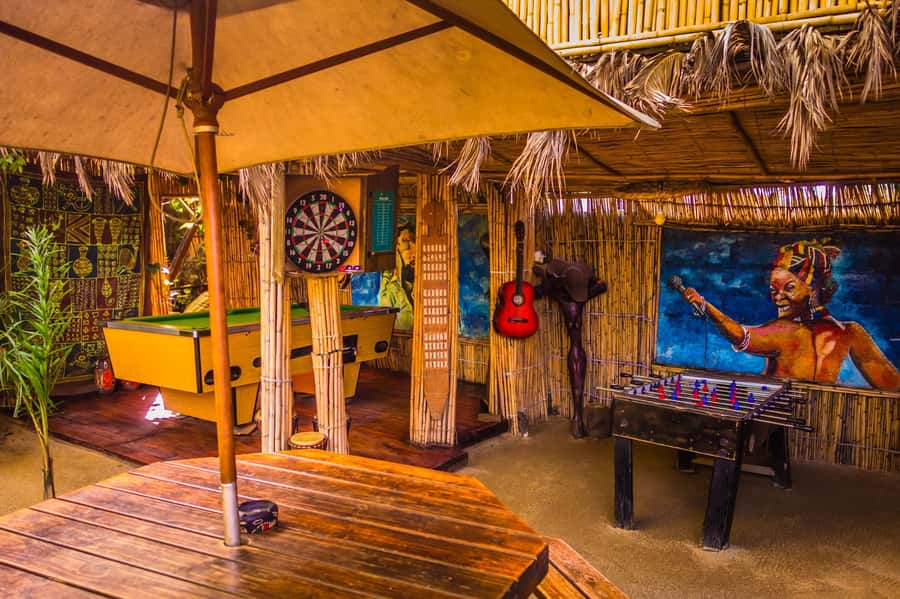
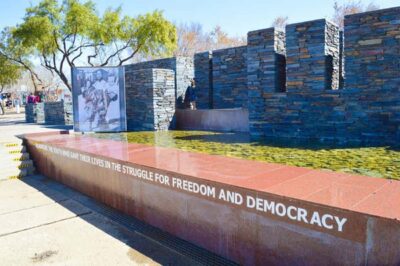
After the museum and Mandela House area, you reach Freedom Square and the Freedom Charter Memorial. This part gives you the political backbone to the stories you just heard. It is where the day moves from event memory to principle memory.
Why this matters: names like Mandela and Hector Pieterson will stay with you, but the Freedom Charter symbols explain why those sacrifices mattered in the larger fight for rights and change. If you only see the tragedy without the ideas, the day can feel incomplete. This stop helps close that gap.
Photo-wise, bring your time and patience. You might not want to take a hundred pictures here. You might prefer a few calm shots that frame the memorial space properly.
Regina Mundi Church, taxi rank, and Maponya Mall: seeing function, not just memory
You also walk through Regina Mundi Church. That stop adds another layer, because it is tied to community life and the ways people organized and gathered. It is one more reminder that Soweto is not only commemorations. It is lived-in places of faith and community.
Then you pass through or visit areas like the Baragwanath Taxi Rank and Maponya Shopping Mall. These stops can be easy to skip in your head if you arrive thinking only of history. But they are useful. A taxi rank shows how people move. A shopping mall shows how people buy, work, and meet friends. Both help you understand how modern life runs alongside older political stories.
If you are sensitive to tourist focus, treat these as brief observational stops. Let your guide handle the explanation. Then move on. That keeps the day respectful and keeps you on schedule.
Passing Soccer City Stadium and seeing global South Africa nearby
On the way in, the tour passes National Football Stadium, and it specifically connects to the 2010 World Cup opening and closing ceremonies. You also pass Soccer City Stadium as part of the sights included.
This is not random. It gives you scale. Johannesburg can feel like one place, then Soweto feels like another. Seeing the stadium next to the township journey helps your brain track how different realities coexist within one metro region.
It can also be a good moment to notice your own assumptions. If you only think of Soweto as past pain, this stop nudges you to see Johannesburg’s modern public stage too.
Shanty town interaction and Chris Hani Baragwanath Hospital viewpoint
One part of the tour includes driving into a shanty town area where you get to interact with some of the locals. This is where cultural sensitivity matters most. Follow your guide’s instructions. Keep interactions brief and respectful. Ask only what your guide suggests is appropriate.
Then the tour ends with a view and pass-by stop at Chris Hani Baragwanath Hospital, described as the largest hospital in the world. Even if you only see it from outside, it is a striking capstone. After you have looked at memorials and homes tied to activism, the hospital stop shifts the focus to health systems and daily services.
If your day has felt heavy, this can help. It reminds you that communities are dealing with the challenges of today, not only remembering the battles of yesterday.
Lunch in Soweto: included meal, plan for no drinks
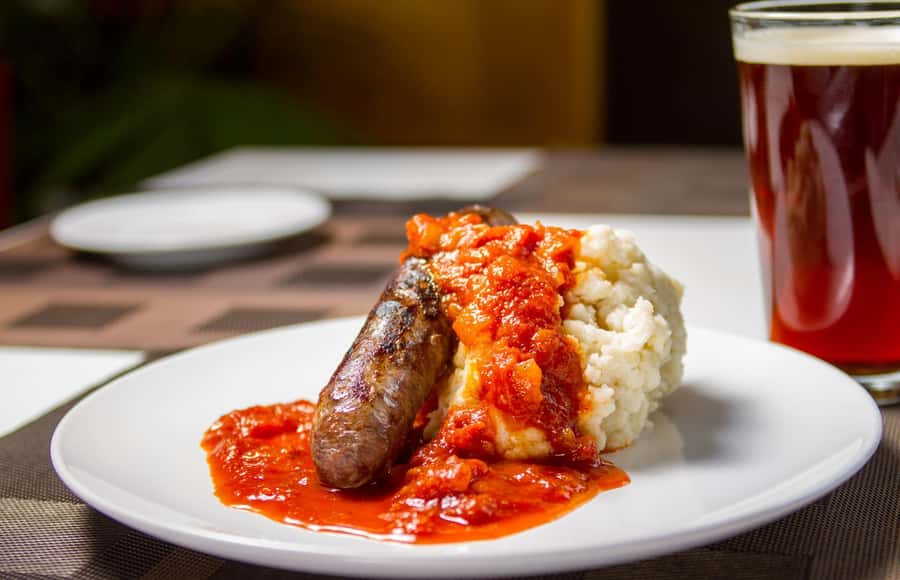
Lunch is included at a restaurant in Soweto, excluding beverages. That means you should be ready to buy any drinks separately.
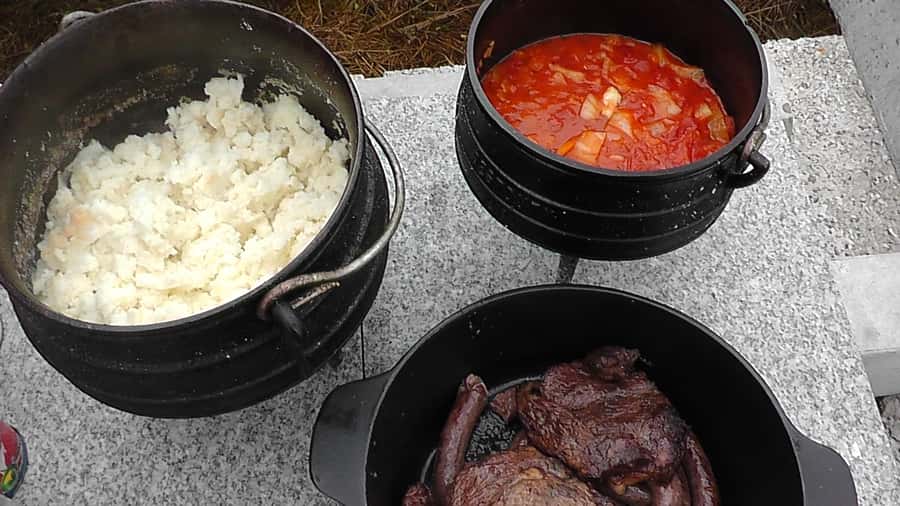
One guide-hosted day described a tasty local buffet style lunch. That lines up with what you should generally expect from a set-menu or buffet lunch during a town day tour: filling food, quick service, and enough time to eat before the next stop.
Practical advice: bring water if you know you get thirsty, especially on warm afternoons. The itinerary does not mention a water stop, so keep yourself comfortable.
Price and value: what $94 buys, and what may cost extra
At $94 per person for a 6-hour guided tour, the value is mostly about what is already included. You get:
- Hector Pieterson Museum entry
- A Mandela House area visit with the option to add inside museum time on arrival
- Freedom Square and Freedom Charter Memorial
- Vilakazi Street and key home area sights linked to major figures
- Regina Mundi Church walk
- Chris Hani Baragwanath Hospital stop
- Lunch in Soweto (beverages excluded)
- Free onboard uncapped WiFi
That is a lot for one half day. The main possible add-on is the optional Mandela House museum entry inside. So when you budget, think of the tour fee as the foundation, then consider that extra if you want the full museum time.
Also note the donation tied to every individual booking, R50 to the Motsoaledi Day Care Centre, used for building upgrade projects and wish list items. That is a small detail, but it adds a real reason to feel your money has a local connection.
What to bring and how to handle the weather
The tour recommends bringing a sun hat and sunscreen, plus a jacket and comfortable clothes. That combination makes sense. Johannesburg and Soweto can get bright and warm during daytime, then cool off enough that a light jacket feels smart.
Other practical choices:
- Wear shoes you can walk in for around two hours on foot
- Bring a small bag you can manage while taking photos
- Keep your phone fully charged before pickup, since you might spend time away from outlets
Guide quality is the real difference maker
This type of tour lives or dies by the guide. Based on feedback tied to this experience, guides like Lebo, Tshepo, and Thomas have been praised for being calm, funny in a good way, and careful about explaining what you are seeing. Prince has also been praised for clear explanations, and Moussa has been mentioned for local welcome during neighborhood interaction.
Here is what that means for you: you will get more out of the day if you treat your guide like the source of context. Ask questions. If something feels confusing, ask for one more explanation. These guides are there to connect the historical dots to the street scene.
Who should book this Soweto tour with lunch
This tour is a good fit if you want:
- A guided introduction to Soweto with major sites in one day
- Museum time paired with street-level walking
- A practical lunch stop so you are not hunting for food mid-journey
- English-speaking interpretation and an organized route
It might feel less ideal if you want a slow, unhurried day focused only on museums. At 6 hours, you will likely move between stops with a steady pace, and some museum time can feel brief if you are the type who likes to stay inside and read every label.
Should you book this Soweto tour with lunch?
I think you should book this if you want a structured, respectful introduction to Soweto that covers the major emotional anchors, plus the day-to-day neighborhood details. The inclusion of Hector Pieterson Museum entry and lunch makes it easier to commit, and the route adds both memorial and modern life stops, like Freedom Square and Chris Hani Baragwanath Hospital.
Book with extra attention to your preferences if you feel museum time is important to you. Plan for the optional Mandela House museum entry if you want deeper access, and bring the right clothing so you can stay comfortable during the walking segment.
If you are nervous about touring a township, look for the guide you feel you can trust when you start asking questions. The guides connected to this experience have been described as calm, clear, and safety-aware, and that kind of guidance helps you feel grounded while the topics are intense.
FAQ
How long is the Soweto tour?
The tour duration is 6 hours.
Where are you picked up?
Pickup is included from your accommodation in Johannesburg or Pretoria.
What is the language of the tour guide?
The live tour guide is available in English.
Is lunch included, and are drinks included?
Lunch is included at a restaurant in Soweto, but beverages are excluded.
Is entry to the Hector Pieterson Museum included?
Yes, the entry fee into the Hector Pieterson Museum is included.
Is Mandela House museum entry included?
You have a Mandela House stop with photo opportunities, and visits inside the museum are optional for an extra cost per person payable on arrival.
What sights are included besides Mandela House and Hector Pieterson Museum?
Included stops and sights include Freedom Square and the Freedom Charter Memorial, Vilakazi Street, Regina Mundi Church walk-through, Baragwanath Taxi Rank, Maponya Shopping Mall, and Chris Hani Baragwanath Hospital.
Is WiFi available on the tour?
Yes, the tour includes free onboard uncapped WiFi.
Is the tour wheelchair accessible?
Yes, the tour is wheelchair accessible.
What should I bring for the tour?
Bring a sun hat, sunscreen, a jacket, and comfortable clothes.
Is free cancellation available?
Free cancellation is available up to 24 hours in advance for a full refund.
Johannesburg, Block by Block
Soweto: Other Guided Routes
Keep going: the rest of our Soweto write-ups
- Johannesburg: Soweto Night Tour
★ 4.7 · 3 reviews - Johannesburg: Soweto Tour with Lunch
★ 4.8 · 43 reviews - Johannesburg: Soweto Half-Day Tour
★ 4.7 · 196 reviews
Johannesburg City Tours, compared.
 ★ 4.5Johannesburg Hop-On Hop-Off City Tour with Soweto OptionFrom $16768 reviews
 ★ 4.8Johannesburg: Full-Day Tour with Soweto and Apartheid MuseumFrom $104478 reviews
 ★ 4.8Johannesburg and Soweto: Half-Day TourFrom $71439 reviews
 ★ 4.6From Johannesburg: Lion & Safari Park Half-Day TourFrom $167384 reviews
 ★ 5.0Ultimate Johannesburg Soweto Experience with Apartheid MuseumFrom $108313 reviews
 ★ 5.0Half Day Lion Park tour from Johannesburg or PretoriaFrom $100274 reviews
 ★ 4.9Johannesburg: Maboneng Street Art & Culture TourFrom $37257 reviews
 ★ 5.0Johannesburg and Soweto tourFrom $77231 reviews
Browse the lists this tour appears in