
REVIEW · JOHANNESBURG CITY TOURS
Johannesburg: Soweto Tour by Tuk Tuk
Hop in a tuk tuk, then get the story.
This Soweto ride is a smart mix of landmarks, streets, and real neighborhood life, all in about 2.5 hours. You also get the bonus of going places that are tough to reach on foot.
I especially like the small group setup and the way the local guide and driver connect the sights to what happened in South Africa, not just what you see on a sign. From Hector Pieterson Museum to Mandela and Tutu-related stops on Vilakazi Street, the route gives you a clear thread through the township’s major moments.
One possible drawback: 150 minutes goes fast. Some stops are photo stops or shorter visits, so if you want long, slow museum time, you might feel a little rushed.
In This Review
- Key things to notice before you go
- Why a tuk tuk in Soweto beats the usual bus shuffle
- Meeting point in Orlando West, and how the 150-minute pace works
- Hector Pieterson Museum: start with a turning point
- Vilakazi Street: Mandela, Archbishop Desmond Tutu, and the power of place
- Mandela House: what to focus on during the photo-and-guided stop
- Orlando East photo stop: formal homes and tough contrasts
- Soweto Towers: quick look, useful skyline context
- Regina Mundi Catholic Church: community memory you can feel
- Women’s hostel and Mama Lilian Ngoyi’s family home
- Informal settlement visit: what to expect and how to handle it
- The kota sandwich stop: food as a well-earned finish
- Price and value: is $59 per person fair?
- Guides make the difference, and you’ll feel it on the road
- Who should book this Soweto tuk tuk tour?
- Should you book? My take
- FAQ
- How long is the Soweto tour by tuk tuk?
- How big is the group?
- What language is the live tour guide?
- Where is the meeting point in Soweto?
- What are the major stops included in the tour?
- Is food included?
- Is an informal settlement visit included?
- Should I bring money for the informal settlement visit?
- What is the price per person?
- Is free cancellation available?
Key things to notice before you go
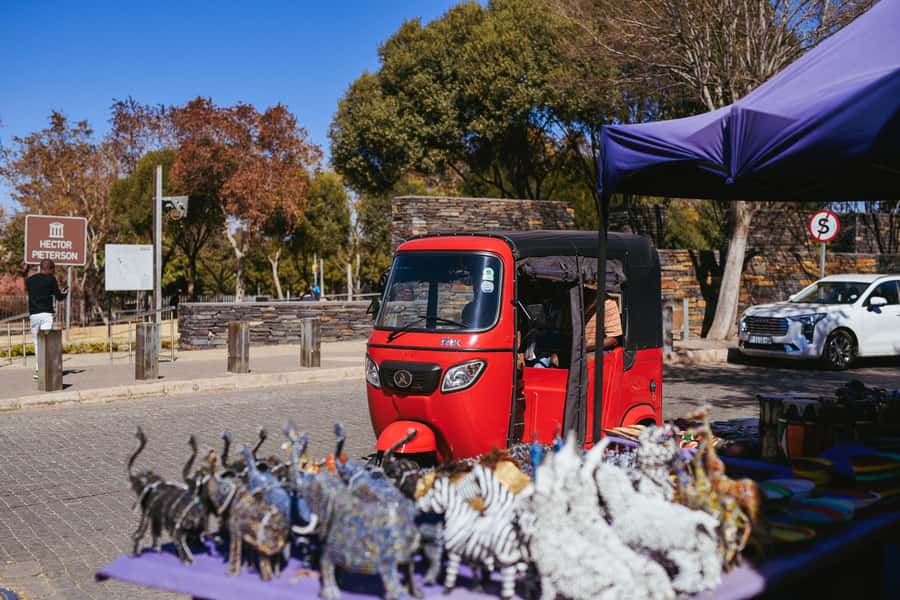
- Tuk tuk access that reaches farther into Soweto than many walking-focused tours.
- Small group limit (5 people), which keeps questions from getting lost.
- Orlando West start point right on Rampa and Moema Street, making the plan easy to follow.
- Hector Pieterson Museum + Soweto uprising context, including time for a guided look.
- Vilakazi Street stops tied to Mandela and Archbishop Desmond Tutu House.
- Food included, including a chance to try the local kota sandwich.
Other Soweto routes we have reviewed, each with a local guide
- Johannesburg: Hop-On Hop-Off Bus with Optional Soweto Tour★ 4.6 · 985 reviews
- Soweto /Johannesburg and Apartheid Museum Guided Full Day Tour★ 5.0 · 932 reviews
- Johannesburg Hop-On Hop-Off City Tour with Soweto Option★ 4.5 · 768 reviews
- Half-Day Tour of Soweto Tour★ 4.5 · 712 reviews
Why a tuk tuk in Soweto beats the usual bus shuffle
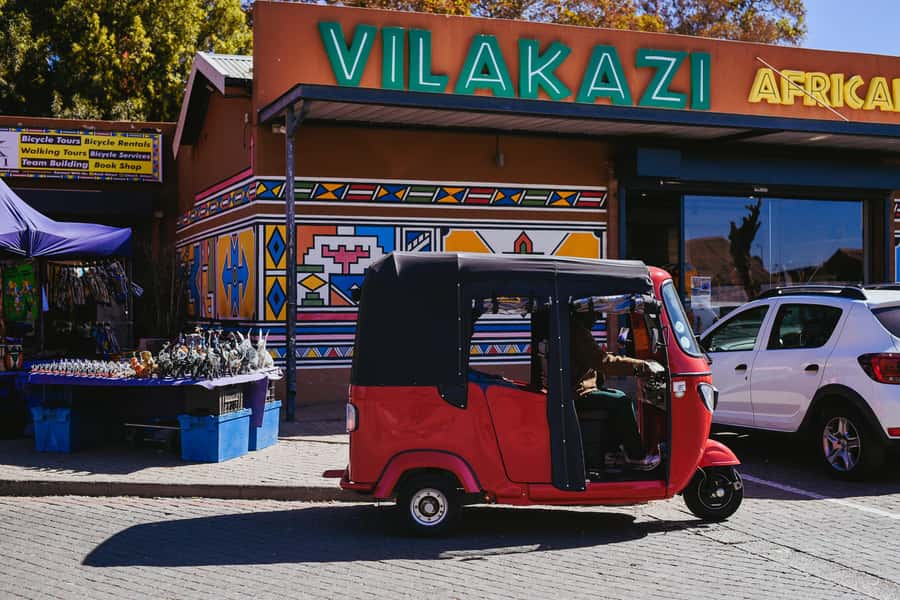
Soweto is spread out, and the roads can make “one fixed route” tours feel limiting. A tuk tuk solves that problem. You get more ground covered than you would with walking, and you can hop between neighborhoods without turning your day into a stamina test.
It also changes the feel. Sitting close to your driver and guide means you hear explanations as you pass key spots, and it’s easier to ask questions on the move. Several guides on this experience (including Mulalo and Thabo, plus a driver named Teboho in one account) come across as people who want you to understand the places you’re seeing, not just check boxes.
Meeting point in Orlando West, and how the 150-minute pace works
Your tour meets at One Day Africa, right on the corner of Rampa and Moema Street, Orlando West. Getting there is usually the first “make or break” step for a day tour, so plan to arrive with a little buffer.
The total time is 150 minutes, so think of this as a well-paced introduction, not an all-day deep study. You’ll get guided time at major points (some around 30 minutes), plus shorter stops where you take photos, look around, and keep moving. If you like structure, this works well. If you need lots of spare time for browsing, you may prefer a slower option.
Language is English, and the group is small. That combination matters because it keeps the conversation flowing, especially when the guide is answering real questions about apartheid-era events and how Soweto became Soweto.
Hector Pieterson Museum: start with a turning point

The tour typically kicks off with Hector Pieterson Museum in Soweto, with about 30 minutes for a guided visit. This is one of the best ways to start your day because it frames why the Soweto uprising became a global turning point.
What I like about starting here is simple: you don’t just see memorials later as “important stops.” You understand the connection first. Then the rest of the route makes more sense, especially when you reach sites on Vilakazi Street and places connected to major figures.
Practical tip: go with a little patience for emotions. Even when the visit is guided and controlled, this kind of museum work can hit hard.
Vilakazi Street: Mandela, Archbishop Desmond Tutu, and the power of place
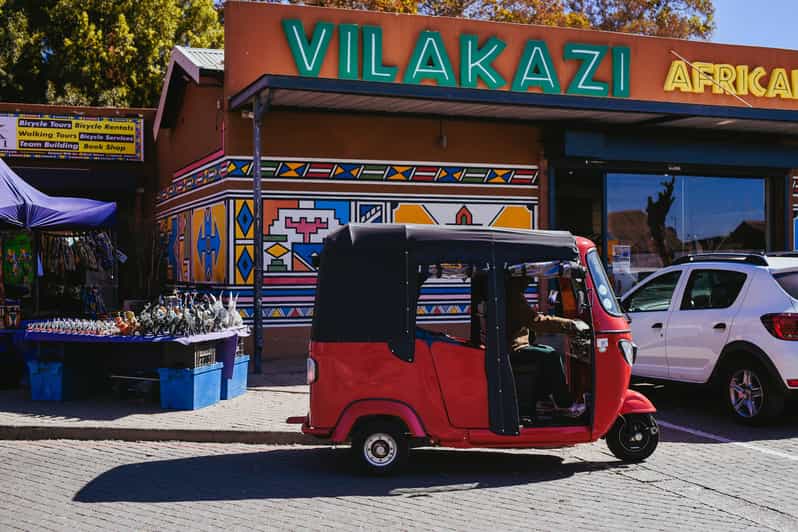
After the museum, you head to Vilakazi Street in Orlando West for another 30-minute guided visit. Vilakazi Street matters because it connects the neighborhood to major South African leadership.
On this route, you’ll see the Mandela House area and also the Archbishop Desmond Tutu House on Vilakazi Street. Even when you’re mostly doing guided looking and photo stops, your guide’s explanation turns these into more than famous names.
Why this stop is worth your time: you get a sense of how personal leadership and everyday community life sit side by side in the same streets. You see why Vilakazi Street became a symbol, not just a tourist strip.
More of Joburg, neighbourhood by neighbourhood


Mandela House: what to focus on during the photo-and-guided stop
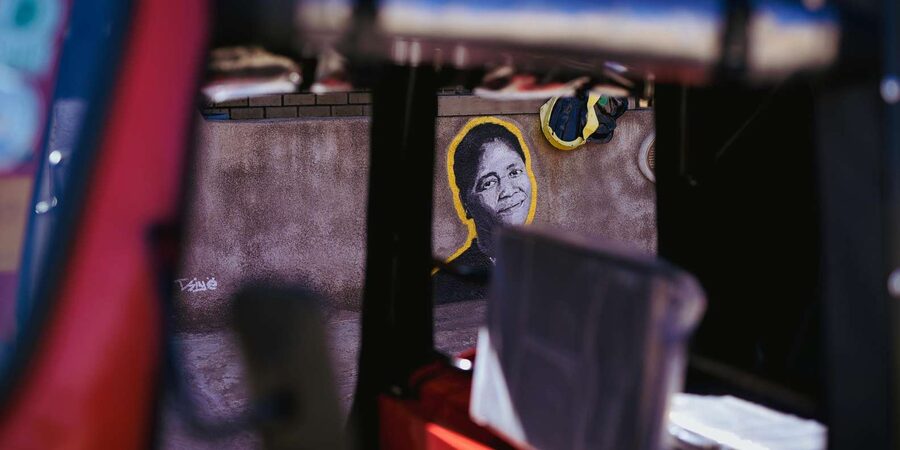
You’ll also have dedicated time for Mandela’s House (part visit, with a photo stop and guided time noted). Plan to treat this as a “listen carefully” moment. When guides explain what you’re seeing, pay attention to how the story ties to the broader struggle.
A good sign that this tour is working is how your guide handles your questions here. In past experiences, guides like Mulalo and Thabo have been praised for taking time and keeping the explanation clear, including for first-time visitors who need a map of what everything means.
Don’t expect endless lingering. The stop is designed to fit the 150-minute flow, so you’ll likely get a solid orientation rather than a long, slow browse.
Orlando East photo stop: formal homes and tough contrasts
Next comes Orlando East, with a short stop that includes photo time and sightseeing (about 10 minutes). This part matters because it helps you notice contrasts in housing and community life inside Soweto.
The experience here is quick by design, so your best move is to look beyond the view in front of you. Ask your guide what changed, what stayed, and what that says about the township’s development over time. Even short stops can be meaningful when your guide gives context.
If you’re the type who loves street-level observation, this brief segment is a good payoff.
Soweto Towers: quick look, useful skyline context

You’ll also make time for Soweto Towers, with a photo stop and guided time (around 20 minutes). It’s not just a photo moment. With the right explanation, skyline landmarks can help you understand how views, routes, and “where things are” affect daily life.
This is another stop where a guide’s pointing matters. Listen for why you’re seeing the structure from the angle you are, and how it fits into modern Soweto.
Regina Mundi Catholic Church: community memory you can feel
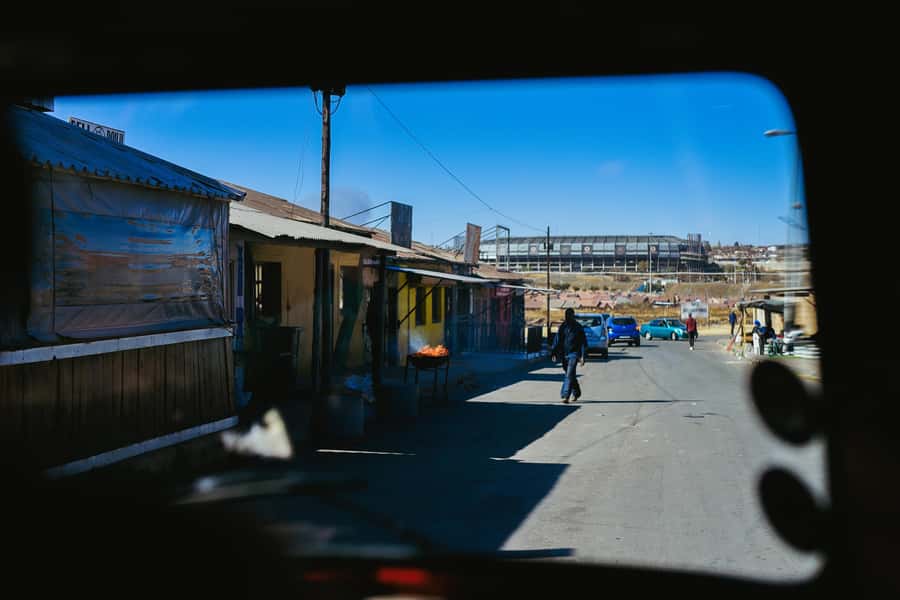
The tour includes Regina Mundi Catholic Church, with photo stop plus guided time (about 30 minutes). This is the kind of place where history lives in the building and in the neighborhood around it.
What makes this stop valuable is that it broadens your understanding of the anti-apartheid movement. It’s not only political speeches and major figures. Religious and community spaces also played roles in support, organizing, and shared resilience.
Give yourself permission to just stand there for a moment with the guide’s explanation in your ears. It helps the meaning stick.
Women’s hostel and Mama Lilian Ngoyi’s family home
The day also includes two important human-rights storylines: a visit to a former women’s hostel and Mama Lilian Ngoyi’s family home. These are the kind of stops that shift the focus from the biggest names to the people whose work helped carry the struggle forward.
Even if you’re moving through quickly, the value comes from your guide connecting names, locations, and the role of women in the movement. A lot of the praise this tour gets points to guides who answer questions honestly and keep the narrative grounded, which matters a lot for stops like these.
If you care about learning the “who did what” parts, you’ll likely leave with better mental anchors.
Informal settlement visit: what to expect and how to handle it
One element that can be sensitive is the typical informal settlement visit done with a local guide. You should expect this to be guided and respectful, and your guide will help set the tone.
The tour also suggests gratuity after the visit, with R20 to R50 being mentioned, depending on your discretion. If you’re unsure what amount is fair, a practical approach is to bring cash, see what feels appropriate, and follow your guide’s lead.
Also, treat this as a conversation, not a photo safari. When the experience is done well, you’ll come away with a better sense of daily life and community pride, without turning people into scenery.
The kota sandwich stop: food as a well-earned finish
After the main sights, you’ll get food and drinks included, including a chance to try a local kota sandwich. This is a smart ending because it turns the day from “history stops” into “people life.”
A kota is filling, and it fits the tuk tuk reality: you’ve been moving around, listening, and taking in a lot, so having a meal you can actually enjoy is a big part of the value.
In plain terms: you won’t finish this tour starving.
Price and value: is $59 per person fair?
At $59 per person for about 150 minutes, this is not an economy move, but it also doesn’t feel like a tourist-markup stunt. Here’s why the pricing can work for you:
- You’re paying for a local guide and driver, and the guide time matters on stops like Hector Pieterson Museum and the Vilakazi Street sites.
- The tuk tuk isn’t just for fun. It’s for logistics and access, letting the route cover more than you could do by walking.
- Food and drinks are included, including the kota, so you’re not hunting for a meal afterward.
Where you might feel the price differently is if you hate structured schedules. Since the day is time-boxed, you get a “best overview” style experience. You’re paying for coordination, not free roaming.
If you’re a first-time visitor to Johannesburg who wants a clean entry point to Soweto, this often lands as good value.
Guides make the difference, and you’ll feel it on the road
This experience is consistently praised for the guide role. Names that come up often include Mulalo and Thabo, and in one account the driver Teboho is highlighted for professionalism and clear communication.
The biggest pattern in the feedback is not just facts. It’s how the guide handles pacing, questions, and route choices. In one example, the tour was adapted to time constraints, and the guide still managed to cover key areas.
That’s what you want: not rehearsed speeches, but a guide who can explain Soweto in a way that makes sense to you in real time.
Safety also shows up in the way people describe the ride: many say they felt safe while still getting access to different parts of Soweto. I can’t promise that for every situation, but it tells you this operator takes comfort and route choice seriously.
Who should book this Soweto tuk tuk tour?
This is a strong fit if:
- You want a first-time Soweto overview with major landmarks.
- You’d rather ride than walk for hours.
- You like guides who answer questions and add local context, not just “here’s the sign” stops.
- You’re traveling with kids or anyone who needs a less walking-heavy plan. One account specifically notes this kind of tour helps families keep up with the day.
It might be less ideal if:
- You want long, slow museum time and lots of spare hours for wandering.
- You don’t want a route that includes shorter photo stops and a time-boxed schedule.
Should you book? My take
If your goal is to see the key Soweto sites and leave with a clearer story, this tuk tuk tour is a smart way to do it. The small group size, the local guide focus, and the ability to reach beyond the most obvious tourist routes make it feel like more than a quick checklist.
Book it if you like structure and conversation. Consider a different format if you want to go at a slower pace or you’re looking for a full-day, museum-focused itinerary.
FAQ
How long is the Soweto tour by tuk tuk?
The tour lasts about 150 minutes.
How big is the group?
The group is limited to 5 participants.
What language is the live tour guide?
The live tour guide is English.
Where is the meeting point in Soweto?
You meet at One Day Africa, at the corner of Rampa and Moema Street in Orlando West, Soweto.
What are the major stops included in the tour?
The tour includes stops such as Hector Pieterson Museum, Vilakazi Street, Mandela’s House, Orlando East, Soweto Towers, and Regina Mundi Catholic Church. It also includes visits to a former women’s hostel and Mama Lilian Ngoyi’s family home.
Is food included?
Yes. Food and drinks are included, and you’ll get to try a local kota sandwich.
Is an informal settlement visit included?
A visit to an informal settlement is typically conducted with a local guide.
Should I bring money for the informal settlement visit?
You may want to bring cash for a discretionary gratuity. The tour notes a suggested range of R20 to R50.
What is the price per person?
The price is listed as $59 per person.
Is free cancellation available?
Yes. You can cancel up to 24 hours in advance for a full refund.
Johannesburg, Block by Block
- From Johannesburg: Pilanesberg Nature Reserve Game Safari
- Johannesburg: Hop-On Hop-Off Bus with Optional Soweto Tour
- Soweto /Johannesburg and Apartheid Museum Guided Full Day Tour
- Johannesburg Hop-On Hop-Off City Tour with Soweto Option
- Full Day Ultimate Pilanesberg National Park Safari from Johannesburg or Pretoria
Soweto: Other Guided Routes
Keep going: the rest of our Johannesburg write-ups
- Soweto Private half day tour
★ 4.5 · 3 reviews - Johannesburg’s Migration History with a local lunch
★ 5.0 · 3 reviews - Johannesburg: Soweto, Apartheid Museum, and Cradle tours
★ 4.7 · 3 reviews - Soweto Apartheid Museum and Lunch
★ 5.0 · 3 reviews - Bathongo Rhino & lion park nature reserve tour
★ 5.0 · 3 reviews - Johannesburg: Elephant and Monkey Sanctuary Half Day Tour
★ 5.0 · 3 reviews
Johannesburg City Tours, compared.
 ★ 4.5Johannesburg Hop-On Hop-Off City Tour with Soweto OptionFrom $16768 reviews
 ★ 4.8Johannesburg: Full-Day Tour with Soweto and Apartheid MuseumFrom $104478 reviews
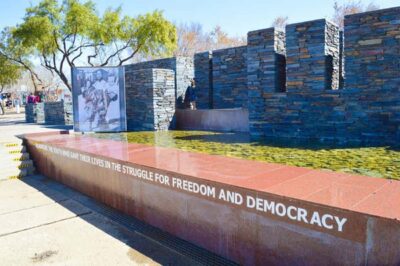 ★ 4.8Johannesburg and Soweto: Half-Day TourFrom $71439 reviews
 ★ 4.6From Johannesburg: Lion & Safari Park Half-Day TourFrom $167384 reviews
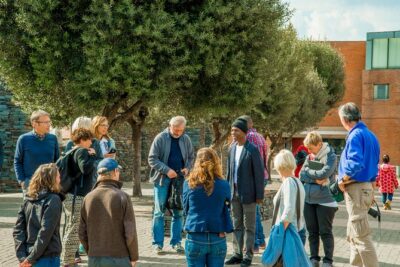 ★ 5.0Ultimate Johannesburg Soweto Experience with Apartheid MuseumFrom $108313 reviews
 ★ 5.0Half Day Lion Park tour from Johannesburg or PretoriaFrom $100274 reviews
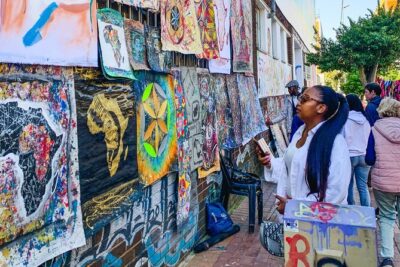 ★ 4.9Johannesburg: Maboneng Street Art & Culture TourFrom $37257 reviews
 ★ 5.0Johannesburg and Soweto tourFrom $77231 reviews
Browse the lists this tour appears in