

REVIEW · JOHANNESBURG CITY TOURS
Johannesburg: Soweto Apartheid & Township Tour with Lunch
Soweto hits harder with context. This Johannesburg day trip gives you the bigger story behind Soweto’s streets, with a local guide who was born and raised in the area. I especially like the small-group size (max 13) and the pairing of memorials with the Apartheid Museum, so the day makes sense instead of feeling like random stops. One thing to consider is that the schedule is full, so the pacing can feel a bit tight, especially if you prefer long, slow hangs at each site.
You’ll ride through key neighborhoods, including Diepkloof and Orlando West, and you’ll learn how the 1976 Soweto uprising helped kick-start South Africa’s liberation. I also like that lunch is built in, a traditional township meal at Restaurant Vilakazi, with extra time to reset before the museum. If you’re sensitive to seeing extreme inequality, plan for an emotional day and go in with respect for local life, not a tourist gaze.
In This Review
- Key points you’ll care about
- A 7-hour Soweto day that connects streets to the story
- From hotel pickup to Soweto, you pass key Johannesburg landmarks
- Diepkloof and Vilakazi Street: where you see daily life and the big names together
- Hector Pieterson Memorial: the moment the uprising becomes real
- Informal settlement visit: interaction with care, not a spectacle
- Chris Hani Baragwanath Hospital: scale and the reality of healthcare strain
- Lunch at Restaurant Vilakazi: a needed reset with local flavor
- Apartheid Museum: when the timeline clicks
- How the guide makes the day work (and why names matter)
- Price and value: what $114 buys you in real terms
- What to bring, and how to pace yourself emotionally
- Is this the right tour for you?
- FAQ
- How long is the Soweto Apartheid & Township Tour with Lunch?
- What is included in the price?
- Do I have to visit Mandela House?
- Is the group size small?
- Is lunch included, and are drinks included?
- Can I cancel and get a full refund?
Key points you’ll care about
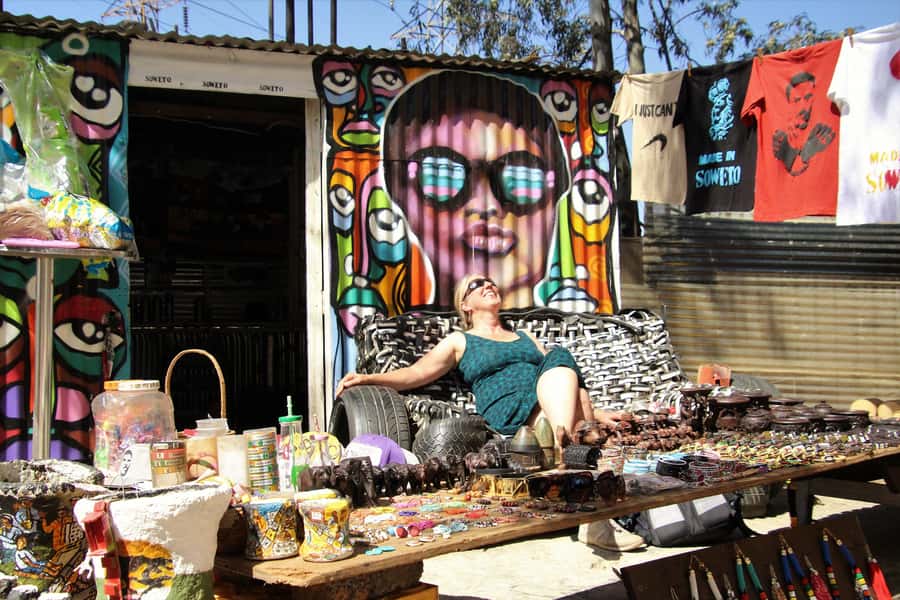
- Local guidance from inside Soweto, not a script, with English explanations that keep the day grounded
- Hector Pieterson Memorial plus Apartheid Museum, so you connect the uprising to the broader system
- Mandela and Tutu area stops, including Vilakazi Street and a drive past Mandela House (Mandela House Museum visit is optional)
- A visit to an informal settlement, with time to interact and see real everyday activity
- Restaurant Vilakazi lunch included, plus onboard free Wi-Fi for quick messaging breaks
Other township walks led by residents of the neighbourhood
- Soweto Township Cultural Tour incl Apartheid Museum and Nelson Mandela House★ 5.0 · 30 reviews
- Soweto Township Half Day Tour★ 5.0 · 20 reviews
- Half-Day Guided Tour of Johannesburg and Soweto Township★ 5.0 · 19 reviews
- full day tour Johannesburg et soweto township★ 4.7 · 10 reviews
A 7-hour Soweto day that connects streets to the story
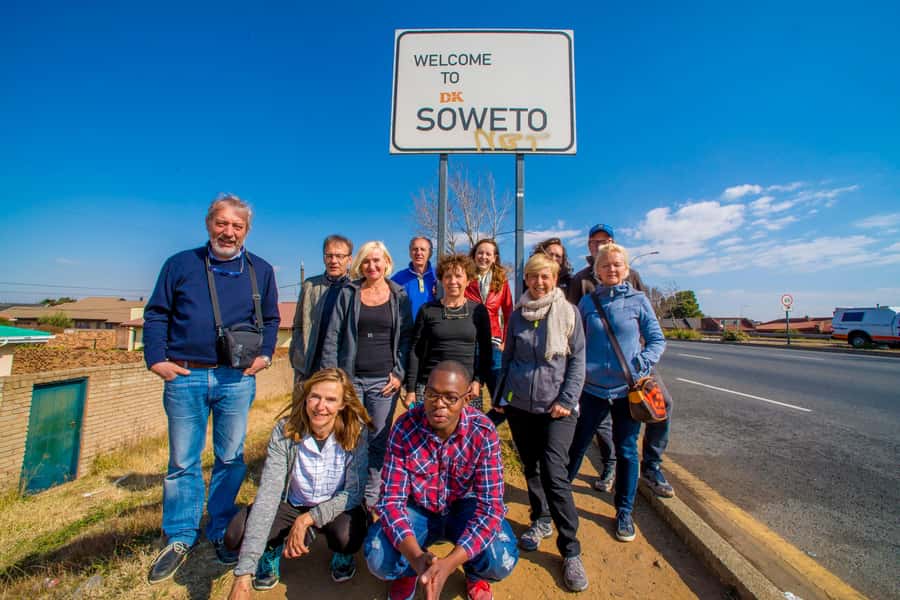
This tour is designed for people who want more than photos. You get the streets, the people, and the key historical landmarks in one day, which helps your brain form a clear timeline. That matters in Soweto, where you’ll see everyday life right next to reminders of apartheid planning, resistance, and political change.
The best part is the structure. You start with orientation around Soweto itself, then you move to the places tied directly to the 1976 uprising and the broader apartheid system. By the time you reach the Apartheid Museum, you’re not just reading labels. You already know what you’re looking at, and why.
The small-group format also changes the feel. In a group of up to 13, you can ask questions and actually hear the answers. Several guides have been praised for strong English and for keeping the conversation moving, including Lebo and Prince, plus Thabang, Khutso, Emma, and Bobo in other tours.
From hotel pickup to Soweto, you pass key Johannesburg landmarks
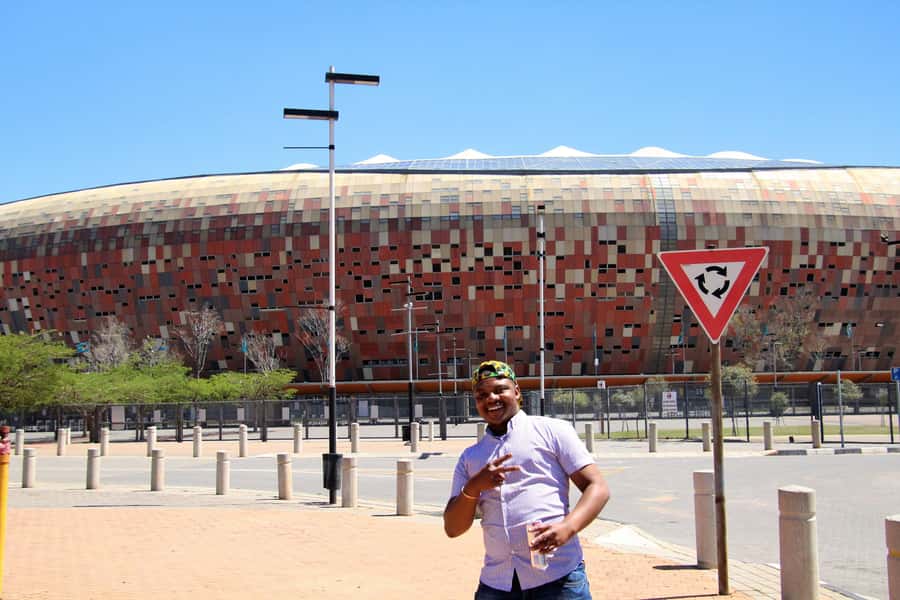
Your day starts with pickup and drop-off in Johannesburg, then a van ride that sets the tone fast. The route includes a drive past the National Football Stadium, the one that hosted the opening and closing ceremonies of the 2010 World Cup. It’s a quick reminder that Johannesburg is not just a gateway city. It has its own major events and its own modern layers.
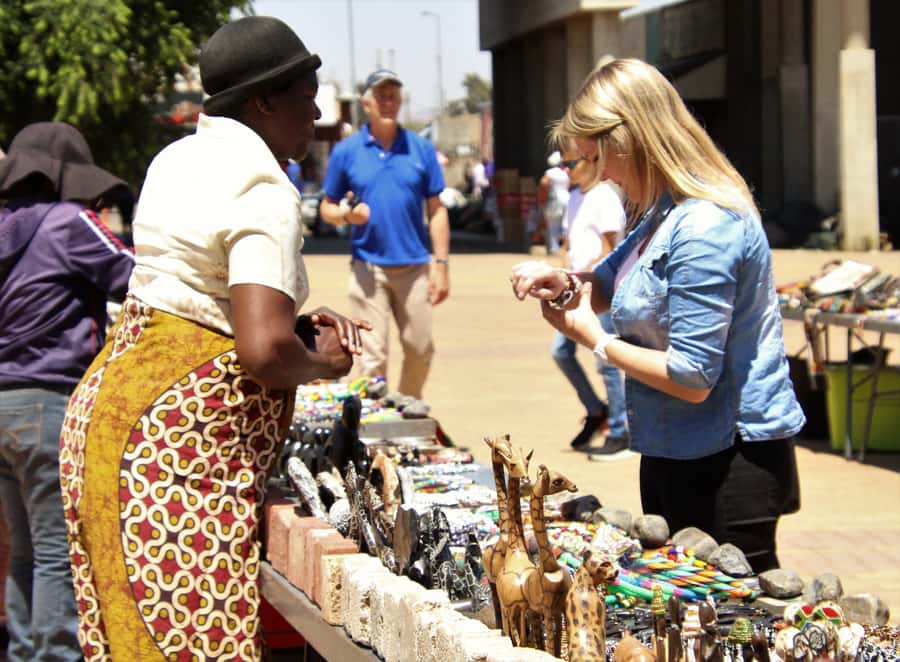
As you head into Soweto, you’ll drive through the Diepkloof area, where you walk past vendors selling all kinds of everyday items. This is the kind of stop that helps you read the neighborhood as a place people live in, not just a destination. In Orlando West, you shift into a more political and memorial-focused part of the day, with stops around Vilakazi Street.
Why I like this approach: it helps you avoid the classic mistake of arriving in Soweto only mentally prepared for history. You’re given time to see normal commerce and street life before the heavy topics start stacking up.
Diepkloof and Vilakazi Street: where you see daily life and the big names together
Soweto is often described as a city within a city, and you’ll feel that quickly. The van takes you past key areas, and then you’ll get a guided walk (about 30 minutes) with the guide pointing out what matters and why it matters.
Diepkloof is where you get your first taste of the street economy, including vendors and small businesses you’d otherwise miss. Then you head toward Vilakazi Street, one of the most important addresses in Soweto because it connects to major South African leaders.
Here’s what you can expect in practical terms:
- You’ll drive past the former home of Nelson Mandela and the home of Archbishop Desmond Tutu.
- You’ll have points of reference for the Soweto uprising, including learning what happened on June 16, 1976 and how it helped trigger liberation momentum.
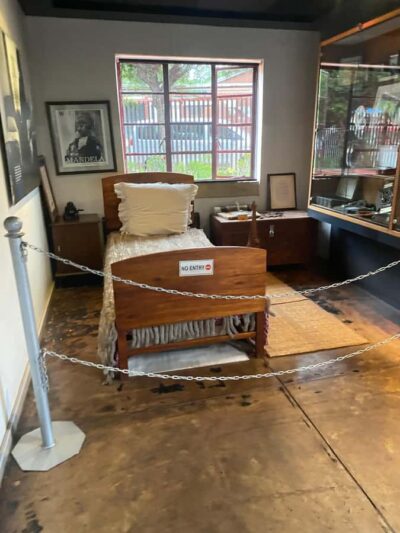
- You’ll pass Mandela House. A visit to the Mandela House Museum is optional, so you can decide whether you want extra time there.
A note on value: this segment works best if you pay attention to the guide’s explanation, not just the buildings. The names are famous, but the meaning lands harder when you understand what apartheid did to ordinary lives and how resistance grew.
Hector Pieterson Memorial: the moment the uprising becomes real
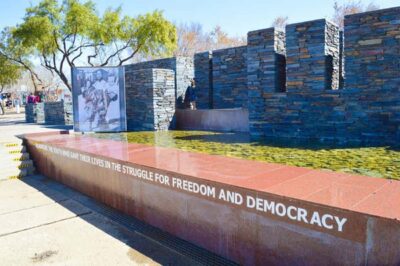
After your Soweto orientation and short guided walk, the itinerary moves to the Hector Pieterson Memorial. This stop gives you a clear anchor point for the 1976 uprising. It’s about more than a date. You’re connecting what you heard earlier about June 16, 1976 to a specific place of remembrance.
It’s also one of those stops where the guide matters. A strong explanation can help you understand why Hector Pieterson’s story became symbolic, and why memorialization is part of how communities keep history from being erased.
Time-wise, plan for about an hour here. If you like to read every sign slowly, you might feel you’re moving quickly. On the other hand, if you prefer a guided rhythm with context, this length can feel just right because you then transition to other key sites rather than getting stuck in one place for too long.
Other Soweto routes we have reviewed, each with a local guide

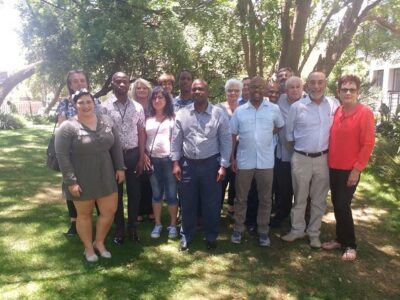
Informal settlement visit: interaction with care, not a spectacle
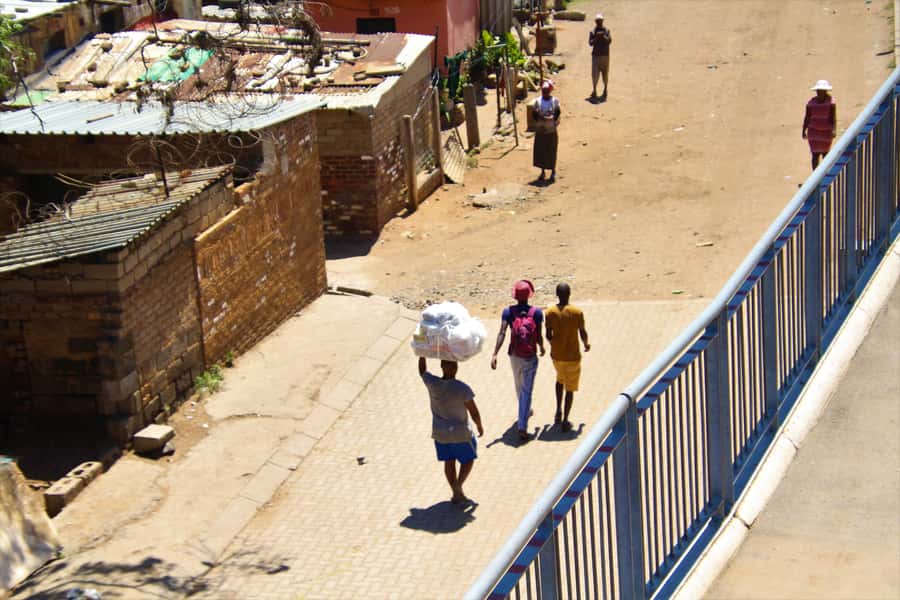
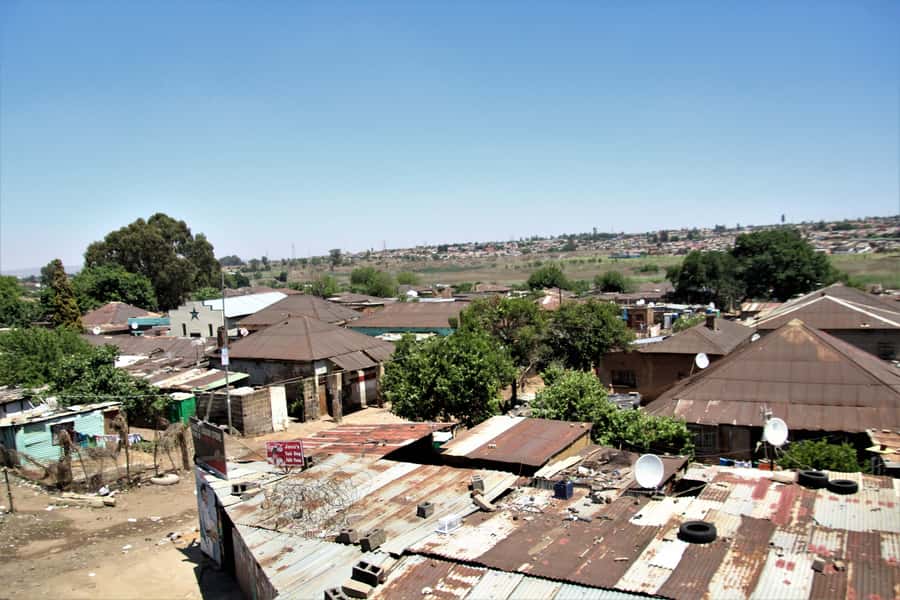
Next you’ll drive to an informal settlement, sometimes described as a shanty town. The point here is not sightseeing. You’re there for a human moment and a guided understanding of how life works in the community.
You’ll have a chance to interact with locals. Multiple past tour experiences highlight that interacting with children was a standout part of the day. That’s meaningful, but it’s also something to handle thoughtfully. Keep your questions respectful. Follow the guide’s lead. And remember that you’re walking into someone’s real life, not a staged scene.
This is also a place where feeling safe depends heavily on how the day is run. The tour includes a live English-speaking guide and uses a vehicle for transport between stops. Many participants have said they felt safe during the drives, which helps you focus on the learning rather than worrying about logistics.
Chris Hani Baragwanath Hospital: scale and the reality of healthcare strain
Then you’ll head toward Chris Hani Baragwanath Academic Hospital. The information provided notes that it’s the largest hospital in the world, and you’ll get time to see it as part of the Soweto landscape.
This stop isn’t a museum. It’s more of a perspective moment. It helps you connect what you’ve learned about the past to visible present-day systems: how communities function, what resources look like in real life, and what it means when services carry extreme demand.
You’ll get about 30 minutes at this stop area, which keeps the flow moving toward lunch and the museum. If you tend to get lost in details, set a mental timer so you leave enough energy for Apartheid Museum.
Lunch at Restaurant Vilakazi: a needed reset with local flavor
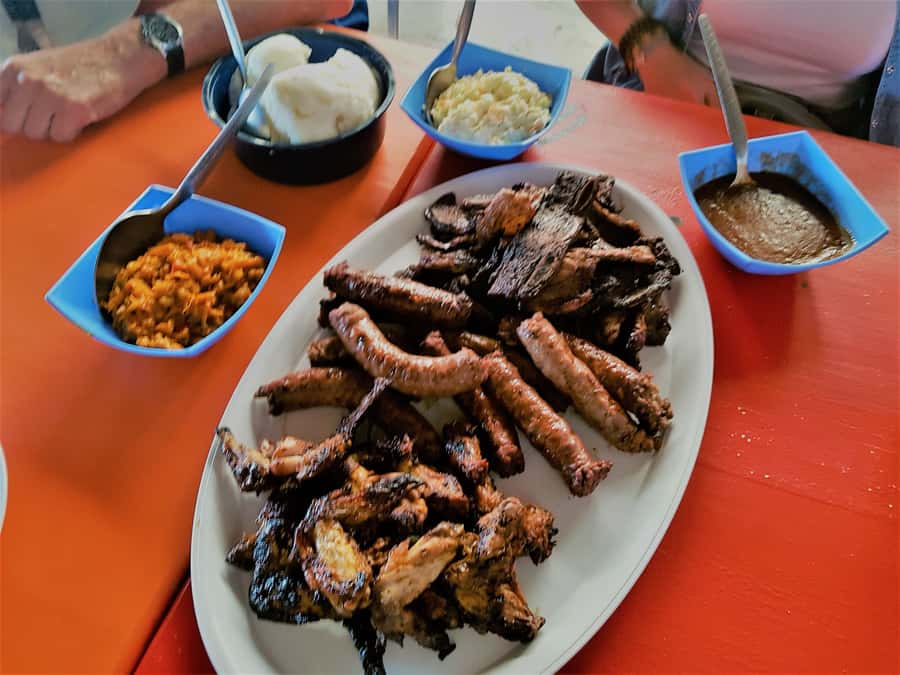
Lunch is included, served at Restaurant Vilakazi. You’ll also get about an hour here, which is a generous break in the middle of a heavy day.
The tour data calls it a traditional lunch. Specific dishes aren’t listed, so I won’t guess. But what matters is the rhythm: you sit down, you eat, you recover, and your guide keeps the story moving in an appropriate way without rushing you out the door.
One practical tip: since additional food and drinks are not included, drink choices can affect your total spend. If you plan to have soft drinks or other extras, factor that in.
I like this lunch setup because it prevents museum fatigue. After Hector Pieterson Memorial and the informal settlement visit, you need a pause that feels normal, not just a quick snack on the go.
Apartheid Museum: when the timeline clicks
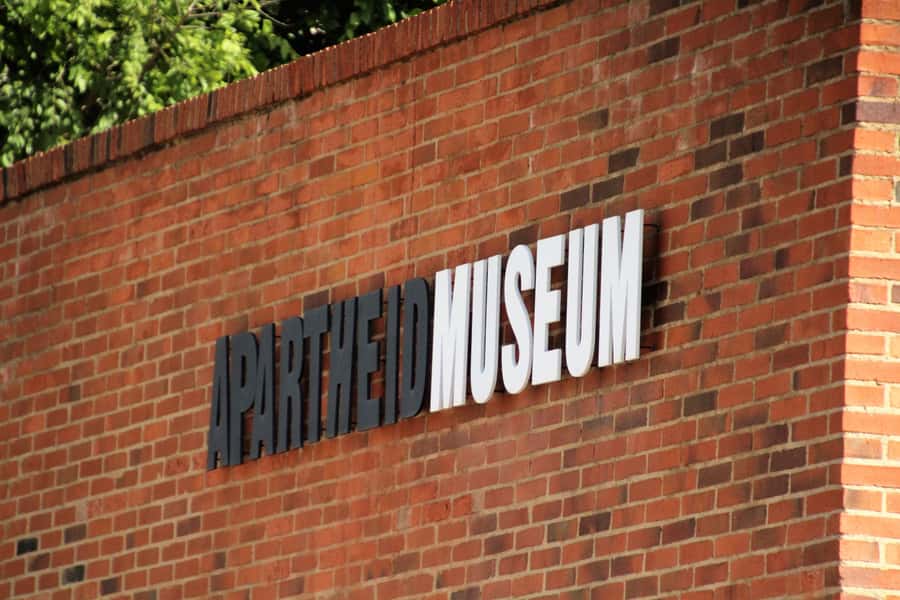
The Apartheid Museum is the centerpiece. You’ll spend about two hours inside, enough time to see the main themes without feeling like you’re getting whisked through.
This museum is where you learn about apartheid as a system and about the South African liberation struggle. Because the day earlier sets up June 16, 1976, the uprising connection becomes clearer. It’s also where the Mandela and Tutu references start to feel less like name-dropping and more like leadership tied to specific eras and policies.
Two hours can still feel intense, especially if you read everything. But it also means you can leave with more than a few bullet points in your head. You can connect ideas: how laws shaped movement, education, and everyday life, and how resistance changed what South Africans could demand.
If you already know a bit of the history, this museum still works because it adds structure. If you’re starting from scratch, your earlier street-level context helps you follow the progression.
How the guide makes the day work (and why names matter)
With tours like this, the guide is the difference between a drive-and-point day and a meaningful day. The live English guides for this experience have been praised for explaining context and sharing cultural details that turn stops into learning moments.
From the feedback examples you might see guide names like Lebo, Prince, Thabang, Khutso, Emma, and Bobo. What these guides seem to share is a willingness to answer questions and keep the group engaged. Some reviews also mention a friendly, funny tone, which can be a lifesaver when you’re processing heavy topics.
If you’re the type who learns best by asking why, this tour structure supports you. You get chances for conversation in the vehicle and at key stops.
Price and value: what $114 buys you in real terms
At $114 per person for a 7-hour day, this isn’t a bargain, but it’s also not overpriced for what’s included. Here’s why the value makes sense based on what you get:
- Hotel pickup and drop-off in Johannesburg
- Sightseeing around Soweto, including multiple key drives and a short walk
- Entrance fees to Hector Pieterson Memorial and the Apartheid Museum
- A visit to an informal settlement
- Traditional lunch at Restaurant Vilakazi
- Free onboard Wi-Fi
- A live English-speaking guide
- Small group size capped at 13
You’re paying for guidance, transport time, and museum entry fees. Those costs add up fast if you try to DIY it with taxis and separate tickets. The included lunch also helps keep the day from turning into constant spending.
One more “value” detail: for every individual booking, an R50 donation is made to the Motsoaledi Day Care Centre. The provided info says it supports building upgrade projects and buying items on their wish list. Even if you don’t see the donation during the day, it’s part of the trip’s footprint.
What to bring, and how to pace yourself emotionally
This tour runs for about 7 hours, with time at memorials and the museum, plus a lunch break. It’s not a long nap-and-explore plan. It’s a structured history-and-society day.
Bring:
- Comfortable shoes (you’ll do walking, and you’ll likely be on your feet more than you expect)
- Sun and weather awareness (Soweto can feel hot during the day, even though you’re also inside museums)
Also think about pacing yourself emotionally. The day includes apartheid remembrance, an uprising memorial, and a visit to an informal settlement. It’s meaningful, but it can also be heavy. If you know you get overwhelmed easily, I’d treat the lunch break as your reset point and try not to cram extra activity after you get back to Johannesburg.
Is this the right tour for you?
Book this tour if you want a guided Soweto day that connects real places to the political timeline, not just a collection of photo stops. I’d especially recommend it if you care about understanding why Soweto matters to South Africa’s liberation story and you want the Apartheid Museum visit to feel earned, not random.
Consider a different option if you prefer long, slow time in one place. This itinerary is built to cover a lot in one day, so it can feel a little rushed if you’re the type who needs extra minutes for quiet reflection.
If your goal is to see the major sights, meet the area through a guide, and leave with a clearer picture of how apartheid shaped both past and present, this fits well.
FAQ
How long is the Soweto Apartheid & Township Tour with Lunch?
The tour duration is 7 hours.
What is included in the price?
The tour includes hotel pickup and drop-off in Johannesburg, sightseeing in Soweto, entrance fees to the Hector Pieterson Museum and the Apartheid Museum, a visit to an informal settlement, a traditional lunch, and free onboard Wi-Fi.
Do I have to visit Mandela House?
No. Mandela House Museum is optional. The tour includes driving past Mandela House.
Is the group size small?
Yes. It is a small group limited to 13 participants.
Is lunch included, and are drinks included?
Lunch is included as a traditional lunch. Additional food and drinks are not included.
Can I cancel and get a full refund?
Yes. The tour offers free cancellation up to 24 hours in advance for a full refund.
Apartheid History: Other Sites We Have Documented
Soweto: Other Guided Routes
Township Tours Led by the People Who Live There
Keep going: the rest of our Johannesburg write-ups
- Soweto Private half day tour
★ 4.5 · 3 reviews - Johannesburg’s Migration History with a local lunch
★ 5.0 · 3 reviews - Johannesburg: Soweto, Apartheid Museum, and Cradle tours
★ 4.7 · 3 reviews - Soweto Apartheid Museum and Lunch
★ 5.0 · 3 reviews - Bathongo Rhino & lion park nature reserve tour
★ 5.0 · 3 reviews - Johannesburg: Elephant and Monkey Sanctuary Half Day Tour
★ 5.0 · 3 reviews
Johannesburg City Tours, compared.
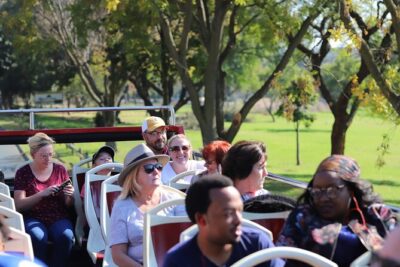 ★ 4.5Johannesburg Hop-On Hop-Off City Tour with Soweto OptionFrom $16768 reviews
 ★ 4.8Johannesburg: Full-Day Tour with Soweto and Apartheid MuseumFrom $104478 reviews
 ★ 4.8Johannesburg and Soweto: Half-Day TourFrom $71439 reviews
 ★ 4.6From Johannesburg: Lion & Safari Park Half-Day TourFrom $167384 reviews
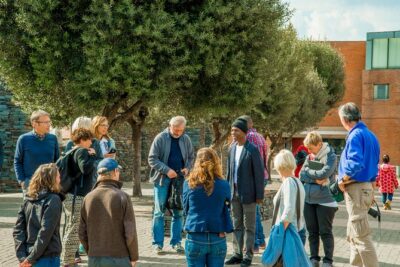 ★ 5.0Ultimate Johannesburg Soweto Experience with Apartheid MuseumFrom $108313 reviews
 ★ 5.0Half Day Lion Park tour from Johannesburg or PretoriaFrom $100274 reviews
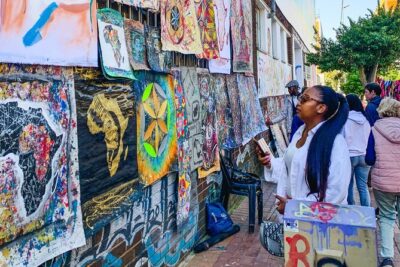 ★ 4.9Johannesburg: Maboneng Street Art & Culture TourFrom $37257 reviews
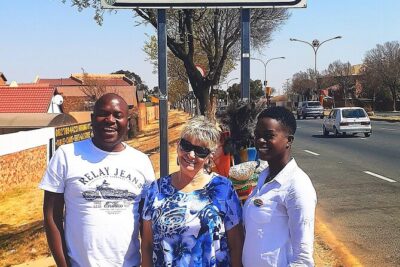 ★ 5.0Johannesburg and Soweto tourFrom $77231 reviews
Browse the lists this tour appears in