
REVIEW · JOHANNESBURG CITY TOURS
Johannesburg: Mandela Legacy Day Tour
Mandela’s story is built into Johannesburg. This 9-hour tour strings together the places that shaped Nelson Mandela from underground activism to the start of democracy.
I like the clear, place-by-place pacing, and I especially value how the guide turns museum time into real context. One drawback to plan for: it is a full day, and food is not included, so you will want to manage hunger and energy.
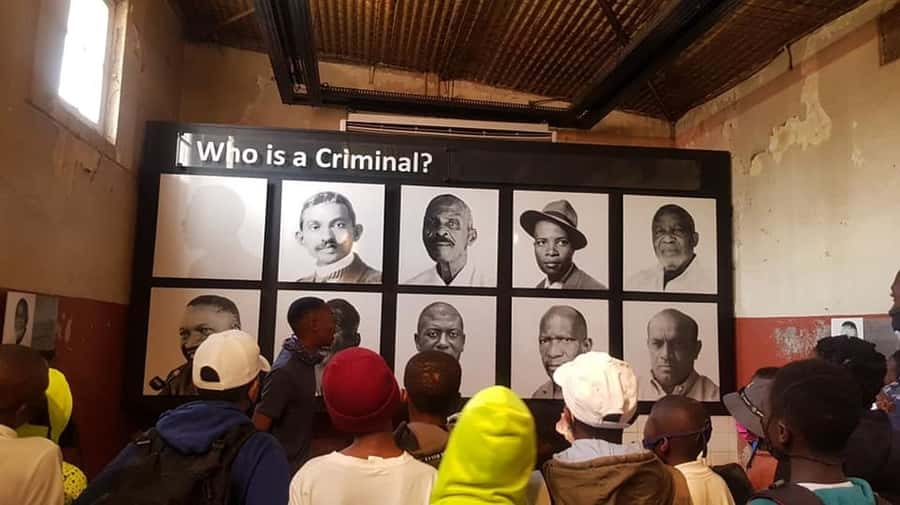
What makes it work well is the mix of intimate and big-picture stops. I love the Mandela Foundation visit for the tangible artifacts, like his briefcase and the Nobel Prize medal, plus the chance to see clothing such as Xhosa mountain attire. I also like Constitutional Hill because it connects multiple names of the anti-apartheid struggle to the same prison reality, including Mahatma Gandhi, Winnie Madikizela, and Joe Slovo.
The consideration is simple: this is not a light, walk-and-snack afternoon. You should bring comfortable shoes, expect time indoors and outdoors, and note the tour is not suitable for pregnant women.
In This Review
- Key highlights to look for
- A Johannesburg Mandela tour that moves with purpose
- Liliesleaf Farm: the ANC safe house years in northern Johannesburg
- Mandela Foundation: the last working offices and real artifacts
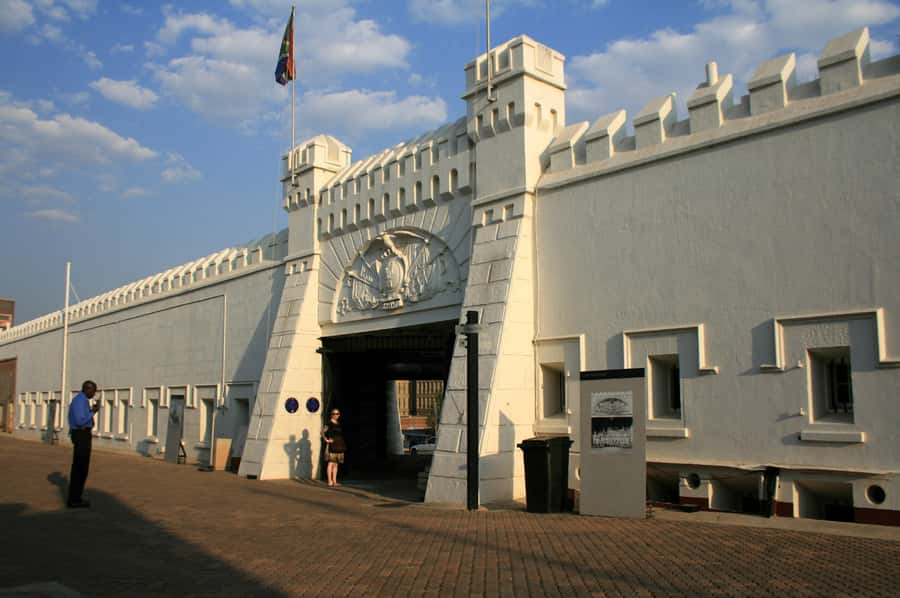
- Constitutional Hill: a prison site with multiple names of the struggle
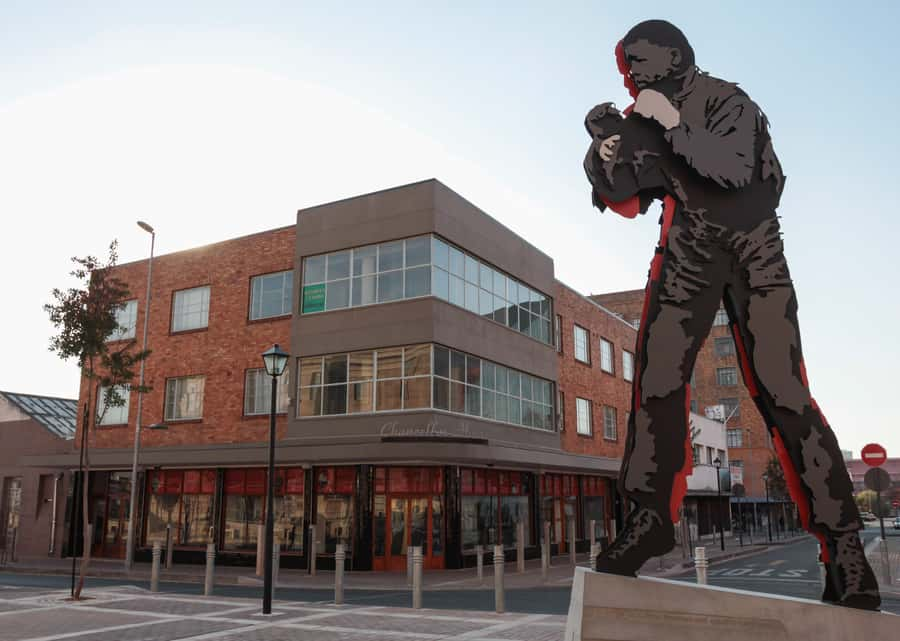
- Chancellor House in Ferreirasdorp: Mandela and Oliver Tambo’s first black law firm
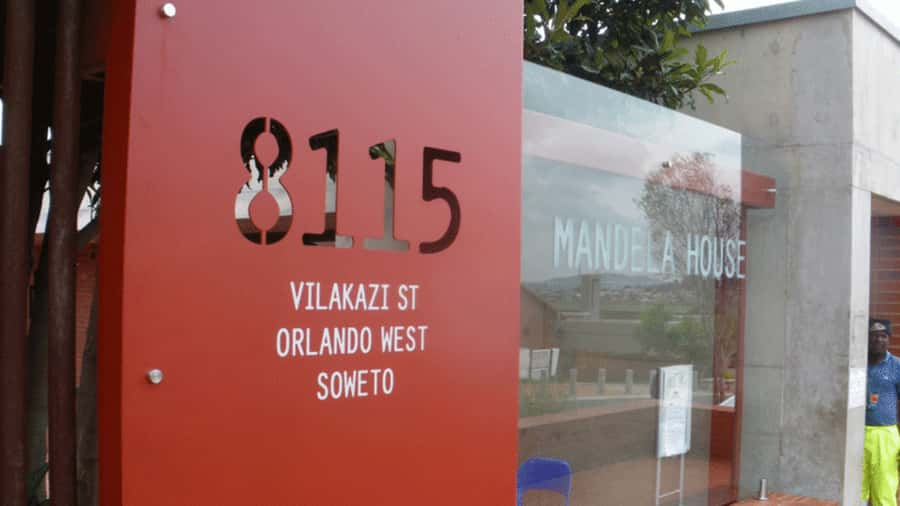
- Mandela House: the home from 1946 to 1962, and the return after 1990
- Apartheid Museum: finishing with systems, not just individuals
- Price and what you truly get for $183
- Who this tour is best for
- How to prepare so the day feels easy
- Should you book the Johannesburg Mandela Legacy Day Tour?
Key highlights to look for
- Liliesleaf Farm safe-house history: you get the context of ANC operations in the 1960s
- Original Mandela artifacts: see items linked to Mandela’s life, including his briefcase and prize medal
- Constitutional Hill prison context: the same site holds stories of Mandela, Gandhi, and others
- Chancellor House in Ferreirasdorp: a three-story building tied to Mandela and Oliver Tambo’s early legal work
- Mandela House return in 1990: the home where he lived after prison and before the big political years
- Apartheid Museum finish: you close the day with a deeper look at apartheid’s systems and impact
More sites and museums that record the apartheid years
- Soweto /Johannesburg and Apartheid Museum Guided Full Day Tour★ 5.0 · 932 reviews
- Jo’berg in 1 Day: Soweto, Apartheid Museum & City Tour★ 4.8 · 524 reviews
- Johannesburg: Full-Day Tour with Soweto and Apartheid Museum★ 4.8 · 478 reviews
- Full-Day Soweto, Apartheid Museum and Lunch Tour★ 5.0 · 410 reviews
A Johannesburg Mandela tour that moves with purpose
A Johannesburg day tour can easily feel like a checklist. This one aims to feel like a timeline. Over about 9 hours, you visit key sites linked to Mandela’s life and to South Africa’s shift away from apartheid, with a live English guide doing the heavy lifting of explanation.
The best part is that you are not only seeing buildings. You are seeing why those buildings mattered, which is where the tour earns its keep. At $183 per person, you are paying for more than transport. You are paying for guided interpretation, entry fees, and even a bottle of water, which helps when a day runs long.
This is also a tour where the guide makes a difference. In the experiences shared by past visitors, guides like Richard stand out for being organized, very informed, and easy to feel comfortable with. Another praised guide, Emmah, is noted for giving insightful, personal, and emotionally moving context. The tone matters here, because Mandela sites can hit harder than you expect.
Liliesleaf Farm: the ANC safe house years in northern Johannesburg
You start by meeting your guide and heading out first to Liliesleaf Farm in northern Johannesburg. This place matters because it was used as a safe house for the African National Congress in the 1960s. Even if you have read about the struggle before, it is different to stand in a space tied to the practical reality of staying hidden, planning, and surviving.
Liliesleaf is the kind of stop that gives you a baseline for everything that follows. It helps you understand that Mandela’s public role and his behind-the-scenes life were connected. The tour framing makes the day feel less like history trivia and more like a human story with risks and decisions.
Practical tip: this is a good place to ask your guide what to notice. Since the tour is structured around Mandela’s long road, your guide can point out details that explain how the ANC operated during that era, not just what happened in general.
Mandela Foundation: the last working offices and real artifacts
Next you move to the Nelson Mandela Foundation, described as Mandela’s last offices before his passing. If Liliesleaf introduces the struggle’s underground side, the Mandela Foundation anchors you in a later phase, when Mandela was working from institutions tied to memory, accountability, and the long work of rebuilding.
One of the strongest reasons to choose this tour is the focus on original pieces of history. You may see items such as Mandela’s briefcase, a Nobel Prize medal, and traditional clothing like Xhosa mountain attire. Those objects do not just decorate the visit. They help you picture the person behind the icon, including his identity, status, and how his life fit into South Africa’s changing times.
If you like museums that teach you how to look, this is a good stop. Your guide can guide you through what an object represents, and why it belongs in the same day as places like Constitutional Hill and Mandela House.
Constitutional Hill: a prison site with multiple names of the struggle
After the Mandela Foundation, you head to Constitutional Hill. This is one of the most emotionally charged stops on the route. The reason is simple: it connects the anti-apartheid struggle to imprisonment across famous figures and a shared political system of control.
Mandela is central here, but the tour also highlights other major names associated with the site, including Mahatma Gandhi, Winnie Madikizela, and Joe Slovo. When your guide frames it that way, the prison story stops being a single biography and becomes a broader map of the movement’s sacrifices and repression.
This stop also helps you make sense of why a constitution and human rights matter so much in South Africa. You cannot fully understand the end of apartheid as a concept until you see what the old regime did to people who challenged it. Constitutional Hill turns that concept into visible, grounded history.
Practical tip: be ready for a serious tone. Even if you are fast-moving, give yourself time to read, not just take photos. If you rush, you will miss the guided connections that make the tour feel purposeful.
More of Joburg, neighbourhood by neighbourhood


Chancellor House in Ferreirasdorp: Mandela and Oliver Tambo’s first black law firm
From Constitutional Hill, the tour moves to the Chancellor House in the Ferreirasdorp area of Johannesburg. This building is tied to Mandela and Oliver Tambo, specifically their first black law firm in South Africa. The tour also points out the physical fact that it is a three-story building, which makes it easier to imagine how early legal work could operate in a space like this.
Why this stop matters: it shows another side of Mandela beyond protest and imprisonment. Legal defense and the fight to challenge unjust laws were part of the same struggle. You are watching how different forms of resistance connect.
Also, it is a good pacing change. After the heavy feeling of Constitutional Hill, you get a more grounded view of professional life and strategy. Your guide can link the law firm story back to the broader democratic journey you are tracking all day.
If you enjoy city history, this is also a useful stop for learning how Johannesburg’s neighborhoods relate to the national story. A place like Ferreirasdorp can feel like just streets until a guide gives it meaning.
Mandela House: the home from 1946 to 1962, and the return after 1990
Next is Mandela House, where he lived from 1946 to 1962 with his family. This is your chance to slow down and see Mandela as a family man, not only a public figure. When the tour frames Mandela House this way, the day becomes more human.
The timing and the return story also give the stop real emotional weight. Mandela returned to this area after his release from prison in 1990. That detail matters because it connects the long period of imprisonment and political struggle to what came next.
The tour also notes that Tutu House is nearby, the residential home of Archbishop Desmond Tutu. Even though you may not spend equal time at every nearby home, the proximity helps you understand how different moral voices and leadership shaped the same era.
Practical tip: treat this stop like a thoughtful walk. If you are prone to rushing through residential history, slow your pace. The value here is in observing the home setting and letting your guide connect it to the broader democratic shift.
Apartheid Museum: finishing with systems, not just individuals
The day ends with exhibitions at the Apartheid Museum. This is where your tour’s “where” and “who” turn into “how.” Earlier stops focus on people, places, and turning points. The museum helps you see apartheid as a system with rules, enforcement, and lasting consequences.
This is also the right place to ask your guide how to think about what you are seeing. If you only take in a museum’s visuals, you may miss the tour’s overall message. With a guide, you can connect the earlier sites to the wider picture: why legal structures and prison systems mattered, why activism persisted, and why democracy required more than a change of leaders.
Plan for this finish as your mental reset point for the day. Expect the exhibits to be heavy, educational, and structured. If you are feeling overwhelmed, ask your guide for a quick orientation so you can choose what to focus on.
Price and what you truly get for $183
Let’s talk value without pretending all tours are equal. At $183 per person for a 9-hour day, you are not paying just for a bus and a name tag. The tour includes pickup and drop-off, a live English guide, entry fees, and bottled water.
Food and drinks are not included, which is a key piece of the value equation. If you come hungry, you will pay extra. If you plan a snack or budget for a meal on the go, the day feels smoother and the $183 price starts to look fair for the number of major sites you cover.
Also, these stops are not casual. Constitutional Hill, Mandela Foundation, Mandela House, and the Apartheid Museum are time-bound experiences where the guide’s interpretation affects what you learn. When a guide is organized and clearly able to explain connections, the day becomes worth more than the sum of the tickets.
If you are visiting Johannesburg for the first time, this tour is a strong way to avoid feeling lost. You get transportation between key sites and a narrative thread that helps you remember what matters.
Who this tour is best for
This tour fits people who want more than photos. If you like guided history with names, places, and cause-and-effect, you will enjoy how the day links activism, legal strategy, imprisonment, and the democratic journey.
It also suits travelers who value safe, well-run experiences. Past visitors highlighted feeling secure with guides like Richard, and the overall atmosphere described as pleasant and supportive. That kind of guidance matters when a route includes emotionally serious sites.
You might want to choose another option if you prefer a light, flexible day with minimal walking and low emotional intensity. And if you are pregnant, this one is explicitly not suitable.
How to prepare so the day feels easy
The tour says comfortable shoes for a reason. You will likely spend time on your feet across multiple stops, including museums. Wear shoes you can stand in without thinking about it.
Because food and drinks are not included, plan for hunger. Even if you do not want to carry much, bring a small snack you can rely on. If you know you get low energy late in the afternoon, you might plan extra time before the day ends.
Finally, keep your expectations realistic. You are seeing several major Mandela-related and apartheid-related places in one day. You do not have to absorb every detail perfectly. Let your guide’s explanations help you choose what to remember.
Should you book the Johannesburg Mandela Legacy Day Tour?
If you want a guided, structured day that connects the major Mandela sites into one story, I would book it. The strongest reasons are the Mandela Foundation artifacts, the prison narrative focus at Constitutional Hill, and a closing finish at the Apartheid Museum that turns names into systems.
Skip it only if you are looking for a relaxing half-day or if you need a food-included option. This is also not the right choice for pregnant travelers.
For the kind of trip where you want your Johannesburg visit to mean something, this tour is built for exactly that.
Johannesburg, Block by Block
- From Johannesburg: Pilanesberg Nature Reserve Game Safari
- Johannesburg: Hop-On Hop-Off Bus with Optional Soweto Tour
- Soweto /Johannesburg and Apartheid Museum Guided Full Day Tour
- Johannesburg Hop-On Hop-Off City Tour with Soweto Option
- Full Day Ultimate Pilanesberg National Park Safari from Johannesburg or Pretoria
Apartheid History: Other Sites We Have Documented
Keep going: the rest of our Johannesburg write-ups
- Soweto Private half day tour
★ 4.5 · 3 reviews - Johannesburg’s Migration History with a local lunch
★ 5.0 · 3 reviews - Johannesburg: Soweto, Apartheid Museum, and Cradle tours
★ 4.7 · 3 reviews - Soweto Apartheid Museum and Lunch
★ 5.0 · 3 reviews - Bathongo Rhino & lion park nature reserve tour
★ 5.0 · 3 reviews - Johannesburg: Elephant and Monkey Sanctuary Half Day Tour
★ 5.0 · 3 reviews
Johannesburg City Tours, compared.
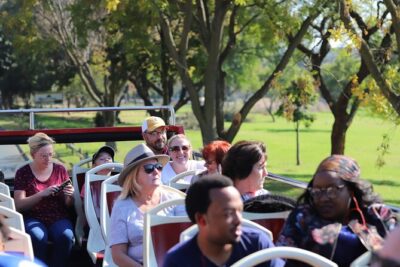 ★ 4.5Johannesburg Hop-On Hop-Off City Tour with Soweto OptionFrom $16768 reviews
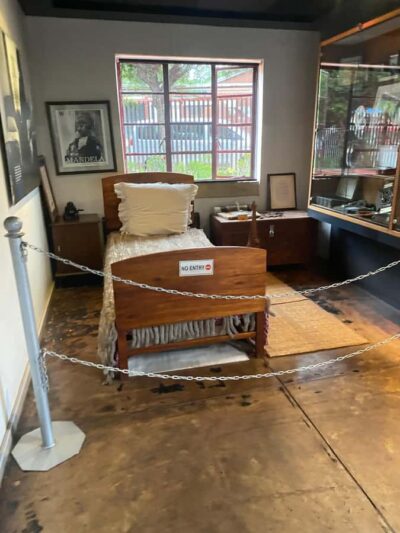 ★ 4.8Johannesburg: Full-Day Tour with Soweto and Apartheid MuseumFrom $104478 reviews
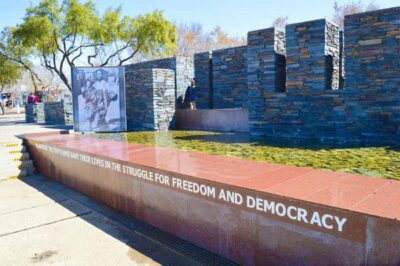 ★ 4.8Johannesburg and Soweto: Half-Day TourFrom $71439 reviews
 ★ 4.6From Johannesburg: Lion & Safari Park Half-Day TourFrom $167384 reviews
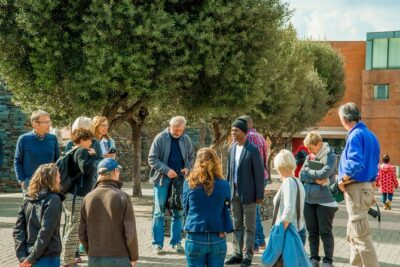 ★ 5.0Ultimate Johannesburg Soweto Experience with Apartheid MuseumFrom $108313 reviews
 ★ 5.0Half Day Lion Park tour from Johannesburg or PretoriaFrom $100274 reviews
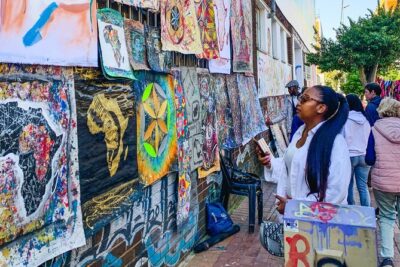 ★ 4.9Johannesburg: Maboneng Street Art & Culture TourFrom $37257 reviews
 ★ 5.0Johannesburg and Soweto tourFrom $77231 reviews
Browse the lists this tour appears in