
REVIEW · JOHANNESBURG CITY TOURS
Johannesburg and Soweto Private Guided Tour with Shebeen Lunch.
Soweto history hits hard, and then it heals. This private Johannesburg and Soweto day balances big, heavy stories like the Apartheid Museum with clear, street-level landmarks in Soweto, all guided in a tight 8 to 9 hours. I especially like the way the route threads central Johannesburg viewpoints with the human stories behind them, and I like the included lunch stop on Vilakazi Street. One thing to consider is that the subject matter is intense, so you’ll want to pace yourself and give your brain time to reset after the museum.
You also get practical value built in: hotel pickup and drop-off, a comfortable private vehicle, bottled water, plus admission tickets for key stops. If you’re the type who likes context (not just photos), this tour can help you make sense of what you’re seeing, especially around Mandela and the apartheid era. The private format also means you can ask questions and adjust the order if your guide thinks it will work better.
In This Review
- Key highlights at a glance
- Price and what you actually get for your money
- First views of Johannesburg from Carlton Centre
- The Apartheid Museum, where the details matter
- Soweto landmarks: Hector Pieterson Memorial and the meaning of June 16, 1976
- Vilakazi Street lunch, plus two Nobel Peace Prize homes
- Mandela House in Soweto: seeing the man’s story on the ground
- Constitution Hill Human Rights Precinct, a former prison turned into a message
- Neighborhood side trips: Houghton Estate and the Mandela home near his final years
- What the private format really changes
- Lunch, water, and drinks: small logistics that make a big difference
- How long it lasts and how to pace yourself
- Who should book this tour, and who might want something lighter
- Should you book Johannesburg and Soweto with a guide?
- FAQ
- How long is the Johannesburg and Soweto private guided tour?
- Is hotel pickup and drop-off included?
- Is lunch included, and where is it?
- Which major attractions have admission tickets included?
- Is the Hector Pieterson Memorial admission free?
- Does Carlton Centre include observation deck time and views?
- Is this tour private?
- What about alcohol during the lunch stop?
- Can I cancel for free if plans change?
Key highlights at a glance
- Apartheid Museum in about two hours, with multimedia exhibits that connect past injustice to today’s democracy
- 360-degree city views from the 50th floor observation deck at Carlton Centre
- Vilakazi Street lunch plus Nobel Peace Prize landmarks, including Mandela and Desmond Tutu former homes
- Soweto memorial stops like Hector Pieterson Memorial, tied to National Youth Day
- Constitution Hill Human Rights Precinct, a living museum at a former prison and military fort
Other Soweto routes we have reviewed, each with a local guide
- Johannesburg and Soweto tour★ 5.0 · 231 reviews
- Soweto Half Day Tour★ 5.0 · 231 reviews
- Soweto walking tour with a taxi ride★ 4.5 · 42 reviews
- Soweto, Kliptown, Eldorado Park Tour★ 5.0 · 41 reviews
Price and what you actually get for your money
At $248.67 per person, this isn’t a budget half-day. But you are paying for a full guided day in a private vehicle, with hotel pickup and drop-off and bottled water included. You’re also getting several admissions handled for you, which matters on a sightseeing day where each ticket and timed entry can add up fast.
The best value angle here is the structure. Many city tours toss you between stops with minimal explanation. This one is built to connect dots: central Johannesburg viewpoints, the apartheid story at the museum, and the Soweto sites tied to specific people and events. When it’s run well, that turns your photos into understanding, which is the real souvenir.
First views of Johannesburg from Carlton Centre
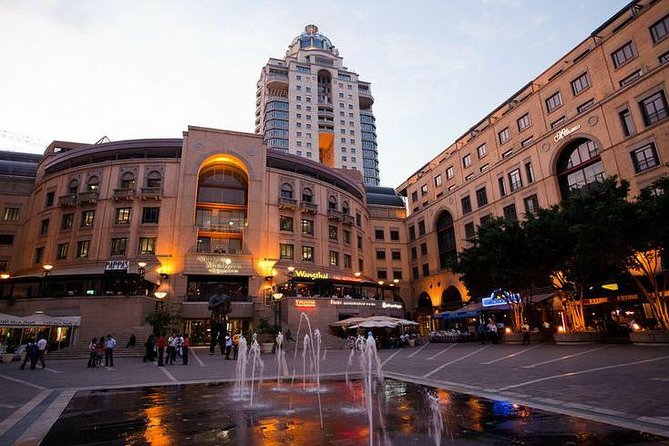
Your day is designed to help you get oriented fast, and the Carlton Centre stop does that job. The observation deck sits on the 50th floor, and you get 360-degree views over Johannesburg’s working-city center. This is the moment where the skyline makes sense, and you can start mentally mapping what you’ll see later in Soweto.
What I like about this kind of stop is that it reduces the feeling of being dropped into a place you barely understand. With a broad view, the neighborhoods and roads become easier to follow later. It also gives you a good chance to spot light and traffic patterns, which helps you understand why the route is planned the way it is.
You’ll also pass through central landmarks on the way toward the museum area, including Gandhi Square with its statue of Gandhi. It’s not just scenery. Those visual reminders help anchor the politics and moral themes the day keeps coming back to.
The Apartheid Museum, where the details matter
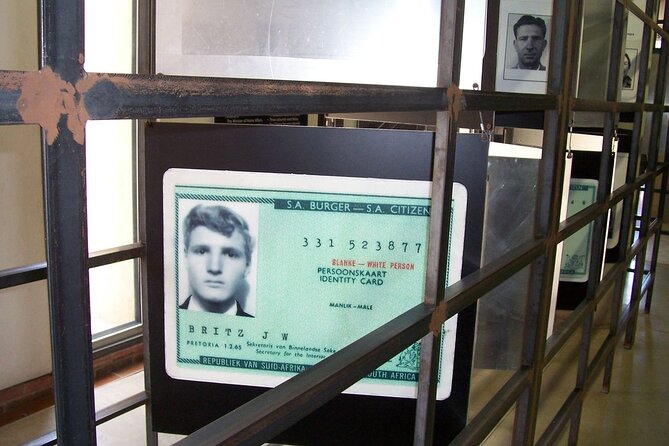
The Apartheid Museum is the heavy centerpiece, and it’s planned for about two hours. Admission is included, and the time window is long enough to feel the exhibits as a story instead of a quick walk-through.
The museum stands out for how it uses multimedia storytelling and careful pacing. You’ll see how apartheid shaped daily life, how resistance grew, and how the country’s move toward a multicultural democracy developed. Even if you already know the major events, the value is in the specific scenes, voices, and personal impacts you meet along the way.
A practical tip: plan to slow down inside. The museum can make you feel sad and angry in the moment, but it also aims to highlight human agency and bravery. If you feel your attention drifting, that’s normal. Take a breather in the exhibit areas, then jump back in when you’re ready.
Soweto landmarks: Hector Pieterson Memorial and the meaning of June 16, 1976
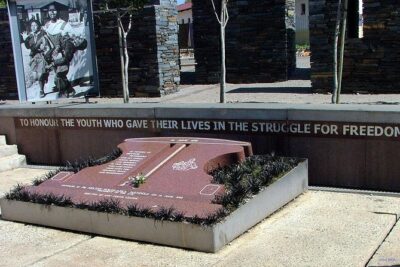
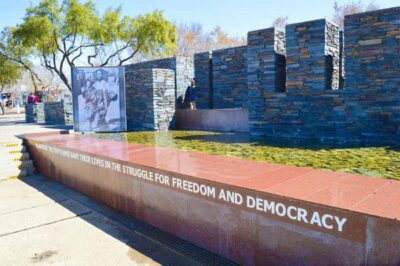
Once you reach Soweto, the tour shifts from museum storytelling to landmark memory. One of the most significant stops is the Hector Pieterson Memorial. It’s named for a 12-year-old boy killed during the 1976 student uprising against apartheid, an event tied to National Youth Day. The memorial commemorates the child and the many others who died that day.
This stop is short, about 30 minutes, and that’s usually perfect. You get the essentials without rushing past the memorial details. Also, there’s a crafts market next to it if you want a small souvenir tied to the place, not just a mass-produced item.
If you come in expecting only a photo stop, you’ll miss what makes it powerful. The memorial is about recognition and context, not just aesthetics. Let the emotion land, then move on with your guide’s explanation so it becomes part of your overall understanding of the Soweto uprising.
More of Joburg, neighbourhood by neighbourhood

Vilakazi Street lunch, plus two Nobel Peace Prize homes
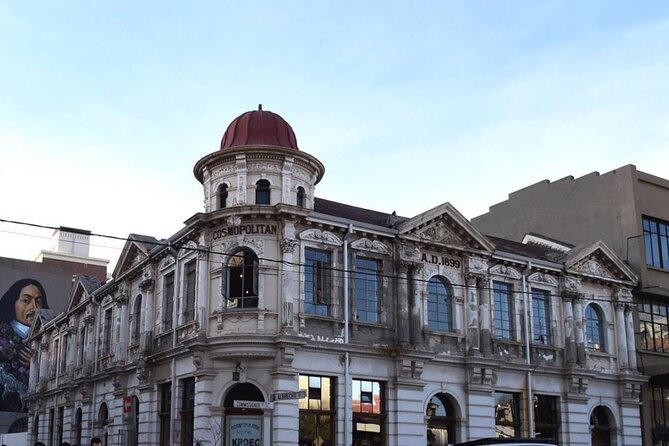
Vilakazi Street is where the day turns from history to real street life. Lunch here is included, and it’s a practical break after the museum and memorial intensity. The lunch stop gives you time to eat local fare and regroup before more Soweto landmarks.
This stretch is also special for who is linked to it. Vilakazi Street is where you can see former homes associated with Nelson Mandela and Archbishop Desmond Tutu. Both were Nobel Peace Prize winners, and the tour uses this fact to connect personal history to larger political change.
What I’d do if I were you: try to treat lunch as part of the sightseeing, not downtime. Ask your guide what to watch for in the neighborhood and how these homes fit into the bigger story you’ve been hearing. And since alcoholic drinks are available to purchase, but not included, plan accordingly if you want a drink with lunch. The minimum drinking age is 18, so everyone in your party should know that ahead of time.
Mandela House in Soweto: seeing the man’s story on the ground
Another key stop is Mandela House, the Soweto home of Nelson Mandela that’s now a museum and tribute. This portion is planned for about 30 minutes, and that length works because it keeps the focus on the essentials without turning it into a long, exhausting detour.
The power of this stop is how it changes your mental picture. Instead of thinking of Mandela only as a global icon, you start connecting him to place and time. You’ll also feel how the tour is built to show resistance, leadership, and everyday reality, all tied to one person’s life.
If you want to get the most out of the short visit, look for the context points your guide shares. Museums can be self-guided, but guided storytelling helps you notice what matters and avoid getting lost in details that are less relevant.
Constitution Hill Human Rights Precinct, a former prison turned into a message
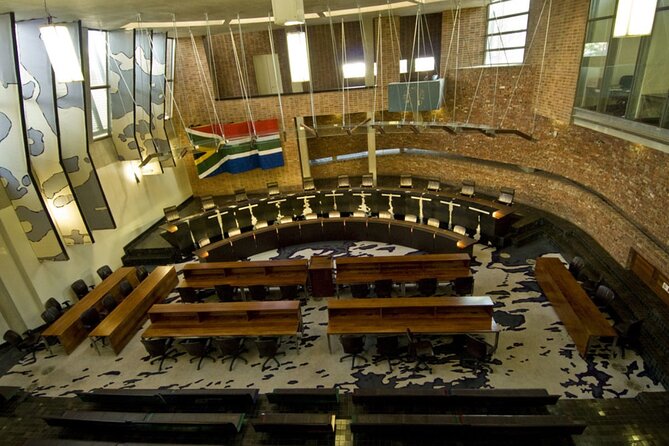
Back in Johannesburg, Constitution Hill Human Rights Precinct adds a crucial layer. It’s listed for about 1 hour 30 minutes, and admission is included.
This site is described as a living museum, built around a former prison and military fort. That setting changes how the story lands. When you stand somewhere that once held people in custody, it’s harder for the history to feel abstract.
You’ll also visit the Constitutional Court, which relates directly to the rights of citizens. This isn’t just a history stop. It’s designed to connect apartheid-era oppression to the country’s legal and democratic direction.
A good way to handle this stop is to think in cause and effect. Your brain has already absorbed apartheid and resistance. Constitution Hill is the next step in the logic chain: what changed, what laws tried to correct, and what ongoing equality efforts still look like.
Neighborhood side trips: Houghton Estate and the Mandela home near his final years
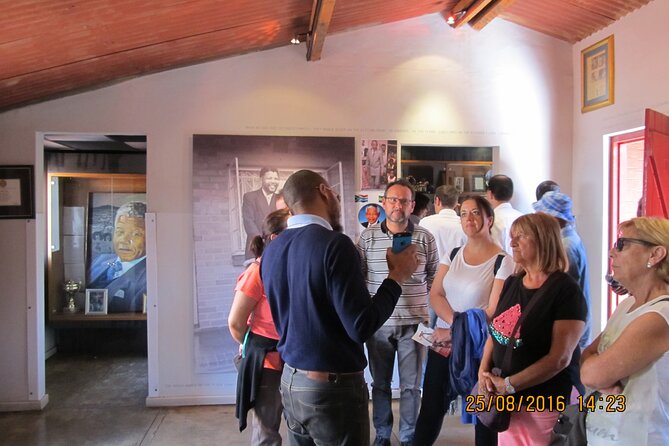
The day also includes a stop connected to Mandela’s later life in Houghton Estate, a more wealthy suburb. Houghton is where you can visit the home Mandela lived in just prior to his death, and this stop is included with a set time of about 30 minutes.
Even if you don’t get a deep dive here, this kind of contrast is useful. You see how the same historical figures and national story intersect with different parts of Johannesburg. It also helps you understand how geography and politics overlap.
There’s also a route explanation tied to Johannesburg’s physical layout, including the Witwatersrand ridge, described with the word rand meaning ridge in Afrikaans. That’s the kind of detail your guide uses to make the city feel less random and more structured in your mind.
What the private format really changes
Because this is a private tour, you’re not squeezed into someone else’s schedule. It’s only your group, with a professional guide in a comfortable private vehicle. That matters on a day that includes multiple emotionally intense stops, because you can control how long you linger and how often you pause.
One specific example of why this helps: guides like Mtsimane Mekgwe are praised for staying on top of a visitor’s list and also making thoughtful suggestions. If you have a particular place you want to revisit or you want to adjust the order slightly, this private setup gives your guide room to work with you instead of rushing you along with a big group.
Lunch, water, and drinks: small logistics that make a big difference
You get bottled water included, which sounds minor until you’re walking through memorial spaces in the day heat. Lunch on Vilakazi Street is also included, so you’re not forced to gamble on random restaurant options with limited time.
Alcoholic drinks are available to purchase, and the minimum drinking age is 18. That’s a key point for group planning. If you are traveling with mixed ages, decide in advance whether you’ll want to drink with lunch, because the tour includes food but not alcohol.
If your plan is to carry energy for the whole 8 to 9 hours, go easy on heavy meals. Then you’ll be in better shape for Constitution Hill after lunch.
How long it lasts and how to pace yourself
The tour runs about 8 to 9 hours, which is a full day even if the stops are grouped well. The time blocks are reasonable: around two hours at the Apartheid Museum, about an hour at Vilakazi Street for lunch and associated landmarks, and shorter visits at Mandela House and other key sites.
Here’s the pacing idea: let the museum and memorials do their job, then use the viewpoint stop at Carlton Centre and the lunch break to reset your brain. If you try to treat every stop like a photo shoot, you’ll miss the meaning and feel more drained than you expected.
Also, the admission tickets included reduce time pressure. You’ll spend more time at the content and less time handling transactions.
Who should book this tour, and who might want something lighter
This tour is best for you if you want more than a sightseeing list. If you like clear context about apartheid and the path toward democracy, you’ll probably feel satisfied. It’s also ideal for history-minded travelers who want to connect Johannesburg city center, Soweto landmarks, and legal change into one coherent day.
If you are traveling with someone who gets overwhelmed by heavy topics, you can still do it, but build in extra emotional pacing. You might also prefer a version that spends less time at the museum and memorials, so you are not stacking too much intensity back-to-back.
Should you book Johannesburg and Soweto with a guide?
I’d book this tour if you want a focused private day where the guide helps you understand what you’re seeing. The included admissions for major sites, the included lunch on Vilakazi Street, the Carlton Centre views, and the Constitution Hill human rights angle all work together into a strong story arc.
I’d think twice if you prefer lighter, purely scenic stops. This day is about political history, remembrance, and people behind the headlines. If that fits your travel style, you’ll get a lot out of it, and you’ll leave with a clearer picture of how Johannesburg and Soweto fit into South Africa’s modern identity.
FAQ
How long is the Johannesburg and Soweto private guided tour?
It runs about 8 to 9 hours.
Is hotel pickup and drop-off included?
Yes. Pickup and drop-off are included, with pickup from centrally-located hotels in Johannesburg or Pretoria.
Is lunch included, and where is it?
Lunch is included, and it is served on Vilakazi Street in Soweto.
Which major attractions have admission tickets included?
Admission tickets are included for the Apartheid Museum, Mandela House, and the Constitution Hill Human Rights Precinct.
Is the Hector Pieterson Memorial admission free?
Yes. The Hector Pieterson Memorial stop includes free admission.
Does Carlton Centre include observation deck time and views?
Yes. You go to the observation deck on the 50th floor and get 360-degree views of Johannesburg.
Is this tour private?
Yes. It is a private tour, meaning only your group participates.
What about alcohol during the lunch stop?
Alcoholic drinks are not included, but you can purchase them. The minimum drinking age is 18.
Can I cancel for free if plans change?
Yes. You can cancel for a full refund up to 24 hours in advance of the experience start time.
Johannesburg, Block by Block
Soweto: Other Guided Routes
Keep going: the rest of our Pretoria write-ups
- Pretoria City Tour and Cullinan Mine Tour from Johannesburg
★ 5.0 · 3 reviews - Full Day Soweto, Johannesburg and Apartheid Museum Guided Tour
★ 5.0 · 3 reviews - Cradle of Humankind Full Day Tour from Pretoria and Johannesburg
★ 4.5 · 3 reviews - 3-Day Private Tour Johannesburg – See everything
★ 5.0 · 3 reviews - From Johannesburg: Pretoria Guided City Tour
★ 4.5 · 3 reviews - Pretoria Tour-Voortrekker Monument, Town, Union Buildings
★ 5.0 · 3 reviews
Johannesburg City Tours, compared.
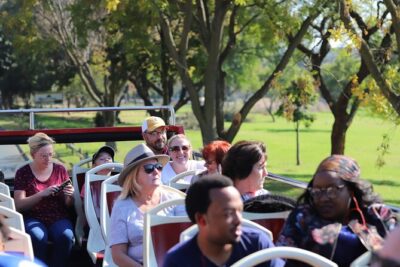 ★ 4.5Johannesburg Hop-On Hop-Off City Tour with Soweto OptionFrom $16768 reviews
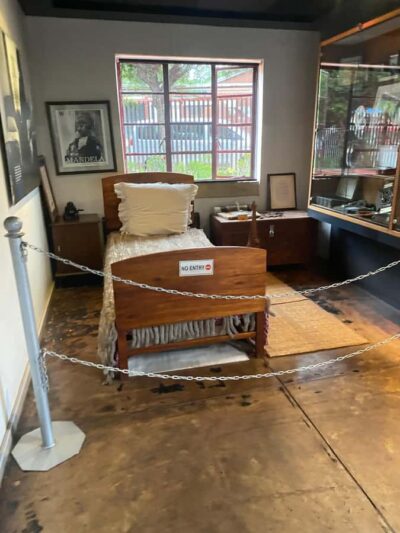 ★ 4.8Johannesburg: Full-Day Tour with Soweto and Apartheid MuseumFrom $104478 reviews
 ★ 4.8Johannesburg and Soweto: Half-Day TourFrom $71439 reviews
 ★ 4.6From Johannesburg: Lion & Safari Park Half-Day TourFrom $167384 reviews
 ★ 5.0Ultimate Johannesburg Soweto Experience with Apartheid MuseumFrom $108313 reviews
 ★ 5.0Half Day Lion Park tour from Johannesburg or PretoriaFrom $100274 reviews
 ★ 4.9Johannesburg: Maboneng Street Art & Culture TourFrom $37257 reviews
 ★ 5.0Johannesburg and Soweto tourFrom $77231 reviews
Browse the lists this tour appears in