
REVIEW · SOWETO TOURS
Historical and Cultural Interactive Experience of Soweto
Soweto hits your heart in the best way. This private, 4 to 5 hour experience is built around major apartheid-era landmarks and the kind of human connections you usually only get when the day is guided well, not just scheduled. Expect a mix of big history and small moments, from the Calabash-shaped FNB Stadium to a guided walk that ends on Vilakazi Street’s everyday energy.
What I like most is the storytelling focus. You get context at each stop, then there is room for you to ask questions and adjust the pace. I also love the optional extra that can make the day feel personal, with the chance to visit a traditional healer who works from home and offers a message through ancestral connection.
One consideration: the traditional healer visit is an add-on (R300 per person, paid in cash), and lunch is not included. If you want a full day with zero extra spending and food plans baked in, this may feel a bit “half-day plus options.”
In This Review
- Key highlights you should know before you go
- How this Soweto tour builds meaning, not just stops
- FNB Stadium, the Calabash-shaped start that sets the tone
- Walter Sisulu Square and the Freedom Charter, made understandable
- Hector Pieterson Museum and Memorial, where one story turned global
- Mandela House, inside the home where the years left marks
- Vilakazi Street, finishing with present-day Soweto life
- The optional traditional healer visit, how to think about it
- Flexibility with your guide, and why that matters
- Timing, transport, and what to plan for
- Who this Soweto experience is best for
- Should you book this Soweto tour?
- FAQ
- How long is the Historical and Cultural Interactive Experience of Soweto?
- Is pickup included?
- Is this a private tour?
- What is the price per person?
- Are admission tickets included?
- Is lunch included?
- Do I get bottled water?
- Is the traditional healer visit included?
- What time does the tour run?
- Is cancellation free?
Key highlights you should know before you go
- FNB Stadium’s Calabash design gets you into the South Africa story through sport and architecture.
- Walter Sisulu Square and the Freedom Charter give you the political “why” behind the streets you walk later.
- Hector Pieterson Museum and Memorial centers the 1976 uprising story with the power of one iconic image.
- Mandela House is guided, inside, and framed by what Mandela lived and what returned in 1990.
- Vilakazi Street connects history with present-day life, food, craft shops, and street performers.
- Guides like Jazz and Zandile are praised for being kind, flexible, and making the day feel like real conversation, not a lecture.
Other Soweto routes we have reviewed, each with a local guide
- Johannesburg: Hop-On Hop-Off Bus with Optional Soweto Tour★ 4.6 · 985 reviews
- Soweto /Johannesburg and Apartheid Museum Guided Full Day Tour★ 5.0 · 932 reviews
- Johannesburg Hop-On Hop-Off City Tour with Soweto Option★ 4.5 · 768 reviews
- Half-Day Tour of Soweto Tour★ 4.5 · 712 reviews
How this Soweto tour builds meaning, not just stops

This isn’t a “bus, photo, next” kind of half-day. The structure gives you the big landmarks, but the tone is human. The guide leads, but you shape the experience around what you care about most, with just one rule: have fun. That matters in a place like Soweto, where you want respect and depth, without turning the day into a heavy checklist.
The price, $90.81 per person, is the kind of cost that starts to feel fair when you count what you actually get: hotel pickup, an air-conditioned vehicle, bottled water, and fees and taxes covered. You also get a private tour, meaning it is just your group, so you can move at a pace that fits you.
If you are traveling with teenagers or adults who want the story behind the headlines, this format works well. If you want to move slowly, talk a lot, and ask questions, you will likely appreciate the flexibility. If you only want quick picture moments, it might feel like you are being asked to think a bit more than you planned.
FNB Stadium, the Calabash-shaped start that sets the tone
You typically get picked up from your hotel around 10:00, then head to FNB Stadium. This stop is about 30 minutes, and the admission is free. The stadium was renovated for the 2010 FIFA World Cup, and its famous design idea is the Calabash, or African pot. That detail is more than architecture trivia. It gives you a quick entry point into South Africa’s modern identity before you shift into the older, harder history of Soweto.
FNB Stadium is described as the country’s largest venue, and it is often tied to historic events tied to South Africa’s public life. When you start here, you get a sense that the country’s story has more than one chapter, and sport can be one of the ways communities gather, celebrate, and show themselves to the world.
Practical tip: wear comfortable shoes. Even if your time is short, stadium areas can be bright, windy, and a little uneven.
Walter Sisulu Square and the Freedom Charter, made understandable
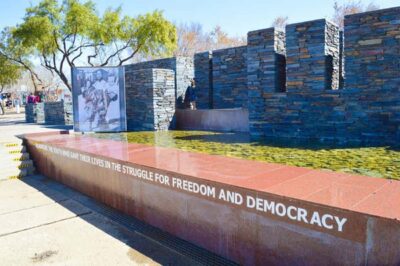
Next comes Walter Sisulu Square, around 45 minutes. This stop is free, and it is a strong bridge between politics and place. The square marks where, on 26 June 1955, the Congress of the People met to draw up the Freedom Charter.
The charter is presented as an alternative vision to apartheid policies, emphasizing a non-racial society and principles tied to liberty and individual rights. The square is a national heritage site, so you are not just looking at a building. You are standing at a moment in time that later helped shape major directions for South Africa’s future, including links people often make to the 1996 constitution.
A nearby detail that matters for understanding the wider area: close to the square is Kliptown, an informal settlement. The point of mentioning it is not to sensationalize it. It is to remind you that history is not only about leaders in speeches. It is also about where people live, and the gap between political ideals and everyday realities.
What to watch for: the square can feel open and exposed. If you are sensitive to sun, bring some protection. If you are there in mid-day light, ask your guide where to stand for the clearest explanation.
Hector Pieterson Museum and Memorial, where one story turned global
By around noon, you head to the Hector Pieterson Museum and Memorial for about 1 hour, with admission included. This is the stop that tends to hit hardest for many people, because the story is framed around a 12-year-old boy, Hector, who was the first killed during the 16 June 1976 Soweto uprising.
The museum connects the protest origins to the issue of Afrikaans as a medium of instruction instead of students’ own languages and English. Then it traces how student protest grew into something much bigger, with many young people losing their lives. There is also a spotlight on why Hector became an international icon: a newspaper photograph by Sam Nzima showing Hector being carried while Mbuyisa Makhubu rushed for help. The image helped spark global outrage.
One value of doing this with a guide is that you do not just read panels. You get help sorting cause, timeline, and meaning, without the day becoming an overwhelming blur. You also get the chance to ask what parts matter most to you.
A consideration: this museum asks for emotional attention. You might find it intense even if you already know the general facts. If you are traveling with kids, you can still make it work, but it helps to be ready for the seriousness of the subject.
More history you can walk through
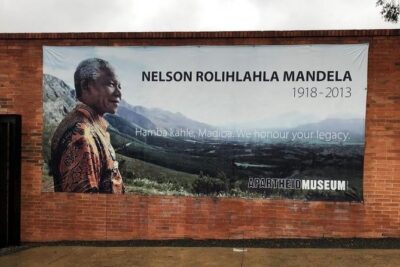
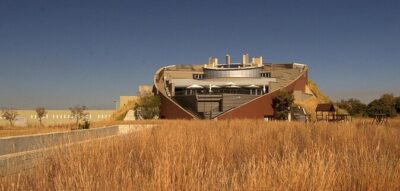

Mandela House, inside the home where the years left marks
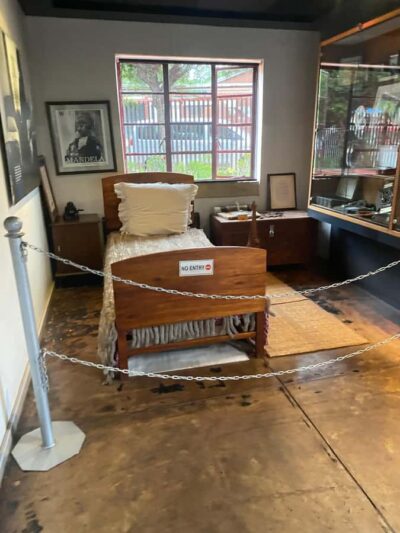
After Hector Pieterson, you move to Mandela House at about 13:00. This stop runs about 45 minutes, and admission is included. Here, the experience is explicitly guided, and you go inside the house where Nelson Mandela lived on and off for more than 14 years, first with his first wife Evelyn Ntoko Mase, then with his second wife Winnie Madikizela-Mandela.
The guide connects the space to real family life and real pressure. You learn about the period when Winnie was left to raise the daughters, Zenani and Zindzi Mandela, as a single parent while Mandela was imprisoned. That family detail is often what makes the house feel more than a museum setting.
There is also a quote-style moment that anchors Mandela’s return after release in 1990, when he described coming back that night to No. 8115 in Orlando West and how it marked for him that he had left prison behind. That framing is powerful because it turns history from distant and abstract into something tied to daily routines and a specific address.
What I’d do with this stop: slow down a bit during the guided part. Ask your guide to point out how the home life connects to the political life, not just what happened.
Vilakazi Street, finishing with present-day Soweto life
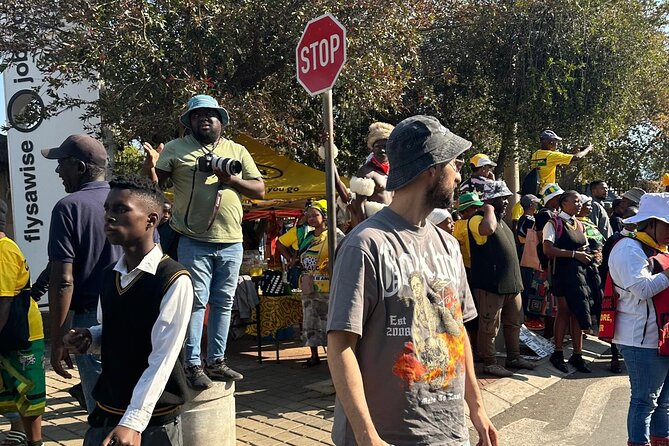
Finally, you end on Vilakazi Street, with about 1 hour there. Admission is free. This is a different kind of chapter: less about a single moment, more about how history lives in daily life.
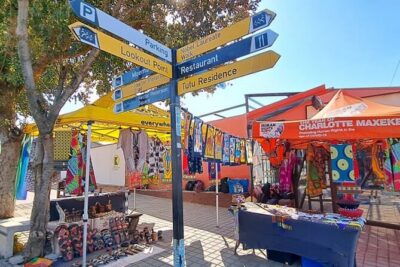
Vilakazi Street is famous for being the only street known for having two Nobel Laureates as residents: Nelson Mandela and Archbishop Emeritus Desmond Tutu. You will still see the entrepreneurial energy of the area, including places to browse accessories, African-inspired fashion, and homeware. There are also performers who sing and dance, adding to the street’s pulse.
Food is part of this stop too. You can choose from restaurants, and the day often points you toward a Soweto-style buffet option. If you are hungry after four or five hours of walking and sitting, you’ll be glad you saved time for this.
Small practical note: this part of the day is more “you, your appetite, your curiosity.” If you hate shopping, you can still enjoy the atmosphere and the performances. If you love craft and design, it is an easier place to spend time without it feeling rushed.
The optional traditional healer visit, how to think about it
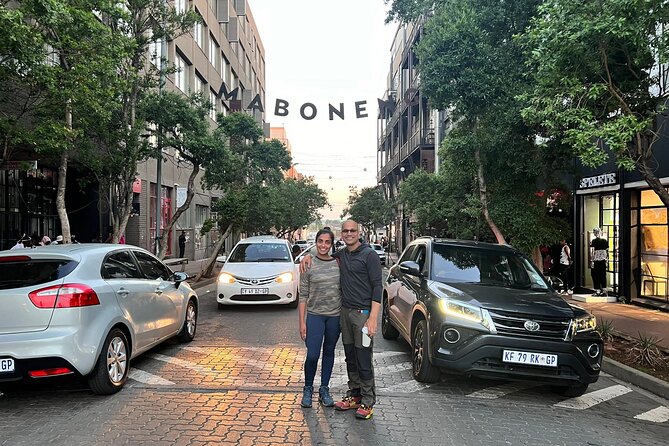
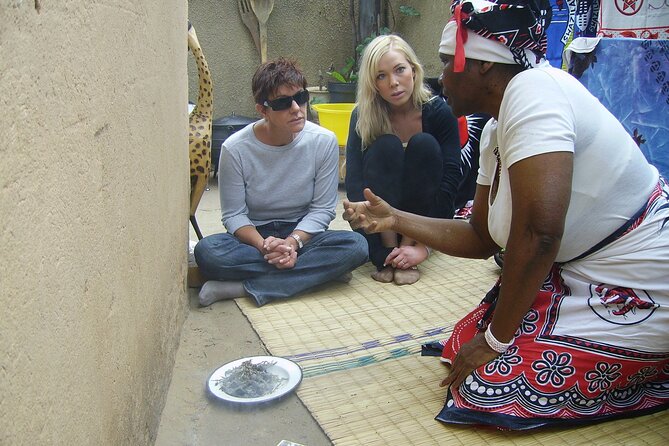
The tour includes an optional extra: a visit to a traditional healer. It costs R300 per person, paid in cash to the healer. The healer is described as working from home, so you do not just drop in and leave. You can also get a home visit component as part of that interaction.
What the experience is meant to do: connect you with your ancestors and deliver messages meant for you. Your guide also shares heritage through these kinds of culturally rooted encounters, alongside the landmark visits.
How to approach this respectfully: go in with an open mind and reasonable expectations. This is not presented as a scientific service, so it helps to think of it as a cultural and spiritual practice in its own framework. You can treat it like a conversation, not a problem to solve.
If you are unsure, skip it and spend more time on Vilakazi Street. The tour still works without it.
Flexibility with your guide, and why that matters
One of the most praised elements is the guide style. Names that appear in past experiences include Jazz and Zandile (also referenced as Zandi), and the common theme is clear: the guide is kind, knowledgeable, and willing to go a little off the beaten track, while still hitting the major landmarks.
You also get something practical out of this: the schedule is not rigid. The experience is shaped to your interests and needs. That can help if you want extra time at one stop, or if you are traveling with people who have different levels of comfort with the subject matter.
If you want maximum value, come with at least a few topics you care about, like education policies in 1976, Mandela’s personal story, or the Freedom Charter ideas. The more specific you are, the more your guide can tailor how the day is paced.
Timing, transport, and what to plan for
This is designed as a 4 to 5 hour experience, typically starting with pickup around 10:00. It runs within a daily window of 10:00 AM to 3:00 PM, Monday through Sunday.
Because it is a private tour with hotel pickup and an air-conditioned vehicle, it is a good fit for people who do not want to manage transport themselves in Johannesburg. Bottled water is included, which is exactly what you want on a day that can include sun and walking.
What to plan for:
- Lunch is not included, so either eat before you go or plan to grab something after, especially since the final stop is a good place for meals.
- The healer visit is optional and separate, so if you want it, bring the cash needed (R300 per person).
- You get a mobile ticket, which simplifies check-in if you are traveling with a phone.
Who this Soweto experience is best for
This tour fits best if you want a mix of political history and real human connections. It is a good match for:
- History and culture enthusiasts who want landmarks explained in plain language.
- Couples and small groups who appreciate a private guide and conversation.
- Families with older kids and teens who can handle serious topics with some context.
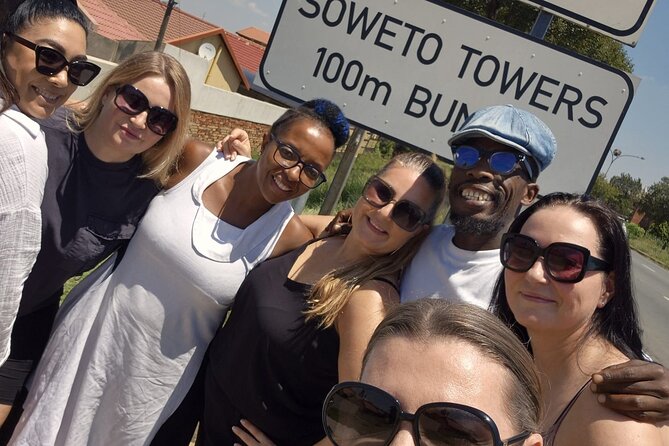
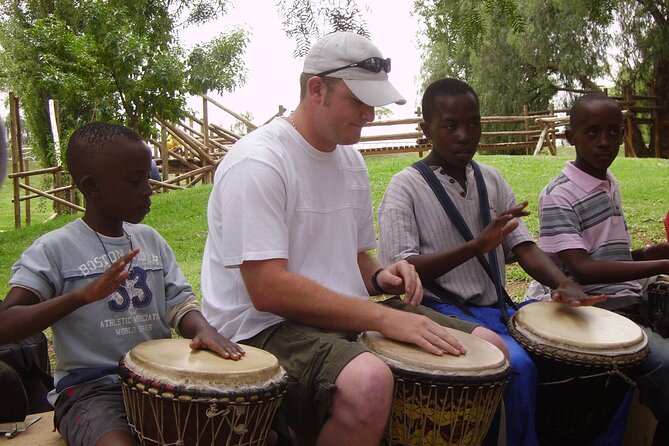
- Travelers who like meaningful interaction, including community-focused moments like tea in a local home, time with people at a tavern, or connecting with children from a kindergarten (these parts are described as spontaneous, human interactions rather than staged events).
If you prefer only museums and zero personal interaction, you can still enjoy the core stops. But the spirit of this tour leans toward people and relationships, not just buildings.
Should you book this Soweto tour?
Yes, if you want a half-day that balances the landmark essentials with a guide who treats the day like a conversation. The included sights are strong for Soweto’s story, and the guided time at Mandela House plus the Hector Pieterson Museum gives you depth without requiring more than a few hours.
Book it if you:
- Like structured stops with room to ask questions.
- Want Vilakazi Street as a present-day wrap-up, not just a history ending.
- Are open to the optional cultural experience of the traditional healer visit.
Skip it if you:
- Need lunch included and want zero optional costs.
- Want only very light, low-emotion sightseeing.
If you do book, pick a guide approach that matches your style. If past reviews are any guide, a friendly guide like Jazz or Zandile can turn the day into something you remember for the right reasons, not just the list of places you visited.
FAQ
How long is the Historical and Cultural Interactive Experience of Soweto?
The tour lasts about 4 to 5 hours.
Is pickup included?
Yes, pickup from your hotel is offered.
Is this a private tour?
Yes, it is private, and only your group participates.
What is the price per person?
The price is $90.81 per person.
Are admission tickets included?
Admission is free for FNB Stadium and Walter Sisulu Square. Admission is included for Hector Pieterson Museum and Mandela House.
Is lunch included?
No, lunch is not included.
Do I get bottled water?
Yes, bottled water is included.
Is the traditional healer visit included?
No, the healer visit is optional and costs R300 per person. It is paid in cash to the healer.
What time does the tour run?
The tour operates daily within 10:00 AM to 3:00 PM.
Is cancellation free?
Yes, you can cancel for a full refund if you cancel at least 24 hours in advance. If you cancel less than 24 hours before the start time, the amount is not refunded.
The Past, On Foot in Johannesburg
Soweto: Other Guided Routes
Keep going: the rest of our Johannesburg write-ups
- Soweto Private half day tour
★ 4.5 · 3 reviews - Johannesburg’s Migration History with a local lunch
★ 5.0 · 3 reviews - Johannesburg: Soweto, Apartheid Museum, and Cradle tours
★ 4.7 · 3 reviews - Soweto Apartheid Museum and Lunch
★ 5.0 · 3 reviews - Bathongo Rhino & lion park nature reserve tour
★ 5.0 · 3 reviews - Johannesburg: Elephant and Monkey Sanctuary Half Day Tour
★ 5.0 · 3 reviews
Soweto Tours, compared.
 ★ 4.5Johannesburg Hop-On Hop-Off City Tour with Soweto OptionFrom $16768 reviews
 ★ 4.5Half-Day Tour of Soweto TourFrom $63712 reviews
 ★ 4.9Soweto: Walking Tour with a Local Guide and LunchFrom $43648 reviews
 ★ 4.8Jo’berg in 1 Day: Soweto, Apartheid Museum & City TourFrom $142524 reviews
 ★ 4.8Johannesburg: Full-Day Tour with Soweto and Apartheid MuseumFrom $104478 reviews
 ★ 4.8Johannesburg and Soweto: Half-Day TourFrom $71439 reviews
 ★ 5.0Full-Day Soweto, Apartheid Museum and Lunch TourFrom $108410 reviews
 ★ 5.0Half Guided Day Tour of Soweto And Apartheid MuseumFrom $69356 reviews
Browse the lists this tour appears in