
REVIEW · LUNCH EXPERIENCES
Full-Day Swartberg Mountain PRIVATE Tour (including lunch and transfers)
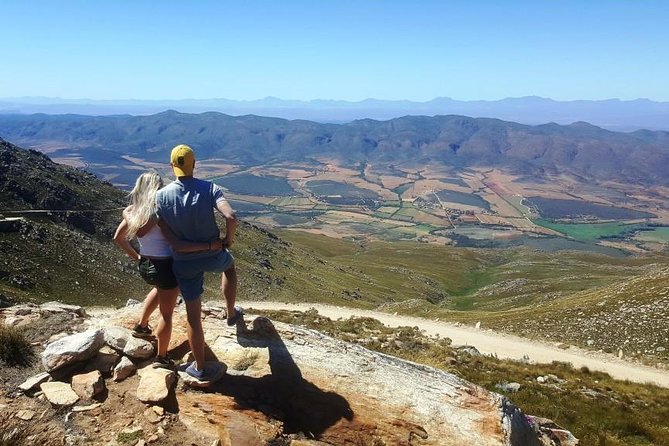
Big Karoo views, and real animal time. I love the mix of Swartberg Pass by car and on-foot hiking, plus the chance to scan for wildlife with a guide who can point things out fast. I also like that the tour includes transport, entrance fees, and lunch, so you are not juggling logistics all day. The one real consideration is weather, since good conditions matter here.
You will start with a morning pickup from your Oudtshoorn accommodation and head into the foothills, climbing up to the Swartberg Pass area at about 1,500 meters above sea level. The day ends back in Oudtshoorn, after time at H.O.P.E. Foundation and a second slower walk focused on plants and animals.
In This Review
- Key highlights you should actually care about
- From Oudtshoorn to Swartberg Pass: the climb that sets the mood
- Swartberg Pass UNESCO road from 1888, Thomas Bain, and the dry-stone feel
- The hike off the pass: 300-million-year sandstone, proteas, and fynbos
- Wildlife spotting in the Karoo: eagles, buzzards, jackals, and klipspringer
- H.O.P.E. Foundation offices: conservation you can talk about, then hike again
- Lunch, transfers, and a day that runs about 7 to 8 hours
- Price and value: what $201.77 per person covers on a private day
- Should you book this Swartberg Mountains private tour?
- FAQ
- FAQ
- What is the tour duration?
- What time does the tour start?
- Do I get pickup and drop-off?
- Is this tour private?
- What is included in the price?
- Do I need to buy tickets separately?
- Where is the main sight on the tour?
- What can I expect to see on the hikes?
- Is lunch provided?
- What if the weather is bad?
- Are there any restrictions for children?
Key highlights you should actually care about
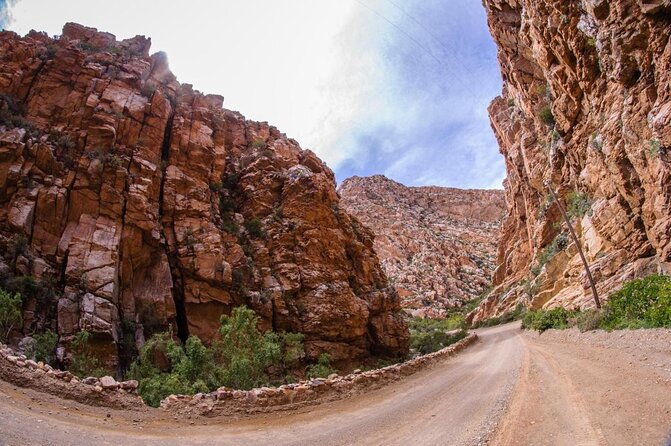
- UNESCO Swartberg Pass stop, built in 1888 by Thomas Bain, with the dry-stone technique still holding up
- 880 meters up the mountains by private vehicle, so you get the altitude and views without the steep drive stress
- 300-million-year-old sandstone formations on a scenic hike from the pass
- Wildlife spotting targets like Verreaux’s eagles, buzzards, jackals, and klipspringer
- Plant connections to look for proteas, plus fynbos types like pincushion plants and cone bush
- H.O.P.E. Foundation conservation time followed by a second leisurely hike
Still weighing it up? These Western Cape trips are the ones our readers open next.
- Bloukrans Bungy, the worlds best bungy jump!★ 5.0 · 504 reviews
- Skip the Line: Highgate Ostrich Farm Tour Ticket★ 4.5 · 110 reviews
- Touw River Boat Cruise – Wilderness National Park★ 4.5 · 72 reviews
- Marine Big 5 Safari: Self-Drive★ 4.5 · 68 reviews
From Oudtshoorn to Swartberg Pass: the climb that sets the mood
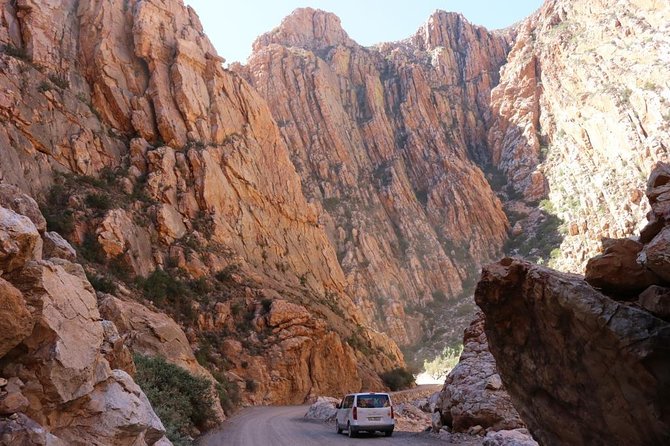
Your day starts with a morning pickup from your accommodation in Oudtshoorn. The listed start time is 9:00 am, but your exact pickup moment can shift a bit, so confirm the departure time with the operator after booking. This matters because the best light for mountain views tends to show up when you are already high enough to see the drop-offs clearly.
From there, you head north into the Swartberg Mountains foothills. You are not just driving along a road, you are climbing, up to about 880 meters (2,900 feet) as you make your way toward the pass. That elevation change is a big part of why the scenery feels so dramatic, the air gets a touch cooler, and the Karoo spreads out below you.
Because this is a private setup, the pace stays in your hands. You are not squeezed into a rigid schedule with a large group, and you get a driver-guide who can adjust stops based on conditions, sightings, and how comfortable the group is.
Swartberg Pass UNESCO road from 1888, Thomas Bain, and the dry-stone feel
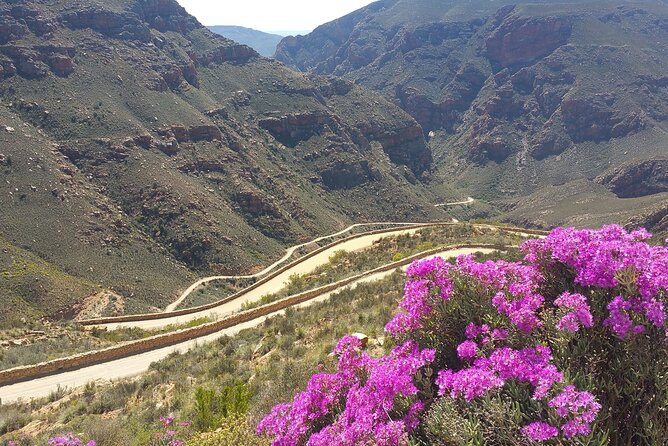
The star in the morning is Swartberg Pass itself, a UNESCO-listed mountain road. This is not a modern viewpoint you drive past. The pass is a National monument, with a gravel surface and a real engineering story.
The road was constructed by Thomas Bain over four years, and it opened on 10 January 1888. The technique used was dry-stone construction, meaning stones were fitted in place with extreme manual effort. The best part, from a visitor’s point of view, is that you can still feel the seriousness of that work. It is solid, and it is part of why the pass still functions today.
When you reach the top area, you get big views over the Klein Karoo and Great Karoo. This is a place where you will want to pause often, not because it is one “big vista” and done, but because the shape of the valleys and ridgelines keeps changing as your position shifts. Even on a day when the weather is mixed, the pass area tends to deliver a lot of layered scenery.
Practical note: you are going to switch from driving to walking right after this. So treat the pass stop as your warm-up stage, enjoy the views, then get ready for your boots to do their job.
The hike off the pass: 300-million-year sandstone, proteas, and fynbos
Once you leave the pass on foot, your route focuses on geology and plants, with a scenic walk into the surrounding countryside. The standout detail here is age: the area features sandstone formations estimated at 300 million years old.
That number is hard to wrap your head around until you are actually looking at the rock texture and layers. Here’s what makes it meaningful for you as a traveler. You get a sense that you are not just sightseeing landscapes, you are standing on the surface of a very long story. The hike turns the pass from a road stop into a real nature experience.
Plant lovers have plenty to scan for. The area includes protea plants, which provide nectar for local sunbirds. That connection matters because it helps you look beyond colors. You are not only spotting flowers, you are looking at what they support in the food web.
You also may see types of fynbos, including a pincushion plant and cone bush. If you like a challenge, try picking one plant at a time and taking mental notes on shape and growth form. In arid regions like this, the small differences can be the point.
This is also a good moment to remember basic field-hiking habits. Wear shoes with grip, bring sun protection, and plan on dust or dry ground underfoot. The terrain can feel tougher than it looks from the vehicle window.
Wildlife spotting in the Karoo: eagles, buzzards, jackals, and klipspringer
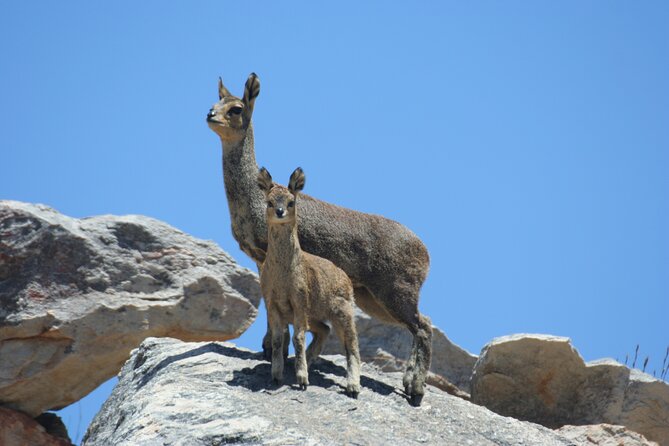
The main wildlife goal is simple: keep your eyes moving. Your walk and viewpoints are built for wildlife scanning, not just casual strolling.
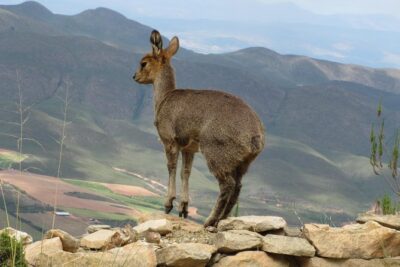
You might spot Verreaux’s eagles, buzzards, jackals, and klipspringer antelopes. Klipspringer are especially interesting because they are well adapted to rocky areas and can look like parts of the terrain until they move.
Here is how to give yourself the best shot during this kind of stop. Walk slowly, look uphill and along cliff edges, and pause often to let your eyes settle. If you have binoculars, this is the day to use them. If you do not, ask your guide to show you what to look for, since spotting can be mostly about knowing the right posture and scan pattern.
One more reason the guide matters here. Wildlife in the Karoo can be subtle, and it helps to have someone who can connect what you are seeing to what it likely means for the area. I particularly like that the guide Lynette is specifically noted for spotting wildlife and plants you might otherwise miss, and for explaining what you are actually looking at, not just naming it.
Also, expect the wildlife moment to be “small and sudden,” not guaranteed. The win is time in the right habitat with the right eyes on the job.
H.O.P.E. Foundation offices: conservation you can talk about, then hike again
After the first hike, you head back toward Swartberg Pass and continue to the H.O.P.E. Foundation offices. This is one of those stops that turns a nature day into something more grounded.
At H.O.P.E., you spend time learning about the conservation efforts designed by the group’s members. The goal is not to turn you into an expert in one visit. It is to help you understand how local work connects to what you are seeing outside, from protecting wildlife to maintaining habitat.
Why this matters for your trip. Without some context, it is easy to treat animals and plants like scenery. With a conservation stop, you are more likely to notice the cause-and-effect side of the story. It also helps you ask better questions on the walk afterward.
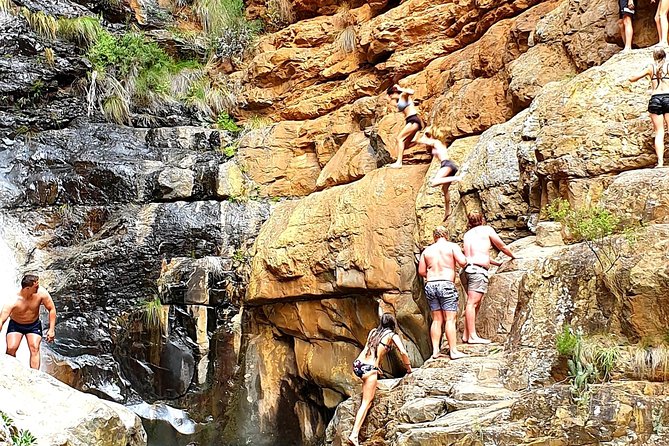
Then you go for a second, more leisurely hike to explore plant and animal life in the area. This second walk can feel like a second chance to spot what you missed earlier. It is also a nice rhythm breaker, giving you time to slow down after the more focused first hike.
Lunch, transfers, and a day that runs about 7 to 8 hours
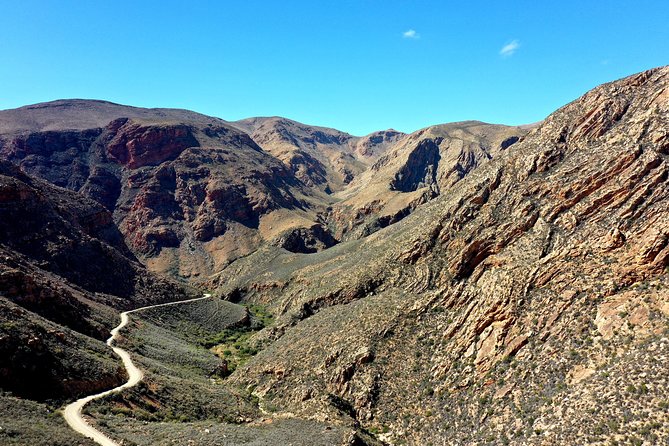
This is set up as a full day, about 7 to 8 hours in total. A lot of that time is accounted for by the drive into the mountains, the altitude and views, and the two hiking portions.
The good news is that lunch is included, which is more valuable than it sounds in a remote area. You do not have to hunt for food options once you are out in the countryside. You can focus on the day instead of playing logistics roulette.
Transport is handled in a private vehicle, with a driver-guide. That is ideal for a place like this, where a wrong turn or long stop could eat your day. It also means you can ask questions while you travel, so you are learning even when you are just riding.
One more practical note: the experience is described as requiring good weather. If conditions are poor, you may be offered a different date or a full refund. For planning, I treat weather as part of the itinerary, not an afterthought. If you are flexible, you tend to get a better outcome.
Price and value: what $201.77 per person covers on a private day
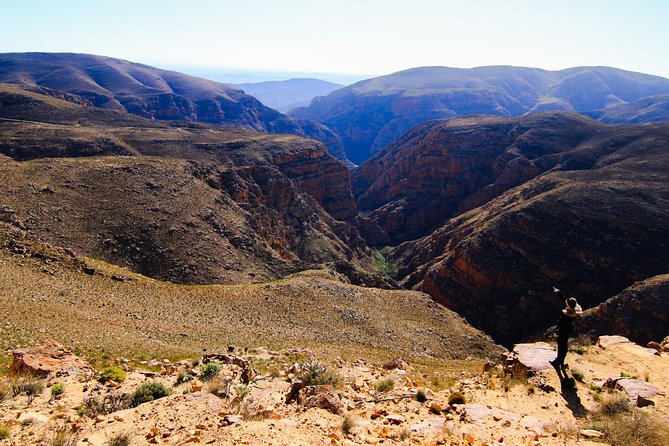
The price is $201.77 per person, and the value here is mostly about what gets rolled in.
You are paying for:
- private vehicle transport
- a driver-guide
- nature reserve entrance fees
- lunch
- two on-foot experiences tied to pass-area viewpoints and the foundation stop
On paper, a private tour can sound pricey compared to group options. But the day is long, remote, and built around specific stops that require driving and permissions. Paying for the whole package often makes the day cheaper than it feels, because you do not spend money and time separately on entry fees, fuel-heavy routing, and piecemeal transportation.
Also, group discounts are listed, which can help if you are traveling with friends or family. Add in the fact that you get pickup and drop-off from Oudtshoorn, and it becomes less about paying for sightseeing and more about paying for a smoothly run outdoors day.
If you are a nature-minded traveler who hates wasting hours, this pricing can make sense fast.
Should you book this Swartberg Mountains private tour?
I think you should book if you want an outdoors day that feels real, not rushed. This tour is built for people who like:
- mountain viewpoints and a UNESCO pass stop that actually has history behind it
- walking time among 300-million-year-old rock and arid-region plants
- animal scanning, with specific species to watch for, not vague promises
- a conservation stop at H.O.P.E. Foundation, then a second chance to see plants and animals
I would skip it if your idea of a perfect day is mostly sitting and looking, because you do get walking time twice. Also, if you have zero flexibility with weather, keep in mind the experience is tied to good conditions.
If you are deciding between booking now or waiting, my advice is simple. If your travel dates give you backup options, take it. Swartberg Pass is the kind of place that feels better when you are not rushing, and the private format helps you slow down at the right moments.
FAQ
FAQ
What is the tour duration?
The tour is listed as 7 to 8 hours (approx.).
What time does the tour start?
The start time is 9:00 am, with pickup from your Oudtshoorn accommodation.
Do I get pickup and drop-off?
Yes. The tour includes morning pickup from your Oudtshoorn accommodations and drop-off back at your accommodation at the end.
Is this tour private?
Yes. It is a private tour/activity, so only your group participates.
What is included in the price?
Transport by private vehicle, a driver-guide, lunch, and nature reserve entrance fees are included.
Do I need to buy tickets separately?
Admission ticket is included.
Where is the main sight on the tour?
You visit Swartberg Pass, a UNESCO-listed site and National monument.
What can I expect to see on the hikes?
You will hike to see sandstone formations dated to about 300 million years old, and you can look for local plants like protea and fynbos species, plus wildlife such as Verreaux’s eagles, buzzards, jackals, and klipspringer.
Is lunch provided?
Yes, lunch is included.
What if the weather is bad?
The experience requires good weather. If it is canceled due to poor weather, you will be offered a different date or a full refund.
Are there any restrictions for children?
Children must be accompanied by an adult.
Keep going: the rest of our Western Cape write-ups
- Authentic Private South African Cooking Class with Jolandi
★ 5.0 · 3 reviews - Motorbike adventures on a dual purpose motorbike in the Garden Route and Karoo.
★ 5.0 · 3 reviews - Swartberg Pass Tour including Traditional Karoo Lunch
★ 4.5 · 4 reviews - 3-Day Private Hiking Trail in The Overberg
★ 5.0 · 4 reviews - Private Tour: Cape Point, Penguins, Chapmans Peak & more…
★ 5.0 · 4 reviews - Langebaan Lagoon Island Kayak Experience
★ 4.5 · 6 reviews
Lunch Experiences, compared.
 ★ 4.6From Cape Town: Big Five Game Reserve with LunchFrom $2362,409 reviews
 ★ 5.0Wine Tour to Stellenbosch & Franschhoek with Tastings & LunchFrom $101828 reviews
 ★ 4.9Soweto: Walking Tour with a Local Guide and LunchFrom $43648 reviews
 ★ 4.8Cape Town: Malay Cooking Class and Lunch in Bo-KaapFrom $49515 reviews
 ★ 5.0Full-Day Soweto, Apartheid Museum and Lunch TourFrom $108410 reviews
 ★ 4.8Full-Day All Inclusive Safari with Traditional Braai LunchFrom $186345 reviews
 ★ 4.9Soweto: Guided Bicycle Tour with LunchFrom $52292 reviews
 ★ 4.5Stellenbosch & Franschhoek 20 Wine Tasting + Lunch Shared TourFrom $88290 reviews
Browse the lists this tour appears in