
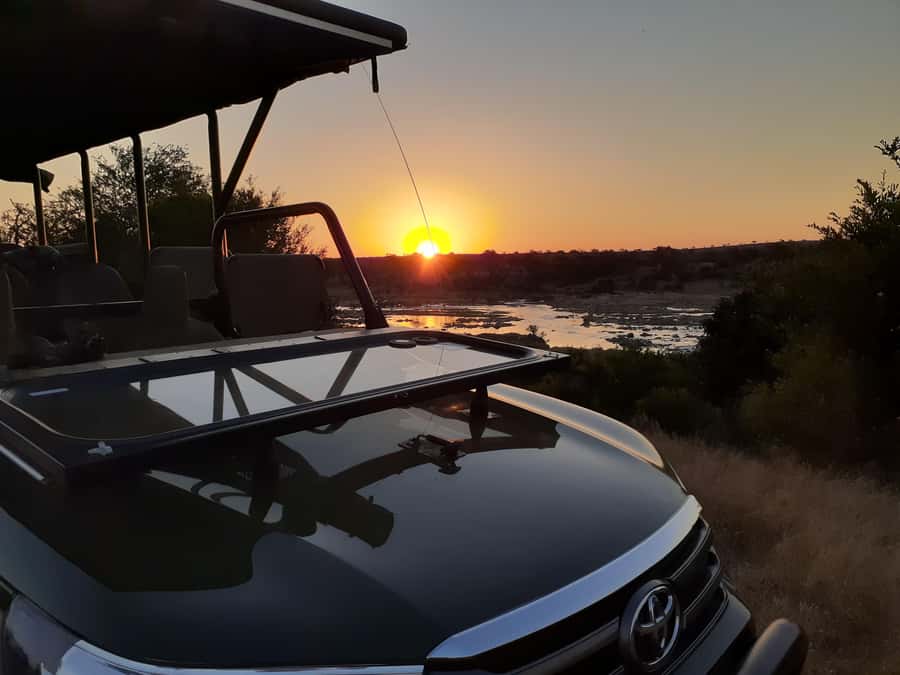
REVIEW · KRUGER NATIONAL PARK SAFARIS
From Malelane: Half Day Kruger Park Wildlife Safari
Kruger at dawn hits different, even if you only have a half day. What makes this safari work so well is the early pickup and the tight focus on wildlife with a real guide. You get the chance to chase sightings at the right hours, and the vehicle setup (with radios) helps your guide coordinate the hunt.
I especially like two things: the small-group feel (limited to 10) and the guide-led searching that keeps you from wasting time driving in circles. One consideration is simple, but important, Kruger conservation fees and food and drinks are not included, so your final cost may be higher than the headline price.
In This Review
- Key things that make this safari a smart pick
- Dawn pickup from Malelane, and why that matters
- The drive into Kruger: a real plan, not just “go and see”
- Big Five odds: what a guide actually changes for you
- Photo stops without the “rush”
- The breakfast stop at a camp before 09:00
- How radios and an open safari vehicle improve sightings
- The guide part: information that actually helps you see more
- Getting back: more chances before you head home
- Price and value: what you’re paying for at $102 per person
- What to bring, what to expect, and the rules that keep it safe
- Who this Kruger half-day safari suits best
- Quick practical details that can save you stress
- Should you book this half-day safari from Malelane?
- FAQ
- What time does pickup start?
- How many people are in the group?
- Is the safari private?
- Is breakfast included?
- Are Kruger conservation fees included in the price?
- Does it run in rain, and is it wheelchair accessible?
Key things that make this safari a smart pick
- Dawn timing: pickup runs from 05:00 to 05:30, when animals are most active
- Big Five focus: your guide actively targets the park’s headline species
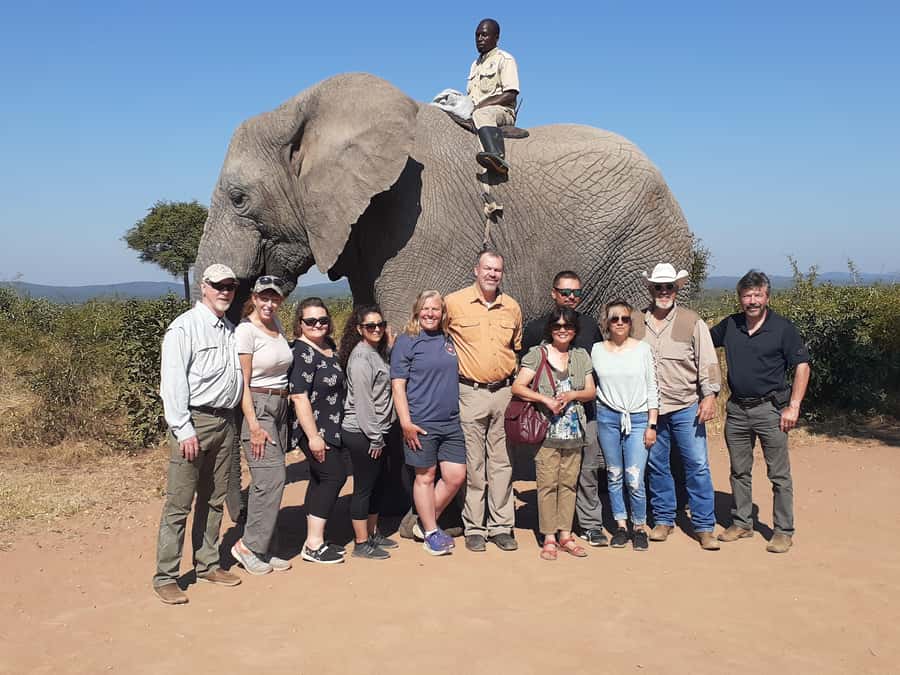
- Open safari vehicles plus two-way radios: better coordination while you’re out on the roads
- Breakfast stop before 09:00: you typically break at a camp and refuel
- Limited to 10 participants: easier conversation and more flexible photo stops
Other Kruger trips, from half days to full weeks
- Malelane & Komatipoort: Kruger National Park Half-Day Safari★ 4.6 · 12 reviews
- From Malelane: Half Day Kruger Park Wildlife Safari★ 5.0 · 10 reviews
Dawn pickup from Malelane, and why that matters
Your morning starts early, with pickup from your place of stay between 05:00 and 05:30. The driver or guide holds a sign with your last name, so you can spot them fast and get moving without that awkward looking-around game.
Why do I like this start? Because Kruger rewards the people who are willing to be on the move before the heat sets in. When you enter the park early, you’re more likely to catch animals feeding, moving, or settling into the cooler light that makes spotting easier. You also avoid the late-morning crowds that can turn game drives into traffic with a side of disappointment.
It also helps that the whole thing is built around a half-day window, not a vague morning that stretches into an unpredictable mess. Your day is planned to get you into Kruger, search actively, pause for breakfast, then keep hunting on the way back to your hotel or the gate.
The drive into Kruger: a real plan, not just “go and see”
After pickup, you head toward Kruger National Park. This safari isn’t framed as a scenic transfer where you might see something if the day feels generous. Instead, it’s structured around exploring the park for wildlife diversity, then moving through areas that support sightings.
You’ll also appreciate that the entry process includes skip-the-ticket-line. That small time-saver matters at dawn, when every minute you’re inside the park feels like one more chance to get the right sighting at the right distance.
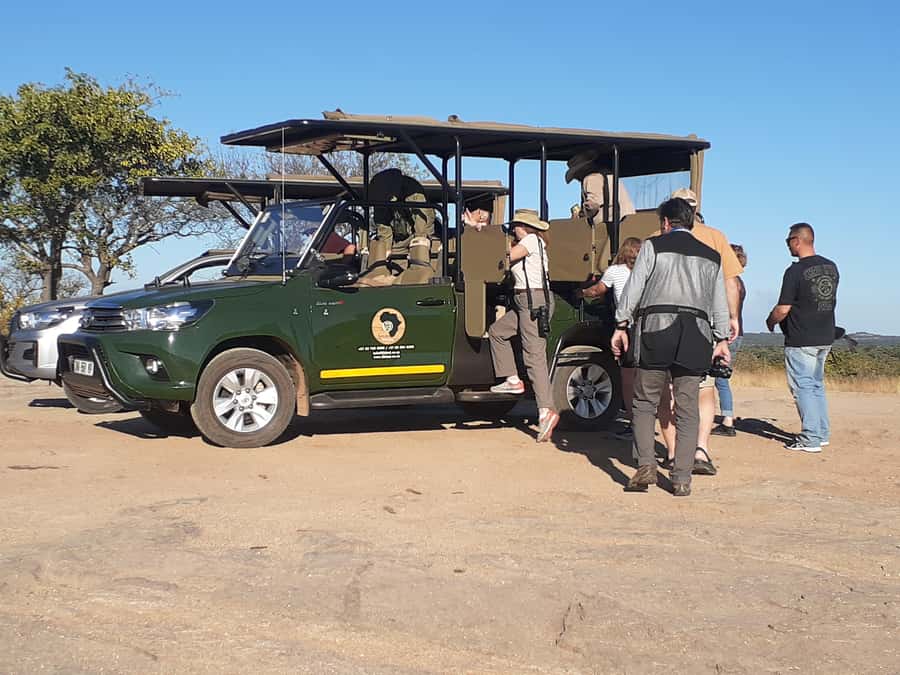
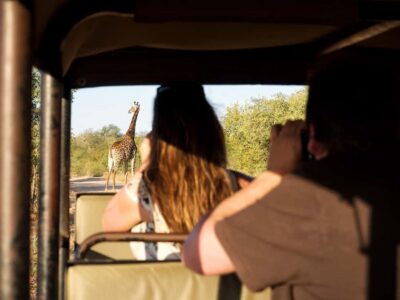
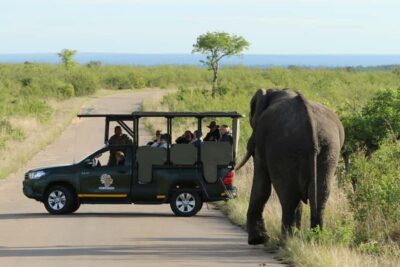
Once you’re in, you’re in an open safari vehicle. That gives you the classic view from the field, with enough sightlines for photos and a better feel for what’s happening around you. The vehicle also uses two-way radios, which is a practical upgrade. It means your guide can communicate on the move, and that can translate into faster follow-ups when an animal is spotted nearby.
Big Five odds: what a guide actually changes for you
You book this safari with the Big Five in mind, and the structure supports that goal. The best guide behavior is not fast driving, it’s smart driving. You’ll likely see that in how your guide chooses roads, slows down, and looks for patterns in animal behavior.
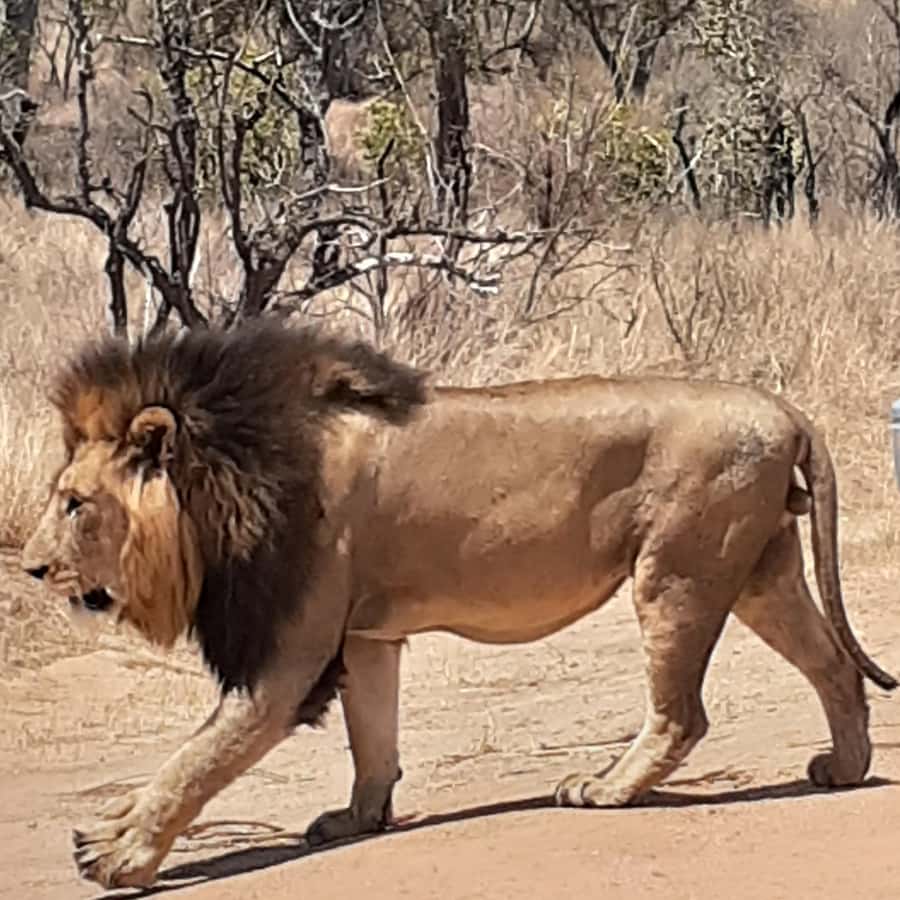
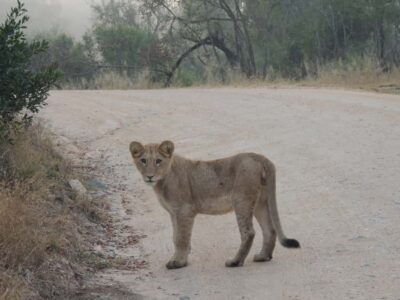
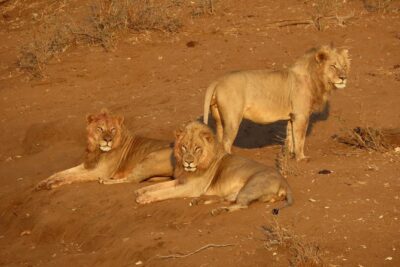
The guides tied to this experience show a clear focus on hunting for specific animals, not just random sightings. In past trips, guides like Sibu (Sibusiso) have been praised for adjusting the morning based on what the animals are doing. One standout example from the guide’s approach is how plans can shift to fit a real lion sighting, even when it affects the breakfast timing.
That’s a big deal, because Big Five targets often involve waiting for the moment. If your guide is willing to read the bush and reposition, you get more time where animals are actually likely to appear.
Photo stops without the “rush”
Another thing that improves your odds is the way the drive speed and stops are handled. You’ll be encouraged to take the photo moment, not just glance and move on. People who care about cameras especially like that the guide tends to go slow when it counts, which helps you spot details you would miss at highway speed.
And yes, you might see small animals and less-famous wildlife too, not just the heavy hitters. That matters because Kruger’s best scenes are often the ones you didn’t know you wanted, like spotting a tiny species that blends into the background until someone points it out.
The breakfast stop at a camp before 09:00
Mid-morning, you’ll typically stop at one of the camps in Kruger for breakfast before 09:00. In this experience, breakfast is usually packed by your hotel, so you’re not stuck hunting for food after an early start.
This break does more than fill you up. It gives your guide a chance to regroup, reassess sightings, and decide where to go next. It also gives you a reset moment, which helps because the best animal sightings often come after some patience, not before.
There’s also time to browse shops at the camp. That can be useful if you realize you forgot something basic, like a hat, sunscreen, or a small souvenir. It also helps you stretch your legs after time in the vehicle, which can get stiff surprisingly fast in the morning.
Important note for your planning: food and drinks are listed as not included. So even if breakfast happens as part of the day, it may be covered through your hotel packed provisions, not through the safari cost. For anything beyond that, you’ll need to budget separately.
How radios and an open safari vehicle improve sightings
Two-way radios might sound like a technical detail, but they affect your experience directly. In Kruger, wildlife sightings can be fluid. An animal might move, another vehicle might spot something ahead, or road conditions can shift how you approach an area.
The radios help your guide coordinate and respond to what’s happening around you. That can mean quicker turns when something comes up, or more efficient driving when you’re trying to link sightings across a region.
Combine that with an open safari vehicle and you get a better mix of spotting and learning. From your seat, you can scan the bush more easily, and your guide can point out what to look for, like tracks, feeding signs, or why a certain stretch of road is holding animals at that time of day.
The guide part: information that actually helps you see more
If you’ve done safaris before, you know there’s a difference between someone who knows facts and someone who knows the bush. The guides here are described as experienced and passionate, and what you feel on the drive is that they’re actively watching for wildlife, not just talking.
Expect explanations about animals and plants, and more importantly, explanations that change how you look. When you understand what you’re seeing, the experience becomes more than a checklist. It becomes pattern recognition.
This also shows up in how the guide handles priorities. When you request certain animals, your guide is expected to work toward them, and past trips reflect that kind of effort. For example, leopard hunting has been mentioned as a focus, including cases where the guide kept searching and delivered on the request more than once.
Getting back: more chances before you head home
After breakfast, you keep searching for wildlife as you make your way back toward your hotel or toward the gate. The half-day format means the afternoon leg can feel like a second hunt rather than a slow checkout.
This is where patience pays off. Some animals show up later once the heat shifts, and others move between resting spots. If your guide keeps the pace balanced, you end up with more total wildlife viewing time across the whole 6-hour experience.
You’ll arrive back where you started from, or at the gate area depending on your pickup and route logistics. Either way, the day is designed to end while you still feel like you got your money’s worth, not while you’re mentally packing up at 11:30.
Price and value: what you’re paying for at $102 per person
At about $102 per person for a 6-hour half-day, this safari can be good value if you want an expert-led game drive without the full-day commitment. The biggest value drivers are the private safari vehicle and guide arrangement for your group, the early timing, and the active search strategy for the Big Five.
That said, you should budget realistically:
Included:
- Pickup from your hotel or place of stay
- Bottled mineral water
- A field guide who shares knowledge in English
- Open safari vehicle experience with two-way radios
- Small group limited to 10 participants
- Skip the ticket line
- Kruger conservation fees are not included
Not included:
- Kruger conservation fees
- Food and drinks
So if you’re comparing prices, look at what’s extra at the gate and what you’ll eat on the day. If you plan to buy extra drinks, snacks, or meals beyond what your hotel provides as a packed breakfast, factor that in.
One more value point: the smaller group size helps you feel less ignored. Your guide can spend more time on what matters to your group, like photography and specific animal interests.
What to bring, what to expect, and the rules that keep it safe
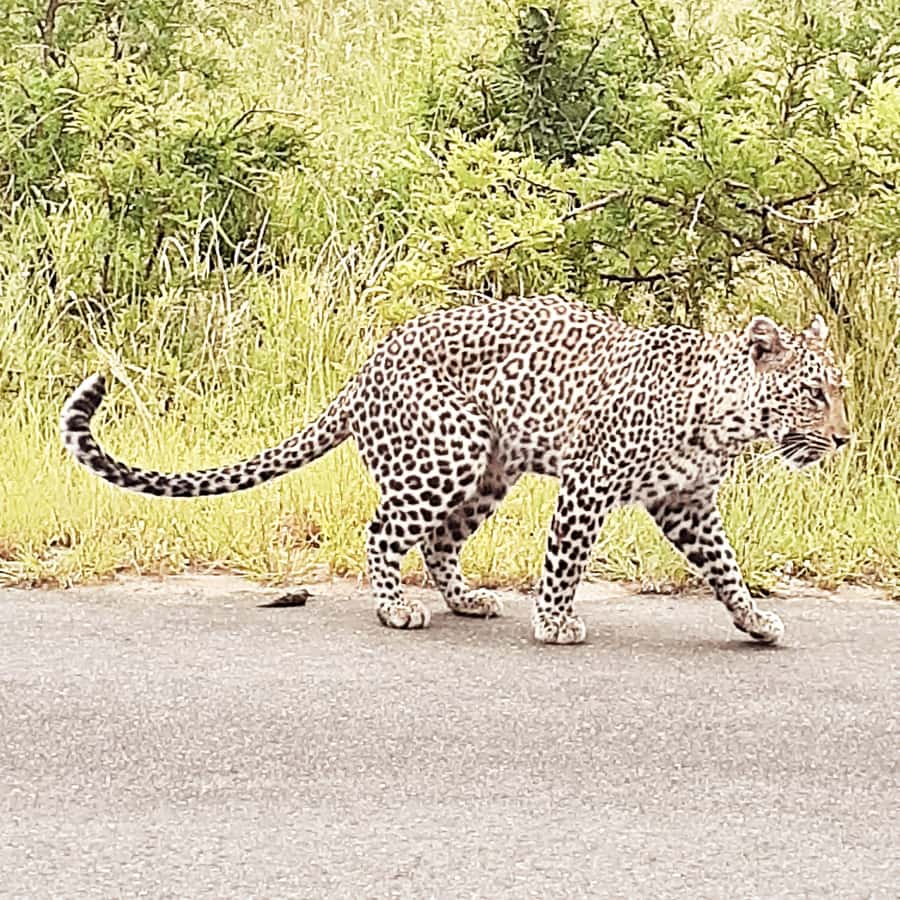
This safari is described as running rain or shine. Kruger can be messy in bad weather, but wildlife does not clock out. Bring layers you can manage outdoors, not just one light outfit and hope for the best.
You’ll need:
- Passport or ID card
Not allowed:
- Pets
- Alcohol and drugs
- Feeding animals
You’ll also want to bring basic safari comfort items even if they are not listed. Think sun protection and something to keep your hands steady for photos when the vehicle bumps. Even when it’s not burning hot, mornings can feel chilly, then warm up quickly.
Also keep in mind that the activity is listed as not suitable for babies under 1 year. If you’re traveling with very young kids, ask the provider what will work best for your family situation.
Who this Kruger half-day safari suits best
This experience fits best if you want real safari time, not a long tour with lots of stops off the beaten path. You’ll like it if you’re:
- A couple looking for a focused wildlife morning
- A family that wants structure, pickup, and guidance
- A photographer who values slower scanning and photo time
- A small group that wants better attention than a huge bus
It’s also a strong option for first-timers. You’re not stuck trying to interpret tracks and animal behavior on your own. A good guide helps you notice what you would miss.
If you hate early mornings, that’s the main mismatch. The day starts so early that you’ll need to be ready the night before.
Quick practical details that can save you stress
A few operational details make the day smoother.
- Pickup happens between 05:00 and 05:30, and you should wait in the hotel lobby about 10 minutes before pickup.
- The guide/driver will hold a sign with your last name.
- The safari runs about 6 hours total, and the guide is listed as English-speaking.
- The group is limited to 10 participants, which keeps things more personal and helps with photo planning.
- Wheelchair accessible is listed, so it’s designed to be workable for mobility needs, but you should still check specifics with the provider if you have questions about the vehicle setup.
Should you book this half-day safari from Malelane?
I’d book it if you want the best chance at meaningful wildlife viewing in a short window. The combination of early timing, an open safari vehicle, two-way radios, and a guide who knows how to work toward sightings makes the half-day format feel efficient, not rushed.
Skip it or rethink it if you need long breaks, late starts, or you’re not comfortable managing the extra costs for conservation fees and any food and drinks. Also, if you’re traveling with very young babies, this is not suitable for infants under 1 year based on the activity notes.
If your goal is Big Five odds plus expert guidance without committing to an entire day, this is a solid way to spend your morning in Kruger.
FAQ
What time does pickup start?
Pickup runs from 05:00 to 05:30. You should wait in the hotel lobby about 10 minutes before your scheduled pickup time, and the guide or driver will be holding a sign with your last name.
How many people are in the group?
It’s a small group experience, limited to 10 participants.
Is the safari private?
The activity includes a private safari vehicle and guide, but you still travel in a small group setting limited to 10 participants.
Is breakfast included?
There is usually a breakfast stop at one of the camps before 09:00, and it is typically packed by your hotel. Food and drinks are otherwise listed as not included.
Are Kruger conservation fees included in the price?
No. Kruger conservation fees are excluded, so you will need to budget for those separately.
Does it run in rain, and is it wheelchair accessible?
Yes, the tour runs rain or shine. Wheelchair accessibility is listed as available.
Hazyview and the Lowveld: More Bases
Kruger: More Ways Into the Park
Keep going: the rest of our Malelane write-ups
- Malelane & Komtipoort: Kruger National Park Full-Day Safari
★ 4.7 · 3 reviews - Malelane & Komatipoort: Kruger National Park Half-Day Safari
★ 4.6 · 12 reviews
Kruger National Park Safaris, compared.
 ★ 5.0Kruger National Park Full Day Private safariFrom $158799 reviews
 ★ 5.0Kruger National Park – Private full day Safari trip.From $166347 reviews
 ★ 4.8From Hazyview: Kruger National Park Full-Day SafariFrom $105205 reviews
 ★ 4.5From Johannesburg: 3-Day Budget Tent Kruger Park SafariFrom $653163 reviews
 ★ 4.6Kruger National Park: Full-Day Game Drive with PickupFrom $109136 reviews
 ★ 4.9Kruger National Park: Full-Day Private Safari With PickupFrom $280122 reviews
 ★ 4.7Marloth Park: Kruger National Park Safari Game DrivesFrom $61115 reviews
 ★ 5.0Kruger National Park – Private Sunrise Half day Safari trip.From $16397 reviews
Browse the lists this tour appears in