

REVIEW · SOWETO TOURS
Explore Soweto 8 Hour Tour with Lunch and Museum Visit
A single day can explain a whole country. This 8-hour Soweto tour links FNB Stadium to the places where South Africa’s modern story was fought for and told, with a guide who turns stops into meaning and not just photos.
I like that lunch at Sakhumzi Restaurant is already part of the plan, so you get a full break without guessing where to eat between memorials. One consideration, though, is that the museum and memorial time hits hard, especially around the 1976 Soweto Uprising, so keep your expectations set for a serious day.
In This Review
- Key highlights to know before you go
- Entering Johannesburg’s story at FNB Stadium
- Soweto’s Vilakazi Street: where two Nobel winners share a street
- Hector Pieterson Memorial and Museum: the photo that changed attention
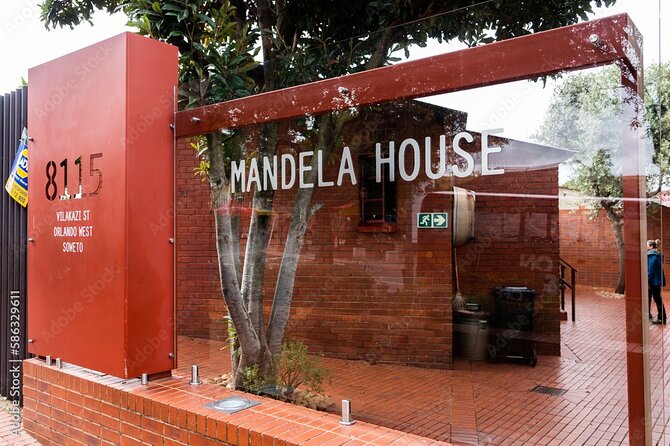
- Mandela House on Vilakazi Street: history you can touch
- Lunch at Sakhumzi Restaurant: pap, chakalaka, and a real break
- The Apartheid Museum: a guided path from segregation to democracy
- Price and logistics for an 8-hour Johannesburg loop
- Small group size, real guide time, and what to watch for
- Who this tour suits best
- Should you book this Soweto tour?
- FAQ
- How long is the Soweto tour?
- What time does the tour start?
- Is pickup included?
- What is included in the price?
- Are the museum tickets included?
- How big is the group?
- Are alcoholic beverages included?
Key highlights to know before you go
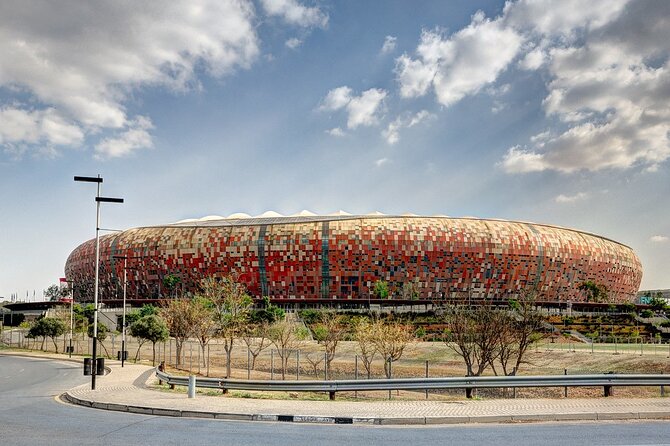
- FNB Stadium (Soccer City), the calabash-shaped World Cup legacy site with real political history tied to Mandela’s early Johannesburg moments
- Vilakazi Street access, the rare street association with both Nelson Mandela and Desmond Tutu
- Hector Pieterson Memorial and Museum, a tightly focused 1976 uprising story built around a child symbol of resistance
- Mandela House visit on Vilakazi Street, a small, personal look at Mandela’s life before imprisonment
- Included lunch at Sakhumzi Restaurant, with classic dishes like pap and chakalaka plus vegetarian options
- Apartheid Museum entry, a structured route through segregation, resistance, and the road to democracy
Other Soweto routes we have reviewed, each with a local guide
- Johannesburg: Hop-On Hop-Off Bus with Optional Soweto Tour★ 4.6 · 985 reviews
- Soweto /Johannesburg and Apartheid Museum Guided Full Day Tour★ 5.0 · 932 reviews
- Johannesburg Hop-On Hop-Off City Tour with Soweto Option★ 4.5 · 768 reviews
- Half-Day Tour of Soweto Tour★ 4.5 · 712 reviews
Entering Johannesburg’s story at FNB Stadium
The day starts at FNB Stadium, also known as Soccer City. It’s the largest stadium in Africa, and the architecture is instantly memorable. The design is calabash-inspired, like an African cooking pot, which is a clever way to turn food, home, and culture into a public landmark.
This stadium also matters beyond sports. It hosted opening and closing ceremonies of the 2010 FIFA World Cup, and it’s been part of major public moments that shaped how South Africa shows itself to the world. A guide can connect the dots from big events to personal ones, including the fact that Mandela delivered his first Johannesburg speech after his release here. It is a powerful start because you are not just “seeing a stadium,” you are getting context.
Practical note: you’ll want to be ready to pay attention early. Stadium talk can feel like history-flavored sports talk, unless your guide keeps it tied to people and consequences. On this tour, that’s the point.
Soweto’s Vilakazi Street: where two Nobel winners share a street
Next comes Soweto, which is the beating heart of Johannesburg’s anti-apartheid story and a place that still carries the energy of culture and resilience. This neighborhood is famous for its role in the struggle for freedom, and it’s also known for living landmarks you can actually stand next to, not just read about.
A major focus here is Vilakazi Street, the only street in the world said to have housed two Nobel Prize winners: Nelson Mandela and Desmond Tutu. That detail sounds almost too neat, but it works on the ground. Seeing the street name, the homes, and the daily rhythms helps you understand why people describe Soweto as both historic and lived-in.
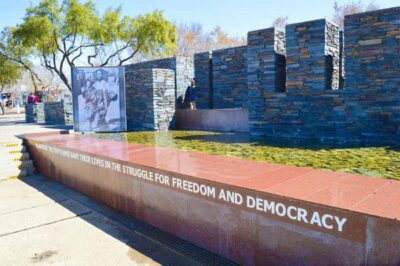
You also visit the Hector Pieterson Memorial area, which ties directly to youth-led resistance in 1976. The uprising began as protests against the enforcement of Afrikaans in schools, and it turned violent fast. The memorial is built to keep the human cost front and center, and that shapes how you see everything that comes after.
The best way to experience Soweto is to slow your mind for a moment. Treat it as a walking history lesson with breathing room, not a checklist. You’ll get a fuller day if you ask your guide to explain not just what happened, but what it changed for ordinary people.
Hector Pieterson Memorial and Museum: the photo that changed attention
The tour then makes time for the Hector Pieterson Memorial and Museum. Hector was just 12 years old and became an iconic symbol during the 1976 Soweto Uprising. The story the site honors is tragic and hard to hear, but it is also central to understanding why the world paid attention to apartheid’s brutality.
At the heart of the narrative is the famous photograph of Hector being carried by a fellow student while his sister runs alongside in anguish. That image helped highlight what was happening in Soweto when peaceful protests were met with violence. A good guide will help you place this moment in the larger arc of South African resistance and the turning point it created.
Time on site is about 30 minutes with entry included. That’s enough to absorb the main message if you stay focused. If you tend to read slowly or need a minute to process, you might want to pause where the museum directs you and accept that you won’t see every line of text.
If you want to keep the day emotionally manageable, do this: before you enter, set a personal goal like, I want to understand who Hector Pieterson was and why that moment mattered. Then stop yourself from trying to memorize everything.
Mandela House on Vilakazi Street: history you can touch
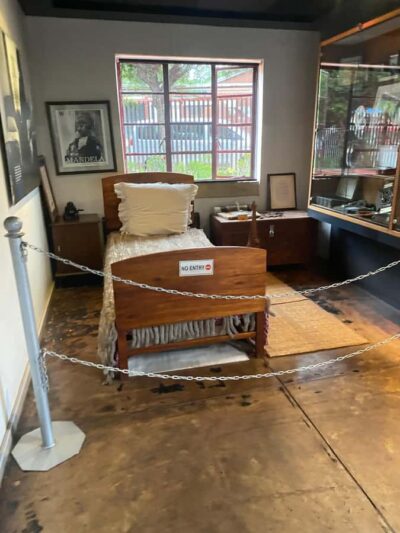
After the memorial, you move to another Vilakazi Street anchor: Mandela House. This is the former home of Nelson Mandela, and the visit gives you a quieter, more personal side of the story than you get at the larger museums.
Mandela lived in this modest house with his family before his imprisonment in 1962. Now it’s a museum, and that’s key. You are not looking at a monument from a distance. You are walking through a space that tells the story of Mandela moving from lawyer to freedom fighter, with original furnishings, photos, and memorabilia.
This stop is valuable because it changes the tone. The memorial and museum time can feel like impact without softness. Mandela House brings you back to daily life, the idea of values and choices made before the world labeled him an icon.
One small consideration: Mandela House is a personal story, so it can feel less action-packed than the Apartheid Museum. Go in expecting reflection more than spectacle.
Other cabinets and collections worth an afternoon
Lunch at Sakhumzi Restaurant: pap, chakalaka, and a real break
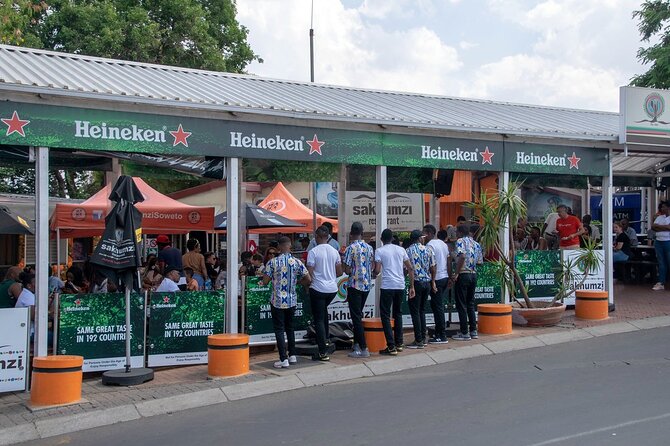
At about mid-day, the tour includes lunch at Sakhumzi Restaurant on Vilakazi Street. This is one of the easiest ways to make the long day feel human instead of exhausting.
Lunch is described as a buffet-style spread with classic South African foods like pap and chakalaka, plus grilled meats. The important practical detail is that there are also vegetarian options, so you are not stuck only with side dishes.
The restaurant’s location is handy. You are near the historic stops, so you are not wasting time crossing Johannesburg for food. And the tone of the place, with local music and an upbeat feel, helps you reset after heavy content.
If you have dietary preferences, don’t guess. Ask what is available before you load your plate. Buffet lunch is great for variety, but it also makes it easy to accidentally take something you don’t eat.
Also, alcohol is not included, so if you want beer or wine, plan on paying for it separately.
The Apartheid Museum: a guided path from segregation to democracy
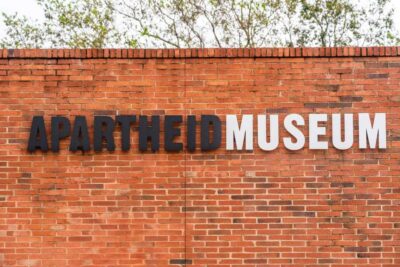
The final museum stop is the Apartheid Museum in Johannesburg. This is the big emotional and educational finish for the day, with entry included and about 2 hours on site.
The museum tells the story of South Africa’s apartheid era and the journey to democracy. You’ll see exhibits using photos, films, and personal accounts, and you’ll work through themes like racial classification, resistance, and the rise of leaders like Mandela.
The museum design matters too. Even if you don’t care about architecture, you can feel how the museum wants you to experience the story, not just read it. This is one reason the time works well at the end of the tour. After Soweto and Hector Pieterson Memorial, you already have the human angle. After Mandela House, you have the personal angle. Now the Apartheid Museum gives you the full structure behind both.
If you only have an 8-hour window, this museum is one of the best uses of that time. It’s not light, and it’s not meant to be. But the payoff is that you leave with a clearer picture of how policies became pain, and how resistance created change.
Price and logistics for an 8-hour Johannesburg loop
The price is $114.03 per person for an 8-hour experience, and it includes a lot of the stuff that usually costs money or time on your own.
Here’s the practical value picture based on what’s included:
- Air-conditioned vehicle
- Pickup offered
- WiFi on board
- Bottled water
- Lunch
- Admission included for the Hector Pieterson Memorial and Museum and the Apartheid Museum
- Soweto admission is listed as free for that part of the day
- Mobile ticket
A tour at this price often rises and falls on two things: transportation and museum entry. This one covers the important pieces so you can focus on the stops rather than planning each ticket line. That matters in Johannesburg, where driving times can eat your schedule if you try to DIY every leg.
The group size is also part of the deal. The tour has a maximum of 10 travelers, which typically means you can hear your guide and get answers without feeling like you are in a loud airport lounge.
One more note from what’s been shared about the tour experience: the comfort and driving smoothness has been appreciated, including a comfortable and clean vehicle. When you’re spending the day in traffic and on city streets, that kind of comfort is not fluff.
On booking timing, it’s often booked about 140 days in advance on average. If you’re traveling during a busy season, plan ahead so you can lock in your preferred day.
If you want flexible planning, the tour offers free cancellation up to 24 hours in advance for a full refund, which gives you a little breathing room.
Small group size, real guide time, and what to watch for
With a maximum of 10 travelers, you’re likely to get more attention than on a giant bus tour. That matters most during the memorial and museum segments, where context makes a difference. The best moments here come when your guide explains what you are looking at and why it matters, instead of reading a script.
In particular, some guides connected to this experience, including Thabang Msiza, have been highlighted for being structured and informative, and for making the driving feel smooth. There’s also been praise for guides reaching out ahead of time after booking, which is helpful if you like knowing the plan before morning pickup.
A possible downside of any packed 8-hour day is pace. You’ll cover multiple major stops, so you won’t have unlimited time to wander. If you need long silent time at museums, you may want to mentally plan for shorter, more focused visits.
If you do better with a slower rhythm, consider adding extra time afterward on your own for one site that you feel pulled toward, like Mandela House or the Apartheid Museum.
Who this tour suits best
This experience is a strong fit if you want a first-time Johannesburg and Soweto overview that doesn’t leave you guessing. It also works well if you care about understanding South Africa through the places where events happened, not just through a slideshow.
You’ll likely enjoy it most if:
- You want to see Soweto, Hector Pieterson Memorial, Mandela House, and the Apartheid Museum in one day
- You appreciate a guided story that connects architecture, streets, and historical moments
- You prefer comfort and simple logistics, since pickup, transport, water, WiFi, and lunch are handled
If you only want a quick look without emotional content, this might be too serious for you. But if you want a meaningful day with structure, it’s hard to beat the value.
Should you book this Soweto tour?
I’d book this tour if you are short on time and want the core sites that explain Soweto’s anti-apartheid role, why Hector Pieterson became a global symbol, and how apartheid is documented through the Apartheid Museum.
It’s also a smart choice for value because you are getting a full day with transport, lunch, and included entry to major museums, plus a small group setup. The one reason to pause is the emotional weight of the memorial and museum stops, so if you prefer lighter sightseeing, this might feel like too much.
If you want to make it work best, plan for an intentional pace: take in one big takeaway per stop, then let the rest connect naturally. If you do that, you’ll leave the day with a clearer, more grounded understanding of Johannesburg beyond the headlines.
FAQ
How long is the Soweto tour?
It runs about 8 hours.
What time does the tour start?
The tour starts at 9:00 am.
Is pickup included?
Yes, pickup is offered as part of the experience.
What is included in the price?
Your booking includes an air-conditioned vehicle, WiFi on board, bottled water, lunch, and museum admission where listed, plus a mobile ticket.
Are the museum tickets included?
Yes. Hector Pieterson Museum and Memorial admission is included, and Apartheid Museum admission is included. The Soweto portion is listed as admission ticket free.
How big is the group?
The tour has a maximum of 10 travelers.
Are alcoholic beverages included?
No. Alcoholic beverages are not included.
Under Glass and Behind Ropes in Johannesburg
Soweto: Other Guided Routes
Keep going: the rest of our Johannesburg write-ups
- Soweto Private half day tour
★ 4.5 · 3 reviews - Johannesburg’s Migration History with a local lunch
★ 5.0 · 3 reviews - Johannesburg: Soweto, Apartheid Museum, and Cradle tours
★ 4.7 · 3 reviews - Soweto Apartheid Museum and Lunch
★ 5.0 · 3 reviews - Bathongo Rhino & lion park nature reserve tour
★ 5.0 · 3 reviews - Johannesburg: Elephant and Monkey Sanctuary Half Day Tour
★ 5.0 · 3 reviews
Soweto Tours, compared.
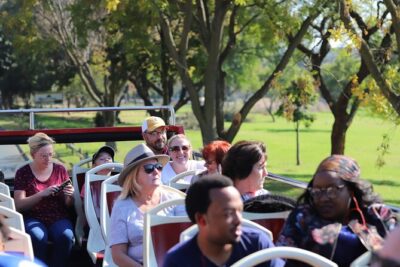 ★ 4.5Johannesburg Hop-On Hop-Off City Tour with Soweto OptionFrom $16768 reviews
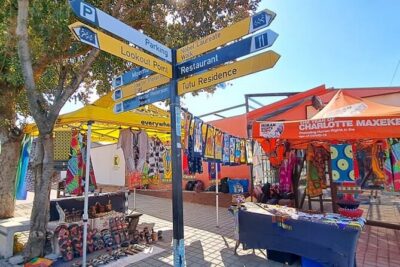 ★ 4.5Half-Day Tour of Soweto TourFrom $63712 reviews
 ★ 4.9Soweto: Walking Tour with a Local Guide and LunchFrom $43648 reviews
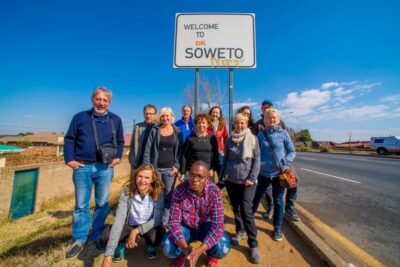 ★ 4.8Jo’berg in 1 Day: Soweto, Apartheid Museum & City TourFrom $142524 reviews
 ★ 4.8Johannesburg: Full-Day Tour with Soweto and Apartheid MuseumFrom $104478 reviews
 ★ 4.8Johannesburg and Soweto: Half-Day TourFrom $71439 reviews
 ★ 5.0Full-Day Soweto, Apartheid Museum and Lunch TourFrom $108410 reviews
 ★ 5.0Half Guided Day Tour of Soweto And Apartheid MuseumFrom $69356 reviews
Browse the lists this tour appears in