
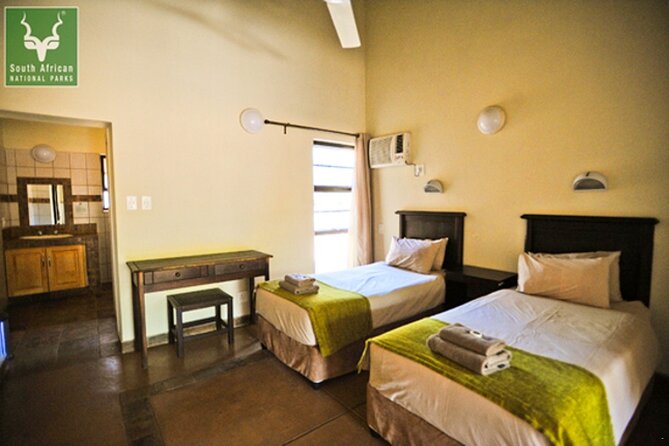
REVIEW · KRUGER NATIONAL PARK SAFARIS
Exhilarating 7 Day Kruger Safari Adventure – South to North
Seven days in Kruger feels like a movie. I love the open-vehicle sunset drives that put you right in the action as the light fades, and I love the night safari with park rangers that turns the usual sightings into something you talk about for weeks. The main thing to think through is cost creep, the tour price does not include Kruger’s daily conservation fees, and a couple evening plans like the braai depend on weather.
This route is built for coverage without feeling rushed, you move from southern Kruger up through central and into the northern camps such as Satara, Letaba or Olifants, then Shingwedzi/Mopani/Punda Maria, and finally Pafuri Border Camp. In at least one past trip, the driver Thapelo was cheerfully waiting at the airport even after a late arrival, which tells me this is the kind of operation that tries to keep the experience smooth.
In This Review
- Key highlights I’d circle on your planning map
- Entering Kruger the right way: a south-to-north plan that keeps paying off
- Price and what you actually get for $2,164.51
- Day 1 in southern Kruger: settle in, then go looking at golden hour
- Day 2 southern Kruger: 3 hours in the morning, then a second sunset attempt
- Day 3: traveling north to central Kruger, plus a night safari with rangers
- Day 4 in central Kruger: lion territory timing, open-vehicle morning, then another sunset
- Day 5: northern transition and the Shingwedzi River drive
- Day 6: Pafuri Border Camp on a closed vehicle, and why that matters
- Day 7: one last breakfast, then exiting Kruger with your eyes still on red alert
- What the guide style feels like on this kind of trip
- Tips to help you get the most from every drive
- Who this safari suits best (and who should think twice)
- Should you book this Kruger safari adventure?
- FAQ
- How long is this Kruger safari?
- Where does the tour start and end?
- What’s included in the tour price?
- What Kruger fees are not included?
- What safari drives and times are included?
- Which areas and camps does the route cover?
- Is there a limit on group size?
- Does it use open or closed safari vehicles?
- What’s the cancellation policy and what if the weather is bad?
Key highlights I’d circle on your planning map
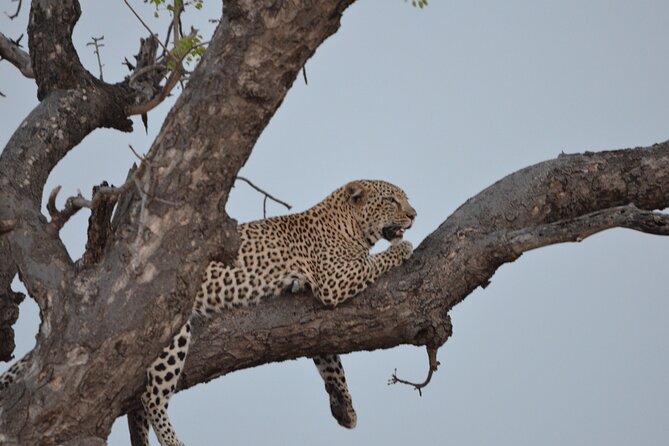
- Sunset drives on open vehicles timed for that best-hour light and big animal energy
- A true night safari (8:00 pm to 10:00 pm) with park rangers
- South to north pacing across multiple camp zones, not just one area
- Tshokwane picnic stop at an unfenced site that helps you feel how huge the park really is
- Pafuri Border Camp area access near the Luvuvhu and Limpopo river confluence, prime bird country
Other Kruger trips, from half days to full weeks
- From Johannesburg: 3-Day Budget Tent Kruger Park Safari★ 4.5 · 163 reviews
- 3-Day Kruger National Park Open Vehicle Safari★ 5.0 · 61 reviews
- Johannesburg: 4-Day Classic Kruger National Park Safari★ 4.8 · 52 reviews
- All Inclusive 3 Day Kruger Safari Adventure From Johannesburg★ 4.5 · 50 reviews
Entering Kruger the right way: a south-to-north plan that keeps paying off
Kruger is big. Real big. A lot of safaris basically “choose a neighborhood.” This one does something smarter: it travels south to north, changing ecosystems as you go. That matters because Kruger animals are not evenly spread. Your odds improve when you cover different habitat types, water sources, and movement corridors instead of repeating the same lookouts day after day.
I also like that the tour doesn’t just hammer you with drive time. You get built-in breathing room at camp, including actual downtime that lets your eyes reset. That is key for spotting, because after a long day you start scanning faster, and you notice motion you would have missed earlier.
Small group size helps too. The cap is 20 travelers, which usually means less chaos at meals, more chances to hear the guide, and fewer people blocking your view when something interesting walks into the road.
Price and what you actually get for $2,164.51
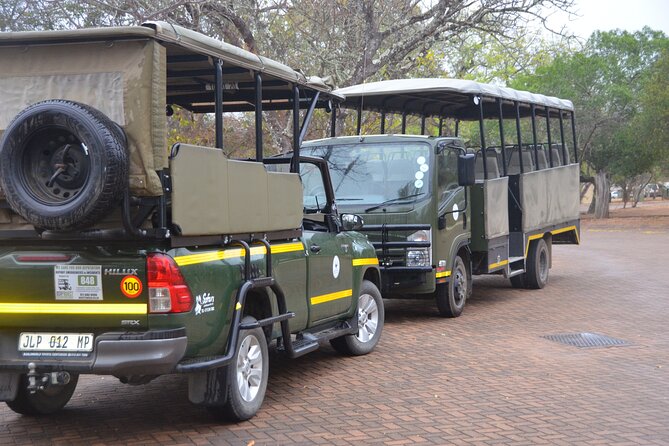
The listed price is $2,164.51 per person for a 7-day safari. That price includes 6 breakfasts, 6 lunches, and 6 dinners. For many people, that’s the real value lever in a safari. When you don’t have to think about food logistics every day, you spend your brainpower on the only important question, What’s out there right now?
It also includes things like a mobile ticket and the tour sells with group discounts. The itinerary notes that admission is listed as free, but there is an important separate line item you must plan for: Kruger daily conservation fees.
Here’s the cost you should budget for from the start:
- R484 per day for internationals
- R122 per day for South Africans
So the value is strong, but only if you treat conservation fees as part of your real total. If you ignore that, you’ll feel surprised later, and safari days do not come with time for surprise budgeting.
Day 1 in southern Kruger: settle in, then go looking at golden hour
Your first stop is southern Kruger, with two nights in that region. After check-in, you get time to unwind and stretch your legs with nature walks, plus a normal safari lunch.
Then comes the payoff. A sunset drive runs 3:30 pm to 6:30 pm on an open safari vehicle. This is one of the best formats for first-timers because you get that layered experience: wildlife that becomes active as the heat drops, and the sky doing its dramatic job in the background.
Dinner is a South African braai/barbecue, but it’s explicitly weather-dependent. If conditions are poor, you might not get that full outdoor starlit vibe. Either way, it’s a nice cultural anchor on day one, not just another meal rushed between drives.
Day 2 southern Kruger: 3 hours in the morning, then a second sunset attempt
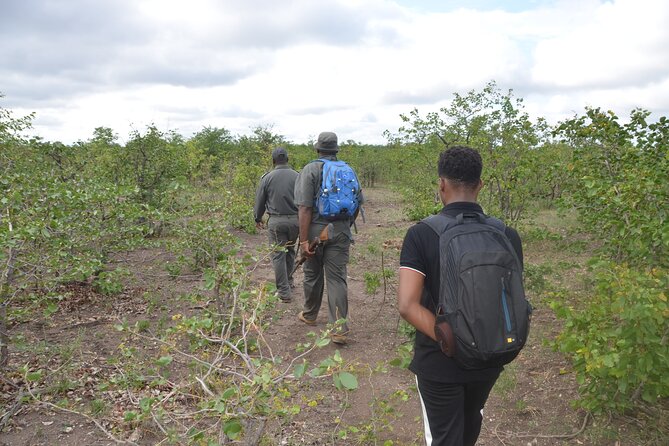
Day two starts with a 3-hour morning safari game drive. Morning drives are usually about sighting momentum, animals that move early, and behavior you might miss later. When you’re doing a multi-day route, that early block gives you a solid baseline for your expectations.
After the morning activity, breakfast follows, then you get downtime. This is where camps can make or break the experience. Here you have options like using the swimming pool and strolling around camp. One smart detail is that your camp has views overlooking a waterhole, which means even off-drive time can turn into spotting time. That is underrated. Sometimes the best sighting happens while you’re not rushing anywhere.
Lunch comes next, and then you head out again. The second sunset drive is scheduled for 4:30 pm for 3 hours, on an open safari vehicle. Evening fires are also part of the vibe, dinner includes campfire stories, which is a great way to break up the day and learn a little about the park from people who’ve been watching it for years.
More safaris, self drive and guided
Day 3: traveling north to central Kruger, plus a night safari with rangers
Day three is where your route really starts feeling like an actual journey. You move from the southern area toward central Kruger and spend two nights in the central zone, with options such as Satara, Letaba, or Olifants rest camps.
There’s a built-in wildlife benefit to the travel day: you pause and watch along the way, so the transfer itself can produce sightings instead of being a dead day.
Before you reach central Kruger, you stop for lunch at Tshokwane picnic site, described as unfenced. I like this kind of stop because it removes the “bubble feeling” and helps you sense Kruger’s scale. You’re not just driving through a fence-lined world, you’re in the park’s open system.
Check-in in central camp is around 2:00 pm, then dinner hits at 6:00 pm. The big evening event follows: a night safari game drive from 8:00 pm to 10:00 pm, done alongside park rangers.
A night drive is different from daytime, and doing it with rangers matters. They tend to read the terrain and the animals’ rhythms faster. Expect this to be your “first wow at night” segment, when you see how many creatures are active after dark.
Day 4 in central Kruger: lion territory timing, open-vehicle morning, then another sunset
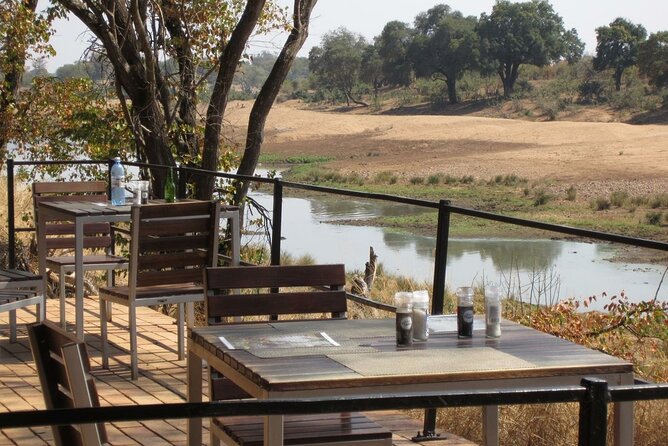
Central Kruger is described as a region where lion territories are well known. That single line is not a guarantee, but it does tell you why this morning matters.
You start with an open safari vehicle morning game drive, then breakfast at Olifants Rest Camp. Afterward, you return toward Satara, with time along the way for additional wildlife spotting during the drive.
Back at camp you get the usual rhythm, relax, lunch, then head out for the evening push. You do another sunset drive on an open safari vehicle. The pattern is deliberate: two daily sighting blocks, spaced by meals and recovery time.
One practical consideration: when you do back-to-back safaris day after day, your body will feel it. The tour’s timing helps, but you’ll still want to pace yourself. Bring water, wear layers for early starts, and accept that you’re going to be tired in the best possible way.
Day 5: northern transition and the Shingwedzi River drive
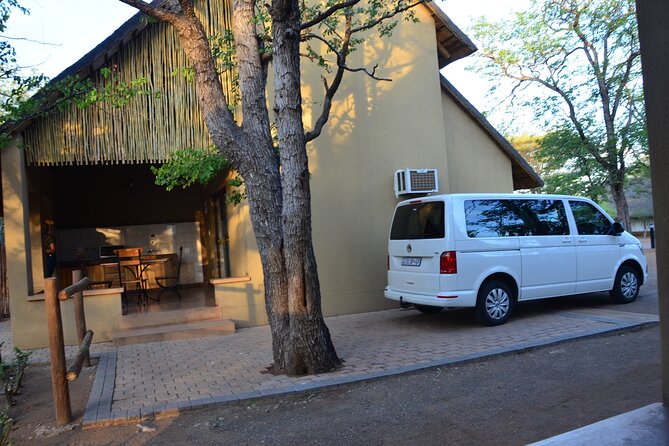
Day five continues north into the final two-night zone, with options such as Shingwedzi, Mopani, or Punda Maria. This part of Kruger can feel a little different because it shifts the habitat, and that changes the animals you’re most likely to bump into.
The standout activity described for this day is a scenic drive along the Shingwedzi River, heading south-easterly toward Kanniedood Dam. River drives often help because water concentrates life, and animals follow edges that provide food and cover.
The tour description calls this one of the most rewarding drives in the region, and it specifically lists likely sightings including waterbuck, nyala, and kudu. Those are the kind of species you notice while you’re scanning slowly, because they often hold their ground or show up repeatedly near the same types of habitat.
The trade-off with river driving is that you might spend longer watching and waiting for the right moment. The good news is the payoff tends to be worth it, especially when wildlife uses the river corridor consistently.
Day 6: Pafuri Border Camp on a closed vehicle, and why that matters
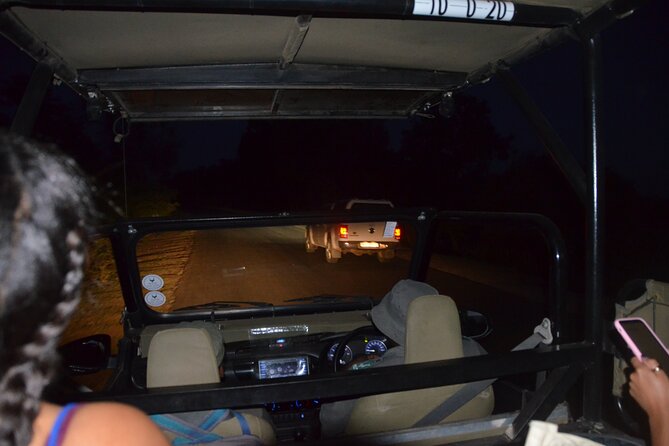
Day six focuses on the northern Kruger region between Punda Maria and Pafuri camp and is described as being done on a closed vehicle.
Pafuri Border Camp is special geographically. It sits in the northernmost part of Kruger near the confluence of the Luvuvhu and Limpopo rivers, close to the borders of Mozambique and Zimbabwe. That confluence creates a natural barrier that limits wildlife crossing, and the area is known for diverse birdlife. If you like birding or you simply enjoy seeing the park’s smaller, quieter life, this is one of the best segments for it.
Why the closed vehicle? The tour description doesn’t give a technical reason, but closed vehicles are often used where wind, dust, or terrain makes open viewing less comfortable. In practice, that can mean you spend more time looking and less time fighting for a clear view.
I also think this day is the mental reset button of the trip. You go from the general energy of open sightings to a slower, more observational style, and that can make you notice more than you would on a typical daytime drive.
Day 7: one last breakfast, then exiting Kruger with your eyes still on red alert
Your final day starts with breakfast, then you exit Kruger. Even on the way out, the plan is to keep watching for wildlife, because sometimes the last sighting shows up right when you’re relaxing and thinking about the ride back.
You should expect to arrive in Johannesburg at around 6:30 pm. That timing matters. If you’re planning a flight, dinner, or a hotel check-in the same evening, build in buffer. Safari traffic and park exit timing can be unpredictable, and you’ll enjoy your evening more if you’re not rushing.
What the guide style feels like on this kind of trip
The experience leans on passionate tour guides who aim to keep you comfortable so you can enjoy the time in the park. One trip account highlighted hosts that were polite and considerate, and mentioned a driver named Thapelo who stayed cheerfully on task even during a messy flight delay.
That tells me something practical: on safari, the day can change fast, but a good team keeps things calm. If you’re the type who gets anxious when plans wobble, you’ll appreciate that approach. If you’re not, it still helps because calm translates into better listening, which translates into better spotting.
Also, the itinerary mixes open-vehicle and closed-vehicle segments. That means you’ll likely get different viewing comfort levels, and a competent crew helps you adjust without making it a hassle.
Tips to help you get the most from every drive
You’re going to spend a lot of time scanning. Do yourself a favor and make that easier.
- Wear breathable layers, mornings can feel cool and afternoons can swing warm.
- Bring sun protection and water. You’ll be out for long stretches.
- Bring binoculars if you have them, especially for the bird-heavy Pafuri area.
- On open-vehicle drives, secure small items so they don’t become wildlife snacks.
- Pack a small day bag you can grab quickly, because your rhythm will be morning, breakfast, lunch, rest, sunset.
If you want the most sightings, the best trick is simple: don’t fixate on one species. Kruger will reward patient scanning more often than you’d think, and the best moments are often the unplanned ones.
Who this safari suits best (and who should think twice)
This tour fits you if you want:
- A 7-day, multi-zone Kruger experience instead of one camp bubble
- A mix of open-vehicle sunset drives and a standout night safari
- Structured meal timing and camp downtime so you can actually enjoy the park
It may not fit you as well if:
- You strongly dislike extra add-ons, because the daily conservation fees are not included in the headline price
- You’re hoping for guaranteed braai weather or fixed outdoor plans. The tour notes weather dependence for at least the braai component, and the whole experience requires good weather
Should you book this Kruger safari adventure?
I’d book it if your goal is maximum Kruger variety in one clean package, south to north coverage, plus two very effective evening formats: sunset drives and a night drive with rangers. The structure makes it hard to feel bored, and the inclusion of multiple meals plus camp downtime is good value, not just marketing.
Just do the math up front for conservation fees and keep your schedule flexible enough for safari weather. If you can handle that, you’ll likely come home with a stack of sightings and the kind of stories that start with, You had to be there.
FAQ
How long is this Kruger safari?
It’s listed as 7 days.
Where does the tour start and end?
The tour is based in Johannesburg, South Africa, and it’s expected to return to Johannesburg at about 6:30 pm on the last day.
What’s included in the tour price?
The tour includes 6 breakfasts, 6 lunches, and 6 dinners.
What Kruger fees are not included?
Kruger daily conservation fees are not included: R484 per day for internationals and R122 per day for South Africans.
What safari drives and times are included?
You can expect an open-vehicle sunset drive on the first day (3:30 pm to 6:30 pm), a 3-hour morning drive on day two, another open-vehicle sunset drive on day two (4:30 pm for 3 hours), a night safari on day three (8:00 pm to 10:00 pm), and additional morning and sunset drives on later days. Day six is done on a closed vehicle.
Which areas and camps does the route cover?
It moves from southern Kruger to central Kruger (with options like Satara, Letaba, or Olifants), then to northern Kruger (options like Shingwedzi, Mopani, or Punda Maria), and includes Pafuri Border Camp in the far north.
Is there a limit on group size?
Yes, the tour has a maximum of 20 travelers.
Does it use open or closed safari vehicles?
It includes open safari vehicles for several drives (including sunset drives and morning drives) and uses a closed vehicle for the Punda Maria to Pafuri segment on day six.
What’s the cancellation policy and what if the weather is bad?
Cancellation is free, and you can cancel up to 24 hours in advance for a full refund. The experience requires good weather, and if it’s canceled due to poor weather, you’ll be offered a different date or a full refund.
Safari Options Across Johannesburg
- From Johannesburg: Pilanesberg Nature Reserve Game Safari
- Full Day Ultimate Pilanesberg National Park Safari from Johannesburg or Pretoria
- Early Morning Balloon Safari with Breakfast from Magaliesburg
- From Johannesburg: Lion & Safari Park Half-Day Tour
- From Johannesburg: 3-Day Budget Tent Kruger Park Safari
Kruger: More Ways Into the Park
Keep going: the rest of our Johannesburg write-ups
- Soweto Private half day tour
★ 4.5 · 3 reviews - Johannesburg’s Migration History with a local lunch
★ 5.0 · 3 reviews - Johannesburg: Soweto, Apartheid Museum, and Cradle tours
★ 4.7 · 3 reviews - Soweto Apartheid Museum and Lunch
★ 5.0 · 3 reviews - Bathongo Rhino & lion park nature reserve tour
★ 5.0 · 3 reviews - Johannesburg: Elephant and Monkey Sanctuary Half Day Tour
★ 5.0 · 3 reviews
Kruger National Park Safaris, compared.
 ★ 5.0Kruger National Park Full Day Private safariFrom $158799 reviews
 ★ 5.0Kruger National Park – Private full day Safari trip.From $166347 reviews
 ★ 4.8From Hazyview: Kruger National Park Full-Day SafariFrom $105205 reviews
 ★ 4.5From Johannesburg: 3-Day Budget Tent Kruger Park SafariFrom $653163 reviews
 ★ 4.6Kruger National Park: Full-Day Game Drive with PickupFrom $109136 reviews
 ★ 4.9Kruger National Park: Full-Day Private Safari With PickupFrom $280122 reviews
 ★ 4.7Marloth Park: Kruger National Park Safari Game DrivesFrom $61115 reviews
 ★ 5.0Kruger National Park – Private Sunrise Half day Safari trip.From $16397 reviews
Browse the lists this tour appears in