
REVIEW · WHALE WATCHING
Durban: Durban: Whale and Dolphin Watching Boat Tour
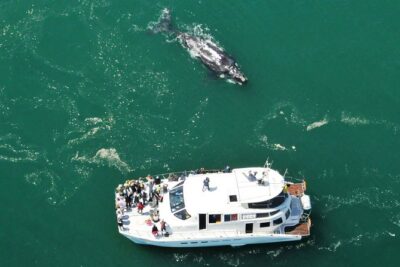
Whales feel close out on the water. This Durban cruise pairs humpback whale watching with a guide who explains what you are seeing, plus regular chances to spot dolphins. It runs for about 2 hours and is timed for the winter migration season.
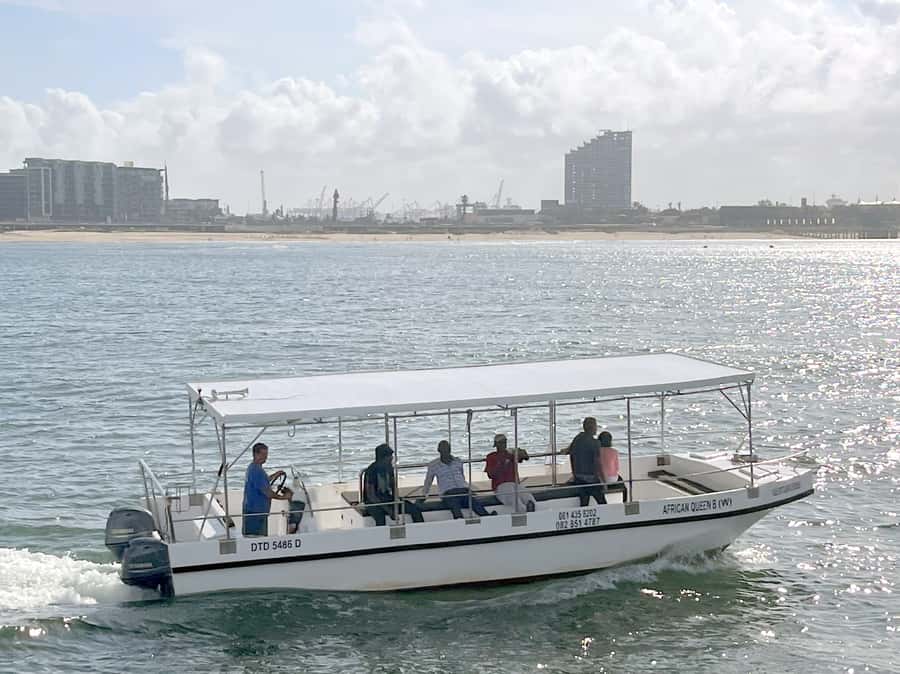
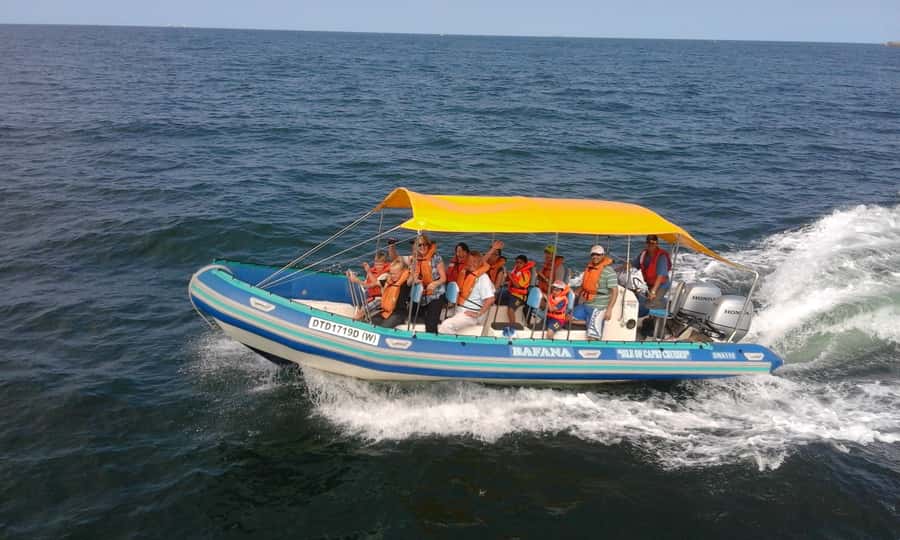
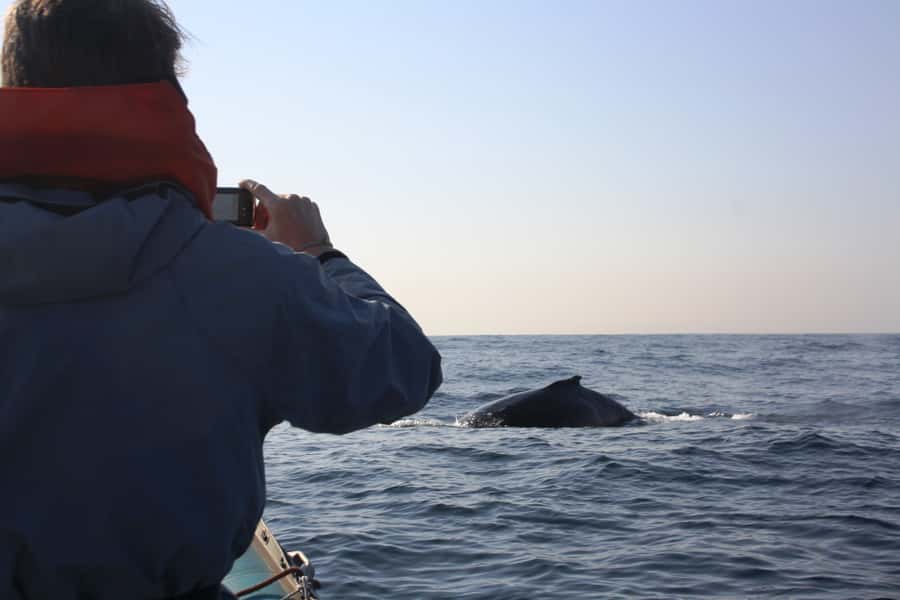
I love that the outing is run on a small boat, typically an 11-passenger vessel, so you get better sightlines than on larger cruises. I also like the way the skipper and guide focus on respectful viewing, which matters when whales are behaving naturally and you want the best photo angle without pushing the animals.
One thing to consider: sightings depend on weather and time of year, and you are not guaranteed the exact boat you expect since departures can use different available vessels.
In This Review
- Key highlights worth knowing before you go
- Durban Whale and Dolphin Watching: what the 2 hours feel like
- Getting to Wilson’s Wharf and boarding day-of
- The on-water plan: from the marina to the whale zone
- Why winter humpback watching in Durban is different
- Dolphins, turtles, and the rest of the marine cast
- The guide’s role: respectful distance and better viewing
- Weather and timing: how to increase your odds
- Boat and comfort reality check: why the exact vessel may vary
- What to bring (and what not to bother with)
- Food, drinks, and budgeting the real value of $102
- Who this Durban cruise suits best
- Should you book it?
- FAQ
- FAQ
- When is the best time to see humpback whales on this Durban tour?
- How long is the tour?
- Where do I meet for the cruise?
- Is the boat guaranteed to be the same one I book?
- What marine life can I realistically expect to see?
- Are food and drinks included?
- What should I bring on board?
- Can I swim with the animals?
Key highlights worth knowing before you go
- Small-boat viewing on an 11-passenger vessel, usually with front-facing seats
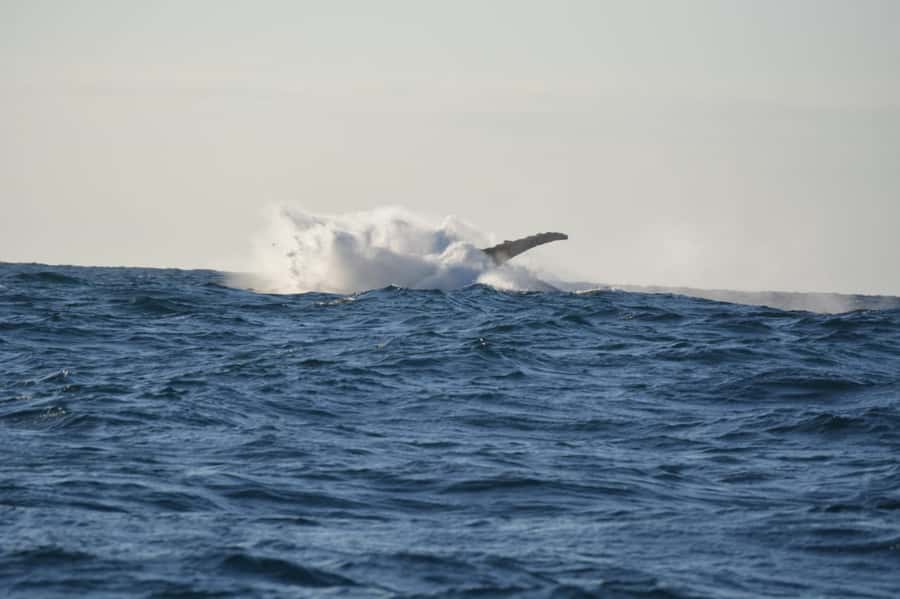
- Humpbacks in Durban winter (June to November), with chances for breaching, tail slaps, and calf behavior
- Guide-led learning with an English guide and a Zulu guide, plus live spotting help from the skipper
- More than whales including dolphins all year round, plus occasional turtles, manta rays, and even orcas in the right conditions
- Quiet conditions can pay off when seas are calm, you may hear whales breathing
More of Durban, beachfront to curry counter
- Durban: 30-Minute Harbor Boat Cruise★ 4.7 · 665 reviews
- Durban: 1-Hour Boat Cruise from Wilson’s Wharf★ 4.7 · 496 reviews
- Durban Point Waterfront: Luxury Canal Boat Cruise★ 4.4 · 298 reviews
- Durban: Pontoon Boat Harbor Cruise★ 4.4 · 182 reviews
Durban Whale and Dolphin Watching: what the 2 hours feel like
If you have ever watched whales from shore, this is the upgrade. Out on the Indian Ocean, you move into the same stretch of water where humpbacks pass during the winter months, and that changes everything. The difference is not just scale. It is perspective. A humpback breach and a tail slap look like pure physics out there, and the guide helps you read what the animals are doing so you are not just staring.
This tour is built around a simple promise: you get open-ocean sailing for about 2 hours, and a qualified team works to put you in the best viewing position while staying respectful. The boat is registered with the South African Safety Authority as a suitable whale and dolphin watching vessel since 2012, and it operates under Durban’s limited whale watching permits. That matters for me because it signals this is not a casual side trip, it is a working wildlife experience.
You will also be watching more than one species. In winter, humpbacks are the star. Dolphins show up in the area more consistently across the year, and you may also spot turtles and other marine life when conditions line up.
Getting to Wilson’s Wharf and boarding day-of
Your day starts at the Isle of Capri Cruises office at Wilson’s Wharf Marina, right next to the Casadena Spur end of the complex. Show up with your ticket presented at the office or kiosk, about 30 minutes before departure. That buffer is practical. You are not rushing through a port at the last second while everyone else is doing the same thing.
Once you are checked in, you wait for your slot. The operation uses two boats that can depart at overlapping time slots, so your departure may not look identical to someone else’s schedule. What stays consistent is the type of experience and the viewing approach.
Boarding is where you start thinking about comfort. This activity is not wheelchair-friendly, and it is not recommended for toddlers. If you have back problems or mobility limits, I would treat the boat ride and standing or shifting for viewing as a real factor, not a minor detail. Also note there is no swimming. You are out there to watch, not to get in the water.
The on-water plan: from the marina to the whale zone
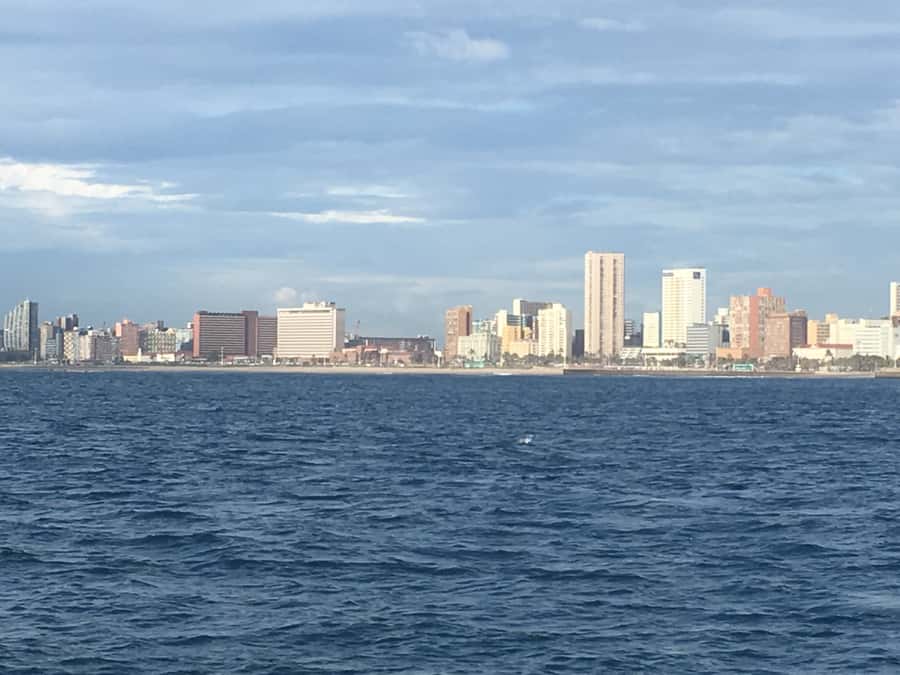
After departure, you head out onto the deep blue water and navigate toward the Mozambican current area. The goal is to reach waters where migratory humpbacks pass and where the chances of dolphins are strong enough to make the trip worth it.
You sit in front-facing seats, with the skipper and crew behind you. That setup is simple but smart. It reduces the constant swiveling that happens on boats where you are all facing sideways or where sightlines are blocked by people or railings. You will still lean and adjust, but you will do it with a clearer baseline view.
On the boat, the guide’s job starts early. You are not just waiting for a whale to appear like it is a theme-park ride. The guide helps you look properly for surface blows, behavior patterns, and how whales move through the water. That means when you finally see the first breach or tail slap, you understand it as behavior, not random spectacle.
Why winter humpback watching in Durban is different
The winter window matters. Between June and November, humpbacks migrate past Durban. That is when you keep your eyes open for breaching, swimming, and other dramatic displays as they make their journey from the Southern Oceans toward warmer tropical waters for mating and giving birth.
A humpback can be about 15 meters long and around 30 tons. It sounds like a trivia number until you see the scale from a boat. Even if you have been around big animals before, these are massive creatures. That weight changes how they move. Breaches and tail slaps are not just impressive, they are part of the whales’ ongoing behavior and energy use during migration.
If you are lucky, you can see more specific moments:
- A mother with her calf, including nurturing or playful interaction
- Older calves engaging in jumps or showing up more actively for adult attention
- Tight sightings where you can watch the same animals for a longer stretch, which increases your chances of seeing multiple behaviors
The reviews reflect this. People consistently talk about sticking with specific whales and getting several moments, not just a single brief sighting. One standout example: on a quieter early slot, the skipper started earlier and the group tracked multiple whales, including full breaches and tail slaps. That is the kind of difference that comes from both timing and the skipper’s ability to position the boat responsibly.
More boats leaving the same harbours
Dolphins, turtles, and the rest of the marine cast
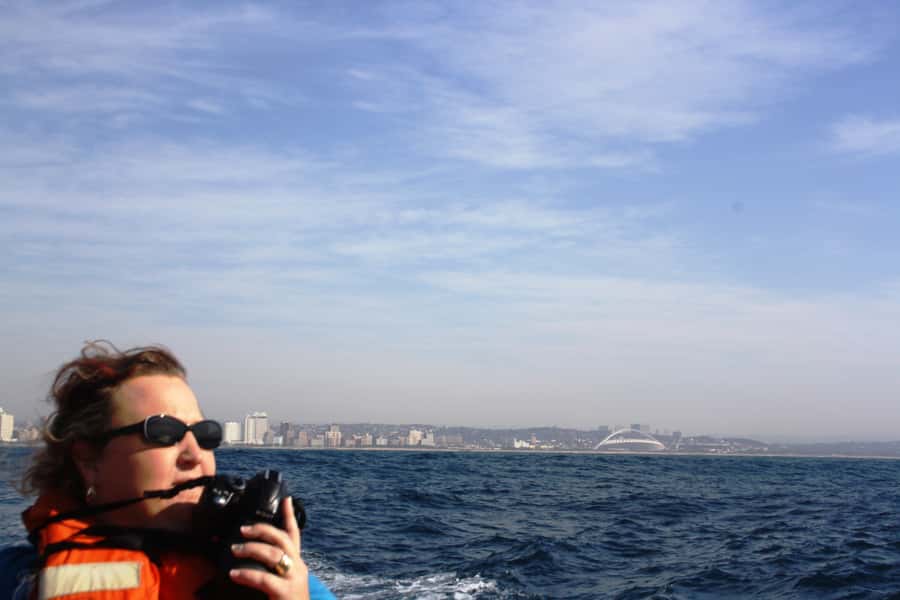
Even when humpbacks steal the show, this tour is designed to keep scanning for other wildlife. Dolphins can be seen in the area throughout the year, so if the whale action is slow on a particular day, the cruise still has meaning.
You might see:
- Dolphins frolicking in the swells
- Fish and birds around the water surface
- Occasionally, turtles rising to feed on surface delights
And in the right circumstances, you could encounter other larger animals like orcas, manta rays, or killer sharks. You should not plan your day expecting every species, but it helps to know the range of wildlife that can show up. It is one reason this tour does not feel like a single-bite gamble.
One review notes that dolphins appeared even without whale action for a while, and another includes a shark sighting along with close-range whale time. That reinforces the key idea: you are not just chasing one animal. You are watching a living ocean system.
The guide’s role: respectful distance and better viewing
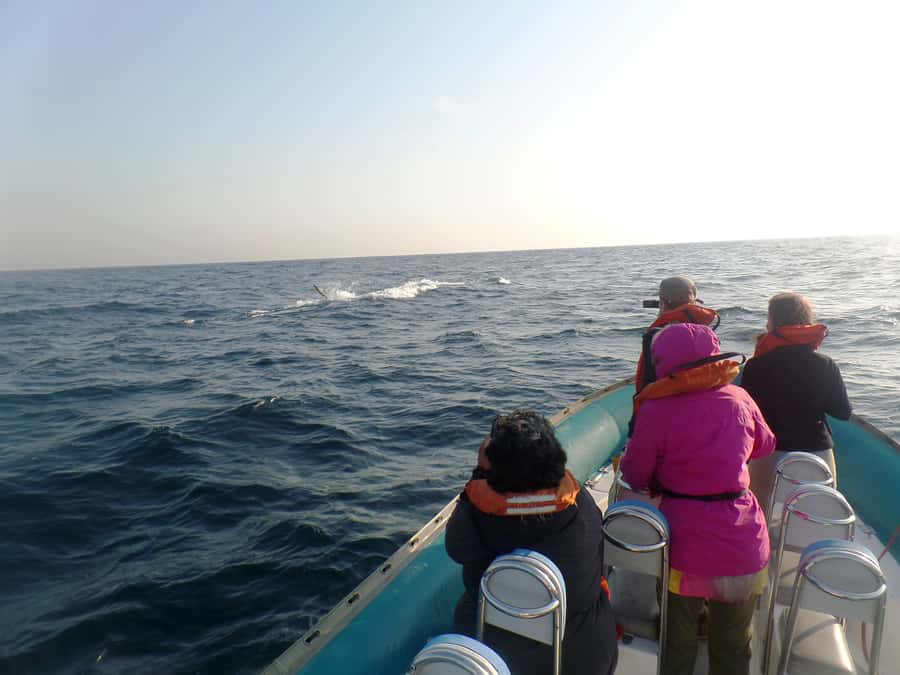
This is one of the reasons I would pick this kind of whale and dolphin cruise over a purely sit-and-wait version. An English guide and a Zulu guide are on board, and the guide is there to keep your attention sharp and your expectations grounded.
From the way the trip is described, the skipper positions the boat with two goals in mind: get you a good viewing angle and keep the whales’ behavior undisturbed. Reviews back this up with comments about the guide being respectful and giving plenty of photo opportunities without crowding.
There is also a practical learning payoff. When seas are calm, one person even mentioned being able to hear whales breathing. Even if you never hear breathing, learning what to listen and look for helps you catch brief surface moments faster, and it makes the viewing feel less random.
Some tours may also wrap up by sharing videos at the end of the experience. I have seen that mentioned directly, and it is a nice bonus if you want to focus on watching in the moment without worrying that you missed the one second you needed on your camera.
Weather and timing: how to increase your odds
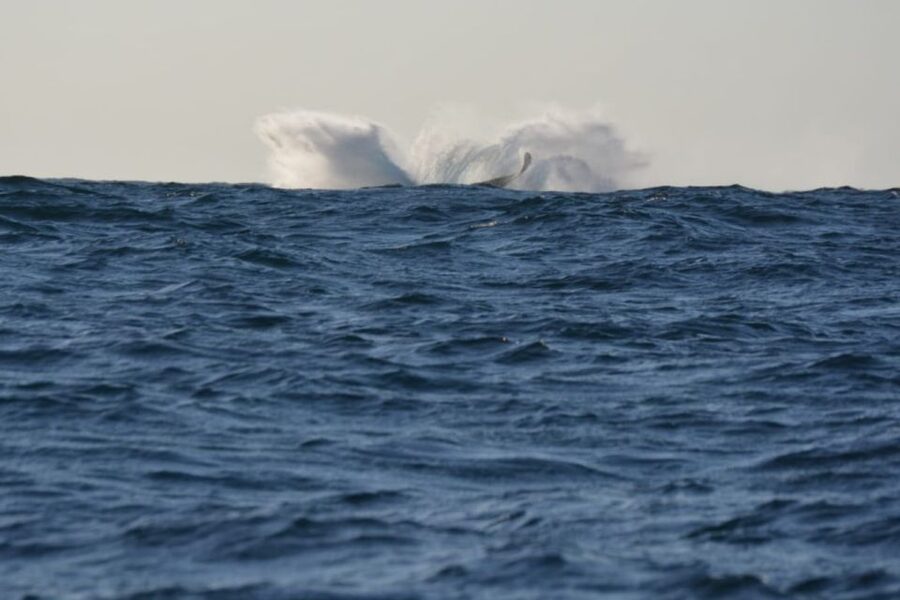
You cannot fully control weather out on open water, but you can control your mindset and your choices.
Here is what matters based on what the tour explains:
- The cruise route is subject to weather conditions
- Whale and dolphin sightings depend on the time of year
- You may go out for humpbacks in winter months, but in summer months whales migrate elsewhere, and the cruise shifts to dolphin watching and other sea creatures
If you want the best shot at strong whale behavior like breaching and tail slapping, aim for the peak window June to November. If you are traveling in summer, do not see it as a downgrade. You still get dolphins and a chance at other marine life, and you are going where the animals are actually likely to be.
For day-of success, calm seas usually help. One review specifically calls out that a windless day with small swells improves viewing chances. So if you have flexibility, pick the most stable weather window you can.
Boat and comfort reality check: why the exact vessel may vary
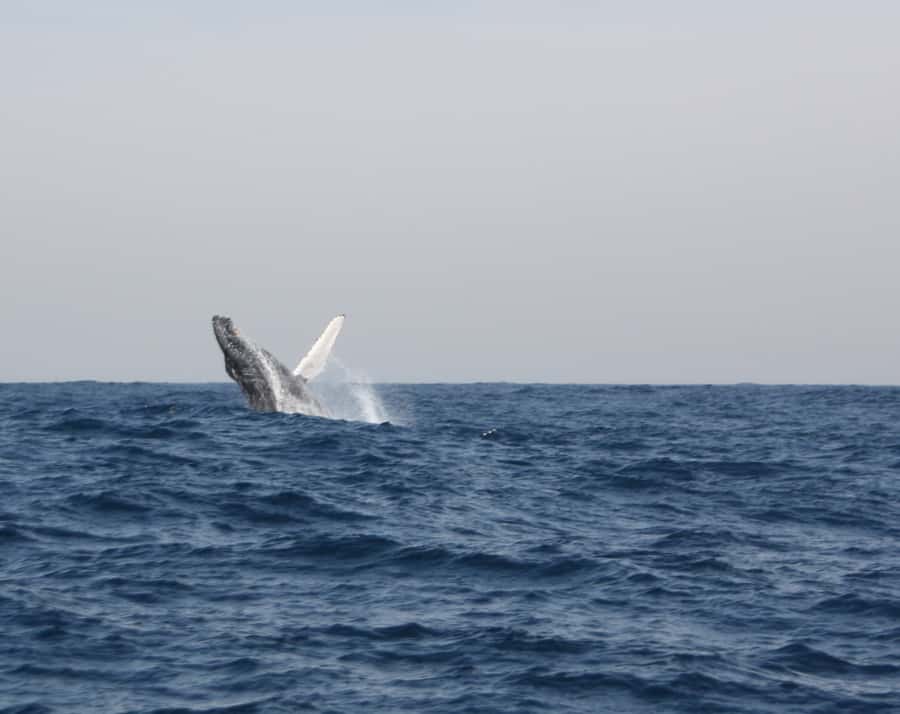
One note I appreciate in the tour details: there is not a dedicated boat tied to your specific booking every time. The operation uses a selection of available vessels to handle weather changes, seasonal passenger numbers, and planned maintenance.
What that means for you:
- You might not get the exact boat you pictured.
- You should still get the same type of whale and dolphin cruise experience, just on a different vessel.
Also, because these are small boats (typically 11 passengers), the experience feels personal. That is great for sightlines, but it also means space is not huge. Comfortable clothing matters. So does bringing layers, since the sea wind can change how warm you feel after you leave the marina.
What to bring (and what not to bother with)
The tour lists a practical packing list, and I agree with it because it matches what matters on open water:
Bring:
- Hat
- Camera
- Sunscreen
- Water
- Comfortable clothes
- Scarf
- Weather-appropriate clothing
You are in sun and wind, and you are out long enough to get thirsty and chilled. A scarf can feel silly on land until you are out on the sea and the wind kicks up. And if you care about photos, bring a camera you can hold steady, not just your phone. You will want to capture quick movements like breaches and tail slaps.
Not allowed:
- Swimming
That is good to remember. This is observation from the boat, not a water encounter.
Food, drinks, and budgeting the real value of $102
At $102 per person, you are paying for a licensed, permit-based wildlife outing plus guided interpretation. It is not a cheap activity, but it also is not just fuel and a captain taking you out to sea.
The big value drivers for me are:
- A small vessel size that supports better viewing angles
- A guide team (English plus Zulu) that helps you spot and interpret
- Open ocean sailing in the right conditions and season
- The chance to see humpbacks up close in winter, not just distant sightings
The main budgeting catch is that food and drinks are not included. So plan to bring water and expect you may want to buy or eat elsewhere before or after your cruise. If you forget water, you will feel it quickly once you are out in the wind.
Who this Durban cruise suits best
This tour fits best if you want a guided, nature-focused boat trip in a small group, not a long day tour that rushes between stops.
I think it is especially good for:
- Whale lovers traveling in South Africa during the winter migration months
- People who enjoy learning behavior, not only collecting photos
- Visitors who want a better chance of quality viewing positions on a smaller boat
- Couples and solo travelers who appreciate a calm, focused outing
It is not ideal if you:
- Need wheelchair accessibility
- Are traveling with toddlers
- Have significant mobility limits or back problems
- Are pregnant (listed as not suitable)
Should you book it?
If you are in Durban between June and November, I would book this. The season lines up with humpback migration, and the guide plus skipper style described in the experience makes the difference between seeing a whale once and having a real viewing session with multiple behaviors.
If you are visiting in summer, I would still consider booking, but with the right expectation: you will likely shift toward dolphin watching and other sea life instead of humpback migration. Either way, you are doing an open-ocean wildlife trip, and the small-boat setup helps your chances of seeing something meaningful.
If you are sensitive to rougher conditions or you want a fully predictable route with no weather changes, treat this as a nature experience, not a guaranteed lineup. The route depends on conditions, but the experience is built to work with that reality.
FAQ
FAQ
When is the best time to see humpback whales on this Durban tour?
Humpback whales pass Durban from May to November, with the winter months of June to November being the main period for whale watching. During the summer months, whales migrate elsewhere and the cruise focuses more on dolphin watching and other sea creatures.
How long is the tour?
The whale and dolphin watching boat trip runs for about 2 hours.
Where do I meet for the cruise?
You meet at the Isle of Capri Cruises office on Wilson’s Wharf Marina, next to the Casadena Spur end of the complex. Bring your ticket and present it at the office or kiosk 30 minutes before departure.
Is the boat guaranteed to be the same one I book?
No. Some departures do not have a dedicated boat and instead use a pool of available vessels depending on weather, seasonal passenger numbers, and maintenance. You may not get the exact boat, but you will still have the same cruise experience on a different vessel.
What marine life can I realistically expect to see?
In winter months you are looking for migratory humpback whales, and dolphins are possible as well. The tour also mentions the chance of other local marine life such as turtles, and occasionally orcas, manta rays, and killer sharks, depending on conditions.
Are food and drinks included?
No. Food and drinks are not included.
What should I bring on board?
Bring a hat, camera, sunscreen, water, comfortable clothes, a scarf, and weather-appropriate clothing.
Can I swim with the animals?
No. Swimming is not permitted.
Decks and Departures Around Durban
Durban: More Along the Golden Mile
Keep going: the rest of our Durban write-ups
- Discover Durban on our Durban City Day Tour
★ 5.0 · 3 reviews - 2 Day Drakensberg Mountains & Tala Game Reserve Tour From Durban
★ 5.0 · 3 reviews - Valley of a Thousand Hills – Durban
★ 5.0 · 3 reviews - Full Day Hluhluwe Imfolozi Game Reserve From Durban
★ 5.0 · 3 reviews - Private Guided Cultural Day Tour of Zulu Village & PheZulu Safari Park
★ 5.0 · 3 reviews - Durban: Half Day Phezulu Safari Park and Durban City Tour
★ 4.6 · 3 reviews
Whale Watching, compared.
 ★ 4.4Hermanus: Boat Based Whale Watching ExperienceFrom $931,180 reviews
 ★ 4.6Hermanus: Whale and Dolphin Watching Boat TripFrom $98807 reviews
 ★ 5.0Whale, Dolphin & Penguin Island CruiseFrom $185687 reviews
 ★ 4.4From Cape Town: Hermanus Whale Watching Boat TripFrom $221378 reviews
 ★ 4.4Plettenberg Bay: Whale Watching Boat CruiseFrom $49362 reviews
 ★ 5.0Whale Watching from GansbaaiFrom $112327 reviews
 ★ 4.6Knysna: Close Encounter Whale Watching Tour by BoatFrom $113207 reviews
 ★ 4.5Boat Based Whale Watching from HermanusFrom $91205 reviews
Browse the lists this tour appears in