
REVIEW · BOULDERS BEACH PENGUIN TOURS
Whale, Dolphin & Penguin Island Cruise
Marine life in Algoa Bay is the main event, and this cruise keeps the day unhurried. You head out from Port Elizabeth on a twin-engine catamaran, then use that extra time with the guide and skipper to search for humpback whales, dolphins, and endangered African penguins around St. Croix Island.
I love the slow pace and the fact that the crew is actively talking with you, not just rushing from one sighting to the next. I also like the small group size (up to 20), which makes it easier to ask questions and get clear views when the sea gets busy.
One thing to factor in: wildlife sightings are never guaranteed, and penguin numbers can vary since St. Croix’s colony has dropped sharply over the years. Add in weather, and you’ll want to be flexible.
In This Review
- Key things to know before you go
- Entering Algoa Bay from Port Elizabeth, without feeling rushed
- The catamaran setup, small group size, and photo time
- When the whales show up: humpbacks, southern right whales, and what to expect
- Bottlenose and common dolphins in Algoa Bay, plus why they matter
- St. Croix Island: African penguins up close, and the conservation story
- Other marine and bird life you may spot along the way
- The crew approach: safety, search technique, and storytelling
- How long is it really, and how to plan your day around it
- What to bring: keep it simple for a 4-hour sea day
- Price and value: is $185.19 a good deal?
- Who this cruise suits best (and who might reconsider)
- Should you book this Raggy Charters cruise or not?
- FAQ
- Where does the Whale, Dolphin & Penguin Island Cruise depart from?
- What time does the tour start?
- How long does the cruise last?
- What kind of ticket do I need?
- What animals can you see on this cruise?
- Is there an age restriction?
- How many people are on the boat at most?
- What if weather is bad?
- When can you expect humpback whales in Algoa Bay?
Key things to know before you go
- Once-a-day departure from Port Elizabeth, so book early if you want a specific date.
- Up to 20 travelers, which helps with comfort, sight lines, and lots of Q&A.
- St. Croix Island for African penguins, including the chance to see chicks during peak breeding season.
- Humpback whale season timing in Algoa Bay runs roughly June to early December.
- Eco-sustainability via tree planting to help balance the carbon footprint.
- You might spot more than the headline species, like fur seals, sharks, and seabirds on the way.
Still after penguins? Here are the other Boulders trips
- Port Elizabeth Adventure: Tuk-Tuk, Penguins, & Cape Recife★ 4.5 · 9 reviews
Entering Algoa Bay from Port Elizabeth, without feeling rushed
Port Elizabeth is a smart starting point for marine life, because Algoa Bay sits right where different species move through. This cruise is built for that reality. It runs for about 4 hours, and it’s designed to feel like a guided outing at sea, not a speedrun.
You meet at 8:00 am at the Nelson Mandela Bay Yacht Club, Dom Pedro Jetty, Port Elizabeth Harbour, Gqeberha. After a short briefing, you head out on a twin-engine catamaran. From the start, you’ll notice the trip’s rhythm is slower than many whale-watching tours. That matters. When you’re not constantly changing speed and direction, you spend more time watching behavior, not just trying to catch a moment.
The crew focus also shows up in how the day is structured. Instead of handing you a location and hoping for the best, you’re given context while you cruise. That makes the wildlife more meaningful, because you know what you’re looking at and why the animals are where they are.
The catamaran setup, small group size, and photo time
This is not one of those massive boats where you get one blurry look and a shrug. The experience caps at 20 travelers, which keeps the atmosphere relaxed. In smaller groups, the skipper and crew can also reposition more thoughtfully, helping everyone get a chance to see.
You’ll be on a catamaran, which generally helps with stability compared with some smaller craft. The reviews also point to good handling in choppy conditions, which is exactly what you want when you’re trying to watch whales and dolphins rather than fight for balance.
Practical details that matter:
- Life jackets are available for all ages, and disabled passengers can board with assistance from family and crew.
- You’re given a short briefing before heading out, and safety is treated as part of the experience, not an afterthought.
- You’re on a mobile ticket, so you can keep everything simple on your phone.
If photography is on your checklist, the slower pace helps. You get more sustained viewing time when dolphins ride bow waves or when penguins are active around feeding areas. It’s also easier to take photos when you’re not sprinting between spots.
When the whales show up: humpbacks, southern right whales, and what to expect
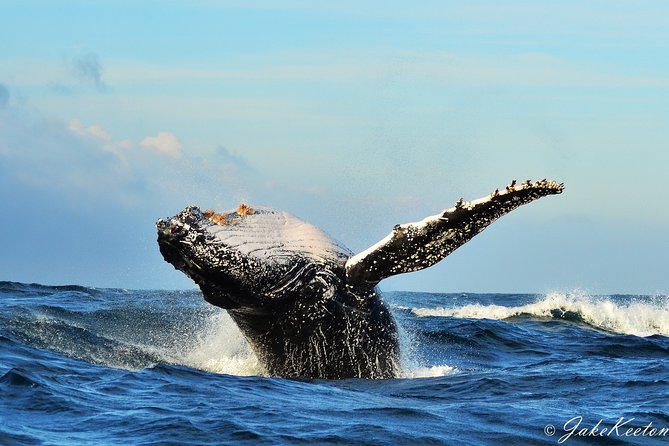
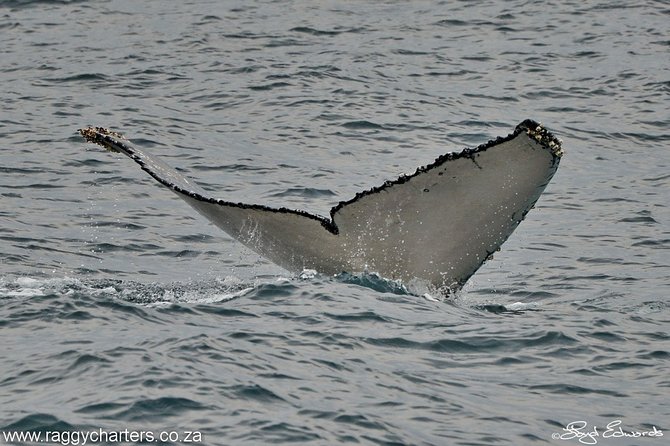
The whale portion is the headline, and the timing here is solid. In Algoa Bay, humpback whales are seasonal. You’ll see them roughly from June to early December as they move along the coast toward breeding grounds farther up the East coast of Africa.
There’s extra nuance in how the season plays out. From about October, females may be seen with calves. That changes the feel of the trip, because calves mean the whales are often behaving like mothers are managing both movement and protection. If you’re hoping for a close and emotional moment, this is the season window to think about.
Southern right whales are another option, usually closer in shore. Their season runs about July to September. So if you’re traveling in midwinter in South Africa (or aiming for the spring shoulder), you have a better chance of adding right whales to your sightings list.
A key reality check: even with great timing, you’re still at sea. You might see a mother and baby together, you might see whales farther out, or you might spend more time on dolphins and seals that day. The crew’s job is to keep searching and to read the water, and that’s exactly what you get here.
Bottlenose and common dolphins in Algoa Bay, plus why they matter
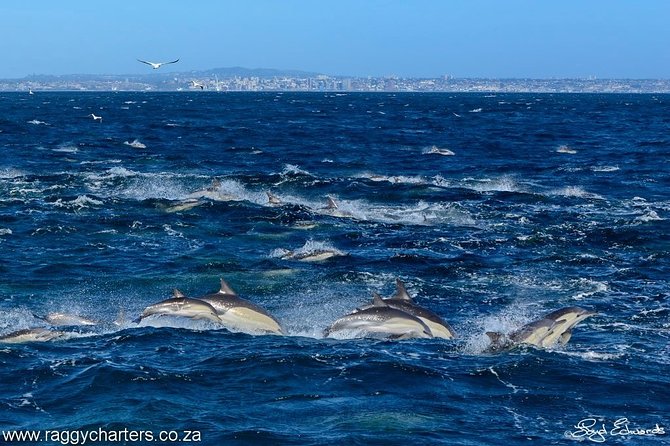
If whales are the dramatic reveal, dolphins are often the steady soundtrack. Algoa Bay has dolphins you can encounter throughout the year, and the cruise is set up for that.
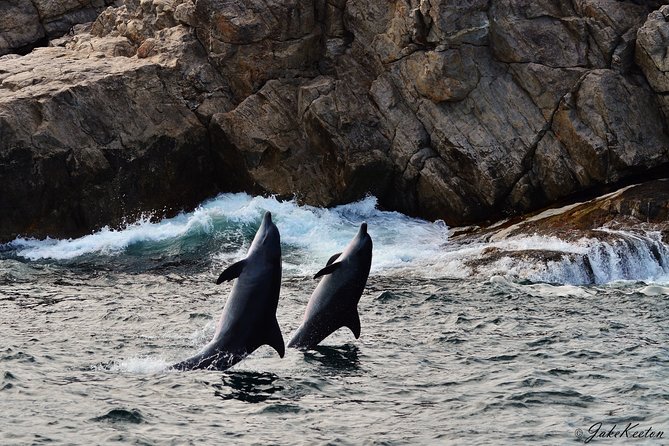
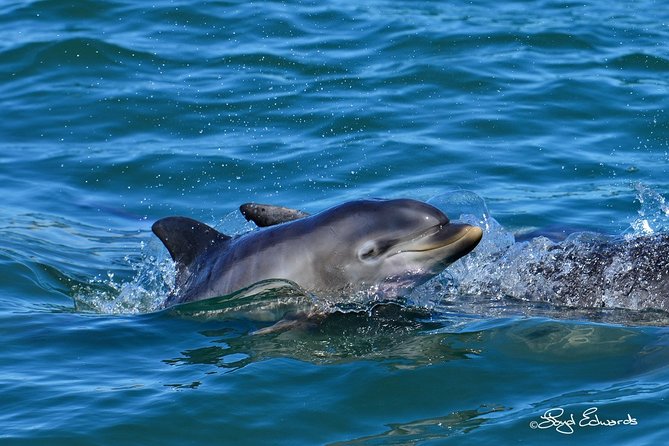
Indo-Pacific bottlenose dolphins are the most frequently seen in the bay. They can show up year-round, usually in groups ranging from about 10 to 400. What’s especially fun is where they tend to be. They often stay in shallow waters, near beaches or around St. Croix Island. You may also see them come right up to the boat and ride in the bow waves.
Common dolphins are another highlight, but they behave differently. They’re often seen in huge groups, roughly 1,000 to 2,000, and they can move fast. They’re more frequently spotted further out to sea, especially on routes that take you near bird-rich areas, because they follow baitfish. In practice, that means your dolphin experience can swing from playful and close to fast and far depending on where the baitfish schools are that day.
And yes, you might also get other dolphin species in Algoa Bay. The important takeaway is that this cruise is tuned for dolphin spotting, not just whale luck.
More boats leaving the same harbours
St. Croix Island: African penguins up close, and the conservation story
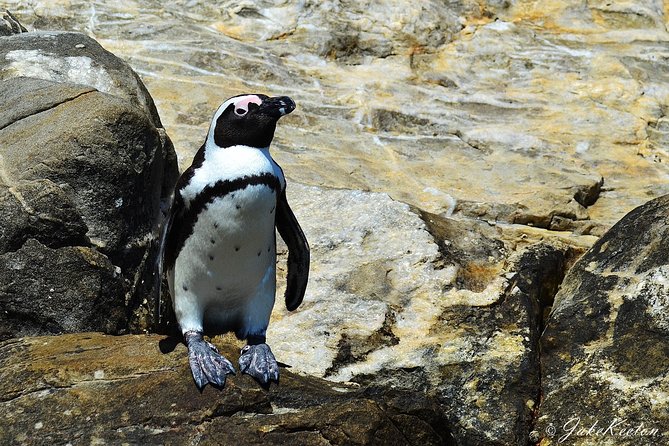
St. Croix Island is the part of the day you remember later, because it turns wildlife viewing into a small, focused encounter. The island is home to about 12,000 endangered African penguins, which is the largest breeding colony found in Africa. But there’s also a hard truth here: the colony has lost about 70 percent in 10 years.
That’s where the conservation angle becomes more than a brochure line. You’re not just looking at penguins as cute birds. You’re seeing a species in trouble, and learning what influences their survival. The cruise includes conservation-focused guidance on the ecosystem and the local conservation work around the penguin habitat.
Timing helps your odds. The African penguin breeding season peaks between March and May. During that period, you may be able to see chicks from the boat. Even if you are outside the peak season, the island still matters because penguins are part of a wider food web. Around them, you might also notice other species living on St. Croix and nearby Brenton Island.
Beyond penguins, the island also supports endangered African black oystercatchers and cormorants, including white-breasted and Cape cormorants. St. Croix Island is within the Addo Elephant National Park system, with rangers patrolling, which is a big deal for protecting nesting habitat and reducing human pressures.
A gentle caution: penguin numbers can change, and overfishing pressure has been linked with declines in the past. So treat penguin sightings as something you’re hoping for, not a guarantee. The upside is the cruise format gives you real time and context, so even a lighter penguin day still feels worthwhile.
Other marine and bird life you may spot along the way
This cruise sells whales, dolphins, and penguins, and it mostly delivers on those. But the real fun is that you can also pick up bonus wildlife while you’re cruising the bay.
The cruise area can include:
- Seabirds and pelagic birds like terns, petrels, skuas, shearwaters, and albatrosses
- Cape gannets and cormorants (white-breasted and Cape cormorants)
- Cape fur seals
- Sharks (including sightings mentioned like hammerhead in the experiences people share)
- More whale possibilities such as Bryde’s whales and minke whales
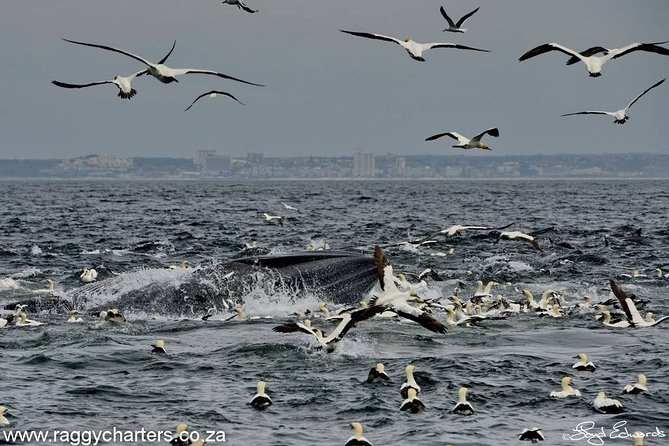
The key is to watch for patterns. Birds often react to fish concentrations, and fish concentrations often draw dolphins and whales. When the water is productive, you can get a “double win” day where dolphins are active and birds are feasting, and then a whale comes through the edges of it.
The crew approach: safety, search technique, and storytelling
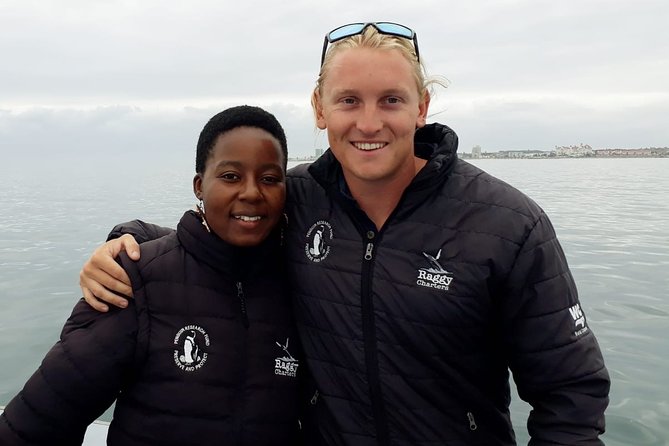
What makes this cruise feel special is how the crew connects the sightings to behavior. In the experiences people have shared, the team has been praised for being engaged and for sharing in-depth info about the ecosystem and animal behavior.
One name you’ll see is Jake, highlighted in a conservation-focused guide role. The point is not just that the crew knows facts. It’s that they seem to use that knowledge while you’re on the water, explaining what you’re likely seeing and why it’s happening.
You also want a skipper who can navigate well. Reviews mention that the boat handled choppy conditions and that everyone could still see wildlife from their vantage points. When the sea is rough, it can be hard to judge distance and motion, so having someone comfortable with the craft is a real value add.
How long is it really, and how to plan your day around it
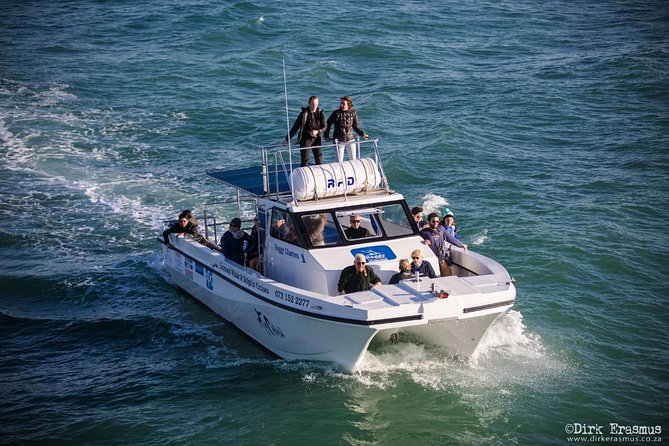
The cruise runs about 4 hours. That’s a great length if you want a big nature payoff without eating your entire day.
You start at 8:00 am, so plan for an early morning. You’ll likely spend the first part out on the water scanning for whales and dolphins. Then you’ll shift to the St. Croix Island phase for the penguin encounter and island viewing.
If you’re thinking of combining it with other things in Port Elizabeth, this timing works well. It’s long enough to feel like a real outing, but short enough that you still have time for a late lunch afterward.
What to bring: keep it simple for a 4-hour sea day
The tour info doesn’t list a gear checklist, so I’ll keep this practical. You’re on open water, you may get sea spray, and your main job is to stay comfortable enough to keep watching.
Bring:
- A light jacket or wind layer, because mornings on the water can feel cooler than you expect.
- Sun protection, because the bay can be bright when you’re looking up for whales and out for dolphins.
- Non-slip footwear if you have it, especially if the deck is damp.
Also, don’t overplan. The day depends on wildlife movement and weather, and the crew uses a search-and-sightings approach. Comfortable clothing helps you roll with the flow.
Price and value: is $185.19 a good deal?
At $185.19 per person, this is not a budget gamble. But it can be good value if you care about two things: time on the water and quality of the guidance.
Here’s how it pencils out in a traveler-friendly way:
- The boat is small, up to 20 people, which usually means you get better sight lines.
- The cruise is slow paced and includes time for questions, so you aren’t just paying for a ticket, you’re paying for interpretation and focused attention.
- You’re not only viewing wildlife from the sea, you also get the St. Croix Island encounter for African penguins.
On top of that, the tour includes an eco-sustainability tree planting campaign designed to help balance the carbon footprint. It’s still wise to treat that as a “nice extra,” not a license for careless travel, but it does show the operator is thinking about sustainability rather than only the ride.
If you’re the type who would rather spend one half-day in the right place with the right people than chase multiple stops, this is a strong fit.
Who this cruise suits best (and who might reconsider)
This experience is ideal for:
- Families and mixed-age groups, since there is no age restriction and life jackets are available
- Wildlife lovers who want a calmer pace and more guidance
- Photo-minded visitors, especially if you like dolphins and penguins as much as whales
- Travelers who enjoy conservation messaging and want to understand why species are threatened
If you’re the kind of traveler who only wants guaranteed wildlife sightings, you should temper expectations. It depends on season and luck, like all marine wildlife trips. But in return, you get a well-run, safety-focused outing with time to learn.
It’s also a good option if you’ve already seen basic city highlights in Port Elizabeth and want nature that feels close and real.
Should you book this Raggy Charters cruise or not?
If your heart says whales, dolphins, and African penguins, book it. The format is built for real viewing: a small group, a slower pace, and a conservation-first crew.
Do consider booking with your season in mind. For humpback whales, focus on June through early December. For southern right whales, July through September is the sweet spot. If you want chick odds at St. Croix, aim for March to May.
And keep one flexible mindset: on any given day, the ocean decides what you see. The best part of this cruise is that even when sightings vary, you still get a well-guided, thoughtful experience, not just a drive to the waterline.
If you’d like, tell me your travel month and whether you care most about whales, dolphins, or penguins. I can help you decide the best time to go.
FAQ
Where does the Whale, Dolphin & Penguin Island Cruise depart from?
It departs from Nelson Mandela Bay Yacht Club, Dom Pedro Jetty, Port Elizabeth Harbour, Gqeberha Central, Gqeberha.
What time does the tour start?
The start time is 8:00 am.
How long does the cruise last?
The duration is about 4 hours.
What kind of ticket do I need?
You receive a mobile ticket.
What animals can you see on this cruise?
The cruise focuses on humpback whales, dolphins, and endangered African penguins on St. Croix Island. It may also include sightings of other marine and bird species such as fur seals, sharks, and various seabirds.
Is there an age restriction?
No age restriction is listed. Most travelers can participate, and life jackets are available for all ages.
How many people are on the boat at most?
The maximum group size is 20 travelers.
What if weather is bad?
The tour requires good weather. If it is canceled due to poor weather, you will be offered a different date or a full refund.
When can you expect humpback whales in Algoa Bay?
Humpback whales can be seen in Algoa Bay from June to early December.
Decks and Departures Around Port Elizabeth
More Time With the Boulders Penguins
Keep going: the rest of our Port Elizabeth write-ups
- 15-Day All Inclusive Sibuya Wilderness Guided Tour
★ 5.0 · 3 reviews - River Cruise along the Sundays River
★ 4.5 · 3 reviews - Port Elizabeth Wildside Scenic Drive – FD17
★ 5.0 · 3 reviews - Full Day Safari Tour In Addo Elephant National Park
★ 5.0 · 3 reviews - Beginner group surf lesson
★ 4.5 · 3 reviews - Addo Elephant Park Full day big 5 Safari
★ 5.0 · 4 reviews
Boulders Beach Penguin Tours, compared.
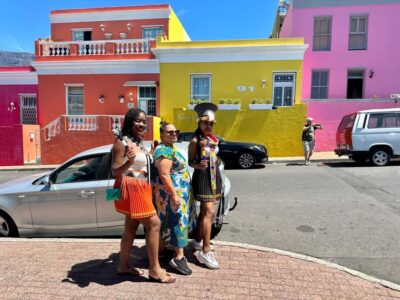 ★ 4.7Cape Town: Cape of Good Hope & Penguins Day Tour with PickupFrom $523,362 reviews
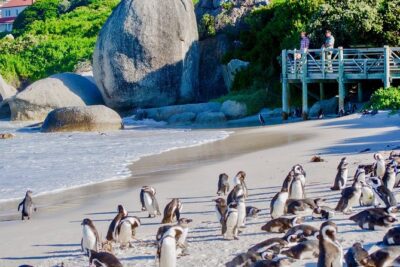 ★ 5.0Cape Point and Boulder’s Penguins Full Day TourFrom $343,118 reviews
 ★ 4.8From Cape Town: Cape Point & Boulders Beach Full-Day TourFrom $403,032 reviews
 ★ 5.0Cape of Good Hope & Boulder Penguins Full-Day Tour from Cape TownFrom $482,347 reviews
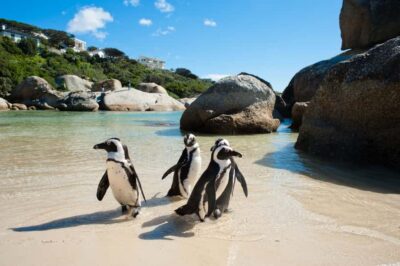 ★ 4.7From Cape Town: Cape Point and Boulders Beach Full-Day TourFrom $311,946 reviews
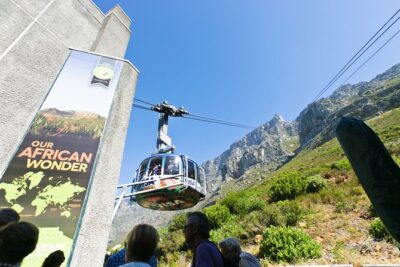 ★ 4.5Table Mountain, Penguins & Cape Point Small Group Tour Cape TownFrom $621,797 reviews
 ★ 4.7Cape Town Tour: Table Mountain, Penguins & Cape Point+PickupFrom $651,671 reviews
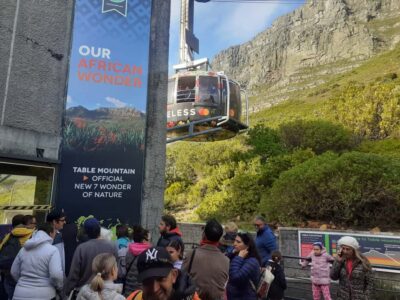 ★ 4.9Cape Town: Table Mountain, Cape Point, & Penguins Group TourFrom $621,063 reviews
Browse the lists this tour appears in