
REVIEW · KNYSNA AND PLETTENBERG BAY TOURS
15-Day All Inclusive Sibuya Wilderness Guided Tour
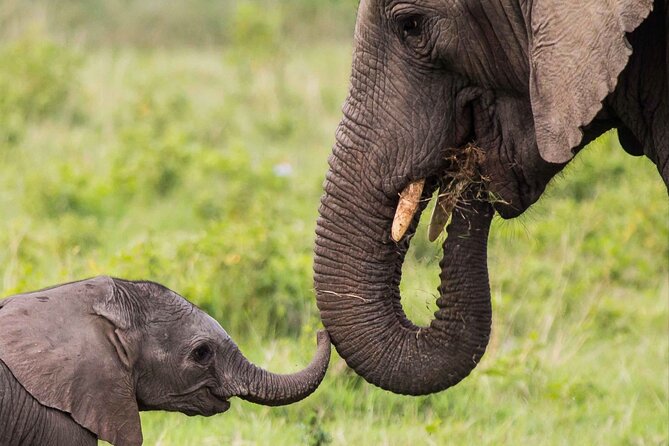
Watching elephants and studying conservation is different. This 15-day all-inclusive guided experience pairs daily time in Sibuya Game Reserve with hands-on learning across elephant, rhino, birds, lions, and even coastal conservation. I like that it is not just game drives on repeat, it is structured fieldwork plus presentations, including the ORITAG fish tagging work in the Kariega system.
Two things I really liked are the small group size (maximum 10) and the way the week blends wildlife with people and habitat management, from outreach days in Kenton-on-Sea to fence management and alien vegetation eradication. The one drawback to consider is physical demand: you have two full hike days along the Alexandria Dune Fields, including a 20 km walk, so this is not a sit-back-and-sip-everywhere itinerary.
In This Review
- Key points I’d build your plan around
- First impressions at Intaka Bird Lodge, right on the Sibuya boundary
- Daily Sibuya Game Reserve work: elephant, rhino, birding, and habitat management
- Elephant monitoring day that starts with identification
- Rhino conservation plus anti-poaching activities
- Fence management and alien vegetation eradication
- Birding conservation plus the red-billed oxpecker project
- Safari time is paired with troubleshooting: lions and prey loss themes
- Kenton-on-Sea outreach plus a real leisure weekend
- Greater Addo and the Alexandria Dune Fields: two serious hike days
- Kariega River day with ORITAG fish tagging: small work, big impact
- Addo Elephant National Park day: flagship reserve time
- Graduation, group projects, and getting your learning to stick
- Final morning and airport transfer
- Price and logistics: what $1,615.69 buys you, and what to double-check
- Who this tour suits best, and who should think twice
- Should you book the 15-Day Sibuya Wilderness Guided Tour?
- FAQ
- How long is the Sibuya Wilderness Guided Tour?
- Where does the tour start and how do I get there?
- Is pickup offered from the airport?
- What is included in the price?
- Are alcoholic beverages included?
- What fitness level do I need?
- How many travelers are on the tour?
- Is there an age requirement?
- What is the cancellation policy?
Key points I’d build your plan around
- Sibuya Game Reserve base at Intaka Bird Lodge with sundowners overlooking wildlife habitat
- Conservation monitoring focus for elephants, rhinos, lions, plus anti-poaching involvement
- Alexandria Dune Fields hikes with direct learning about the living and non-living coastal environment
- ORITAG fish tagging project with coaching on catch, tag, record, and release, then data submission
- Kenton-on-Sea outreach day with community support activities like beach cleanups and distributing essentials
- Small group maximum of 10 means more time with the guides, including instructors named in participant feedback like Chris and Bonbon
More around the lagoon, the forest and Plett
- 1 Day Garden Route Tour from Port Elizabeth to the Crags★ 5.0 · 9 reviews
First impressions at Intaka Bird Lodge, right on the Sibuya boundary
Your trip starts with collection from Port Elizabeth Airport on Sundays, with the itinerary indicating an afternoon pickup, and your booking confirmation may show a specific start time. Either way, the idea is the same: you land, you get to your home base, and you settle in without having to figure out transport on day one.
Intaka Bird Lodge is your anchor while you work around Sibuya Game Reserve daily. After travel, you get a proper dinner plus sundowner drinks with views over the reserve, which is a great way to switch your brain from airport mode into field mode.
What you’re really buying here is access, rhythm, and context. Game drives matter, but the lodge setup also gives you a calm place to process what you learned that day.
Daily Sibuya Game Reserve work: elephant, rhino, birding, and habitat management
Days 2 through 5 are built around conservation education paired with monitoring. That combination is what makes this feel more like a guided program than a standard safari.
Elephant monitoring day that starts with identification
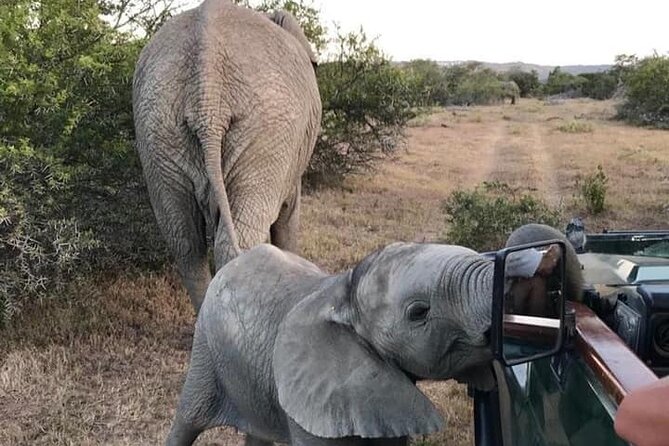
You’ll get a welcome presentation, then an elephant conservation presentation, then elephant monitoring. The emphasis is on correctly identifying elephants and understanding their role in the ecosystem, plus the challenges they face. For me, the value is practical, you do not just get facts delivered, you learn how researchers think about individual animals and why “who is who” matters for tracking changes over time.
Rhino conservation plus anti-poaching activities
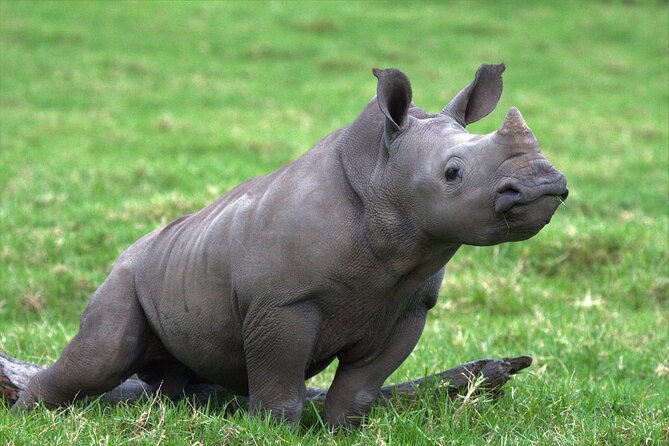
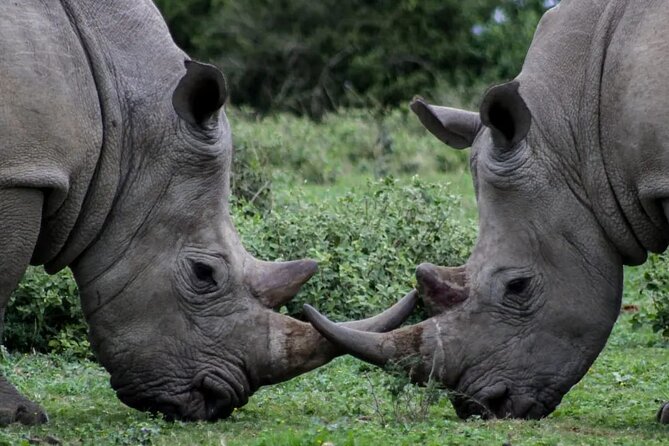
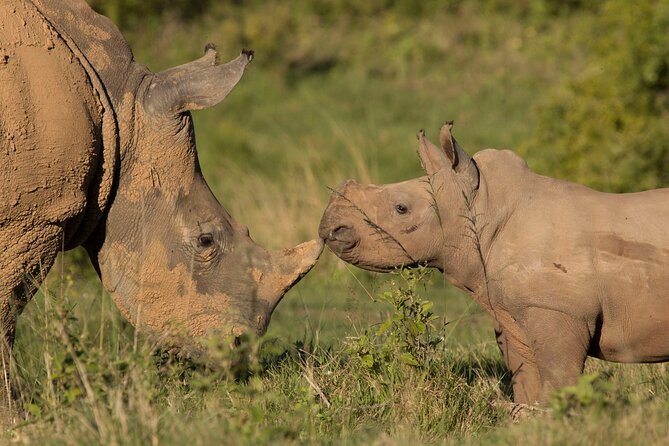
The next day adds white rhino ecology and monitoring, plus anti-poaching activities. This is one of the most serious sections of the itinerary, because it ties the animals you hope to see to the threats conservation teams have to manage. If you like wildlife with a purpose, this is the day that makes that purpose feel real.
Other parks and reserves on the map
Fence management and alien vegetation eradication
Day 4 shifts from animals to systems. Fence management is explained as a way to protect humans and protect conservation areas from human impact. Then you get alien vegetation eradication, with the focus on how invasive species can outgrow indigenous plants and become less useful for animals.
This is the part many safari itineraries skip entirely. It is also one of the best reasons to choose this tour if you want to understand conservation as more than “finding wildlife.”
Birding conservation plus the red-billed oxpecker project
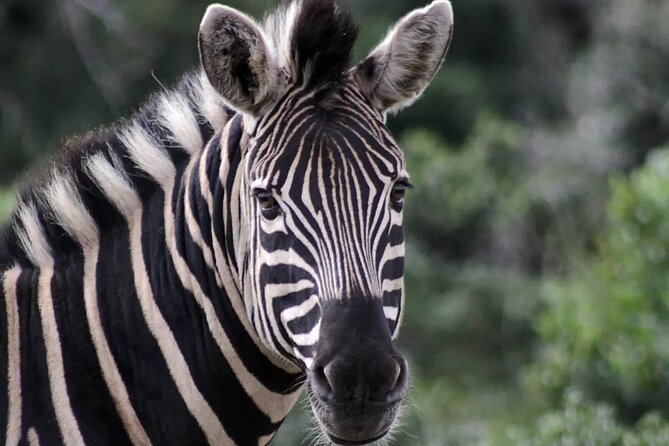
Day 5 turns to birds and includes oxpecker-related work. You learn to identify and differentiate oceanic, estuarine, arboreal, and terrestrial birds, then take part in the red-billed oxpecker project. If you like nature with close observation, this section can feel like a skill-building course, not just a walk.
Safari time is paired with troubleshooting: lions and prey loss themes
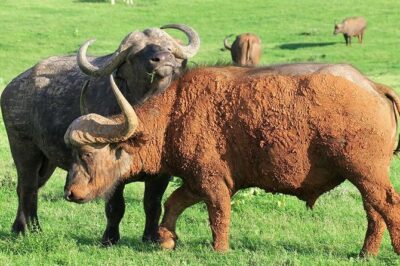
On day 9, the itinerary returns to Sibuya with a lion conservation presentation and lion monitoring. You also get open discussion about why prey species and habitat can be lost, plus topics like the lion bone trade and human encroachment.
Then there’s buffalo darting and management as part of the day. The key value here is learning how conservation teams respond to real-world pressures, not just what lions symbolize. This day is also a reminder that apex predator protection depends on a whole chain of other animals and the environment that supports them.
Kenton-on-Sea outreach plus a real leisure weekend
Days 6 to 8 are a mix of community involvement and downtime. On day 6, you travel to Kenton-on-Sea and join an outreach project day that includes activities like blankets and beanies for Madiba, standing in teachers, beach cleanups, dog food distribution, and time at retirement homes.
This is where the trip becomes more than wilderness. If you care about how tourism can support local communities, this day gives you a concrete view of what “outreach” looks like on the ground.
Days 7 and 8 are a leisure weekend. The itinerary keeps it flexible: you can sightsee on your own at your expense, or you can just rest at Intaka Bird Lodge. This pause matters. The earlier days have a lot of presentations, monitoring, and conservation tasks, so you need a breather that is not scheduled to the minute.
Greater Addo and the Alexandria Dune Fields: two serious hike days
Days 10 and 11 take you into Greater Addo and the Woody Cape area, focused on Alexandria Dune Fields. These are the highest coastal wind-driven sand dunes in the Southern Hemisphere, and the itinerary frames the hikes as both physical work and coastal education.
- Day 10 includes a 20 km hike, about 12.5 miles
- Day 11 includes a 16 km hike, about 10 miles
Both days include time learning about the living and non-living coastal marine environment, plus how history shaped the area into what you see today. This is the section where moderate physical fitness becomes real, not theoretical.
If you are an experienced hiker, you’ll likely appreciate the structure: two consecutive dune days let your body adjust and your brain tune into the coastal patterns. If you’re not a confident walker, I’d treat these as the deciding factor for whether this tour fits you.
Kariega River day with ORITAG fish tagging: small work, big impact
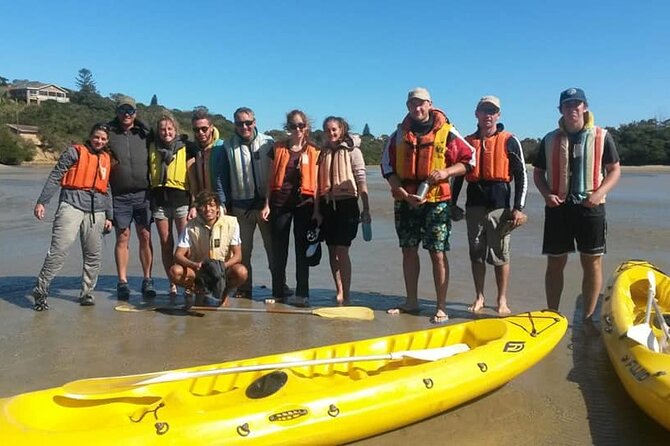
Day 12 combines a boat cruise along the Kariega River with the Oceanic Fish Tagging Institute project. Here’s the practical part: you are briefed on how to correctly catch, tag, record information, and release estuarine fish species.
You also learn that the findings get loaded onto an ORI international data base. Even if you never see the same fish again, you can understand the logic, data over time helps researchers make better conservation decisions.
One caution: fish tagging is hands-on by design. You should be comfortable with the idea that participation involves careful handling steps and following instructions closely. The good news is you get coached on how to do it correctly.
Addo Elephant National Park day: flagship reserve time
Day 13 is a visit to Addo Elephant National Park, including Colchester. Addo is described as South Africa’s flagship game reserve, with a densest population of African elephants per square kilometer noted in the itinerary.
This day works well after your earlier Sibuya elephant monitoring work. You go in with context, then you spend time in a bigger, high-profile conservation landscape. Even if you already know elephant facts, this tour pushes you to connect the dots between identification, monitoring, and long-term protection.
Graduation, group projects, and getting your learning to stick
Day 14 is a group project presentation plus a graduation ceremony, with certificates and some leisure time. The itinerary mentions posters as part of these group presentations.
This is not just ceremony. It’s a way to turn what you learned into something you can explain, which helps you remember it later. If you like programs with a sense of closure, this day is a satisfying finish to the conservation-focused rhythm you’ve been living since day one.
Final morning and airport transfer
On day 15, you get a team breakfast and then a transfer to Port Elizabeth Airport from Intaka Lodge at 09:00 every Sunday morning. It’s a clear end to the week, with enough time to pack and settle before you head out.
This is also a good day to check your personal timing, flights can be tight after an active 15-day schedule.
Price and logistics: what $1,615.69 buys you, and what to double-check
At $1,615.69 per person for about 15 days, the value depends on what you expect from a safari. If you want only vehicle time and animal sightings, this might feel heavy on education and conservation work. If you want the “why” behind conservation, plus real participation, it can feel like strong value for an all-inclusive structure.
Included items cover the big-ticket basics: private transportation, all fees and taxes, Intaka Bird Lodge and Sibuya Private Game Reserve involvement, plus meals (14 breakfasts, 13 lunches, 13 dinners). You also get an itinerary T-shirt, and equipment for activities such as kayak or fishing and the presentation setup for training days.
Not included is alcohol, so plan on buying drinks separately if you want them with meals or sundowners. Also, pickup timing matters. The schedule notes Sunday airport collection at 15:00, while the meeting point section shows a start time of 12:00 pm. In at least one booking experience described in feedback, there was confusion or lack of response about pickup timing. My practical advice: confirm your exact pickup time in writing before you travel, especially if you land early.
Who this tour suits best, and who should think twice
This tour fits best if you enjoy structured learning and fieldwork. You’ll likely love it if you’re curious about how conservation is actually managed, including monitoring, anti-poaching context, and habitat tasks like alien vegetation removal and fencing.
It also suits travelers who want a smaller group experience, maximum 10. With fewer people, you’re more likely to get personal attention during monitoring sessions and project days.
Think twice if you have limited mobility or low hiking tolerance. Two hike days at 20 km and 16 km are not casual, and the tour specifically calls for moderate physical fitness.
If you hate presentations and prefer a purely scenic itinerary, this might feel more like a course than a vacation. But if you want animals plus meaning, this is one of the more direct ways to get it.
Should you book the 15-Day Sibuya Wilderness Guided Tour?
Book it if you want safari days that explain themselves. The strongest pull for me is the balance between wildlife monitoring and on-the-ground conservation work, including elephants, rhinos, lions, birds, and fish tagging.
Consider passing or asking detailed questions first if you’re not comfortable with hiking or hands-on activities like tagging and recording. Also, confirm the pickup time early and get it in writing, because transport expectations need to match your flight schedule.
If you choose it, you’ll be paying for access plus instruction, not just time in a vehicle. And that is the kind of safari memory that lasts beyond the photos.
FAQ
How long is the Sibuya Wilderness Guided Tour?
The tour runs for 15 days (approximately).
Where does the tour start and how do I get there?
It starts in Port Elizabeth, South Africa, with collection from Port Elizabeth Airport on Sundays.
Is pickup offered from the airport?
Yes, pickup is offered.
What is included in the price?
Coffee and/or tea, private transportation, all fees and taxes, a T-shirt, Intaka Bird Lodge, Sibuya Private Game Reserve access, Addo Elephant National Park, Alexandria Dune Fields, plus meals (14 breakfasts, 13 lunches, 13 dinners) and equipment for activities like kayak or fishing and presentations.
Are alcoholic beverages included?
No, alcoholic beverages are not included.
What fitness level do I need?
The tour asks for a moderate physical fitness level. You also have hike days including a 20 km hike and a 16 km hike.
How many travelers are on the tour?
The maximum group size is 10 travelers.
Is there an age requirement?
Travelers under the age of 17 need to be accompanied by adults.
What is the cancellation policy?
You can cancel for free up to 24 hours in advance of the experience for a full refund. Canceling less than 24 hours before does not get refunded.
Parks and Reserves in Port Elizabeth
Knysna and Plett: More on the Doorstep
Keep going: the rest of our Port Elizabeth write-ups
- 15-Day All Inclusive Sibuya Wilderness Guided Tour
★ 5.0 · 3 reviews - River Cruise along the Sundays River
★ 4.5 · 3 reviews - Port Elizabeth Wildside Scenic Drive – FD17
★ 5.0 · 3 reviews - Full Day Safari Tour In Addo Elephant National Park
★ 5.0 · 3 reviews - Beginner group surf lesson
★ 4.5 · 3 reviews - Addo Elephant Park Full day big 5 Safari
★ 5.0 · 4 reviews
Knysna and Plettenberg Bay Tours, compared.
 ★ 4.7Plettenberg Bay: Swim with SealsFrom $61887 reviews
 ★ 5.0Knysna Ziplines TourFrom $48688 reviews
 ★ 4.7Little Brak River: Botlierskop Guided Game DriveFrom $40589 reviews
 ★ 5.0Plettenberg Bay: Bungee Jumping with Zipline and Sky WalkFrom $97506 reviews
 ★ 5.0Bloukrans Bungy, the worlds best bungy jump!From $97504 reviews
 ★ 4.7Storms River: Tsitsikamma National Park Zipline Canopy TourFrom $55481 reviews
 ★ 4.5Knysna: 75-Minute Lagoon Boat CruiseFrom $31445 reviews
 ★ 5.0Standard Canyoning Trip in The Crags, South AfricaFrom $60381 reviews
Browse the lists this tour appears in