
REVIEW · CRADLE OF HUMANKIND TOURS
Cradle of Humankind and Lesedi Cultural Village
A day that links human origins to living culture. The Cradle of Humankind grounds you with fossils and ancient tools, then Lesedi Cultural Village turns tribal traditions into an easy, hands-on experience with dancing and food. You’ll get guided time, photo stops, and transport that keeps the day moving without stress. One thing to consider: language and on-site details can vary, so double-check what you booked and what tickets include.
I especially like the way this outing combines real archaeological finds with a cultural village that explains traditions you can actually see and hear. The dance shows and food stops at Lesedi are a big part of why this feels more than a museum stop. My only caution is practical: the day includes walking, so plan on comfortable shoes, and confirm language support if you’re booking in Portuguese or another specific language.
In This Review
- Key highlights at a glance
- Johannesburg to Cradle of Humankind, with time to get oriented
- Cradle of Humankind: fossils, tools, and the story behind being human
- How to get the most from the Cradle visit
- The transfer to Lesedi Cultural Village, and what changes when you switch gears
- Lesedi Cultural Village: Ndebele, Zulu, Basotho, Xhosa, and Pedi in real time
- Homes, dance shows, and why the format works
- Food at Lesedi, including Nyama Choma and meal reality
- Nyama Choma expectations
- What the best guides tend to do, and what to double-check
- Price and value: why $218 can make sense for this combo
- Timing and pacing: walking, photos, and when the day can feel rushed
- Who this tour fits best
- Should you book the Cradle of Humankind and Lesedi Cultural Village tour?
- FAQ
- How long is the tour?
- Where do you get picked up?
- Is transport included?
- Are entry tickets included?
- Do I need to pay for lunch or dinner?
- Is bottled water provided?
- What languages is the live guide available in?
- Can I skip the line?
- Is the tour suitable for people with mobility or back issues?
- Is free cancellation available?
Key highlights at a glance
- Cradle of Humankind fossils and ancient tools, including very old stone artifacts
- Swartkrans mention in the program, where fire-learning evidence is part of the story
- Lesedi Cultural Village cultural visits featuring Ndebele, Zulu, Basotho, Xhosa, and Pedi
- Dance shows plus time for traditional foods, including a Nyama Choma restaurant stop
- A guided format with photo stops, walks, and enough structure to keep things smooth
- Entry and transport included, with an option to skip lines via a separate entrance
More caves and fossil sites west of the city
- Maropeng Cradle of Humankind Museum &Sterkfontein Cave Experience★ 4.5 · 155 reviews
- Cradle of Humankind, Caves or Maropeng, Rhino and Lion Park★ 5.0 · 74 reviews
- From Johannesburg: Cradle of Humankind Tour★ 4.4 · 72 reviews
- Cradle of Humankind Tour with Lion Safari from Johannesburg★ 5.0 · 65 reviews
Johannesburg to Cradle of Humankind, with time to get oriented
This is a half-day style trip that starts with pickup from your hotel or guesthouse reception in Johannesburg. Expect about an hour of driving before you reach the Cradle of Humankind area. That travel time matters because it turns the day into a real “go and see” outing, not a quick parking-lot photo stop.
I like that the schedule gives you a mix of moments: photo stops, guided segments, and a little self-guided time. That lets you control your pace. If you’re the type who likes to linger over details, you’ll appreciate the walk and photo time built into the Cradle visit.
You will want to bring comfortable shoes. The grounds at both sites involve walking, and this is not the kind of tour where you can stay seated the whole time. If you have back pain or mobility limitations, make sure you read the comfort level before booking, because the day is designed around movement.
Cradle of Humankind: fossils, tools, and the story behind being human
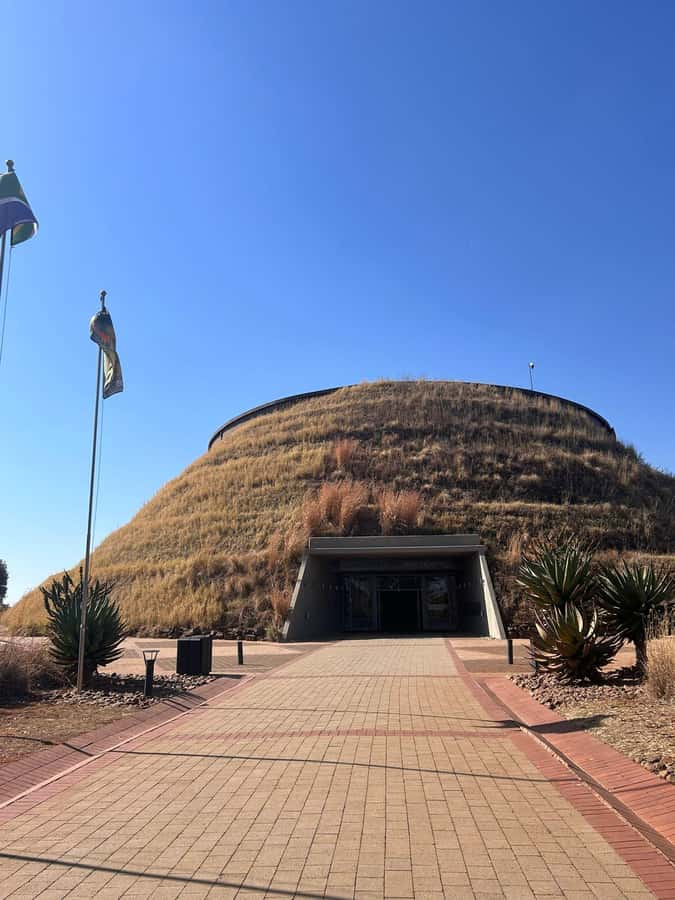
The Cradle of Humankind is built around one idea: our species has a deep past, and this landscape holds major evidence. In practical terms, what you’re going to see focuses on how early humans lived and how they developed skills over time.
You get time for:
- a photo stop
- a guided tour
- sightseeing plus walking
- and some self-guided time
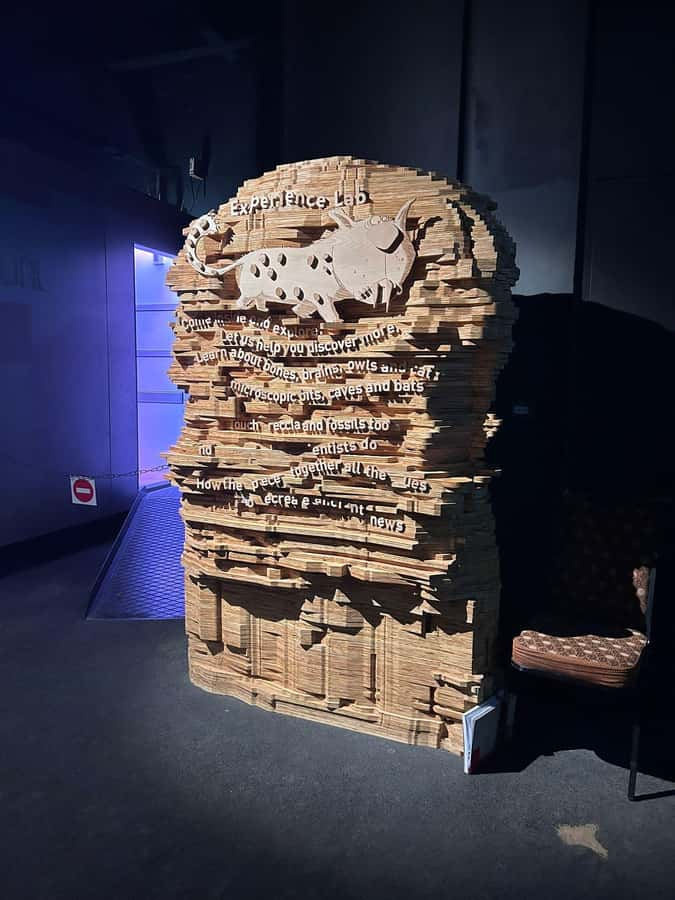
What makes this site special is the range of evidence. The program highlights life emerging billions of years ago, then it narrows into more specific milestones you can actually grasp. You’ll hear about fossils that are around two million years old, and the story doesn’t stop at bones. It also points to stone tools that are about two million years old. That pairing, fossils plus tools, helps you connect “what they were” with “what they could do.”
One particularly compelling part of the Cradle story in your tour notes is Swartkrans and the mention of a collection of bones tied to how ancestors learned to master fire more than a million years ago. Even if you only catch the main idea, it lands: fire is not just a campfire moment. It’s technology. It changes cooking, warmth, and survival, and that is why it gets treated as a turning point.
How to get the most from the Cradle visit
You’ll get more out of it if you treat this as an evidence tour, not a guessing game. While you’re walking and looking around, ask your guide to connect three things in simple terms:
1) what age the evidence is showing
2) what kind of evidence it is (bones, fossils, tools)
3) what behavior it suggests, like early tool use or controlled fire
That kind of mental checklist helps you avoid information overload. And it makes the Cradle stop feel coherent rather than like a pile of displays.
The transfer to Lesedi Cultural Village, and what changes when you switch gears
After the Cradle visit, you move on with about a 35-minute transfer. This is a good break between “deep time” and “human time.”
The switch is noticeable. At the Cradle, you’re dealing with evidence, dates, and ancient traces. At Lesedi, you’re dealing with living explanations: homes, crafts, dancing, and food traditions tied to Southern Africa’s major cultural groups.
If you’ve got a lot of questions after the Cradle, this transfer is the time to jot them down. When you arrive at Lesedi, your guide should be able to connect the cultural pieces to what you learned earlier, even if the topics are totally different.
Other cultural village visits we have written up
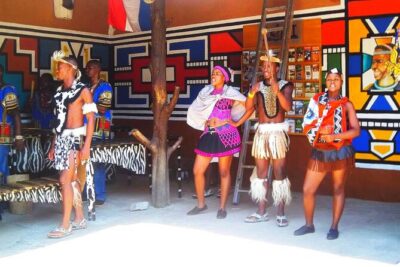
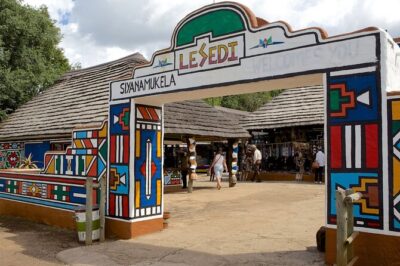
Lesedi Cultural Village: Ndebele, Zulu, Basotho, Xhosa, and Pedi in real time
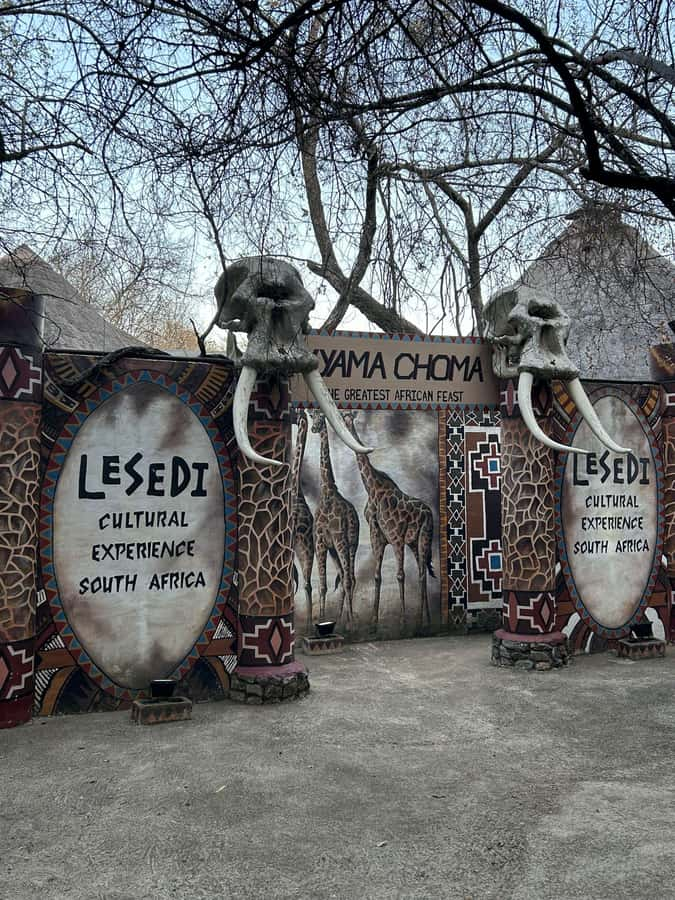
Lesedi Cultural Village is where the tour becomes social. You’ll arrive to guided time plus walking and photo stops, and then you’ll shift into dance shows and food.
The program specifically calls out cultural visits linked to Ndebele, Zulu, Basotho, Xhosa, and Pedi. That matters because it helps you see that “African culture” is not one thing. Each group has its own language patterns, dress cues, and traditional performance styles, and the village format keeps it organized.
You should also know that the tour timing is built around entertainment and explanation, not just sightseeing. You get dance programming and time for a meal experience connected to the local food culture. The goal is that you leave understanding what you saw, not just taking photos.
Homes, dance shows, and why the format works
The village approach works because it turns stories into something you can observe. Instead of reading one sign at a time, you get guided narration and a flow of activities.
The dance show segment is a centerpiece. If you like performance, you’ll enjoy this. If you’re less into dancing, you can still get a lot from the cultural explanations and the chance to see how each group is represented through movement, rhythm, and traditional costumes.
One practical tip: if you care about photos, go earlier during the guided blocks when your guide is talking. That way you’re not trying to ask for context while the group is moving to the next area.
Food at Lesedi, including Nyama Choma and meal reality
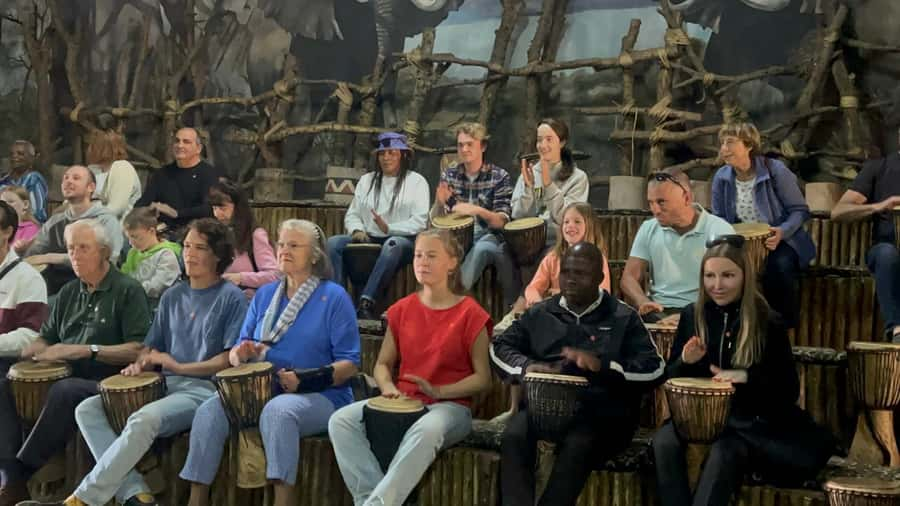
Food is part of the Lesedi experience in your tour plan. The schedule includes time for lunch and dinner and also lists dessert. And you’ll get a stop connected to Nyama Choma.
Here’s the important value check for you: food is listed as not included. That means you’ll likely have meal costs you pay at the site, even though meals are part of the day’s rhythm.
I think that’s still a fair setup because the tour already includes the heavy hitters:
- entry tickets
- transport between Johannesburg and both sites
- bottled water
- and guided time
So the meals become an add-on rather than the core value. If you’re budgeting, plan for it.
Nyama Choma expectations
Nyama Choma generally means grilled meat and a lively food atmosphere. Your best strategy is to keep yourself flexible and hungry. The tour pacing moves from activity to activity, so if you snack too early, you’ll run out of appetite during the best eating window.
What the best guides tend to do, and what to double-check
A strong day here depends heavily on your guide. Your tour info says live guides can be in French, English, Portuguese, German, and Afrikaans, and that the day includes a guided component plus walking time.
But one real-world lesson shows up in the booking experiences tied to this tour: a Portuguese-speaking passenger was paired with a guide named Louis who did not speak Portuguese. That does not mean every guide will be the same, but it does highlight a key action for you: if your language matters, confirm it before the day starts, and keep expectations grounded.
There’s another logistics lesson. One booking experience described unpleasant moments over Lesedi entry payment, even after a ticket was purchased with entries included. The takeaway is simple: before you go, make sure your confirmation clearly says entry tickets are included for both stops, and keep a copy of your ticket details accessible on your phone or printed.
That kind of prep saves stress and helps you enjoy the tour once you arrive.
Price and value: why $218 can make sense for this combo
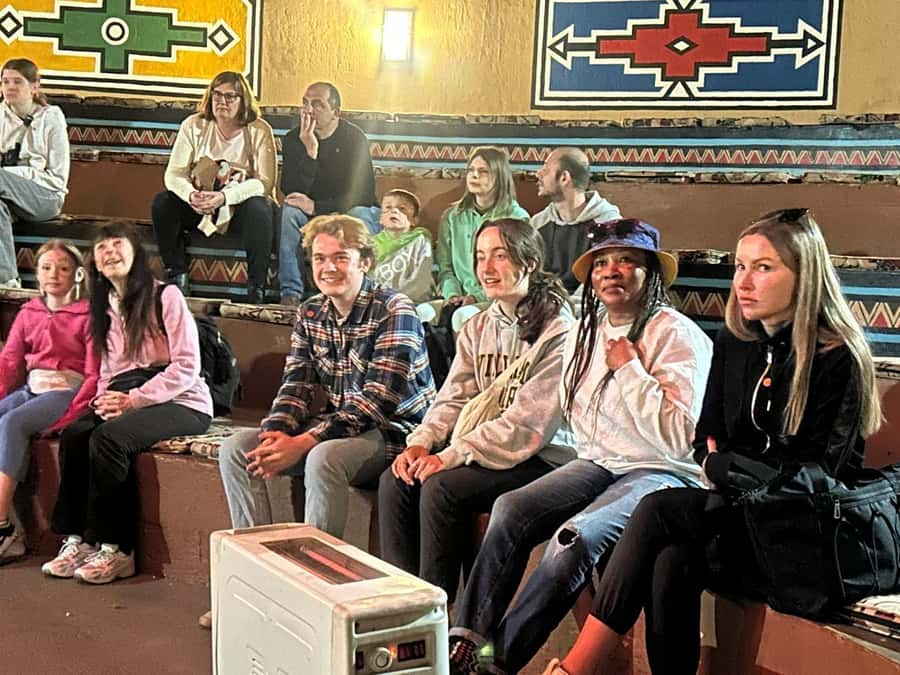
At $218 per person for a 6 to 6.5 hour day, you’re paying for a combo that includes more than one stop. The big value pieces are:
- entry tickets included
- transport to and from Johannesburg
- bottled water
- skip-the-line access via a separate entrance
- live guiding across the key moments
If you tried to piece this together on your own, you’d still be paying for transport, likely paying for two entries, and spending extra time coordinating. Here, the tour bundles it into one smooth plan, which is why the price can feel fair.
Where the price does not cover your costs:
- lunch and dinner are listed as not included
- accommodations are not included
So this works best if you’re happy to pay for meals on site and you’re keeping it a day trip with no overnight. If you expected meals to be fully covered, you’ll want to adjust your budget.
Timing and pacing: walking, photos, and when the day can feel rushed
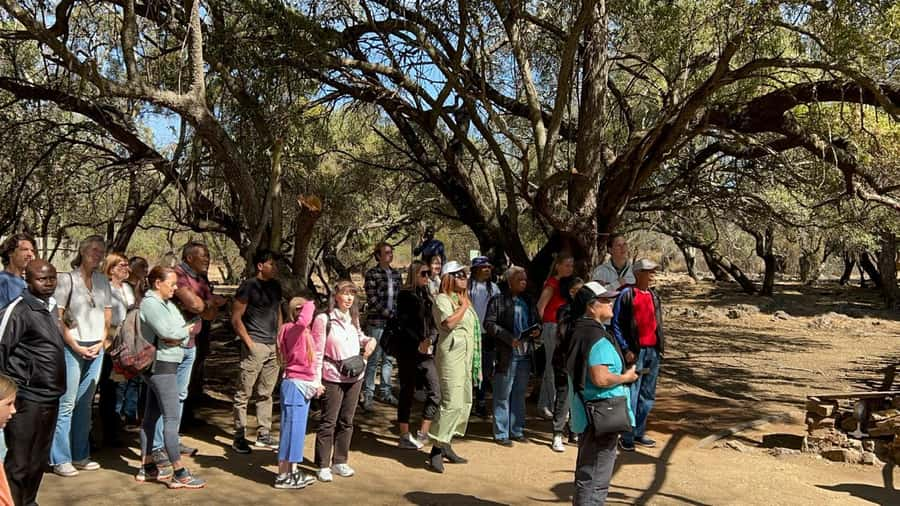
This is a structured half-day. You move from Johannesburg to the Cradle, then you transfer to Lesedi, and you return to Johannesburg after.
The upside is energy. You get a lot of content in a short window. The downside is that you can’t treat it like a slow wander through museums. You’ll be walking and moving to keep the schedule.
Here’s how I’d pace yourself if you like control:
- At the Cradle, focus on the evidence story, not every detail. Ask your guide for the top moments to remember.
- At Lesedi, decide your priority early: dance, cultural explanations, or photos. You can do all three, but you’ll enjoy it more if you’re not trying to do everything at once.
Also note that your tour info lists wheelchair accessibility, but it also says it is not suitable for people with back problems and not suitable for people with mobility impairments. If either applies to you, treat it as a flag to message the operator before booking and ask what walking surfaces and distances look like.
Who this tour fits best
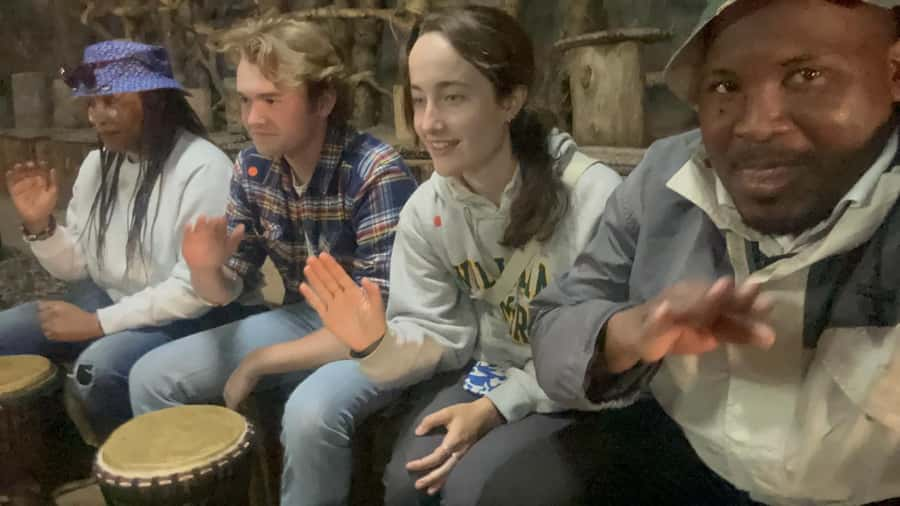
This is a great fit if you want one day that mixes:
- science and deep time, through Cradle of Humankind
- human culture you can see and hear, through Lesedi Cultural Village
You’ll especially enjoy it if you like guided storytelling and you’re comfortable with walking. It’s also a good option if you’re visiting Johannesburg and want a meaningful change of scenery without arranging a private driver.
I would think twice if:
- you need minimal walking
- you strongly depend on a specific guide language and communication
- you dislike tours where meals cost extra and the day keeps moving
Should you book the Cradle of Humankind and Lesedi Cultural Village tour?
I’d book this if you want value from a day that covers two major experiences with transport and entry tickets included, plus the chance to learn about human origins and then witness Southern Africa’s major tribal cultures through dance and food.
Skip it only if you know walking will be a problem for you, or if language requirements are strict and you cannot confirm them. If you do book, plan your shoes and budget for meals on site. And if language is important, double-check your guide language so your day stays smooth.
If you like your travel days to have both meaning and energy, this one does that.
FAQ
How long is the tour?
The duration is listed as 6 to 6.5 hours.
Where do you get picked up?
Pickup is from your hotel or guesthouse reception in Johannesburg.
Is transport included?
Yes. Transport to and from your hotel or guesthouse is included.
Are entry tickets included?
Yes. Entry tickets are included.
Do I need to pay for lunch or dinner?
Lunch and dinner are listed as not included.
Is bottled water provided?
Yes, bottled water is included.
What languages is the live guide available in?
The live tour guide is listed as available in French, English, Portuguese, German, and Afrikaans.
Can I skip the line?
Yes. The tour notes skip-the-line access through a separate entrance.
Is the tour suitable for people with mobility or back issues?
The information lists wheelchair accessibility, but it also says it is not suitable for people with back problems and not suitable for people with mobility impairments. You should confirm details with the operator before booking.
Is free cancellation available?
Yes. Free cancellation is listed up to 24 hours in advance for a full refund.
Cultural Villages: More Visits
The Cradle of Humankind, Deeper In
Keep going: the rest of our Johannesburg write-ups
- Soweto Private half day tour
★ 4.5 · 3 reviews - Johannesburg’s Migration History with a local lunch
★ 5.0 · 3 reviews - Johannesburg: Soweto, Apartheid Museum, and Cradle tours
★ 4.7 · 3 reviews - Soweto Apartheid Museum and Lunch
★ 5.0 · 3 reviews - Bathongo Rhino & lion park nature reserve tour
★ 5.0 · 3 reviews - Johannesburg: Elephant and Monkey Sanctuary Half Day Tour
★ 5.0 · 3 reviews
Cradle of Humankind Tours, compared.
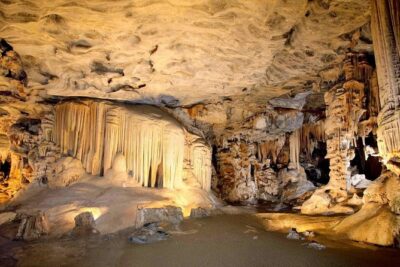 ★ 4.5Maropeng Cradle of Humankind Museum &Sterkfontein Cave ExperienceFrom $103155 reviews
 ★ 5.0Cradle of Humankind, Caves or Maropeng, Rhino and Lion ParkFrom $9774 reviews
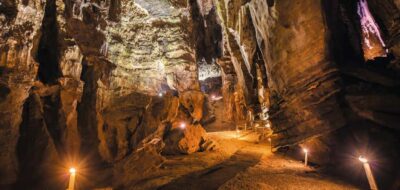 ★ 4.4From Johannesburg: Cradle of Humankind TourFrom $14672 reviews
 ★ 5.0Cradle of Humankind Tour with Lion Safari from JohannesburgFrom $20765 reviews
 ★ 4.7Pretoria/Sandton: Cradle of Humankind & Sterkfontein CavesFrom $10664 reviews
 ★ 5.0Lesedi Cultural Village and Cradle of Humankind TourFrom $9748 reviews
 ★ 4.3From Johannesburg: Cradle of Humankind Private Half-Day TourFrom $14344 reviews
 ★ 4.5Cradle of Humankind Tour – Sterkfontein Caves with Maropeng TourFrom $11239 reviews
Browse the lists this tour appears in