
REVIEW · SOUTH AFRICA
Taste of Africa
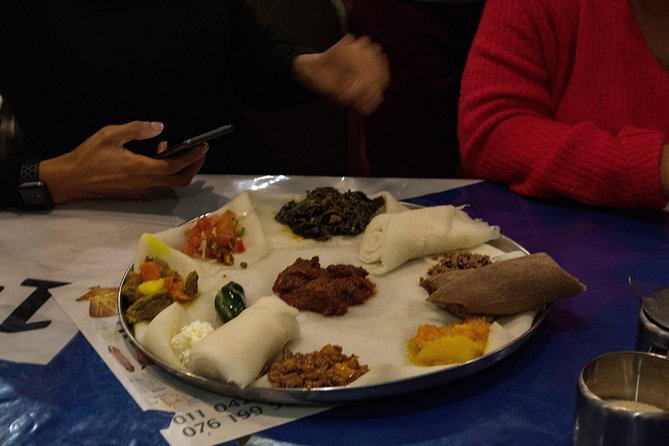
Johannesburg food tastes better with street stories. This private Yeoville tour mixes a walk along Rockey Street with tastings at two restaurants and a food market, plus a stop at the striking Yeoville Water Tower. I especially like the way the guide ties what you eat to the neighborhood’s identity, and how the food stays connected to real daily life in Jozi. The one catch is you should plan for walking and bring some money for tastings.
You start at 4:00 pm, and the experience runs about 5 hours. It also helps to have moderate fitness, and it requires good weather to operate, so keep that evening schedule flexible if forecasts look rough.
In This Review
- Key things to know before you go on Taste of Africa
- Yeoville at 4:00 pm: why this isn’t just a menu crawl
- The Yeoville Water Tower stop: a 1914 landmark with a German design clue
- Rockey Street on foot: views, Victorian architecture, and local stories
- Two restaurants and a food market: how to handle tastings like a pro
- Your guide in Yeoville: Cynthia, Delight, and Sifiso bring the food to life
- Price and value: what $54.92 buys in real walking time
- Logistics that matter: meet-up point, duration, and what to pack
- Who should book this, and who might prefer a different style
- Should you book Taste of Africa in Johannesburg?
- FAQ
- Where does the Taste of Africa tour start in Johannesburg?
- What time does the tour begin?
- How long does the experience take?
- Is this tour private?
- What should I bring for the tastings?
- What happens if the weather is bad?
Key things to know before you go on Taste of Africa
- Private tour for your party, so the pace stays comfortable and the guide can answer questions.
- Yeoville Water Tower stop (built in 1914) adds a quick engineering and German-design story before you hit the food.
- Rockey Street walk is part sightseeing, part palate-training, with views and Victorian-era architecture nearby.
- Two restaurants plus one food market, so you’re not stuck with only one style of dining.
- Afro-cosmopolitan Yeoville offers food culture connections across East to West Africa.
- Bring walking shoes and some cash, because you may need to pay for what you taste.
Still weighing it up? These Johannesburg trips are the ones our readers open next.
- From Johannesburg: Pilanesberg Nature Reserve Game Safari★ 4.8 · 1,327 reviews
- Johannesburg: Hop-On Hop-Off Bus with Optional Soweto Tour★ 4.6 · 985 reviews
- Soweto /Johannesburg and Apartheid Museum Guided Full Day Tour★ 5.0 · 932 reviews
- Johannesburg Hop-On Hop-Off City Tour with Soweto Option★ 4.5 · 768 reviews
Yeoville at 4:00 pm: why this isn’t just a menu crawl
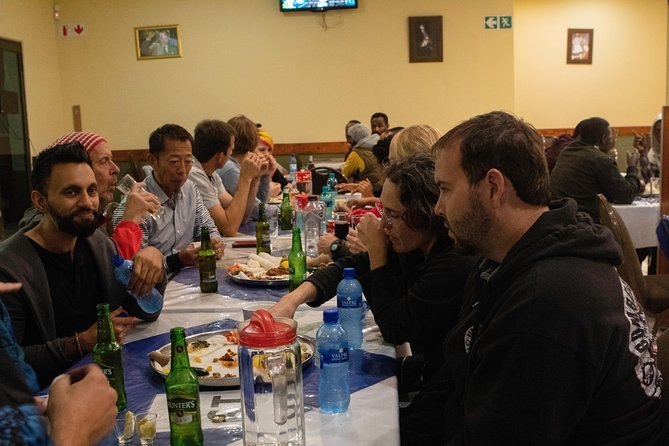
If you want Johannesburg beyond the usual highlights, this tour is built for that. Yeoville has a reputation for being international and Afro-cosmopolitan, and the walking route is designed to help you feel the neighborhood rather than just pass through it. At 4:00 pm, you get the late-day rhythm where people are moving, shops are open, and it feels easier to chat and ask questions as you go.
What I like about the format is the mix of “see and taste” instead of “eat, then repeat.” The guide’s job is not only to hand you food, it’s to connect flavors to the area’s culture and history. That’s exactly why reviews highlight the guides as attentive and passionate, and why the tour is described as an inside look rather than a simple sightseeing drive.
One consideration: this is still a walking-focused afternoon. You’ll want good shoes, and if you’re not used to steady city walking, plan to take it slow and let the guide pace you.
The Yeoville Water Tower stop: a 1914 landmark with a German design clue
You begin with a visual jolt at the Yeoville Water Tower area, where the landmark itself becomes the first conversation. The structure was built in 1914 and is designed around a spherical steel drum concept, intended to hold 50,000 gallons of water in an approximately 8 m wide water tank. It’s taller than you expect up close, just over 27.5 m.
Here’s why this stop matters for your experience even if you came only for food. It sets the tone that Yeoville has layers. The tour points out the tower’s distinctive red, onion-like shape and explains that the spherical design is based on a German model, with parts partially imported from Europe. The tower’s elevated position makes it a visible anchor in the suburban skyline, so it’s an easy landmark to remember when you’re later trying to describe where you ate and walked.
Also, it’s a useful mental warm-up. You’ll be scanning the area for details anyway, and this gives you a starting point, a frame of reference, before Rockey Street takes over.
Rockey Street on foot: views, Victorian architecture, and local stories
Next comes Rockey Street, the walking spine of the tour. This stretch is built around the idea that street scenes and food culture move together. You walk through Yeoville’s mix of communities, and the guide shares context as you go, including the kind of political heritage and cultural meaning that can be easy to miss when you’re only reading a brochure.
The route is described as sensational, and the key practical point is that you get real time on the street, not just a quick photo stop. You’ll also get views along the way and you’ll see forgotten Victorian architecture, which helps explain how old city forms can exist beside newer cultural layers. That contrast makes the food tastings feel less random. Instead of “try this, try that,” you start to notice how the neighborhood’s identity shows up in what people cook, sell, and share.
This part runs about 4 hours, and it’s free at least for admission since it’s a public street walk. The tradeoff is time on your feet. Bring comfortable shoes, and if you’re sensitive to heat or crowds, go slower than your normal pace and lean on the guide. A private format is ideal here because the guide can adapt to you instead of forcing a one-size itinerary.
Two restaurants and a food market: how to handle tastings like a pro
The core of the tour is food, but it’s not only about what you eat. It’s about how you taste. The structure includes two restaurants and one food market, so you get multiple settings: sit-down meals, plus market energy where you can see products and shop culture up close.
The tour’s own guidance is clear: have an open mind, bring cash to spend, and come with good walking shoes. That points to an important reality for your planning. While the tour itself has a set price, the tastings may involve extra spending. So when you budget, think of the ticket as paying for the guide, route, and access to places, and think of your food spending as a separate line item.
How you can make this work smoothly:
- Pace your bites so you don’t feel rushed between stops.
- Ask the guide what to expect before each tasting. Even if you’re not sure you’ll like a dish, you’ll understand why it’s important in that setting.
- If you have allergies or strong dislikes, tell the guide early. With a private group, you’re more likely to get options that fit.
What about “how much food” you’ll get? That detail isn’t listed here, so I’d treat this as a tasting tour where you’ll likely sample multiple items rather than having full meals at each stop. If you’re the type who wants a big dinner, consider eating a light snack beforehand so you’re not hungry during the walk.

Your guide in Yeoville: Cynthia, Delight, and Sifiso bring the food to life
This is a private tour, and that matters more than it sounds. With only your group, you can ask why something is made a certain way, how a dish connects to community life, or what to notice on the street. That’s why the feedback keeps returning to guide energy, attentiveness, and passion.
Several guide names show up in past experiences, including Cynthia, Delight, and Sifiso. I can’t promise who you’ll get, but it’s a strong sign the operator puts real people in the lead roles, not just a scripted route.
From a practical point of view, a good guide also helps you manage the neighborhood context. Yeoville can feel misunderstood from the outside, and the tour is designed to correct that by showing the area through everyday food culture and street-level details. The result is that you spend less time guessing and more time understanding. That’s the kind of “value” that’s hard to measure on a website, but easy to feel when you’re standing in the middle of it.
Price and value: what $54.92 buys in real walking time
At $54.92 per person, this is not an expensive splurge, but it isn’t a free-for-all either. The value comes from three things working together: a private guide, a real walking neighborhood route, and access to food stops across a restaurant and market mix.
Most “cheap” food tours still feel generic because they mainly deliver food without context. This one leans the other way. You’re paying for the neighborhood story as much as you’re paying for the tastings. Reviews also repeatedly mention the guides going out of their way, and when a tour feels like an inside look rather than a quick checklist, it’s usually because the guide is actively shaping the experience.
The main cost warning is that you should plan on additional spending at the restaurants and market. Since the tour tells you to bring cash to spend, don’t assume everything is included in the ticket price. If you budget for both the tour and some tasting money, the price makes more sense.
One more practical detail: the booking timing shows it’s often planned ahead. On average it’s booked about 63 days in advance, so if you want a specific day and the weather looks good, it’s smart to lock it in earlier rather than waiting until the last minute.
Logistics that matter: meet-up point, duration, and what to pack
You meet at 1 Lily Ave, Berea, Johannesburg, 2198 and the tour ends back at the same meeting point. Start time is 4:00 pm, and the experience is listed at about 5 hours total. One segment notes a 4-hour walking portion, so you should expect a full half-day commitment.
It runs with a mobile ticket, which is convenient because you don’t need to hunt for paper vouchers. You’ll also want to dress for walking, since moderate fitness is required. If you’re traveling with someone who struggles with stairs or long distances, plan to slow down and consider whether this format will feel comfortable.
What to pack is simple, but don’t skip it:
- Good walking shoes.
- Some cash for food spending.
- An open mind, because Yeoville’s food culture reflects many communities and different flavor traditions.
Also, keep in mind this experience requires good weather. If conditions are poor, the tour may be canceled with an offer of another date or a full refund.
Who should book this, and who might prefer a different style
This is a great match if you want:
- A private food and culture tour rather than a group bus tour.
- A neighborhood walk where the guide points out what to notice.
- A mix of restaurant and market food culture in one outing.
- A more human, story-driven way to understand Johannesburg through food.
It may not be ideal if:
- You want a mostly seated, short outing. This is a walking-first plan.
- You hate carrying cash for tastings. The tour advice suggests you will spend some money during the stops.
- You’re traveling with limited ability to walk moderate distances, since the tour calls for moderate physical fitness.
If you’re combining tours, you can think like locals do: don’t stack two long walking experiences back to back without a buffer. Some people pair this with another Johannesburg neighborhood tour like Hillbrow, but the real key is protecting your energy so you can enjoy both.
Should you book Taste of Africa in Johannesburg?
Yes, I’d book it if your goal is to eat in context. This tour has a strong focus on Yeoville as a living community, and the street walk plus the Yeoville Water Tower stop gives you more to remember than just flavors.
I’d also book it if you care about guide-led storytelling. Past experiences consistently highlight guides like Cynthia, Delight, and Sifiso for energy and care, and the private format makes that attention feel personal.
Just go in with the right expectations: wear shoes you trust, plan for walking time, and budget extra cash for tastings. If you can do that, this is a smart way to turn a regular “food tour” into a real neighborhood experience.
FAQ
Where does the Taste of Africa tour start in Johannesburg?
It starts at 1 Lily Ave, Berea, Johannesburg, 2198, South Africa, and it ends back at the same meeting point.
What time does the tour begin?
The start time is 4:00 pm.
How long does the experience take?
The duration is listed as about 5 hours.
Is this tour private?
Yes. This is a private tour/activity, and only your group participates.
What should I bring for the tastings?
You should bring cash to spend and a good pair of walking shoes. The tour also suggests coming with an open mind.
What happens if the weather is bad?
This experience requires good weather. If it’s canceled due to poor weather, you’ll be offered a different date or a full refund.
Keep going: the rest of our Johannesburg write-ups
- Soweto Private half day tour
★ 4.5 · 3 reviews - Johannesburg’s Migration History with a local lunch
★ 5.0 · 3 reviews - Johannesburg: Soweto, Apartheid Museum, and Cradle tours
★ 4.7 · 3 reviews - Soweto Apartheid Museum and Lunch
★ 5.0 · 3 reviews - Bathongo Rhino & lion park nature reserve tour
★ 5.0 · 3 reviews - Johannesburg: Elephant and Monkey Sanctuary Half Day Tour
★ 5.0 · 3 reviews