
REVIEW · SOWETO TOURS
Soweto Tour with a Local Guide
Soweto hits you fast, in the best way. This half-day tour is built around major anti-apartheid landmarks and the stories behind them, with a local guide who brings context to every stop. I love that you get admission included at the key museums and sites, so your time stays focused and your money stays put. I also love the pace, short visits at each place that keeps you moving without feeling rushed.
Your guide on this tour is from Socioolite Group Travel & Tours, and many bookings are led by Shaun, with the team helping things run smoothly. You get picked up in an air-conditioned vehicle and get bottled water, which matters in South Africa when the morning warms up. One thing to consider: lunch is not included, so you may want a plan for food before or after, especially if you are starting early.
In This Review
- Key Reasons This Soweto Tour Works
- Why Soweto Feels Like South Africa in One Route
- Mandela House: The Man, the Home, the Context
- Hector Pieterson Museum and Memorial: June 16, Up Close
- Walter Sisulu Square: Culture Meets City Life
- Regina Mundi: A Church That Helped Activists
- The World Cup-Era Cooling Station and the Host Stadium
- Vilakazi Street: Nobel Peace Winners and Craft Shopping
- Pickup, Private Time, and What the Price Includes
- How the Day Actually Feels (Timing and Flow)
- Practical Tips So You Get the Best Out of It
- Who Should Book This Soweto Tour
- Should You Book This Tour?
- FAQ
- What is the duration of the Soweto Tour with a Local Guide?
- Is pickup included?
- What does the price include?
- Is lunch included?
- How long are the main stops?
- Is the tour private?
- What time does the tour run?
Key Reasons This Soweto Tour Works

- Mandela House: A direct look at where Mandela lived with family and Winnie Mandela
- Hector Pieterson Museum: The June 16 uprising told through the memorial’s powerful story
- Regina Mundi: The largest Roman Catholic church in South Africa and a refuge for activists
- Vilakazi Street: A walk on the only street with two Nobel Peace prize winners living side by side
- World Cup era stops: You pass by the cooling-station site later turned into a visitor attraction, plus the host stadium
- Private group feel: Only your group participates, which makes it easier to ask questions
Other Soweto routes we have reviewed, each with a local guide
- Johannesburg and Soweto tour★ 5.0 · 231 reviews
- Soweto Half Day Tour★ 5.0 · 231 reviews
- Soweto walking tour with a taxi ride★ 4.5 · 42 reviews
- Soweto, Kliptown, Eldorado Park Tour★ 5.0 · 41 reviews
Why Soweto Feels Like South Africa in One Route
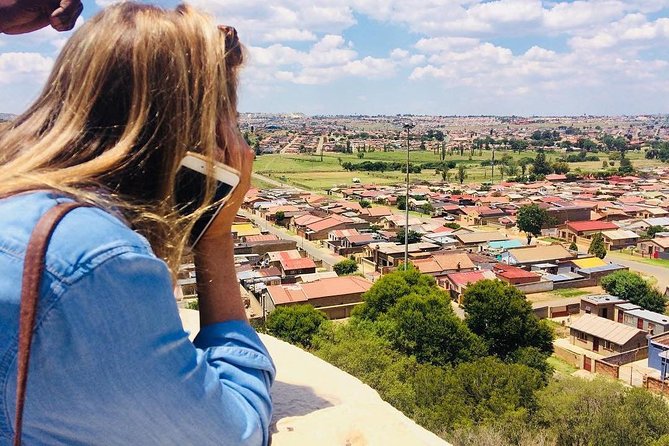
Soweto is the kind of place where history is not stuck in a textbook. It is woven into street corners, churches, memorials, and everyday life. The tour covers South Western Township, widely known as a birthplace of South African democracy and struggle, and also described as the largest township in the country.
What I like about the format is that you do more than look at buildings. You connect names to moments and places to people. You are also seeing Soweto as a living urban culture, the melting pot where fashion, food, and entertainment keep evolving.
One practical note: this is built for about 5 to 6 hours, so think of it as a focused storyline. You will not see everything in Soweto, but you will see the anchors that explain why this area matters.
Mandela House: The Man, the Home, the Context
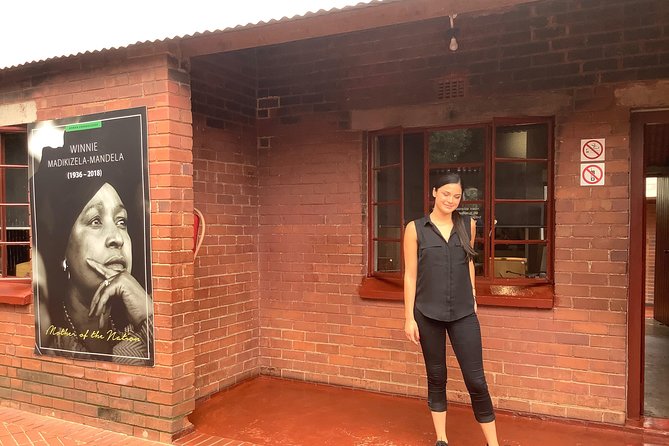
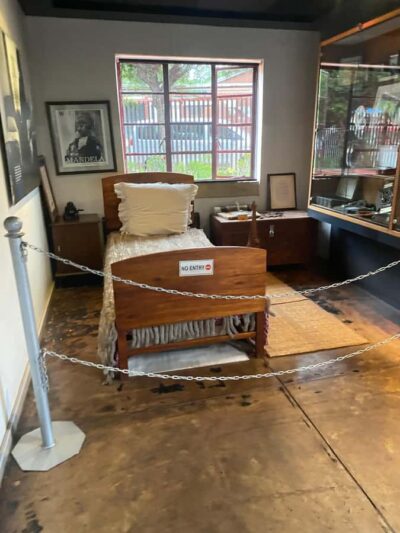
Your first stop is Mandela House, where you spend around 30 minutes. This is the second house Mandela spent most of his time living in while he was in Johannesburg, with his family and his ex-wife Winnie Mandela.
This stop is valuable because it shifts the conversation from speeches to real life. You get a sense of scale and routine, not just symbols. It is also a reminder that political history sits inside normal homes, kitchens, rooms, and daily movement.
Admission is included, so you can step in without worrying about extra fees or hunting for tickets. The time is short, which is good. You should be able to take photos, read the context, and move on while the day is still fresh.
Hector Pieterson Museum and Memorial: June 16, Up Close

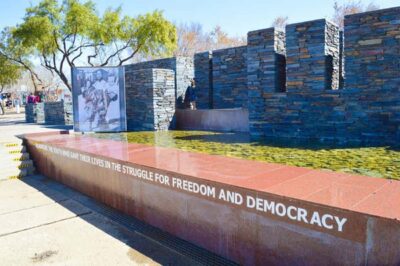
Next comes the Hector Pieterson Museum and Memorial, about 40 minutes with admission included. This is the place tied to the June 16 Soweto uprising, where the iconic story of a 12-year-old boy losing his life is remembered.
I think this stop is the emotional core of the tour. It is not just about dates. It is about what those days meant for children and families, and why the struggle became a defining moment in South Africa’s road to democracy.
Because the visit is timed and structured, you are not stuck in one room for too long. You get enough time to absorb the memorial’s story, then you move to the next stop that shows what came after.
A small consideration: memorial sites can be moving, so give yourself permission to take breaks if you need them. If you are the type who reads everything carefully, the 40 minutes will feel full, but that is also part of the point.
Walter Sisulu Square: Culture Meets City Life
After the memorial stop, the tour moves to Walter Sisulu Square for about 20 minutes, with admission included. This is where you see South African culture mixed with modern urbanization.
What stands out here is that the tour does not treat Soweto as only a past-tense place. It frames the area as trendsetting, shaped by diverse cultures and day-to-day way of life. You get a sense of how people occupy public space, not just how they protest.
In a good way, this stop changes the emotional temperature. You go from memorial weight to something more about identity and community. It is also a good moment to reset your expectations for the rest of the day.

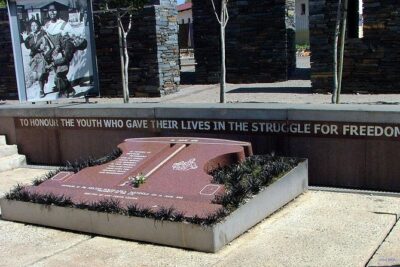
Regina Mundi: A Church That Helped Activists
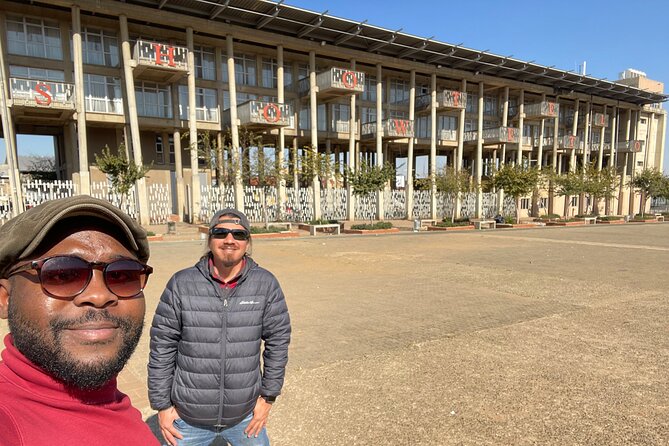
Regina Mundi is next, about 20 minutes, with admission included. It is the largest Roman Catholic church in South Africa, and it carries a major apartheid-era role. During apartheid, it was opened to anti-apartheid groups and provided shelter to activists, which is why it shows up in South Africa’s history books.
This stop matters because it highlights how resistance happened through many channels. Faith spaces were not only places of worship, they were places of protection and coordination. You learn how moral courage took shape in real structures in real neighborhoods.
If you care about the human side of history, you will probably linger here. The time is short, but the story is big. A quick tip: dress respectfully. Even if the tour is informal, churches tend to be serious spaces.
The World Cup-Era Cooling Station and the Host Stadium
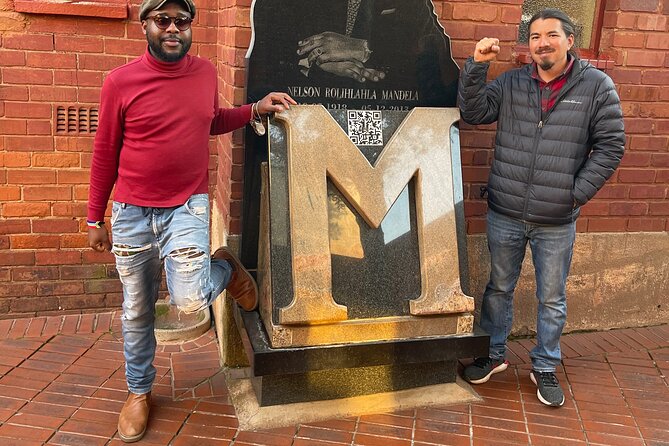
Between stops, the tour includes a drive past a cooling station that later became a tourist destination during the 2010 soccer World Cup. Then later you visit the main stadium where the 2010 soccer World Cup was hosted.
These are not the most emotional stops on the route, but they add an important layer. They show how Soweto and the wider Johannesburg area were shaped by international attention during 2010. They also help you understand the modern city, where major global events affect local spaces.
If you are a sports fan, you will like seeing the stadium connection. If you are not, treat it as a time marker, a clue for how the city transformed and how visitors connect the dots.
A possible drawback here is that the stadium time may feel more like a quick view than a full experience. This tour is built to protect time for the key history stops, and you are likely to feel that priority throughout the day.
Vilakazi Street: Nobel Peace Winners and Craft Shopping
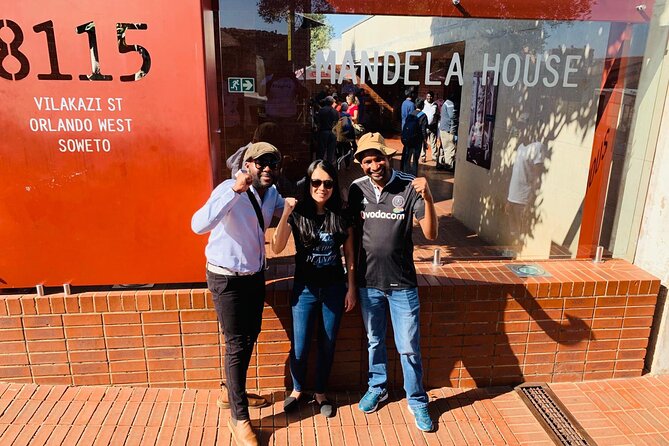
The tour’s walk happens on Vilakazi Street for about 20 minutes, free. This is the only street in the world with two Nobel Peace prize winners living on the same street, which is one of those facts that sounds unreal until you are standing there.
Vilakazi Street is also where you get an arts and crafts shopping stretch. It is a place to pick up small handmade items, support local work, and see how street commerce operates as part of daily life.
What I like about this segment is the balance. You are connecting Nobel-level peace to a neighborhood street that is still active and real. It avoids the sterile feeling that some “famous” locations can have.
If shopping is not your thing, you can still use this stop for photos and people-watching. If you do shop, keep it simple: ask what something is, check the price, and do not rush. A quick chat often tells you more than the item itself.
Pickup, Private Time, and What the Price Includes
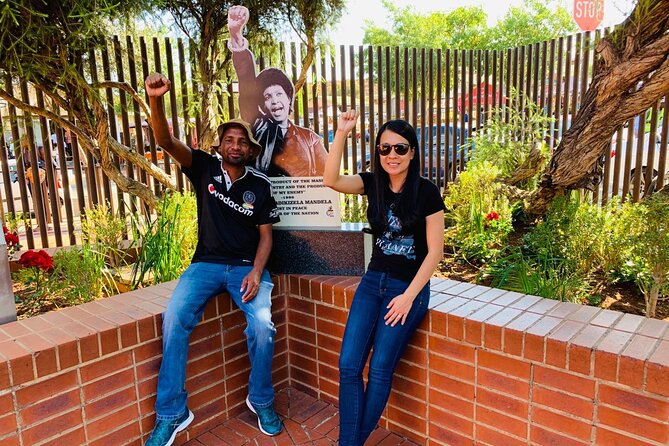
The price is $98.28 per person for roughly 5 to 6 hours, with pickup offered and a private format where only your group participates. That private detail matters. In a place with real stories and real emotions, you want enough space to ask questions without feeling like you are competing with strangers.
This tour also includes several cost-heavy parts that many day tours forget to count honestly. You get an air-conditioned vehicle, bottled water, and all fees and taxes. You also get admission tickets included for multiple stops, including Mandela House, Hector Pieterson Museum and Memorial, Walter Sisulu Square, and Regina Mundi.
Lunch is not included, so you should budget time and calories for that. If you are the kind of person who skips breakfast, this is a good moment to rethink that plan. You will be outside and walking a bit.
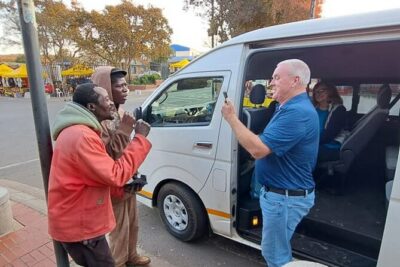
Value comes from two places: access to the right sites and the time with a local guide. When you have a guide named Shaun, and a team that helps keep everything lined up, you spend less time figuring things out and more time understanding what you are seeing. The reviews also highlight how guides like Shaun help with safety, comfort, and even photo-taking during the experience.
One more logistics point: service animals are allowed, and the tour is near public transportation. That is handy if your plans change.
How the Day Actually Feels (Timing and Flow)
The itinerary is designed like a relay. Each stop has a purpose, and the time blocks keep the story moving.
You start with Mandela House, then move quickly to Hector Pieterson Museum and Memorial. After that emotional peak, you shift to public culture at Walter Sisulu Square and then to Regina Mundi, which blends spirituality with activism. A drive-by and stadium stop add modern context. Then you finish with Vilakazi Street, a walk that brings the day back to neighborhood life and practical travel moments like shopping and photos.
This sequencing works because it mirrors how history is felt. First, you learn the legacy. Then, you face the uprising and its cost. After that, you understand what it changed and what life looks like now.
Practical Tips So You Get the Best Out of It
Go with a light plan. You are not carrying a backpack for hours, but you will benefit from a few small choices.
Bring water if you personally drink a lot, even though bottled water is included. Wear comfortable shoes for short walks and standing time, especially around memorials and street areas. If you want photos, keep your phone charged, because this tour hits multiple photo-worthy moments back to back.
Dress respectfully for church time at Regina Mundi. Also, since the experience requires good weather, plan on a day that is not already set to rain all morning.
Finally, go in with questions. This type of tour is at its best when you ask, how did this place function during apartheid, and what changed after. If your guide is Shaun, you are likely to get clear answers and helpful context.
Who Should Book This Soweto Tour
I think this is a strong fit if you want a history-forward day without a chaotic schedule. You will enjoy it if you care about Mandela’s story, the June 16 uprising, and how places like Regina Mundi sheltered activists.
You will also like it if you value local guidance. Reviews repeatedly mention responsiveness, smooth handling of details, and a sense of safety and comfort during the experience. A private group setup helps too, especially for families or groups who want a more personal pace.
If you want a long, slow tour with lots of time at each site, this one might feel short at some stops. But if you want the key landmarks covered in a half-day and you do not want to waste time, it fits well.
Should You Book This Tour?
Yes, if your goal is to understand Soweto through the places that anchor South Africa’s democracy story. You get admission included at the major stops, you travel in an air-conditioned vehicle with bottled water, and you finish with a real neighborhood walk on Vilakazi Street.
I would hold off only if you know you need long museum time. This is structured, and some stops, like Vilakazi Street and the culture squares, are brief. The tradeoff is you get a coherent route from Mandela House to the memorial sites, then back to daily life and modern context.
If you are trying to choose between doing it alone and doing it with a local guide, I would pick the guided version for this one. The “why” behind each place is the whole point of the day.
FAQ
What is the duration of the Soweto Tour with a Local Guide?
It runs for about 5 to 6 hours.
Is pickup included?
Yes, pickup is offered.
What does the price include?
The tour includes an air-conditioned vehicle, all fees and taxes, and bottled water, plus admission tickets for Mandela House, Hector Pieterson Museum and Memorial, Walter Sisulu Square, and Regina Mundi.
Is lunch included?
No, lunch is not included.
How long are the main stops?
Mandela House is about 30 minutes. Hector Pieterson Museum and Memorial is about 40 minutes. Walter Sisulu Square and Regina Mundi are about 20 minutes each. Vilakazi Street is about 20 minutes. The drive-by and stadium portions fit into the remaining time.
Is the tour private?
Yes. It is private, meaning only your group participates.
What time does the tour run?
The listed hours are 9:00 AM to 12:00 PM, Monday through Sunday, for the date range shown.
Soweto: Other Guided Routes
Keep going: the rest of our Pretoria write-ups
- Pretoria City Tour and Cullinan Mine Tour from Johannesburg
★ 5.0 · 3 reviews - Full Day Soweto, Johannesburg and Apartheid Museum Guided Tour
★ 5.0 · 3 reviews - Cradle of Humankind Full Day Tour from Pretoria and Johannesburg
★ 4.5 · 3 reviews - 3-Day Private Tour Johannesburg – See everything
★ 5.0 · 3 reviews - From Johannesburg: Pretoria Guided City Tour
★ 4.5 · 3 reviews - Pretoria Tour-Voortrekker Monument, Town, Union Buildings
★ 5.0 · 3 reviews
Soweto Tours, compared.
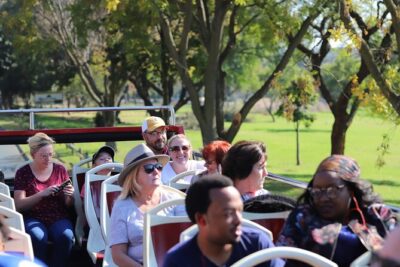 ★ 4.5Johannesburg Hop-On Hop-Off City Tour with Soweto OptionFrom $16768 reviews
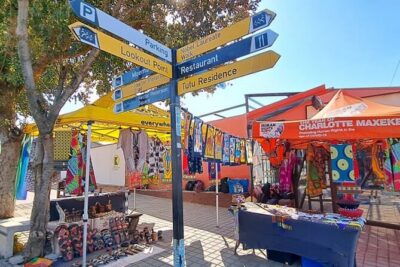 ★ 4.5Half-Day Tour of Soweto TourFrom $63712 reviews
 ★ 4.9Soweto: Walking Tour with a Local Guide and LunchFrom $43648 reviews
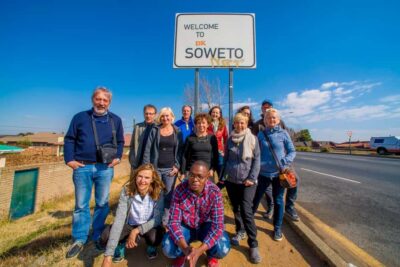 ★ 4.8Jo’berg in 1 Day: Soweto, Apartheid Museum & City TourFrom $142524 reviews
 ★ 4.8Johannesburg: Full-Day Tour with Soweto and Apartheid MuseumFrom $104478 reviews
 ★ 4.8Johannesburg and Soweto: Half-Day TourFrom $71439 reviews
 ★ 5.0Full-Day Soweto, Apartheid Museum and Lunch TourFrom $108410 reviews
 ★ 5.0Half Guided Day Tour of Soweto And Apartheid MuseumFrom $69356 reviews
Browse the lists this tour appears in