
REVIEW · SOWETO TOURS
Soweto Tour; Mandela House; Vilakazi Street; Market Culture
Soweto teaches fast, and it stays with you. On this 4-hour small-group trip, I love the panoramic intro from Soweto Towers and the way Regina Mundi Cathedral anchors the Soweto story in something real, not just a stop on a checklist. You also get street culture, market energy, and local food options that help the neighborhood feel like a living place, not a museum.
The other thing I like a lot is the guide quality. You will be in good hands with an English-speaking guide, and in past departures the host was a local resident named Ismail, who shared personal context, answered questions, and kept things fun and safe. Main consideration: it is a packed route, so expect a full day mindset in a short time, plus comfortable shoes matter.
In This Review
- Key Points Worth Getting Excited About
- A 4-Hour Soweto Tour That Mixes Big Landmarks With Street Culture
- Starting With Views: Soccer City, Diepkloof Extension, and Orlando Towers
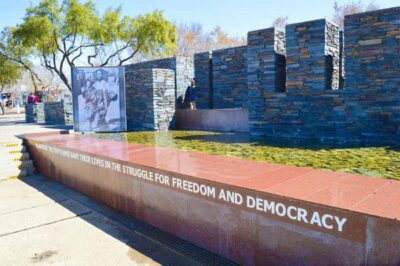
- Freedom Square in Kliptown: The Moment You Start to Understand the Story
- Regina Mundi Cathedral: Why This Landmark Is So Often Mentioned
- Morris Isaacson High School and Other “Power House” Stops
- Mofolo Super Bowl and Taxi Market Stops for Real-World Context
- Vilakazi Street Walking Time: Mandela, Bishop Tutu, and Local Life on Foot
- Mandela House Visits and the Hector Pietersen Memorial: Where the Feelings Get Specific
- Market Culture and Local Cuisine: What to Do With the Time You Actually Get
- Value for $93: What You Get in a Short, Guided Route
- Who This Tour Fits Best (And Who Might Want to Adjust Expectations)
- Practicalities That Actually Matter on the Day
- Should You Book This Soweto Tour?
- FAQ
- How long is the Soweto Tour?
- What is included in the price?
- Is lunch included?
- What should I bring or wear?
- What language is the tour guide?
- Is it wheelchair accessible and how many people are in the group?
Key Points Worth Getting Excited About
- Soweto Towers panoramic views that give you bearings fast
- Freedom Square in Kliptown for an on-the-ground look at resistance and change
- Regina Mundi Cathedral as a major, game-changing landmark tied to the 1976 uprising era
- Mandela House and the Hector Pietersen Memorial for powerful, personal perspective
- Vilakazi Street walking time in the footsteps of Mandela, with Bishop Tutu also referenced in the route
- Market culture stops plus time to choose local cuisine on your own
Other Soweto routes we have reviewed, each with a local guide
- Johannesburg: Hop-On Hop-Off Bus with Optional Soweto Tour★ 4.6 · 985 reviews
- Soweto /Johannesburg and Apartheid Museum Guided Full Day Tour★ 5.0 · 932 reviews
- Johannesburg Hop-On Hop-Off City Tour with Soweto Option★ 4.5 · 768 reviews
- Half-Day Tour of Soweto Tour★ 4.5 · 712 reviews
A 4-Hour Soweto Tour That Mixes Big Landmarks With Street Culture
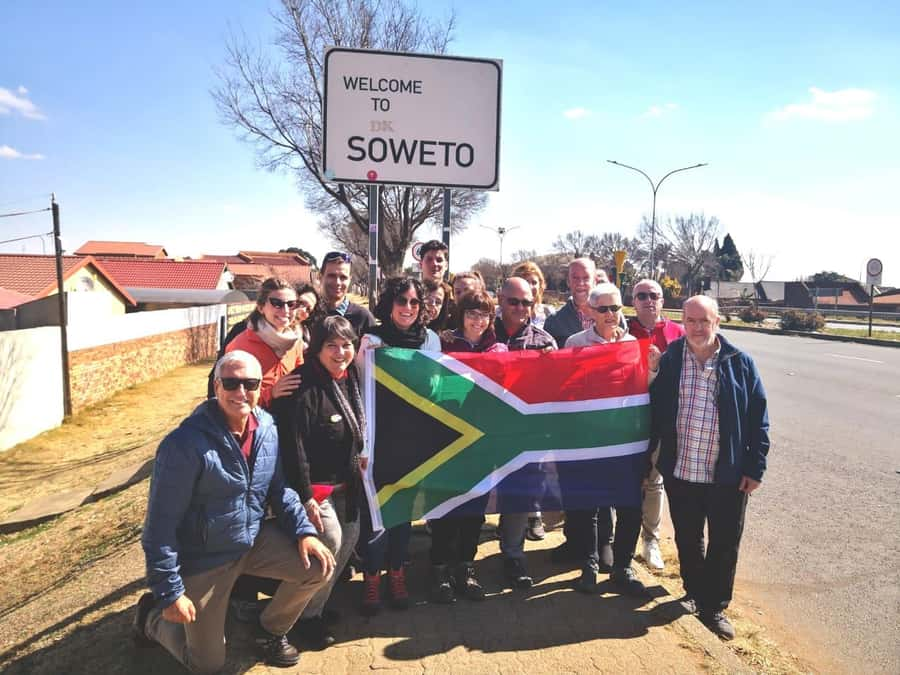
Soweto can feel overwhelming at first. It is vast, lively, and full of overlapping stories. That is why I like tours like this one. You get the big anchor points without losing the day-to-day feel.
This is a short, focused experience built around a theme: freedom, learning, and place. You start with wide views, then move into the spaces where people organized, protested, and kept community life going. Along the way, the route also includes the kinds of sites you would miss if you only stuck to one museum stop.
Starting With Views: Soccer City, Diepkloof Extension, and Orlando Towers
You begin with a pickup and a drive that sets the scene right away. The route goes by Soccer City, tied to the 2010 World Cup, which is a smart warm-up if you want context for modern Johannesburg before you step into Soweto’s deeper past.
Then you pass through the Diepkloof extension, described as an impressive drive segment. Even without getting out, you get a sense of scale. Soweto is not a single “thing.” It is districts, neighborhoods, and everyday life packed into one area.
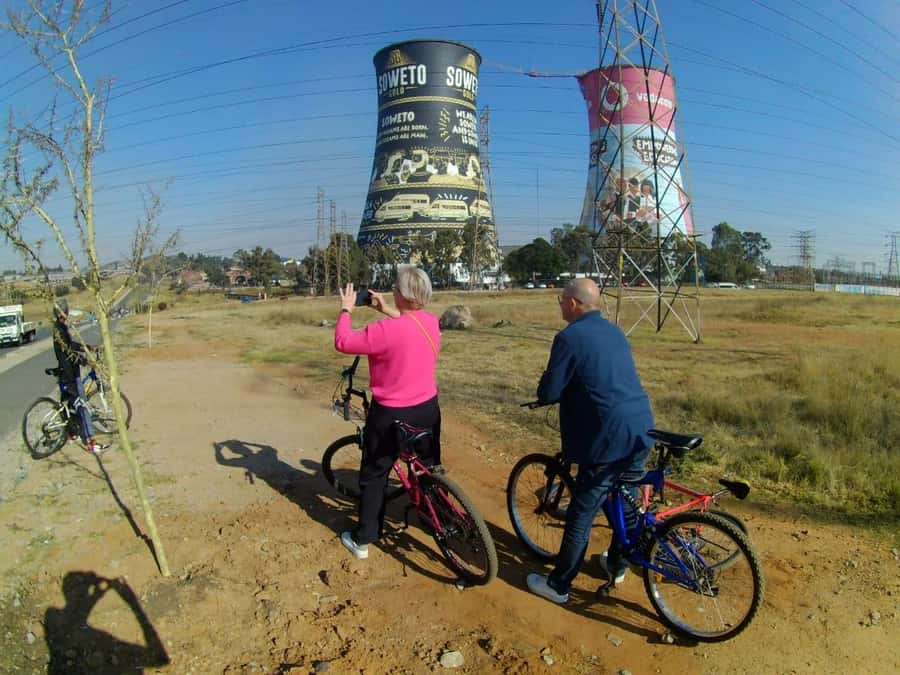
Next up are Orlando Towers, where you take in the view. Those towers help you understand how Soweto is laid out, and they also give you a cleaner mental map for the stops that follow. If you are the type who photographs everything (no judgment), this is also a great place to set your angle early, because the light can be forgiving for skyline-style shots.
Practical tip: treat this first stretch like your orientation period. Pay attention to direction and distance, and you will appreciate the later walking sections more.
Freedom Square in Kliptown: The Moment You Start to Understand the Story
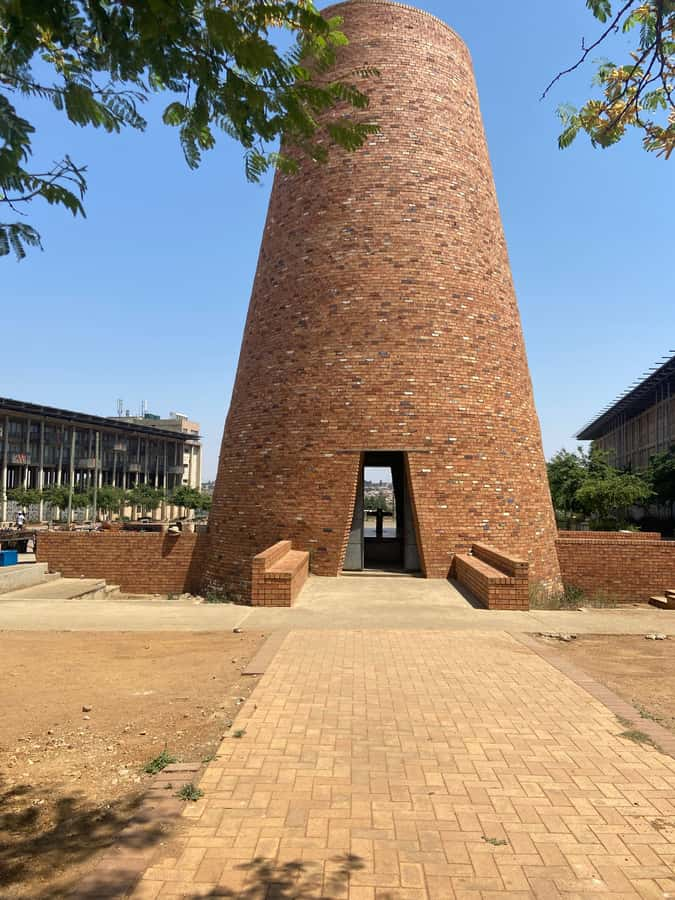
You then head to Freedom Square in Kliptown, a high-impact stop that ties history to place. This is where a guided tour earns its keep. Without context, these locations can feel like just another public space. With a good guide, the same streets and squares become a timeline you can feel.
Kliptown matters because it connects Soweto’s struggle to something bigger than one building. Freedom Square is the kind of stop where you start thinking in terms of community organizing, not just political headlines. The guide’s job here is to help you see how everyday people shaped events, even when power was stacked against them.
I also like that the tour is structured to keep momentum. You are not stuck waiting around. You move, you learn, you look, you move again. That pacing helps keep the day feeling compact and worth it.
Regina Mundi Cathedral: Why This Landmark Is So Often Mentioned
One of the highlights is Regina Mundi Cathedral, described as a major, game-changing landmark. The cathedral stands out because it represents more than architecture. It is tied to the mood of the time, and it helps explain why religious spaces, schools, and meeting places became part of resistance.
When you arrive, slow down and look around. Even if you only catch a few details, a cathedral like this tends to feel intentional, like it was made for gathering. That feeling helps you understand why certain sites carried weight during the 1976 uprising period.
A solid guide will also connect this stop to the next ones, especially the education-linked sites. Here, the story is about systems, not just spontaneous moments.
More sites and museums that record the apartheid years
Morris Isaacson High School and Other “Power House” Stops
As you continue, the route includes Morris Isaacson High School, described as one of the power houses behind the 1976 uprisings. That phrase is important. It shifts your view away from a single villain or a single hero and toward how youth, learning spaces, and leadership intersected.
If you have ever visited sites connected to major protest movements elsewhere in the world, you will recognize the pattern. Schools often become organizing hubs, partly because young people are concentrated there, and partly because education offers a shared language for arguing about fairness.
This is also where the small group format helps. With only up to 7 participants, you can ask questions without feeling like you are competing for the microphone. In past departures, the guide experience included detailed explanations and follow-up on questions, which is exactly what you want on stops like this.
Mofolo Super Bowl and Taxi Market Stops for Real-World Context
Not every meaningful moment happens at a memorial. Part of understanding Soweto is seeing its day-to-day geography.
The route passes via Mofolo Super Bowl, and you also go toward the Bara hospital / taxi market area. These are the kinds of places that ground your understanding. They are not staged for visitors. They show you how people move, how services connect to daily life, and how commerce and transport keep the neighborhood working.
You will likely not spend a long museum-style time here. Instead, you get a guided look at how these areas fit together. This is useful if you want your understanding to be practical, not just emotional.
Vilakazi Street Walking Time: Mandela, Bishop Tutu, and Local Life on Foot
One of the best parts of this tour is Vilakazi Street. This is the kind of walking segment you will remember because it is slower and more personal than vehicle stops.
The route includes the Vilakazi precinct, and you walk along Vilakazi Street in the footsteps of Mandela, with Bishop Tutu also referenced in the experience. That matters because it puts multiple legacies in one place. You are not only learning about one person. You are seeing how a neighborhood became a corridor for leadership and impact.
Also, walking helps with photography, not just sightseeing. You can stop where you want, capture street scenes, and get the rhythm of the area. If you come with realistic expectations, you will get the most out of it.
One more thought: street culture is the “texture” portion of the day. Even when you are not shopping, it helps you picture what people actually do here when there is no tour schedule running.
Mandela House Visits and the Hector Pietersen Memorial: Where the Feelings Get Specific
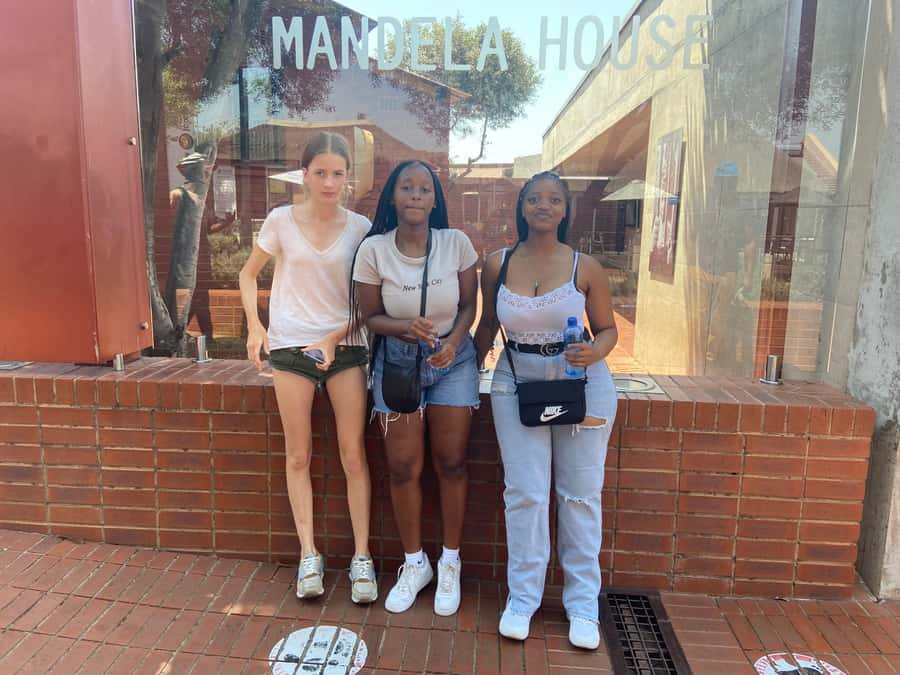
The tour includes entry tickets for the Mandela House area, with a guided visit. This is often the stop that turns learning into something personal. You move from general ideas into a specific place connected to the Mandela family story.
Then the route continues to the Hector Pietersen Memorial, another highlight where you can take pictures and absorb the message. This memorial is powerful because it puts a name and a moment on the timeline. It helps you understand the human cost of political conflict, especially during the 1976 uprising period.
If you are trying to decide what kind of visitor you are, ask yourself this: do you want history in words, or history in places? This part of the tour leans hard toward places.
A good guide here will be careful and tactful, which matters a lot when you are dealing with trauma and memory. In prior experiences, the guidance style included being safe, respectful, and highly detailed, with genuine attention to questions. That is exactly what I think makes a difference at Mandela House and the memorial.
Market Culture and Local Cuisine: What to Do With the Time You Actually Get
This Soweto tour is not only about monuments. It includes time connected to market culture, which is where you can taste what the area feels like right now.
You pass by areas like the Bara hospital and taxi market, and the experience also frames the day as street culture plus markets. The optional part is lunch. If you want to try something local, you can add an optional lunch in Soweto at your own cost.
Here is how I suggest you handle that decision: if you are hungry, plan to eat during that free choice window. If you skip lunch, you will at least have the freedom to snack and keep moving. Either way, you avoid the common tour trap of getting rushed through a single bland meal.
Practical advice: bring water, and do not wear shoes that punish your feet after several hours. The route is wheelchair accessible overall, but the ground conditions around walking stops can still be uneven, so comfortable footwear helps you enjoy every section.
Value for $93: What You Get in a Short, Guided Route
At $93 per person for about 4 hours, this is priced like a focused Johannesburg-area guided tour, not an all-day deep dive.
So, is it good value? In my view, yes, because you get several things bundled together:
- Transportation with pickup and drop-off
- A live English guide
- Entry tickets for Mandela House
- A route that mixes viewpoint stops, walking time, major landmarks, and market culture
The biggest “value” isn’t just the list. It is that the guide connects the stops, so the day adds up to a coherent story. That is harder to do on your own if you are short on time or don’t have local context.
If you are visiting Johannesburg for a limited stay and you want a single solid Soweto overview, this format makes sense. You will leave with landmarks you can name, neighborhoods you can picture, and a clearer sense of why those places matter.
Who This Tour Fits Best (And Who Might Want to Adjust Expectations)
This tour is a great match if you:
- Want a structured Soweto overview in half a day
- Like guided storytelling at sites like Mandela House and the Hector Pietersen Memorial
- Prefer small group travel, up to 7 participants
- Appreciate street culture and markets as part of the learning experience
It might feel less ideal if you:
- Want a slower pace with lots of time for unstructured wandering
- Prefer to stay longer inside museums or only focus on one single theme
In that case, you could still book, but go in ready to treat it as an efficient “see it, understand it, then return later” kind of day.
Practicalities That Actually Matter on the Day
Pickups and timing can make or break a tour. You are expected to wait in your hotel lobby at least ten minutes before the scheduled pickup time, and from private homes you should be positioned where you can see the vehicle arrive.
For clothes, bring comfortable shoes. High-heels are not allowed, which is a good rule for safety and walking. Also remember, the day includes both vehicle segments and walking.
On language, the tour is in English, and the guide is live, not audio-only. That matters at the stops where questions come up, especially around history and memory.
The experience provider is Moratiwa Gorup Pty Ltd, and the tour is listed as wheelchair accessible. Still, if mobility is a concern, it is smart to consider that walking portions exist, like the Vilakazi Street segment.
Should You Book This Soweto Tour?
I would book this tour if you want a clear, well-paced Soweto experience that combines major landmarks with real neighborhood texture. The strongest reasons are the small group size, the guided explanations with detailed answers, and the choice to include places like Freedom Square, Regina Mundi Cathedral, Mandela House, and the Hector Pietersen Memorial along with Vilakazi Street and market culture.
Book it if you value learning that stays respectful and grounded in place. If you want a very slow, hours-long museum day with no driving between points, look for a longer Soweto option. For most first-time visitors to Johannesburg who only have half a day to spend, this one is a solid, high-value way to get your bearings and your context at the same time.
FAQ
How long is the Soweto Tour?
The duration is 4 hours.
What is included in the price?
Transportation is included, along with entry tickets to Mandela House, a guided tour there, and hotel pickup and drop-off.
Is lunch included?
Lunch is not included. There is an optional lunch in Soweto that is your own account.
What should I bring or wear?
You should wear comfortable shoes. High-heeled shoes are not allowed.
What language is the tour guide?
The tour guide provides the tour in English.
Is it wheelchair accessible and how many people are in the group?
The tour is wheelchair accessible. It is a small group limited to 7 participants.
Apartheid History: Other Sites We Have Documented
Soweto: Other Guided Routes
Keep going: the rest of our Johannesburg write-ups
- Soweto Private half day tour
★ 4.5 · 3 reviews - Johannesburg’s Migration History with a local lunch
★ 5.0 · 3 reviews - Johannesburg: Soweto, Apartheid Museum, and Cradle tours
★ 4.7 · 3 reviews - Soweto Apartheid Museum and Lunch
★ 5.0 · 3 reviews - Bathongo Rhino & lion park nature reserve tour
★ 5.0 · 3 reviews - Johannesburg: Elephant and Monkey Sanctuary Half Day Tour
★ 5.0 · 3 reviews
Soweto Tours, compared.
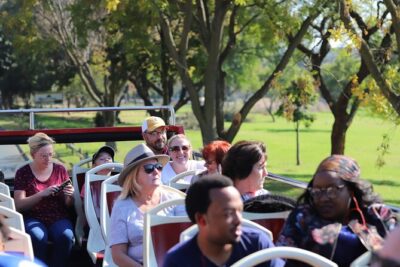 ★ 4.5Johannesburg Hop-On Hop-Off City Tour with Soweto OptionFrom $16768 reviews
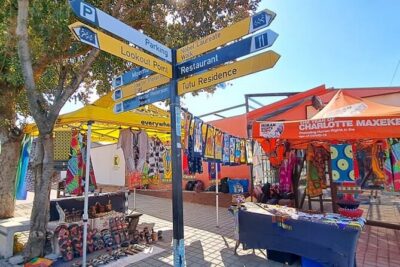 ★ 4.5Half-Day Tour of Soweto TourFrom $63712 reviews
 ★ 4.9Soweto: Walking Tour with a Local Guide and LunchFrom $43648 reviews
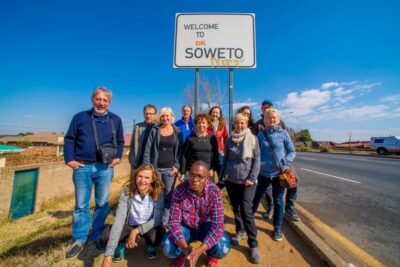 ★ 4.8Jo’berg in 1 Day: Soweto, Apartheid Museum & City TourFrom $142524 reviews
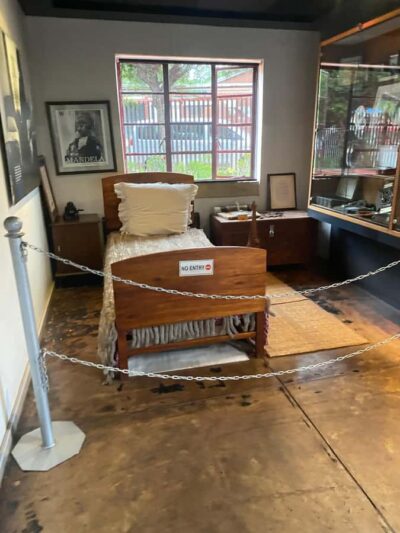 ★ 4.8Johannesburg: Full-Day Tour with Soweto and Apartheid MuseumFrom $104478 reviews
 ★ 4.8Johannesburg and Soweto: Half-Day TourFrom $71439 reviews
 ★ 5.0Full-Day Soweto, Apartheid Museum and Lunch TourFrom $108410 reviews
 ★ 5.0Half Guided Day Tour of Soweto And Apartheid MuseumFrom $69356 reviews
Browse the lists this tour appears in