

REVIEW · SOWETO TOURS
Soweto: Hector Pieterson Memorial, to Orlando Towers Tour
Soweto hits hard, then heals. This 4-hour guided route moves from the Hector Pieterson Memorial to Orlando Towers, weaving the 1976 Soweto Uprising into what daily life looks like in post-apartheid Soweto. You’ll also walk key stretches on foot, then switch to a local minibus taxi so you experience the rhythm of the township, not just the photo stops.
I especially like the way the tour tackles two sides at once: the apartheid legacy and the lived reality today, including the perspective of Soweto’s youth. I also like the food and social stops, from kota lunches to a beer tasting of Tolokazi beer at a local bar. The only real drawback is the pace, you’ll cover about 5 km on foot, and the tour isn’t suitable for wheelchair users.
In This Review
- Key highlights at a glance
- Why start at Hector Pieterson Memorial, not the usual viewpoint
- The meeting point and the 4-hour walking rhythm
- Moema Street and Vilakazi Street: the Mandela and Tutu context in one corridor
- Lunch on the ground: kota, braii, and a Tolokazi beer tasting
- Minibus taxi to Orlando East: the real map of where Apartheid shaped life
- Orlando Towers: ending at a landmark and watching the day’s story land
- Guides make or break it, and this one wins on clarity
- Price and value at about $34 per person for a half-day in Soweto
- Who should book, and who should pass
- Should you book the Soweto Memorial to Orlando Towers Tour?
- FAQ
- Where does the tour start?
- How long is the tour?
- What language is the tour guide?
- How much walking is involved?
- Is lunch included?
- Is the minibus taxi ride included?
- Are entry tickets and drinks included?
- Is the tour wheelchair accessible?
- Is there an optional stop during the tour?
Key highlights at a glance

- Hector Pieterson Memorial context: built around the 1976 Soweto Uprising, including the stories of young heroes like Hector Pieterson and Antoinette Sithole
- Vilakazi Street power walk: Mandela’s house area plus a stop tied to Arch-Bishop Desmond Tutu
- Local food, not museum food: lunch with township classics like kota, plus time for braii
- Tolokazi beer tasting stop: a quick, local flavor moment at a bar, with chances to chat
- Minibus taxi ride to Orlando East: a practical way to understand geography and how neighborhoods developed
- Optional informal settlement visit: a chance to see how Soweto looked earlier, and how living areas can vary within the township
Other Soweto routes we have reviewed, each with a local guide
- Johannesburg: Hop-On Hop-Off Bus with Optional Soweto Tour★ 4.6 · 985 reviews
- Soweto /Johannesburg and Apartheid Museum Guided Full Day Tour★ 5.0 · 932 reviews
- Johannesburg Hop-On Hop-Off City Tour with Soweto Option★ 4.5 · 768 reviews
- Half-Day Tour of Soweto Tour★ 4.5 · 712 reviews
Why start at Hector Pieterson Memorial, not the usual viewpoint
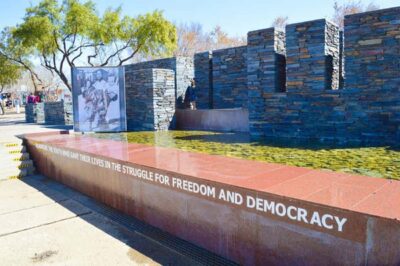
The tour’s first major stop sets the tone fast, and in the best way. You start at the Hector Pieterson Museum and Memorial, spending about an hour there with a guide. This is where the 1976 Soweto Uprising comes into focus, including why it became such a critical turning point in the fight against apartheid in South Africa.
What I like is that the tour doesn’t treat history like a lecture you have to survive. It uses the memorial as the anchor, then keeps connecting it to people’s lives after apartheid. That means when you later see ordinary streets and homes, you understand what shaped them.
You also get names and human scale, not just big dates. Antoinette Sithole and Hector Pieterson are part of the story, and that helps you follow the emotional logic of the uprising rather than memorizing facts.
The meeting point and the 4-hour walking rhythm
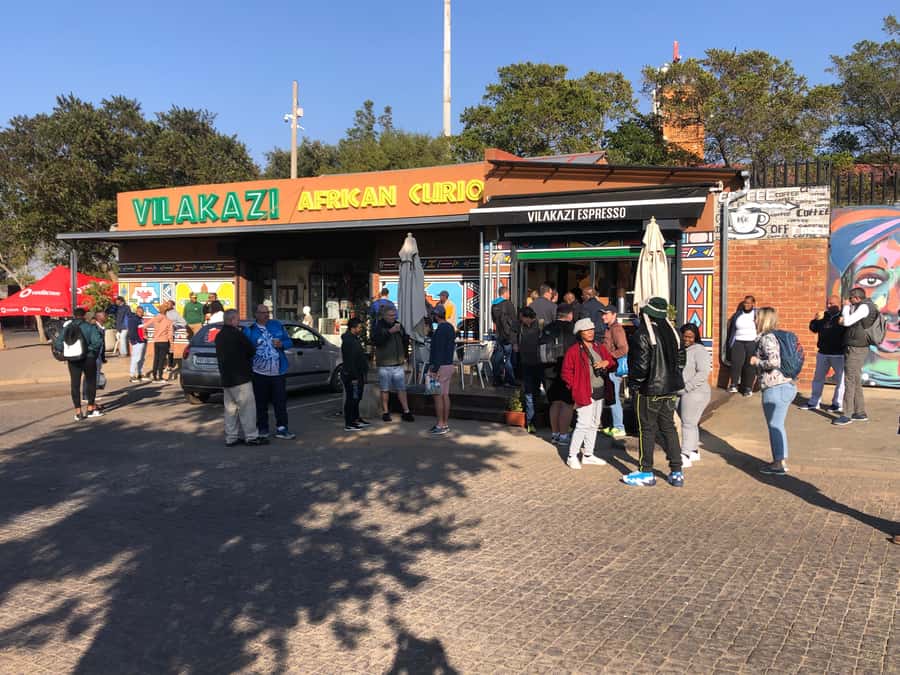
The whole day starts near the memorial area, at K & K Soweto Bakery, Coffee Shop. When you arrive, you’ll see the Hector Pieterson Museum and Memorial, and near the coffee shop there’s signage for Vilakazi Espresso in bold. The meeting spot is on the right-hand side of the coffee shop.
This is a true half-day tour, but it’s not a sit-and-watch one. You should plan for about 5 km total walking, with breaks built in. You’ll also hop in a minibus taxi partway through, so the day doesn’t become one long shuffle.
Because you’ll be moving on foot, I strongly suggest you show up ready. Comfortable shoes matter here, as does a hat and biodegradable sunscreen. I’d also bring a charged smartphone, hand sanitizer or tissues, and a power bank, since you’ll likely want photos and maps as you go.
The tour is in English with a live guide, and the duration is about 4 hours. The plan is designed so you can learn a lot without feeling rushed between stops.
Moema Street and Vilakazi Street: the Mandela and Tutu context in one corridor
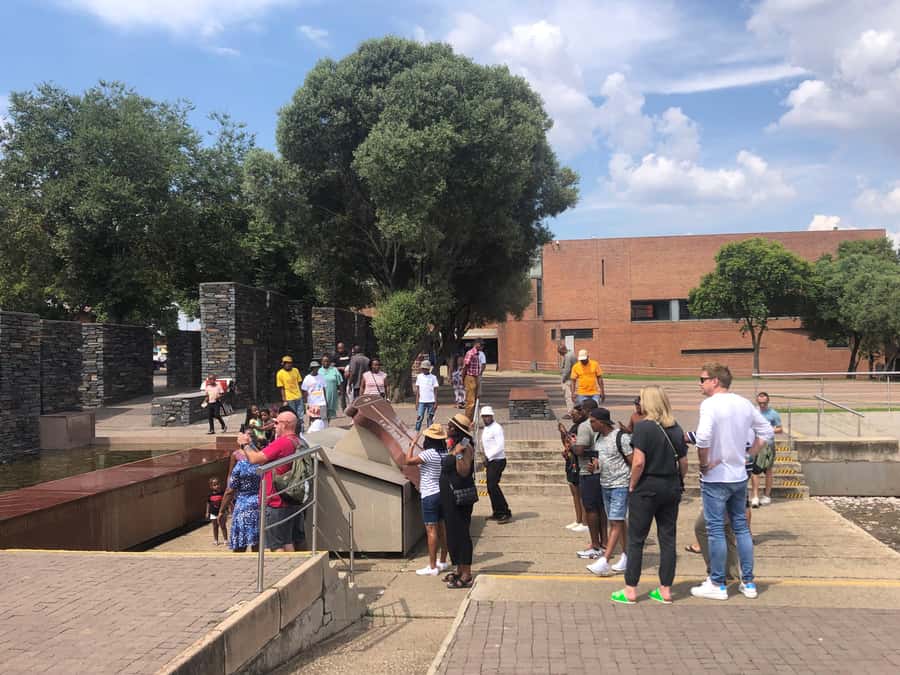
After the memorial, you head toward the street-level heart of Soweto history. There’s a short guided stop on Moema Street, then you shift to Vilakazi Street (Orlando West) where you’ll walk and see key areas related to major leaders.
Vilakazi Street is famous because it connects multiple leadership stories in a way that feels real, not staged. You get time for guided sightseeing and then a self-guided window to focus on Mandela’s house area for about 30 minutes. That self-guided time is useful, because it lets you slow down and look at what catches your attention, not what only fits the guide’s timing.
The tour also includes the former home of Arch-Bishop Desmond Tutu. Even if you only know him from headlines, your guide’s job is to translate that fame into local importance. In my view, this part of the tour is where you start seeing leadership as community geography, not just biographies.
One practical note: this section is on foot and walking pace matters. Bring water if you like, because drinks aren’t listed as included, and you’ll be in the sun at some point.
Lunch on the ground: kota, braii, and a Tolokazi beer tasting
A good history tour should feed you. This one does, with lunch included and food stops built into the schedule.
You’ll get a brunch-style meal on Vilakazi Street, with about 40 minutes set aside for regional food. The highlights call out township classics like the kota, often described as a township burger, and the famous braii. The exact menu isn’t spelled out in your info here, but the key point is that you’re eating like people around you actually eat, not just grabbing a generic meal.
Then there’s a local bar stop for a chance to do a beer tasting of Tolokazi beer, with a short walk involved. This is the kind of stop I like because it turns the tour from sightseeing into conversation. You can meet and greet locals during the day, and those small chats can do more to explain Soweto than another ten minutes of narration.
Two value notes to keep you grounded. First, lunch is included, so you’re not paying extra for the main meal. Second, drinks are not included, so if you want more than tastings, budget accordingly.
Also, remember the tour rules: alcohol and drugs are not allowed. That matters if you’re the type who plans to bring beverages for yourself. The tasting is part of the plan, but the policy is still clear about what’s allowed.

Minibus taxi to Orlando East: the real map of where Apartheid shaped life

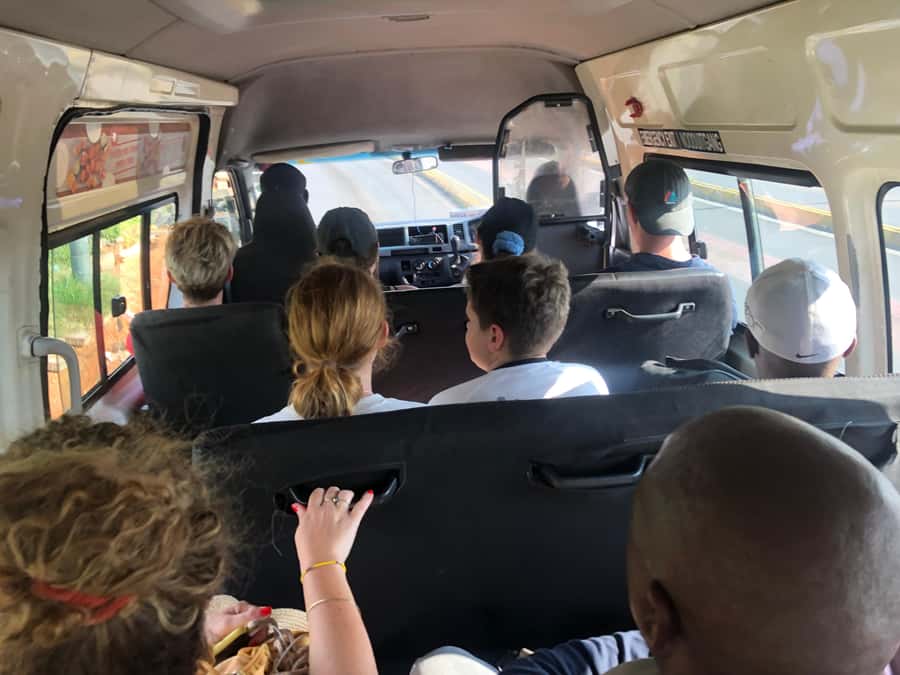
Now comes the part that makes the tour feel like you’re traveling through Soweto, not just visiting it. You hop into a minibus taxi for the ride toward Orlando East, and the tour includes a taxi ride around Soweto.
Orlando East is a meaningful stop because it’s described as the first location to have brick houses, sometimes referred to as formal settlement. Your guide’s role here is to translate that fact into what it means historically and socially, especially in a township shaped by apartheid planning.
In practical terms, this taxi segment helps you understand spacing and neighborhood flow. It’s also where you’re more likely to see everyday life play out around you. The tour plan includes a chance to meet and greet locals while you ride, so you’re not stuck looking only at buildings.
There’s also an optional add-on. If you choose the optional visit, you’ll stop at an informal settlement and see how Soweto first looked, then explore the lowest living class area. The tour info frames Soweto as a middle-class township, but also notes segregation into three living classes. That’s heavy context, and you’ll want to be mentally ready.
If you’re sensitive to contrasts in living conditions, take your time here. Ask your guide what you can do to be respectful. And keep in mind this is an optional element, so you can choose what feels right for your comfort level.
Orlando Towers: ending at a landmark and watching the day’s story land
The final stretch brings you to Soweto Towers, where you walk and do sightseeing for a short window. This stop functions like a living punctuation mark. You’ve already covered memorial history, leader homes, food, local bars, and taxi rides through changing neighborhood patterns.
By the time you reach the towers, you’re not starting from scratch. You’re reading the township with context in your head, and that changes what you notice. For me, the towers section is about noticing the energy of everyday life while still remembering the politics that shaped the ground under it.
Your total walking distance and the day’s pace mean you’ll probably arrive at this point ready to absorb and not ready to sprint for photos. So I’d treat the end stop as a chance to slow down, look, and take a few good pictures rather than trying to capture everything.
Guides make or break it, and this one wins on clarity
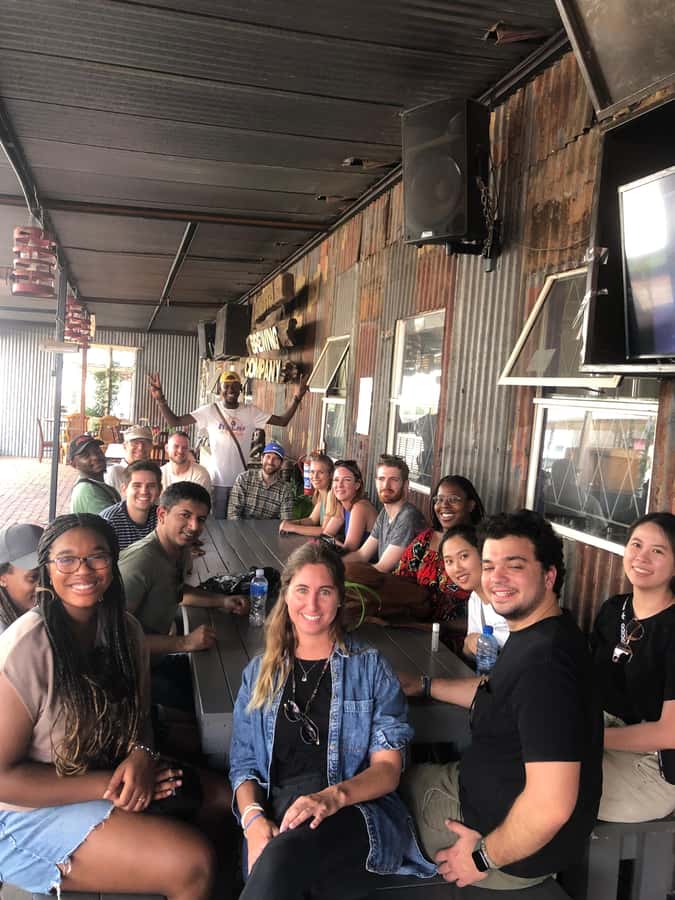
This is a guide-driven tour, and the reviews you provided strongly back that up. Guides like Tebogo and Dumisani (also referred to as Dumi) come up again and again for doing two hard things at once: delivering clear history and staying open to questions.
What stands out is how often people call out safety and engagement. The guide keeps you interested during the full 4 hours, and the vibe stays calm and organized. One reason this matters is that Soweto can feel like a big place when you’re unfamiliar with it. A good guide helps you keep your bearings quickly, and they handle the pacing between walking and the taxi ride.
Another praised quality is how well guides communicate next steps. The day flows from memorial to streets to food to taxi to towers, and you’re not left guessing what comes next. That reduces stress, and it also makes it easier to ask questions without holding up the schedule.
If you like learning but hate feeling lectured, this is likely your style. The guide uses storytelling, points out what to look for, and answers questions with real confidence. It’s also built for people who care about the youth angle, since the tour info emphasizes how young people protested in 1976 and how youth live in Soweto today.
Price and value at about $34 per person for a half-day in Soweto
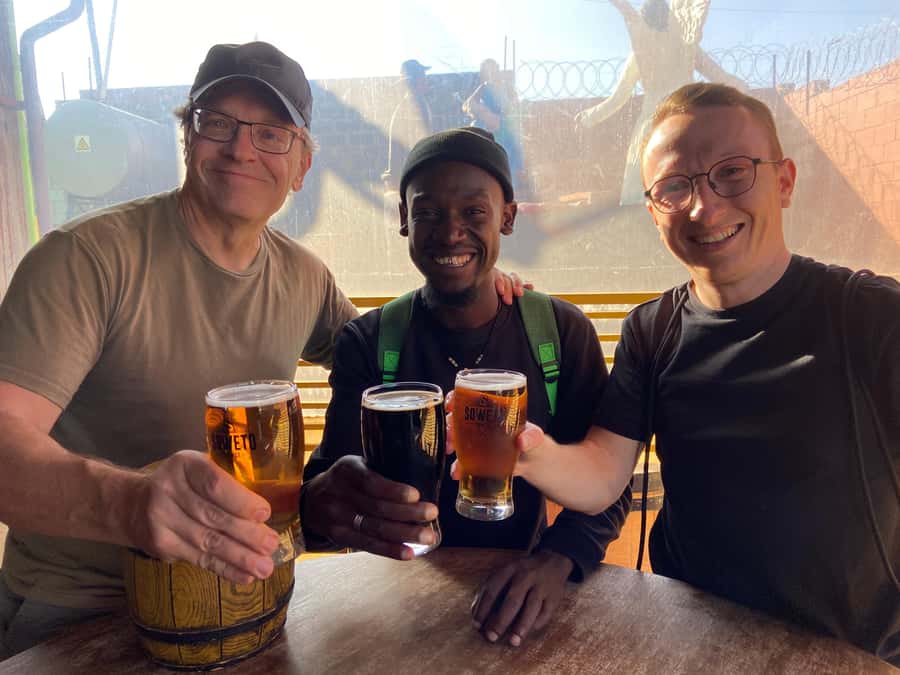
At $34 per person for 4 hours, the value is best understood as access plus food plus local transport, not just walking plus a guide.
Here’s what you get that helps justify the cost based on the tour details:
- Lunch included, with time for regional food on Vilakazi Street
- Minibus taxi ride included, which is a big part of what makes the route make sense
- Live English guide for the key historical stops
- Stops that include Mandela’s house area, the Desmond Tutu former home area, and the Orlando East section tied to housing history
- A planned beer tasting stop and local social time
What’s not included:
- Entry tickets (so you might pay separately if any sites charge)
- Drinks beyond what’s described as part of tastings
So if you’re comparing costs, think about what you’d spend on a guide plus transport plus a real lunch. This tour bundles those into one price, which usually works out well when you’re short on time and want structure.
The other value factor is emotional efficiency. This route is compact but it covers the memorial, leader homes, and post-apartheid geography in one go. That helps you walk away with a connected story, instead of scattered facts.
Who should book, and who should pass
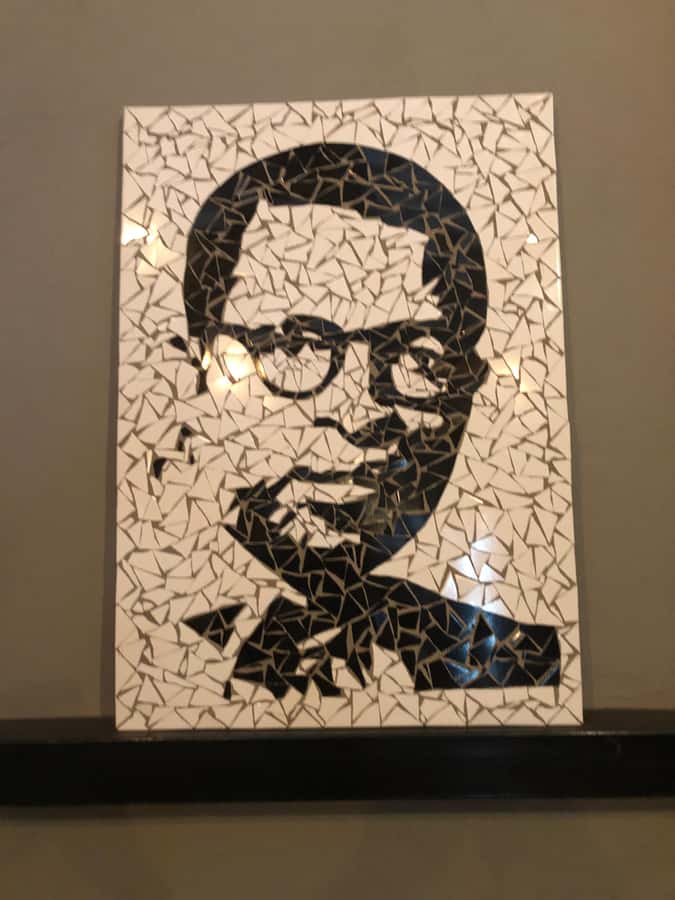
This is a strong fit if you:
- Want to understand the impact of apartheid in a place where it still shapes streets, neighborhoods, and daily life
- Like guided context at real sites like the Hector Pieterson Memorial
- Want local food time, including kota and braii
- Prefer small walking segments mixed with local transport
- Enjoy asking questions and getting straight answers from your guide
You might want to pass if:
- You can’t handle a total walk of about 5 km
- You need wheelchair-friendly access, because the tour is listed as not suitable for wheelchair users
- You want a purely sightseeing day with no heavy historical framing, since the memorial and uprising context are central to the experience
Should you book the Soweto Memorial to Orlando Towers Tour?
I’d book it if your goal is to connect the emotional arc of Soweto’s past to what you’ll see on the street today. Starting at Hector Pieterson Memorial and ending at Orlando Towers gives the day a clear narrative shape, and the food and taxi ride keep it from turning into a dry history loop.
Choose it with confidence if you’re traveling with curiosity and a good walking attitude. If you’re worried about the walking distance, plan for comfortable shoes, take breaks when offered, and consider whether you want the optional informal settlement stop.
If your priorities are easy logistics and light context only, this might feel like too much. But if you want a guided half-day that makes sense of Soweto, the mix of memorial learning, leader street stops, lunch, Tolokazi tasting, and the minibus ride to Orlando East is hard to beat for the price.
FAQ
Where does the tour start?
The meeting point is K & K Soweto Bakery, Coffee Shop, near the Hector Pieterson Museum and Memorial. The meeting spot is on the right-hand side of the coffee shop next to the Vilakazi Espresso signage.
How long is the tour?
The tour duration is 4 hours.
What language is the tour guide?
The live tour guide speaks English.
How much walking is involved?
You’ll walk a total of about 5 km (3.1 miles) with stops in between.
Is lunch included?
Yes. Lunch is included.
Is the minibus taxi ride included?
Yes. A minibus taxi ride around Soweto is included.
Are entry tickets and drinks included?
No. Entry tickets and drinks are not included.
Is the tour wheelchair accessible?
No. The tour is listed as not suitable for wheelchair users.
Is there an optional stop during the tour?
Yes. There’s an optional visit to an informal settlement to see how Soweto first looked and to explore the lowest living class area.
Soweto: Other Guided Routes
Keep going: the rest of our Johannesburg write-ups
- Soweto Private half day tour
★ 4.5 · 3 reviews - Johannesburg’s Migration History with a local lunch
★ 5.0 · 3 reviews - Johannesburg: Soweto, Apartheid Museum, and Cradle tours
★ 4.7 · 3 reviews - Soweto Apartheid Museum and Lunch
★ 5.0 · 3 reviews - Bathongo Rhino & lion park nature reserve tour
★ 5.0 · 3 reviews - Johannesburg: Elephant and Monkey Sanctuary Half Day Tour
★ 5.0 · 3 reviews
Soweto Tours, compared.
 ★ 4.5Johannesburg Hop-On Hop-Off City Tour with Soweto OptionFrom $16768 reviews
 ★ 4.5Half-Day Tour of Soweto TourFrom $63712 reviews
 ★ 4.9Soweto: Walking Tour with a Local Guide and LunchFrom $43648 reviews
 ★ 4.8Jo’berg in 1 Day: Soweto, Apartheid Museum & City TourFrom $142524 reviews
 ★ 4.8Johannesburg: Full-Day Tour with Soweto and Apartheid MuseumFrom $104478 reviews
 ★ 4.8Johannesburg and Soweto: Half-Day TourFrom $71439 reviews
 ★ 5.0Full-Day Soweto, Apartheid Museum and Lunch TourFrom $108410 reviews
 ★ 5.0Half Guided Day Tour of Soweto And Apartheid MuseumFrom $69356 reviews
Browse the lists this tour appears in