
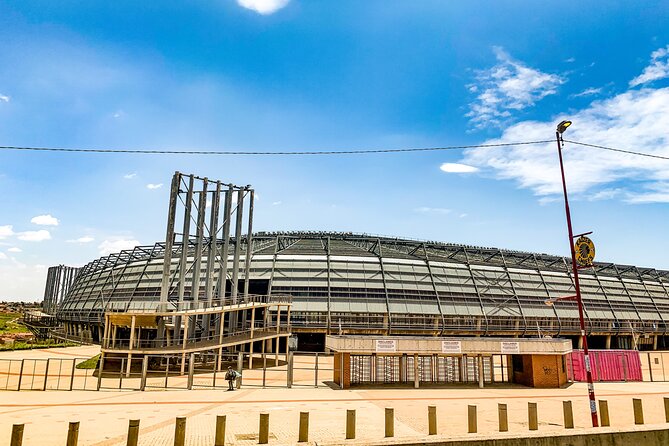
REVIEW · SOWETO TOURS
Soweto by Tuk-Tuk
History hits different in a tuk-tuk ride. This Soweto by Tuk-Tuk tour takes you through major sites tied to the fight against apartheid, with stops on and around Vilakazi Street plus visits that show how Soweto developed over time. I love the tuk-tuk pace that helps you cover a lot in 2 hours 30 minutes, and I love the local guide storytelling that makes each place feel connected rather than random. One possible drawback to plan for: expect some walking on the streets, so wear comfortable shoes.
Lunch is built into the flow, and that matters. You stop at Chaf Pozi, located between the famous Soweto towers, then you keep going through neighborhoods that include both more established housing areas and a visit to an informal settlement. If you prefer a purely light sightseeing day, the activist stories and the Soweto uprising focus can feel emotionally heavy.
In This Review
- Key things to know before you go
- Riding a tuk-tuk through Soweto: how it changes the day
- Starting at Orlando West: Orlando’s street level meets the larger story
- The street walk: why the township stroll is more than a warm-up
- Vilakazi Street stroll: two Nobel-worthy addresses on one famous road
- Mandela House visit: what included entry time really buys you
- Orlando East and the housing contrast you can actually see
- Informal settlement stop: seeing challenges through a guided lens
- Hector Pietersen Museum: the Soweto uprising as a turning point
- The women’s hostel story and Mama Lilian Ngoyi’s family home
- Lunch at Chaf Pozi, plus a Kota taste you can carry in your memory
- Time, comfort, and how the tour actually moves
- Price and value: what $53.77 includes and what it means for you
- Who should book this Soweto by Tuk-Tuk tour
- Should you book Soweto by Tuk-Tuk?
- FAQ
- How long is the Soweto by Tuk-Tuk tour?
- What does the tour price include?
- Where is the tour meeting point, and does it end there too?
- Is this a private tour?
- Do I get a mobile ticket?
- What is the cancellation policy?
- Is it booked far in advance?
Key things to know before you go

- Tuk-tuk transport across several neighborhoods so you are not stuck moving at a slow pace between stops
- Vilakazi Street on foot where the guide connects famous names and places to everyday life in Soweto
- Mandela House admission included with a dedicated visit time
- Orlando East plus an informal settlement stop, so you see contrasts in housing and challenges
- Hector Pietersen Museum as a key turning-point stop tied to the Soweto uprising
- Lunch at Chaf Pozi and a Kota taste as part of the tour, not an optional add-on
Other Soweto routes we have reviewed, each with a local guide
- Johannesburg and Soweto tour★ 5.0 · 231 reviews
- Soweto Half Day Tour★ 5.0 · 231 reviews
- Soweto walking tour with a taxi ride★ 4.5 · 42 reviews
- Soweto, Kliptown, Eldorado Park Tour★ 5.0 · 41 reviews
Riding a tuk-tuk through Soweto: how it changes the day
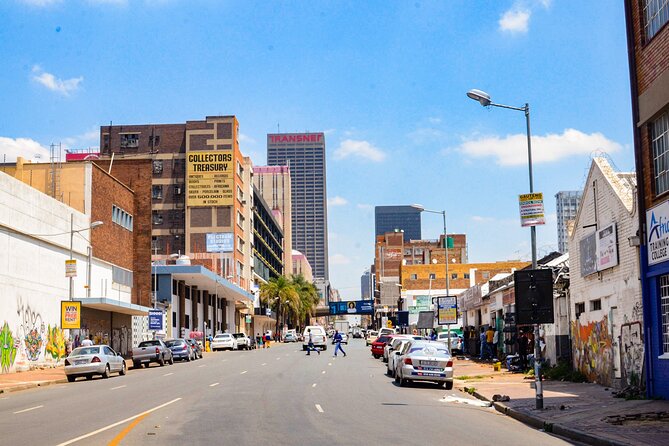
Soweto can feel big and spread out, especially if you try to piece it together on your own. This tour solves that with a tuk-tuk approach. You get the practical benefit of moving more ground in less time, while also keeping the trip playful and close to the street.
That matters because this is not a cookie-cutter photo-and-go route. The guide is focused on taking you into the heart of the township, meeting locals, and pointing out how different parts of Soweto relate to South Africa’s broader story. Riding on a tuk-tuk helps you slow down in the right places, even while you are covering a lot.
You also get a day that feels structured but not rushed. The whole experience runs about 2 hours 30 minutes, so it is long enough to hit major landmarks but short enough to still feel energetic at the end.
Starting at Orlando West: Orlando’s street level meets the larger story
Your tour begins at Moema Street & Rampa Street in Orlando West. Starting in Orlando West is useful because it anchors the whole experience in Soweto’s setting from the start, before you fan out toward the most famous sites.
You begin with time to walk around the township, and the guide frames the establishment of the township from 1886 and how Soweto connects to the wider Johannesburg story. That opening context is a big deal. Without it, Mandela House and Hector Pietersen Museum can feel like separate stops. With it, they become a timeline you can follow.
Orlando West also sets the tone for what comes next. You get a sense of neighborhood character, then you move into areas where famous figures lived and where major moments played out. The day becomes easier to understand because you are seeing Soweto in layers.
The street walk: why the township stroll is more than a warm-up
A walking segment early on is not just for stretching your legs. It helps you pick up the rhythm of the streets before you start focusing on specific landmarks. As you move through the township, the guide can point out differences between neighborhoods and explain what those differences mean in real life.
This part also sets you up for the emotional weight later in the tour. When you understand the “here and now” of the community, it becomes clearer why the historical events mattered so much to the people living in Soweto.
Practical tip: if you are sensitive to long periods in the sun, plan for that. Even though the tuk-tuk does the heavy lifting, you still need shoes you can walk in comfortably.
Vilakazi Street stroll: two Nobel-worthy addresses on one famous road
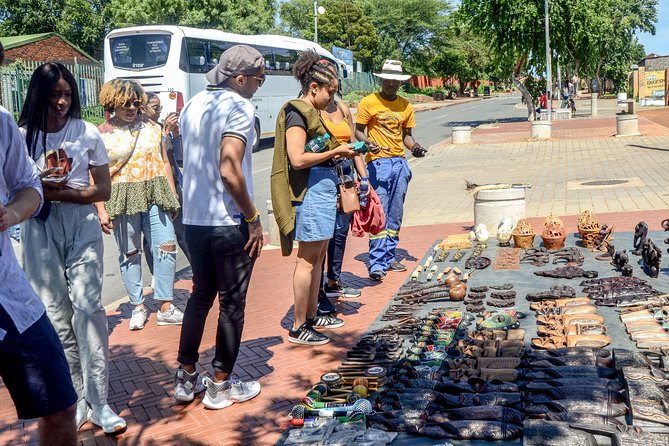
One of the most memorable parts is the guided stroll along Vilakazi Street. This is where the tour leans hard into place and meaning, not just sightseeing. The guide explains why the street is so well known and how it houses two Noble Peace Prize recipients.
Vilakazi Street matters because it is where the personal and the political overlap in an easy-to-grasp way. Instead of hearing history only in museum form, you see how it lives in neighborhoods and homes. Walking the street helps you feel the geography of Soweto, which makes later museum stops land harder.
You also get the chance to connect names you may recognize to actual locations you can stand next to. The tour includes iconic stops on or connected to Vilakazi Street, including Nelson Mandela House and the area tied to Archbishop Desmond Tutu House.


Mandela House visit: what included entry time really buys you
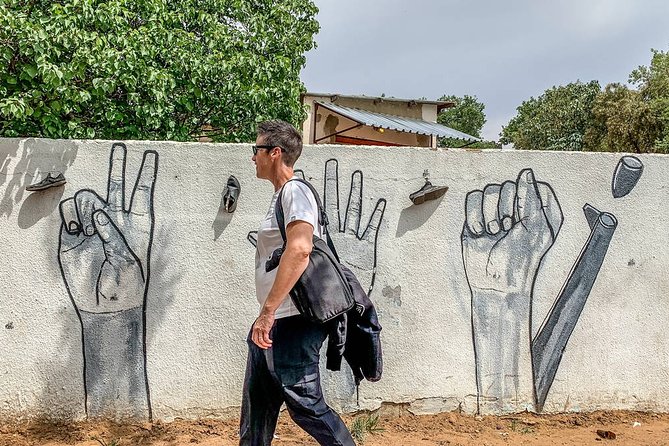
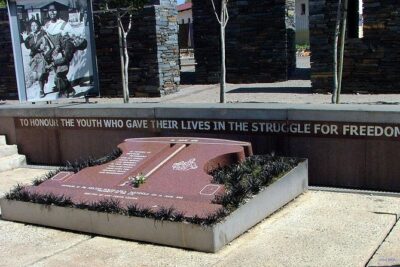
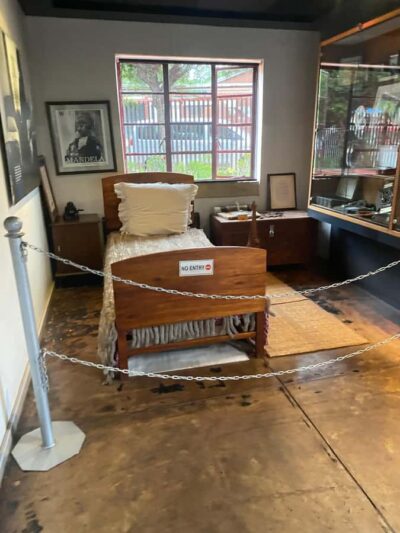
The tour includes a visit to Mandela House, with 30 minutes and admission ticket included. That dedicated time is valuable. It is enough to take in the essentials without turning the visit into a rushed checkbox.
This stop works best when you let the guide slow you down. The value is not only in seeing the house, but in understanding what the guide connects it to: apartheid-era struggle, the downfall of the regime, and the human story behind a political legend.
Even if you already know the basics, having a guide tie the stop to what you saw moments earlier on the streets makes it feel more grounded. It is the difference between reading about history and standing near the physical reminders of it.
Orlando East and the housing contrast you can actually see

After Vilakazi Street, you shift toward Orlando East, where the tour focuses on how the area developed and what that development meant. You visit with a local guide to learn about Orlando East as the first formal houses of Soweto, plus the challenges that came along with that growth.
This is one of the strongest sections of the tour because it avoids a one-note story. Soweto is not presented as a single uniform neighborhood. You see parts that feel more established, then you move to areas that highlight pressing realities.
When the guide explains the contrasts, the tour becomes more useful than a simple list of landmarks. You start understanding how history, policy, and community life connect to housing and daily conditions.
Informal settlement stop: seeing challenges through a guided lens
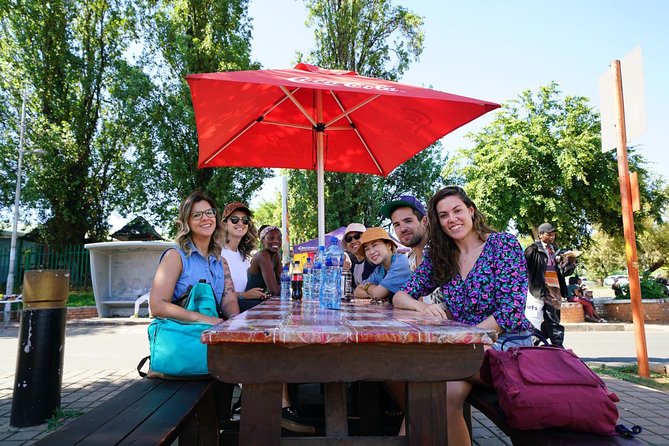
The tour also includes a visit to an informal settlement. This is where the experience turns from historical landmarks to present-day complexity. The guide frames the challenges in a way that keeps the focus on context, not shock value.
A visit like this is worth taking seriously. You should be ready for the emotional realism of it. If you are expecting only famous names and famous buildings, this part may feel more intense than you planned.
Practical note: bring a calm mindset and be respectful. You are visiting real spaces lived in by real people, not a staged set.
Hector Pietersen Museum: the Soweto uprising as a turning point

Next up is Hector Pietersen Museum, tied to where the Soweto uprising transpired. This stop is a turning point in the tour because it reframes the rest of the day into cause and effect.
The guide explains how the uprising became one of the major moments in the breakdown of apartheid in South Africa. The museum stop adds weight to the earlier “people and places” approach you get on Vilakazi Street and around the homes linked to major activists.
If you like history that explains why events mattered, you will appreciate this segment. It helps you understand what made the struggle so urgent and why the consequences reached far beyond Soweto.
The women’s hostel story and Mama Lilian Ngoyi’s family home
You also visit a former women’s hostel and the family home of Mama Lilian Ngoyi, an anti-apartheid activist. These stops round out the story by putting women’s roles and activism into the spotlight.
It is a meaningful change of pace. Earlier you have the focus on major leaders and widely known names. Here, you shift toward people whose work shaped resistance in important ways, and you see how activism can be personal, communal, and sustained.
If you pay attention, these stops also help explain how movements are built. They are not just about the headline moments, they are about organized courage that shows up in homes and institutions.
Lunch at Chaf Pozi, plus a Kota taste you can carry in your memory
Food makes this tour feel complete. Lunch is served at Chaf Pozi, located between the famous Soweto towers. You also get bottled water with the lunch stop.
What I like about this arrangement is the timing. Eating here breaks up the day so the landmarks do not all blend together into one emotional blur. After lunch, you can refocus with a clearer head on the remaining history-heavy stops.
Then there is the final food highlight: a taste of the local sandwich, the Kota. Having that as part of the route matters because it ties Soweto’s identity to everyday life, not only to historic events.
Practical tip: if you have dietary needs, ask ahead. The tour data confirms lunch and water are included, but it does not list specific dietary options.
Time, comfort, and how the tour actually moves
The total duration is about 2 hours 30 minutes. That means you are not stuck waiting around for hours between stops. The tuk-tuk helps keep the pace from feeling chaotic.
This is also a private tour/activity, meaning only your group participates. For a lot of people, that is the sweet spot. You can ask questions, the guide can adjust the walking time, and you avoid the feeling of being herded through history at someone else’s speed.
Confirmation is provided at booking, and you use a mobile ticket. The meeting point is near public transportation, which can make it easier to coordinate your day in and around Pretoria.
Most people can participate, but remember the key practical factor is walking. If walking on uneven streets is not your thing, consider whether you can handle the street time comfortably.
Price and value: what $53.77 includes and what it means for you
At $53.77 per person, the biggest value drivers here are not just the transport. Your ticket includes lunch (local lunch), bottled water, private transportation, and a driver/guide. Mandela House admission is also included (built into that 30-minute visit).
That matters because many tours like this quietly charge you extra for entry fees and food once you are already committed. Here, the tour is built around an included meal and a key attraction entry, which makes it easier to budget and enjoy the day without surprises.
What is not included is personal spending and any additional items you might want to buy during stops. So bring some cash or card if you plan to pick up small souvenirs or additional drinks.
Who should book this Soweto by Tuk-Tuk tour
This tour is a great fit if you want a day that mixes major landmarks with neighborhood context. The tuk-tuk format suits people who want to cover ground without feeling stuck in long transfers.
It is also a strong choice if you care about how apartheid history is explained through real places. The route focuses on Mandela House, the Desmond Tutu connection on Vilakazi Street, Hector Pietersen Museum, plus activism connected to Mama Lilian Ngoyi. The guide’s approach is designed to connect those stops into a coherent story.
If you want a purely relaxing sightseeing afternoon with minimal emotional content, you may prefer a lighter route. This day includes apartheid downfall themes and the Soweto uprising, plus a visit to an informal settlement. Plan for that emotional realism and you will get more out of it.
Should you book Soweto by Tuk-Tuk?
Yes, if you want an efficient, street-level way to see Soweto’s most important sites and still have lunch that feels local. The combination of tuk-tuk transport, included Mandela House entry, and a real guided flow through multiple areas makes it a solid value for a short time in the area.
I would skip it only if you strongly dislike guided walking segments or you want a history-light day. Otherwise, this is the kind of tour that gives you context fast, helps you understand what you are looking at, and ends with you holding both the stories and the flavors of Soweto.
FAQ
How long is the Soweto by Tuk-Tuk tour?
It lasts about 2 hours 30 minutes.
What does the tour price include?
The included items are local lunch, bottled water, private transportation, and a driver/guide. Mandela House admission is included for the 30-minute visit.
Where is the tour meeting point, and does it end there too?
The start is Moema Street & Rampa Street in Orlando West, Soweto (1804, South Africa). The activity ends back at the meeting point.
Is this a private tour?
Yes. Only your group will participate.
Do I get a mobile ticket?
Yes. The tour provides a mobile ticket.
What is the cancellation policy?
You can cancel for a full refund up to 24 hours in advance. If you cancel less than 24 hours before the start time, the amount paid is not refunded.
Is it booked far in advance?
On average, it is booked 11 days in advance. You can also cancel for free up to 24 hours before, so booking ahead can still be flexible.
Soweto: Other Guided Routes
Keep going: the rest of our Pretoria write-ups
- Pretoria City Tour and Cullinan Mine Tour from Johannesburg
★ 5.0 · 3 reviews - Full Day Soweto, Johannesburg and Apartheid Museum Guided Tour
★ 5.0 · 3 reviews - Cradle of Humankind Full Day Tour from Pretoria and Johannesburg
★ 4.5 · 3 reviews - 3-Day Private Tour Johannesburg – See everything
★ 5.0 · 3 reviews - From Johannesburg: Pretoria Guided City Tour
★ 4.5 · 3 reviews - Pretoria Tour-Voortrekker Monument, Town, Union Buildings
★ 5.0 · 3 reviews
Soweto Tours, compared.
 ★ 4.5Johannesburg Hop-On Hop-Off City Tour with Soweto OptionFrom $16768 reviews
 ★ 4.5Half-Day Tour of Soweto TourFrom $63712 reviews
 ★ 4.9Soweto: Walking Tour with a Local Guide and LunchFrom $43648 reviews
 ★ 4.8Jo’berg in 1 Day: Soweto, Apartheid Museum & City TourFrom $142524 reviews
 ★ 4.8Johannesburg: Full-Day Tour with Soweto and Apartheid MuseumFrom $104478 reviews
 ★ 4.8Johannesburg and Soweto: Half-Day TourFrom $71439 reviews
 ★ 5.0Full-Day Soweto, Apartheid Museum and Lunch TourFrom $108410 reviews
 ★ 5.0Half Guided Day Tour of Soweto And Apartheid MuseumFrom $69356 reviews
Browse the lists this tour appears in