
REVIEW · SOWETO TOURS
Private Soweto,Mandela House,Apartheid Museum,Constitution
Soweto, Mandela, and the constitution in one day. This private Johannesburg loop smartly strings together four of the city’s most important sites, with the pacing built for real museum time instead of a frantic checklist. Two things I really like are that you move at a comfortable pace and you get skip-the-line museum entry so less time vanishes at ticket windows.
I also like that Soweto is scheduled in the morning, when traffic is typically less of a fight, and the guide brings South Africa to life with stories from someone who grew up around mining communities. One possible drawback to note is that while it’s sold as private, ask for clarity up front if you want zero chance of the group being expanded.
In This Review
- Key points to know before you go
- A calm, queue-free first day in Johannesburg
- Shane and the third-generation storyteller approach
- Soweto in the morning: Mandela House, Tutu’s street, and 1976 youth protests
- A realistic consideration
- World Cup stadium stop: why it fits this history route
- Apartheid Museum at your pace
- What you’ll likely appreciate most
- A practical trade-off
- Constitutional Court and prison: connecting the political to the personal
- How the prison visit tends to feel
- Price and logistics: what $99 buys you in real terms
- Comfort details that make a history day easier
- Who this tour is best for
- My booking verdict: should you book this Johannesburg tour?
- FAQ
- What attractions are included on this tour?
- How long is the tour?
- Is pickup included?
- Is there a skip-the-line advantage?
- What language is the tour guide?
- Is this tour private?
- Are museum tickets included in the price?
- Is food or drinks included?
- Is there free Wi-Fi on the tour?
- What if my plans change?
Key points to know before you go

- Morning Soweto timing helps keep the drive calmer and the itinerary on track.
- Shane, the guide tells stories from a third-generation South African perspective, and he wrote the book White Boy.
- Mandela House and Hector Peterson Memorial are handled with context, not just quick sightseeing.
- Apartheid Museum pacing works well, since you get the time you need (often 2 to 3 hours there).
- Comfortable car plus free Wi-Fi makes the long history days feel easier.
- Constitutional Court and prison connect the political dots between apartheid and the new South Africa.
Other Soweto routes we have reviewed, each with a local guide
- Johannesburg: Hop-On Hop-Off Bus with Optional Soweto Tour★ 4.6 · 985 reviews
- Soweto /Johannesburg and Apartheid Museum Guided Full Day Tour★ 5.0 · 932 reviews
- Johannesburg Hop-On Hop-Off City Tour with Soweto Option★ 4.5 · 768 reviews
- Half-Day Tour of Soweto Tour★ 4.5 · 712 reviews
A calm, queue-free first day in Johannesburg
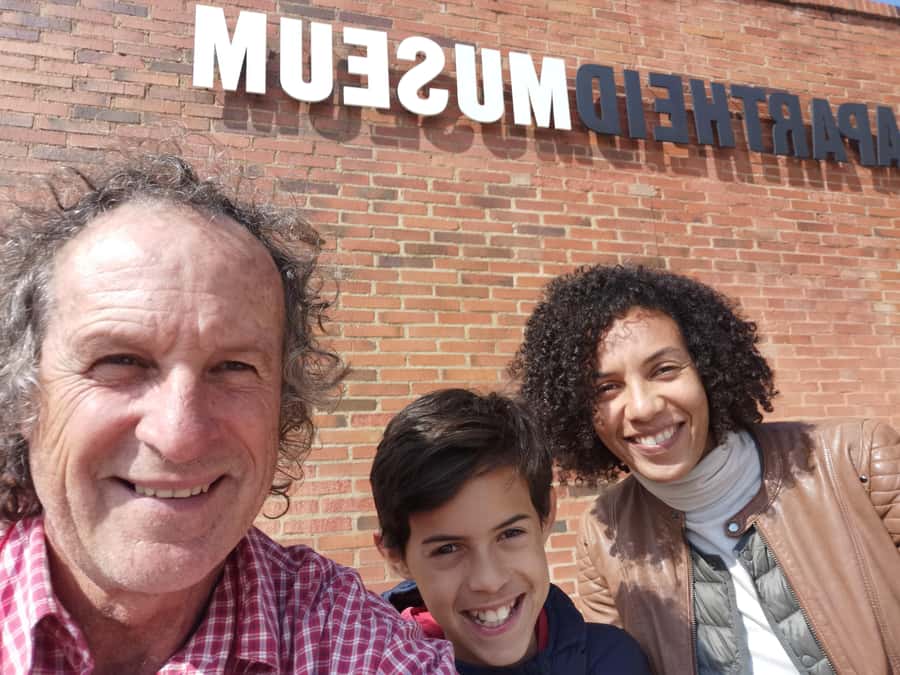
Johannesburg can feel overwhelming at first. This tour is designed to fix that fast, by turning a handful of major stops into a smooth narrative you can actually follow. In about 6 hours, you cover Soweto, Nelson Mandela’s home area, the Apartheid Museum, and the Constitutional Court and prison, with a quick World Cup stadium stop along the way.
What makes it work is the pacing. You are not pushed through rooms at speed. Instead, you get room to pause, read, and look. If you have ever started a museum “just to see the highlights” and ended up walking out frustrated, this style of tour is built for you.
You also benefit from the logistics side. Museum entry for the big sites is handled so you spend less time standing around. That is a small thing until you are actually doing it, then it becomes a big deal.
Shane and the third-generation storyteller approach
The heart of the experience is your guide, Shane. He is a third-generation South African, and he is also the author of the book White Boy, a biography about a white boy growing up during the apartheid era. That matters, because the tour is not only about famous names and dates. It’s also about how everyday life, including childhood and community, shaped how people lived through apartheid.
You can expect him to share stories connected to each area you visit, with the kind of context that makes museum panels make more sense. And because it’s a private format, you can ask questions instead of waiting your turn.
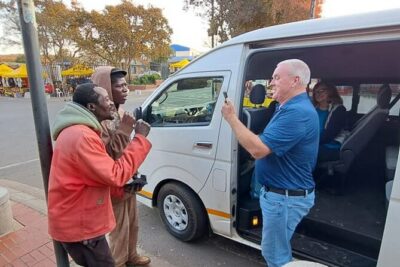
One practical bonus: Shane takes photos of you at the main stops. That sounds small, until you realize you stop juggling phones, you keep moving, and you do not end up with blurry shots because you were late to the moment. You’ll also hear real suggestions, including restaurant recommendations if you want a good place to continue the day.
Soweto in the morning: Mandela House, Tutu’s street, and 1976 youth protests
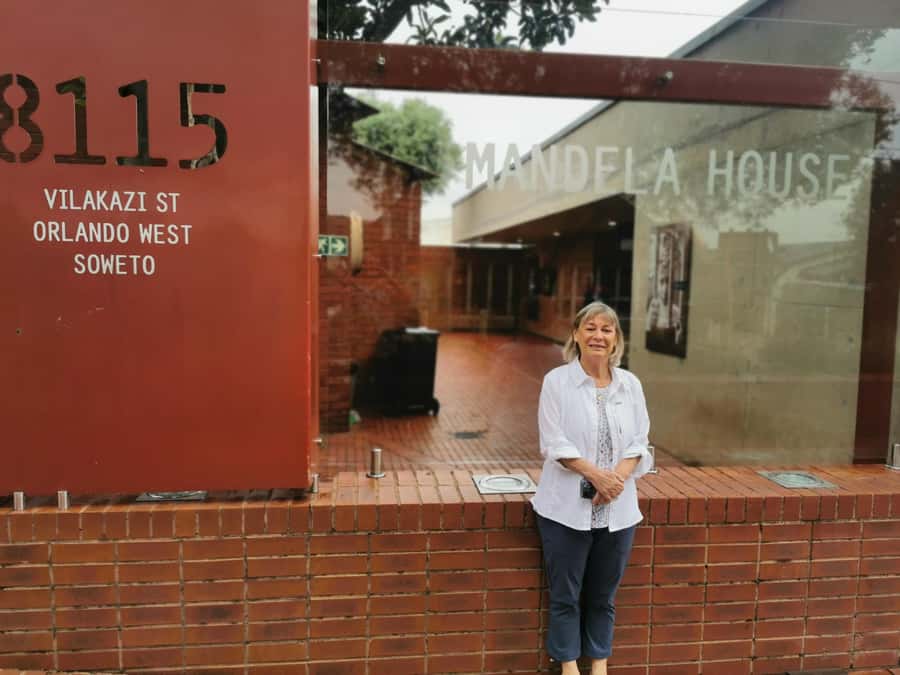
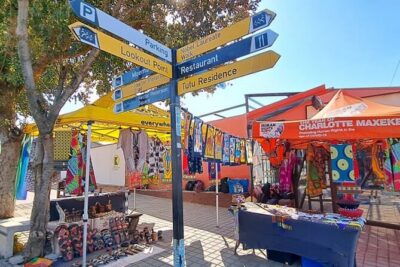
Your day starts with pickup at your location, then a drive to Soweto. The trip takes about 30 minutes from Johannesburg, and you visit Vilakazi Street first. That street is one of those addresses that concentrates major meaning into a small area.
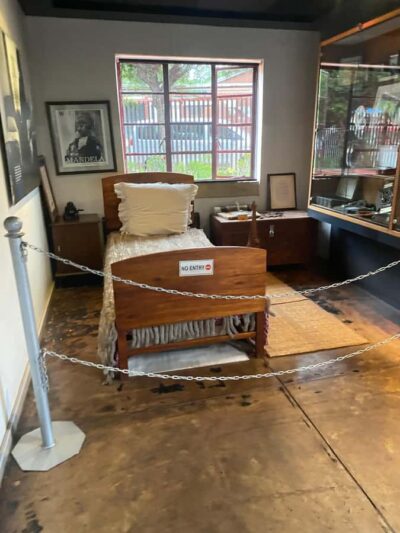
First, you visit Nelson Mandela’s home, which has been converted into a museum. It is an important stop because it is not a palace, it’s a modest place that makes the man feel human. Your guide helps you connect that home to the broader political events, so it does not feel like you are just looking at artifacts behind glass.
In the same area is Bishop Desmond Tutu’s house. Since it is a private residence now, you mainly drive past for interest and orientation, rather than doing a full visit. It’s a nice touch because it shows how close these different pillars of South Africa’s story sit in the same neighborhood.
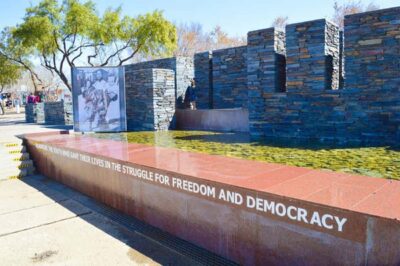
Next comes the Hector Peterson Memorial, a key site tied to the 1976 protests led by youth. Even if you think you already know the basics, this stop usually changes how you remember the uprising. It puts faces and youth energy to the struggle, and it helps you understand why 1976 is remembered the way it is.
Before you leave Soweto, you also get a quick drive-through. That is not just “scenery.” It helps you see how the township has changed over time, so the museums do not float in isolation.
A realistic consideration
Soweto is a meaningful place, and it can also feel emotionally heavy. Because you are not rushed, you can take breaks and give yourself time to process. If you prefer light, distraction-heavy sightseeing, this may feel too focused on serious subjects.
More sites and museums that record the apartheid years
World Cup stadium stop: why it fits this history route
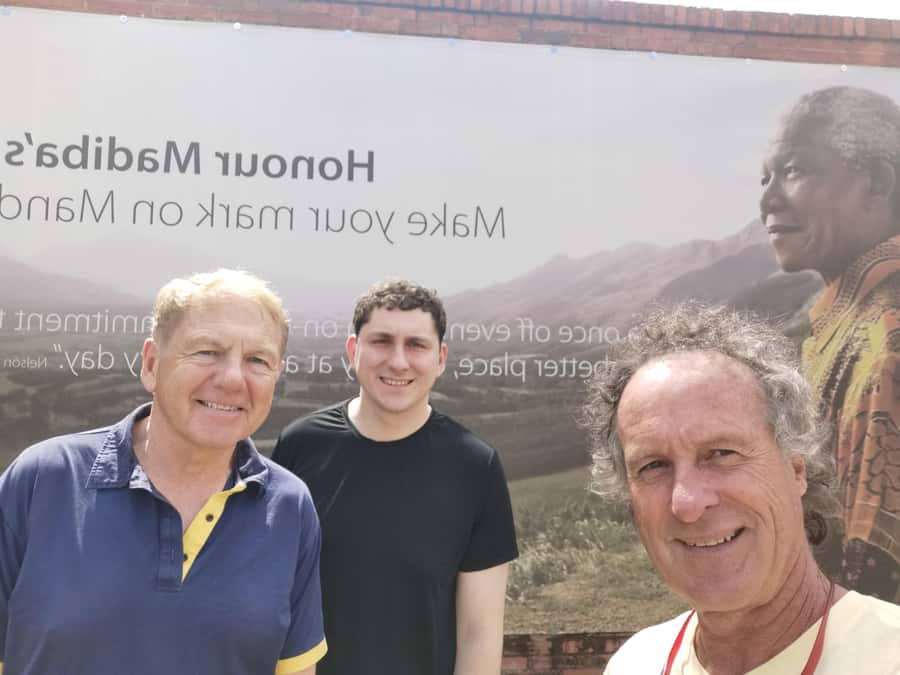
On the route to your next major stop, you’ll pass the World Cup soccer stadium where the final was played in 2010. Even if you are not a football fanatic, it fits the “Johannesburg story” because it represents a different side of the city’s timeline: a South Africa presenting itself to the world in a post-apartheid era.
This stop is intentionally not the main event. It is a “see it while you’re here” moment, so you are not pulled away from the bigger, more historical sites. For people who like sports, it’s a bonus. For people who do not, it’s a useful checkpoint that keeps you oriented as the day moves through the city.
Apartheid Museum at your pace

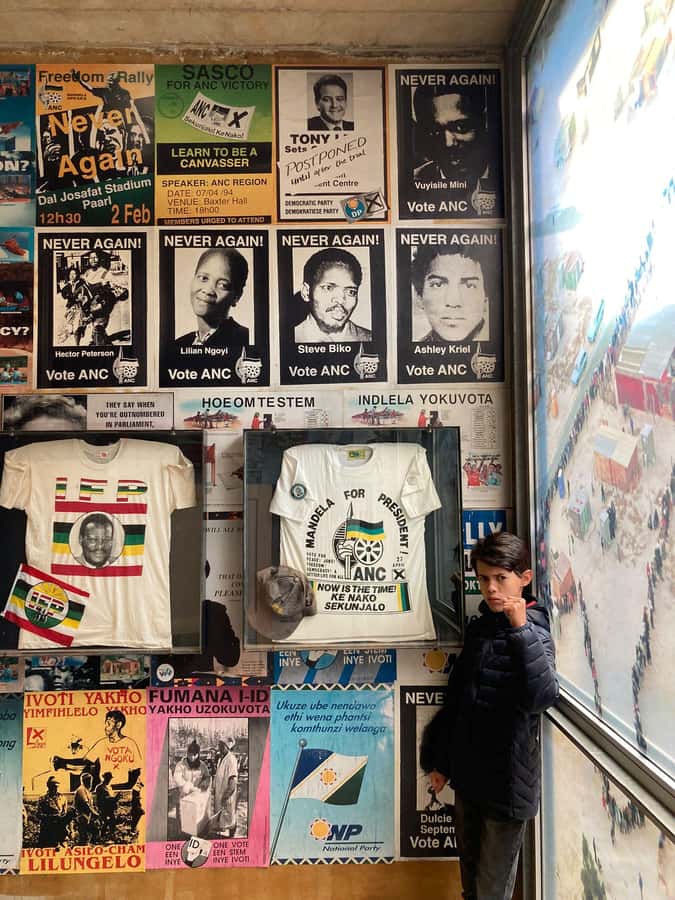
The Apartheid Museum is arguably the most visited museum in South Africa, and it deserves that reputation. Plan for 2 to 3 hours inside. That time is built into how you experience the museum, so you can read what you want without feeling like you are being chased out.
This is the stop where the tour really becomes “museum time.” Your guide can help you understand the main themes as you go, but the key point is you are not forced through. You can take longer in the sections that grab you and skip at a reasonable pace in places that feel repetitive.
What you’ll likely appreciate most
I like museums like this when the tour respects attention. Here, the pacing lets you move through the exhibits in a way that matches your curiosity. If you want to understand how apartheid worked as a system, you can slow down. If you want the human impact, you can prioritize the personal narratives.
A practical trade-off
Museum entry tickets are not included. Mandela House R70, Apartheid Museum R150, and the prison R100 are separate. So you’ll want to bring cash or check what payment methods you can use on-site. The skip-the-line help reduces waiting, but you still need to pay those entrances.
Also, the tour does not include food or drinks. If you’re the type who gets hungry mid-museum, plan a snack strategy before you arrive.
Constitutional Court and prison: connecting the political to the personal
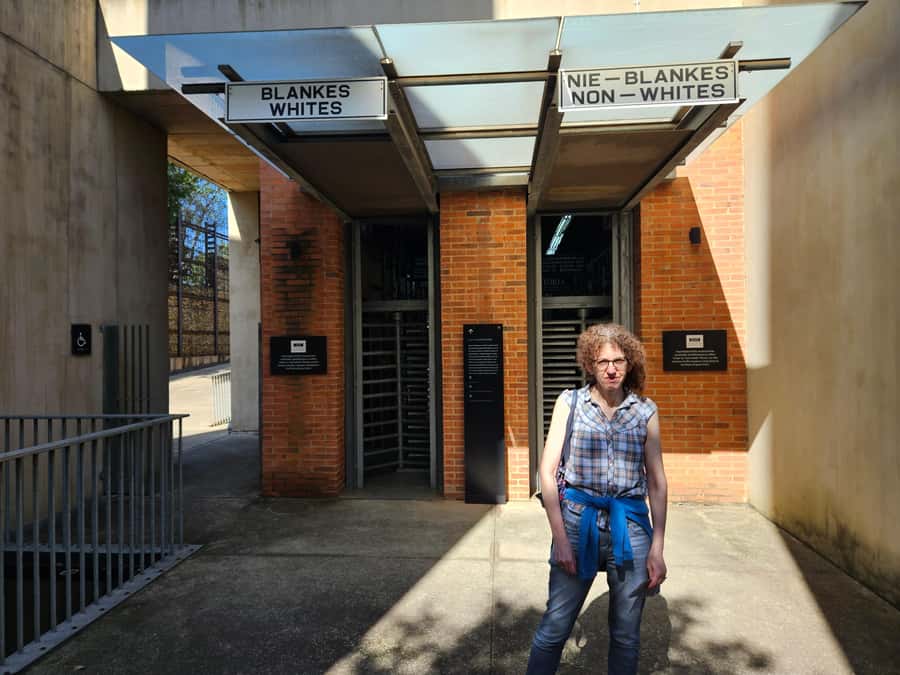
After the Apartheid Museum, the itinerary moves to something that feels like the next chapter: the Constitutional Court and the prison where Mr. Mandela and Gandhi spent time. This combination is powerful because it connects law and justice to the lived reality of imprisonment.
The Constitutional Court is about principles, and the prison side is about what it cost people to fight for those principles. Seeing both in one run helps you understand the change from apartheid rule to constitutional democracy as more than a “political shift.” It becomes a human story with consequences.
Your guide will connect the dots as you move through the area. Even if you know the major names, this section helps you frame what the constitution represents in real terms: an attempt to build a country where rights are not optional.
How the prison visit tends to feel
Prisons are never light. The good news is that you are not rushed, so you can absorb what you see at a comfortable pace. If you start feeling overloaded, pause, look slowly, and then continue when you’re ready. The tour structure supports that.
Price and logistics: what $99 buys you in real terms
The price is $99 per person for a 6-hour private tour. That can feel like a lot until you break down what’s included and what’s not.
Included:
- World Cup stadium stop
- Drive past Desmond Tutu’s house
- A live English guide with stories and context
- Comfortable vehicle
- Free Wi-Fi
- Pickup included at your location
- Skip the ticket line
Not included:
- Museum entrance fees (Mandela House R70, Apartheid Museum R150, prison R100)
- Food and drinks
So what are you truly paying for? You are paying for time, translation of context, and smoother movement through major sites. You are also paying for someone who can connect Soweto, Mandela House, the 1976 memorial, apartheid-era systems, and constitutional justice into a single storyline.
For first-time Johannesburg visitors, that is where the value shows. You could absolutely DIY these sites, but it often means extra waiting, extra confusion about what matters most, and less time actually understanding what you’re seeing. In this format, you spend your energy on the message, not the logistics.
Comfort details that make a history day easier
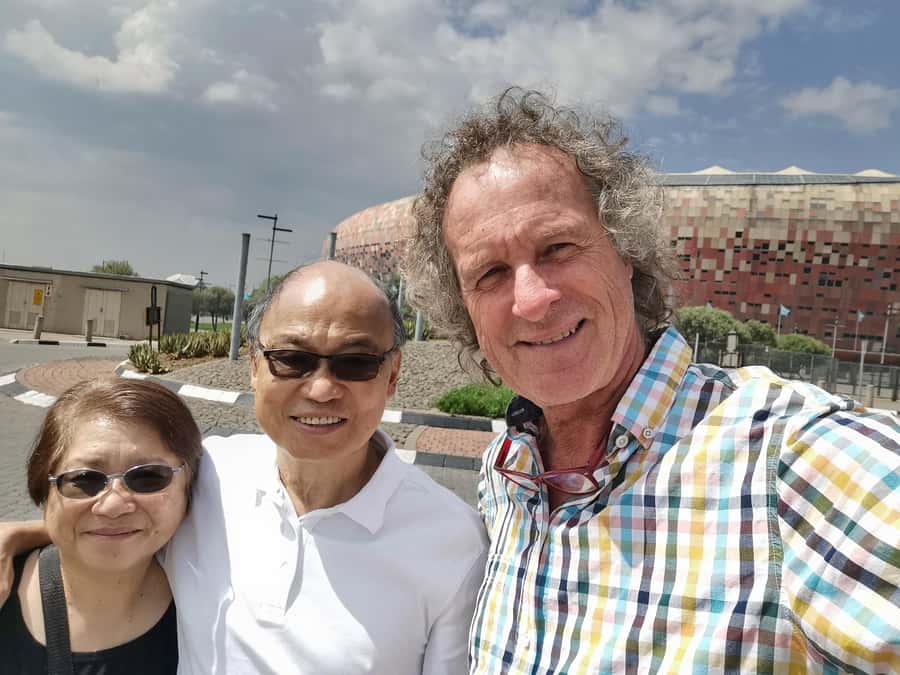
Even with heavy subject matter, day comfort matters. This tour is done in a comfortable car and includes free Wi-Fi, which helps with small things like charging your phone, checking directions, or uploading later without stress.
The other comfort factor is the schedule. Soweto is in the morning, and that helps with traffic. You are not just saving time on the road, you are also reducing the mental fatigue that builds when you’re stuck waiting in city congestion.
Who this tour is best for
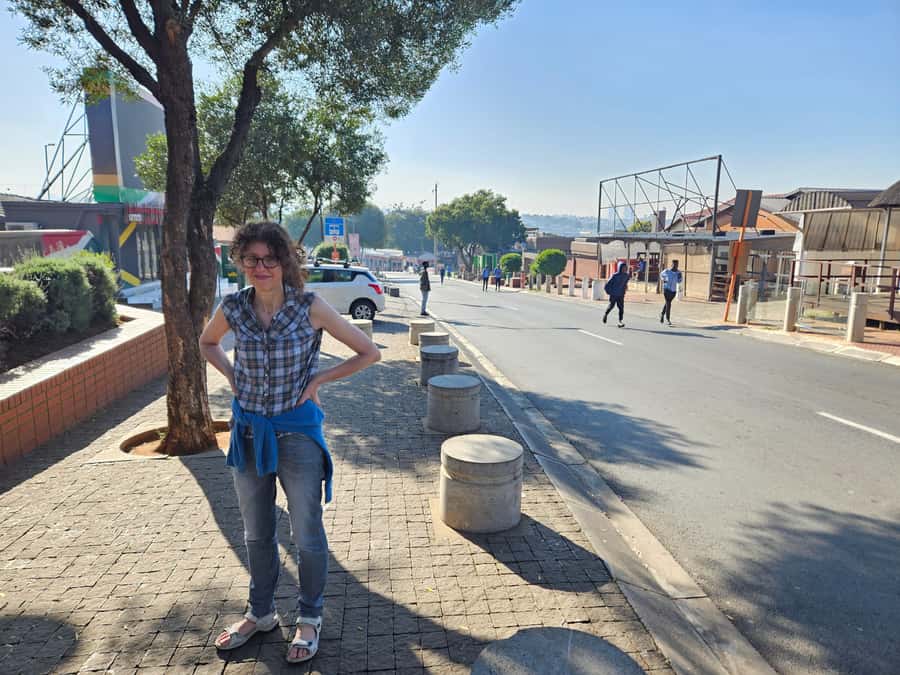
You’ll probably love this tour if:
- You’re visiting Johannesburg for the first time and want a focused route with big meaning
- You want museum time without being rushed
- You appreciate strong storytelling and context from someone directly connected to South Africa’s lived reality
- You care about understanding apartheid beyond headlines, including how constitutional ideas emerged afterward
You might want to think twice if:
- You prefer entertainment-focused sightseeing over serious historical content
- You hate paying separate museum entrance fees on the day
- You want zero chance of anyone else joining, since one experience had delays from an added couple. If that matters to you, confirm the group setup clearly when booking.
My booking verdict: should you book this Johannesburg tour?
I’d book this tour if you want a private, structured history day that actually respects time inside the museums. The strongest reasons are the guide storytelling from Shane, the calm pacing, and the morning start that keeps Soweto from turning into a traffic nightmare.
If you are traveling with limited tolerance for emotional topics, you can still do it, but prepare yourself for the subject matter. Bring money for museum entries and plan for food, since none is included.
If you want the cleanest experience, here’s the move: book it, then message the provider asking for confirmation that the group will stay private exactly as you expect. After that, settle in, let Shane connect the places, and use the extra museum time to read what you want at your speed.
FAQ
What attractions are included on this tour?
This tour includes stops at the World Cup stadium, Nelson Mandela’s home (Mandela House) as part of Vilakazi Street, a drive past Desmond Tutu’s house, the Apartheid Museum, and the Constitutional Court and prison area.
How long is the tour?
The tour duration is 6 hours.
Is pickup included?
Yes. Pickup is included, and the driver waits at your pickup location.
Is there a skip-the-line advantage?
Yes, the tour includes skip the ticket line.
What language is the tour guide?
The tour is conducted in English.
Is this tour private?
Yes, it’s listed as a private group.
Are museum tickets included in the price?
No. Museum entry fees are not included. Mandela House is R70, the Apartheid Museum is R150, and the prison is R100.
Is food or drinks included?
No. Food and drinks are not included.
Is there free Wi-Fi on the tour?
Yes, the car includes free Wi-Fi.
What if my plans change?
Cancellation is free up to 24 hours in advance for a full refund, and there is also a reserve now, pay later option.
Under Glass and Behind Ropes in Johannesburg
Apartheid History: Other Sites We Have Documented
Soweto: Other Guided Routes
Keep going: the rest of our Johannesburg write-ups
- Soweto Private half day tour
★ 4.5 · 3 reviews - Johannesburg’s Migration History with a local lunch
★ 5.0 · 3 reviews - Johannesburg: Soweto, Apartheid Museum, and Cradle tours
★ 4.7 · 3 reviews - Soweto Apartheid Museum and Lunch
★ 5.0 · 3 reviews - Bathongo Rhino & lion park nature reserve tour
★ 5.0 · 3 reviews - Johannesburg: Elephant and Monkey Sanctuary Half Day Tour
★ 5.0 · 3 reviews
Soweto Tours, compared.
 ★ 4.5Johannesburg Hop-On Hop-Off City Tour with Soweto OptionFrom $16768 reviews
 ★ 4.5Half-Day Tour of Soweto TourFrom $63712 reviews
 ★ 4.9Soweto: Walking Tour with a Local Guide and LunchFrom $43648 reviews
 ★ 4.8Jo’berg in 1 Day: Soweto, Apartheid Museum & City TourFrom $142524 reviews
 ★ 4.8Johannesburg: Full-Day Tour with Soweto and Apartheid MuseumFrom $104478 reviews
 ★ 4.8Johannesburg and Soweto: Half-Day TourFrom $71439 reviews
 ★ 5.0Full-Day Soweto, Apartheid Museum and Lunch TourFrom $108410 reviews
 ★ 5.0Half Guided Day Tour of Soweto And Apartheid MuseumFrom $69356 reviews
Browse the lists this tour appears in