
REVIEW · SOUTH AFRICA
Pop-Up Cinema in the Community + Post Film Discussion with Locals
Movies, but with real faces and real stakes. I love how this experience pairs a changemaker interview with a post-film discussion instead of a one-way show. I also like the small-group feel, up to 10 people, plus a guide who stays with you from start to finish. One thing to plan for, it needs good weather, since it’s a pop-up setup.
This is the kind of outing where you learn before the credits roll. Expect a guide to explain the background, then you’ll walk as a group to the screening venue and settle in for locally produced short films.
It also carries an impact angle without making it awkward. A 10% charitable pledge is included, and if you add the photo option you can get HD pics and vids the same day. Still, the format is community-first, so it may feel less like a “normal cinema night” and more like a neighborhood gathering.
In This Review
- Key highlights you will care about
- A Pop-Up Cinema Built Around a Khayelitsha Changemaker
- Your 3-Hour Rhythm Starts With a Changemaker Interview
- The 30 minutes with the host
- Your 15 minutes of questions
- Why this section is worth it
- The Short Walk to the Venue, With a Guide Keeping It Smooth
- The 90 Minutes of Locally Produced Shorts (Plus Discussion After Each)
- What the discussions help you do
- Why the films being local matters
- Who Joins the Post-Film Conversation, and What That Changes
- Price and Value: What $29.38 Actually Buys You
- Is it good value compared to a typical cinema?
- Logistics That Matter: Pickup, Mobile Tickets, and Group Size
- Tips to Make the Evening Feel Great (Not Awkward)
- When This Is the Right Fit, and When It Might Not Be
- Great fit if you want
- Maybe skip or adjust expectations if you want
- Should You Book This Pop-Up Cinema in Cape Town?
- FAQ
- What is the duration of the pop-up cinema experience?
- Is this experience only for people who can handle long walking?
- How many people are in the group?
- Where does the experience start and end?
- What films are shown during the screening?
- Do children from the community always attend?
Key highlights you will care about
- Changemaker-led start: you get a 30-minute interview plus time for your own questions.
- Locally produced short films: three shorts, followed by group discussion after each.
- Small group size: a max of 10 travelers keeps the conversation human.
- Guide stays with you: a Side by Side facilitator helps with background and practical needs.
- Impact is built in: 10% charitable pledge is included, and partner changemakers receive year-end support.
Still weighing it up? These Cape Town trips are the ones our readers open next.
- Wine Tour: Paarl, Franschhoek & Stellenbosch incl 3 wineries★ 5.0 · 3,940 reviews
- Cape Town: Hop-On Hop-Off Bus Tour with Optional Cruise★ 4.8 · 3,929 reviews
- Cape Town: Cape of Good Hope & Penguins Day Tour with Pickup★ 4.7 · 3,362 reviews
- Zipline Cape Town – From Foot of Table Mountain Reserve★ 5.0 · 3,179 reviews
A Pop-Up Cinema Built Around a Khayelitsha Changemaker
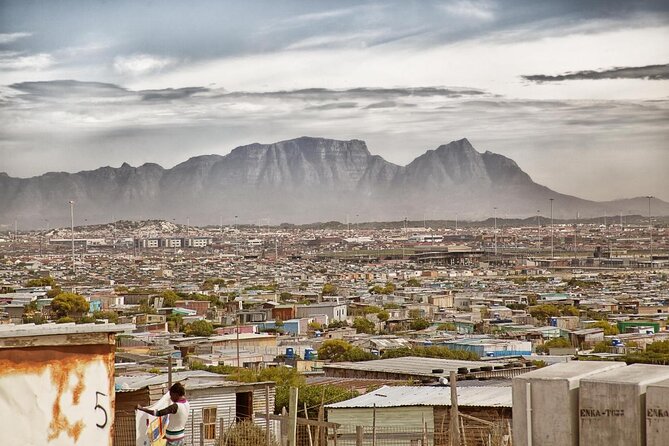
The best part of this experience is that it treats film as conversation, not just entertainment. You are not dropping into a theater to be quiet and passive. You start with a changemaker, then you watch local shorts, then you talk with the community members who join in.
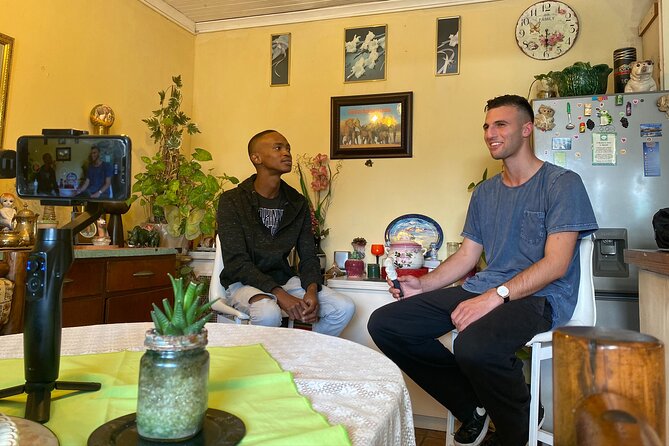
In one example from this program, the host, Buhle, runs mobile screenings in Khayelitsha to inspire and educate, and he also works a garbage-bin cleaning service to cover costs like renting halls and buying snacks for kids. That mix matters, because you can see the real-world side of making something happen, not just the inspirational story.
You will likely get the facilitator experience through a guide such as Jason, who helps set the tone and move the group smoothly through the evening. The guide is there from pickup to drop-off if you select hotel pickup, and they can also settle entrance fees on your behalf, which removes friction when you just want to focus on the moment.
Possible drawback to keep in mind: it requires good weather. If conditions are poor, you will either get another date or a full refund, so you should be flexible.
Your 3-Hour Rhythm Starts With a Changemaker Interview
This outing runs around 3 hours, and the timing is built for a clear flow: learn first, then watch, then discuss.
The 30 minutes with the host
You begin with a changemaker interview led by the guide. This is where you get the why behind the screening. The point is to give you context before you sit down for the films, so you understand what you are looking at and why it matters to the people in the room.
In the kind of stories featured here, you might hear about someone like Buhle, including the ups and downs that shaped his path and why he chose social entrepreneurship. One review-style detail that stuck with me is how personal the journey can feel when the host shares it directly, even when the facts are simple, like what he did day to day to make screenings possible.
Your 15 minutes of questions
Then you get a Q&A. This is not a lecture where you hold your questions until the end. You have time to ask, and the guide can help translate the intent behind what is being said so you can participate without feeling lost.
This is also a great moment to ask practical things like:
- How the screenings are planned
- What costs matter most
- What impact they’re aiming for


Why this section is worth it
A lot of “community experiences” sound good, then you spend most of the time watching something without context. Here, you do the reverse. You start by understanding the person, then you watch the films, and then you compare what you heard with what you saw.
The Short Walk to the Venue, With a Guide Keeping It Smooth
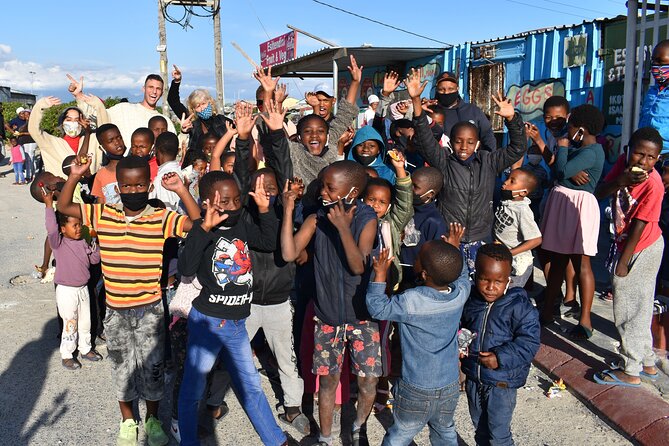
After the interview and Q&A, you take a short walk with the group to the screening venue. It’s intentionally brief. The goal is to keep momentum and keep you feeling oriented.
The guide’s job is not just to show up and vanish. They stay with you through the process and handle the little friction points you might run into in a community setting, including settling entrance fees and helping you make the most of the time.
Also, because the group is capped at 10, you are less likely to feel like a moving part. You can actually pay attention during the walk, and you will probably notice how people are greeting one another, setting up chairs, and getting ready together.
The 90 Minutes of Locally Produced Shorts (Plus Discussion After Each)
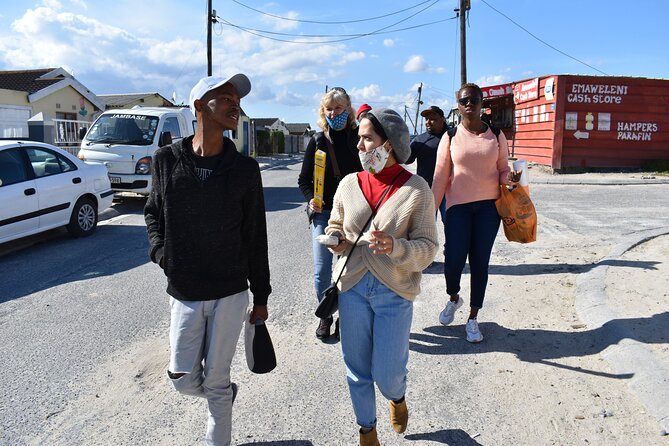
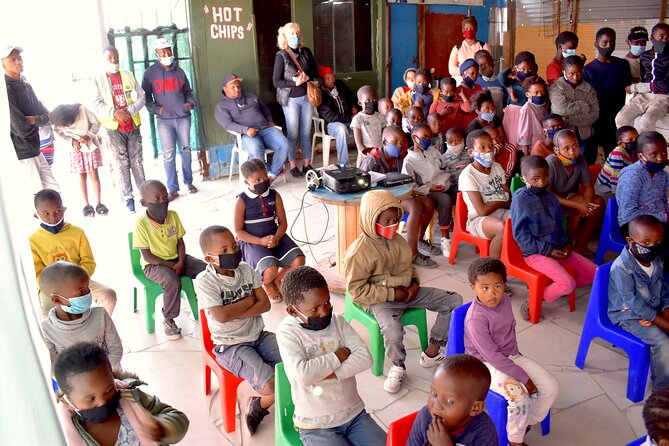
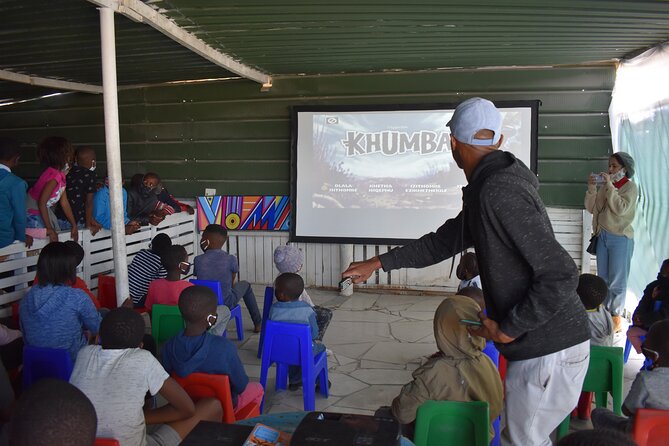
Now comes the heart of the evening: three locally produced short films, screened back to back. The experience does not end when the screen goes dark. Between each short, you have a group discussion.
You can expect titles such as:
- The Rise of Shembe
- Scapegoat
- Amalobolo
The discussion format is what makes this more than a movie screening. Instead of everyone filing out, you stay engaged, you listen to different perspectives, and you build meaning together.
What the discussions help you do
If you’ve ever watched a film and wondered what you missed, this is where you get clarity. You’ll likely hear community voices interpret themes, reflect on local issues, and connect the stories back to real life.
A helpful way to approach this is to treat each discussion like a guided meaning check. Ask yourself:
- What felt personal or familiar?
- What theme do you think the filmmaker was working on?
- How does the discussion change your view of the film?
Why the films being local matters
These shorts are locally produced, which means the language, settings, and cultural cues land in a way you might not fully get if the program was made elsewhere for outsiders. The changemaker interview and Q&A also help, because you start with the “why,” not just the “what.”
And if you care about value for money, this is where it really earns its keep. You are not paying for a single show. You are paying for a full conversation loop: talk, watch, talk again.
Who Joins the Post-Film Conversation, and What That Changes
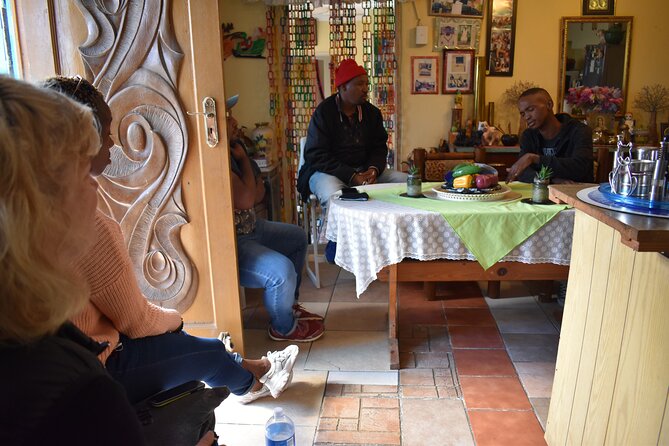
Adult neighbors from the community are standardly part of the experience. That matters because the discussion becomes more grounded, more practical, and more real-time.
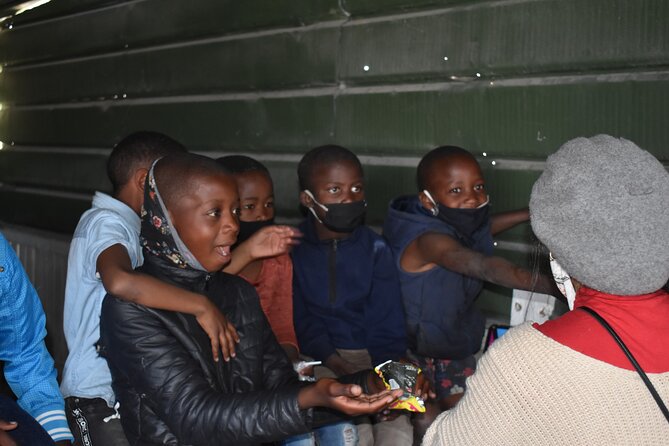
There is one extra variable to know: local children from the community will only possibly be present if it is requested for weekend bookings. So if you are hoping to see kids there, you may want to check with the operator before you lock in your date.
Either way, you should expect human interaction, not just spectatorship. The evening ends with natural interaction and goodbyes, which keeps it from feeling transactional.
Price and Value: What $29.38 Actually Buys You
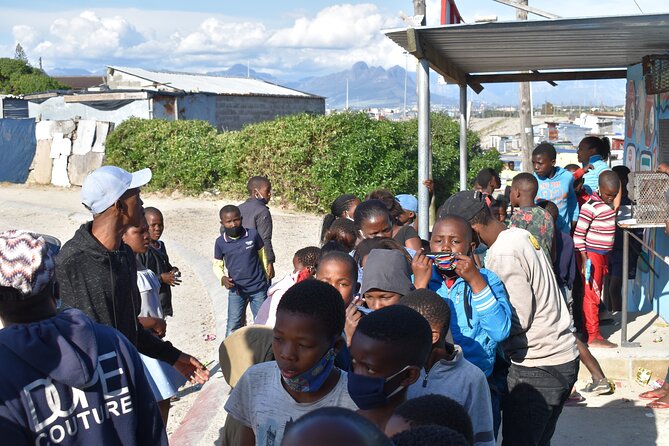
At $29.38 per person, you are not just buying admission. You are buying a guided, conversation-first night with a local host and structured time for questions.
Here’s what’s included:
- Admission to the changemaker-hosted experience
- A tour guide (experience facilitator)
- A 10% charitable pledge
That charitable pledge is important because it connects your ticket to year-end support like equipment, bursaries, and cash grants for partnered changemakers. In other words, your money helps fund future screenings and related opportunities, not only the current night.
You may also see optional add-ons depending on what you choose. For example:
- Hotel pickup options (if you add it)
- A photoshoot add-on with HD photos and videos sent via Google Drive the same day
One more small practical point: bottled water is not included, but you can buy it with cash from your guide. If you prefer to travel with your own supplies, you might want to bring a bottle.
Is it good value compared to a typical cinema?
A normal cinema gives you one direction: screen to audience. This gives you direction both ways: you talk to the host first, then you discuss what you watched with the community after. That extra interaction is the value.
Logistics That Matter: Pickup, Mobile Tickets, and Group Size
This is a mobile-ticket experience, and it starts and ends back at the meeting point.
- Start location: Bengezela Street, Harare, Cape Town 7784, South Africa
- Duration: about 3 hours
- Group size: maximum 10 travelers
- Confirmation: received at booking time
If you select the hotel pickup add-on, the guide supports you from pickup through drop-off. If you don’t, you’ll meet at the street location and still have the facilitator with you for the experience.
Weather is the big external variable. If it is not good, the operator will offer another date or a full refund. That flexibility is worth something, especially since pop-up setups can be sensitive to conditions.
Tips to Make the Evening Feel Great (Not Awkward)
This experience works best if you show up curious and ready to talk. Here are a few practical moves that help:
- Come with one or two questions ready.
You get a Q&A window early, so having a question or two in mind helps you jump in confidently.
- Treat the discussion as part of the show.
If you expect only the films, you will miss the main point. The meaning is built in the conversation.
- Be flexible with expectations about who is present.
Adult neighbors are standard. Kids are only possibly present on certain weekend requests.
- Dress for a pop-up night.
The activity depends on good weather, so wear something that works outdoors if needed. (You’ll also enjoy it more if you can sit comfortably for the film segment.)
- Plan for basic extras.
Bottled water is available for cash purchase from the guide. If you want water at hand, bring a bottle or be ready to buy.
- If you care about photos, consider the add-on.
The photoshoot option provides HD images and video, delivered via Google Drive the same day. It’s a nice way to remember the night, especially if your camera skills are usually mediocre.
When This Is the Right Fit, and When It Might Not Be
Great fit if you want
- A community-centered night where you can ask questions
- A small group experience with real conversation
- Locally produced storytelling rather than mainstream film fare
- A simple way to see how social entrepreneurship works day to day
The reviews-style themes that show up clearly are power, engagement, and the feeling of being moved. People also seem to enjoy meeting hosts like Buhle and hearing a personal journey connected to real community screenings.
Maybe skip or adjust expectations if you want
- A traditional cinema environment with no conversation
- Guaranteed presence of children (it is only possibly present on weekend requests)
- A schedule that is immune to weather (the event requires good weather)
This is still well organized, but it is not trying to be a sterile show. It is trying to be a shared evening.
Should You Book This Pop-Up Cinema in Cape Town?
If you like learning through people, not just through plaques and postcards, I think you should book it. The combination of a host-led changemaker interview, locally produced shorts like The Rise of Shembe, and discussions after each film is exactly what makes this kind of experience worth your time.
Choose it if you want to meet community members, ask questions, and leave feeling like you understood more than you watched. I’d especially recommend it if you are comfortable with a pop-up format and you are flexible about weather.
If you are chasing comfort over conversation, or you need a fully predictable indoor schedule, you might be happier with a standard theater night. But for most people looking for value and meaning in Cape Town, this is a smart pick.
FAQ
What is the duration of the pop-up cinema experience?
It runs for about 3 hours.
Is this experience only for people who can handle long walking?
The walk is described as short, and the guide stays with you for the full experience.
How many people are in the group?
The tour/activity has a maximum of 10 travelers.
Where does the experience start and end?
It starts at Bengezela Street in Harare, Cape Town, and ends back at the same meeting point.
What films are shown during the screening?
The experience includes locally produced short films, such as The Rise of Shembe, Scapegoat, and Amalobolo.
Do children from the community always attend?
Local children will only possibly be present upon request on weekend bookings. Adult neighbors are standardly part of the experience.
Keep going: the rest of our Cape Town write-ups
- Cape Town to Cape Point Helicopter Flight – 48Min
★ 4.2 · 3 reviews - Full Day Private Hiking Table Mountain & City
★ 5.0 · 3 reviews - Sandboarding with jeep – drive uphill
★ 5.0 · 3 reviews - Full Day Tour for Cape of Good Hope & Boat to Seals Island
★ 5.0 · 3 reviews - 10 Day South Africa Tour Joburg to Cape Town
★ 5.0 · 3 reviews - 5 Day Garden Route Small Group Tour Fr CapeTown – Departs Mondays
★ 5.0 · 3 reviews