
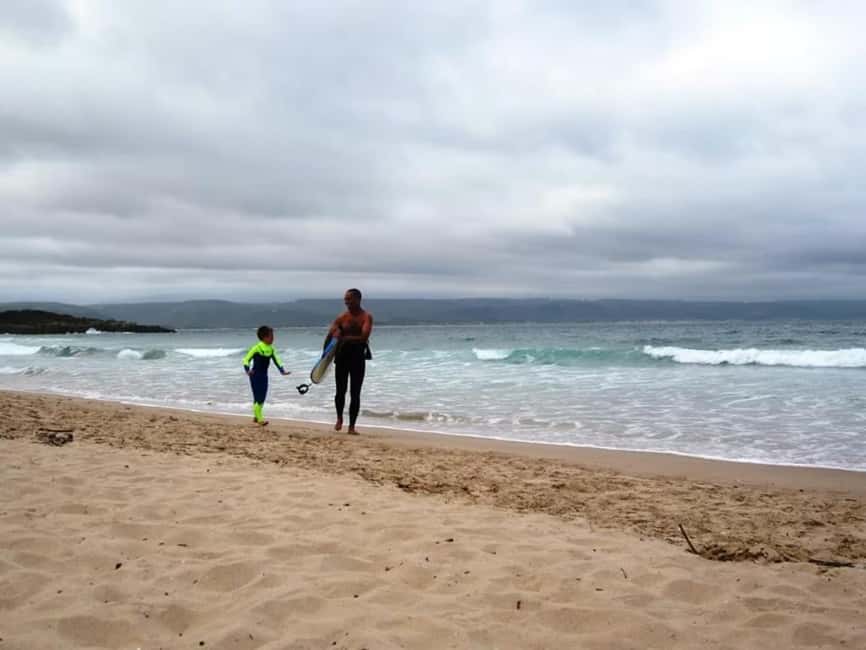
REVIEW · KNYSNA AND PLETTENBERG BAY TOURS
Plettenberg Bay: 2-Hour Surf Lesson
First-wave nerves, then real progress in 2 hours. Plettenberg Bay is a friendly place to start, and the lesson keeps you moving from paddling basics to your first standing rides, with safety handled upfront. I like that the instructor, Giovanni, takes ocean safety seriously, even while keeping the vibe fun and encouraging.
You’ll also get to choose a surfboard type, so you are not stuck on one size and shape that fights you all day. The sessions run in small groups (often about five people), and the wetsuits are suitable enough that the cold is not the showstopper it can be elsewhere.
One thing to consider: surf conditions can change. On at least one occasion, the day shifted to kayaking when surfing was not ideal, so plan for the ocean to have its own mood. Also, dolphins are not guaranteed.
In This Review
- Key highlights you can plan around
- Plettenberg Bay makes first-time surfing feel possible
- The 2-hour lesson flow, step-by-step
- Board choice and wetsuits that keep you learning
- Safety briefing: the part you should be grateful for
- Waves, dolphins, and the reality check you should plan for
- Price and value: what $35 actually buys you
- After the lesson: how to practice without wasting your energy
- Facilities and comfort on the beach
- Who this is best for in Plettenberg Bay
- Should you book this 2-hour surf lesson?
- FAQ
- How long is the surf lesson?
- What is included in the price?
- What should I bring with me?
- Is this lesson suitable for non-swimmers?
- Is there a deposit for the equipment?
- Are refreshments or meals included?
- How much notice do I need to cancel for a refund?
Key highlights you can plan around
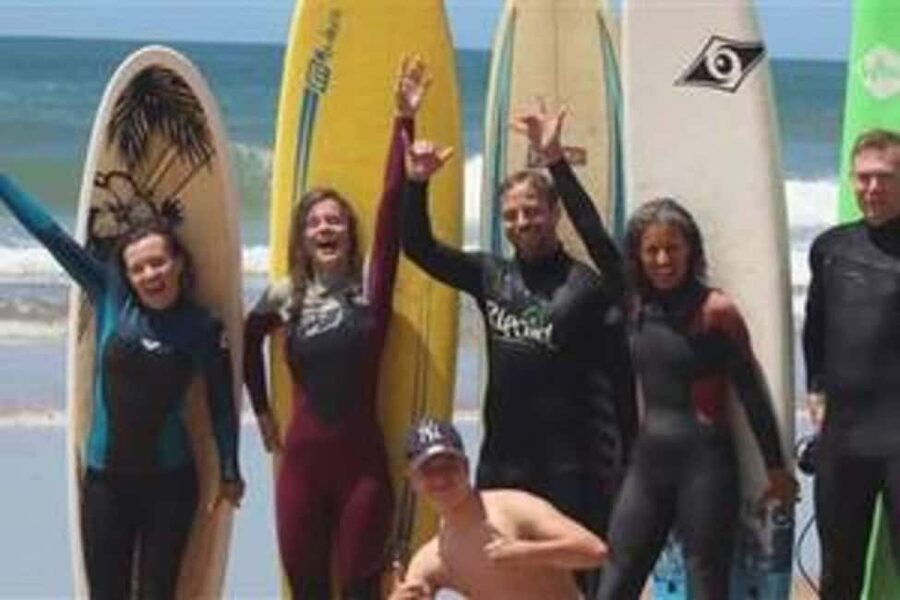
- Giovanni’s safety-first teaching, with clear explanations on land and hands-on help in the water
- Small-group pace (often around five people), so you get feedback instead of waiting forever
- Real progression in 2 hours, from paddling and balance in shallow water to riding as conditions allow
- Board variety (longboards, shortboards, and funboards), which matters for beginners
- Scenic coastal breaks during the session, with a chance to spot dolphins
- Wetsuit and surfboard included, plus a refundable equipment deposit
More around the lagoon, the forest and Plett
- Plettenberg Bay: Swim with Seals★ 4.7 · 887 reviews
- Standard Canyoning Trip in The Crags, South Africa★ 5.0 · 381 reviews
- Plettenberg Bay: Whale Watching Boat Cruise★ 4.4 · 362 reviews
- Plettenberg Bay: Canyoning Trip★ 4.9 · 353 reviews
Plettenberg Bay makes first-time surfing feel possible
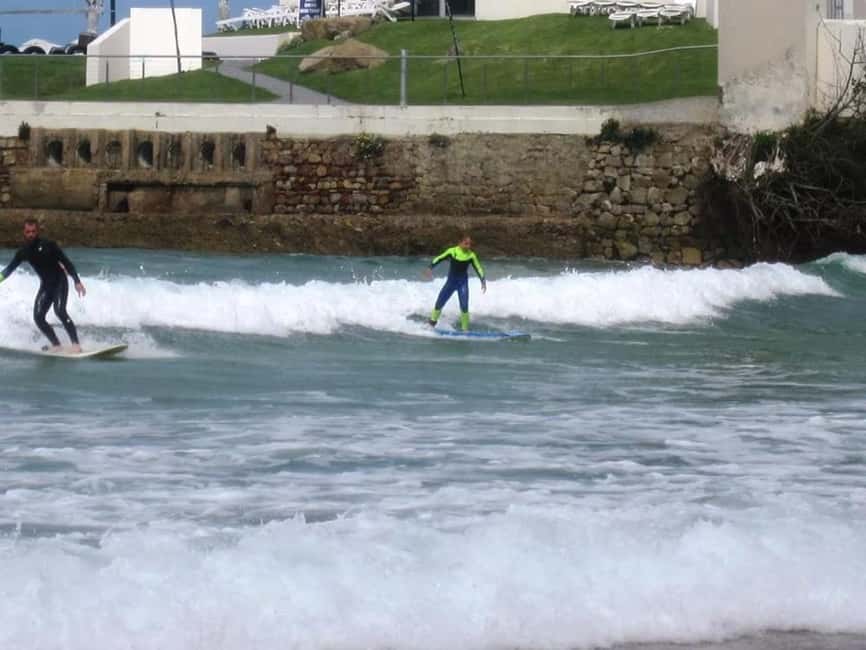
If you are learning to surf, you want two things: a shoreline setup that lets you practice safely, and a coastline that makes it worth getting back in the water again and again. Plettenberg Bay fits that bill. The lesson is structured so you start in shallow, clear waters, where you can focus on paddling and balance without the pressure of going too far out too soon.
The water time is also paired with coastal viewing. Between attempts, you get moments to look along the bay, feel the wind, and reset your brain. That matters more than people think. When you are nervous, a quick pause with good views can help you come back to the board calmer.
And yes, dolphins can show up. The experience may include the excitement of seeing dolphins nearby, but the honest expectation is this, it is a bonus, not a promise.
The 2-hour lesson flow, step-by-step
This is a true coaching session, not a quick “good luck” kind of activity. You meet at the beach, get kitted out, and you start with a safety briefing that covers what you need to know for surfing and ocean awareness.
Here is how the lesson typically unfolds:
1) Meet, kit up, and get the safety talk
You show up in swimwear and meet your instructor and group at the beach. You’ll get a wetsuit and a surfboard, and the teaching begins right away. Giovanni explains how to think about the ocean first: what to watch for and how to handle yourself on the water.
2) Paddling basics and getting balanced
Before you chase waves, you learn the mechanics that make catching anything possible. You work on paddling technique and how to position your body on the board. This is where most beginners either improve fast or get frustrated, and the lesson is built to keep it practical.
3) First rides in shallow, clearer water
As you gain confidence, you move into shallower water where the goal is to catch your first wave attempts. The instructor helps you with timing and body position. The feeling when you stand up for the first time is the kind of moment that makes 2 hours feel shorter than it should.
4) Go slightly deeper, then get hands-on corrections
Next, the lesson progresses to slightly deeper water. This is where the session becomes more “surfing” and less “practice.” You keep learning while you ride, and the guidance stays close so you do not just fall, paddle, repeat, and hope.
5) Breaks, feedback, and possible dolphin sightings
Between waves, you pause and soak in the coast. You may also spot dolphins swimming nearby. Even if you do not, the breaks are still useful because they let you recover and focus on one change at a time.
6) Finish with free time to practice
When the lesson ends, you do not automatically get sent away. You get additional free time to practice your new skills in the water. This is where your progress can actually lock in, because you can try things without the same pressure of “lesson mode.”
Board choice and wetsuits that keep you learning
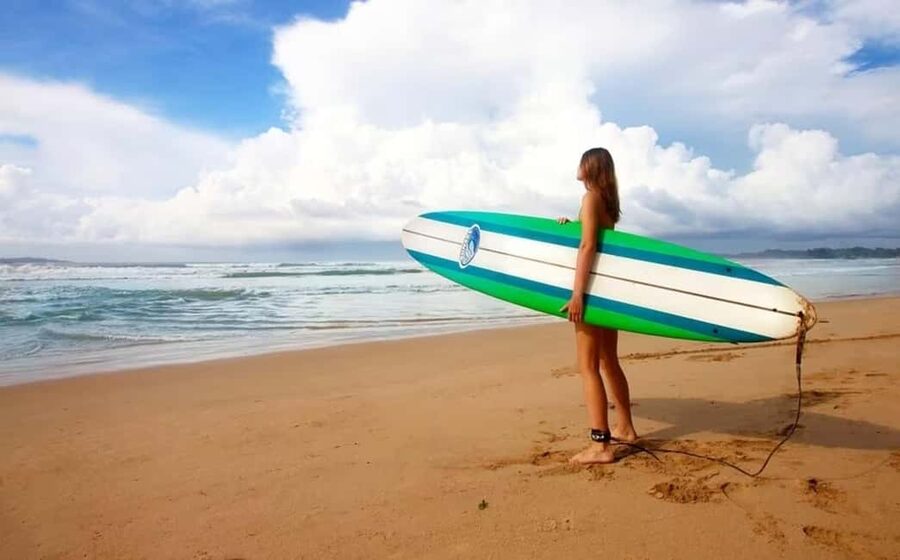
One of the smartest parts of this experience is that you can choose from different surfboard types, including longboards, shortboards, and funboards. For beginners, board type changes everything. A longer, more stable board can make standing up easier, while a funboard often offers a balance of stability and learnability.
If you are nervous, I would treat the board choice as part of your strategy. Ask your instructor what makes sense for your comfort level. This is not about picking the “cool” option, it is about giving your body the best chance to succeed today.
Wetsuits are included, and the experience is set up so cold does not run the show. One review specifically called out that the wetsuits handle the temperature well, which is exactly what you want when you are working hard on balance.
Important gear note: you do need to bring your own swimwear and you should plan to change out of wet clothes afterward. The activity is only a few hours, but you will still be glad you packed a towel and a change of clothes.
Also, there is a R300 cash refundable deposit on equipment. This is a practical detail, but it matters for budgeting. Bring cash so you are not scrambling right before you paddle out.
Safety briefing: the part you should be grateful for
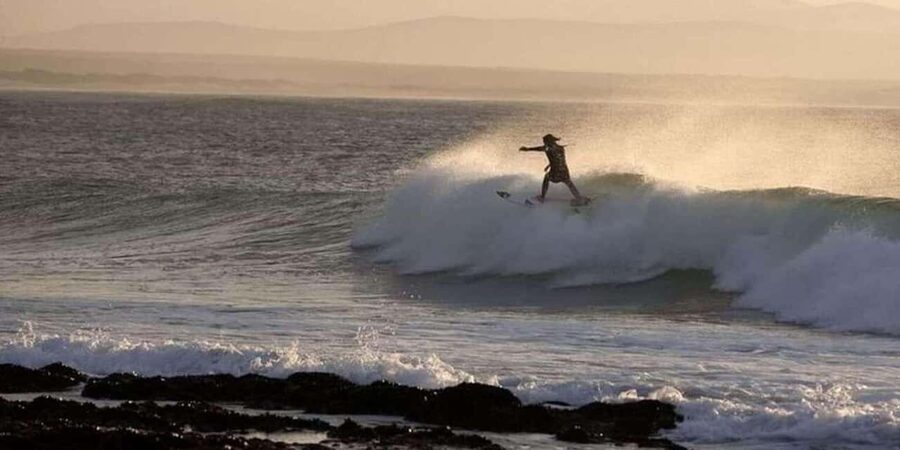
A good surf lesson does two jobs at once: it teaches technique, and it teaches judgment. What I like here is that the safety briefing is not vague. Giovanni is described as very thorough with safety, and that shows in the way the lesson starts with ocean awareness before you chase waves.
You’ll cover core ocean-sense topics like awareness and safety. Then you practice paddling technique and learn how to stand up and ride the waves. That “learn the why, then do the how” pattern helps beginners relax, because you understand what you are doing instead of just copying a move.
One more thing that earns respect: the operator is ecologically minded, with minimal noise pollution and no environmental pollution. You can feel that in the overall approach, it is calm and responsible, not chaotic.
Finally, smoking is not allowed. It is a small rule, but it keeps the beach atmosphere cleaner and more comfortable for everyone.


Waves, dolphins, and the reality check you should plan for
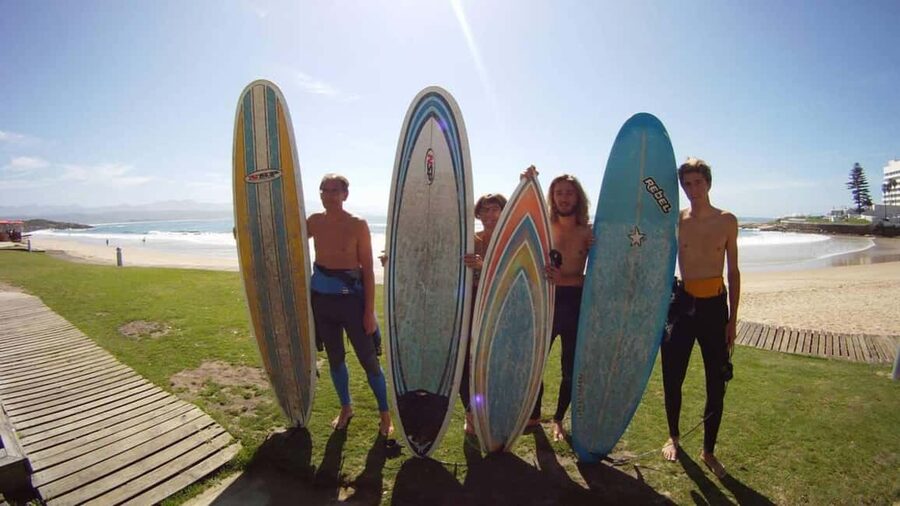
Surf lessons live and die by conditions. Some days are learner-friendly, some days are not. One important detail from real experience: if the conditions are not right for surfing, the plan can shift, such as swapping to a kayaking session.
So if you book expecting perfect waves, build in flexibility. The lesson is designed around first attempts and guidance, but the ocean decides what you get.
Also, waves can be high. One review noted that the waves were very high during their session. That does not mean the lesson is unsafe, it means your “first time surfing” might come with a more energetic ocean than you imagined. The best move is to communicate honestly at the start. If you feel overwhelmed, tell the instructor before you push yourself.
Dolphins are another expectation to keep in the right bucket. They can appear, and you might be able to spot them from the water during breaks, but they are not guaranteed. Still, the coastal scenery and the chance to see wildlife nearby make the session feel like more than just sports practice.
Price and value: what $35 actually buys you
At $35 per person for a 2-hour surf lesson, the value is strong if you look at what is included, not just the number. You get the lesson with a skilled instructor, plus a wetsuit and a surfboard. Those items alone can change the cost of a surf day, especially if you were planning to rent everything separately.
You also get additional water time after the lesson ends. That matters because many first-timer lessons become “training mode for 60 minutes, then done.” Here, you get time to keep trying what you learned, which is when confidence builds.
Costs to watch: there are no refreshments or meals included. If you get hungry, you’ll need to plan your own snack or drink. Another practical cost is sunscreen if you do not already have it. The lesson list is clear about what you should bring, so pack ahead and keep the total day cost predictable.
After the lesson: how to practice without wasting your energy
That free practice time can be your secret weapon, but only if you use it well. Here is how I’d think about it:
- Focus on one goal at a time, like paddling position or standing timing.
- Keep your wipeouts short in your mind. Reset fast, then try the same approach again.
- Look for the simplest feedback you heard on the sand, then test that change immediately.
Because you have your instructor available during the lesson, take note of what worked. Then during free time, you are not starting from zero. You are applying the same lesson points without the same pacing pressure.
Also, do not forget the wind and the ocean conditions matter. If the waves are pushing harder than you expected, stick with what your instructor taught you for control and safety.
Facilities and comfort on the beach
This kind of activity can feel rugged if the basics are missing. The good news is that shower facilities were mentioned as good. When you are done with saltwater and sand, the ability to clean up makes the rest of your day easier.
Plan to arrive ready to swim, and plan to leave ready to move on. You are not just paying for a surf attempt, you are paying for a full session that should leave you feeling accomplished and not wrecked.
Who this is best for in Plettenberg Bay
This experience is best for people who want a real first start in a guided way. You do not need prior surf experience, but you do need comfort in the water. It is not suitable for non-swimmers.
It is also a good match for travelers who like structured coaching. If you get anxious trying things on your own, the step-by-step approach, with guidance from Giovanni, helps.
Because the group is small, it suits solo travelers who want company without crowds. Couples and small groups can also do well here, since the pace stays manageable and you are not stuck waiting your turn.
If you are chasing guaranteed dolphin sightings or perfectly calm waves, you might feel underwhelmed. The dolphins are a bonus and the ocean controls the surf.
Should you book this 2-hour surf lesson?
Yes, you should book it if your goal is a safe, guided first surf experience with included gear and a clear plan from paddling to standing. The big wins for me are the thorough safety approach and the way the lesson supports real progress in a short time.
Skip it only if you cannot swim, or if you know you want a strict surfing-only outcome no matter the conditions. Surf days can shift, and at least once the plan switched to kayaking when surf conditions were not right.
If you are ready to learn, bring swimwear, pack sunscreen, and keep an open mind about the ocean. You will walk away with that first-wave confidence, plus the feeling that you can come back and do it again.
FAQ
How long is the surf lesson?
The lesson is 2 hours.
What is included in the price?
Your 2-hour surfing lesson includes a skilled instructor, a wetsuit, and a surfboard.
What should I bring with me?
Bring swimwear, a change of clothes, a towel, and sunscreen.
Is this lesson suitable for non-swimmers?
No, it is not suitable for non-swimmers.
Is there a deposit for the equipment?
Yes. There is a R300 cash refundable deposit on all equipment.
Are refreshments or meals included?
No. No refreshments or meals are included.
How much notice do I need to cancel for a refund?
You can cancel up to 24 hours in advance for a full refund.
Knysna and Plett: More on the Doorstep
Keep going: the rest of our Plettenberg Bay write-ups
- Kwano Lifestyle Day Tour – Be a local for a day
★ 5.0 · 3 reviews - Forest Walk with Picnic and Wildife Tour
★ 5.0 · 4 reviews - 1 Day Garden Route Tour: From Port Elizabeth to the Crags
★ 4.4 · 4 reviews - eBike Tours
★ 5.0 · 5 reviews - Quad Bike Fun Ride in The Crags, Plettenberg Bay
★ 5.0 · 5 reviews - 3D Archery Adventure – Plettenberg Bay
★ 5.0 · 5 reviews
Knysna and Plettenberg Bay Tours, compared.
 ★ 4.7Plettenberg Bay: Swim with SealsFrom $61887 reviews
 ★ 5.0Knysna Ziplines TourFrom $48688 reviews
 ★ 4.7Little Brak River: Botlierskop Guided Game DriveFrom $40589 reviews
 ★ 5.0Plettenberg Bay: Bungee Jumping with Zipline and Sky WalkFrom $97506 reviews
 ★ 5.0Bloukrans Bungy, the worlds best bungy jump!From $97504 reviews
 ★ 4.7Storms River: Tsitsikamma National Park Zipline Canopy TourFrom $55481 reviews
 ★ 4.5Knysna: 75-Minute Lagoon Boat CruiseFrom $31445 reviews
 ★ 5.0Standard Canyoning Trip in The Crags, South AfricaFrom $60381 reviews
Browse the lists this tour appears in