
REVIEW · SOUTH AFRICA
Monkeyland, Birds of Eden, Jukani – Animal Sanctuaries
Three sanctuaries, one wild day. This is the Western Cape in a nutshell, with free-roaming primates at Monkeyland, free-flight birds at Birds of Eden, and big-cat encounters at Jukani.
I especially love how hands-on the nature feels without being reckless. At Monkeyland, you cross a 128 meter suspension bridge above the treetops, then learn how the resident primates live in a 12-ha indigenous forest. At Birds of Eden, the setting is built for bird flight, with a 1.2 km walkway and a sanctuary that reaches about 50 m high.
One drawback to plan for: you walk. You also cannot touch any animals, so this is about watching and photographing, not interacting up close.
In This Review
- Key things to know before you go
- The smart way to plan 1-3 days across Monkeyland, Birds of Eden, Jukani
- Monkeyland: free-roaming primates, a canopy bridge, and a 1-hour guided forest tour
- Birds of Eden: the 220-species free-flight aviary with a waterfall gorge
- Jukani Wildlife Sanctuary: a walking safari for big cats plus hyenas and cheetahs
- What to photograph and how to time each stop for the best experience
- Price and value: what $23 per person gets you, and why the combo ticket helps
- Who this trip suits best (and who should rethink it)
- FAQ
- FAQ
- How many sanctuaries can I choose?
- How long does this experience take?
- Are guided tours included?
- What language are the tours in?
- Do I need hotel pickup?
- What should I bring?
- Can I touch the animals?
- Is it wheelchair accessible?
- Should you book Monkeyland, Birds of Eden, Jukani?
Key things to know before you go
- Monkeyland primates live in a forever home, with over 550 apes, monkeys, and lemurs
- A canopy suspension bridge takes you through the treetops at Monkeyland
- Birds of Eden is truly free-flight, with 220 species and about 3500 birds in one huge aviary
- Jukani is a walking safari focused on big cats, plus other critters like honey badger and caracal
- Plan for comfortable shoes and steady pace, since all three places reward slow, on-foot exploring
Still weighing it up? These Plettenberg Bay trips are the ones our readers open next.
- Plettenberg Bay: Swim with Seals★ 4.7 · 887 reviews
- Knysna Ziplines Tour★ 5.0 · 688 reviews
- Standard Canyoning Trip in The Crags, South Africa★ 5.0 · 381 reviews
- Plettenberg Bay: Whale Watching Boat Cruise★ 4.4 · 362 reviews
The smart way to plan 1-3 days across Monkeyland, Birds of Eden, Jukani
This is a trip you can shape around your energy. You can pick one sanctuary, or stretch it into 1-3 days so you do not feel rushed. If you are doing all three, you are basically getting three different kinds of wildlife experiences: primates in forest, birds in a flight-first aviary, and a big-cat walking safari.
Price is listed as $23 per person, and the key value play is the combination ticket that works out cheaper per sanctuary. That matters here because the experience is not a quick drive-by. Each site has its own pace, terrain, and “wow” moments, and you will get more out of it if you give each place breathing room.
Also, you should know what affects the feel of the day. Hotel pickup and drop-off are not included, so you will be responsible for getting to the meeting point that matches your booking. Food and drinks are also not included, so build in a break and carry what you need.
Finally, if you care about language, Monkeyland and Birds of Eden can run in English by default, with French guides available if you book 48 hours in advance (and provide an arrival time). Jukani runs in English for guided tours.
Monkeyland: free-roaming primates, a canopy bridge, and a 1-hour guided forest tour
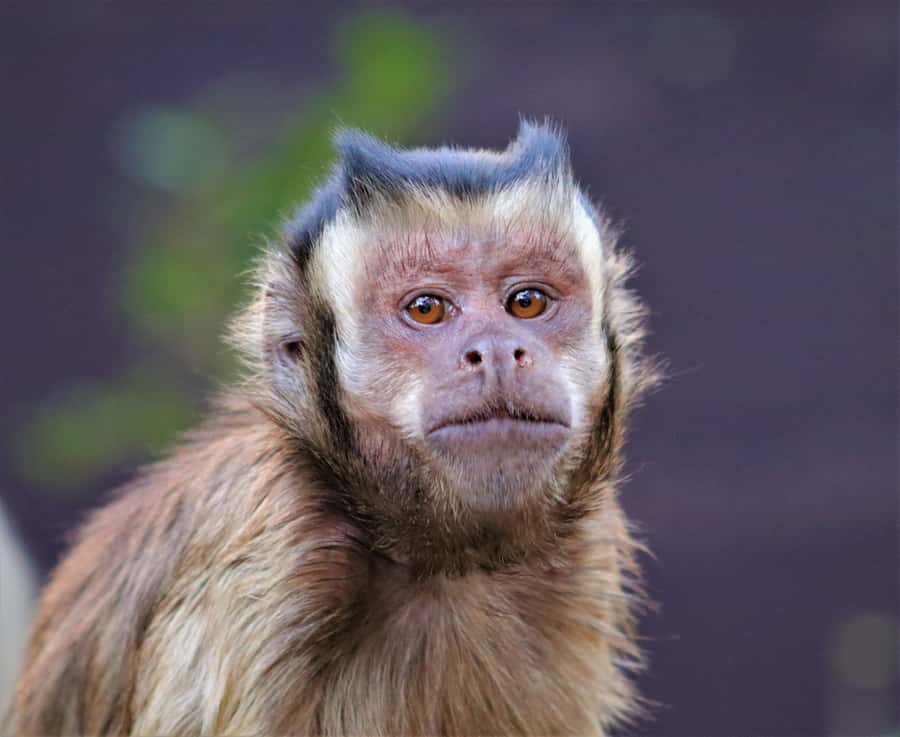
Monkeyland is all about primates behaving like primates, not like zoo exhibits. It is described as the world’s first multispecies, free-roaming primate sanctuary. That phrase matters. It means you are not just looking at one species behind glass. You are moving through a shared forest space where different primates live together.
The sanctuary’s mission is built around ex-captive primates getting a healthier, more natural life, plus public education. That shows in what you learn on the tour. Your guide will point out the primates living in the 12-ha indigenous forest, and share stories and fun facts as you walk.
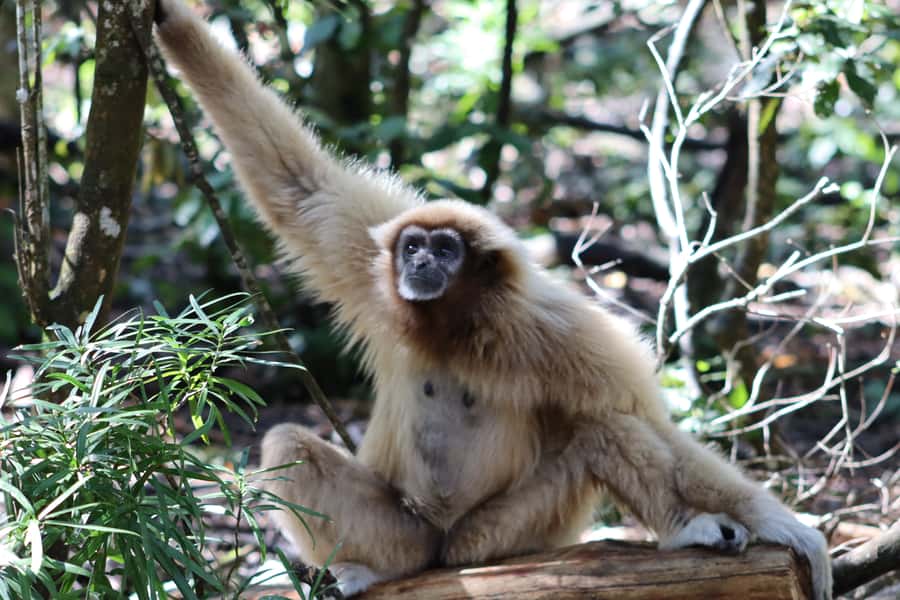
The “wow” moment for many people is the 128 meter suspension bridge through the canopy. Even if you are not a big treetop person, this is one of those set pieces that changes your perspective. You are above the forest floor, looking down into the world the monkeys actually move through. You will see how much the canopy matters for their daily rhythm.
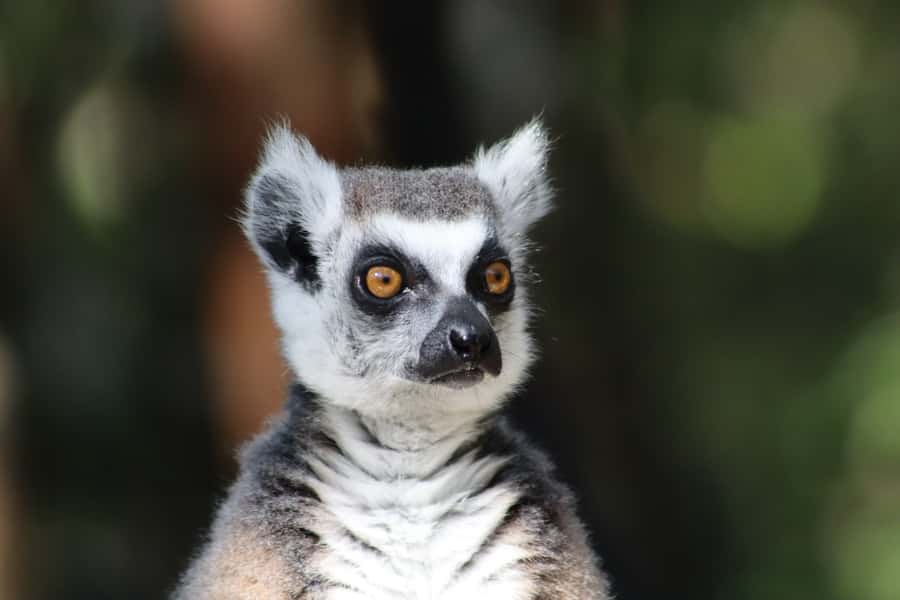
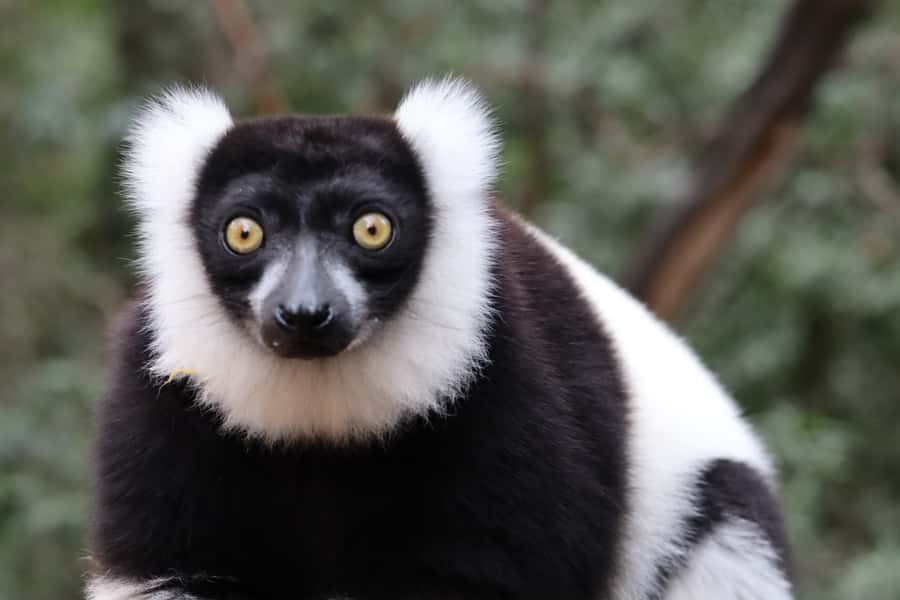
Monkeyland also runs with over 550 apes, monkeys, and lemurs, so you are not trying to spot a single rare animal. Your odds of seeing multiple species feel better because the sanctuary is large and populated.
Practical tip: this is a one-hour guided tour. That is long enough to learn what to watch for, but short enough that you can still explore the rest of the day at another sanctuary. If you are splitting time, Monkeyland is a great anchor.
Birds of Eden: the 220-species free-flight aviary with a waterfall gorge
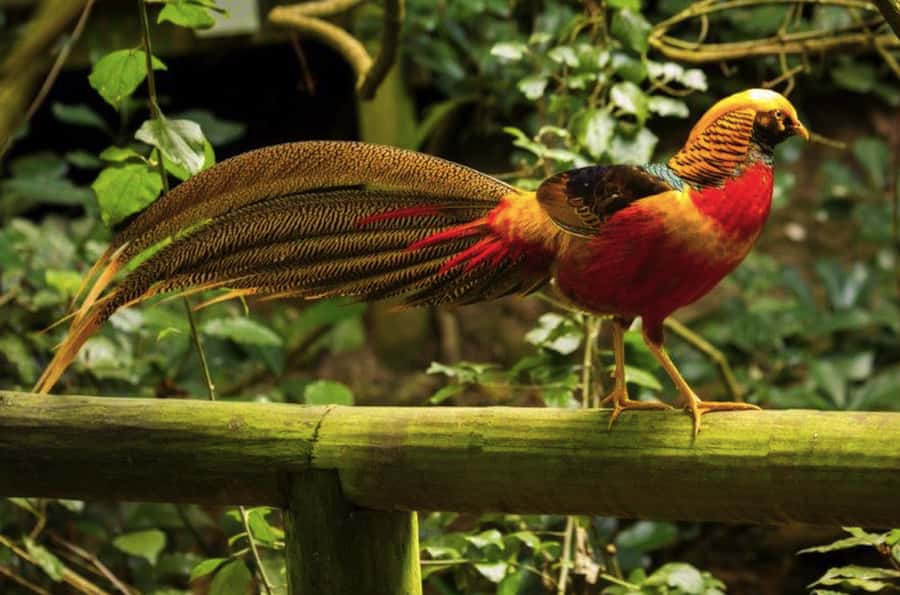
Birds of Eden is the sort of place that makes you stop and tilt your head. The basics are impressive: it is the largest free-flight aviary in the world, with 220 species and subspecies and over 3500 birds. It covers 2.3 ha of partly forested land, with a 3.2 ha mesh enclosure, plus a 1.2 km walkway.
The main difference from your typical bird attraction is that you are moving through a space where birds choose where to fly. You can explore at your own pace, which is helpful because the best bird watching is rarely on a strict schedule. If you want structure, a guide can be arranged with 48 hours notice and an arrival time, and guided tours run in English.
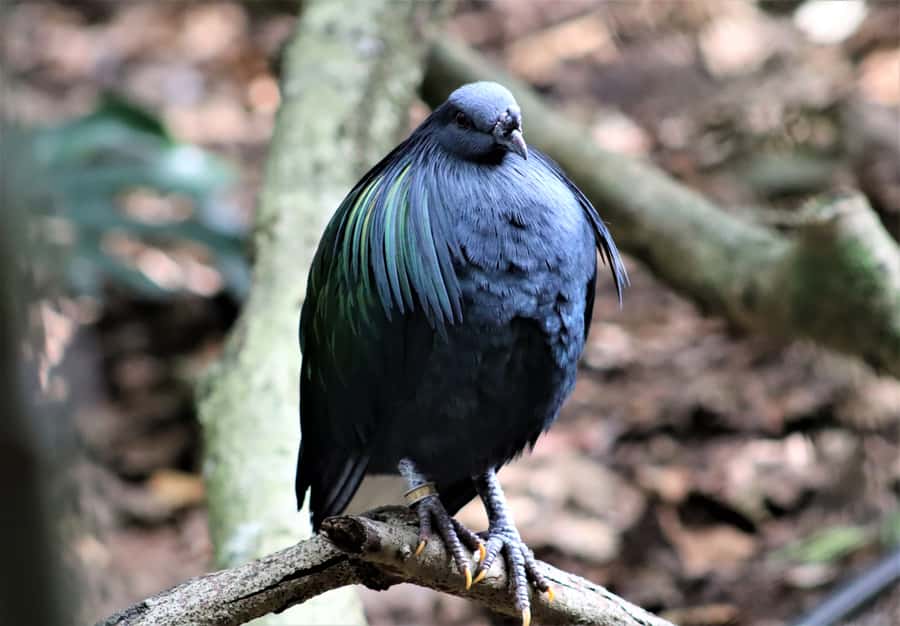
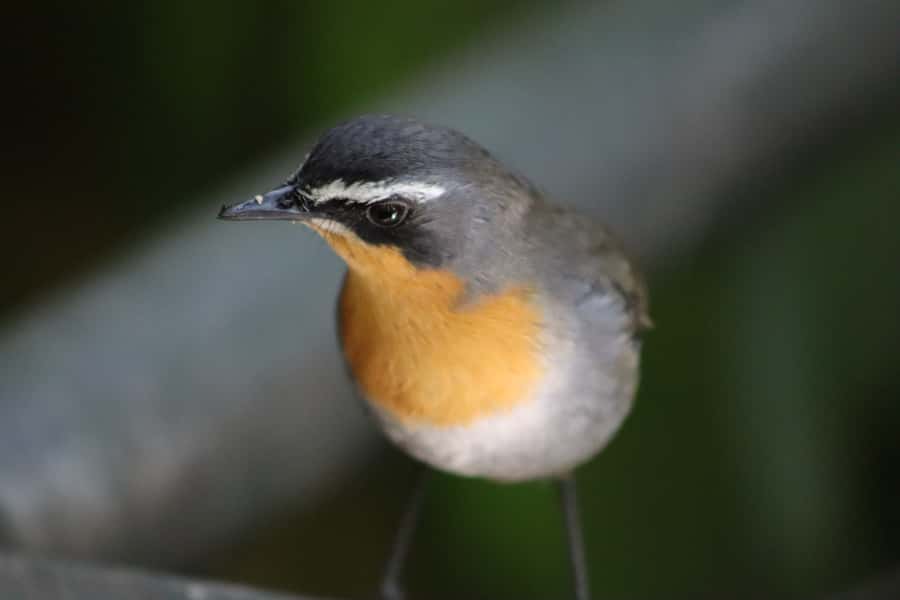
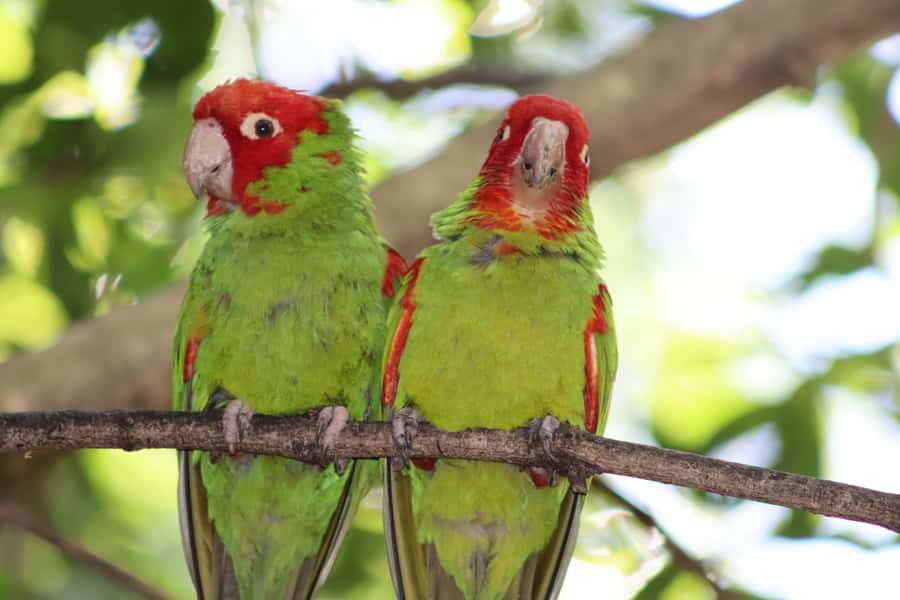
What you might notice first is the range of bird types. Expect to see birds like Knysna lourie, turaco lourie, parrots, parakeets, waterfowl, flamingos, starlings, robins, and cranes. Even if you cannot name them all in the moment, you will likely remember the ones with distinctive calls and colors.
There is also a deeper gorge with a waterfall. That adds more than scenery. It gives birds a different kind of movement space, and it gives you a natural place to pause. Plus, Birds of Eden reaches about 50 m high, so you are not only watching near eye level. Treetops matter here, and the aviary design allows plenty of flight space.
Photography note: a free-flight aviary is great for action shots, but it can also mean mixed lighting. The walkway structure keeps you in motion, and birds are unpredictable. Bring your patience, and accept that your best shots might come in quick bursts.
If you are the type who likes to slow down and just watch, Birds of Eden is your pick. It is also the easiest sanctuary to stretch into a full day if that is your goal.
Jukani Wildlife Sanctuary: a walking safari for big cats plus hyenas and cheetahs
Jukani is the “larger-than-life” stop. You are looking for the true apex predators of the world, specifically lions, tigers, leopards, and jaguars. The sanctuary describes these animals as having been rescued or re-homed from facilities that could no longer care for them.
The key idea is that they are at their forever home, in large natural habitats designed around each animal’s needs. It is also presented as a place free of exploitation and the stress caused by constant human interaction. That matters for how you experience the animals. Your goal is to appreciate them in a setting that allows more natural behavior.
The tour itself is a 90-minute walking safari with an entertaining, knowledgeable guide. You will also find other animals and predators beyond the big cats, including raccoons, honey badger, caracal, zebra, springbok, and spotted hyena. Cheetah and tree climbing pumas are mentioned as highlights too.
A small consideration: Jukani is a walking safari, so you need a comfortable pace. You are on your feet while you wait for sightings, and you might be moving through terrain that is not polished for sightseeing.
I also think this is where mindset matters most. If what you want is constant, close-up action, you may feel impatient. But if you want to see big cats in an environment built for them, Jukani is exactly the kind of place that fits.
Family tip: a hat is advised at Jukani, especially for children. The walking time can add up faster than you expect.
What to photograph and how to time each stop for the best experience
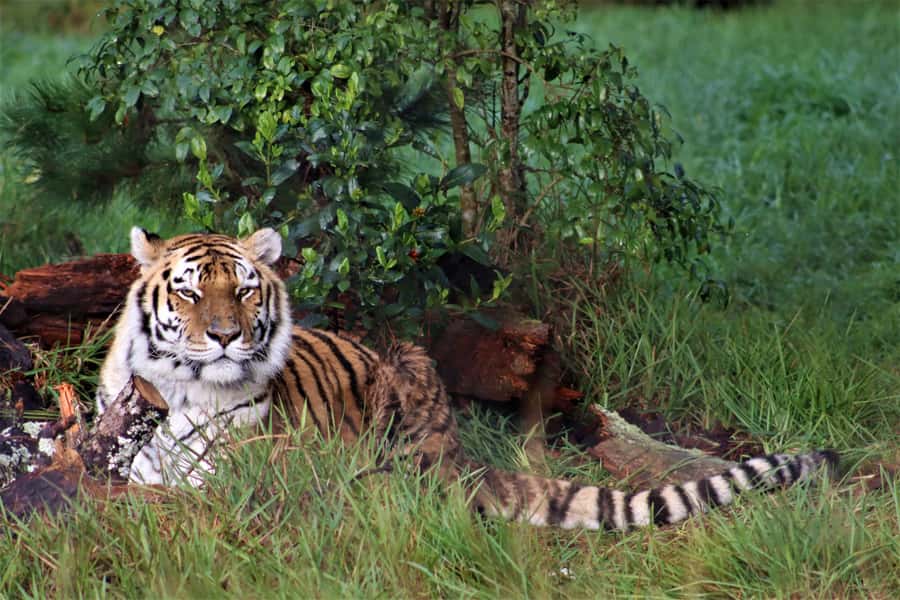
Wildlife photography here is very doable, but it works differently than you might expect. You are not photographing from a fixed viewing platform. You are photographing from a walkway at Birds of Eden, and on foot at Monkeyland (bridge plus forest tour) and Jukani (walking safari).
What helps most is thinking in terms of behavior, not location. Birds of Eden gives you plenty of flight chances, especially around the higher treetop spaces. Monkeyland is about primates moving through the canopy and forest, and the suspension bridge gives you a unique angle you usually do not get at ground level. Jukani is slower, but the sightings can be more intense because big cats are larger and more dramatic when you do catch sight of them.
Binoculars can help at Birds of Eden and Jukani, but they are not required. If you do bring them, you will use them more at Jukani while waiting for a distant animal or scanning for movement.
Timing-wise, do not overload your day with one-hour bursts. Birds of Eden lets you move at your own pace, so you can naturally spend longer there if you are enjoying the birds. Monkeyland’s guided time is set, so it fits well as a clean, structured chunk. Jukani is a guided walking safari, so it also has its own tempo.
If you are doing all three, a simple rule works: put the place you care about most early enough that you are not worn out, then let the others fill in around it. If you have ever tried to force a wildlife visit when you are already tired, you know why this helps.
Price and value: what $23 per person gets you, and why the combo ticket helps
At around $23 per person, you are not just paying for entry. You are paying for guided context and for carefully designed habitats. That is what changes the value.
Monkeyland includes the one-hour guide, and the guide’s job is not only to point at animals. It is to interpret the sanctuary’s goals and help you understand what you are seeing in the indigenous forest. Birds of Eden is self-paced, but it is still set up like a real aviary system, with a huge mesh-enclosed flying environment and a long walkway that lets you actually experience the scale. Jukani includes a 90-minute walking safari, where you are guided through sightings and explanations tied to the sanctuary’s rescue and re-homing mission.
The combo ticket angle matters too. Doing all three can sound like a lot, but the pricing structure is designed so it works out better per sanctuary when you combine. There is also a practical advantage: you can buy a combination ticket at the entrance, and it does not expire. That gives you flexibility if plans change on the road.
One more value note, and it is a subtle one: guides and rules influence the experience. Not touching animals is enforced, which protects the animals and keeps the experience ethical. But it also means you will not get that zoo-style, reach-out-and-touch interaction. In exchange, you get more authentic wildlife viewing.
So this is a good deal if you like nature and observation, and less of a fit if you mainly want close contact.
Who this trip suits best (and who should rethink it)
This experience suits you if you want wildlife without rushing through a dozen exhibits. It also suits families who can handle walking and want a mix of animals, not just one category.
You will especially enjoy it if you are:
- A bird watcher, or even a casual bird lover who enjoys learning as you walk
- Interested in primate behavior and the difference between captive and sanctuary-style living
- A big-cat fan who prefers to see these animals in a habitat-focused way rather than constant human staging
Re-think it if:
- You dislike walking or uneven terrain, since there is a lot of on-foot time
- You expect hands-on interaction, because touching animals is not allowed
- You want a nonstop action show, because wildlife viewing still depends on behavior and timing
FAQ
FAQ
How many sanctuaries can I choose?
You can choose from Monkeyland, Birds of Eden, and Jukani Wildlife Sanctuary, and you can do one or all three.
How long does this experience take?
It is listed as valid for 1-3 days, depending on the option you book and how many sanctuaries you visit.
Are guided tours included?
At Monkeyland, you get a guide for the tour. At Jukani, tours are guided. At Birds of Eden, you can walk on your own, with the option to arrange a guide with 48 hours notice.
What language are the tours in?
Tours are conducted in English unless you specify French and book 48 hours in advance for a French guide at Monkeyland. Birds of Eden guided tours can also be arranged in English with 48 hours notice.
Do I need hotel pickup?
No. Hotel pickup and drop-off are not included.
What should I bring?
Bring comfortable shoes. At Jukani, a hat is advised, especially for children. Binoculars are helpful at Birds of Eden and Jukani but not required.
Can I touch the animals?
No. Touching animals is not allowed.
Is it wheelchair accessible?
Yes, it is listed as wheelchair accessible.
Should you book Monkeyland, Birds of Eden, Jukani?
Book it if you want three distinct wildlife settings in one trip, and if you are happy to watch, learn, and take your time. Monkeyland is perfect if you like primates and want that canopy bridge moment. Birds of Eden is the go-to if you enjoy seeing birds fly and you like exploring at your own speed. Jukani is worth it if you are drawn to big cats and want a walking safari with guided context.
Skip it if your priority is close contact or minimal walking. The best version of this day is slow, observant, and shoe-ready. If that sounds like you, this is a strong choice for the Western Cape.
Keep going: the rest of our Plettenberg Bay write-ups
- Kwano Lifestyle Day Tour – Be a local for a day
★ 5.0 · 3 reviews - Forest Walk with Picnic and Wildife Tour
★ 5.0 · 4 reviews - 1 Day Garden Route Tour: From Port Elizabeth to the Crags
★ 4.4 · 4 reviews - eBike Tours
★ 5.0 · 5 reviews - Quad Bike Fun Ride in The Crags, Plettenberg Bay
★ 5.0 · 5 reviews - 3D Archery Adventure – Plettenberg Bay
★ 5.0 · 5 reviews