
REVIEW · CANOES & KAYAKS
Kosi Bay Kayaking Adventure
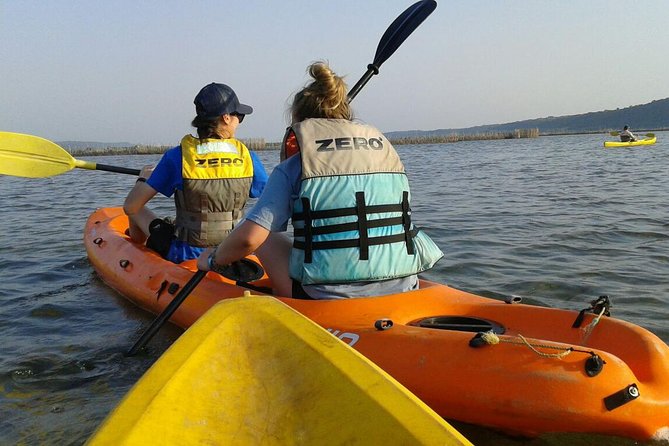
Paddling Kosi Bay feels like time slows down. I love how this guided kayak route slips through mangrove channels and working fish kraals, with the guide steering you through the tight network. It’s a rare mix of quiet nature time and real, on-the-ground coastal life.
The main catch is that the tour price does not include the reserve permit and gate fees, and the trip depends on good weather. If you hate last-minute plan shifts, keep your schedule flexible.
In This Review
- Key highlights you’ll feel right away
- Why Kosi Bay estuary is such a special kayak playground
- What happens before you even paddle: meeting, gear, and orientation
- Kosi Bay fish kraals: seeing a working estuary up close
- Mangrove channels maze with your guide
- Photos, birds, and the Tsonga cultural side you might notice
- How long it takes and who will enjoy it most
- Price and value: $23.39, plus permit and gate fees
- Practical tips for a smooth 2-hour paddle
- Should you book this Kosi Bay kayaking adventure?
- FAQ
- Where does the Kosi Bay Kayaking Adventure take place?
- How long is the kayaking adventure?
- Is a mobile ticket provided?
- What is included in the tour price?
- Are reserve permit and gate fees included?
- How many people are in the group?
- What happens after I meet the guide?
- How soon will I get confirmation after booking?
- Can most travelers participate?
- What if the weather is poor?
- What is the cancellation policy for a full refund?
Key highlights you’ll feel right away
- Guided navigation through mangrove channels, so you do not have to figure out the maze
- Fish kraals on the route, where you can see how local coastal life works
- Small group limit (16 people), which helps the experience stay calm
- Kosi Bay Nature Reserve vibes, with mangroves, fish life, and lots of birds
- All kayak essentials included: kayak, paddles, and life jackets
- Serene photo moments in an unspoiled estuary environment
More paddling, sheltered water and open
- Kosi Bay Kayaking Adventure★ 5.0 · 3 reviews
Why Kosi Bay estuary is such a special kayak playground
Kosi Bay sits in KwaZulu-Natal on South Africa’s east coast, and it’s known for being one of the most pristine estuarine systems around. That matters because estuaries are not just pretty water. They are living ecosystems where freshwater and seawater mingle, and that mix draws in fish, birds, and all kinds of coastal activity.
On this paddle, you get to move slowly through that environment under your own power. That is a big deal in mangroves. A kayak keeps you quiet and low, so you can actually notice details like ripples near roots, movement in shallow areas, and birds using the waterways as routes.
Another strong point is the combination of habitats. You are not only paddling past mangroves. You also go through fish kraals, which adds a human layer to the scenery. You see the estuary as a working place, not just a nature display. Plus, the Kosi Bay area has Tsonga culture in the mix, which you may notice through the way the route and guide context the region.
If you want a nature trip that feels real and unhurried, this is built for that. You get the serenity without feeling like you are stuck in a bus or walking forever.
What happens before you even paddle: meeting, gear, and orientation
The experience starts with your guide meeting you on the road down to Kosi Bay mouth. From there, you will be directed to a safe parking area. This is not just a formality. A good start matters in kayaking because you want everyone settled, calm, and ready before you head into the water.
Next comes the kayak setup. Your tour includes the basics you need to paddle comfortably: the kayak, paddles, and a life jacket. With those taken care of, you can focus on the real skill here, which is gentle, controlled movement through the channels.
The group size is capped at 16 people. That number keeps the pace manageable and makes it easier for the guide to keep an eye on everyone. It also helps the trip feel more personal than you might expect from a shared activity.
Then the practical part: you follow your guide’s lead into the fish kraals and mangrove channels. You are not left to guess where to go. This matters most in mangroves, where the waterways can feel like a maze and where staying on the safe route is the point.
The whole activity runs about 2 hours. That is a sweet spot for most people. Long enough to feel like you actually had a paddle trip, short enough that you are not exhausted by the time you turn back.
Kosi Bay fish kraals: seeing a working estuary up close
One of the most interesting parts of this kayaking adventure is that it includes the fish kraals. Fish kraals are a sign that the estuary is not just protected. It’s used. People have found ways to work with the rhythms of the water, and the route passes through areas where that coastal knowledge shows up in the landscape.
Kayaking through fish kraals changes what you notice. Instead of only scanning for birds, you start paying attention to the structure and layout. You are moving at a slow, steady pace, so you can take in the arrangement and see how the water flows around it.
You also get a better feel for the ecosystem. Fish kraals and nearby water usually bring together feeding opportunities for birds. That means your bird spotting tends to happen naturally as you paddle. The key is your speed. If you go too fast, you miss the moments where birds react to your movement. With a guided pace, you get the chance to slow down and actually observe.
This part also helps explain why the guide matters. The route through these working areas needs care, and you will have a guide who leads you along safely. It’s not just about spotting things. It’s about getting the timing and navigation right so you are in the right place at the right moments.
If you like nature that comes with real local context, this is the highlight that gives the paddle meaning beyond the photos.
Mangrove channels maze with your guide
Mangroves look calm until you are inside them. Then you realize how easily you could lose your bearings. That is why the guided element is not a nice-to-have here. It is the core of how the experience stays smooth and safe.
Your guide leads the way through the maze of mangrove channels. That means you can focus on gliding, looking, and listening, instead of staring at the water trying to figure out which way to go. And in mangroves, that mental workload matters. You want the channels to feel serene, not stressful.
Mangrove roots create natural shelter for fish and act like a buffer for the water. As you paddle through, you may notice how the light changes, how the water texture shifts near roots, and how the channel walls shape the movement of the kayak. Even if you are not a nature expert, you will feel the difference between open water and the sheltered waterways.
Another real value here is the sense of time. The estuary is quiet, and the kayak helps you keep it that way. One piece of feedback I saw stood out for this reason, a sense of almost having the place to yourselves, paired with praise for the guide. With a maximum of 16 people, that calmer feeling is plausible.
Also, this tour is built around the idea that the Kosi Bay Nature Reserve is pristine and unspoiled. You are not rushing through a crowd route. You are moving through a living system with space to breathe.

Photos, birds, and the Tsonga cultural side you might notice
You’ll want your camera for this one. The tour is described as a place for timeless, tranquil pictures, and that matches what you experience when you paddle slowly through mangroves and fish kraals. The visuals are more layered than you might expect: roots and channels in the foreground, movement from birds in the mid distance, and a sense of depth as the water curves.
Bird life is part of the appeal. Estuaries are feeding grounds, and mangrove areas tend to concentrate birds. As you follow the guide’s route, your best photo opportunities are usually when you slow down with everyone else and keep your head up instead of constantly checking your paddle position.
Then there is the Tsonga culture angle. The region is described as having fascinating Tsonga culture too, and while the tour itself is kayaking focused, the guide-led context can make the estuary feel connected to local life rather than random scenery. When a place has both ecological and cultural importance, your experience tends to feel richer in a practical way. You understand why the water and the channels matter.
If you are hoping for a wild, dramatic scene, this is not that kind of tour. Instead, it delivers quiet and detail. Think still water, fine contrasts, and small signs of life that you might miss on a faster boat.
How long it takes and who will enjoy it most
This kayaking adventure runs for about 2 hours. That includes the time to meet up, gear up, get oriented, paddle through the fish kraals and mangrove channels, and return to the starting point. The exact split between those parts can vary with conditions and pace, but the overall time block stays consistent.
Most travelers can participate. That is important if you’re not sure about kayaking fitness. You’re not signing up for a multi-day expedition. You’re going out for a guided window in a protected area.
Who it suits best:
- If you want nature without heavy hiking, this is a strong match.
- If you like wildlife and quiet settings, the estuary approach fits.
- If you want local coastal context, the fish kraals add meaning.
Who might want to think twice:
- If you dislike being outdoors in changing conditions, remember the tour requires good weather.
- If you are very sensitive to water splashes or prefer to avoid any chance of getting damp, you should plan accordingly. The tour includes life jackets and paddling, so you should expect to be in the water experience even if it stays calm.
Price and value: $23.39, plus permit and gate fees
The listed price is $23.39 per person, and that is the part that makes it accessible. For two hours of guided kayaking, with kayak, paddle, and life jacket provided, the value is solid. You are paying for two things: time on the water and expert guidance through channels you would not want to navigate alone.
Two things keep the pricing honest:
- The guide is part of the experience, not an add-on.
- The equipment is included.
The one cost you should plan for separately is the reserve permit and gate fees. Those are at your own expense. That means your true total cost depends on those fees, so make sure you budget for that before you lock it in.
One more practical note: this activity is commonly booked about 37 days in advance. That doesn’t mean you cannot find availability, but it does suggest it is a popular, seasonal-feeling outing. If you want a specific date, booking ahead is smart.
Practical tips for a smooth 2-hour paddle
Here’s how I’d set yourself up to enjoy the experience fully, based on what the tour description emphasizes.
First, arrive ready to go. The guide meets you on the road and takes you to the kayaks. If you are late or scrambling, the group pace and your safety briefing can get rushed.
Second, treat the life jacket and paddles as part of your comfort plan. You do not need to bring your own for this trip, but you should make sure everything fits and sits right when you get it.
Third, follow the guide’s pace and directions closely. This is especially important in mangrove channels where navigation depends on careful routing. If you paddle ahead or lag behind, it creates stress for you and for the group.
Fourth, bring a camera mindset. The route is designed for serene photo moments, but photos are easier when you are not constantly adjusting your grip or fighting your kayak position. Keep it simple: pause when the guide indicates it, then shoot, then move again.
Finally, plan around weather. The tour requires good weather, so if conditions are not right, you might be offered another date or a full refund. That flexibility is part of enjoying outdoor kayaking in an estuary.
Should you book this Kosi Bay kayaking adventure?
I think you should book it if you want a guided kayak experience that feels calm, natural, and locally grounded. This tour checks the boxes that matter most for value: equipment included, a real guide-led route, a short 2-hour time commitment, and a small group cap that helps keep things peaceful.
Skip it only if you know you hate any dependency on weather, or if you do not want to budget for reserve permit and gate fees in addition to the ticket price. Those two factors can change your total cost and your plan timing.
If you’re the kind of traveler who likes being on the water, not just looking at it from shore, this is a great fit. Kosi Bay is made for slow movement and patient attention, and this adventure is built exactly for that.
FAQ
Where does the Kosi Bay Kayaking Adventure take place?
It takes place in KwaZulu-Natal, South Africa, with the meeting point listed as Unnamed Road, eNkovukeni, South Africa. The tour ends back at the same meeting point.
How long is the kayaking adventure?
The duration is approximately 2 hours.
Is a mobile ticket provided?
Yes, the tour includes a mobile ticket.
What is included in the tour price?
The tour includes kayaks, life jackets, and paddles.
Are reserve permit and gate fees included?
No. Reserve permit and gate fees are at your own expense.
How many people are in the group?
The experience has a maximum of 16 travelers.
What happens after I meet the guide?
The guide will direct you to a safe parking area and lead you to the kayaks. Then you will be guided through the Kosi Bay fish kraals and into the mangrove channels.
How soon will I get confirmation after booking?
Confirmation is received within 48 hours of booking, subject to availability.
Can most travelers participate?
Yes, most travelers can participate.
What if the weather is poor?
The experience requires good weather. If it is canceled due to poor weather, you will be offered a different date or a full refund.
What is the cancellation policy for a full refund?
You can cancel for a full refund up to 24 hours in advance of the experience start time. If you cancel less than 24 hours before the start time, the amount paid will not be refunded.
Paddling Routes in KwaZulu Natal
Keep going: the rest of our KwaZulu Natal write-ups
- Full-day Hluhluwe-iMfolozi Park Big 5 Safari Experience
★ 5.0 · 3 reviews - Richards Bay Shore Excursion: Pvt Small Group Hluhluwe & DumaZulu
★ 5.0 · 3 reviews - Private Safari and Wildlife Tour in Hluhluwe
★ 4.0 · 3 reviews - Kosi Bay Kayaking Adventure
★ 5.0 · 3 reviews - Hluhluwe Game Drive – Half day
★ 4.5 · 5 reviews - Hiking Tour to Drakensberg Mountains South Africa
★ 5.0 · 6 reviews
Canoes & Kayaks, compared.
 ★ 4.8Cape Town: Marine Life Kayak Tour From the V&A WaterfrontFrom $37640 reviews
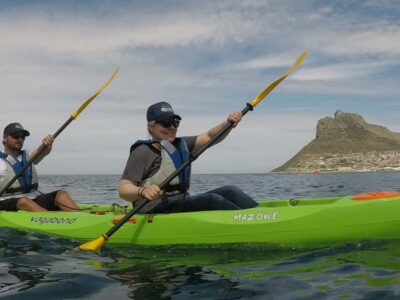 ★ 4.8Cape Town: Guided Kayaking in Hout BayFrom $37228 reviews
 ★ 5.0Atlantic Outlook Kayak Tour Cape TownFrom $29194 reviews
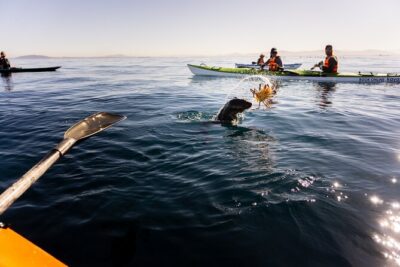 ★ 5.0Cape Town Kayak Adventure in Table Mountain Marine ReserveFrom $28151 reviews
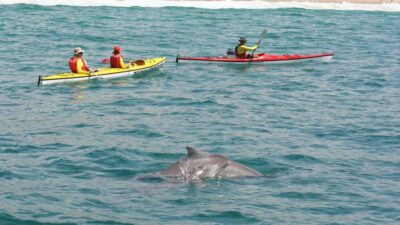 ★ 4.3Plettenberg Bay: Guided Sea Kayak TourFrom $24121 reviews
 ★ 5.0Cape Town: Dolphin & Ocean Wildlife Kayaking Adventure ⚓️From $3757 reviews
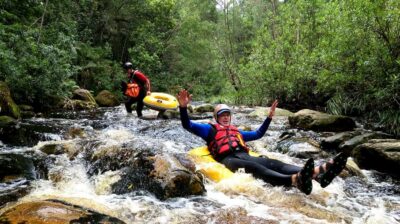 ★ 4.3Stormsrivier: Green Route Tubing and Paddle-Boarding TourFrom $6240 reviews
 ★ 4.6Knysna Kayak HireFrom $1530 reviews
Browse the lists this tour appears in