
REVIEW · LION AND BIG CAT PARKS
Johannesburg: Rhino and Lion Nature Reserve Safari
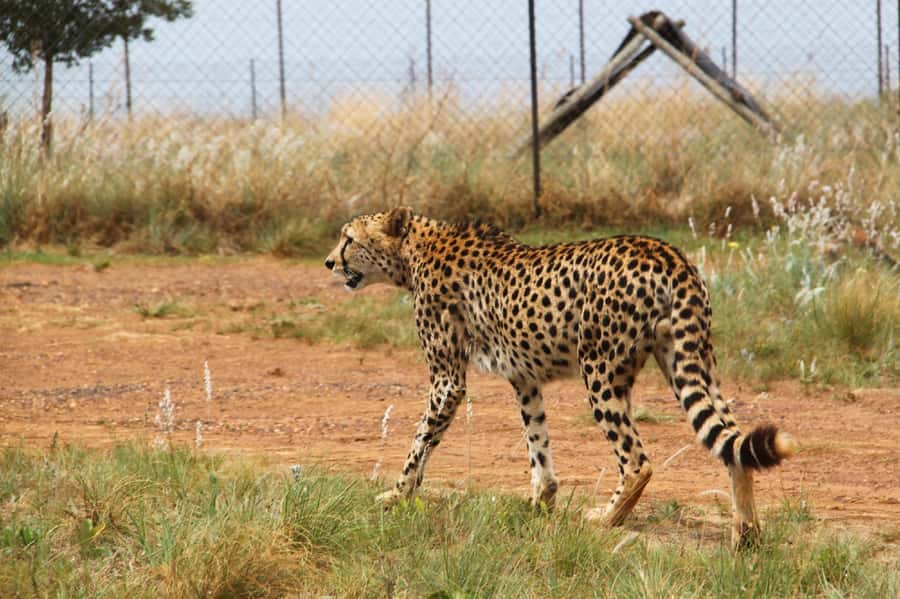
Big cats and white rhinos, close up. This half-day safari takes you from Johannesburg to the Bothongo Rhino and Lion Nature Reserve for a guided ride where spotting wildlife is the whole point.
I love the format: a live guided game drive from an open safari vehicle, so you get real-time explanations while you scan for lions, white rhinos, and other highlights. I also like the practical ease of hotel pickup and drop-off, plus the small group size (limited to 15), which keeps the experience feeling organized instead of crowded.
One thing to watch: communication about pickup timing can make or break your morning. If you are relying on the driver to find you smoothly, I suggest you confirm pickup details clearly with Tsalanang Travel Tours the day before, so you are not left waiting.
Key points at a glance
- Open safari vehicle game drive with a guide, so spotting turns into learning, not just sightseeing
- Small group (max 15), which helps you hear instructions and stay oriented
- Big variety of animals beyond the “usual suspects,” including hippos and crocodiles
- Hotel pickup and drop-off in Johannesburg, saving you the hassle of transport planning
- Bring the right comfort gear for sun and wind on an open vehicle
In This Review
- Rhino and Lion Nature Reserve safari: what makes it feel worth 4.5 hours
- Getting from Johannesburg to Bothongo: pickup, check-in, and the rhythm of the day
- The open safari vehicle game drive: how you’ll experience wildlife here
- Spotting lions, white rhinos, and wild dogs: what to expect on the drive
- Why the guide matters (and what to do so you get the most out of it)
- Comfort, rules, and what to pack for an open-vehicle safari
- Price and value: what $121 buys you in Johannesburg
- Who this safari suits best
- Should you book? My quick decision guide
- FAQ
- How long is the Johannesburg Rhino and Lion Nature Reserve safari?
- What does the tour include?
- Where does pickup happen?
- What animals might I see on the reserve?
- What should I bring and wear?
- Is this tour suitable for young children or babies?
Rhino and Lion Nature Reserve safari: what makes it feel worth 4.5 hours
This is a straightforward Johannesburg safari that doesn’t waste your time. In about 4.5 hours total, you get pulled from the city, spend the main chunk of the day wildlife-focused, then return to your accommodation without having to figure out logistics on your own.
What I like most is that the reserve is built for wildlife viewing in a way that supports a guided experience. You are not doing a quick drive-by. You are out in an open safari vehicle with a guide who can explain what you are seeing and what to look for next. That makes a real difference when you are trying to spot movement in tall grass or notice subtle behavior, like how predators position themselves or how different herbivores use shade.
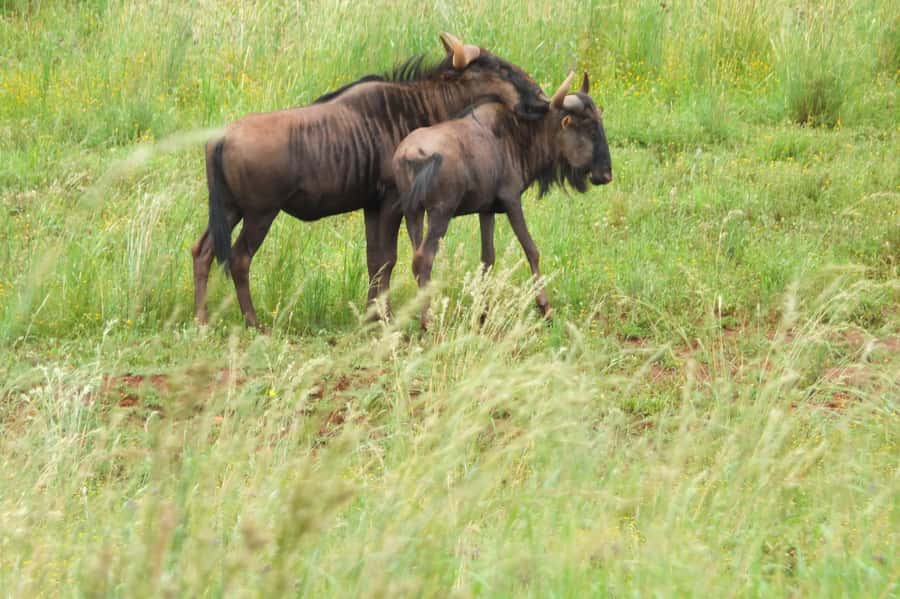
Also, this is not only about lions and rhinos, though those are the headline animals. The tour information points to a wider set of species you might encounter, including white rhinos and lions, plus wild dogs, hippos, crocodiles, cheetahs, and multiple antelope types. Even if you do not see every single species, that variety keeps the drive from feeling repetitive.
More of Joburg, neighbourhood by neighbourhood
- From Johannesburg: Pilanesberg Nature Reserve Game Safari★ 4.8 · 1,327 reviews
- Johannesburg: Hop-On Hop-Off Bus with Optional Soweto Tour★ 4.6 · 985 reviews
- Soweto /Johannesburg and Apartheid Museum Guided Full Day Tour★ 5.0 · 932 reviews
- Johannesburg Hop-On Hop-Off City Tour with Soweto Option★ 4.5 · 768 reviews
Getting from Johannesburg to Bothongo: pickup, check-in, and the rhythm of the day
The day starts with hotel pickup in Johannesburg. The tour notes you should meet your guide in the lobby of your hotel, which is helpful because it removes a lot of guesswork. From there, you head to Bothongo Rhino and Lion Nature Reserve, where you’ll check in and get ready for the game drive.
Timing-wise, the core viewing portion is about 1.5 to 2 hours (the tour listing also frames it as a 2-hour game drive). That is a sweet spot. Long enough that you can experience the rhythm of a safari drive, short enough that you are not exhausted when you return to the city.
After the game drive, you get time for souvenirs before heading back to your residence. This is a small detail, but it matters. If you are traveling with family or you want something tangible from the trip, having that window while you are already there is easier than scrambling later.
Practical tip: since the experience depends on pickup showing up on time, I strongly recommend you keep your phone charged and accessible. If you are staying in a larger hotel with multiple entrances, confirm where the guide will meet you, then be ready a few minutes early in the lobby.
The open safari vehicle game drive: how you’ll experience wildlife here
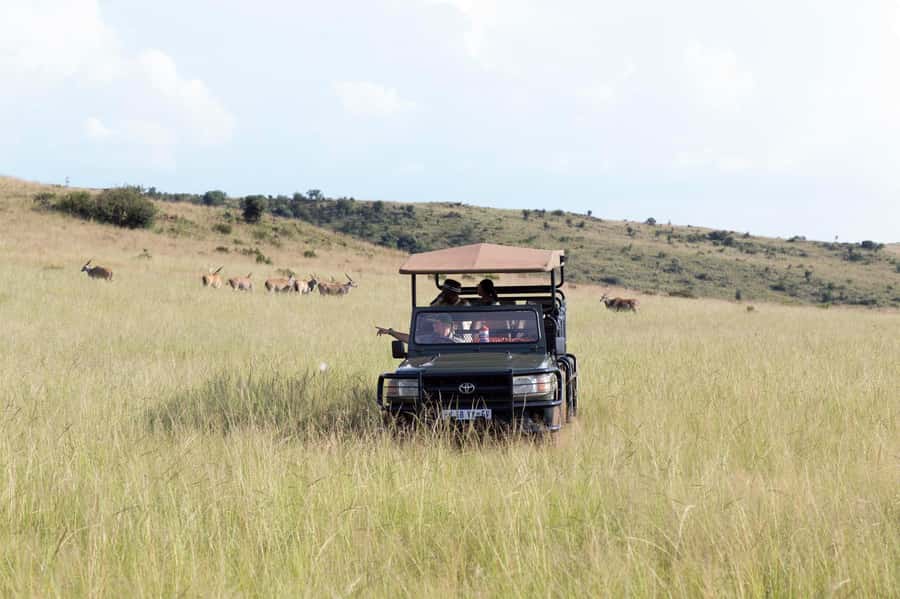
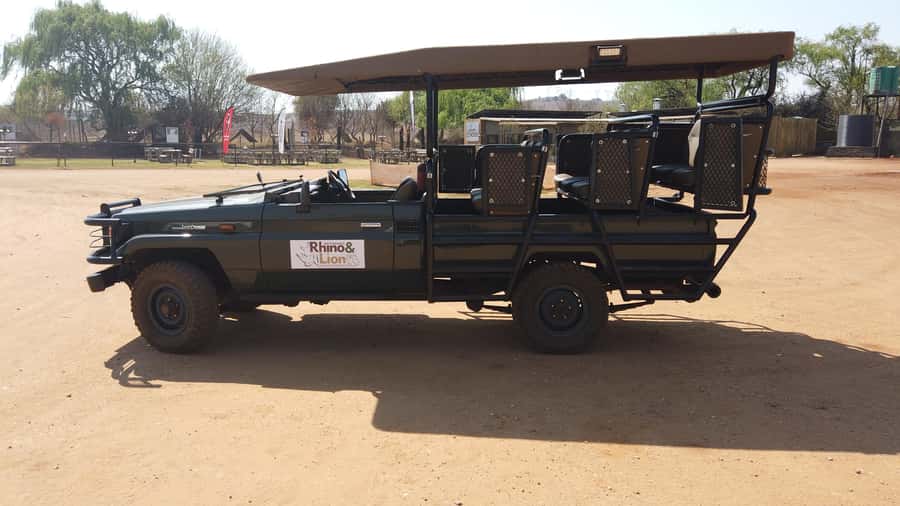
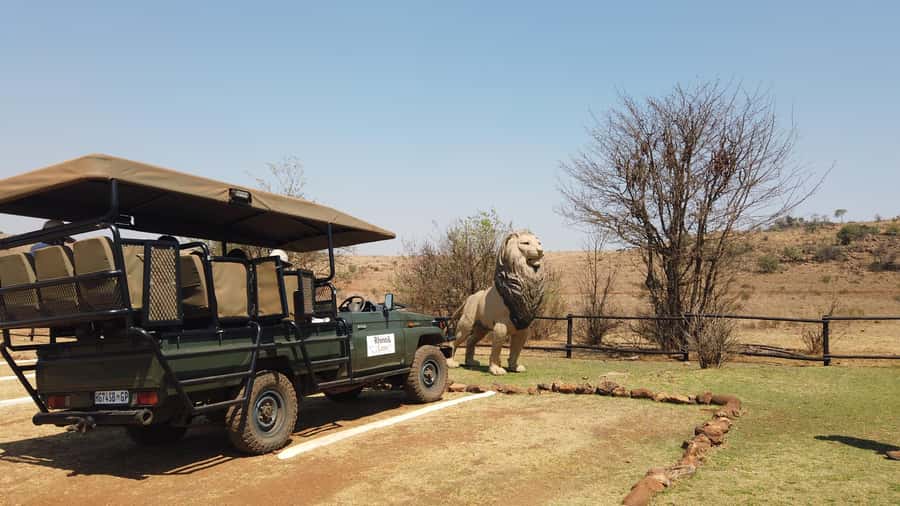
The tour’s big moment is the guided ride in an open safari vehicle. You’ll “hop into” the vehicle after check-in, and then the guide takes you through the reserve while you search for animals.
Why this matters: an open vehicle changes what you notice. You can usually see more, hear more, and feel the difference in how animals move when they are aware of sound and wind. It is also easier to react quickly when something appears at the edge of your sightline, because you are not boxed in like you would be in a fully enclosed vehicle.
From a practical angle, the open vehicle also means you should plan for weather. Johannesburg can be sunny and dry, and even if temperatures are comfortable, you will feel sun and wind. That’s why the tour recommends a hat and sunscreen, and it is why comfortable clothing is not just a suggestion. It helps you stay focused on spotting instead of adjusting everything every five minutes.
As for the guide, the tour specifies an English live tour guide who explains the different species on the reserve as you observe them. That is where you really get value from paying for a guided tour, because the guide can help you connect what you are seeing to behavior and identification.
Spotting lions, white rhinos, and wild dogs: what to expect on the drive
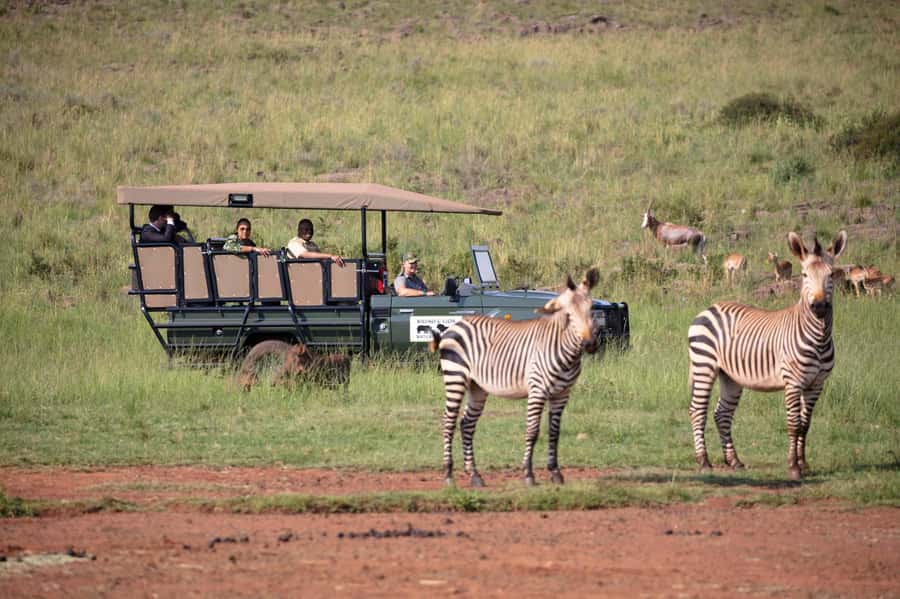
The tour states you may see lions, white rhinos, wild dogs, hippos, crocodiles, cheetahs, and various antelope species. Let’s turn that into something useful: how to manage expectations so you enjoy the drive no matter what pops up.
1) Lions and cheetahs
Predators can be hard to spot, but your chances improve when you know what to look for, and when your guide is actively scanning and explaining behavior. Cheetahs, for example, often reward patience when you pay attention to movement and open areas. Lions are often seen where they can observe their surroundings while conserving energy.
2) White rhinos
Rhinos are big enough that once you see them, you are instantly locked in. The guide’s explanations can help you notice how they use their space and how they move through the environment. Since the tour is specifically advertising white rhinos, I would treat that as a primary expectation, not a bonus.
3) Wild dogs
Wild dogs are typically more elusive. When you are hoping for them, you benefit most from staying mentally switched on throughout the whole drive, not just scanning for the obvious “big moments.” Even if they are not visible, your guide’s species talk can still make the sightings you do get feel more meaningful.
4) Hippos and crocodiles
These are the species that shift the whole vibe of a safari drive. You may spend time looking toward water areas or watching subtle signs of life along edges. Hippos can look relaxed until they suddenly decide to move, and crocodiles can be tough to read if you are not sure what “active” looks like. A guide helps here because they can point your attention the right way.
5) Antelope and other herbivores
Antelope sightings often come through as a moving puzzle. They help you understand the reserve’s food chain and how predators and herbivores share space. If you focus only on big predators, you can miss the “background story” that makes the ecosystem feel real.
The bottom line: you are buying a guided chance to spot wildlife, not a guaranteed checklist. Still, the tour is built around a strong mix of species, and the guide-led scanning is what gives you the best odds within this timeframe.
Why the guide matters (and what to do so you get the most out of it)
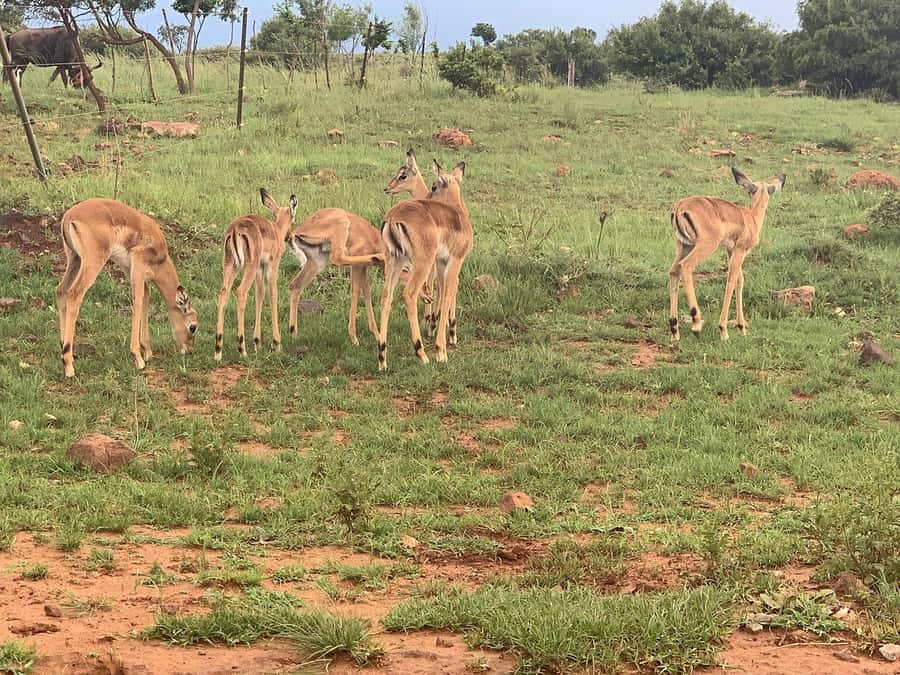
A good safari guide does two things at once: they spot wildlife, and they translate what you are looking at. This tour explicitly includes learning about different species as you admire them, and that is exactly the kind of payoff that makes a guided drive feel like more than a ride.
Since the group is limited to 15 participants, you should be able to hear instructions and adjust your position when the guide calls for it. That also helps if you are traveling solo, or if you are with a partner who wants different things from the trip. One person may care about identification, while the other just wants the thrill of a close sighting, and a guide can steer both experiences.
My practical advice: keep your camera ready but not in front of your face the entire time. During a safari, the best photos often happen when you react quickly, and you also want to keep enough attention on the guide’s pointers to know when something is worth aiming at.
Other big cat parks within an hour of town
Comfort, rules, and what to pack for an open-vehicle safari
The tour spells out what you should bring: hat, camera, sunscreen, and comfortable clothes. Use that list like a mini packing checklist.
Comfort tips I’d follow:
- Wear clothes you can move in, because safari viewing is full of small stance changes, shifting seats, and leaning slightly forward for views.
- Bring sun protection seriously. Open vehicles mean you get sun from above and around.
- If you rely on your phone camera, bring a small portable charger or at least ensure you have battery to spare. An open-vehicle safari is the kind of activity where you take lots of photos.
Rules are also clearly stated, and they protect the wildlife and the experience for everyone:
- No feeding animals
- No drones
- No alcohol or drugs
- No baby strollers or baby carriages
Also, the tour is not suitable for children under 2 years, children under 3 years, and babies under 1 year. It is also not suitable for people with animal allergies. If any of those apply to you, double-check your fit before booking.
Price and value: what $121 buys you in Johannesburg
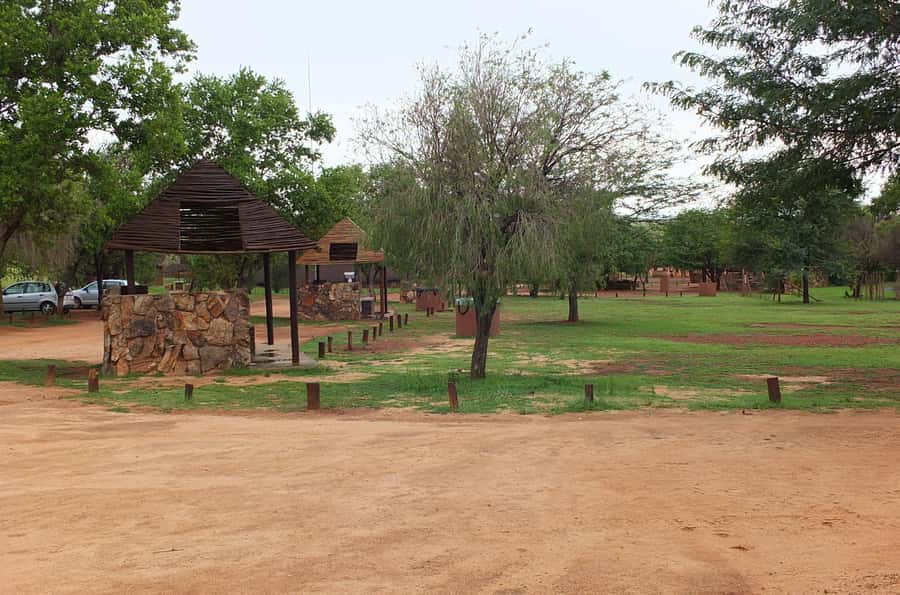
At $121 per person for 4.5 hours, this tour is in the “active experience” category, not a casual add-on. You are paying for three things that add up quickly: transport from Johannesburg, a guided open safari vehicle drive, and the time box that makes the day efficient.
Here’s the value breakdown in plain terms:
- Hotel pickup and drop-off saves you the trouble of arranging transport and reduces decision fatigue.
- 2-hour game drive is long enough to matter. You are not looking at wildlife for only 20 or 30 minutes, which is when safari rides often feel like a tease.
- Small group (max 15) increases your chances of staying comfortable, hearing the guide, and following where your eyes need to go.
- Bottled water is included, which helps on a warm, outdoor ride.
What could affect value for you personally is your tolerance for the open-vehicle format. If you hate sun exposure or wind, you will feel it. If you like the sensory side of wildlife viewing, you’ll likely feel it as part of the fun.
Who this safari suits best
This tour fits best if you want a classic guided safari from Johannesburg without spending a full day on the road. It is also a good pick if you enjoy learning about species while you look, not just taking photos.
I think it’s especially well-suited for:
- Couples and friends who want a shared, guided wildlife experience
- First-time safari visitors who benefit from an English guide and clear focus on spotting
- People who like structure, because pickup, check-in, and a set game drive time make the day easy to plan
It is likely not the best choice if you are traveling with very young children or if animal allergies are a concern. And if you are the type who needs crystal-clear pickup communication, build in a moment to confirm details ahead of time.
Should you book? My quick decision guide
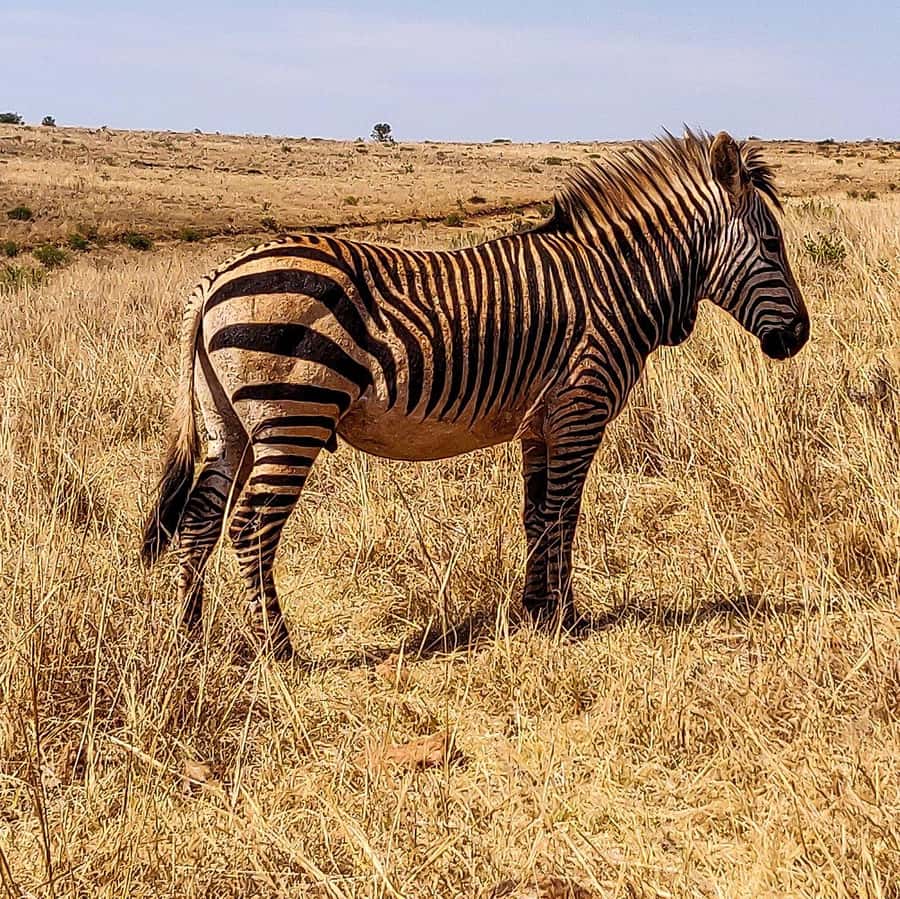
Book this safari if you want an efficient, guided wildlife outing with a strong chance of seeing the big headliners, plus a guide who explains what you are looking at. The small group size, hotel pickup, and open-vehicle format make it feel like a real safari experience, not just a transfer with a quick stop.
Skip or reconsider if open-air sun and wind are a deal breaker for you, or if your schedule makes pickup communication stressful. Since the tour’s success depends on getting to the reserve smoothly, take five minutes to confirm pickup timing and meeting location with Tsalanang Travel Tours the day before.
If you handle those two points, you’ll likely come away feeling that $121 bought you exactly what you came for: a guided drive, a chance at meaningful wildlife sightings, and an easy return to Johannesburg when your day is done.
FAQ
How long is the Johannesburg Rhino and Lion Nature Reserve safari?
The total duration is 4.5 hours, and the game drive is described as about 2 hours (with the drive itself listed as 1.5 to 2 hours).
What does the tour include?
It includes hotel pickup and drop-off, a game drive (about 2 hours), an English live tour guide, and bottled water.
Where does pickup happen?
You meet your guide in the lobby of your hotel in Johannesburg. Pickup is included.
What animals might I see on the reserve?
The tour information lists lions, white rhinos, wild dogs, hippos, crocodiles, cheetahs, and various antelope species.
What should I bring and wear?
Bring a hat, camera, sunscreen, and comfortable clothes.
Is this tour suitable for young children or babies?
No. It is not suitable for children under 2 years, children under 3 years, and babies under 1 year. It is also not suitable for people with animal allergies.
Parks and Reserves in Johannesburg
- From Johannesburg: Pilanesberg Nature Reserve Game Safari
- Full Day Ultimate Pilanesberg National Park Safari from Johannesburg or Pretoria
- Full Day Safari Tour of Pilanesberg National Park, Open Jeep experience
- 3-Day Kruger National Park Open Vehicle Safari
- Johannesburg: 4-Day Classic Kruger National Park Safari
Lion and Big Cat Parks Nearby
Johannesburg, Block by Block
- From Johannesburg: Pilanesberg Nature Reserve Game Safari
- Johannesburg: Hop-On Hop-Off Bus with Optional Soweto Tour
- Soweto /Johannesburg and Apartheid Museum Guided Full Day Tour
- Johannesburg Hop-On Hop-Off City Tour with Soweto Option
- Full Day Ultimate Pilanesberg National Park Safari from Johannesburg or Pretoria
Keep going: the rest of our Johannesburg write-ups
- Soweto Private half day tour
★ 4.5 · 3 reviews - Johannesburg’s Migration History with a local lunch
★ 5.0 · 3 reviews - Johannesburg: Soweto, Apartheid Museum, and Cradle tours
★ 4.7 · 3 reviews - Soweto Apartheid Museum and Lunch
★ 5.0 · 3 reviews - Bathongo Rhino & lion park nature reserve tour
★ 5.0 · 3 reviews - Johannesburg: Elephant and Monkey Sanctuary Half Day Tour
★ 5.0 · 3 reviews
Lion and Big Cat Parks, compared.
 ★ 5.0Half Day Lion Park tour from Johannesburg or PretoriaFrom $100274 reviews
 ★ 4.8Hartbeespoort: Lion and Safari Park TourFrom $70103 reviews
 ★ 4.8Hartbeespoort: Lion and Safari Park Guided TourFrom $3899 reviews
 ★ 4.5Cheetah Outreach Tour Somerset West, Gordon’s Bay and Strand BeachesFrom $5394 reviews
 ★ 5.0Cradle of Humankind, Caves or Maropeng, Rhino and Lion ParkFrom $9774 reviews
 ★ 4.7Hartbeespoort: Self-Drive Lion and Safari Park TourFrom $2464 reviews
 ★ 4.5Captivating Safari Lion Park Experience (Half Day Guided Tour)From $9462 reviews
 ★ 4.8Pretoria: Pretoria City and Lion Park TourFrom $16741 reviews
Browse the lists this tour appears in