
REVIEW · JOHANNESBURG CITY TOURS
Johannesburg: Half-Day Apartheid Museum Tour
Johannesburg hits you in the gut, fast. I like how this tour pairs hotel pickup with a guided 3-hour visit to the Apartheid Museum, where 22 exhibition areas lay out the rise and fall of apartheid step by step. One thing to plan for though, this is heavy material, and the tour does not include food, so you’ll want to manage your energy and timing.
I also appreciate the small group size, limited to 13, which keeps the experience from feeling like a conveyor belt. Guides can adjust the schedule if 3 hours feels too short, so you are not forced to rush through something that deserves your full attention.
Finally, the round-trip logistics are straightforward, about 45 minutes each way by comfortable vehicle, with free uncapped Wi-Fi on board and ticket-line time saved at the museum.
What makes this tour worth your time
- A guided 3-hour museum visit that organizes the story of apartheid instead of leaving you to guess
- 22 exhibition areas built with films, photographs, text panels, and artifacts
- Pickup and drop-off in Johannesburg, so you spend less time figuring out transport
- English live guides, including named guides you might meet like Mark, Bongani, Martin, Tshepo, Guy, James, and others
- Small group size (up to 13) that usually means more questions and less waiting
In This Review
- A half-day plan that respects the subject and your schedule
- From your hotel to the museum: context on the drive
- The guided museum visit: 22 exhibition areas, built for understanding
- The emotional arc, from 1948 policy to 1994 election
- Why the guide level matters so much (Mark, Bongani, Martin, Tshepo)
- Timing and pacing: 45 minutes each way, 3 hours inside
- Practicalities that keep the day smooth
- Price and value: is $49 fair for what you get?
- Who should book this Johannesburg Apartheid Museum tour
- Should you book it?
- FAQ
- How long is the Johannesburg Apartheid Museum tour?
- What’s included in the tour price?
- Is there food included?
- What group size is this tour?
- Is the tour guide English-speaking?
- Do I get hotel pickup and drop-off?
- Is the transport comfortable, and is there Wi-Fi?
- Is this tour wheelchair accessible?
- Can I cancel for a refund?
A half-day plan that respects the subject and your schedule
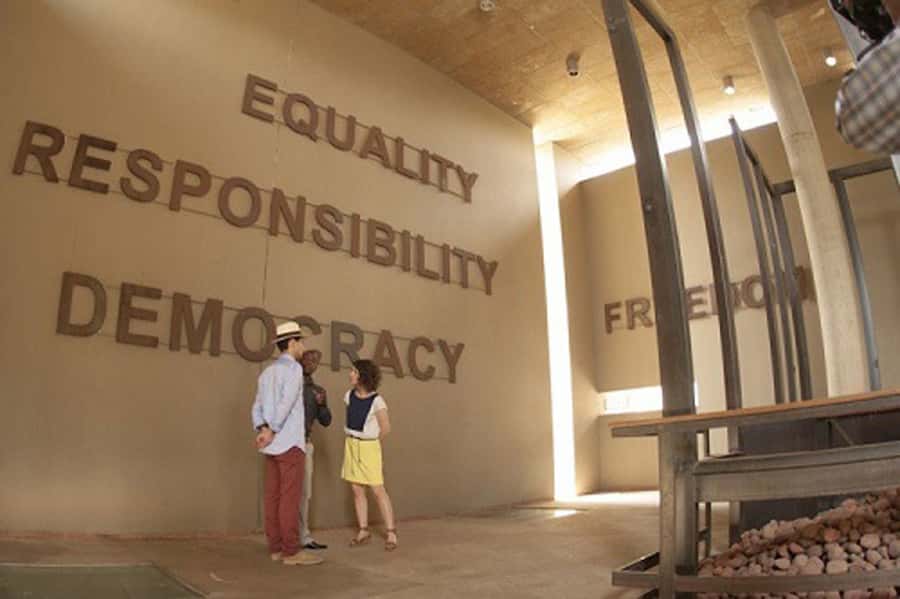
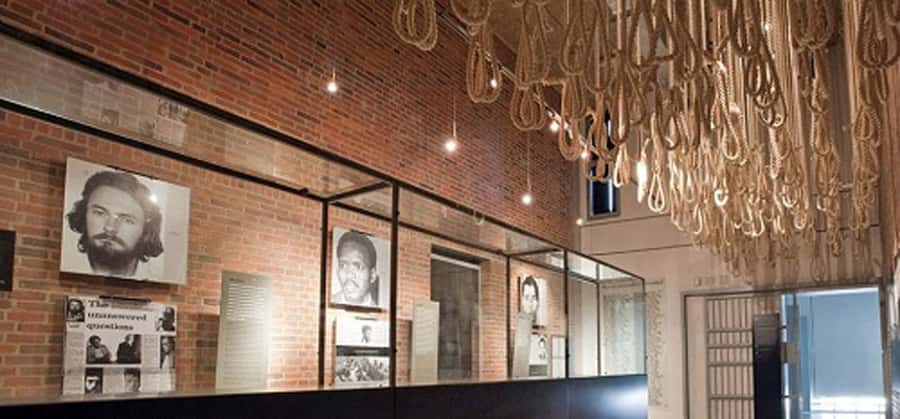
This is a half-day format, but don’t think of it as a quick look. The Apartheid Museum is designed to teach, provoke thought, and tell hard human stories, and a guided 3-hour visit is long enough to follow the main arc without turning it into a sprint.
You start with hotel pickup in Johannesburg. Then you ride to the museum, about 45 minutes by comfortable vehicle. After the museum, you return to your accommodation the same way, with another 45-minute drive. That structure matters because when the subject is emotionally intense, you want your logistics handled.
A small bonus that I truly like: the tour includes skip-the-ticket-line access. It saves friction when you would rather be inside, reading carefully and absorbing slowly.
From your hotel to the museum: context on the drive
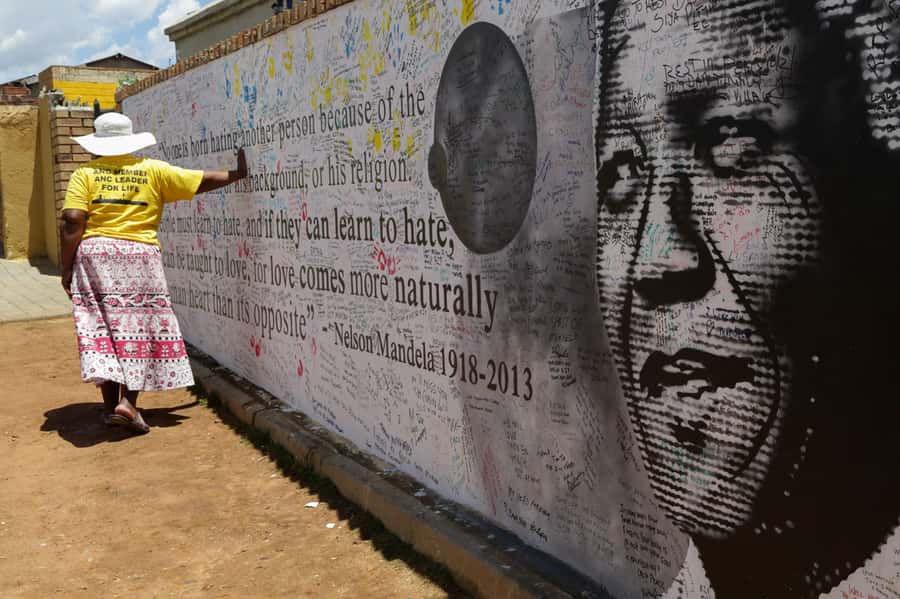
On paper, the ride is just a transfer. In practice, it is often part of the learning. Several guides are described as adding extra context during the drive, pointing out landmarks and giving history of Johannesburg along the way. If you are arriving in South Africa and feeling a little disoriented, that kind of orientation helps you connect the city around the museum to what you’re about to see.
Guides you might meet include Mark and Bongani, both praised for commentary and help throughout the experience. Another guide, Tshepo, is specifically mentioned for being punctual and for adding history on the way to the museum, including landmark discussions you can use later in the city.
The vehicle ride also includes free uncapped Wi-Fi, so you can message home, check maps, or simply take a breather without burning data.
The guided museum visit: 22 exhibition areas, built for understanding
The heart of the tour is the Apartheid Museum, where you spend around 3 hours with a guide. The museum is organized into 22 individual exhibition areas. They are assembled by a multi-disciplinary team, including curators, filmmakers, historians, and designers, and that shows in the pacing.
Here is the key thing I would tell you to watch for: the museum does not rely on one format. You’ll see provocative film footage, photographs, text panels, and artifacts. That mix is useful because apartheid is not just dates and laws. It was daily life, forced separations, punishment, and power systems that shaped where people could go, what they could do, and how they were treated.
A few reviews highlight that the museum has self-guided sections, but the guide helps fill in the gaps with personal experience and clear context. That is exactly what you want. You don’t just want to look at objects. You want someone to connect the dots.
The emotional arc, from 1948 policy to 1994 election
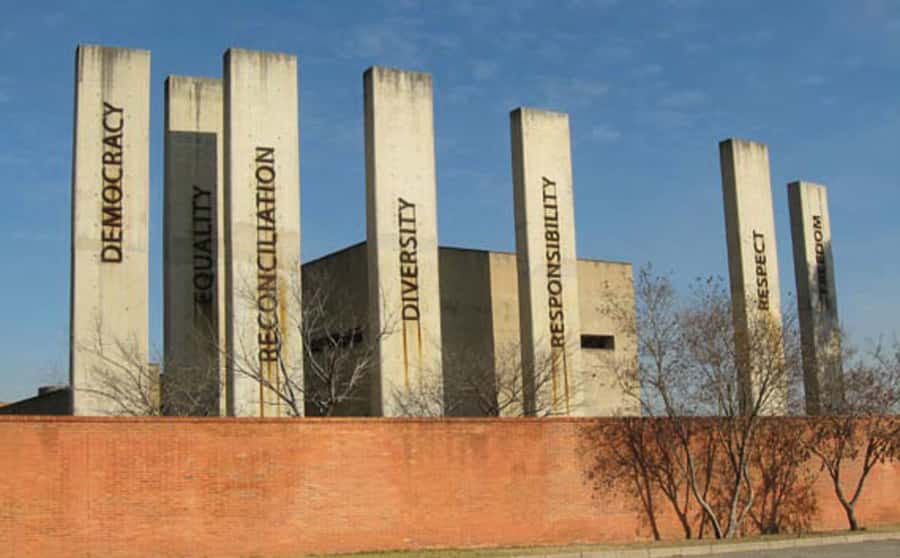
The story moves along a timeline. You start with apartheid being implemented in 1948 by the white elected National Party government. That policy turned 20 million people into second class citizens, condemning many to humiliation, abuse, and lives constrained by state-sanctioned discrimination.
Then the museum guides you through the rise and fall of apartheid, including the struggle of the majority to overthrow tyranny. The climax comes with the election of Nelson Mandela in 1994, the prisoner who later became president, and the liberation of South Africa from apartheid.
This is not a calm, neutral museum visit. Expect your brain to work hard and your emotions to show up. If you need a strategy, use the guide’s structure. When your guide points you toward what a film clip or artifact is trying to communicate, you spend less time wondering what you are looking at.
It also helps that the tour description notes you can sometimes adjust the schedule if you find 3 hours too short. That is practical, because for a museum like this, “too short” often means you actually want more time to sit with specific sections.
Why the guide level matters so much (Mark, Bongani, Martin, Tshepo)
With museums, there are two common mistakes. One is trying to read everything fast. The other is walking through without a framework. This tour aims to prevent both by keeping a guide with you for the museum portion.
I really like how guides are described as contextualizing information and sharing extra nuggets to help it click. Some guides are singled out for their warmth and smooth handling of people’s needs. For example, Bongani is noted for wheelchairing a visitor’s mother around exhibits and guiding her through the museum content. That is not a minor detail. It suggests the guide is thinking about access and flow, not just delivering the script.
Different guides also show different strengths. Mark is praised for commentary and insights. Martin is mentioned as an excellent, kind tour guide and driver. Tshepo is praised for making the day comfortable and for helping the information stay logical and digestible. Guy, James, and Gaza are also named for staying with the group and managing timing, plus answering questions about South Africa.
So what should you take from this? In a museum full of painful history, a good guide does three jobs:
1) explains what you are seeing,
2) keeps the experience moving at a humane pace,
3) helps you ask better questions.
If you care about context, not just content, this is where the tour earns its place.
Timing and pacing: 45 minutes each way, 3 hours inside
The schedule is simple. Pickup, ride about 45 minutes, museum visit 3 hours with guidance, then ride back for about 45 minutes. The total time is listed as 5 hours, which is right in the sweet spot for many people doing Johannesburg for the first time.
Still, you need to plan for the human factor. Three hours in this museum can feel short, but it can also feel like a lot depending on your stamina. If you are prone to museum fatigue, aim to take brief pauses inside when the guide gives you a moment to step back. If you are traveling with someone who needs extra time, the guides may be able to adjust pacing.
Also remember: the tour does not include food. That means you might want to eat before pickup or bring a plan for after. A common mistake with emotional tours is realizing too late you are hungry and distracted, which makes reading harder.
Practicalities that keep the day smooth
Here is what the tour includes and what it asks you to handle yourself.
Included:
- museum entrance
- a 3-hour guided visit
- pickup and drop-off from Johannesburg accommodations
- transfers in a comfortable vehicle
- free uncapped Wi-Fi on board
- skip-the-ticket line access
- English live tour guide
- wheelchair accessible
- small group size limited to 13
Not included:
- food
- souvenirs
The “wheelchair accessible” note matters. The tour is described as wheelchair accessible, and at least one guide is specifically praised for assisting in navigating exhibits. If you need mobility support, this is a good sign, but it is still smart to ask in advance if you have particular access needs.
One more practical detail I think you should know: one review mentions transport confusion beyond the tour company’s control and a replacement guide/driver being sent out quickly, with the day running close to a private tour. That suggests contingency plans can exist. It is not something you should count on, but it is reassuring to know they respond when issues pop up.
Price and value: is $49 fair for what you get?
At $49 per person for roughly a half-day, this tour sits in a middle range that makes sense only if you value guide-led context. The museum itself can be moving and informative, but without a framework you might miss the emotional and political connections between sections.
What you are paying for, in practical terms:
- 3 hours of guided interpretation across a complex, multi-section museum
- hotel pickup and drop-off, which saves you time and confusion in Johannesburg
- small group size (up to 13), which makes it easier to ask questions
- skip-the-ticket line and museum entrance
- comfortable transport plus Wi-Fi
If your goal is to learn the rise, structure, and consequences of apartheid, the guide layer is the value driver. If your goal is only to do the museum at your own pace with no structured explanation, you could compare against self-guided options. But given the heavy themes and the museum’s dense layout, I think the guided visit is a strong use of your time.
Who should book this Johannesburg Apartheid Museum tour
This tour fits best if you want:
- a guided route through the museum rather than wandering and guessing
- a structured timeline from 1948 to 1994
- hotel pickup so you can focus on the experience
- a small group setting where questions are more likely to get answered
I would especially recommend it if it is your first time in Johannesburg or your first deep dive into apartheid history, and you want a guide to help you connect laws and systems to human consequences.
It is also a good match if you like learning from different angles, since you get films, photographs, text panels, and artifacts, not just one kind of display.
If you dislike emotional intensity or you need lots of downtime, you should still consider it, but go in with a plan. Eat first, take short breaks when you can, and do something quiet after the tour instead of stacking more sightseeing.
Should you book it?
Yes, I’d book it if you want a thoughtful, guided visit to the Apartheid Museum with transport handled and a small group pace. The price makes sense when you factor in the guide time and the convenience of pickup and drop-off, plus the museum entrance and skip-the-ticket line access.
If you are on a tight schedule, this is also a smart choice. You get a clear amount of museum time, about 3 hours, and you are not stuck planning transport or arguing with your map app while you are trying to focus.
Just go prepared for heavy material and plan around food, since the tour does not include it.
FAQ
How long is the Johannesburg Apartheid Museum tour?
The tour runs for about 5 hours total, including pickup, transit, the museum visit, and drop-off. The guided museum portion is 3 hours.
What’s included in the tour price?
Your price includes entrance to the Apartheid Museum, a 3-hour guided visit, pickup and drop-off in Johannesburg, comfortable vehicle transfers, and free uncapped Wi-Fi on board. Ticket line time is also skipped.
Is there food included?
No. Food is not included, and souvenirs are also not included.
What group size is this tour?
It is a small group limited to 13 participants.
Is the tour guide English-speaking?
Yes. The live tour guide is English.
Do I get hotel pickup and drop-off?
Yes. Pickup and drop-off from your accommodation in Johannesburg are included.
Is the transport comfortable, and is there Wi-Fi?
The tour uses a comfortable vehicle for transfers. There is free uncapped Wi-Fi aboard the vehicle.
Is this tour wheelchair accessible?
Yes, it is listed as wheelchair accessible.
Can I cancel for a refund?
Yes, free cancellation is available up to 24 hours in advance for a full refund.
Johannesburg City Tours, compared.
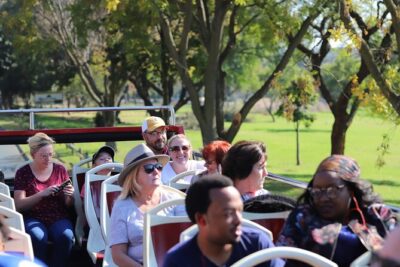 ★ 4.5Johannesburg Hop-On Hop-Off City Tour with Soweto OptionFrom $16768 reviews
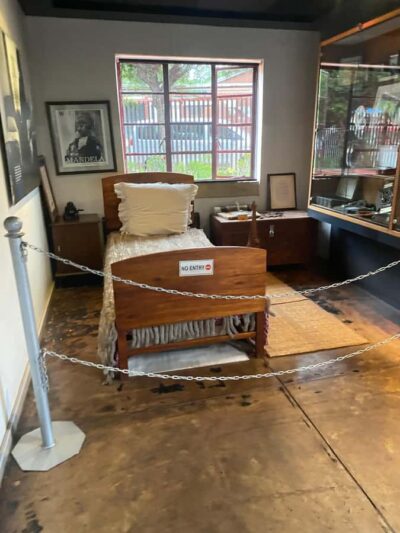 ★ 4.8Johannesburg: Full-Day Tour with Soweto and Apartheid MuseumFrom $104478 reviews
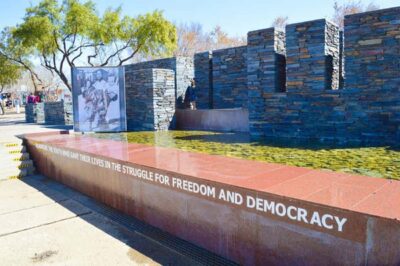 ★ 4.8Johannesburg and Soweto: Half-Day TourFrom $71439 reviews
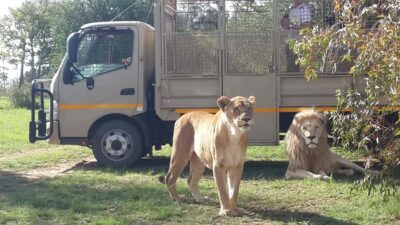 ★ 4.6From Johannesburg: Lion & Safari Park Half-Day TourFrom $167384 reviews
 ★ 5.0Ultimate Johannesburg Soweto Experience with Apartheid MuseumFrom $108313 reviews
 ★ 5.0Half Day Lion Park tour from Johannesburg or PretoriaFrom $100274 reviews
 ★ 4.9Johannesburg: Maboneng Street Art & Culture TourFrom $37257 reviews
 ★ 5.0Johannesburg and Soweto tourFrom $77231 reviews
Browse the lists this tour appears in