

REVIEW · SOWETO TOURS
Half Day Soweto Guided Tour
Soweto packs a lot into a few hours. This half day tour links key apartheid-era sites with real daily life, from Nelson Mandela and Desmond Tutu’s home area to the Hector Pieterson Museum and Memorial, plus a stop at FNB Stadium. I especially like the small group size and the walking-and-talk time with locals, led by guides like Thabang, who made the day feel clear, human, and respectful. The one thing to plan for is pace and weather, since you do real street time for a 4 to 5 hour window, and the day can turn rainy fast.
The value here is that the itinerary doesn’t feel like a checklist. You get context at Mandela House on Vilakazi Street, background on the 16 June 1976 student protests at the museum, and then a shift to present-day Soweto through conversations and a day care visit. For many people, that contrast is the point, because Soweto is not only about what happened, it’s also about how people live now. A possible drawback is that Mandela House admission is not included, so you’ll want to budget a little extra if you plan to go in.
In This Review
- Key Highlights You Should Not Miss
- Why This Half-Day Soweto Tour Feels Just Right
- Pickup, Group Size, and Timing That Matter
- Stop 1: Mandela House on Vilakazi Street
- Stop 2: Hector Pieterson Museum and Memorial
- Stop 3: FNB Stadium, 2010 World Cup, and Waka Waka Memories
- Stop 4: Walking an Informal Settlement and Visiting Day Care
- What You Pay: The Real Value of $55.50
- How to Prepare So You Get More Out of Every Stop
- Who This Tour Fits Best
- Should You Book This Soweto Half-Day Guided Tour?
- FAQ
- How long is the Half Day Soweto Guided Tour?
- Where does the tour start in Johannesburg?
- What stops are included?
- Is admission included for each stop?
- How much time is spent at each stop?
- Is this a small group tour?
- Can I cancel for free?
- What if I want to bring a gift for the day care?
- Is the tour suitable for most people, and are service animals allowed?
Key Highlights You Should Not Miss

- Vilakazi Street walking time by Mandela House, including a chance to talk with locals
- Hector Pieterson Museum and Memorial with admission included, focused on the 16 June 1976 protests and the role of Afrikaans
- FNB Stadium stop with quick orientation around South Africa’s 2010 FIFA World Cup site
- Informal settlement visit and day care time, with an optional way to bring a small gift for kids ages 1 to 5
- Very small group limit (up to 3 people), which helps questions and pacing
Other Soweto routes we have reviewed, each with a local guide
- Johannesburg: Hop-On Hop-Off Bus with Optional Soweto Tour★ 4.6 · 985 reviews
- Soweto /Johannesburg and Apartheid Museum Guided Full Day Tour★ 5.0 · 932 reviews
- Johannesburg Hop-On Hop-Off City Tour with Soweto Option★ 4.5 · 768 reviews
- Half-Day Tour of Soweto Tour★ 4.5 · 712 reviews
Why This Half-Day Soweto Tour Feels Just Right
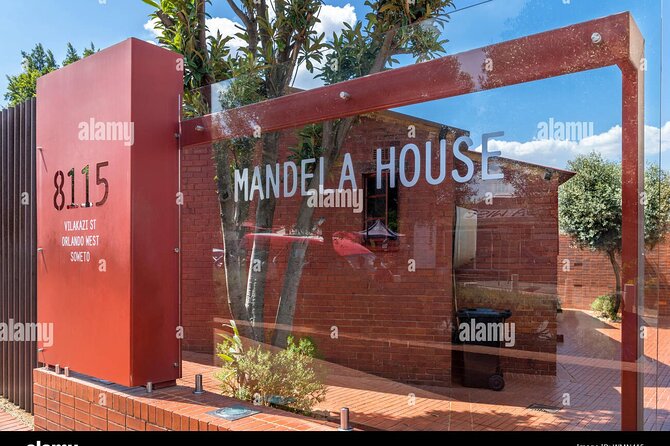
Soweto can feel like a big subject, even before you step out of the vehicle. This tour stays focused, which is exactly what you want if you only have a short window. In about 4 to 5 hours, you cover major landmarks tied to apartheid resistance, then you end with time in Soweto’s everyday community life.
I like tours that have a rhythm. Here, the rhythm works because you start where Mandela’s name is anchored to place, you move to a museum built around a specific moment in 1976, you pause at FNB Stadium to connect sport and national identity, and you finish with conversation and day care interaction. That structure helps you keep the story straight. It also gives you a natural way to ask questions without feeling rushed.
One more practical reason this works: travel days in Johannesburg can be long. A half day means fewer hours trapped in traffic, and more time for something meaningful. The tour also includes pickup offered and runs with group discounts, which can help value if you’re traveling with a friend or family member.
Pickup, Group Size, and Timing That Matter
You’re not joining a huge bus. The group size here is capped at a maximum of 3 people, which usually changes the whole feel of a guided day. You get easier eye contact, more back-and-forth, and less waiting around at each stop. If you like asking questions when something clicks, this format is a good fit.
The tour duration is listed as about 4 to 5 hours. That matters because Soweto walking time is real time. You’ll likely spend short blocks on foot, including walking and talk with locals at Mandela House, and another walk and conversation moment in the informal settlement. In practice, you’ll want comfortable shoes and a light layer, since the day can shift quickly.
I also appreciate that the tour includes several types of access. Some sites have admission built in, some are free, and one key place requires you to plan for an extra ticket. That mix can save money where it can, while still giving you the option to see what matters most to many visitors.
Stop 1: Mandela House on Vilakazi Street
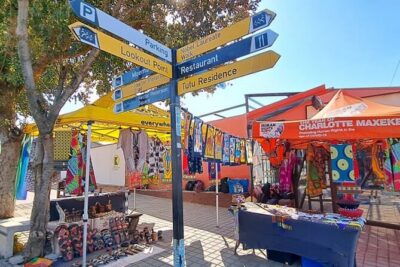
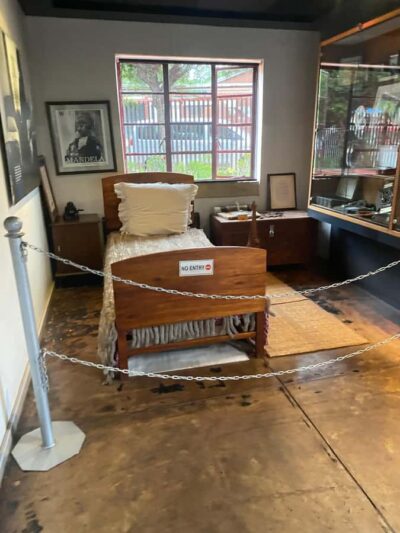
Your first stop is Mandela House in Soweto, located on Vilakazi Street. This is a busy, famous street for a reason: Vilakazi Street is described as the only street with two Nobel Peace Prize winners’ homes, Nelson Mandela and Desmond Tutu. That detail alone gives you a strong mental hook for the day, because it ties two global leaders to one specific neighborhood.
Plan for about 30 minutes here, and note that the admission ticket is not included. I’d treat that as a budgeting item, not a surprise cost. If you want to get inside and see what’s on offer, it’s worth preparing ahead so the timing stays smooth.
What makes this stop more than a photo stop is the walking-and-talk component. You get time to move around the area and connect with locals. That kind of interaction can turn abstract apartheid-era facts into lived reality. It’s also where a good guide really matters. In a past review, Thabang stood out for being both friendly and able to explain what you’re looking at in a way that sticks.
One practical consideration: because this is a well-known spot, it can feel busy. Keep your expectations realistic, go slow, and focus on the story, not just the scenery.
Stop 2: Hector Pieterson Museum and Memorial

Next up is the Hector Pieterson Museum and Memorial, with about 45 minutes on site. Admission is included, which is a big value win if you like museum time without extra decision-making.
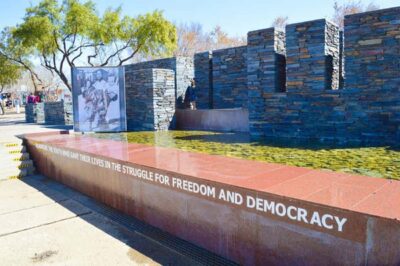
This stop focuses on a specific, painful turning point: the 16 June 1976 Soweto student protests. The museum’s message includes the role of Afrikaans as a business language, and why students pushed back so strongly. That subject gives the day more than names and dates. It helps you understand how language policy and daily life can become political pressure.
I like that this museum is built for meaning, not just display. You’ll likely come away with a clearer sense of why the struggle for freedom and human rights was not abstract. It was tied to school, teaching, and how young people were treated.
A note for your visit style: museums like this reward patience. If you spend too fast, you’ll lose the threads. Use the time you have. Ask your guide what to watch for, and don’t be afraid to slow down if you feel something needs a second look.
Also, if the weather turns during your day, museum time can be your reset point, even if you still need to get back outside afterward.

Stop 3: FNB Stadium, 2010 World Cup, and Waka Waka Memories
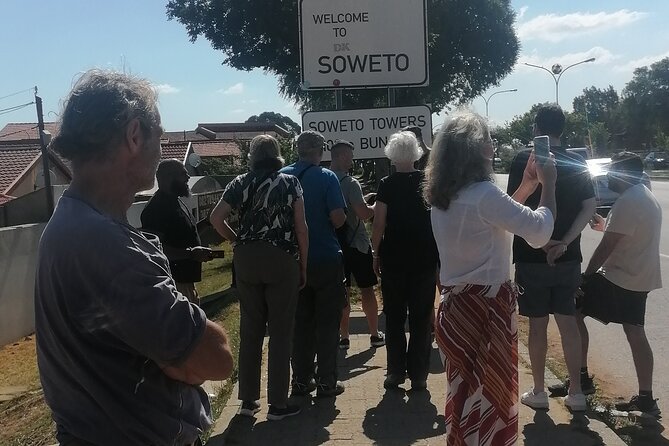
Then you head to FNB Stadium for about 15 minutes. Admission here is free, and that’s a nice perk for a short stop. The stadium is the national stadium of South Africa, with a 94,000 seat capacity, and it hosted the 2010 FIFA World Cup.
This part of the tour is not about going deep into sports history. It’s more of a quick orientation and a chance to connect a world stage to South Africa’s modern identity. The tour also makes a fun cultural tie with Waka Waka from the time of the World Cup, which helps you remember this was not only about stadiums, but about a global event South Africans experienced up close.
For me, the value of this brief stop is balance. After a museum grounded in resistance and protest, a stadium stop can feel like a reset. You get a different angle on the same national story: how South Africa presents itself to the world, and how the world remembers it.
Keep expectations simple here. Fifteen minutes is enough for context, a few photos, and a short explanation, but not enough for a full stadium tour. Treat it as a marker on the map, then move on to what the day wants to do next.
Stop 4: Walking an Informal Settlement and Visiting Day Care
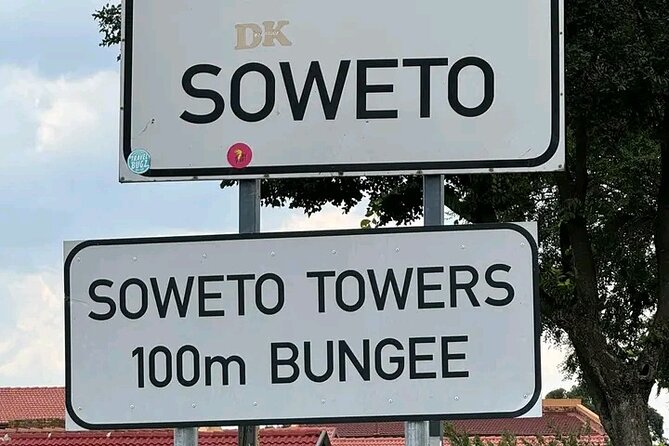
The final stop is Soweto, where you get about 30 minutes to talk and walk with locals in an informal settlement. You’ll also have time to visit a day care and spend time with kids. Admission is free for this part.
This is the most sensitive and personal section of the tour, so it deserves how-you-show-up attention. The tour encourages visitors to bring small gifts for kids ages 1 to 5. If you do, keep it small and simple. The goal is kind, thoughtful interaction, not turning the day care into a spectacle.
I like that this stop includes time with locals, not just a drive-by. When you walk and talk, you’re more likely to understand daily life instead of only collecting landmark images. And since this is a guided day with a small group limit, you should get more space to ask questions appropriately and pay attention to what’s comfortable for the community.
A real-world tip, based on a past experience: the tour can continue even with storms and hail. That tells me the operator plans for weather changes. Still, dress for the day you get, not the day you hoped for. Bring a light rain layer or umbrella and keep your gift bag easy to carry.
What You Pay: The Real Value of $55.50
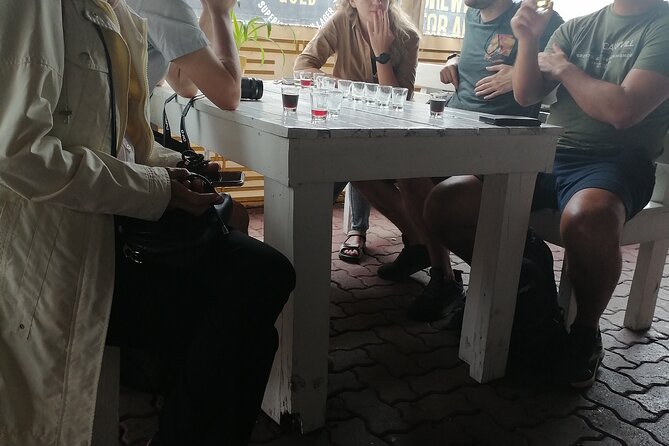
At $55.50 per person, this half day tour sits in the affordable-to-mid range for Johannesburg. The best way to judge value is by what’s included versus what you might pay separately.
Here’s the value math that matters:
- Admission is included at the Hector Pieterson Museum and Memorial.
- Entry is free at FNB Stadium.
- Admission is free for the Soweto community portion.
- Mandela House is open to the public, but admission is not included, so you may pay extra if you want to go in.
Because multiple parts of the itinerary are covered without additional entry fees, you’re not paying for every stop twice. You’re mainly paying for guiding, time management, and the connections between locations. With a maximum group size of 3, you’re also paying for more personal attention than big-group tours.
Another value piece is the pickup offered. If you are staying within reach of public transportation, this can still be convenient. And the tour has free cancellation, so you have a cushion if your schedule changes.
Finally, the fact that the tour is often booked about 24 days in advance hints at demand. If you’re visiting during a busy season, it’s smart to reserve early rather than wait.
How to Prepare So You Get More Out of Every Stop

For a politically meaningful day, preparation is mostly about behavior and comfort. You’ll do walking at Mandela House and in Soweto, and you’ll spend time at a museum. Wear shoes that work on uneven ground. Bring water. If rain is possible, pack something that keeps your documents dry.
Gift planning is optional, but if you want to bring something for the day care, plan it carefully. The tour suggests small gifts for children ages 1 to 5, which helps you target something age-appropriate. You might also want to bring a simple bag you can open quickly without fuss.
Also, bring a mindset shift. This isn’t only about seeing buildings. It’s about hearing explanations and connecting those explanations to what you’re standing near. If your guide mentions Afrikaans and language policy at the 1976 protests, take it seriously. That detail is often what turns a protest story into a broader lesson about power and daily life.
A last practical point: the tour can handle rough weather. Still, don’t assume hail and storms will always be light. Pack for the day you get, and be ready to move when your guide cues it.
Who This Tour Fits Best
This half day Soweto guided tour is a great match if you want a focused introduction without losing the human part. The small group format works especially well for people who like questions and conversation, and who prefer not to feel crowded at sites.
It also fits well for people who are short on time in Johannesburg. Four to five hours means you can still do other activities before or after. And because the tour includes free and included admissions, you can keep your budget under control.
If you’re traveling with kids, you should like the day care stop because it includes interaction time, plus the option to bring age-targeted gifts. That said, this is also a walking and community setting. Keep expectations realistic, bring patience, and follow the guide’s cues.
If you prefer a purely museum day with no community walking, you might find the street time a little more active than you want. On the flip side, if you prefer life, conversation, and context over only indoor time, this is exactly the mix.
Should You Book This Soweto Half-Day Guided Tour?
If you want a short, guided path through major Soweto landmarks and you like the idea of talking with locals, I think you should book it. The small group limit makes the day feel personal, and the mix of Mandela House, the Hector Pieterson Museum and Memorial, and the day care visit gives you both the historical anchor and the present-day human connection.
Book this tour if:
- You only have a half day and want the stops to connect into one coherent story
- You value a guide who can explain clearly and stay warm and friendly, like Thabang was in a past 5-star experience
- You’re okay with walking and the possibility of weather shifts
Skip or adjust expectations if:
- You don’t want any community walking or you only want indoor sites
- You want a full deep dive at every location, because this is intentionally paced for 4 to 5 hours
FAQ
How long is the Half Day Soweto Guided Tour?
The tour lasts about 4 to 5 hours.
Where does the tour start in Johannesburg?
You get pickup offered, and the tour operates in Johannesburg with stops throughout Soweto.
What stops are included?
The tour includes Mandela House, the Hector Pieterson Museum and Memorial, FNB Stadium, and Soweto for time with locals and a day care visit.
Is admission included for each stop?
Admission is included for the Hector Pieterson Museum and Memorial. Admission is free for FNB Stadium and for the Soweto community portion. Mandela House is open to the public, but the admission ticket is not included.
How much time is spent at each stop?
Mandela House is about 30 minutes, the Hector Pieterson Museum and Memorial is about 45 minutes, FNB Stadium is about 15 minutes, and the Soweto community portion is about 30 minutes.
Is this a small group tour?
Yes. It has a maximum of 3 travelers, and group discounts are offered.
Can I cancel for free?
Yes. Free cancellation is available up to 24 hours in advance for a full refund.
What if I want to bring a gift for the day care?
You are welcome to bring a small gift for kids ages 1 to 5. The day care visit is part of the Soweto portion.
Is the tour suitable for most people, and are service animals allowed?
The tour says most travelers can participate, and service animals are allowed. It is also near public transportation.
Soweto: Other Guided Routes
Keep going: the rest of our Johannesburg write-ups
- Soweto Private half day tour
★ 4.5 · 3 reviews - Johannesburg’s Migration History with a local lunch
★ 5.0 · 3 reviews - Johannesburg: Soweto, Apartheid Museum, and Cradle tours
★ 4.7 · 3 reviews - Soweto Apartheid Museum and Lunch
★ 5.0 · 3 reviews - Bathongo Rhino & lion park nature reserve tour
★ 5.0 · 3 reviews - Johannesburg: Elephant and Monkey Sanctuary Half Day Tour
★ 5.0 · 3 reviews
Soweto Tours, compared.
 ★ 4.5Johannesburg Hop-On Hop-Off City Tour with Soweto OptionFrom $16768 reviews
 ★ 4.5Half-Day Tour of Soweto TourFrom $63712 reviews
 ★ 4.9Soweto: Walking Tour with a Local Guide and LunchFrom $43648 reviews
 ★ 4.8Jo’berg in 1 Day: Soweto, Apartheid Museum & City TourFrom $142524 reviews
 ★ 4.8Johannesburg: Full-Day Tour with Soweto and Apartheid MuseumFrom $104478 reviews
 ★ 4.8Johannesburg and Soweto: Half-Day TourFrom $71439 reviews
 ★ 5.0Full-Day Soweto, Apartheid Museum and Lunch TourFrom $108410 reviews
 ★ 5.0Half Guided Day Tour of Soweto And Apartheid MuseumFrom $69356 reviews
Browse the lists this tour appears in