
REVIEW · SOWETO TOURS
Half Day Johannesurg and Soweto Guided Tour
Five hours, two worlds, one strong story. This half-day Johannesburg and Soweto tour strings together Constitution Hill and Vilakazi Street with big-sky viewpoints and real places where South Africa’s modern story was shaped. You get a fast, guided sense of how exclusion and segregation worked, and why resistance and creativity still define the city.
I especially like the tour’s pacing for limited time. You start with orientation in central Johannesburg, then shift into Soweto with targeted stops like Mandela’s home area and the Hector Pieterson sites.
One consideration: lunch is not included, and not every museum admission is covered. If you have dietary needs or want a sit-down meal, plan for it ahead.
In This Review
- Key highlights worth your time
- First impressions in Johannesburg, and why the order matters
- Houghton Estate and Munro Drive viewpoints: comfort, power, and perspective
- Hillbrow and the city’s “many directions” feel
- Constitution Hill Human Rights Precinct: where the day gets serious
- Johannesburg CBD mining relics and the Ferreira mine stop
- Maboneng Precinct and inner-city change you can feel
- The soccer stadium drive-by and the Nelson Mandela Bridge
- Entering Soweto: from viewpoints to everyday institutions
- Vilakazi Street and Sakhumzi Restaurant: Nobel context meets street life
- Mandela’s House: guided exhibits that put a face on policy
- Hector Pieterson Museum and Memorial: a focused stop on 1976
- How the tour handles time, tickets, and comfort
- What kind of traveler should book this?
- Should you book the half-day Johannesburg and Soweto tour?
- FAQ
- Is pickup included?
- How long is the tour?
- Is the tour private?
- What is included in the price?
- What is not included?
- Do I get a mobile ticket?
- Can I cancel for a full refund?
Key highlights worth your time
- A guide with real local drive: Many bookings highlight Nhlanhla, also known as Lucky, for good driving and a calm, flexible style.
- Constitution Hill Human Rights Precinct: A former prison turned human rights site that’s built for understanding the transition to democracy.
- Houghton Estate history in plain view: Nelson Mandela’s connection to the neighborhood adds weight to what you see.
- Johannesburg mining leftovers: Old gold-rush relics and the preserved Ferreira mine stop give context fast.
- Soweto landmarks beyond the postcard: Diepkloof, Baragwanath Hospital, and the cooling towers expand your picture of daily life.
- Vilakazi Street with Nobel Laureate context: The street tied to both Mandela and Desmond Tutu helps you connect faces to the facts.
Other Soweto routes we have reviewed, each with a local guide
- Johannesburg and Soweto tour★ 5.0 · 231 reviews
- Soweto Half Day Tour★ 5.0 · 231 reviews
- Soweto walking tour with a taxi ride★ 4.5 · 42 reviews
- Soweto, Kliptown, Eldorado Park Tour★ 5.0 · 41 reviews
First impressions in Johannesburg, and why the order matters

Johannesburg can feel like a set of separate cities, because it kind of is. The tour begins with pickup and an overview that helps you understand where you are in relation to history, neighborhoods, and viewpoints.
Then you work from the “how the city got built” story toward the “what it cost people” story. That sequencing matters because Johannesburg’s modern geography grew out of apartheid-era segregation and the gold rush that pulled labor and money in huge waves. By the time you reach Soweto, the day feels less like sightseeing and more like making sense of a map.
Even better, the group stays private, so you are not stuck waiting on a big crowd. Your guide can adjust timing at stops, and multiple past guests specifically praised Lucky, saying he balanced history with a friendly, easy approach.
Houghton Estate and Munro Drive viewpoints: comfort, power, and perspective
Houghton Estate is the kind of neighborhood that signals wealth, influence, and protection. Mandela lived here, and the tour route is designed so you can see that connection in context rather than as a random fact. It is a short stop, but it hits hard because you realize how personal the apartheid system was, even for people who later became symbols of freedom.
Next is the Munro Drive viewpoint, where the page turns from homes to skyline and scale. You will learn about a national monument built by Italian prisoners of war during World War II, plus a scenic look over the northern suburbs and the world’s largest man-made subtropical forest. It is one of those stops that gives your eyes a break, so the day’s heavier messages land better later.
Short and scenic is not a gimmick here. In a half-day format, viewpoints help you keep emotional pacing. You remember what you saw, and you do not feel like you are only collecting names and dates.
Hillbrow and the city’s “many directions” feel
Hillbrow sits at a crossroads point where you notice Johannesburg’s immigration story right away. The tour frames it as an area shaped by an influx of people, from foreign shores as well as other parts of the continent and South Africa. Driving through different neighborhoods becomes a practical lesson: Johannesburg can feel like you are crossing boundaries within one metro.
If you want a city overview without getting lost, Hillbrow is a smart choice. It is the kind of stop where you feel the contrast even if you do not know the history yet. And that is the point, because later on you will link these street-level differences to bigger systems.
There is also a small reality check here. Because this is a fast, car-based tour, you will not slow down to experience every street on foot. Treat Hillbrow as a window, not the whole view.
Constitution Hill Human Rights Precinct: where the day gets serious
If you care about understanding South Africa’s political shift in a real setting, this is the anchor stop. At Constitution Hill, a former prison and military fort has been turned into a living museum focused on human rights and the path to democracy. The site is also home to the highest court in the land, which keeps the place feeling current rather than stuck in the past.
The tour includes about 1 hour here, giving you time for exhibits and the sense of place. You will also see the connection to key figures once incarcerated there, including Nelson Mandela, Mahatma Gandhi, and Winnie Madikizela-Mandela.
This stop is valuable even if you think you already know apartheid history. The prison-to-court transformation forces you to think about justice as something that had to be built, not just declared. And the guided framing helps you avoid the common problem of reading panels like a checklist.
Practical note: this is one of the few stops where you should bring an open mind and expect emotions. It is not meant to be casual.

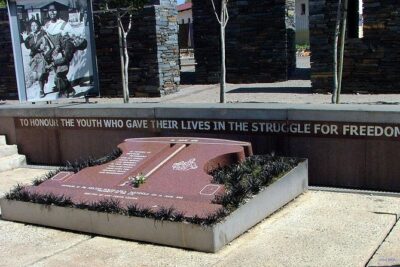
Johannesburg CBD mining relics and the Ferreira mine stop
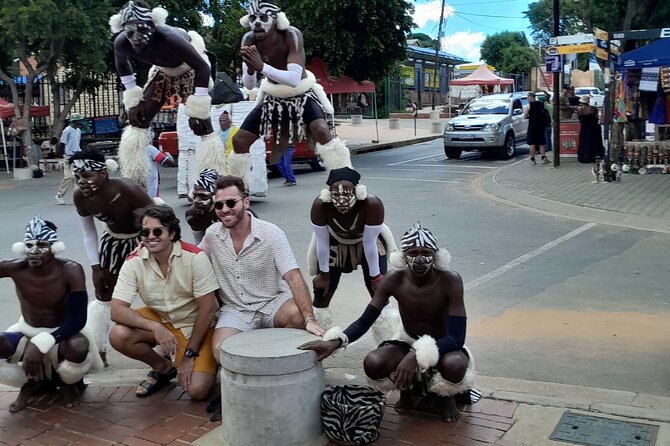
Once you head through central areas, the tour leans into how Johannesburg became Johannesburg. You will get orientation around the Johannesburg CBD, formerly the epicenter of the late-1800s gold rush, and the tour connects the city’s physical setting to its story, including the highveld environment.
You also spend time looking at early mining history in a more literal way. You will see relics like mining headgear and stamp mills, plus carts lined up along a route with information boards that explain mining history in a straightforward way.
Then comes the Ferreira mine stop, preserved in an unexpected location: the basement of the Standard Bank headquarters. The long-forgotten mine entrance was discovered during building construction and has been preserved as a small museum. It’s a clever way to show you how the underground shaped the city above it.
This section is a strong value-add because it turns a common tourist question, Why did Johannesburg grow so fast, into a visual answer. You leave with a mental model, not just photos.
Maboneng Precinct and inner-city change you can feel
After the mining theme, the tour shifts into a more modern Johannesburg mood at Maboneng Precinct. This part of town was once abandoned and has been rejuvenated, with restaurants, coffee shops, clothing boutiques, art galleries, and studio spaces.
It is not just about shopping or street art. This stop helps you understand the “resistance and creativity” part of the story, because cities do not recover only by changing laws. People rebuild neighborhoods by creating work, culture, and daily reasons to show up.
You should keep expectations realistic. This is a quick visit, and you are seeing the front door of a changing area more than studying long-term urban policy. Still, the transformation is visible enough that the time feels worthwhile.
The soccer stadium drive-by and the Nelson Mandela Bridge
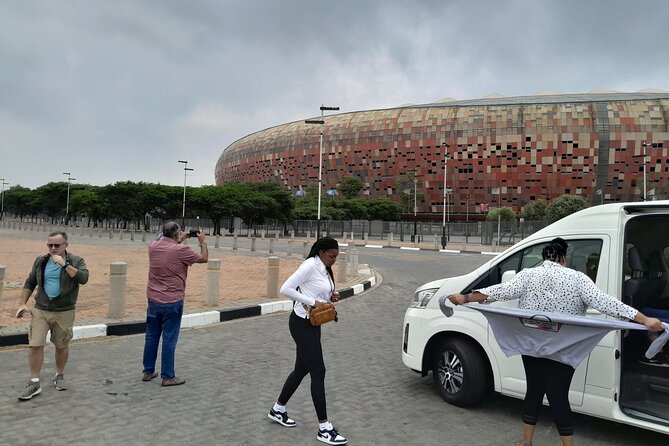
Two more quick waypoints round out the city view pieces. You drive past a landmark stadium currently described as the largest football stadium in Africa, tied to the 2010 FIFA World Cup opening ceremony and final matches. Even if you are not a soccer fan, mega-events like that show how international attention can land on local infrastructure.
You also drive over the Nelson Mandela Bridge, described as a relatively new addition that has already become iconic. The guide uses the drive to point out historic sites and heritage buildings, which keeps you oriented as the skyline changes.
These moments are short, but they help you remember that Johannesburg is both historic and alive. The city keeps building, even while it carries its past in plain sight.
Entering Soweto: from viewpoints to everyday institutions
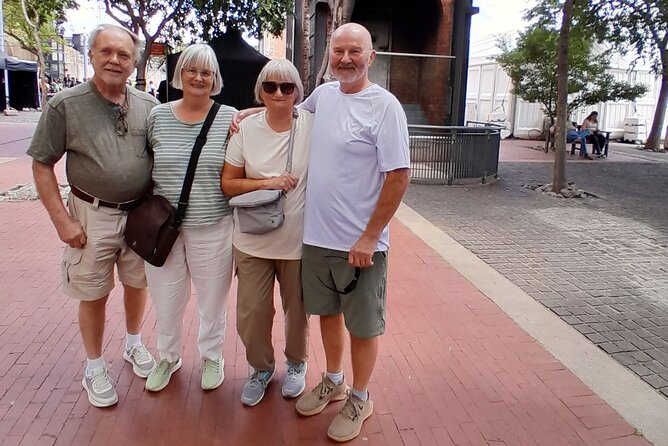
Soweto is where the tour moves from background story to daily reality. One of the first stops is the Diepkloof area, including Diepkloof Extension, described as an upmarket part of Soweto where professionals live. The tour frames the area with formal owner-built larger houses owned by the Black lower and upper middle class, plus higher than average house prices compared to other Soweto suburbs.
This detail matters, because it pushes against a common stereotype. Soweto is not a single type of place. It includes different economic layers, and the tour’s stops reflect that.
Next is a drive past the Chris Hani Baragwanath public hospital. The numbers given are big and specific: around 173 acres, about 3200 beds, and approximately 6,760 staff members, described as the third largest hospital in the world. Seeing a place like that from the road is a reminder that “history” in South Africa is not only in museums. It lives in institutions and in the scale of public services.
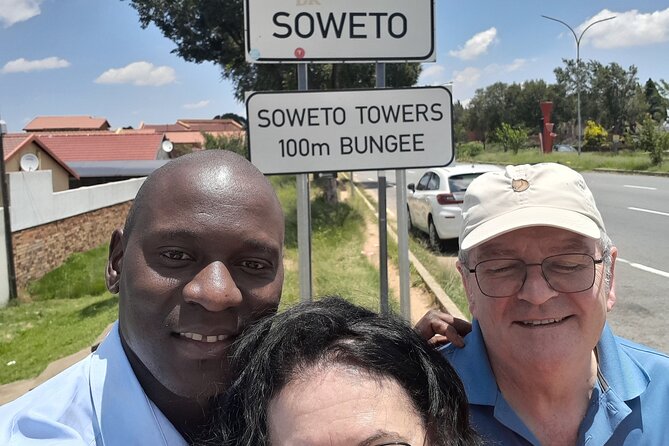
Then you reach the cooling towers, described as a prominent landmark in Soweto. They are used now as an entertainment center with a famous bungee jump and a barbecue restaurant. It is a striking contrast, and the tour doesn’t treat it like a joke. It helps you see how old industrial structures can become social spaces.
Vilakazi Street and Sakhumzi Restaurant: Nobel context meets street life
One of the most famous parts of Soweto is Vilakazi Street, described as the thriving heart of the community. The tour focuses on why this street is globally recognized, including the claim that it is the only street in the world with two Nobel Laureates as residents, Nelson Mandela and Archbishop Emeritus Desmond Tutu.
The tour also notes the street’s music and dance culture, mixing traditional rhythms with modern fusions. Even without guaranteeing any one performance, you will likely feel the energy of the area in how people move around and how the street supports daily life.
You spend time at Sakhumzi Restaurant on Vilakazi Street near the Mandela House Museum. The stop is built around a Soweto-style buffet, with traditional dishes named like umngqusho (samp and beans) and mogodu (tripe). This is a practical chance to refuel without rushing, and it also connects food to place instead of treating dinner as a separate plan.
Just know this is a meal stop. Since lunch is not included, you should budget for what you order at the restaurant if you want a full buffet experience.
Mandela’s House: guided exhibits that put a face on policy
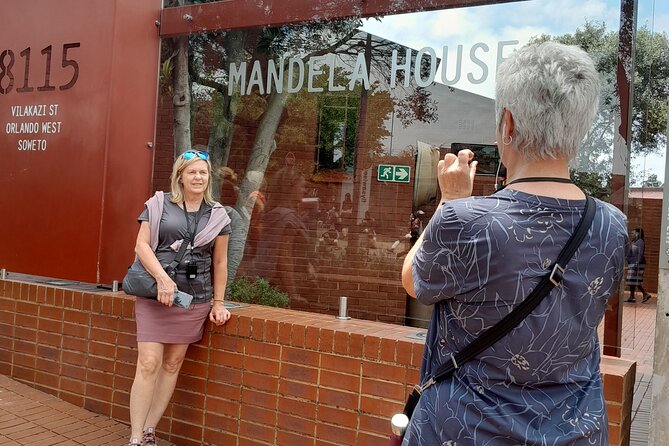
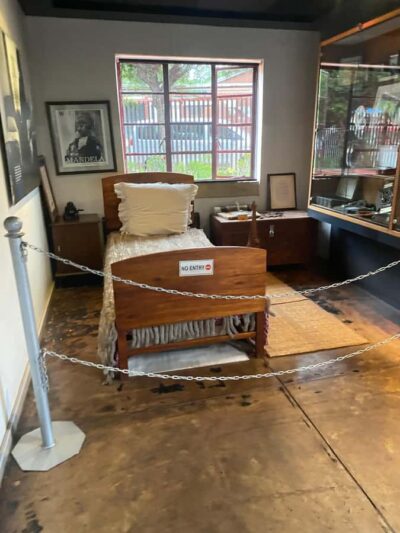
Mandela’s House is one of the included admission stops, with a guided tour component. You get to explore exhibits and artifacts inside a previous house of the former president, and the museum experience is described as using sound, film, and interpretive panels to tell stories.
In a half-day tour, this is the kind of stop that benefits from guidance. You cannot read everything and still absorb what matters in a limited time window. A good guide helps you connect the house to broader themes like imprisonment, leadership, and the long road to democracy.
The stop is about 20 minutes, so it is not meant to turn into a deep study marathon. Still, it lands well because you arrive after hearing other parts of the story, like Constitution Hill and the Soweto uprising memorial sites.
Hector Pieterson Museum and Memorial: a focused stop on 1976
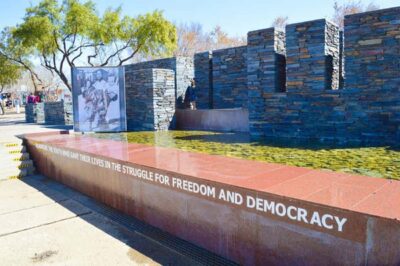
The Hector Pieterson Museum and Memorial is self guided during the tour. You focus on the 1976 Soweto student uprising, and the museum is named after one of its victims, a 13-year-old boy.
This is an important contrast point. Earlier in the day you have guided stops that explain systems. Here, you move through a memorial that emphasizes a specific moment and the human cost of repression. It helps you understand why the anti-apartheid struggle became so widely recognized and why youth resistance has such lasting significance.
It is also a good stop for pacing. You can spend your energy reading and looking at your own speed, and you still keep the day on track.
How the tour handles time, tickets, and comfort
This experience is about 5 hours total, and it is designed to cover a lot of ground without feeling like a speed run. Pickup is offered, and the group travels in an air-conditioned vehicle with private transportation.
Included items help you stay comfortable: bottled water and an English-speaking guide. Those details matter in South Africa, especially on days when weather changes and you want a steady supply of hydration.
Ticket coverage is mixed. Constitution Hill Human Rights Precinct and Mandela’s House have admission included, while other sites listed in the route are free admission according to the tour information. The Hector Pieterson Museum and Memorial is not included, and you should expect to pay entry if you want to go in.
Also keep in mind the day does not include lunch. If you plan to eat beyond the Sakhumzi Restaurant meal stop, you will need to handle that on your own.
What kind of traveler should book this?
This tour fits you best if you want an organized introduction to Johannesburg and Soweto without committing to a full day. I think it is especially good if you:
- like your city history tied to exact places, not just generic descriptions
- want a mix of viewpoints, memorials, and neighborhood context
- have limited time and still want the day to feel coherent
It may not fit as well if you want lots of free time on your own. Many stops are brief by design, including viewpoints and city drives. You get a guided through-line, not a slow, wandering exploration.
One more thing: the guide is a big part of the experience. Past guests specifically praised Lucky, also known as Nhlanhla, as friendly, flexible, and a very good driver who can handle the day’s logistics while still teaching history. If you value that kind of hosting, this tour looks like a strong match.
Should you book the half-day Johannesburg and Soweto tour?
I’d book it if your goal is understanding faster, not deeper at a hundred stops. It offers a smart balance: serious learning at Constitution Hill, personal context at Mandela’s home site, and grounded Soweto landmarks that expand the story beyond memorials.
You should pass or adjust your expectations if you need lunch included or if you hate ticket add-ons, since not every museum admission is covered and food costs are on you. Also, if you prefer long walking time and independent wandering, this route is more “guided focus” than “self-led meandering.”
If you are curious about South Africa’s modern history and you want Johannesburg and Soweto to make sense as a connected system, this half-day plan is a strong use of time.
FAQ
Is pickup included?
Yes. The tour offers pickup from your hotel, and you are dropped back at the starting point or your accommodation.
How long is the tour?
The experience runs for about 5 hours.
Is the tour private?
Yes. It is a private tour, meaning only your group participates.
What is included in the price?
Included items are bottled water, an air-conditioned vehicle, private transportation, and an English-speaking guide. Admission is included for Constitution Hill Human Rights Precinct and Mandela’s House, while other stops have free admission or are not included.
What is not included?
Lunch and personal purchases are not included. The Hector Pieterson Museum and Memorial is listed as not included.
Do I get a mobile ticket?
Yes. A mobile ticket is part of the experience.
Can I cancel for a full refund?
Yes, you can cancel for free up to 24 hours in advance for a full refund. If you cancel less than 24 hours before the start time, the amount paid will not be refunded.
Soweto: Other Guided Routes
Keep going: the rest of our Pretoria write-ups
- Pretoria City Tour and Cullinan Mine Tour from Johannesburg
★ 5.0 · 3 reviews - Full Day Soweto, Johannesburg and Apartheid Museum Guided Tour
★ 5.0 · 3 reviews - Cradle of Humankind Full Day Tour from Pretoria and Johannesburg
★ 4.5 · 3 reviews - 3-Day Private Tour Johannesburg – See everything
★ 5.0 · 3 reviews - From Johannesburg: Pretoria Guided City Tour
★ 4.5 · 3 reviews - Pretoria Tour-Voortrekker Monument, Town, Union Buildings
★ 5.0 · 3 reviews
Soweto Tours, compared.
 ★ 4.5Johannesburg Hop-On Hop-Off City Tour with Soweto OptionFrom $16768 reviews
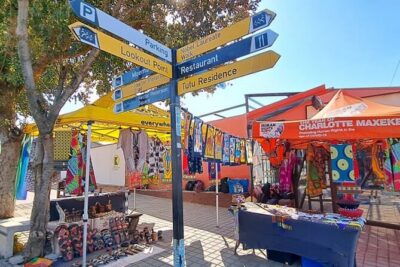 ★ 4.5Half-Day Tour of Soweto TourFrom $63712 reviews
 ★ 4.9Soweto: Walking Tour with a Local Guide and LunchFrom $43648 reviews
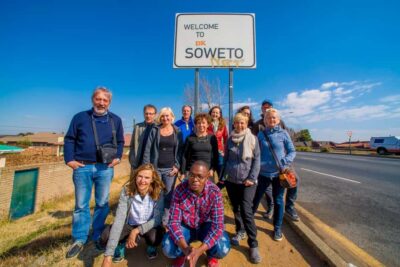 ★ 4.8Jo’berg in 1 Day: Soweto, Apartheid Museum & City TourFrom $142524 reviews
 ★ 4.8Johannesburg: Full-Day Tour with Soweto and Apartheid MuseumFrom $104478 reviews
 ★ 4.8Johannesburg and Soweto: Half-Day TourFrom $71439 reviews
 ★ 5.0Full-Day Soweto, Apartheid Museum and Lunch TourFrom $108410 reviews
 ★ 5.0Half Guided Day Tour of Soweto And Apartheid MuseumFrom $69356 reviews
Browse the lists this tour appears in