
REVIEW · PILANESBERG AND SUN CITY SAFARIS
Full-Day Pilanesberg Safari from Sun City
Big cats are never guaranteed, but the day delivers. This full-day trip is built around open-vehicle game drives in malaria-free Pilanesberg National Park, and I like how the experience is led by an expert guide who helps you spot the real stuff. You also get a light lunch at the Pilanesberg Centre, and that keeps the pace comfortable. One drawback to plan for: getting everyone placed into the safari vehicles at the start can feel a bit chaotic and may cost some time.
This is a straight shot from Sun City with round-trip transport, and it runs about 7 hours total. The group is kept small, up to 10 people, which usually means more eyes on wildlife and fewer delays when the guide makes a quick call.
In This Review
- Key Highlights You Should Care About
- Why Pilanesberg Works So Well From Sun City
- Pickup, Vehicles, and the Small-Group Advantage
- Morning Game Drive: Your Best Shot at Big Sightings
- Lunch at the Pilanesberg Centre: A Real Break, Not a Speed Bump
- Afternoon Game Drive: When Behavior Changes and the Hunt Shifts
- Big 5 Odds, Plus the Wild Stuff You Might Not Expect
- Guide Style Matters More Than You Think
- Price and the Conservation Fee Math
- Comfort Tips for an Open-Vehicle Day
- Who This Safari Fits Best (and Who Should Skip It)
- Should You Book This Pilanesberg Safari From Sun City?
- FAQ
- How long is the safari and what time does pickup happen?
- What does the tour include?
- Is there an extra conservation fee for Pilanesberg?
- Is the safari done in open vehicles?
- What wildlife can I expect to see?
- How many people are in the group?
- Can I cancel or pay later?
Key Highlights You Should Care About
- Malaria-free Big 5 reserve near Sun City for a more relaxed safari setup
- Open-vehicle morning and afternoon drives to maximize daylight hunting time
- Expert English-speaking guide to help you read behavior, tracks, and sightings
- Light lunch at the Pilanesberg Centre so you stay fueled, not stuffed
- Limited to 10 participants, which helps keep the safari feeling personal
More Pilanesberg drives and Sun City add-ons
- From Sun City: Pilanesberg National Park 3-Hour Game Drive★ 4.5 · 216 reviews
- Pilanesberg National Park/Sun City Hot Air Balloon Safari★ 4.6 · 63 reviews
- 3-Hour Shared Game Drive in Pilanesberg National Park★ 4.7 · 38 reviews
- From Johannesburg: Pilanesberg Wildlife Safari★ 4.9 · 36 reviews
Why Pilanesberg Works So Well From Sun City
Pilanesberg National Park is one of those practical South Africa safari ideas that works even if you do not want a multi-day camping expedition. It is a malaria-free Big 5 reserve, which is a huge comfort factor, especially if you are trying to keep logistics simple while still aiming high.
From Sun City, you are basically doing a full wildlife day without spending your vacation transit time the way you would on a longer-from-the-city safari. The park is known for consistent wildlife viewing, and the tour schedule reflects that by giving you two game drives, morning and afternoon. That matters because animals do not act the same way all day. Some are more visible when the heat starts to build, and others move more in the later light.
I like that the plan is realistic. You get time in the vehicles at meaningful blocks (not just a quick loop), then you break for lunch, then you go back out again. If your priority is Big 5 chances plus a good shot at lots of other species, this format fits.
Pickup, Vehicles, and the Small-Group Advantage
You pick up from Sun City or nearby hotels between about 8:30 and 8:45 AM. From there, you head toward the park by comfortable air-conditioned transport. The whole day is timed so your first real viewing window starts around 9:15 AM, which is a solid start.
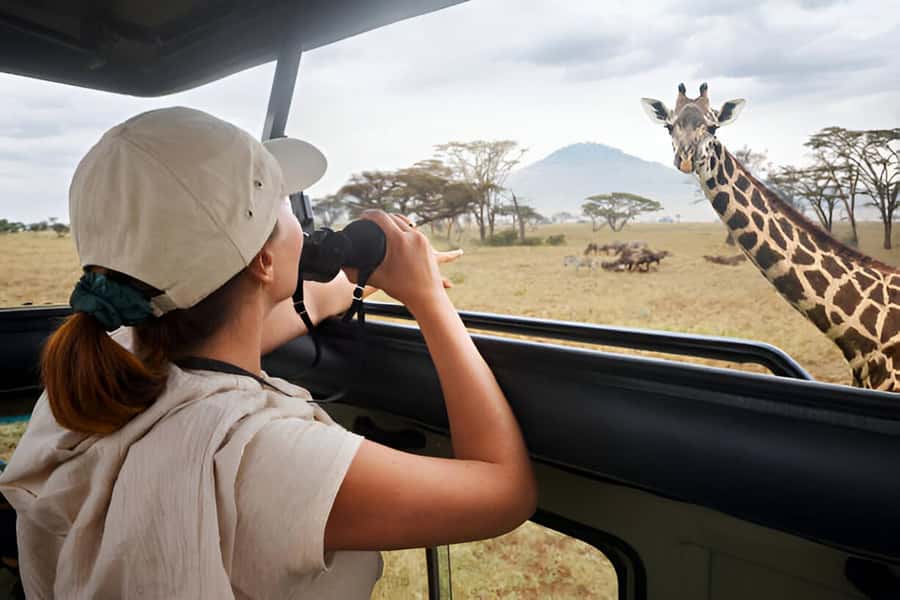
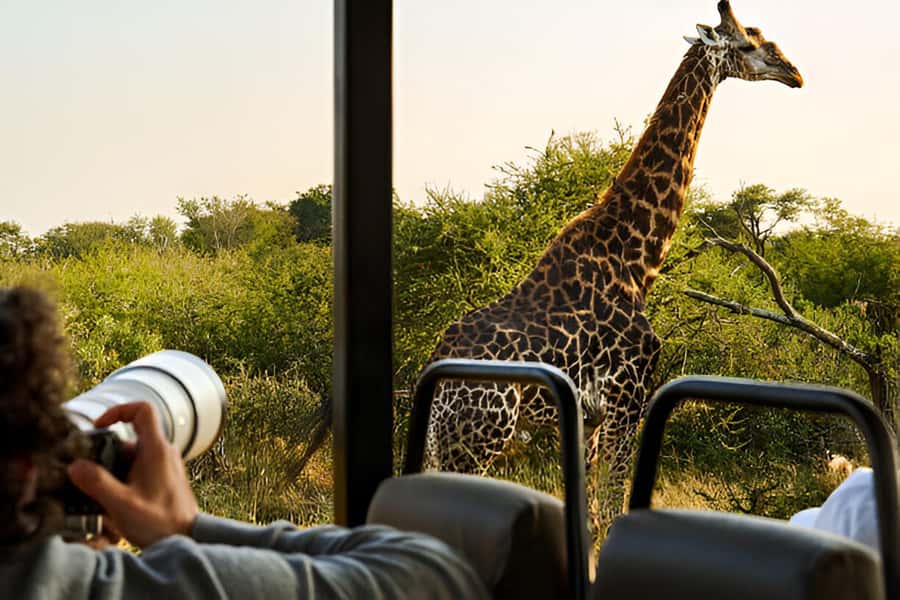
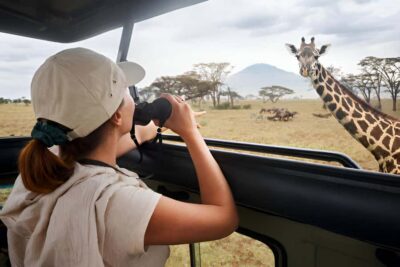
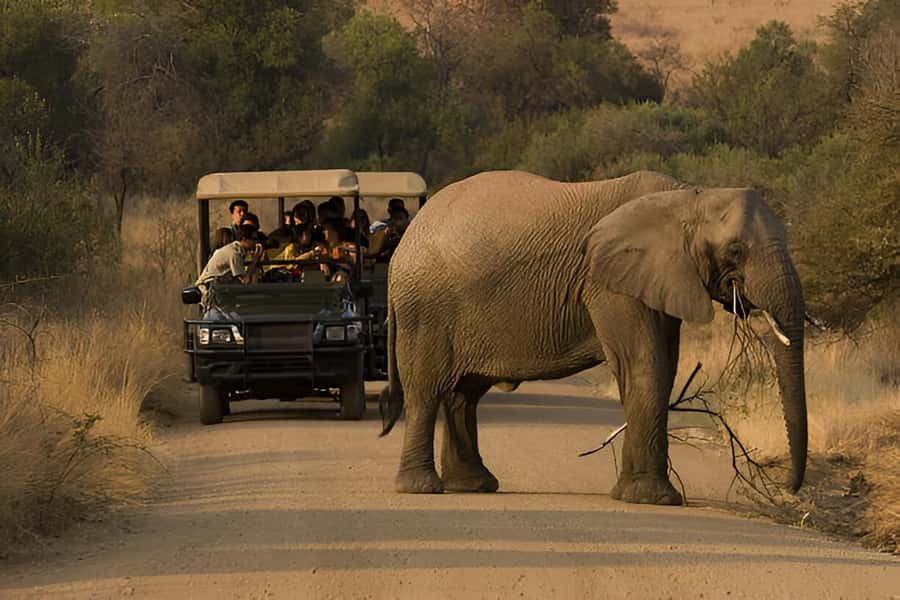
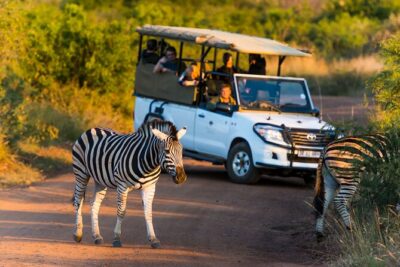
The tour uses open safari vehicles for the game drives. That matters because you are not stuck behind glass, and you get better photo angles and a real sense of the landscape. You also feel the speed and movement more, which can be fun if you like being out in the action rather than watching from a stiff seat.
The group limit is up to 10 participants. That is not just a number, it changes how the day flows. In smaller groups, the guide can communicate more clearly, and drivers can coordinate sightings without constantly waiting for half a bus to catch up.
One thing to keep in mind: at the start, getting everyone correctly sorted into vehicles can take a bit longer than you would expect. Build in patience. Once you are out on the road, that early delay usually stops mattering.
Morning Game Drive: Your Best Shot at Big Sightings
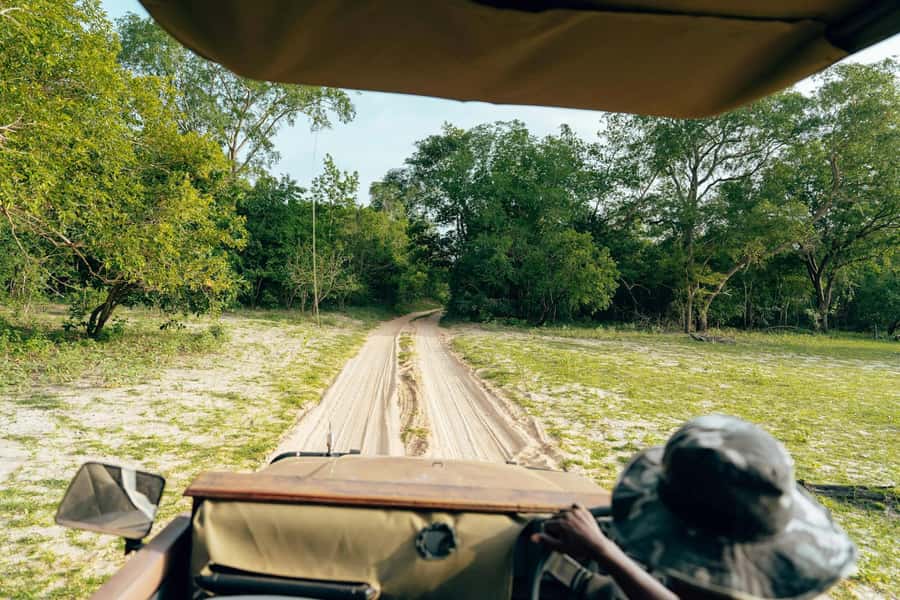
The morning game drive runs until about 12:15 PM. This is when the safari rhythm really gets going: you are in an open vehicle, the guide is scanning constantly, and the park is active enough to give you frequent chances at meaningful sightings.
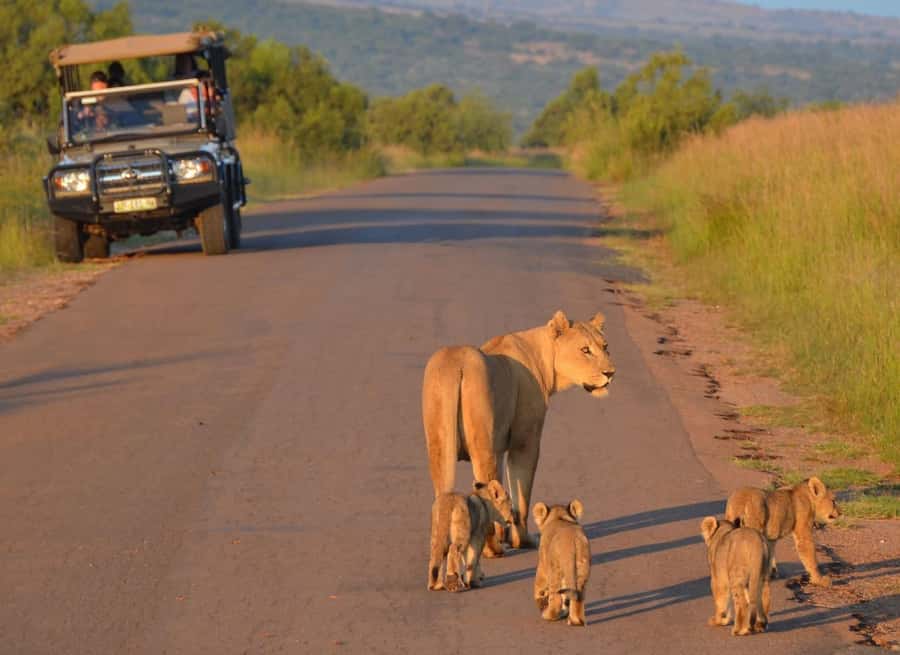
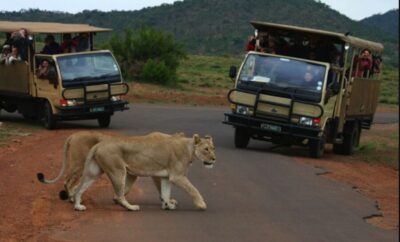
This is also your first Big 5 window. The goal is to spot lions, elephants, leopards, rhinos, and buffalo, but you will also likely see plenty of other wildlife along the way. The park is known for species like giraffes and zebras, plus lots of birdlife that your guide can point out if you care to watch more than just the big mammals.
What makes the morning drive valuable is how it sets up your eyes. After an hour or so, you start noticing patterns: where animals pause, how they react to vehicles, and what the landscape clues you into. A good guide helps you connect those dots without turning it into a lecture.
Also, the morning schedule typically gives you the most comfortable temperatures for wildlife viewing. The day does not feel as hot or exhausting as the late afternoon can, and you can focus on spotting rather than just enduring.
Lunch at the Pilanesberg Centre: A Real Break, Not a Speed Bump
Lunch is scheduled for about 75 minutes, from roughly 12:15 to 1:30 PM, at the Pilanesberg Centre. This matters because it is not only there to feed you. It gives you a chance to reset your brain, swap camera cards, and cool down for a bit before the afternoon drive.
The lunch is described as light, and that is a good thing on a safari day. You want to eat enough that you feel human, but not so much that you feel sleepy in an open vehicle. In practice, you should expect a relaxed meal stop, not a rushed cafeteria scramble.
One neat detail: this is a central point in the day, so it is a natural moment to reflect on what you already saw. If you have been chasing specific animals, this is when you start wondering if they will show up again later. And if you were happy with what you saw in the morning, lunch can feel like a reward pause before the second half tries to top it.
If you are the type who enjoys talking to your guide, this is also a good moment to ask quick questions. The guide has context on where the vehicle should be positioned next, and they can tailor pointers to what you care about most.
Other city days, orientation to deep dive
Afternoon Game Drive: When Behavior Changes and the Hunt Shifts
The afternoon game drive runs from about 1:30 to 3:15 PM. This part of the day is about follow-through and second chances. After lunch, animals often change their movement patterns. Some keep active, others become more noticeable as the light and temperature shift.
If you want variety, this is where you can find it. You might still see larger animals, but you are also more likely to notice different smaller details, like birds calling from a distance or animals moving to water. Your guide is still scanning actively, and they usually adjust the route based on what they are seeing right then, not what you saw earlier.
One practical consideration: the afternoon window is shorter than the morning. That is normal for a day trip, but it does mean you should not assume you will spend the same amount of time in every last hotspot. If you are chasing very specific animals, treat the afternoon as a chance to keep searching, not as a guarantee.
When the afternoon light starts to soften, it can also be better for photos, especially if you can keep the camera steady from the open vehicle. Listen to your guide’s instructions, because timing is everything with wildlife.
Big 5 Odds, Plus the Wild Stuff You Might Not Expect
Big 5 is the headline, but the best safari days often include the extras. This tour is built for Big 5 opportunities, yet it is also designed to deliver broader wildlife viewing.
You can reasonably expect attempts to find: lions, elephants, leopards, rhinos, and buffalo. Beyond that, the typical mix you might spot includes giraffes, zebras, hippos, gazelles, and a lot of birdlife. The park can also surprise you with close-up moments where smaller animals suddenly become the star.
Here is the reality check that helps: wildlife viewing is never “on schedule.” Sometimes the animals are right where your guide hopes, and sometimes they are not. That is why the structure of two game drives helps. More time in the vehicles means more chances to hit the right place at the right moment.
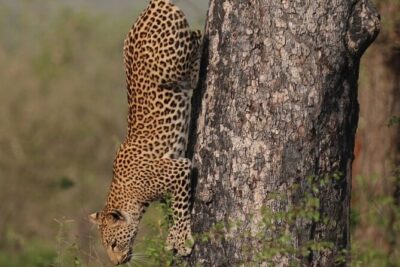
If you really care about seeing a leopard or lion, keep expectations flexible. Even a well-run safari does not control animal behavior. What you can control is how you prepare: bring a camera ready to go, stay engaged with the guide, and be comfortable waiting for the right moment.
Guide Style Matters More Than You Think
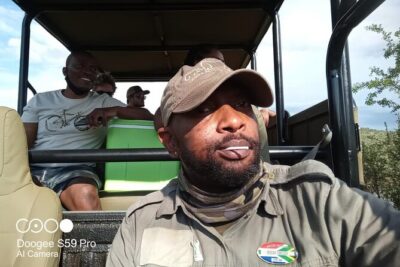
The experience puts serious emphasis on the guide. You get a live English-speaking guide, and the best part is the way the guide helps you read what you are actually seeing.
A strong guide does two jobs at once. First, they spot animals you might miss, because they have the pattern recognition from repeated time on the same roads. Second, they explain what you are looking at in a way that sticks. That is what turns a drive into something you remember.
I also like that the guide’s job is not only about finding animals. They try to get you good viewing time when sightings happen, and they use the safari stops to let you take photos and absorb the scene.
If you are planning your safari like a pro, set a simple goal: listen for the guide’s short animal explanations and track what they say about behavior. That can help you predict where the next interesting movement might happen.
Price and the Conservation Fee Math
The advertised price is $104 per person for a full-day safari that lasts about 7 hours. What you get at that price is meaningful: round-trip transport from Sun City or nearby hotels, open-vehicle game drives, a qualified guide, and lunch at the Pilanesberg Centre.
But there is one extra cost you must budget for. The Pilanesberg National Park conservation fee is payable at the gate, and it depends on where you are from:
- R 500 per person for international visitors
- R 275 per person for SADC nationals
- R 168 per person for South African residents
So the true cost is the tour price plus that gate fee. If you are comparing deals, do not just compare the headline number. This is how you avoid surprises on the day.
Is it good value? For a malaria-free Big 5 safari day with two guided drives and lunch included, $104 is usually fair. The conservation fee is the part that can shift the final number, but it is also a standard reality of national parks.
Comfort Tips for an Open-Vehicle Day
This tour is built around open vehicles, which is great for wildlife viewing, but it also changes what you notice on your skin and in your photos.
Wear something light but practical. Even if the day starts cool, you will likely feel warm once the drive is underway. Sunglasses help for glare, and a hat can be useful for comfort and photo convenience.
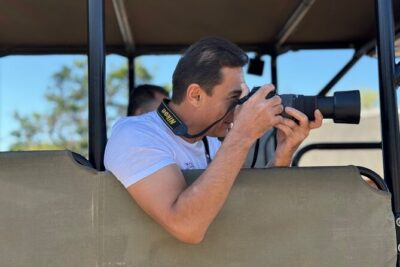
For photos, keep your settings ready before the guide calls out a sighting. With an open vehicle, you have movement plus light changes, so you do not want to be adjusting your camera at the exact moment the animal decides to show up.
Also, stay alert to guide instructions. Even when wildlife is calm, animals can shift location quickly, and the vehicle needs to reposition. This is not the kind of outing where you want to drift into a passive mindset.
Who This Safari Fits Best (and Who Should Skip It)
This is a strong choice if you want Big 5 safari time from Sun City in a single day, with a small group and guided help in English. It also suits you if you want two different wildlife viewing blocks rather than one long drive and then you are done.
It is not suitable for children under 4 years. If you are traveling with very young kids, you will need a different kind of plan.
If your travel style is very independent, you might find a guided day slightly restrictive, because the guide controls the route. Still, for first-time safari visitors, having expert help often pays off fast, especially when the point is to see as much as possible during your limited vacation time.
Should You Book This Pilanesberg Safari From Sun City?
Book it if you want a structured, guided Big 5 safari day that saves you the complexity of arranging transport, hunting for a guide, and coordinating a timed schedule on your own. The open-vehicle drives plus lunch make it feel like a complete day, not just a short excursion.
You should think twice if you hate any chance of delays at the start, because vehicle sorting can be messy, and you might also feel disappointed if a very specific animal does not show up. Safari is wildlife behavior, not a timetable.
My call: if you are open to surprises, and you want the best odds within a single day, this tour is a solid value. Just budget the conservation fee, pack for an open-vehicle ride, and treat the guide’s spotting ability as part of the product, not a bonus.
FAQ
How long is the safari and what time does pickup happen?
The full-day safari runs about 7 hours. Pickup from Sun City or nearby hotels starts around 8:30 to 8:45 AM.
What does the tour include?
The tour includes round-trip pickup and drop-off (Sun City or nearby hotels), a qualified English-speaking safari guide, open-vehicle game drives, and a light lunch at the Pilanesberg Centre.
Is there an extra conservation fee for Pilanesberg?
Yes. A Pilanesberg National Park conservation fee is payable at the gate. The fee is R 500 per person for international visitors, R 275 for SADC nationals, and R 168 for South African residents.
Is the safari done in open vehicles?
Yes. The game drives are done in an open safari vehicle for better wildlife viewing.
What wildlife can I expect to see?
You are looking for Big 5 species (lions, elephants, leopards, rhinos, and buffalo). The tour also gives chances to see other animals such as giraffes and zebras, plus birdlife.
How many people are in the group?
The group is small, limited to 10 participants.
Can I cancel or pay later?
You can cancel up to 24 hours in advance for a full refund. You can also reserve now and pay later, depending on availability.
Safari Options Across Pilanesberg Nature Reserve
Another Day in Pilanesberg Nature Reserve, Planned Out
Pilanesberg and Sun City, More Drives
Keep going: the rest of our Pilanesberg Nature Reserve write-ups
- Evening Pilanesberg Safari Tour from Sun City
★ 4.7 · 3 reviews - From Johannesburg: Pilanesberg National Park 3 Day Safari
★ 5.0 · 3 reviews - Pilanesberg: Full-Day Safari Adventure from Johannesburg
★ 5.0 · 4 reviews - South Africa Joburg: Pilanesberg National Park Day Tour
★ 5.0 · 4 reviews - Pilanesberg National Park
★ 4.8 · 8 reviews - From Johannesburg: Pilanesberg National Park Safari
★ 4.1 · 11 reviews
Pilanesberg and Sun City Safaris, compared.
 ★ 4.5Full Day Pilanesberg Experience in Open VehicleFrom $137414 reviews
 ★ 4.5From Sun City: Pilanesberg National Park 3-Hour Game DriveFrom $49216 reviews
 ★ 5.0Full Day Safari Tour of Pilanesberg National Park, Open Jeep experienceFrom $155139 reviews
 ★ 5.0Full Day Pilanesberg Safari AdventureFrom $121109 reviews
 ★ 5.0Full Day Exquisite Pilanesberg Safari from JohannesburgFrom $20489 reviews
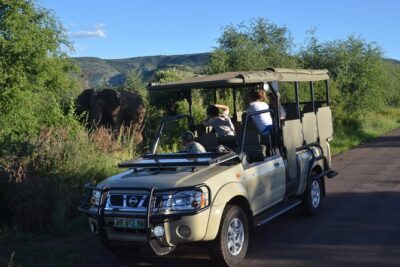 ★ 4.53-Hour Private Game Drive of Pilanesberg National ParkFrom $52967 reviews
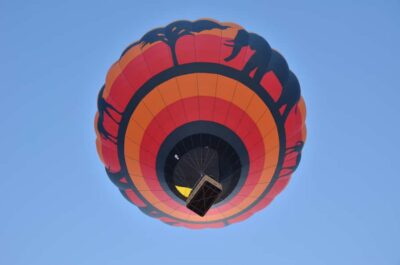 ★ 4.6Pilanesberg National Park/Sun City Hot Air Balloon SafariFrom $42163 reviews
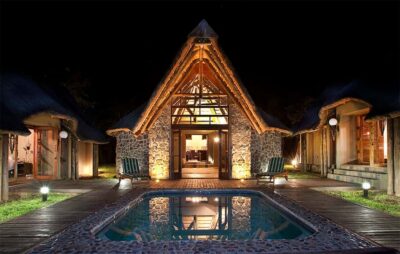 ★ 4.8Johannesburg: 2-Day 4-Star Pilanesberg SafariFrom $60961 reviews
Browse the lists this tour appears in