
REVIEW · SOWETO TOURS
Full-Day Apartheid Museum and Soweto Tour
History in Johannesburg has a gravity that sticks. This full-day route strings together the Apartheid Museum and the Soweto story, so you understand how South Africa moved from engineered separation to democracy in 1994. I also like that the tour keeps you moving at a sensible pace, about 7 hours 55 minutes, with clear stop points and included entry at the big museums.
Two things I really like here are the guided structure and the group size. With a max of 12 people and pickup from Sandton, you get a calmer setting than on giant bus tours, and it makes it easier to ask questions. One drawback to consider: lunch isn’t included, so you’ll want a plan for food after the morning museum stop.
In This Review
- Key Things I’d Watch For
- A Day Built Around One Question: How Did This Happen?
- Apartheid Museum: A Firm Start That Sets the Tone
- Soweto for an Afternoon: More Than Sights
- Mandela House in Soweto: The Symbol Gets Personal
- Hector Pieterson Museum and Memorial: The Students at the Center
- Price and Value: Where Your $86.72 Makes Sense
- Pickup, Group Size, and What That Does to Your Day
- The Guide Factor: KG’s Style Is a Highlight
- What to Pack and How to Prepare for a Long, Heavy Day
- Who This Tour Fits Best
- Should You Book This Full-Day Apartheid Museum and Soweto Tour?
- FAQ
- How long is the full-day Apartheid Museum and Soweto tour?
- Where does the tour start and end?
- Is pickup included?
- What is included in the tour price?
- What about admission tickets at the other stops?
- Is lunch included?
- How many people are in the group?
- Can I cancel for a full refund?
Key Things I’d Watch For
- Guide quality is the make-or-break, and KG, aka Kilogram, gets repeatedly singled out for humor and solid answers
- Museum time is real time, with about 2 hours at the Apartheid Museum and shorter, focused museum stops afterward
- Soweto is built into the flow, not treated as a quick drive-by, with about 3 hours on township history and social life
- Mandela House stays original, offering a direct look at how the family home still reflects its original state
- Student remembrance is central, with a dedicated stop at the Hector Pieterson Museum and Memorial
Other Soweto routes we have reviewed, each with a local guide
- Johannesburg: Hop-On Hop-Off Bus with Optional Soweto Tour★ 4.6 · 985 reviews
- Soweto /Johannesburg and Apartheid Museum Guided Full Day Tour★ 5.0 · 932 reviews
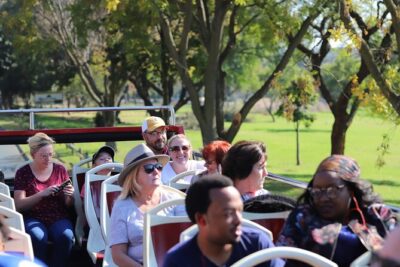
- Johannesburg Hop-On Hop-Off City Tour with Soweto Option★ 4.5 · 768 reviews
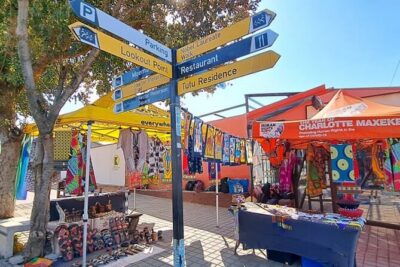
- Half-Day Tour of Soweto Tour★ 4.5 · 712 reviews
A Day Built Around One Question: How Did This Happen?
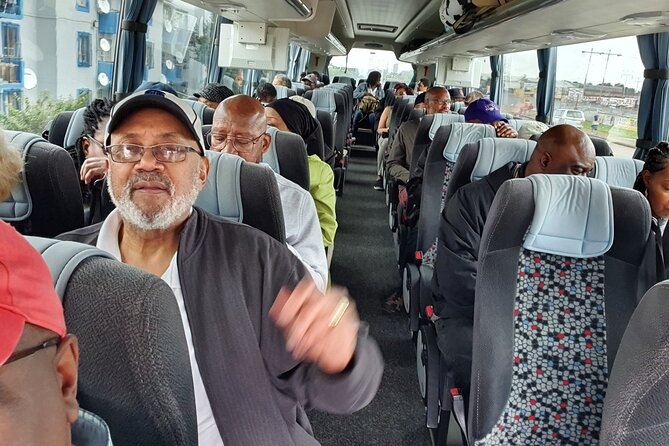
Johannesburg can feel like a place of fast changes, but this tour slows the pace on purpose. You start with the system that shaped daily life for decades, then you move into Soweto to understand what communities endured and how culture and identity persisted.
What makes this experience especially useful for first-time visitors is the way the stops connect. You go from policy and brutality at the Apartheid Museum, to community history in Soweto, to the personal story symbolized by Mandela House, and then to the student protests remembered at Hector Pieterson. The day doesn’t just show you places, it helps you connect causes and consequences.
Also, practical note: you’re in an air-conditioned vehicle, and the day is long enough that this comfort matters. On a day like this, you want transportation that gets you from site to site without adding stress.
Apartheid Museum: A Firm Start That Sets the Tone
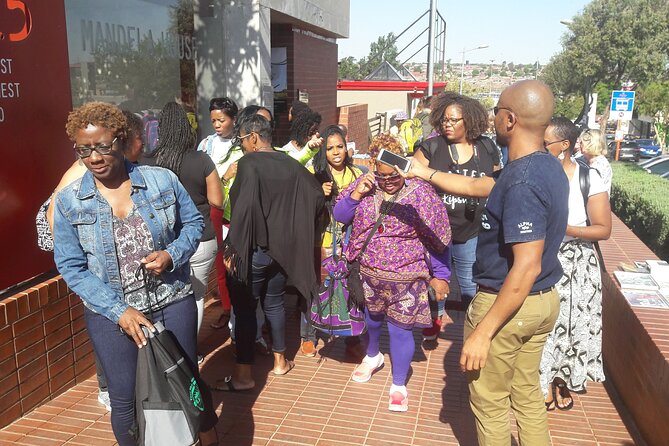
The first stop is the Apartheid Museum, with about 2 hours on site and the admission included. This is where you get the framework for everything else you’ll see later. The museum covers the apartheid system, the atrocities committed, the achievements or limits of the system, and what comes next.
Why I think this is a smart opener: if you try to do Soweto or Mandela House first without context, the day can feel like a series of separate landmarks. Starting here gives you the timeline and the ideas behind the places that follow.
What to expect in practice: you’ll be listening, then looking, and then listening again. This museum isn’t a quick photo stop. Plan for moments where you’ll want to read carefully and take in what you’re seeing, even if you usually skip long museum text at other destinations.
Soweto for an Afternoon: More Than Sights
After the museum, the tour heads into Soweto for about 3 hours, and the admission for this stop is listed as free. The focus is on the history of the townships and the social standards in those areas, along with the deeper stories that live within everyday life.
This is one of the best parts of the itinerary because it reframes what people often think of when they hear township. Instead of treating Soweto like a single theme park for tragedy, the tour positions it as a living place shaped by history, identity, and community standards.
Practical tip: because Soweto is part of the afternoon, you may feel the day starting to wear on you mentally. Bring water and pace yourself. You’ll likely be standing, walking around viewpoints or areas, and absorbing information at a steady pace.
Mandela House in Soweto: The Symbol Gets Personal
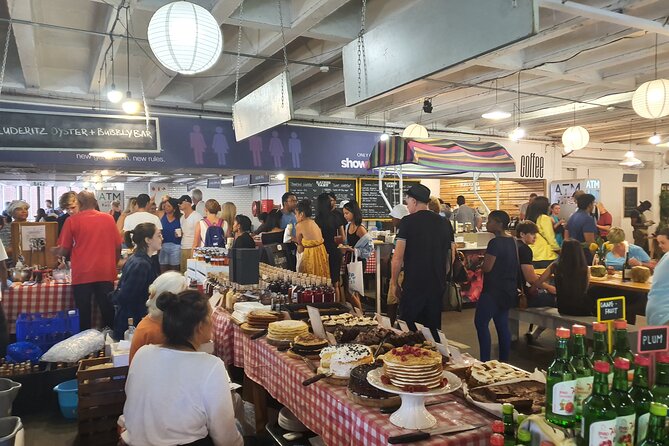
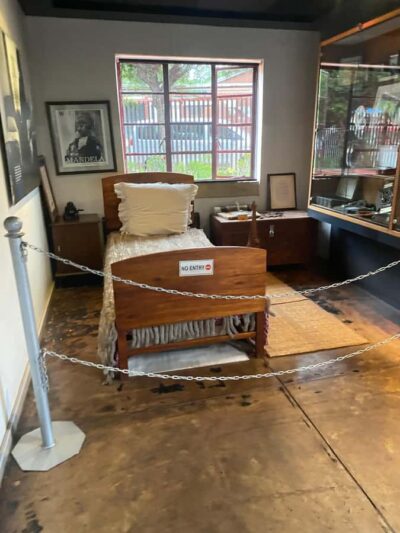
Next comes Mandela House, scheduled for about 40 minutes, with admission included. The standout detail here is that it has not been altered and remains in its original state. That matters because it turns a famous name into a physical, human space.
Even with just 40 minutes, the point of this stop is clear: you’re not only learning about a political figure, you’re seeing the kind of home life that continued alongside the struggle. It helps you connect the museum-level story of apartheid policies to the lived experience of families and daily routines.
There’s also time to eat nearby. The tour description notes that you can grab a bite in the area around Mandela’s home. Since lunch isn’t covered, this is the place you’ll likely want to work with for your meal plan, depending on your timing and appetite.
More sites and museums that record the apartheid years
Hector Pieterson Museum and Memorial: The Students at the Center

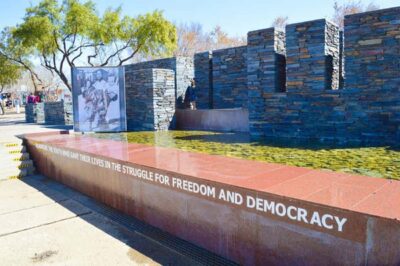
The final museum stop is the Hector Pieterson Museum and Memorial, about 45 minutes, with admission included. This site exists to commemorate students who were shot and killed by Apartheid police during protests tied to the forced use of Afrikaans.
This stop is powerful because the focus is specific. It’s not vague tragedy, it’s a defined moment that helped shape what people understood about injustice and resistance.
If you tend to rush museum visits, slow down here. Even a 45 minute timeline can feel short if you stop to read and reflect. You’ll probably want a quiet minute with the memorial sections so the day lands, instead of turning into one more collection of facts.
Price and Value: Where Your $86.72 Makes Sense
At $86.72 per person, this is not a budget-only tour, but it also isn’t priced like a private expedition. The value comes from the mix of included admissions and guided interpretation across several major stops.
Here’s where the math helps you decide:
- Apartheid Museum admission is included.
- Mandela House admission is included.
- Hector Pieterson Museum and Memorial admission is included.
- Soweto’s admission is listed as free.
- You get air-conditioned vehicle transport and pickup from Sandton.
- The experience runs nearly 8 hours, long enough that transport time is part of the value, not just “getting there.”
The only major cost you’ll need to budget outside the price is lunch. That’s not unusual for a full-day tour, but it does mean the real total depends on where you choose to eat after the museum segment.
My practical take: if you’re the kind of traveler who wants context, this price is easier to justify. If you’re only chasing photos and don’t care about explanations, you might feel the cost more. But with the way the day is structured, you’re paying for interpretation as much as for transport.
Pickup, Group Size, and What That Does to Your Day
This tour starts and ends back at the meeting point in Sandton. Pickup is offered, which is a big deal in Johannesburg, where moving around can eat time.
The group limit is maximum 12 travelers. In a day focused on heavy history, smaller groups can help. You’re less likely to feel rushed, and it’s easier for the guide to keep the pace manageable.
The duration is about 7 hours 55 minutes, which is long but not “all-day forever.” You should still plan for fatigue. You’ll be indoors and outdoors, and you’ll likely be listening for most of the morning and early afternoon.
One more detail that affects comfort: confirmation is received at booking, and service animals are allowed. Also, the tour is listed as near public transportation, which might help if you prefer to independently position yourself around the city, but pickup is the default plan here.
The Guide Factor: KG’s Style Is a Highlight
The reviews point to a clear theme: the guide can seriously improve the day. KG, also called Kilogram, comes up again and again, praised for being funny and for having strong subject command. There’s also mention of presentations that stay concise, relevant, and informative, with questions welcomed and answered.
What that means for you: if you care about clarity, not just facts, you’ll likely appreciate how the story is laid out. A guide who can handle follow-up questions makes the day feel less like a lecture and more like a conversation you can actually understand.
It also suggests the tour avoids dead time. The day is structured, and a good guide keeps it moving without leaving you confused.
What to Pack and How to Prepare for a Long, Heavy Day
You don’t need special gear, but you do need smart basics. This is a day where you’ll want to be comfortable and able to focus.
Bring:
- Water, especially for Soweto hours
- Sun protection (you may spend time outdoors)
- Comfortable walking shoes
- A light layer, since air-conditioned vehicles and museum interiors can feel cool
Mentally, prepare for intensity. The apartheid content is not light. Even when the presentation is clear and well structured, it’s still dealing with real harm and real power.
If you’re traveling with kids or you’re sensitive to heavy material, consider how you handle museums on hard topics. The time blocks are reasonable, but the subject matter is serious.
Who This Tour Fits Best
This is a strong fit if:
- You’re new to Johannesburg and want the big picture fast
- You want a guided route that connects apartheid, Soweto, and post-1994 change
- You like history explained in plain language, with time to ask questions
- You prefer a small group over crowded coach-style tours
It may not be the best fit if:
- You’re strictly budget focused and would rather build the day yourself
- You want lots of free roaming time with minimal instruction
- You’re not prepared to handle heavy content in multiple sites during one day
Should You Book This Full-Day Apartheid Museum and Soweto Tour?
I’d book it if you want one day that actually helps you understand Johannesburg beyond headlines. The included admissions at the major stops, the Sandton pickup, and the small group size make it feel like real value, not just a transport service.
I’d also book it if you’ll benefit from a guide who can answer questions and keep the day understandable. The repeated praise for KG is a strong signal that the explanation quality matters here.
Just go in knowing the key tradeoff: lunch is on you, and the day deals with painful history. If that sounds like your kind of travel, this is a very solid way to spend your time in Johannesburg.
FAQ
How long is the full-day Apartheid Museum and Soweto tour?
The tour runs for about 7 hours 55 minutes.
Where does the tour start and end?
The tour starts in Sandton, South Africa, and ends back at the meeting point.
Is pickup included?
Yes, pickup is offered.
What is included in the tour price?
The tour includes air-conditioned vehicle transport and admission to the Apartheid Museum.
What about admission tickets at the other stops?
Apartheid Museum admission is included. Mandela House and the Hector Pieterson Museum and Memorial also have admission included. Soweto is listed as admission free.
Is lunch included?
No. Lunch is not included in the tour price, but you can find options to eat after the Apartheid Museum and in the area around Mandela’s home in Soweto.
How many people are in the group?
The tour has a maximum of 12 travelers.
Can I cancel for a full refund?
Yes. You can cancel up to 24 hours in advance for a full refund.
Under Glass and Behind Ropes in Johannesburg
Apartheid History: Other Sites We Have Documented
Soweto: Other Guided Routes
Keep going: the rest of our Johannesburg write-ups
- Soweto Private half day tour
★ 4.5 · 3 reviews - Johannesburg’s Migration History with a local lunch
★ 5.0 · 3 reviews - Johannesburg: Soweto, Apartheid Museum, and Cradle tours
★ 4.7 · 3 reviews - Soweto Apartheid Museum and Lunch
★ 5.0 · 3 reviews - Bathongo Rhino & lion park nature reserve tour
★ 5.0 · 3 reviews - Johannesburg: Elephant and Monkey Sanctuary Half Day Tour
★ 5.0 · 3 reviews
Soweto Tours, compared.
 ★ 4.5Johannesburg Hop-On Hop-Off City Tour with Soweto OptionFrom $16768 reviews
 ★ 4.5Half-Day Tour of Soweto TourFrom $63712 reviews
 ★ 4.9Soweto: Walking Tour with a Local Guide and LunchFrom $43648 reviews
 ★ 4.8Jo’berg in 1 Day: Soweto, Apartheid Museum & City TourFrom $142524 reviews
 ★ 4.8Johannesburg: Full-Day Tour with Soweto and Apartheid MuseumFrom $104478 reviews
 ★ 4.8Johannesburg and Soweto: Half-Day TourFrom $71439 reviews
 ★ 5.0Full-Day Soweto, Apartheid Museum and Lunch TourFrom $108410 reviews
 ★ 5.0Half Guided Day Tour of Soweto And Apartheid MuseumFrom $69356 reviews
Browse the lists this tour appears in