
REVIEW · DURBAN CITY AND BEACHFRONT TOURS
Durban: Local Markets and Culture Guided Walking Tour
Durban’s markets teach you fast, especially with Johnny guiding you through the real streets. You get combi taxi rides, shop for spices and crafts on the way, and end with Durban’s famous bunny chow at North Beach. I like that the tour balances practical street life with the stories behind it. You get a genuine feel for how Durban connects cultures through food, trade, and everyday movement.
One thing to plan for: this is a proper walking day, with about 8,000 steps at a slow pace, plus heat and crowds at market time.
In This Review
- Key Highlights You Should Know
- Why This Durban Markets Tour Feels Local (Not Tourist-Like)
- Meet at Tekweni Backpackers, Then Start With a Quick Viewpoint Stop
- The Warwick Morning Markets Walk, Where Shopping Becomes Part of the Story
- Bridge, Indian Markets, and African Stalls You Can Actually Compare
- The Muti (Traditional Medicine) Market Stop, With Context You’ll Appreciate
- Victoria Street Market for Souvenirs, Spices, and Street-Level Deals
- Riding the Combi Minibuses Through Durban, the Practical Way
- Lunch at North Beach: Bunny Chow in Its Natural Habitat
- Price and Value: What You Pay for at $68
- What to Pack and How to Plan Your Timing
- Who Should Book This Tour, and Who Might Skip It
- Should You Book the Durban Local Markets and Culture Guided Walking Tour?
- FAQ
- Where does the tour start?
- How long is the tour?
- What transportation is included during the tour?
- What markets will we visit?
- What lunch is included?
- What should I bring?
- Is the tour suitable for wheelchair users?
- Is anything with lunch not included?
Key Highlights You Should Know
- Warwick Market circuits that move through multiple market zones, not just one stop
- Muti medicine market visits, where traditional healing goods are part of the shopping culture
- Indian markets and African stalls in the same day, which explains why Durban feels unlike other South African cities
- Local combi minibus transport, so you learn the city the way locals actually travel
- Victoria Street Market as a classic shopping finale before you head to the sea
- North Beach lunch with bunny chow, Durban’s signature quick, filling comfort food
More of Durban, beachfront to curry counter
- Durban: 30-Minute Harbor Boat Cruise★ 4.7 · 665 reviews
- Durban: 1-Hour Boat Cruise from Wilson’s Wharf★ 4.7 · 496 reviews
- Durban Point Waterfront: Luxury Canal Boat Cruise★ 4.4 · 298 reviews
- Durban: Pontoon Boat Harbor Cruise★ 4.4 · 182 reviews
Why This Durban Markets Tour Feels Local (Not Tourist-Like)
If you want Durban without the staged version, this kind of walking tour helps you get your bearings fast. You start with a short history setup, then get moving through neighborhoods and market areas where people actually buy, trade, and chat.
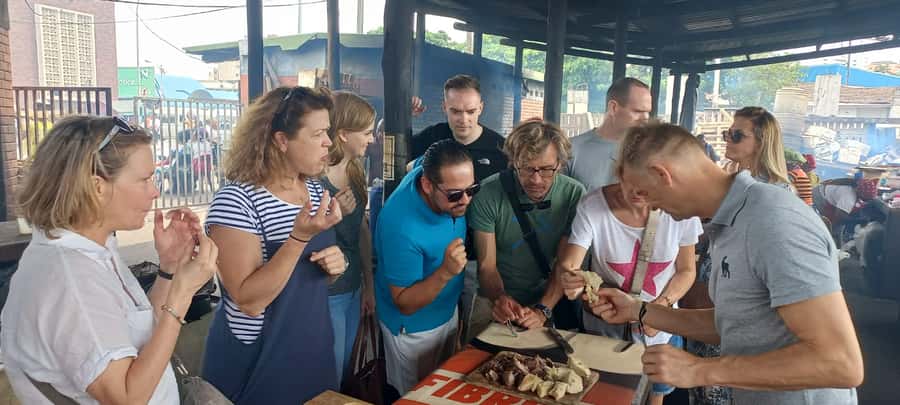
I especially like the way the guide connects dots. Market goods are never just “souvenirs.” You hear what they’re used for, why certain items sell well, and how different communities shape what you see on the street.
Another strong point is the transport. A local minibus combi ride sounds like logistics, but it is also part of the cultural lesson. You see how people flow through Durban, and you learn what to watch for so the city feels less confusing.
The only real drawback is physical. You are on your feet a lot, and you are walking through busy market lanes. If you hate crowds or struggle with long walking days, you’ll feel it.
Meet at Tekweni Backpackers, Then Start With a Quick Viewpoint Stop
The meeting point is Tekweni Backpackers at 169 Ninth Avenue, just off Florida Road in Morningside. It is an easy spot to find, and there is safe parking available if you’re arriving with your own transport.
Right after you meet, you get a quick start that works well for first-time visitors. There is a viewpoint photo stop early on, which is a smart move because Durban is bigger and more spread out than many people expect. Even if you do not take pictures, that stop helps you understand where you are headed.
Then you switch to local transport for a short ride before the market portion really ramps up. Those short “getting there” segments matter because they break the day into manageable pieces rather than forcing nonstop walking.
The Warwick Morning Markets Walk, Where Shopping Becomes Part of the Story
Your morning focuses on market areas around Warwick. This is not one generic market stall crawl. The day is designed as a circuit, so you hit different styles of trading and different crowds.
You begin with a guided walking tour of the Warwick market area. That guide time is useful because the market world runs on small rules: where to stand, when to bargain, who to ask, and which stalls specialize in what. The pace is described as slow, but “slow” still means you are moving for real, and you should plan to wear shoes you trust.
Market time in Durban is also multi-cultural in a very practical way. You are not just seeing one community’s goods. You are seeing how different groups live side by side, and how their food, spices, crafts, and everyday products overlap in the city’s shopping lanes.
One practical note: market mornings can be bright and active. Bring water, and expect that you will want it at least once during the walk. A sun hat and sunscreen are not optional extras here.
Bridge, Indian Markets, and African Stalls You Can Actually Compare
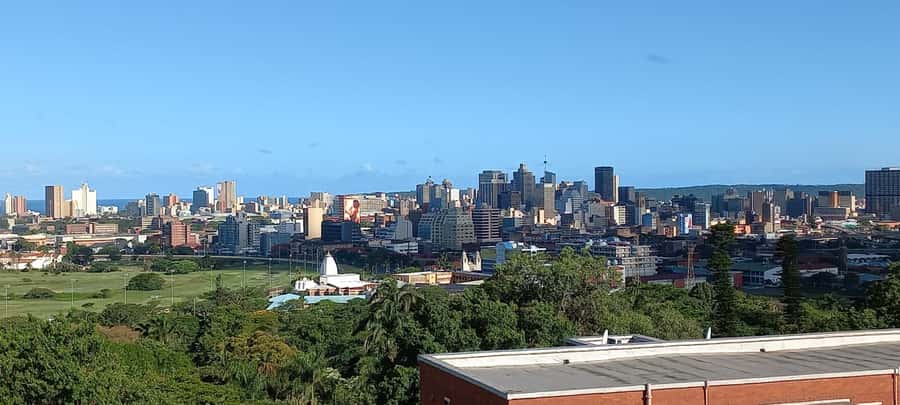
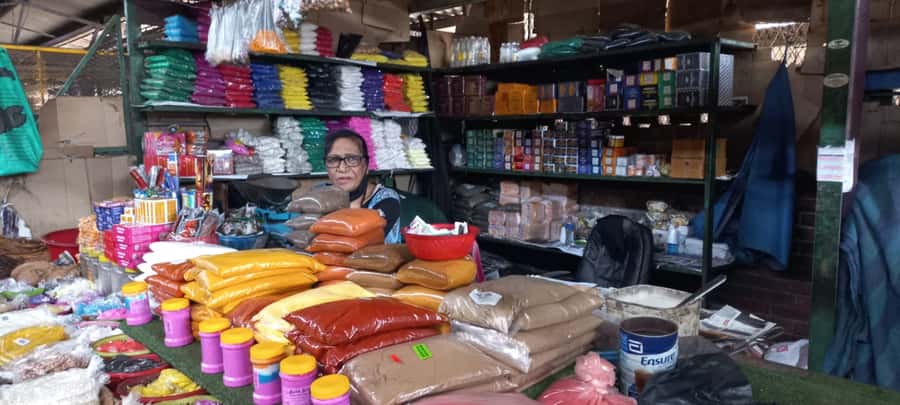
After the Warwick start, the tour keeps moving through multiple market zones. You will pass through what’s described as the early morning market and the bridge market, then reach the Indian markets as part of the circuit.
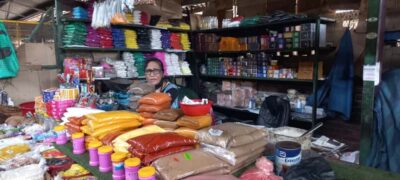
This is where Durban starts to make more sense. The Indian market segment helps explain why Durban is known for spices and flavorful street food. You’ll likely see spices, packaged goods, and household items that reflect the food culture carried into the city.
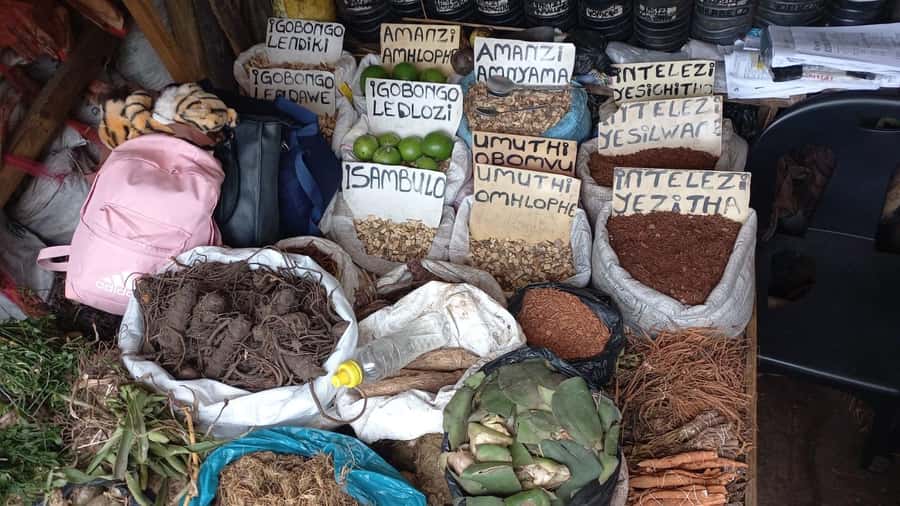
Then you switch gears to African market stalls and the health-and-healing side of traditional commerce. This is not presented as a side show. It is integrated into the same shopping day, which helps you understand how markets in Durban serve multiple needs at once: kitchen, household, and personal wellbeing.
I like the way this structure lets you compare. Instead of you trying to remember one market after another on your own, the tour keeps giving you a pattern, then shows how it changes from zone to zone.
More routes best done on foot
The Muti (Traditional Medicine) Market Stop, With Context You’ll Appreciate
One of the most distinctive parts of the day is the traditional medicine, or muti, market visit. You will see healing doctors selling traditional medicine products, and you will be introduced to how these goods fit into the way some people approach health.
For many visitors, this stop is the moment that turns the tour from “shopping” into “culture.” Even if you do not plan to buy anything, you learn what these markets mean to the communities that use them.
Because this topic can feel unfamiliar, the guide’s role becomes especially important. In a market like this, context helps you avoid guessing. You also get a better sense of how locals see the items, and how the trading works in day-to-day life.
If you are uncomfortable with strong smells, crowded aisles, or health-related products, it is still worth going with eyes open. Go slowly, ask questions if you want, and focus on understanding rather than reacting.
Victoria Street Market for Souvenirs, Spices, and Street-Level Deals

Later in the morning you reach Victoria Street Market. This part matters because it is a shopping-focused finale before you head back through town and toward the beachfront.
Victoria Street is the kind of place where you can find everyday souvenirs, spices, and small crafts. It is also where you learn the real shopping rhythm. People browse. People ask. Prices move depending on how you approach the conversation.
This is where I suggest you treat the tour like a shopping strategy, not just an outing. Bring cash, and keep your bag light at first. By the time you hit Victoria Street, you’ll have a better sense of what is worth your money and what is just loud marketing.
Also, give yourself space in your day to compare. The pace is slow, which is good. If you want to shop properly, you need time to look without rushing.
Riding the Combi Minibuses Through Durban, the Practical Way
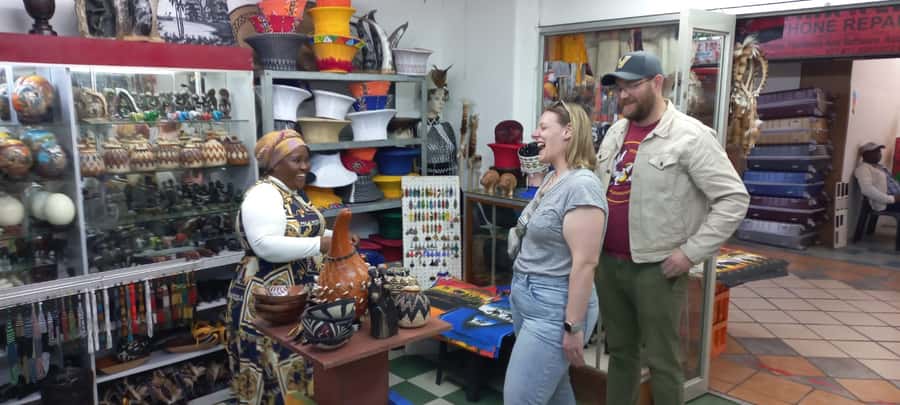
At several points you will use local transport, including minibus taxis (combis) from the meeting point and again from the markets to the beachfront. These short rides are part of why the tour feels “local.” You are not transported in a bubble.
If you have never taken combis before, it can feel chaotic at first. That is normal. The value here is that you are with a guide who can explain what is happening and help you understand the system in real time.
You will also get to see how people commute, how they stand, where they look, and how locals handle busy routes without panicking. That is surprisingly calming when you realize the city runs on routines you can learn quickly.
One more practical tip: keep your phone and wallet secure, and stay aware in crowded areas. You do not need paranoia. Just use basic street sense like you would anywhere.
Lunch at North Beach: Bunny Chow in Its Natural Habitat
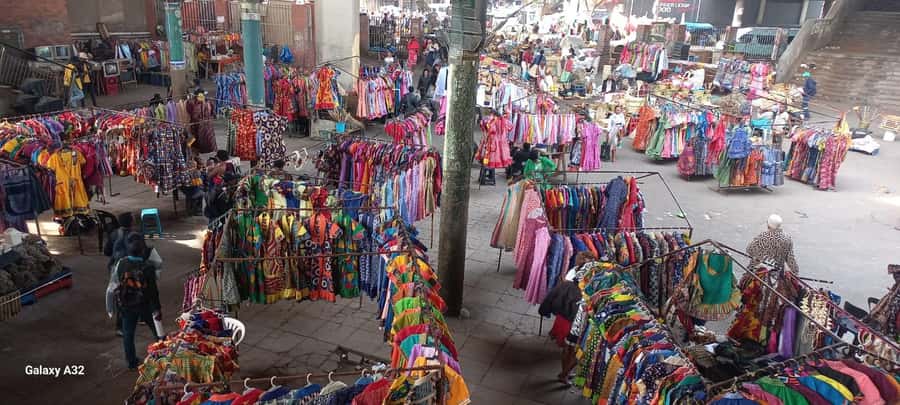
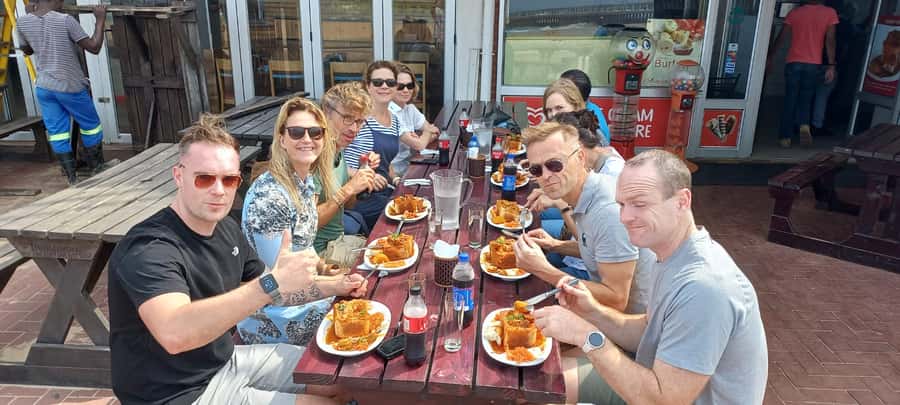
Your day ends at the beachfront, North Beach, with a traditional lunch. The specialty here is bunny chow, a Durban classic that is basically a flavorful meat-and-spice meal served inside bread.
The tour gives lunch as part of the experience, so you do not have to hunt for food after hours of walking and shopping. The lunch time is about one hour, which is a good breather window.
I love this finish because it resets your senses. After the smells and noise of markets, the sea air and the promenade feel like a reward that makes sense. Plus, you get to eat what Durban is known for in the setting that locals actually enjoy.
Beverages with lunch are not included, so plan to budget for drinks separately. If you need water, buy it before you’re out on the promenade.
Price and Value: What You Pay for at $68

At $68 per person, this tour can feel like a “worth it” price, mainly because it includes more than just a guide. You get:
- A guided walking market circuit
- Transport by local minibus combi
- Lunch at the end
- The guide’s on-the-ground help while you shop
If you tried to replicate this on your own, you’d likely pay for a private guide, then still spend time figuring out transport and deciding where to eat. Here, your day is structured so the market stops make sense as a group, and the lunch finish is planned rather than accidental.
The other value point is safety and ease. A good local guide is not just about speaking English. It is about knowing where to go, which stalls are best for what you want, and how to move through busy spaces without getting stuck.
What to Pack and How to Plan Your Timing
This tour is about 4 to 5 hours long in the basic plan, walking at a slow pace with around 8,000 steps. But you should mentally allow for extra time if you linger to shop, ask lots of questions, or if conditions slow you down.
Bring:
- Comfortable shoes
- Sunglasses
- Sun hat
- Sunscreen
- Water
- Comfortable clothes
- Cash
I’d also recommend you wear light layers. Durban can shift from bright heat to cooler moments near the beach. You will be walking through sun-exposed streets early, so shade habits help.
For your shopping plan, come with a bag you can carry comfortably. Markets can be heavy, and you will want room for spices and small items.
Who Should Book This Tour, and Who Might Skip It
This is a great choice if you want a market-focused day that mixes Durban culture, food, and street life in one loop. It is also a solid fit if you like asking questions. The guide’s style is described as enthusiastic and direct, with answers that are honest and grounded in local experience.
It is less suitable if you have limited mobility. The tour is not suitable for wheelchair users, and it is not for people over 95 years. It is also not ideal if you cannot handle long, steady walking and crowded market conditions.
If you only want one quick “see it, snap it, leave it” stop, this day might feel like too much. But if you want to understand Durban through how people shop and eat, it is a strong use of time.
Should You Book the Durban Local Markets and Culture Guided Walking Tour?
Yes, I think you should book it if Durban markets are on your priority list. This is the kind of experience that gives you stories you can’t Google, especially the balance of food, transport, and market variety.
Book it when you want more than a beach day and more than a museum-style overview. The North Beach bunny chow finish is a satisfying payoff, and the market route gives you a practical way to shop without guessing your way through unfamiliar neighborhoods.
Skip it only if your body or temperament cannot handle a long walking day with busy stalls. If you’re good with comfortable shoes and a few hours of active street time, this tour is one of the best ways to see Durban as locals experience it.
FAQ
Where does the tour start?
Meet at Tekweni Backpackers at 169 Ninth Avenue, just off Florida Road in Morningside. The guide will be waiting inside the premises.
How long is the tour?
The duration is listed as 330 minutes, and the walking portion is about 4 to 5 hours at a slow pace.
What transportation is included during the tour?
The tour includes public transportation using local minibus combis, including transfers from the meeting point and from the markets to the beachfront.
What markets will we visit?
The tour includes stops at the early morning market, bridge market, Indian markets, African medicine (muti) market, African market, and Victoria Street Market, plus a guided tour of the Markets of Warwick.
What lunch is included?
Lunch is included at the end of the tour at North Beach, featuring bunny chow, Durban’s speciality.
What should I bring?
Bring comfortable shoes, sunglasses, a sun hat, sunscreen, water, comfortable clothes, and cash.
Is the tour suitable for wheelchair users?
No. The tour is not suitable for wheelchair users.
Is anything with lunch not included?
Beverages with lunch are not included, so you will need to budget for drinks separately.
Walk It: More of Durban
Durban: More Along the Golden Mile
Keep going: the rest of our Durban write-ups
- Discover Durban on our Durban City Day Tour
★ 5.0 · 3 reviews - 2 Day Drakensberg Mountains & Tala Game Reserve Tour From Durban
★ 5.0 · 3 reviews - Valley of a Thousand Hills – Durban
★ 5.0 · 3 reviews - Full Day Hluhluwe Imfolozi Game Reserve From Durban
★ 5.0 · 3 reviews - Private Guided Cultural Day Tour of Zulu Village & PheZulu Safari Park
★ 5.0 · 3 reviews - Durban: Half Day Phezulu Safari Park and Durban City Tour
★ 4.6 · 3 reviews
Durban City and Beachfront Tours, compared.
 ★ 4.7Durban: 30-Minute Harbor Boat CruiseFrom $7665 reviews
 ★ 4.7Durban: 1-Hour Boat Cruise from Wilson’s WharfFrom $11496 reviews
 ★ 4.4Durban Point Waterfront: Luxury Canal Boat CruiseFrom $9298 reviews
 ★ 4.4Durban: Pontoon Boat Harbor Cruise182 reviews
 ★ 4.8Durban: Gondola RideFrom $12159 reviews
 ★ 4.1From Durban: Half-Day Safari TourFrom $193141 reviews
 ★ 4.5Luxury Canal Boat Cruise – Fun Things Durban UshakaFrom $8125 reviews
 ★ 4.5Half Day Safari Tour from DurbanFrom $171121 reviews
Browse the lists this tour appears in