
REVIEW · SOWETO TOURS
Constitutional Hill and Soweto 5 hours tour.
Johannesburg history hits fast. This 5-hour tour links the birth of the city to the people who fought to change it, starting at the Old jail area and continuing into Soweto. I like that the story is shown in real place, not just dates on a screen. I also like the pacing that fits a day-trip, with guided time at Mandela-related sites and the Hector Pieterson Memorial.
The main thing to consider is that it is a packed route. Some stops are quick pass-bys or photo moments, and you will likely want extra time later if you enjoy museum-style lingering. Entry fees for the Mandela museum and the Hector Pieterson Memorial are also not included, so plan for that cost on the day.
In This Review
- Key things I’d look forward to on this tour
- Why a 5-hour Constitution Hill to Soweto route makes sense
- Old Jail and Constitution Hill: where you see segregation made physical
- Nelson Mandela Bridge and downtown pass-by views you can actually use
- Soweto photo stops and pass-by moments that frame the neighborhood
- Tutu House walk-in stop and Mandela’s House guided tour
- Hector Pieterson Memorial guided visit: learning through place
- Culture, heritage, and local food context in Soweto
- Price and what you really get for $62
- Practical tips: what to bring and how to handle medication
- Who this tour fits best, and who should consider another option
- Should you book Constitutional Hill and Soweto?
- FAQ
- How long is the Constitutional Hill and Soweto tour?
- How much does the tour cost?
- What areas are pickup locations for the tour?
- Where are the drop-off locations?
- Is the Constitutional Court entry fee included?
- Are food and drinks included?
- Are Mandela museum and Hector Peterson Memorial entry fees included?
- Is the tour guide language English?
- Is the tour wheelchair accessible?
Key things I’d look forward to on this tour
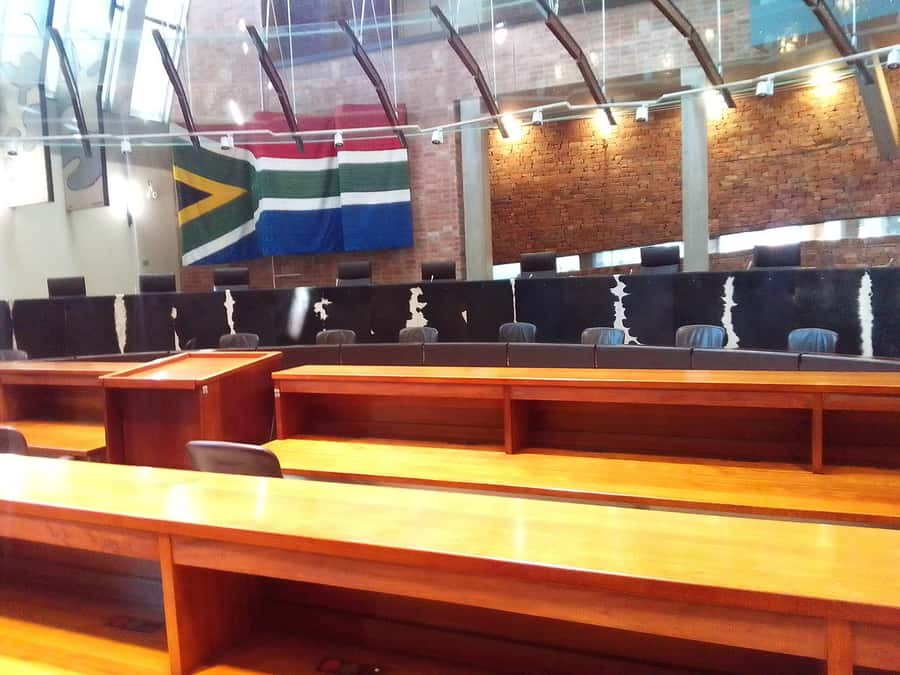
- Segregation explained where it happened, at the Old jail area and related constitutional sites
- A question-friendly guide experience, with time for you to ask what you actually want to know
- Mandela Bridge and downtown context, so Soweto connects to the wider Johannesburg story
- Guided access at major memorial points, including Mandela’s house and Hector Pieterson Memorial
- Culture plus everyday life, including local food context during the Soweto portion
Other Soweto routes we have reviewed, each with a local guide
- Johannesburg: Hop-On Hop-Off Bus with Optional Soweto Tour★ 4.6 · 985 reviews
- Soweto /Johannesburg and Apartheid Museum Guided Full Day Tour★ 5.0 · 932 reviews
- Johannesburg Hop-On Hop-Off City Tour with Soweto Option★ 4.5 · 768 reviews
- Half-Day Tour of Soweto Tour★ 4.5 · 712 reviews
Why a 5-hour Constitution Hill to Soweto route makes sense
This is the kind of Johannesburg day plan that works because it gives you two anchors. First, you get Constitution Hill and the Old jail legacy, tied to how the system controlled people. Then you pivot to Soweto, tied to activism, community heritage, and the places connected to major moments in the anti-apartheid story.
The value is in how the tour connects dots fast. If you arrive in Johannesburg with limited time, it is easy to end up with a city that feels like separate sights. This route pushes you to see the link between downtown power and township resistance. And the guide helps you interpret what you are looking at, not just move from point to point.
One practical perk I appreciate is that you are not left to figure out timing or routing. You get pickup and drop-off across multiple areas, plus transport and a live guide. That lets you focus on the actual experience, like noticing the architecture, the layout of the jail spaces, and the meaning behind each memorial.
Old Jail and Constitution Hill: where you see segregation made physical
Your first major stop is the Old jail. This is where the tour becomes more than sightseeing. You get a clear picture of how people were treated differently based on colour and race in this jail environment.
A key detail to pay attention to is the jail’s division into separate sections. That layout matters. It is one thing to hear about apartheid in theory, and another to see how the building design enforced separation and control. As you walk through the space with your guide, you will understand how institutions shaped daily life, and why that kind of system is not abstract.
There is also an option to visit the Constitutional Court. The tour includes entry fees for the Constitutional Court, and it helps that you can skip the ticket line. If you have limited time, this option is often worth it because it gives you the contrast between the place of confinement and the place associated with constitutional justice.
A quick but important note: this area has heavy subject matter. Plan to pace yourself, bring water, and take breaks if you need them. Comfortable shoes help because you will be on your feet more than you might expect for a “half-day style” schedule.
Nelson Mandela Bridge and downtown pass-by views you can actually use
Between the jail area and Soweto, you pass through downtown sections, including Braamfontein and the Nelson Mandela Bridge. Even though these are not long stops, they help you “get your bearings.” You start to see how Johannesburg’s growth tied into wealth from mining and how that shaped the city’s geography.
One especially memorable visual detail you will likely notice is the gold mine remnants. The tour passes by big piles of sand from the gold mines. You might not realize how close the mining legacy sits to everyday city life until you see those piles and then connect them to what Johannesburg became.
This is also where you get the feel of the city. Downtown and bridge views do two things. They remind you Johannesburg is not frozen in one era, and they help you understand that Soweto’s story is part of a wider city system, not a separate world off to the side.
Soweto photo stops and pass-by moments that frame the neighborhood
Once you head into Soweto, the tour keeps moving, but it does not feel random. You get a few structured touchpoints that set the scene.
You will have a short photo stop in Diepkloof, around 10 minutes. This is not meant for a long walkabout, but it is useful for orientation. Even just stepping out, looking around, and getting photos helps you picture where you are in relation to the larger story you will hear.
Then there is a pass-by at Chris Hani Baragwanath Academic Hospital. You get a quick look and context from the guide, around five minutes each time it appears in the route. You will not be touring the hospital itself based on the provided schedule, but the pass-by still helps show how Soweto functions as a living community with institutions, not just a museum-like setting.
A photo stop at Soweto Towers follows, about five minutes. It is brief, but it works as a landmark moment. The towers can also help you remember the area, especially when you are comparing parts of Soweto later in your own exploring.

Tutu House walk-in stop and Mandela’s House guided tour
Two of the most meaningful moments come close together: Tutu House and Mandela’s House.
You get a walk stop at Tutu House for about five minutes. It is short, but it sets the tone. This is the kind of place where even a quick stop can help you connect names to physical geography.
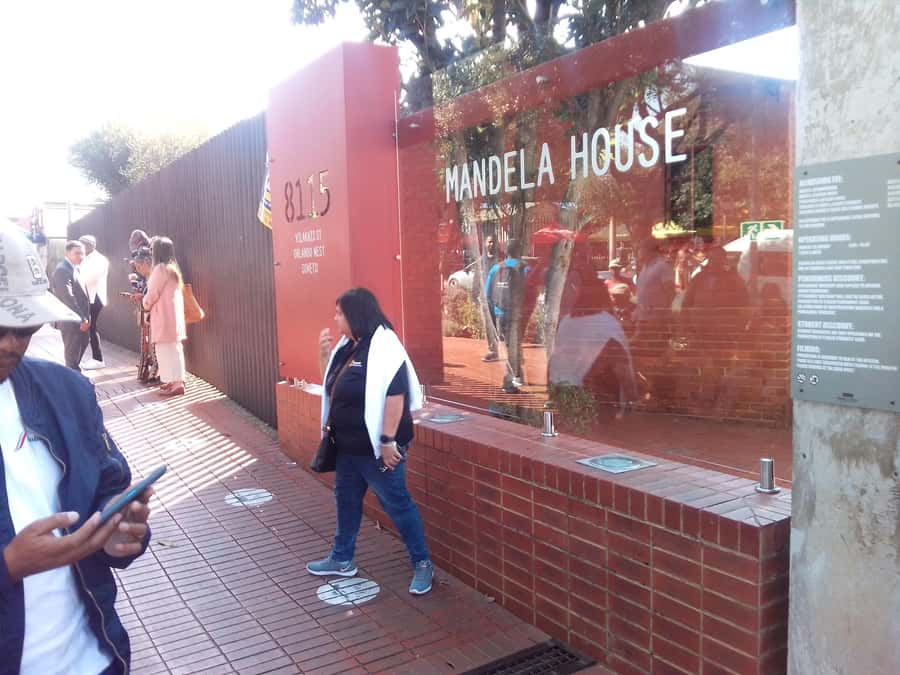
Then comes Mandela’s House with a guided tour of about 15 minutes. This is where the experience becomes more personal and specific. A guided time matters here because the value is in the details your guide points out, like what you should look for and what the location represents in the larger struggle for change.
In a lot of tours, Mandela-related places can turn into a quick photo line. Here, the schedule includes guided time, so you are less likely to leave with only pictures and no meaning. If you care about understanding the human side of history, this stop is one of the best uses of your 5 hours.
Hector Pieterson Memorial guided visit: learning through place
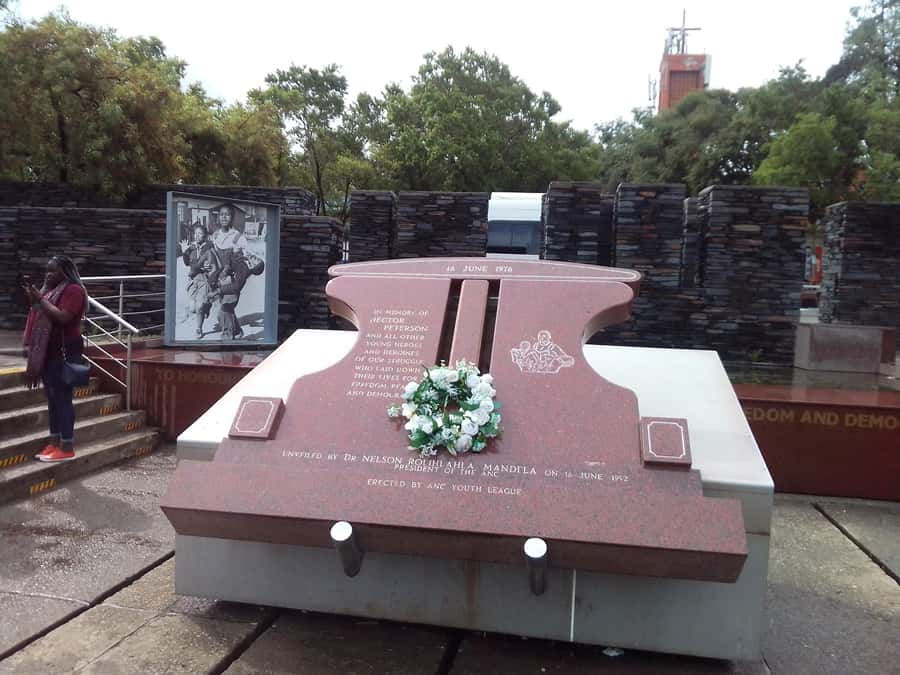
The Hector Pieterson Memorial is another guided segment, planned for around 15 minutes. This is the kind of stop that often hits emotionally, because it connects students, protest, and the consequences of violent repression to a specific place that remembers the moment.
You will also notice something practical in the schedule: it includes time for the guided tour, not just a drive-by. That guidance is important, especially if you want the story explained in a way that fits what you are seeing around you.
One thing to keep in mind: entry fees to the Hector Peterson memorial are not included. That means you should have enough cash and or a credit card with you. The tour does include transport, guide, and pickup, but this specific admission is separate.
Also, bring your camera if you want it. Just be respectful about where and how you take photos, especially in memorial spaces. Your guide can help you read what is allowed and what is best left unrecorded.
Culture, heritage, and local food context in Soweto
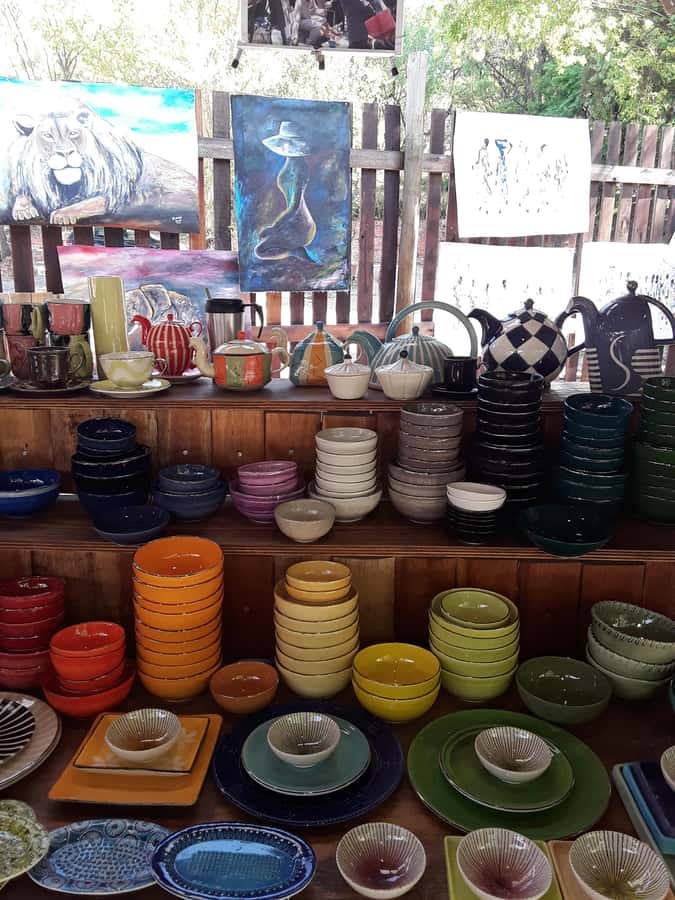
The highlights list learning culture, heritage, and local food, and you should expect the Soweto portion to include context that goes beyond political landmarks. Even if you are not sitting down for a meal on the tour, the guide can help you understand what everyday culture looks like and why certain traditions matter.
In my view, the best way to use this part of the tour is to ask one simple question during the ride or at the stops: what should I try next in Soweto or Johannesburg that connects to what I just learned? The route itself may not include a sit-down tasting, but the guide can still steer you toward food you will actually want to find later.
This also makes the day feel more complete. If the first half is heavy and focused on control and resistance, the second half can help you see continuity. Soweto is not only remembered for apartheid-era events. It is also a place with community pride, everyday life, and heritage that still shapes what you taste and where you go next.
Price and what you really get for $62
At $62 per person, this tour can be good value if you factor in three things: transport, a live guide, and included entry for the Constitutional Court.
A common trap with day tours is paying for transportation and then still paying separate admissions for the big stops. Here, Constitutional Court entry fees are included, and you get a guided route that aims to cover both major themes in one go. That alone can make the price feel fair, especially if you are staying in Johannesburg proper and would otherwise spend time and energy figuring out transit.
What is not included matters, though. Food is not included, and Mandela museum entry fees and Hector Peterson Memorial entry fees are not included either. So treat the $62 as the core tour cost, then add spending for meals and the separate admissions.
Also watch the schedule: because it is only about five hours, not every stop is a deep linger. You get guided time where it counts, but you will also have photo moments and pass-by segments. If you are the type who likes slow museum pacing, you might leave feeling like you want one or two extra hours added on top.
Practical tips: what to bring and how to handle medication
This is the kind of day trip where packing light but smart makes a big difference.
Bring comfortable shoes first. You will be walking during guided and stop segments. Add a sun hat or another hat, plus sunscreen, because Johannesburg sun can be strong and you do not want to lose your energy waiting inside vehicles.
Bring a camera if you like photos, and keep your smartphone charged if you plan to use it for quick notes or maps later. Have cash and or a credit card, since some admissions are not included. You should also bring your passport or a copy accepted by the local team.
If you take personal medication, notify your guide about the appropriate time to take it. That is not just good manners. It helps the guide keep the day manageable if you need to step aside briefly.
Finally, consider the day as a whole. Wear layers you can adjust to because morning shade and afternoon sun can feel different quickly.
Who this tour fits best, and who should consider another option
This tour is a strong match if you want a high-impact day in Johannesburg without stretching it into a full travel day. It fits well for first-timers who want the story of the city’s rise and how apartheid shaped daily life, and then want to see Soweto as more than a name.
It is also a good fit if you like guidance. The tour is live English guided, and the structure gives you time for questions at multiple stops. In particular, the Mandela-related guided segments are easier to enjoy when someone explains what you are looking at.
It may not be the best fit if you need long museum time at every location. Some stops are brief by design, including photo moments and pass-by segments. If you want to spend an entire afternoon inside one major site, you would probably want a different tour format.
Also, the tour is not suitable for people over 95 years, based on the provided information.
Should you book Constitutional Hill and Soweto?
If you have only one day in Johannesburg, I think it is worth booking. You get two major themes in one route: how power worked through confinement and how communities responded through activism and resilience. You also get included Constitutional Court entry, plus guided time at key memorial and home-related locations.
Skip this only if you know you want slow, deep time at fewer sites, or if you cannot handle a schedule that includes pass-bys and short photo stops. If that is you, you might prefer a longer, more focused option.
For most people, though, this is a solid plan: guided, efficient, and packed with meaning in just about five hours. It is the kind of day that gives you a clearer mental map of Johannesburg, not just a handful of photos.
FAQ
How long is the Constitutional Hill and Soweto tour?
It runs for 1 day and is described as a 5-hour tour.
How much does the tour cost?
The price is listed as $62 per person.
What areas are pickup locations for the tour?
Pickup is available from Melrose, Rosebank, O.R. Tambo, Sandton, and Fourways.
Where are the drop-off locations?
Drop-off is available at Melrose, Rosebank, O.R. Tambo, Fourways, and Sandton.
Is the Constitutional Court entry fee included?
Yes. Entry fees to the Constitutional Court are included, and you also get skip-the-ticket-line entry for that site.
Are food and drinks included?
No. Food and drinks are not included.
Are Mandela museum and Hector Peterson Memorial entry fees included?
No. Entry fees to the Mandela museum and entry fees to the Hector Peterson memorial are not included.
Is the tour guide language English?
Yes. The live tour guide is English.
Is the tour wheelchair accessible?
Yes. The tour is listed as wheelchair accessible.
Soweto: Other Guided Routes
Keep going: the rest of our Johannesburg write-ups
- Soweto Private half day tour
★ 4.5 · 3 reviews - Johannesburg’s Migration History with a local lunch
★ 5.0 · 3 reviews - Johannesburg: Soweto, Apartheid Museum, and Cradle tours
★ 4.7 · 3 reviews - Soweto Apartheid Museum and Lunch
★ 5.0 · 3 reviews - Bathongo Rhino & lion park nature reserve tour
★ 5.0 · 3 reviews - Johannesburg: Elephant and Monkey Sanctuary Half Day Tour
★ 5.0 · 3 reviews
Soweto Tours, compared.
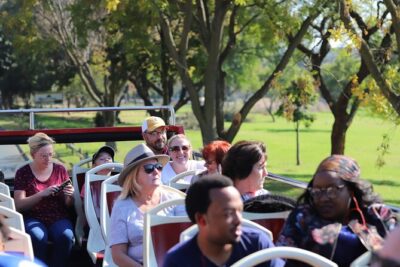 ★ 4.5Johannesburg Hop-On Hop-Off City Tour with Soweto OptionFrom $16768 reviews
 ★ 4.5Half-Day Tour of Soweto TourFrom $63712 reviews
 ★ 4.9Soweto: Walking Tour with a Local Guide and LunchFrom $43648 reviews
 ★ 4.8Jo’berg in 1 Day: Soweto, Apartheid Museum & City TourFrom $142524 reviews
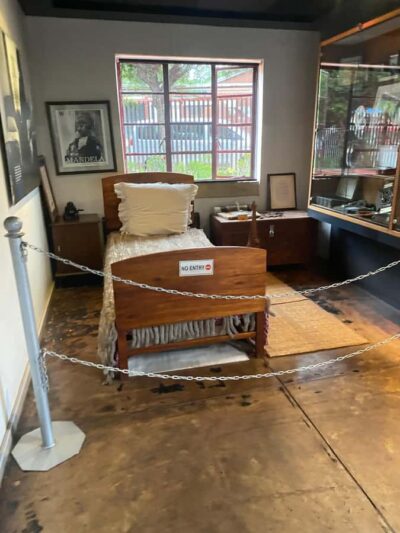 ★ 4.8Johannesburg: Full-Day Tour with Soweto and Apartheid MuseumFrom $104478 reviews
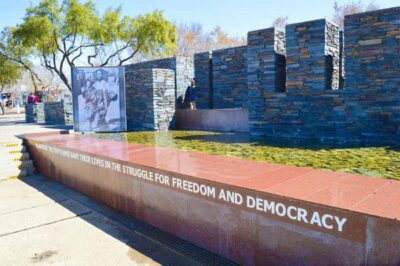 ★ 4.8Johannesburg and Soweto: Half-Day TourFrom $71439 reviews
 ★ 5.0Full-Day Soweto, Apartheid Museum and Lunch TourFrom $108410 reviews
 ★ 5.0Half Guided Day Tour of Soweto And Apartheid MuseumFrom $69356 reviews
Browse the lists this tour appears in