
REVIEW · SOUTH AFRICA
Cats in Conservation
Wild cats, rehab work, and real answers.
At Tenikwa, the private Cats in Conservation day is interesting because you are not just watching animals. You get guided commentary on what Tenikwa does, plus time around the resident cats and local wildlife, and you can ask questions as you go. What I like most is the chance to see the wildlife rehabilitation facilities as part of this specific program, and the way the day is paced for your group, not a cattle-call schedule. The one thing to keep in mind is that animal sightings depend on season, weather, and the cats’ own moods, so you might not see every cat in perfect lighting on every visit.
This is a full 7 to 8 hour outing in the Western Cape near Plettenberg Bay, starting and ending at Tenikwa’s Wildlife Rehabilitation and Awareness Centre at The Crags. You’ll be picked up via included transport and you’ll have breakfast, lunch, snacks, bottled water, plus coffee and or tea. It is also built for comfort and practicality: the experience runs in all weather, so plan on a sun-and-shade day that might turn into a cool one with quick changes.
One more tip before you go: touching animals is not allowed, and the dress code matters. Think neutral colors and comfortable clothes, skip anything furry or scarf-like, and bring sun protection. Also, it is not suitable for children under 9, and children under 18 must be accompanied by a parent.
In This Review
- Key Highlights You’ll Actually Feel During the Day
- Tenikwa’s Mission: Wild Cats and Conservation With a Purpose
- Private Tour Time, 7 to 8 Hours at Your Pace
- The Tenikwa Wildlife Awareness Centre Stop: More Than a Viewing Session
- Behind the Scenes at the Rehabilitation Facilities (The Big Selling Point)
- Food and Comfort: Breakfast, Lunch, and Western Cape Weather Tips
- The Guides and Staff: What Makes It Feel Human
- Price and Value: Is $87.71 Worth It?
- Who Should Book Cats in Conservation, and Who Might Not Love It
- Quick Practical Checklist Before You Go
- Should You Book Cats in Conservation at Tenikwa?
- FAQ
- How long is the Cats in Conservation tour?
- Where does the tour start and end?
- What is included in the price?
- What should I wear?
- Is touching the animals allowed?
- Can I cancel or change my booking?
Key Highlights You’ll Actually Feel During the Day
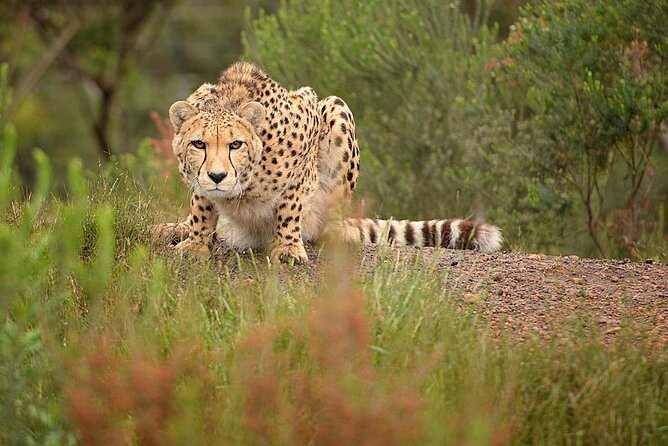
- Exclusive rehab access at Tenikwa Wildlife Awareness Centre, not just standard viewing
- Private tour for your group only, so your questions do not get lost
- Full meal plan included (breakfast, lunch, snacks), so you can focus on the animals
- Guided walk time where you can slow down, ask questions, and photograph calmly
- Runs in all weather, which means you dress for conditions, not for perfect forecasts
Still weighing it up? These Plettenberg Bay trips are the ones our readers open next.
- Plettenberg Bay: Swim with Seals★ 4.7 · 887 reviews
- Knysna Ziplines Tour★ 5.0 · 688 reviews
- Standard Canyoning Trip in The Crags, South Africa★ 5.0 · 381 reviews
- Plettenberg Bay: Whale Watching Boat Cruise★ 4.4 · 362 reviews
Tenikwa’s Mission: Wild Cats and Conservation With a Purpose
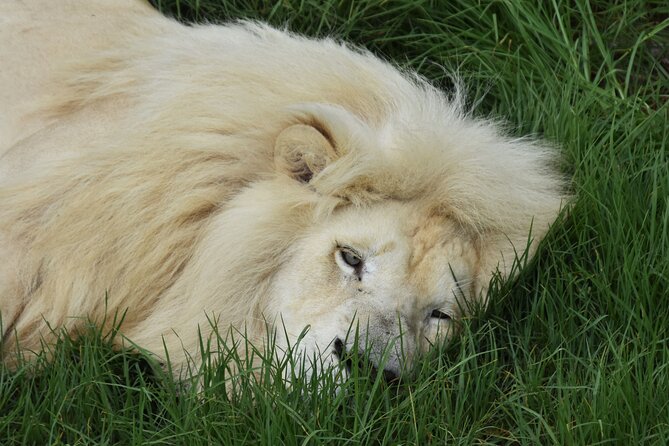
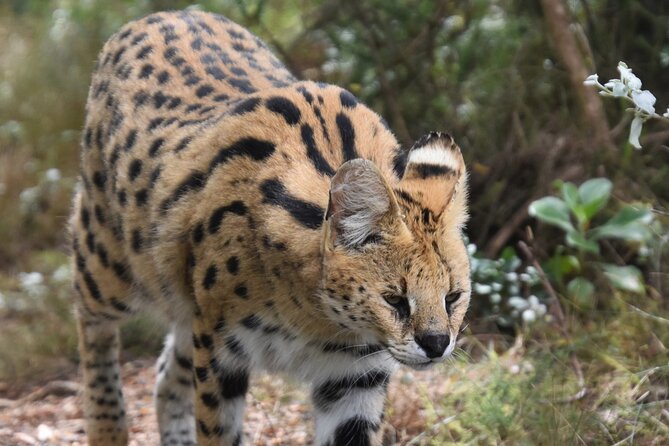
Tenikwa is one of those places where the conservation message is not glued onto the visit like a sticker. It is part of how the day is built. The Cats in Conservation program is designed for animal lovers who want more than a photo. You spend time with resident animals, but you also get guided explanations tied to rehabilitation work and the real dangers cats face because of people.
That matters because it changes what you notice. Instead of only asking, What is that cat?, you start thinking, Why does it need care? What threats does it face? How do rehabilitation and education actually connect? Even if you are not a wildlife nerd, the staff make the story feel grounded and practical.
The day also leans into authenticity. You are not just moving through viewing spots. You are learning how daily activities support injured and vulnerable wildlife and how the center communicates conservation issues to the public. The tone is active, outdoorsy, and a little unpredictable, which is honestly what wildlife days should feel like.
Private Tour Time, 7 to 8 Hours at Your Pace
This is not a shared-group hop and drop. It is a private tour for your party only, and you can move at your own pace within the flow of the program. That is one of the biggest quality-of-life upgrades on a wildlife day. You do not have to fight for your turn to ask a question, and you can linger when you find the cat that is actually paying attention.
The duration is about 7 to 8 hours, which gives enough time for both animal viewing and the conservation-focused parts without feeling rushed. You also start and finish back at the same meeting point, so you are not dealing with an open-ended end location.
Because the experience runs in all weather, your schedule can feel like a real day outdoors rather than a rigid checklist. The staff take you out in conditions that nature decides to throw at you, from hot bright periods to cooler, grey weather. One of the nice practical benefits of this is that you get used to the idea that animal activity may change hour to hour, and the guides adjust so you do not just stand there hoping for a miracle.
The Tenikwa Wildlife Awareness Centre Stop: More Than a Viewing Session
Your day centers on Tenikwa Wildlife Rehabilitation and Awareness Centre. This is where the Cats in Conservation program is designed to keep you interested from start to finish, with resident animals and guided interpretation built around their care.
Here is what you can expect to feel during this part of the day:
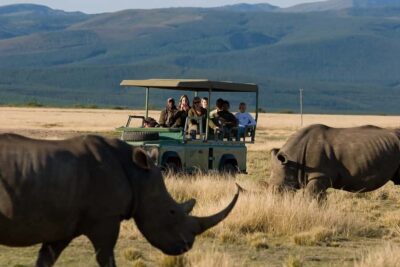
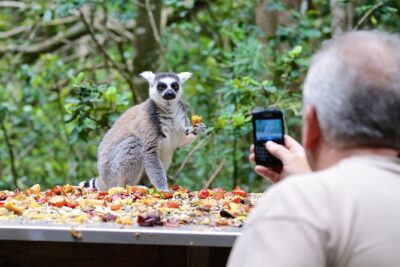
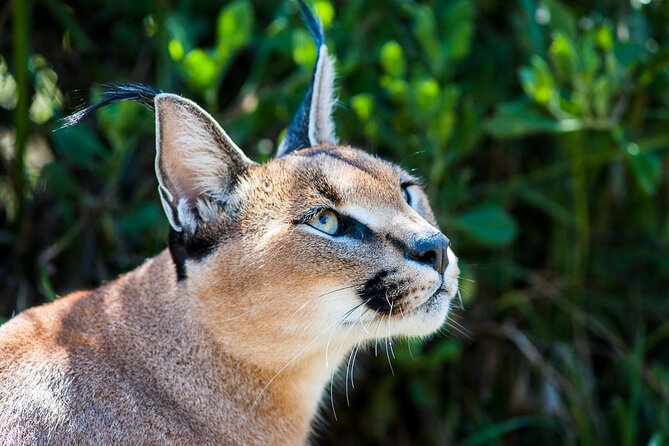
You’ll have structured time to see wild cats and local wildlife, with guidance that helps you understand what you are looking at. Many people love the fact that you are not constantly walking in a straight line like a typical zoo visit. You can slow down, look closely, and photograph when conditions allow.
You’ll also get some nature-time with a guide. In past visits, people noted a forest walk element, which is a helpful change of pace. It turns the day into something more like a guided outing than a viewing circuit.
Most importantly, you’re not just observing. You’re learning how rehabilitation and awareness work in the real world. The program includes guided commentary on conservation issues, so the story is always tethered to why the center exists and what it tries to do for animals.
One consideration: animal visibility is not guaranteed. Past visits included moments where only a few animals showed themselves, while other cats stayed out of view. The right mindset helps. Go with curiosity, not a checklist fantasy.
Behind the Scenes at the Rehabilitation Facilities (The Big Selling Point)
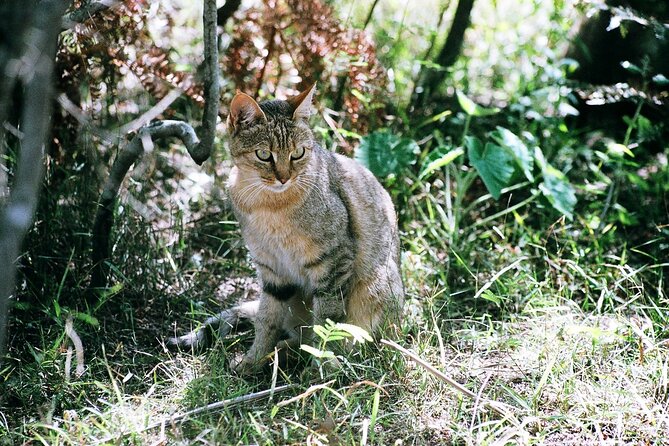
The highlight that keeps coming up is the behind-the-scenes look at Tenikwa’s wildlife rehabilitation facilities. The Cats in Conservation program is described as the only program that allows guests to view the wildlife rehabilitation facilities, which is rare.
What you get from this access is perspective. You see how the center thinks about care, recovery, and the long-term goals behind rehabilitation. It is not only emotional, it is educational in a very direct way. The staff can connect what you see outdoors to the practical work happening out of sight.
This part of the day is also why the tour is worth doing even if you have visited other wildlife spots before. Standard viewing tells you what animals look like. Rehab access tells you why care and conservation matter, and what gets done when animals cannot simply be released back into the wild right away.
Do note one practical reality: rehab activity can vary. If you go on a day when animals are resting or facilities are quieter, you might not see everything at maximum intensity. The positive way to think about it is simple: wildlife rehab is not a stage show. It is care work.
Food and Comfort: Breakfast, Lunch, and Western Cape Weather Tips
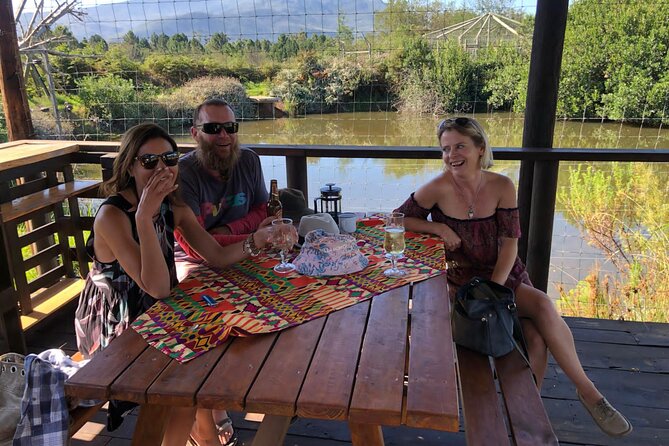
One reason people rate this experience so highly is that it takes care of the basics. Breakfast, lunch, snacks, bottled water, and coffee and or tea are included. You do not need to plan meals around a conservation outing, which keeps your energy where it matters, with the animals and your guide.
For comfort, the key details are the dress code and sun protection guidance. The recommendation is neutral colors, and to avoid fur or scarves. Wear comfortable clothing you can walk in. Bring sunblock and a hat.
Because it operates in all weather conditions, think layers. If the day starts bright and warm and then cools down, you’ll be glad you can adjust. If rain or wind shows up, you still go. That is part of the deal with outdoor wildlife experiences here.
And please remember the rule that helps both you and the animals: touching animals is not allowed. You’ll get great viewing from a respectful distance, and your experience will be calmer as a result.
The Guides and Staff: What Makes It Feel Human
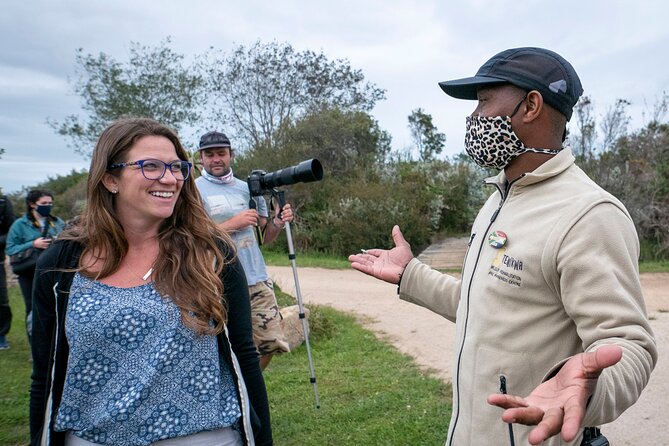
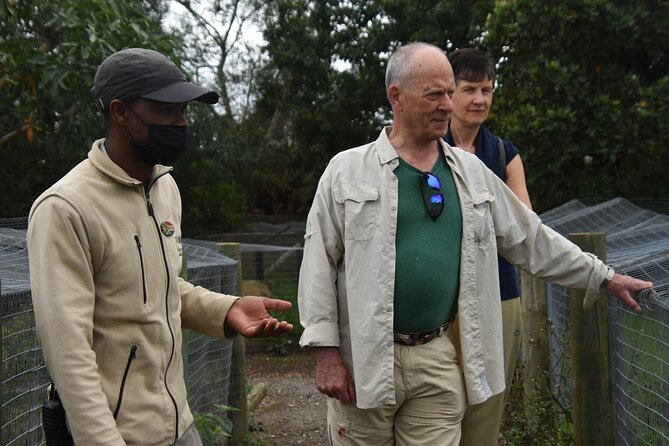
A big part of the value here is the people. In one review, the head guide was named Msizi, and the description included that he is part of a second generation at Tenikwa, with his father working for the center for over 35 years. That kind of continuity matters. You can feel it when the explanations connect to long-term care practices, not just one-off facts.
Another review mentioned a dedicated staff member named Boniwe, who guided the day and kept the experience engaging for eight hours. That lines up with what this program is meant to be: a full day where you do not just get delivered to an animal and then left to figure it out alone.
Across reports, people also highlight that guides show patience, and that if you did not catch every animal on the first round, you may get taken around again when you are finished with the tour. That flexibility can make a difference if the cats decide to do their own thing and hide.
Price and Value: Is $87.71 Worth It?
At $87.71 per person, this tour sits in the budget-friendly range for a private, conservation-focused outing, especially one that includes admissions and a full meal set. The pricing is easier to judge when you look at what is actually included:
- Private experience for your group
- Transportation
- Admission ticket included
- Breakfast, lunch, snacks, bottled water
- Coffee and or tea
- Time behind the scenes with staff and rehab facilities overview
If you compare this to paying separately for entry, meals, and transport, the value stacks up. You are essentially buying a guided day with access that is not always available on regular animal visits.
Booking timing is another clue. It is noted that this is often booked about 28 days in advance on average. That tells you it is not a last-minute impulse item for everyone, so plan ahead if you are traveling in peak season.
Who Should Book Cats in Conservation, and Who Might Not Love It
This tour is a strong fit for anyone who cares about wildlife care and wants conservation explained in plain language during an active day outdoors. If you like animals but also like learning how rehabilitation and awareness connect, you’ll get more out of the experience.
It also helps if you enjoy asking questions. The program is built so you can get personalized attention and keep your own pace, which is perfect when you care about details like threats cats face and how rehab work is supported.
Here are the groups to consider:
Great for:
- Adult animal lovers and photographers who want a structured but not rigid day
- People traveling with family members who are at least 9 years old
- Travelers who want real conservation context, not only sightings
Not ideal for:
- Kids under 9, since it is specifically not suitable for them
- Anyone who needs animal contact. Touching animals is not allowed, by design
- Anyone who expects a guaranteed hit list of specific cats every time
Quick Practical Checklist Before You Go
This is the stuff that will make your day smoother:
- Wear neutral colors and comfortable clothes
- Skip scarves and anything furry that might look odd in animal habitats
- Bring a hat and sunblock
- Pack layers for changing weather, since it operates in all conditions
- Know that you will be viewing animals from a respectful distance
- If you are bringing a child under 18, plan on at least one parent accompanying
If you like a simple plan, this is it: arrive ready for a full outdoor day with lots of looking, learning, and walking.
Should You Book Cats in Conservation at Tenikwa?
I think you should book this tour if you want a wildlife day with a conservation backbone and you value access, not just sightings. The rehabilitation facility access is the standout reason to choose it, and the private format makes the experience feel more personal and less stressful.
You should also book it if you like guides who can explain what you’re seeing, and you appreciate a day that moves with real animal behavior rather than a rigid itinerary. The included meals help a lot too, because nothing kills your mood like being hungry while you are trying to focus on cats.
If you are the type who only enjoys wildlife when everything is guaranteed, you might feel disappointed. Animal viewing can vary, and rehab activity may not always look dramatic. But if you’re curious, patient, and open to the way wildlife days actually work, this is a smart use of your time in the Western Cape.
FAQ
How long is the Cats in Conservation tour?
The tour lasts about 7 to 8 hours.
Where does the tour start and end?
It starts at the Tenikwa Wildlife Rehabilitation and Awareness Centre in The Crags, Plettenberg Bay, and ends back at the meeting point.
What is included in the price?
Inclusions listed for the experience include lunch, snacks, bottled water, coffee and or tea, transportation, a private tour, and admission. It also includes time behind the scenes learning about conservation and an overview of the wildlife rehabilitation facilities.
What should I wear?
Wear neutral colors and comfortable clothing. The guidance also says no fur or scarves. It’s advisable to bring sunblock and a hat.
Is touching the animals allowed?
No. Touching of the animals is not allowed.
Can I cancel or change my booking?
This experience is non-refundable and cannot be changed for any reason. If you cancel or ask for an amendment, the amount you paid will not be refunded.
Keep going: the rest of our Plettenberg Bay write-ups
- Kwano Lifestyle Day Tour – Be a local for a day
★ 5.0 · 3 reviews - Forest Walk with Picnic and Wildife Tour
★ 5.0 · 4 reviews - 1 Day Garden Route Tour: From Port Elizabeth to the Crags
★ 4.4 · 4 reviews - eBike Tours
★ 5.0 · 5 reviews - Quad Bike Fun Ride in The Crags, Plettenberg Bay
★ 5.0 · 5 reviews - 3D Archery Adventure – Plettenberg Bay
★ 5.0 · 5 reviews