
REVIEW · TABLE MOUNTAIN TOURS
Cape Town: Table Mountain Kasteelspoort Hiking Trail
This climb earns its views fast. The Kasteelspoort trail starts in beautiful Camps Bay, winds up through fynbos and dramatic cliff faces, then connects you to the cableway area via the Valley of the Red Gods. If you like hikes that feel like a viewpoint tour as much as a workout, this one fits.
I especially like the plant life you pass, thick fynbos with the stunning protea. I also love how the day is set up for photos, including what your mountain guide calls the best photo stop on Table Mountain, plus long sightlines back toward Camps Bay.
One thing to think about: the hike is for people who are reasonably fit, and if the cableway isn’t running due to weather or maintenance, you’ll walk down again (about 2 extra hours) with an additional R500 per person to pay your guide in cash.
In This Review
- Key highlights worth showing up for
- Kasteelspoort Trail, the kind of hike that teaches as it climbs
- Where the views land: Camps Bay, Table Mountain, and Signal Hill
- Fynbos and proteas: the trail feels different when you know what you’re seeing
- Woodhead Dam: why a small detour is a big moment
- Valley of the Red Gods: the walk that makes the cable ride feel earned
- The cableway finish: 360-degree ride down, and a small planning catch
- What the small-group format does for you
- Guide style: what you should expect from the people leading the way
- Getting value from the price: what $112 buys you, and what it doesn’t
- What to bring so the hike feels comfortable, not annoying
- Who should book this hike, and who should skip it
- Should you book Cape Town: Table Mountain Kasteelspoort Hiking Trail?
- FAQ
- How long is the hike?
- What is included in the price?
- Do I need to pay for the cable car ticket?
- What if the cableway is not running?
- Is this hike suitable for everyone?
- What should I bring?
Key highlights worth showing up for
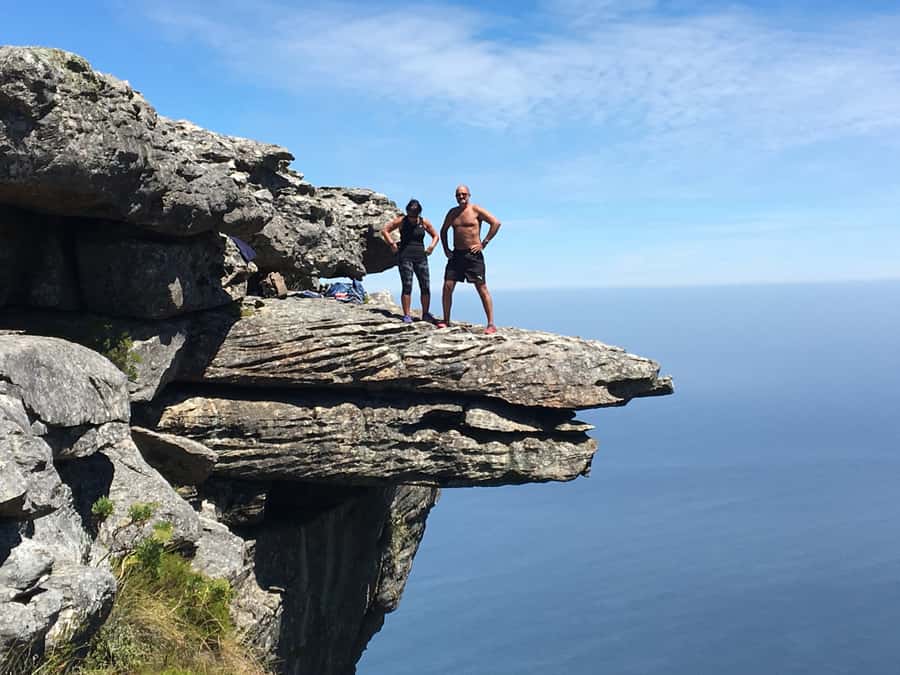
- Kasteelspoort ravine climb: A meandering ascent with cliff faces and thick fynbos along the way
- Proteas and lookout breaks: You get natural-history stops that slow the hike down in a good way
- Big panoramic views: Camps Bay, Table Mountain, all the way across toward the cableway and Signal Hill
- Woodhead Dam stop: A quick detour to appreciate a serious engineering moment
- Valley of the Red Gods to the cableway: Scenic walking that sets you up for the ride down
- 360-degree cable car down: A smooth finish, with the Lower Station as your end point
Other ways up Table Mountain, side by side
- Zipline Cape Town – From Foot of Table Mountain Reserve★ 5.0 · 3,179 reviews
- Cape Town: Table Mountain Cable Car, Hop-On Hop-Off Bus Tour★ 4.6 · 3,157 reviews
- Table Mountain, Penguins & Cape Point Small Group Tour Cape Town★ 4.5 · 1,797 reviews
- Cape Town Tour: Table Mountain, Penguins & Cape Point+Pickup★ 4.7 · 1,671 reviews
Kasteelspoort Trail, the kind of hike that teaches as it climbs
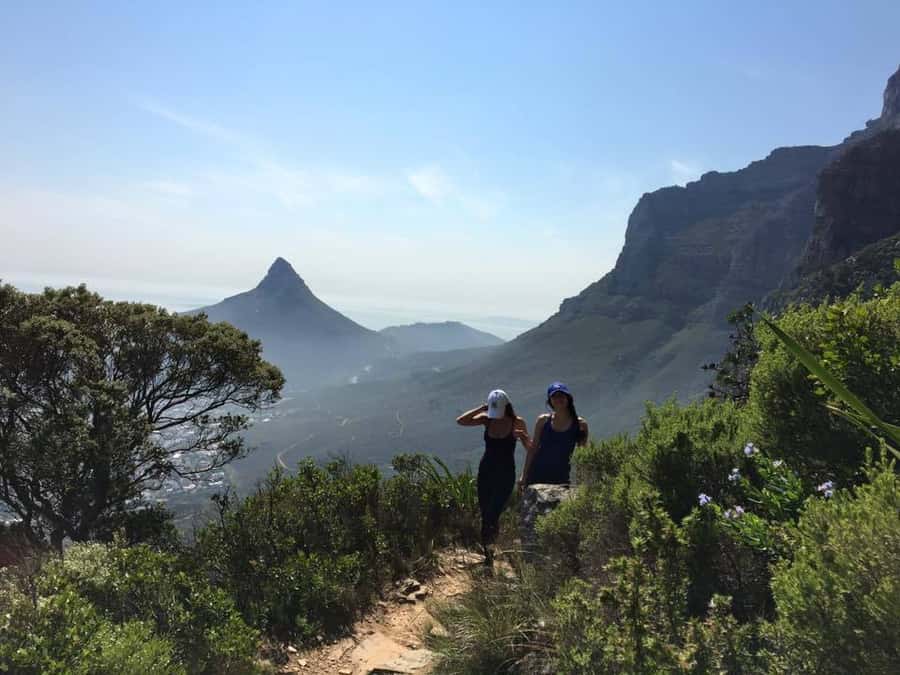
Starting from Camps Bay matters. You ease into the day with coastal views and a sense of place right away, before the trail starts doing its work. Kasteelspoort is a ravine route that takes you up to the top via a meandering path, so you are not just grinding upward in a straight line.
You’ll likely notice the trail texture early. It’s not a paved path, and it can include wet or slippery sections depending on conditions, so proper footwear helps. In practical terms, you want shoes with good grip, not just comfortable sneakers.
The best part is that the hike stays interesting even when you are breathing harder. Your mountain guide points out plants and takes breaks at strong viewpoints, which turns the walk into an outdoor classroom with scenery as the syllabus.
Where the views land: Camps Bay, Table Mountain, and Signal Hill
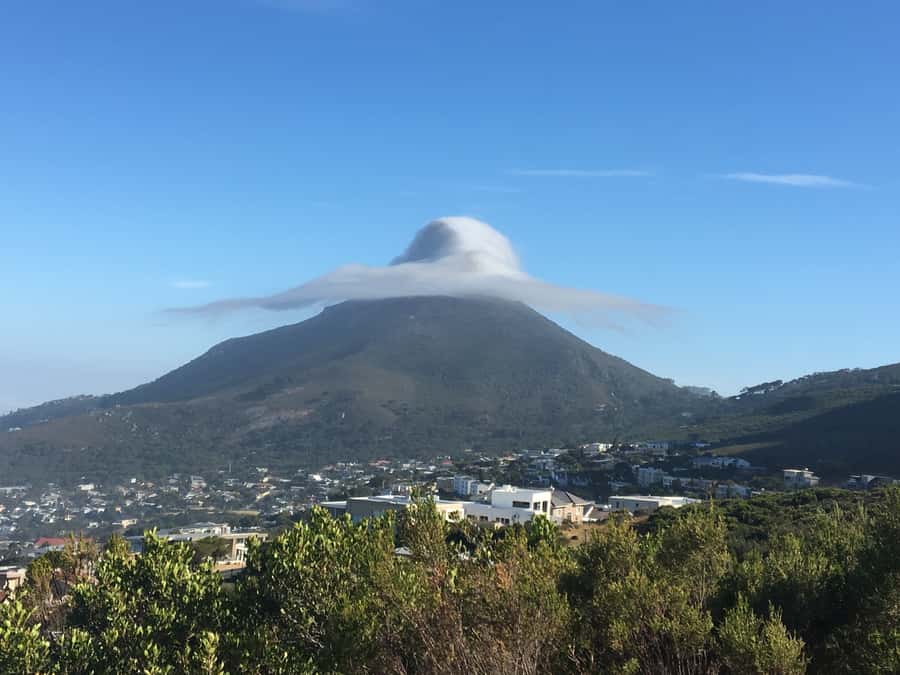
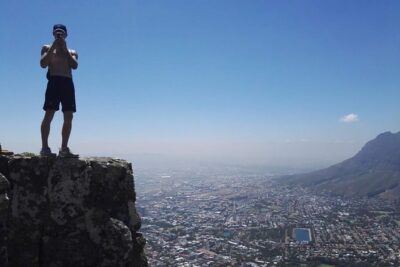
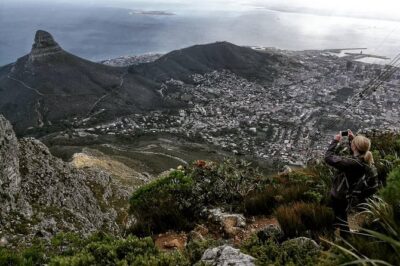
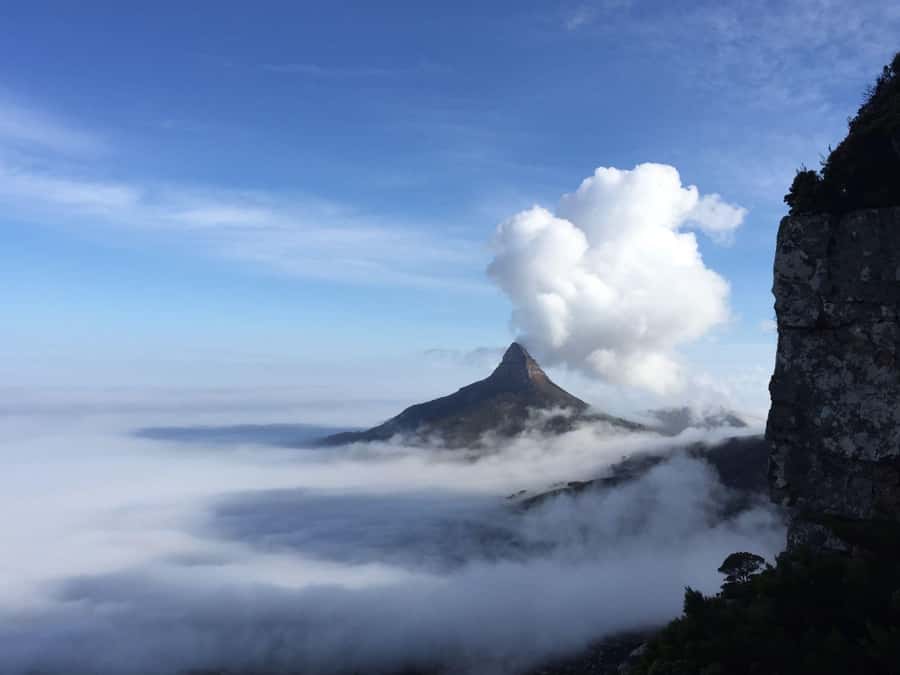
At the top, the day shifts from climbing to looking. You’re rewarded with wide views of Camps Bay and across Table Mountain toward the cableway area and Signal Hill. This is the sort of perspective that makes Table Mountain feel like a whole world, not just a single mountain shape.
The itinerary also builds in a major photo moment. One of your guide’s goals is to get you to the best photo stop on Table Mountain, which is a big deal because the “best angle” on a mountain is often a moving target. With a guide in your ear, you’re less likely to miss the point where the view opens up.
If you have limited time in Cape Town, this is a smart tradeoff. You get big mountain views without needing to plan multiple transport legs or puzzle out a self-guided route.
Fynbos and proteas: the trail feels different when you know what you’re seeing
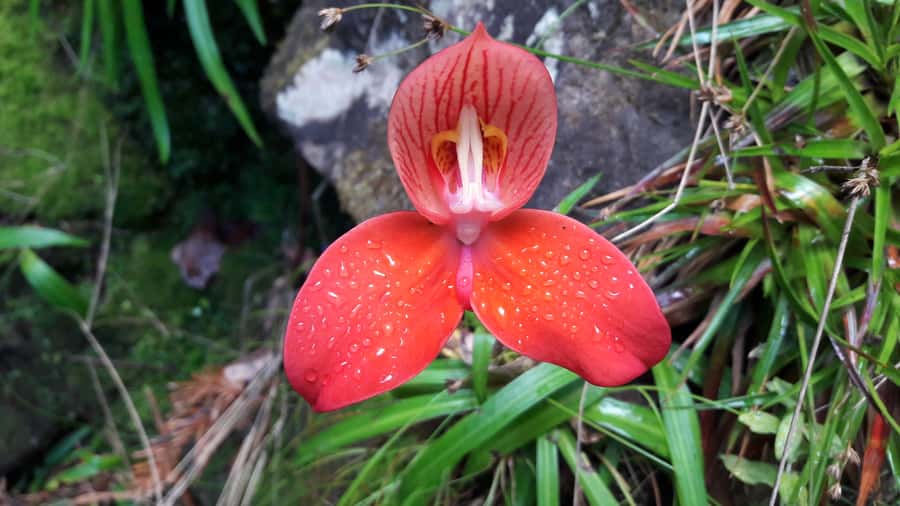
Fynbos is one of the reasons Table Mountain doesn’t feel like any other rocky hike. It’s not just greenery. It’s a dense, plant-heavy habitat with forms and textures that change as you move through different pockets of terrain.
You can also expect to see protea bushes. They’re a highlight because they’re iconic to the Cape flora and because spotting them makes your hike feel specific, not generic. A guide can help you notice where they grow and why they fit this environment.
This is where guides really matter. Even if you’re not a plant person, the explanations give your eyes something to do besides scanning for the next step. It’s the difference between walking for endurance and walking for attention.
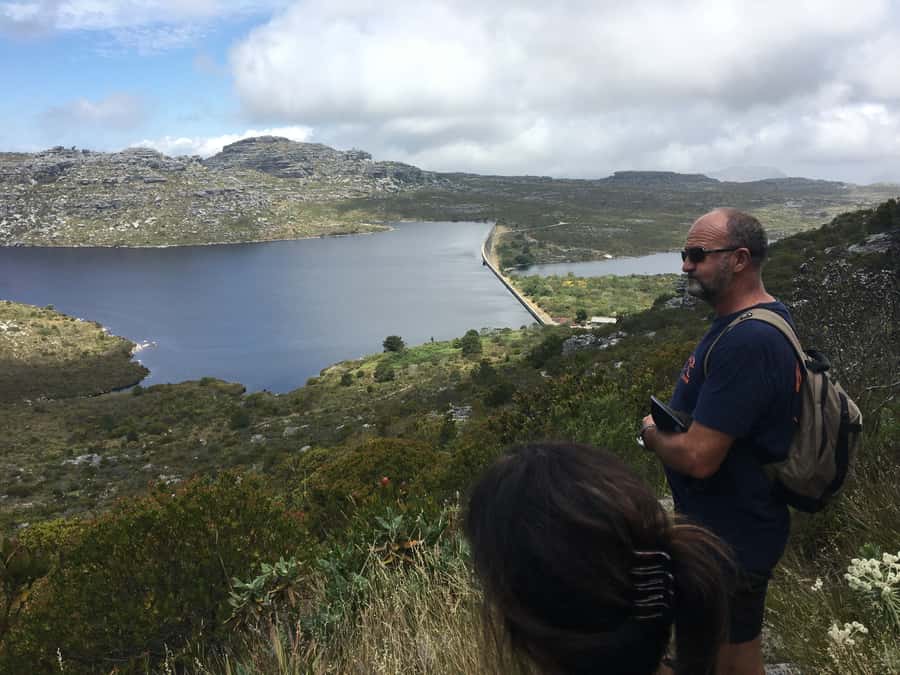
Woodhead Dam: why a small detour is a big moment
Halfway through the route, you’ll visit Woodhead Dam. It’s included for a reason: it’s a visible engineering feat in a dramatic setting, and it gives you a break from pure scenery. Instead of only looking at nature, you also get a chance to understand how humans have shaped the landscape and water supply here.
This stop also helps with timing and pacing. It’s a mental reset, and it often breaks up the climb into sections that feel manageable. If you tend to rush when you hike, you’ll probably appreciate structured pauses built into the day.
In a practical sense, it’s also an opportunity to regroup for the next leg toward the cableway.
More trails, from short climbs to full traverses
Valley of the Red Gods: the walk that makes the cable ride feel earned
After Woodhead Dam, you move along the Valley of the Red Gods toward the cableway. This part is less about a single peak shot and more about continuity, the way the landscape unfolds as you keep walking. You get scenery that feels layered, not just one dramatic angle.
Because you are heading to the cableway, your effort feels purposeful. You’re not wondering when the end will come, you can sense the route direction. That’s helpful if you want a hike that still feels like a journey, not a test.
Bring your daypack and camera here. Even if you only stop for a few shots, this stretch tends to offer frequent visual payoffs.
The cableway finish: 360-degree ride down, and a small planning catch
The hike ends with a cable-car trip down to the Lower Station in a 360-degree rotating cable car. This is a nice contrast to the physical climb. Instead of watching your footing, you can look around and soak in the full drop-off perspective.
There’s one planning catch. The tour includes the experience of taking the cable car, but the one-way ticket down is not included in the price. So, budget for that ticket when you book.
There’s also a weather contingency. If the cableway isn’t running due to weather or maintenance, your guide will walk you down again, which adds about 2 hours and comes with an additional R500 per person paid to your guide in cash. This is worth thinking about if you are traveling with tight timing or you hate the idea of flexible plans.
What the small-group format does for you
This is a small group experience, limited to 10 participants. For a hike on Table Mountain, that size matters. It keeps the group moving together without feeling crowded, and it gives your guide room to steer you to photo stops and make sure you stay oriented.
You’ll also get more of a one-to-one vibe than you might on a larger tour. That helps with pacing and questions, especially if you’re the type who wants context, not just directions.
In the best-case scenario, your guide manages the day like a timeline of moments. You hit lookouts, you get plant explanations, you learn where to stand for a photo, then you transition smoothly toward the cable car.
Guide style: what you should expect from the people leading the way
The guides on this hike are a big part of why people rate it so highly. Names you might hear include Amber, Mike, and Lynette. Different guides have different energies, but the common thread is a mix of trail guidance and local context.
One guide approach you can look forward to is storytelling linked to what you see around you. That can range from plant notes to Cape Town history, shared while you’re walking and stopping along the way.
You also might get small comfort touches at viewpoints. For example, you could be served hot rooibos tea and snacks during a lookout stop, which helps make the effort feel like it’s being rewarded in more ways than just the view.
Getting value from the price: what $112 buys you, and what it doesn’t
At $112 per person for a roughly 4-hour experience, the pricing makes sense if you factor in what’s included. You get transport to and from your accommodation in the Cape Town City Bowl and immediate surroundings, an experienced mountain guide, water, and a small snack. For a hike that starts in Camps Bay and ends near the cableway, that convenience is real money saved.
What’s not included is the one-way cable car ticket down. That’s the main “extra cost” that can surprise people who assume the ride is bundled completely.
The other cost risk is weather. If the cableway shuts down, you could face an extra R500 per person and an added 2 hours of walking. That doesn’t make the tour bad, it just means you should treat it as an outdoor day, not a guaranteed cable car ride.
If you hate the idea of unpredictable adds, consider building buffer time into your Cape Town schedule.
What to bring so the hike feels comfortable, not annoying
You’ll be much happier if you show up prepared. The basics are straightforward: comfortable shoes, a sun hat, sunscreen, and a camera. Add a jacket, a daypack, and personal medication.
Also, bring snacks if you tend to get hungry on hikes. The tour includes water and a small snack, but everyone has different energy needs.
If you’re prone to cold, Cape weather can shift quickly, especially once you’re higher on the mountain. A light jacket can go a long way toward keeping the hike enjoyable.
Who should book this hike, and who should skip it
This is ideal for you if you’re reasonably fit and you want a structured hike with serious scenery and guidance. It’s also a great fit if you like learning small details while you’re moving, because the guide can point out plants and explain what you’re seeing.
You might want to skip it if you have back problems, mobility impairments, or low fitness. The trail involves climbing and uneven terrain, so safety and comfort matter more than stretching your limits.
If you’re an active traveler who wants a half-day on Table Mountain that still ends with a relaxing cable-car view, this route is a strong match.
Should you book Cape Town: Table Mountain Kasteelspoort Hiking Trail?
Yes, I’d lean toward booking it if you want a high-impact Table Mountain experience in about half a day, with Camps Bay views, fynbos and proteas, a Woodhead Dam stop, and a cable car finish. The small-group setup and guide-led photo stops make it feel like you get more from the mountain, not less.
I’d think twice if you’re very sensitive to weather changes, because cableway shutdown can turn the plan into a longer walk down with an added R500 per person. Also be honest about fitness, since this isn’t framed for mobility issues or low fitness days.
If you want a practical Table Mountain win that mixes nature, viewpoints, and guided help, this hike is a solid pick.
FAQ
How long is the hike?
The experience is listed as 4 hours. Starting times depend on availability.
What is included in the price?
The package includes transport to and from your accommodation in the Cape Town City Bowl and immediate surroundings, an experienced mountain guide, water, and a small snack.
Do I need to pay for the cable car ticket?
Yes. The one-way ticket down on the cableway is not included.
What if the cableway is not running?
If the cableway is not running due to weather conditions or maintenance, your guide will walk you down again. This adds about 2 hours and requires an additional R500 per person, paid in cash to your guide.
Is this hike suitable for everyone?
It can be undertaken by anyone who is reasonably fit, but it is not suitable for people with back problems, mobility impairments, or low level of fitness.
What should I bring?
Bring comfortable shoes, a sun hat, camera, snacks, sunscreen, water, a jacket, a daypack, and any personal medication you need.
Trails Worth Walking in Cape Town
Table Mountain, More Ways Up
Keep going: the rest of our Cape Town write-ups
- Cape Town to Cape Point Helicopter Flight – 48Min
★ 4.2 · 3 reviews - Full Day Private Hiking Table Mountain & City
★ 5.0 · 3 reviews - Sandboarding with jeep – drive uphill
★ 5.0 · 3 reviews - Full Day Tour for Cape of Good Hope & Boat to Seals Island
★ 5.0 · 3 reviews - 10 Day South Africa Tour Joburg to Cape Town
★ 5.0 · 3 reviews - 5 Day Garden Route Small Group Tour Fr CapeTown – Departs Mondays
★ 5.0 · 3 reviews
Table Mountain Tours, compared.
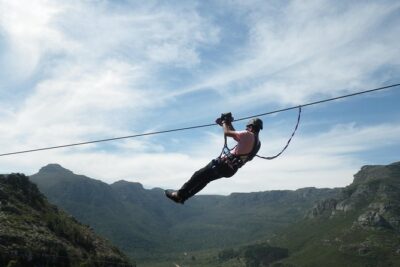 ★ 5.0Zipline Cape Town – From Foot of Table Mountain ReserveFrom $493,179 reviews
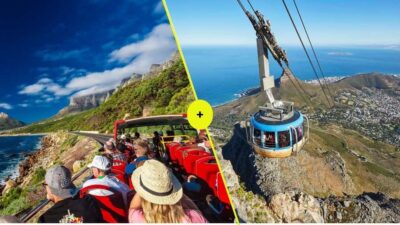 ★ 4.6Cape Town: Table Mountain Cable Car, Hop-On Hop-Off Bus TourFrom $453,157 reviews
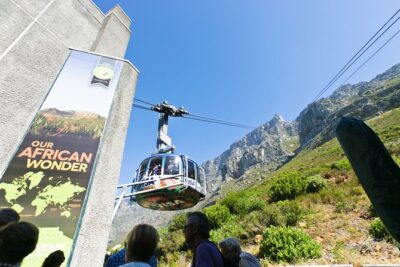 ★ 4.5Table Mountain, Penguins & Cape Point Small Group Tour Cape TownFrom $621,797 reviews
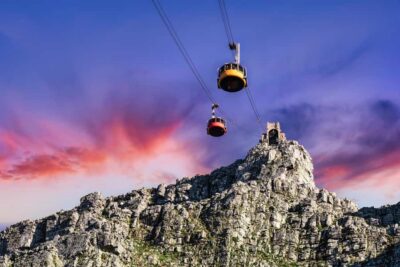 ★ 4.7Cape Town Tour: Table Mountain, Penguins & Cape Point+PickupFrom $651,671 reviews
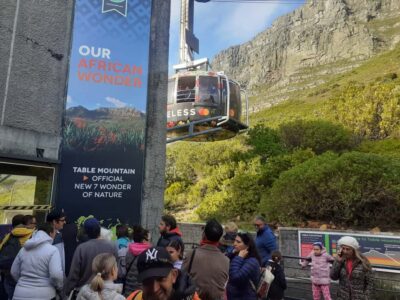 ★ 4.9Cape Town: Table Mountain, Cape Point, & Penguins Group TourFrom $621,063 reviews
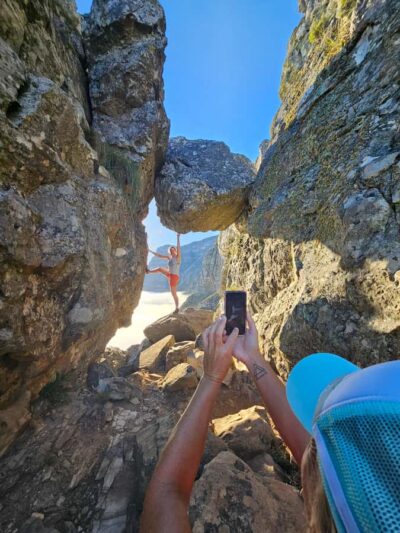 ★ 4.9Cape Town: Table Mountain Hike with an Expert GuideFrom $60666 reviews
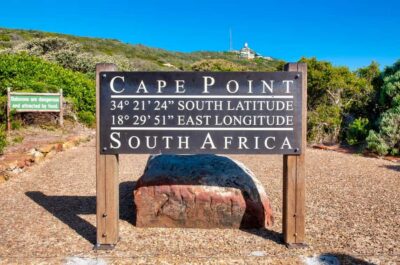 ★ 4.8Cape Town: Table Mountain & Cape of Good Hope Full-Day TourFrom $54526 reviews
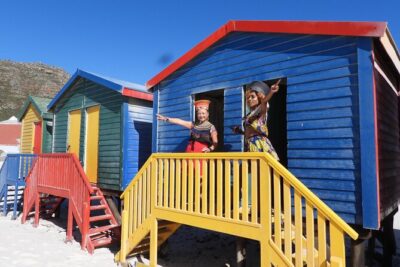 ★ 5.0From Cape Town: Table Mountain, Cape of Good Hope & Penguins including Park FeesFrom $284399 reviews
Browse the lists this tour appears in