
REVIEW · CANOES & KAYAKS
Cape Town: Stand-Up Paddle Board Rental with Basic Training
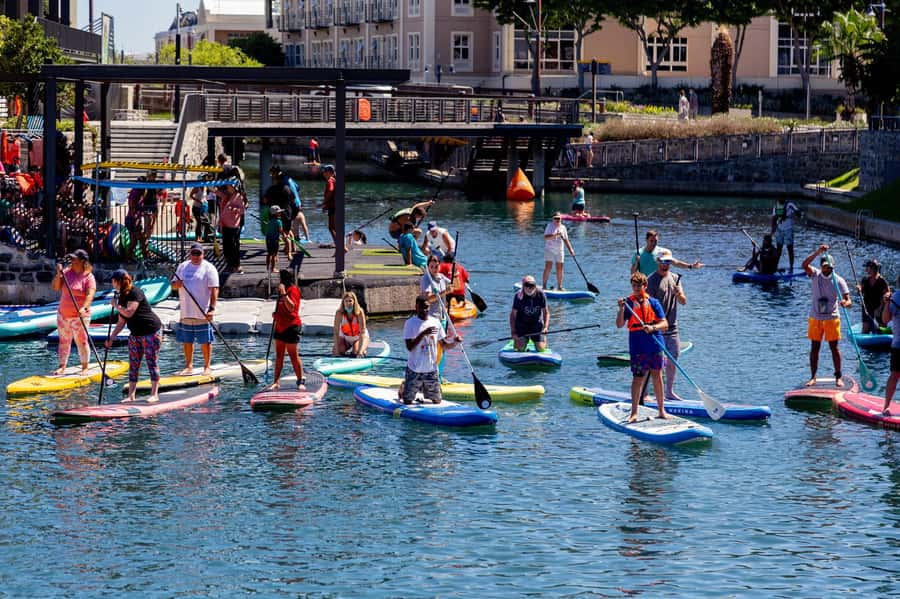
SUP on Cape Town canals is strangely addictive. I like that you get basic training from an instructor right at the start, not after you are already on the board. And you are not limited to straight-line beach paddling either, you cruise the city’s canals for a different sightseeing angle.
What I really like is the workout that sneaks in while you are just trying to balance. With a board rental plus coaching, you get a full-body effort that feels more active than sitting with a view.
One possible drawback: you need to be comfortable in the water. This is not listed as suitable for non-swimmers, and it is also not a good match if you have back problems.
In This Review
- Key points that make this SUP rental worth your time
- SUP in Cape Town, the quick why
- Finding Battery Park and the V&A Waterfront start point
- The 1-hour flow: training first, then canal cruising
- What you are actually doing on the board (and why it works)
- Canal sightseeing from a beginner-friendly perspective
- Safety and comfort basics you should not skip
- What to bring to Battery Park (so you feel good)
- Group size, language, and the staff touches that matter
- Price and value: is $19 a fair deal?
- Who this suits, and who should look elsewhere
- Should you book this SUP rental at Battery Park?
- FAQ
- How long is the stand-up paddleboard rental?
- Where do I meet for the SUP session?
- Is the instructor available in English?
- How many people are in the group?
- Do I need to know how to swim?
- What should I bring?
Key points that make this SUP rental worth your time
- Battery Park location near the V&A Waterfront makes it easy to roll from a sightseeing day into water time
- 1 hour on the water combines lesson and paddling without turning your day into a whole production
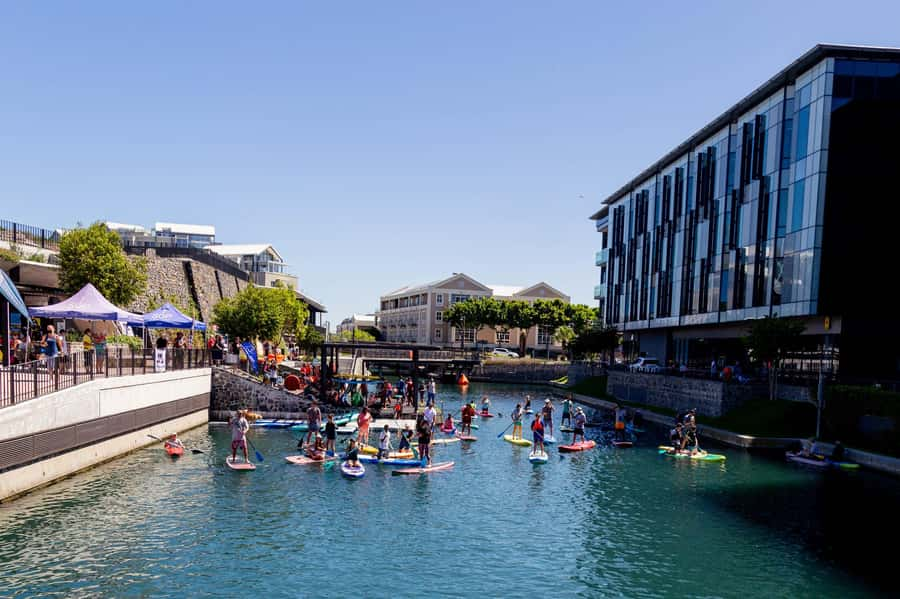
- Small group (up to 10) helps beginners feel less lost and more supported
- English instruction keeps the basics clear from the first step
- Canal cruising gives you an alternate look at Cape Town that most visitors miss
- Pro staff photo help is a nice extra when you want proof you actually did it
More paddling, sheltered water and open
- Cape Town: Marine Life Kayak Tour From the V&A Waterfront★ 4.8 · 640 reviews
- Atlantic Outlook Kayak Tour Cape Town★ 5.0 · 194 reviews
- Cape Town Kayak Adventure in Table Mountain Marine Reserve★ 5.0 · 151 reviews
- Cape Town: Dolphin & Ocean Wildlife Kayaking Adventure ⚓️★ 5.0 · 57 reviews
SUP in Cape Town, the quick why
Cape Town’s waterfront is all about views, but SUP adds the part most people skip: motion. Instead of watching the scenery from the edge, you move across the water on a wide board, using a long paddle to steer and propel yourself. The result is a sightseeing session that also burns energy.
I also like that SUP is beginner-friendly when you have real instruction. You start with basics, then you practice while the instructor can spot what you are doing wrong. That matters because balance comes fast, but small technique tweaks can make the whole experience more comfortable.
And there is a nice “history meets now” angle here. SUP is often marketed as trendy, but the idea is ancient. Long-sticked paddling on simple watercraft shows up in many cultures, from fishermen using reed-style boats to long-paddle canal navigation in places like Venice. Even the recreational version is often linked to Hawaii surfers using paddles to move through waves more effectively. So even if the board looks modern, the core skills are really old school.
Finding Battery Park and the V&A Waterfront start point
Your meeting point is opposite the canal from the V&A Waterfront Ferrari Garage. In practice, that means you are not wandering around some far-off stretch of shore. You are set up where most visitors already are, near the V&A Waterfront area, so it fits easily into a day that includes museums, markets, or a simple waterfront walk.
Battery Park is handy for another reason: you can plan your timing without feeling rushed. If you arrive and you still have energy, you can keep exploring nearby after your paddle. If you are low on energy, you have an easy finish point because you start and end close to the waterfront hub.
Do not plan on this being a “sleep in and then go” activity. You are expected to arrive at least 15 minutes early so you can handle any paperwork and get your training. It is a small thing, but showing up on time keeps the session calm and focused.
The 1-hour flow: training first, then canal cruising
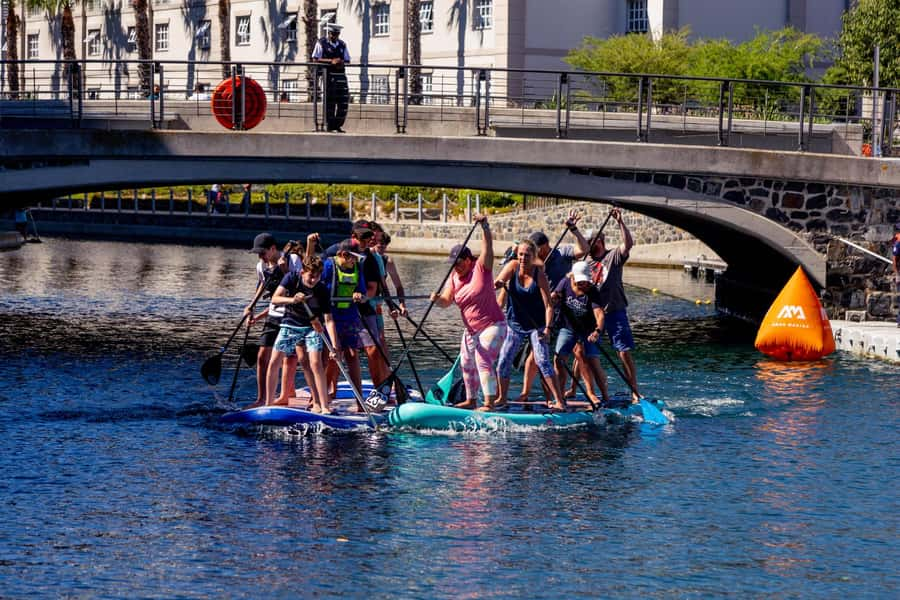
This experience is structured to take you from zero to useful fast. You rent a SUP board for about 1 hour total, and that includes basic training with a professional instructor. The session is also run in small groups, limited to 10 participants, which helps beginners get individual attention.
Here is the way your time usually plays out, from start to finish:
- Meet up at Battery Park by the canal, then check in and get oriented.
- Basic instruction from the instructor in English. You learn how to stand, how to hold the paddle, and how to move without wobbling.
- Hands-on practice so you can translate what you learned into actual paddling strokes.
- Canal cruising for sightseeing from the water. This is where you get to enjoy the view while also feeling the workout.
Because the training is basic and the group is small, this setup works well if you have never SUP’d before. You are not thrown into “figure it out” mode, which is a big deal on a water activity.
One note to keep expectations realistic: you should feel comfortable in the water. Even though you are not listed as needing advanced swimming skills, you are expected to be at ease around open water.
What you are actually doing on the board (and why it works)
SUP is often described as a mix of surfing and kayaking, and you can feel that blend quickly. You use the paddle to power forward, but the real challenge is balance. The wide board makes it approachable, but your legs and core still work hard to keep you steady.
This is what makes it a great “I want activity without signing up for something extreme” choice. The workout is mostly low-to-moderate intensity, but it hits your:
- legs for stability
- core to stop you from twisting too much
- shoulders and arms for paddling control
- back and posture to keep your stance efficient
And it is also why the time feels worth it. You are not doing a long, slow lesson, then getting a token paddle. You get training and then you actually use the skills right away while you cruise the canal.
If you start the session thinking you will just relax and glide, you might be surprised. The best way to enjoy it is to lean into the effort. That is also why one of the highlights people bring up is how much it burns calories.


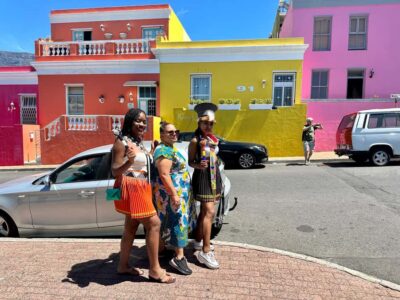
Canal sightseeing from a beginner-friendly perspective
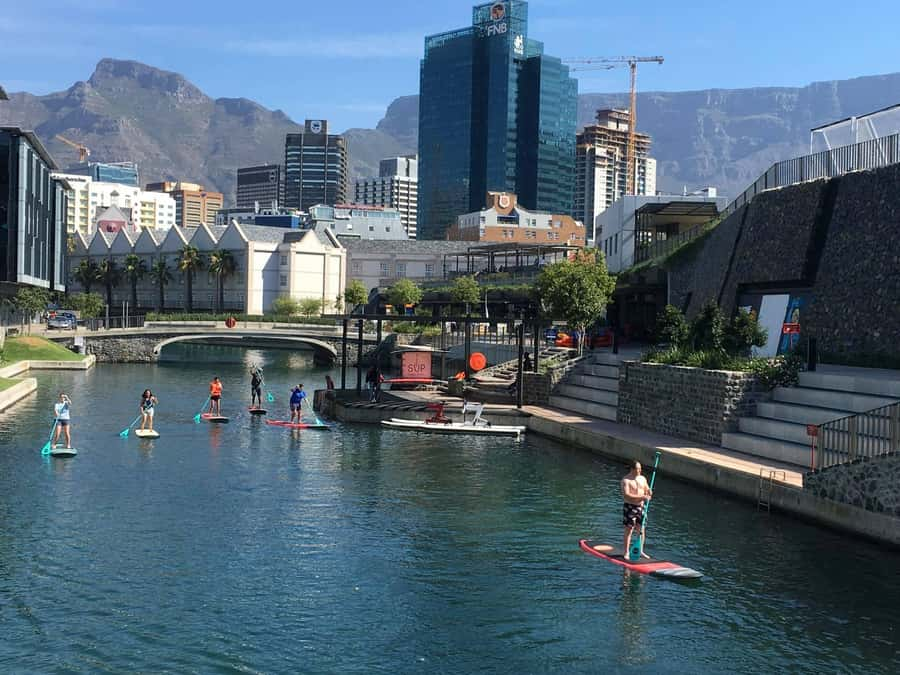
The canals near the V&A Waterfront give you a different layer of Cape Town. From the shore, you see buildings, boats, and the waterfront buzz. From the SUP, the geometry changes. You are closer to the waterline and you are moving at a pace that lets you actually take in what you pass.
Your session is focused on cruising the canals of Cape Town, and the operator runs SUP sessions from multiple waterfront-style locations, including the V&A Waterfront area, the CTICC, and Intaka Island. That matters because it signals the activity is designed around accessible water zones where a beginner can learn and still get meaningful time on the board.
What you should look for during your paddle:
- changes in the canal edges as you pass landmarks
- how boat traffic and wake affect your balance
- the simple joy of seeing the city from a moving, elevated water position
If you like your sightseeing to have a hands-on twist, this is a strong option. It is not just a photo stop. It is a way to see the water side of the city while you are doing something active.
Safety and comfort basics you should not skip
This is not a “bring your flip-flops and hope for the best” activity. You need to be comfortable in water, and it is listed as not suitable for non-swimmers. Children under 10 are also not included, and people with back problems should skip this.
On top of that, plan your outfit like you are going to get wet. It is recommended to wear swimwear under your clothes. That simple step makes the session more comfortable and reduces awkwardness later.
Also note the restrictions:
- no smoking
- no alcohol or drugs
- no glass objects
- no littering
Those are typical safety rules, but the glass one matters because the waterfront around you might have snacks or drinks nearby. Keep your items simple and keep them secure.
What to bring to Battery Park (so you feel good)
You will have a better experience if you show up ready for sun, water, and a little exertion. Here is what you are told to bring:
- hat
- swimwear
- towel
- sunscreen
- water
- comfortable clothes
I especially recommend prioritizing water and sunscreen. A SUP session can feel shorter than you expect, but the sun can still do its job quickly, especially when you are on open water near the waterfront.
A hat and sunscreen also help your focus. When you are trying to balance and steer, you want your body to feel comfortable, not overheated or distracted by sunburn.
Group size, language, and the staff touches that matter
The group is limited to 10 participants, and instruction is in English. That combination is practical for beginners because it reduces waiting and helps the instructor keep an eye on everyone.
One of the standout positives from the experience is the way staff make people feel safe and comfortable. People also highlight that the team went the extra mile by taking photos. That is not just a nice detail. It means you do not have to stop your session or fumble with a phone while you try to paddle and balance at the same time.
So if you want a guided, low-stress first SUP experience, this setup is the right size.
Price and value: is $19 a fair deal?
At $19 per person for a 1-day rental with basic instruction, this is positioned as good-value activity time. The key question is not just the price tag. It is what you get for it:
- a board rental
- basic training from a professional instructor
- a guided opportunity to cruise the canals
That means you are paying for both gear access and coaching, not just a board handed to you with a quick shrug. For a beginner, training time is the difference between struggling and actually enjoying yourself.
Also, the cost is easy to pair with a day at the V&A Waterfront. You likely would spend time nearby anyway, so this turns that area into something active rather than purely observational.
Transportation and meals are not included. So if you are budgeting, plan separately for getting to Battery Park and for whatever you want after. Still, the activity itself is priced so that trying SUP does not feel like a major commitment.
Who this suits, and who should look elsewhere
Best fit:
- you can swim or you feel comfortable in water
- you want an active sightseeing session near the V&A Waterfront
- you are a beginner who wants instruction before paddling
- you like small groups and English guidance
Not a great fit:
- non-swimmers
- children under 10
- people with back problems
If you are unsure about your comfort in water, be honest with yourself before booking. This is not marketed as a gentle “sit and float” experience. It is a balance-and-paddle activity, so your comfort level affects everything from enjoyment to safety.
Should you book this SUP rental at Battery Park?
If you want a short, guided way to try SUP while seeing Cape Town from the canal side, I think this is a smart booking. The training-first approach, small group size, English instruction, and canal cruising combine into a session that feels beginner-friendly but still genuinely active.
Book it if:
- you are in the V&A Waterfront area and want a water activity that fits your day
- you want basic coaching so you are not guessing on technique
- you like photos and staff support during a first-time experience
Skip or reconsider if:
- you are not comfortable in water
- you have back problems
- you want a purely relaxing, low-effort waterfront experience
FAQ
How long is the stand-up paddleboard rental?
The SUP board rental includes 1 hour of time, along with basic training instructions from a professional instructor.
Where do I meet for the SUP session?
The meeting point is at SUP Cape Town, right opposite the canal from the V&A Waterfront Ferrari Garage.
Is the instructor available in English?
Yes. The instructor provides training in English.
How many people are in the group?
The group is small, limited to 10 participants.
Do I need to know how to swim?
This activity is not suitable for non-swimmers, and participants should be comfortable in water.
What should I bring?
Bring a hat, swimwear, towel, sunscreen, water, and comfortable clothes. Wearing swimwear under your clothes is recommended.
Paddling Routes in Cape Town
Keep going: the rest of our Cape Town write-ups
- Cape Town to Cape Point Helicopter Flight – 48Min
★ 4.2 · 3 reviews - Full Day Private Hiking Table Mountain & City
★ 5.0 · 3 reviews - Sandboarding with jeep – drive uphill
★ 5.0 · 3 reviews - Full Day Tour for Cape of Good Hope & Boat to Seals Island
★ 5.0 · 3 reviews - 10 Day South Africa Tour Joburg to Cape Town
★ 5.0 · 3 reviews - 5 Day Garden Route Small Group Tour Fr CapeTown – Departs Mondays
★ 5.0 · 3 reviews
Canoes & Kayaks, compared.
 ★ 4.8Cape Town: Marine Life Kayak Tour From the V&A WaterfrontFrom $37640 reviews
 ★ 4.8Cape Town: Guided Kayaking in Hout BayFrom $37228 reviews
 ★ 5.0Atlantic Outlook Kayak Tour Cape TownFrom $29194 reviews
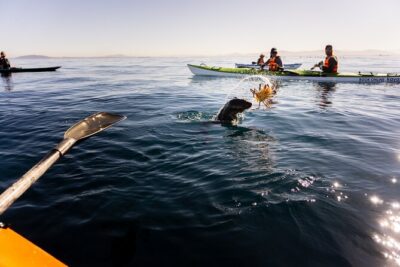 ★ 5.0Cape Town Kayak Adventure in Table Mountain Marine ReserveFrom $28151 reviews
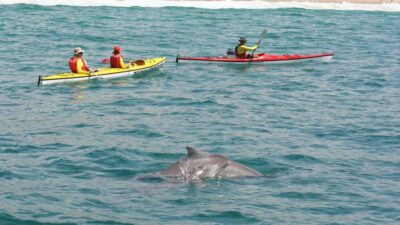 ★ 4.3Plettenberg Bay: Guided Sea Kayak TourFrom $24121 reviews
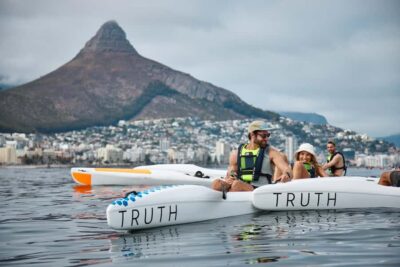 ★ 5.0Cape Town: Dolphin & Ocean Wildlife Kayaking Adventure ⚓️From $3757 reviews
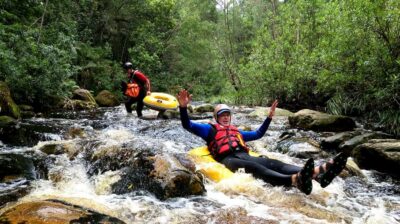 ★ 4.3Stormsrivier: Green Route Tubing and Paddle-Boarding TourFrom $6240 reviews
 ★ 4.6Knysna Kayak HireFrom $1530 reviews
Browse the lists this tour appears in