
REVIEW · SHARK CAGE DIVING TOURS
Cape Town: Shark Science SCUBA Diving Experience
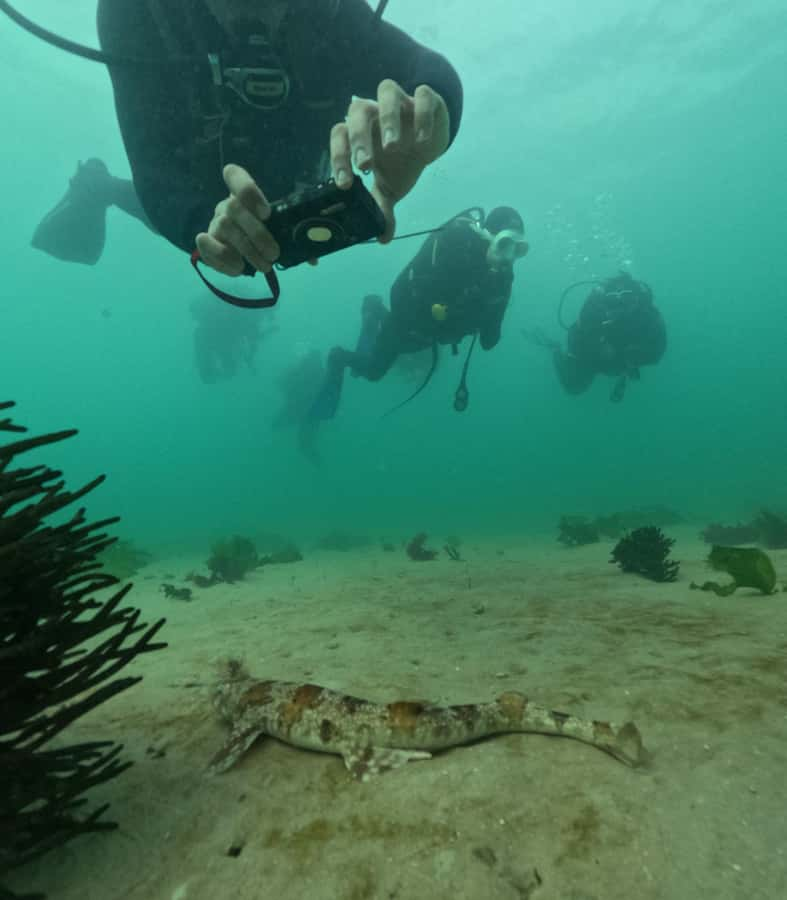
False Bay turns into a shark lab. This Cape RADD experience pairs a guided shark-science scuba session in Simons Town’s kelp forests with hands-on marine citizen science, including shark pattern photo submissions to Fin Spotter. What I like most is the chance to work alongside marine biologists collecting real data, and the way you learn about the Great African Sea Forest ecosystem before you head underwater.
One thing to consider: it’s an adult-focused activity, limited to qualified scuba divers, and small-group time can feel rushed if you were hoping for lots of extra materials, photos, or follow-up after the day.
In This Review
- Key things that make this shark-science scuba session worth it
- Cape RADD and the Great African Sea Forest angle
- Getting started at Ocean Hub, Simons Town
- Safety briefing and why it sets the tone
- Before the main underwater work, you get acclimated
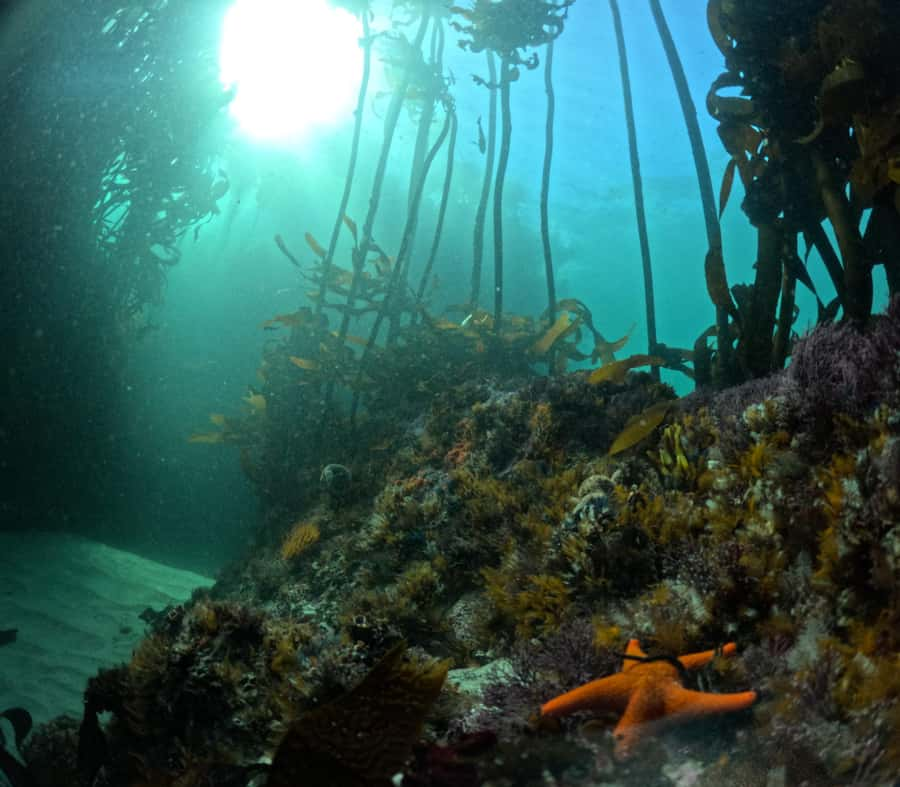
- Kelp forests near Simons Town: what you are actually searching for
- Contributing data: Fin Spotter shark photos and fish abundance slates
- Shark pattern photography for Fin Spotter
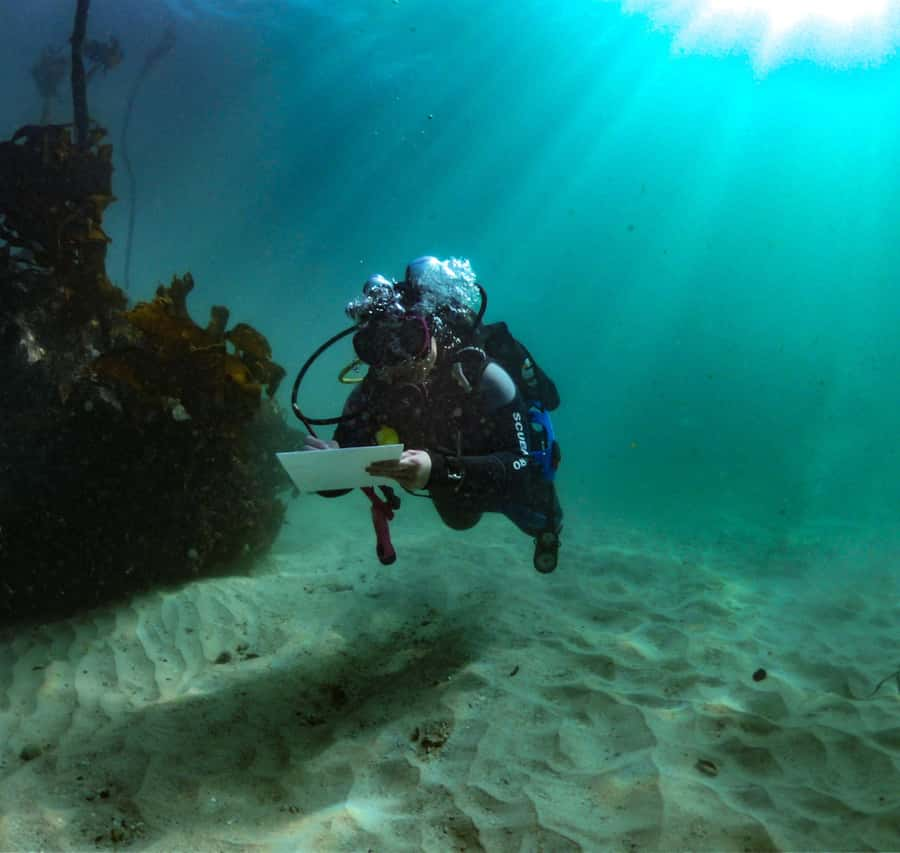
- Fish abundance using underwater data slates
- Who you are diving with matters: marine biologists and small-group attention
- Timing and how the day fits your Cape Town plan
- Gear, gear rules, and what to bring
- Price and value: is $178 a fair deal?
- The main trade-offs to think about
- Should you book the shark science scuba session?
- FAQ
- Where does the Cape RADD shark-science scuba experience meet?
- What time does it start, and when will you be done?
- How much does it cost?
- Do I need scuba certification?
- Is lunch included?
- What marine life are you looking for?
- Can I submit shark photos for shark research?
- Are you allowed to touch marine animals or plants?
- What should I bring to the day?
Key things that make this shark-science scuba session worth it
- Small group size (up to 10), so you get real attention during safety and underwater data work
- Two ways to contribute: shark pattern photos for Fin Spotter, or fish abundance data using underwater data slates
- Guided shore entry in kelp forests near Simons Town, where marine life concentrates
- Marine biologist briefing first, so you understand what you are looking for and why it matters
- Chance to see penguins and sea otters since you use predetermined sites for the underwater work
- Heated outdoor shower and warm drinks afterward, so you actually feel taken care of
Other cage dives, boat by boat
- Shark Cage Diving and Viewing with transport from Cape Town★ 4.5 · 576 reviews
- Cape Town: Gansbaai Eco-Friendly Shark Cage Diving Cruise★ 4.6 · 326 reviews
- From Hermanus: Cruise with Shark Cage Dive and Lunch★ 4.4 · 184 reviews
- CapeTown: Shark Cage Diving Experience with Scuba★ 4.5 · 146 reviews
Cape RADD and the Great African Sea Forest angle
This isn’t a casual sight-seeing outing. The whole format is built around the idea that you are helping researchers study marine life in False Bay, close to the Simons Town area.
Before you even gear up, you start with a briefing about the Great African Sea Forest and the kelp-forest ecosystem of South Africa. That matters because it changes how you look underwater. Instead of just saying, I saw something, you start noticing patterns and habitats, the kind of clues marine scientists care about.
The best part for me is that the experience gives you structured “jobs” to do. You are not just along for the ride. You can contribute either by photographing shark patterns for Fin Spotter or by recording fish abundance using underwater data slates. The result is simple and practical: you are participating in conservation-focused monitoring, not only photographing pretty animals.
Getting started at Ocean Hub, Simons Town
Plan on meeting around 9:30 AM at Ocean Hub in Simon Town, operated by Cape RADD. The meeting point is described as the parking lot area of the False Bay Yacht Club, under the Seven Seas Club building, and it also corresponds to 117 St George’s St.
When you arrive, expect a short routine: introductions, then a brief safety setup before water time. You also get complimentary tea or coffee at the start, which is a small detail but genuinely helpful. You are about to do a physical activity, and you do not want to start the day running on cold coffee.
There’s also an added comfort factor baked into the day. After the underwater work, you rinse off with a heated outdoor shower and then share stories and log what you recorded over a warm beverage. That closing routine makes the experience feel organized rather than chaotic.
Safety briefing and why it sets the tone
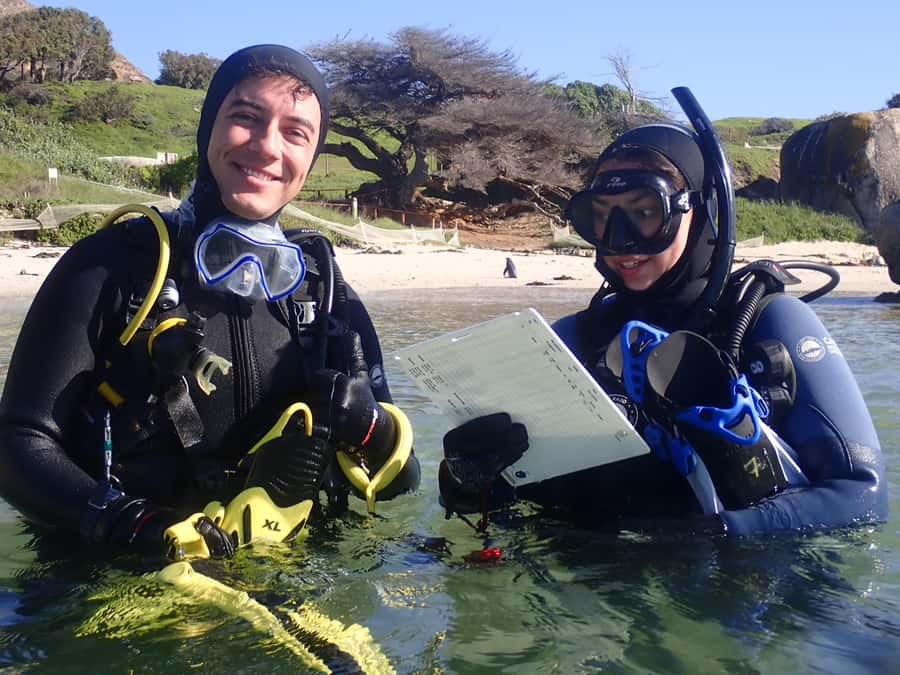
The schedule includes a safety briefing that takes about 20 minutes. That may sound standard, but it affects everything else. A clear safety plan helps you relax, and relaxed makes you a better observer. You will also spend less energy worrying about the basics and more attention on the actual underwater targets.
One recent highlight from the instructor side was how equipment checks were handled. In at least one booking, the guide did a buddy-check of gear, which is exactly the kind of detail that helps you feel confident. If you are the kind of diver who likes structure, you’ll likely appreciate this approach.
Also read the “not allowed” rules in advance. You should not smoke, you should not touch marine life, and you should not touch plants. Kelp-forest areas can be delicate, and these boundaries are part of keeping the environment safe for animals and for your data work.
Before the main underwater work, you get acclimated
The day’s timing is built around a short, early water period, with the schedule listing snorkeling for about an hour. Even if you already feel comfortable in the water, this is useful because you get a chance to get your bearings in the local conditions first.
Then you have another coffee break in the plan, and after that you move back into the main kelp-forest focus. It’s the kind of pacing that works well for most people, especially if you want to feel prepared rather than rushed from the car straight into equipment and depth.
If you are sensitive to cold, consider that kelp-forest work happens in coastal conditions and can involve time in gear. Bringing the right underlayer for your comfort can make a big difference, even if the weather looks fine on land.
More dive sites we have been down on
Kelp forests near Simons Town: what you are actually searching for
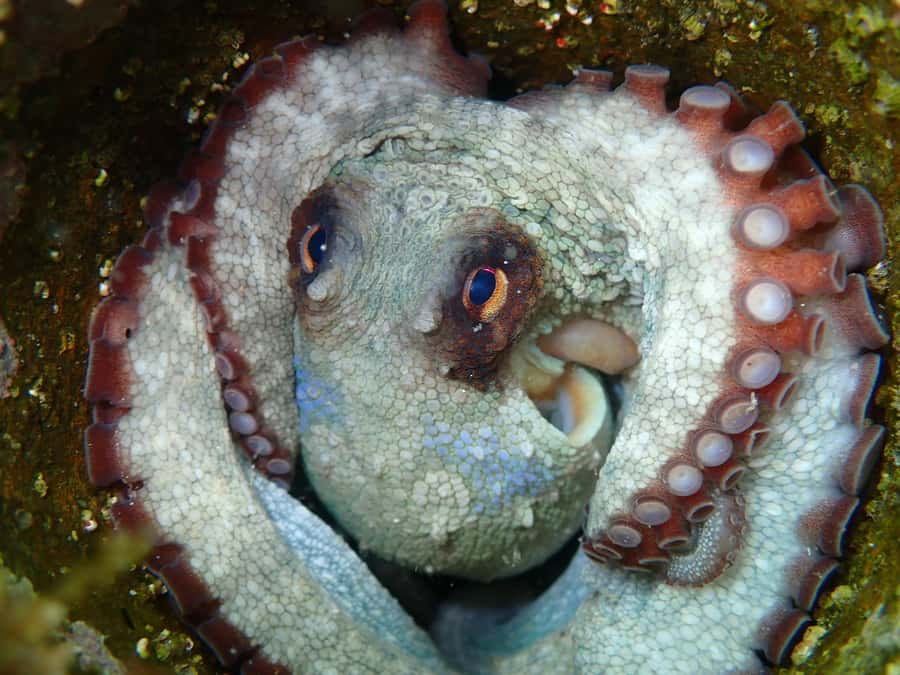
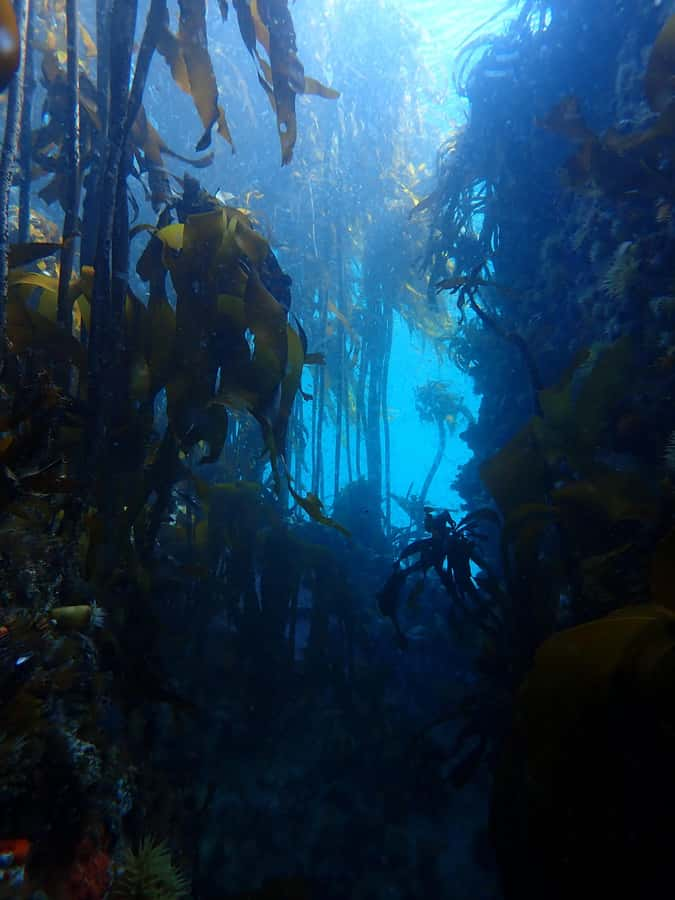
The heart of the experience is the guided shore-entry underwater session in the kelp forests near Simons Town. The plan emphasizes predetermined sites, which helps the group operate safely and efficiently while maximizing the chance of seeing the kinds of animals they study.
You are specifically set up to look for targets such as puffadder sharks, pyjama sharks, stingrays, and sea bream, plus the possibility of encountering other marine life like octopus. The day is framed as a search for sharks, rays, fish, and octopus, not a vague “maybe we’ll see something” promise.
There is also the realistic side: you should treat sightings as opportunities, not guarantees. Even with good planning, underwater life moves, water conditions change, and animals are not always in view. What you can control is how you participate. You can contribute to science through your observation work, whether or not the biggest animals appear in front of you immediately.
And there is a surprisingly pleasant aspect to the kelp forests themselves. Part of the experience is simply watching how life interacts with the kelp environment, including time to enjoy the moving structure of the kelp as conditions allow. That mix of learning, work, and wonder tends to keep the day from feeling like a chore.
Contributing data: Fin Spotter shark photos and fish abundance slates
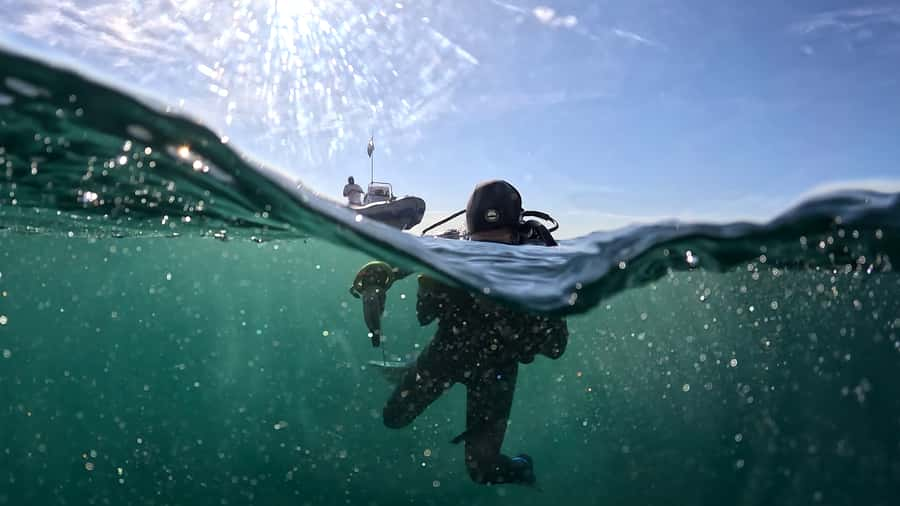
This is the “why” behind the whole experience, and it is also where you’ll feel the most personal value.
Shark pattern photography for Fin Spotter
If you see sharks and you are comfortable photographing underwater, you can help by photographing shark patterns and submitting them through Fin Spotter. The purpose is to estimate population size and understand movement patterns.
Even if you are not a professional underwater photographer, the goal here is contribution, not perfection. The best mindset is to focus on capturing usable pattern detail when an animal appears close enough. That transforms your time underwater from casual viewing into targeted observation.
Fish abundance using underwater data slates
If you prefer a more straightforward data role, you can collect fish abundance data using underwater data slates. This is a great fit for people who want a clear task and a way to contribute even when the sharks are tricky to find.
In plain terms, both options let you “do science” without needing a lab background. You’re doing structured monitoring with guidance, and then your data gets entered into the database after you return.
Who you are diving with matters: marine biologists and small-group attention
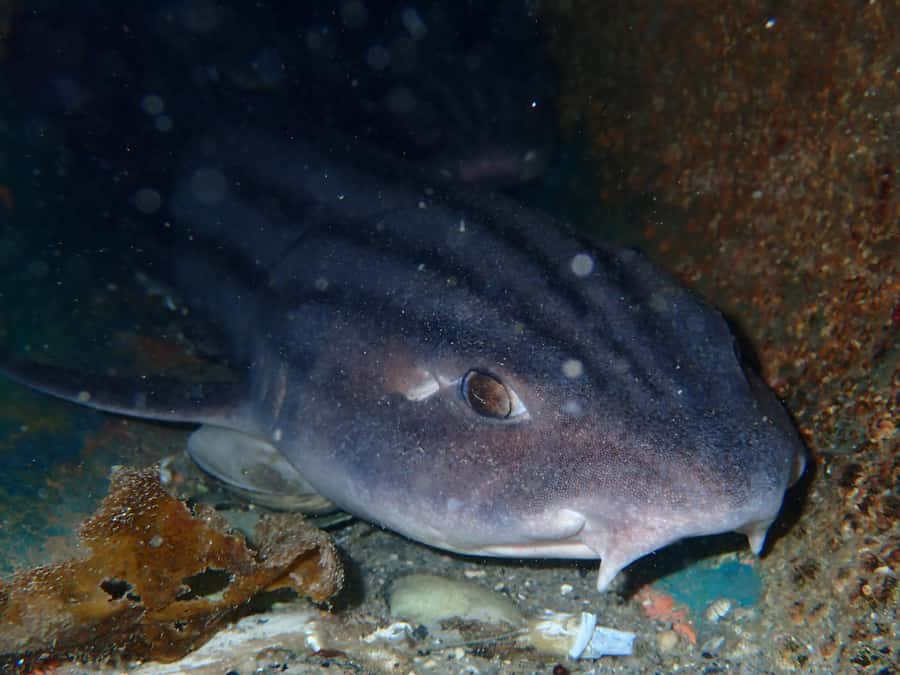
The experience is guided by marine biologists, which is a big deal. You are not only being kept safe and equipped. You are being taught the science behind what you see.
Small group size helps here. The group is limited to 10 participants, which generally means more interaction and less time waiting your turn. In at least one recent booking, the group was so small that the diver got close to one-on-one attention from the instructor. That kind of attention can make the learning curve smoother, especially if you want clarification during the day.
A downside to small groups, sometimes, is that if the day feels tight to you, there might not be as much slack for extra questions. If you want a deeper Q and A, it helps to have your questions ready before you start the underwater work.
Timing and how the day fits your Cape Town plan
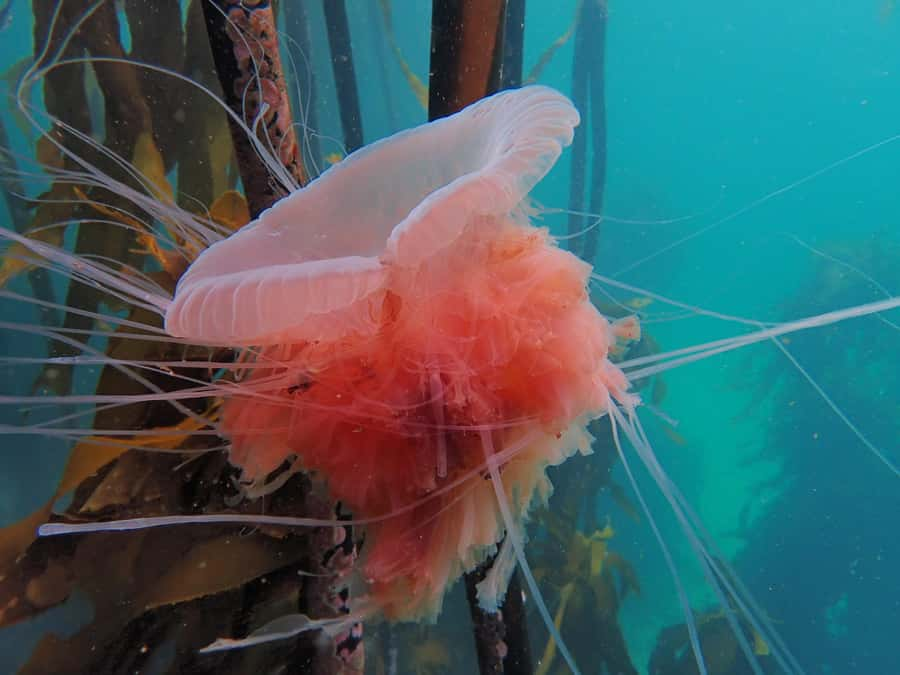
Even though it’s listed as a day experience, the usable time commitment is about 3 to 3.5 hours, which means you should be done around 12:30 to 1:00 PM for lunch.
That timing is practical in Cape Town and makes it easier to combine with other morning plans. It also means you are not spending the whole day in transit or waiting around. The activity is focused, structured, and designed to be wrapped up cleanly.
If you are staying in the city center, I strongly suggest planning buffer time for the drive to Simons Town and back. Coastal traffic can swing based on time of day, and you want to arrive relaxed for the 9:30 AM meet.
Gear, gear rules, and what to bring
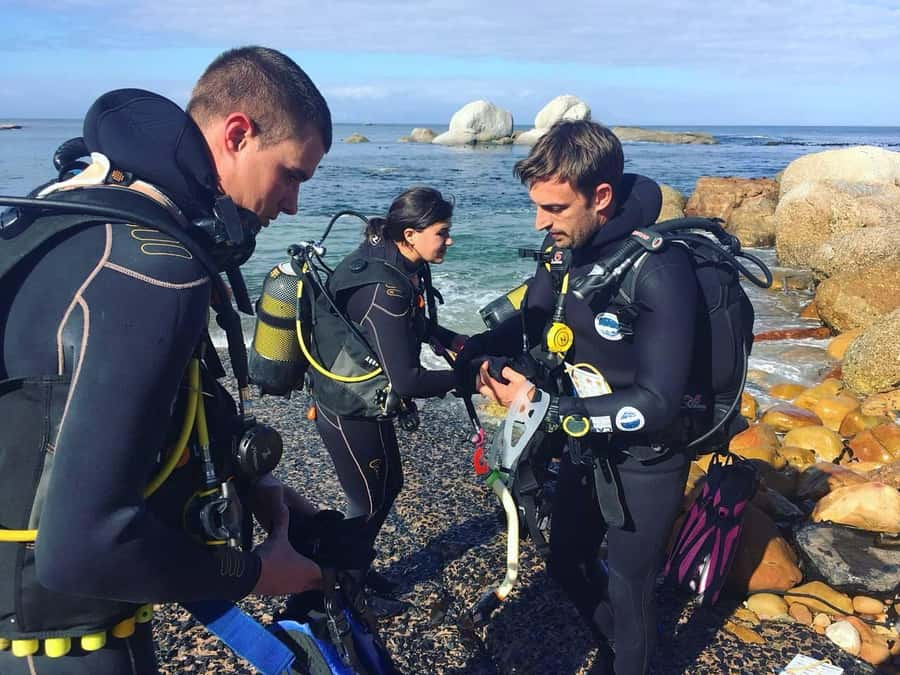
Good news: all diving gear is included, so you are not paying extra for equipment rentals. You still have to come ready with personal items.
Bring:
- Hat
- Swimwear
- Towel
- Snacks
- Sunscreen
- Water
Follow the day’s rules:
- No smoking
- Do not touch marine life
- Do not touch plants
Those restrictions are not just “for compliance.” They protect the animals and the kelp habitat, and they keep the underwater work respectful and safe.
Also remember you need to be a qualified open water scuba diver. This experience is not set up as an introduction for brand new divers. If you are still working toward certification, you’ll need a different course or a separate discovery experience.
Price and value: is $178 a fair deal?
At $178 per person, this is not the cheapest thing you can book in the Cape Town area. But it has several value drivers that justify the cost if you care about science, not just scenery.
Here’s what you are paying for, in practical terms:
- A guided underwater session with marine biologists
- Structured contribution to conservation data, including Fin Spotter photo submission options
- Opportunity to record fish abundance with underwater data slates
- Predetermined kelp-forest sites in a highly specific ecosystem
- All scuba gear included
- Comfort extras afterward, including heated outdoor shower and warm drinks
If your goal is a fun day with a few photos, you might find cheaper outings. If your goal is a meaningful day of observation and data collection with experts, this price starts to feel more fair.
Also, the small group size matters. When a company limits to 10 participants, your instructor time usually goes further. That’s a real value point, especially underwater.
The main trade-offs to think about
This kind of science-focused scuba session is very good for the right person. It’s also not a fit for everyone.
First, it’s not suitable for children under 10, people with back problems or heart problems, wheelchair users, non-swimmers, or divers without certification. If any of those apply, skip this and choose an option designed for your needs.
Second, consider expectations around follow-up and paperwork. In one booking, the diver felt disappointed about receiving what was promised, including photos and whether certification was issued. I can’t confirm what will happen on every day, but it’s smart to ask ahead:
- Will you receive the photos you take, and how are they shared?
- Is any certificate issued, and if so, what exactly will you get?
A quick email before the day can save you stress. Treat it like you would with any specialist tour.
Should you book the shark science scuba session?
I’d book this if you want more than a standard coastal outing. The experience is built around real contribution, with guided learning about the Great African Sea Forest, hands-on data collection, and the chance to photograph shark patterns for Fin Spotter.
You might also enjoy it if you like structured tasks, because you’ll have clear ways to help, whether that’s shark photography or fish-abundance recording. And if you are a confident scuba diver, the shore-entry setup and predetermined sites can make the day feel focused rather than uncertain.
I would skip it if you are looking for a long, slow sightseeing experience, or if you need lots of post-day photo delivery and official documentation. Ask about follow-up expectations before you go, then you’ll be much happier with what you get.
If your scuba skills are solid and you want to see kelp forests while doing real conservation work, this is a strong match for a morning that turns into science.
FAQ
Where does the Cape RADD shark-science scuba experience meet?
You meet at the Ocean Hub in Simon Town, in the parking lot of the False Bay Yacht Club under the Seven Seas Club building. It is also associated with 117 St George’s St.
What time does it start, and when will you be done?
The meeting is about 9:30 AM, and the experience lasts about 3 to 3.5 hours. You should finish around 12:30 to 1:00 PM, in time for lunch.
How much does it cost?
The price is listed as $178 per person.
Do I need scuba certification?
Yes. It is not included and you must already be a qualified open water scuba diver.
Is lunch included?
No. Lunch is not included.
What marine life are you looking for?
You search for puffadder sharks and pyjama sharks, as well as stingrays, sea bream, fish, and octopus.
Can I submit shark photos for shark research?
Yes. You can photograph shark patterns and submit them to Fin Spotter.
Are you allowed to touch marine animals or plants?
No. Touching marine life or touching plants is not allowed.
What should I bring to the day?
Bring a hat, swimwear, a towel, snacks, sunscreen, and water.
Under the Surface in Cape Town
Shark Cage Diving: The Other Boats
Keep going: the rest of our Cape Town write-ups
- Cape Town to Cape Point Helicopter Flight – 48Min
★ 4.2 · 3 reviews - Full Day Private Hiking Table Mountain & City
★ 5.0 · 3 reviews - Sandboarding with jeep – drive uphill
★ 5.0 · 3 reviews - Full Day Tour for Cape of Good Hope & Boat to Seals Island
★ 5.0 · 3 reviews - 10 Day South Africa Tour Joburg to Cape Town
★ 5.0 · 3 reviews - 5 Day Garden Route Small Group Tour Fr CapeTown – Departs Mondays
★ 5.0 · 3 reviews
Shark Cage Diving Tours, compared.
 ★ 4.7From Hermanus or Cape Town: Shark Cage Diving ExperienceFrom $137684 reviews
 ★ 4.5Shark Cage Diving and Viewing with transport from Cape TownFrom $251576 reviews
 ★ 4.6Cape Town: Gansbaai Eco-Friendly Shark Cage Diving CruiseFrom $237326 reviews
 ★ 4.5Half-Day White Shark Cage Diving from GansbaaiFrom $166310 reviews
 ★ 3.5Shark Cage DivingFrom $118221 reviews
 ★ 5.0Shark Cage Diving – Adventure Meets Conservation!From $143196 reviews
 ★ 4.4From Hermanus: Cruise with Shark Cage Dive and LunchFrom $168184 reviews
 ★ 4.5CapeTown: Shark Cage Diving Experience with ScubaFrom $218146 reviews
Browse the lists this tour appears in