
REVIEW · FOOD & DRINK
Cape Town Private Food Tour with a Local: 100% Personalized
A food tour can feel like a checklist, or it can feel like a local plan. This one aims for the second option, with a private, 100% personalized walking route and built-in tastings. I like that you are not locked into one script, so your host can steer you toward what you actually enjoy, from Cape Malay curries to Xhosa-style plates and braai favorites.
Two things I really like: first, you get 6 to 8 tastings from 2 to 3 eateries, so you actually sample rather than just look at menus. Second, the guide uses the walk as a way to explain what you are eating and why it matters in Cape Town’s mix of cultures. One drawback to consider, based on past experiences, is that personalization can sometimes mean fewer stops than you expect, and the balance between food and general city talk may vary by guide.
In This Review
- Key points before you go
- Why this Cape Town food walk feels local, not tour-machine
- Price and what $25 buys in real eating time
- Meeting at the V&A and how the 3-hour walk usually feels
- Bo-Kaap at Biesmiellah: Cape Malay flavors with neighborhood soul
- Bree Street coffee and braai possibilities: where the route turns modern
- V&A Food Market: biltong, cheese, and chutneys for grazing-style joy
- The personalization that can change your whole route
- Guide quality: why it can make or break the food focus
- Practical tips to get the most from 6 to 8 tastings
- Who should book this tour, and who should pick a different style
- FAQ
- How long is the Cape Town private food tour?
- How many food tastings are included?
- Is this a private tour?
- Where does the tour start and end?
- Is hotel pickup available?
- What is included in the price, and what is not?
- Is there free cancellation?
- Should you book this Cape Town private food tour?
Key points before you go
- Personalized stops picked by your host, based on your tastes and preferences
- 6-8 tastings from 2-3 places, built for real eating, not sightseeing-only
- Bo-Kaap, Bree Street, and the V&A food scene give you three different food atmospheres
- No strict schedule, so you can adjust meeting time and pace
- Hotel meet-up available on request for central locations
- Great value at $25 because tastings are included in the main price
Other plates worth planning a day around
- Cape Town: Full-Day Winelands Tour with Wine Tastings & Food★ 4.9 · 1,288 reviews
- The Cape Town Essentials Food Tour★ 5.0 · 385 reviews
- From Cape Town: Winelands Full Day Tour and Wine Tasting★ 4.5 · 364 reviews
- Stellenbosch & Franschhoek 20 Wine Tasting + Lunch Shared Tour★ 4.5 · 290 reviews
Why this Cape Town food walk feels local, not tour-machine
Cape Town has a lot of “see it, snap it, move on” energy. This tour tries to swap that for a slower, food-first pace. You start with a plan, then your host adapts as you go, which is a big deal when the best bites in Cape Town change depending on what day it is, what you like, and how hungry you are.
What makes it feel genuinely local is the mix of neighborhoods. Bo-Kaap brings you right into Cape Malay food culture. Bree Street gives you the modern cafe scene and street-level variety. Then the V&A food market is where you can graze like locals do when they want quick, specialty bites.
The other big win is that this is private. That means you are not stuck eating what a group is willing to accept, or waiting for the slowest person at the front of the line. If you love spicy foods, your host can lean that way. If you want less heat or you prefer seafood, the route can shift.
Price and what $25 buys in real eating time
At $25 for about 3 hours of walking, the math is mostly about tastings. You are not paying just for a stroll and a chat. The tour includes 6 to 8 tastings from 2 to 3 eateries, which is the difference between “I sampled a bite” and “I had enough to feel like I ate on purpose.”
To judge value, think about what you would spend on your own for a similar mix of small plates: a couple of coffee stops, a curry or braai item, something from the seafood or traditional food lane, and at least one specialty snack like biltong or chutney. Even with budget dining, that can add up fast.
Also, this tour offers group discounts and includes a mobile ticket. If you are traveling with a friend or small group, it’s worth checking whether the discount applies to your booking.
Just know what is not in the price. Extra food and drinks are not included, and transportation costs are not included. The tour is designed around walking, with taxis or public transport as backups if you need them.
Meeting at the V&A and how the 3-hour walk usually feels
The meeting point is the Clock Tower at Victoria and Alfred Waterfront, starting from Clock Tower Waterfront Dock Rd (8001). The tour ends back at the same meeting point, which is handy when you want to keep the rest of your day flexible.
Because it is a walking tour, comfortable shoes matter. Plan on a steady stroll, not a slow shuffle. The good news is the stops are clustered in areas that are easy to explore, and the tour is set up so you do not feel like you are crossing half the city between tastings.
Timing is also more relaxed than you might expect. One highlight is that there are no strict schedules, and the meeting point and time can be adjusted. That helps if you are arriving from the airport, catching a late breakfast, or you just want a calmer pace.
If you are picky about logistics, do this simple checklist: confirm where you meet, wear shoes you can stand in for 10 to 15 minutes at a time, and bring a light layer. Cape Town weather can swing, and you will be outside between tastings.
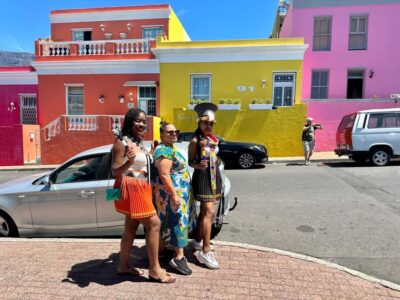
Bo-Kaap at Biesmiellah: Cape Malay flavors with neighborhood soul
One of the best parts of Cape Town food culture is how it is tied to places, not just dishes. Bo-Kaap is one of those districts where the atmosphere helps you understand what you are eating. Expect lively streets and a strong Cape Malay influence.
A typical stop is at Biesmiellah, where you can taste Cape Malay cuisine. This is a smart start because Cape Malay food is full of flavor depth, often showing up as curries and spiced comfort food built for sharing. For me, the key is that you are not just tasting something spicy. You are getting an introduction to the kind of spice blend and cooking style that sets the tone for what you will see later in the tour.
What to watch for at this first stop: if you have a spice sensitivity, tell your host early. In personalized tours, your preferences can shape what you get, but you have to communicate them up front. Also, if you are vegetarian or avoid certain ingredients, flag that right away, since the tour can include traditional dishes that may not be obvious from the street.
If you love cultural context with your food, this is where you tend to get it. A good host will connect the dots between the neighborhood identity and the plate in front of you.

Bree Street coffee and braai possibilities: where the route turns modern
After Bo-Kaap, the tour often shifts into Bree Street, which is where Cape Town’s food scene shows a more contemporary face. This is a place of street energy, cafe culture, and quick bites that still feel intentional.
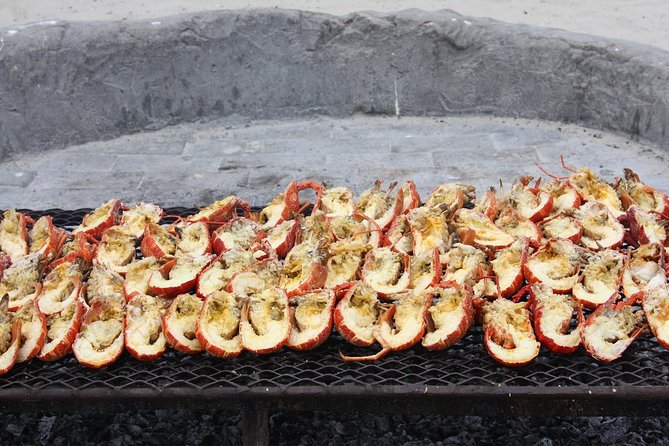
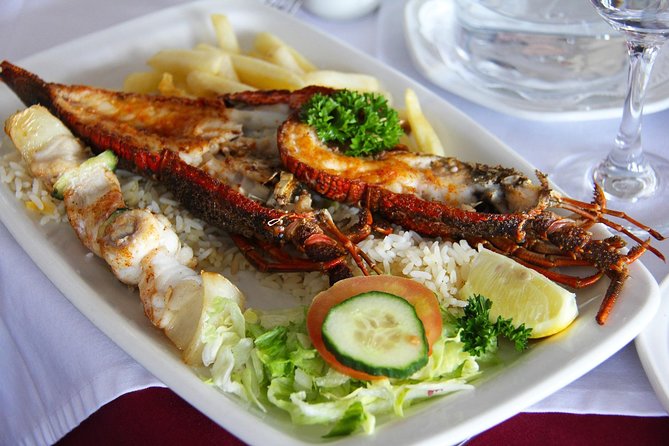
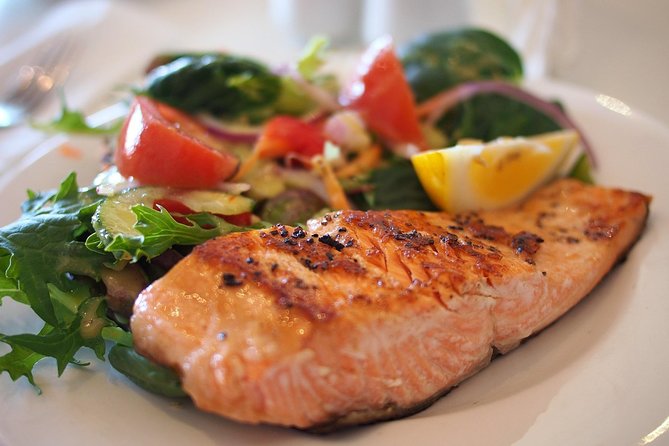
Here, the tour experience can swing a few ways depending on what your host thinks you will enjoy. You might start with an Americano or latte at a street corner coffee shop. Or you might lean into something more like a gourmet salad, seafood, traditional African dishes, or braai style barbecue options.
I like this stop because it changes the rhythm. After a richer start, you can balance your meal with something lighter, a drink, or a different kind of savory bite. It also helps you sample across categories: coffee, grilled foods, and dishes that reflect broader African culinary influences.
A small practical note: this is also a place where you can end up with a lot of options in sight. That is good for variety, but it can also create decision fatigue. Your best move is to trust your host and give them clear preferences early, like whether you want meat-focused tastings or you prefer seafood or vegetarian-friendly plates.
V&A Food Market: biltong, cheese, and chutneys for grazing-style joy
The V&A Food Market is the kind of stop that makes a walking tour feel complete. Even if you have already eaten, this is where you can taste the small specialties that show up in South African pantry culture.
Expect artisanal street food style choices, with vendors offering locally sourced items like biltong (dried meat), artisanal cheese, and traditional chutneys. The reason this works well in a tour setting is that it encourages grazing. You can taste a little, then connect flavors across bites. Sweet, salty, tangy, spicy, it all tends to land in a way that makes your earlier tastings feel more meaningful.
What makes the market portion valuable is that it can help you bring a souvenir flavor home. If you find a chutney style you love or a biltong you would happily snack on later, you are in the right place to remember the trip between meals.
Also, since the tour includes tastings, you are not expected to buy everything. Still, the market is a good place to ask your host what pairs well. That advice can save you money if you later decide to pick up something to eat on your own.
The personalization that can change your whole route
This tour is built on the idea that the best dining experiences are personal. The listed stops can serve as a guide, but because it is private and 100% personalized, your host may choose different places based on your interests and preferences.
That flexibility is the main reason it works. Food tastes are personal. One person wants spicy Cape Malay curries. Another wants more seafood. Someone else might be into braai flavors and grilled textures. A good host can steer you without making it feel like you are negotiating every five minutes.
In practice, personalization also affects stop count. In one past experience, the route landed at only two restaurant establishments, with plentiful food across those stops. That can actually be a win if you are not interested in lots of quick switches. But if you pictured a parade of small tastings across many places, you might want to mention that preference clearly at booking or early on.
My advice: tell your host what you want most. If you have allergies, dietary restrictions, or strong do-not-eat foods, say it early. Since the tour includes tastings from 2 to 3 eateries, your host can often solve dietary needs by choosing the right places and portioning your tastings thoughtfully.
Guide quality: why it can make or break the food focus
The strongest praise in the experiences is about the guides. Names that come up include Parinita and Tafa, and the common theme is that the guide made the tour fun and helped you find places you would likely skip on your own.
That matters because a food tour is not just food. It is timing, ordering, and choosing items that actually represent the local scene. The best guides also explain enough to make you understand what you are tasting, without turning it into a lecture.
That said, one less-perfect experience described the tour as leaning more toward city history than food, and noted that the food selection did not match the expectations set by the kind of food shown in promo material. Another note mentioned an issue with food texture at a well-known fish and chips stop, where the fish was reported as soggy.
So here’s the practical takeaway: if your top priority is eating and variety, start the tour by telling your host you want the focus to stay on tastings and food. Ask what you will try, and if the pace shifts into more general storytelling than expected, you can gently steer it back.
Also, if hotel pickup is requested, confirm the exact plan early. One experience mentioned that communication could have been clearer. A quick check-in helps you avoid misunderstandings when you are hungry and standing at the wrong spot.
Practical tips to get the most from 6 to 8 tastings
This tour is not a full meal plan. It is tastings. That means you should arrive hungry enough to enjoy everything, but not so ravenous that you feel overwhelmed by spice or rich flavors.
A few tips that tend to work:
- Tell your host your spice level and any dietary limits before the first stop.
- Think about your coffee choice. If you want more room for food, keep coffee smaller, then save heavier bites for later.
- Pace yourself at each tasting. You are sampling multiple items across the walk, so you want enjoyment, not a stomach race.
- Watch for the balance between local classics and famous standbys. If you prefer traditional plates, ask your host to prioritize local-style tastings over international comfort foods.
And bring a little curiosity. Cape Town’s food culture reflects its communities and history, so some dishes may feel familiar, while others will be new. The fun part is learning what you like and what you want to order again once you are off the tour.
Who should book this tour, and who should pick a different style
This is a great fit if you:
- Want local restaurant guidance and tastings without doing the research yourself.
- Like walking between neighborhoods and seeing how Cape Town’s food culture changes block to block.
- Appreciate a flexible schedule and a host who will adjust based on your preferences.
- Enjoy a mix of Cape Malay, traditional African dishes, and braai-style flavors, plus market grazing.
It might be less ideal if you:
- Want a tightly structured itinerary with the same exact stops every time.
- Expect a long list of stops and lots of brief photo stops rather than a few tastings done well.
- Are very sensitive to the food being more history-heavy than you want, unless you actively steer the tour back toward eating.
Because it is private, you have more control than on group tours. You can make it feel right for your day if you communicate what matters most to you.
FAQ
How long is the Cape Town private food tour?
It is about 3 hours of walking.
How many food tastings are included?
You can expect 6-8 tastings of South African specialties from 2-3 eateries.
Is this a private tour?
Yes. It is private, with only your group participating.
Where does the tour start and end?
It starts at the Clock Tower Waterfront Dock Rd, Victoria & Alfred Waterfront, Cape Town, and it ends back at the same meeting point.
Is hotel pickup available?
Hotel meet-up is available on request for central locations.
What is included in the price, and what is not?
Included: the private personalized walking tour, a passionate local host, and the tastings. Not included: additional food and drinks, transportation costs, attraction tickets, and gratuities.
Is there free cancellation?
Yes, you can cancel for a full refund up to 24 hours in advance of the experience start time.
Should you book this Cape Town private food tour?
If you want a food-focused way to get your bearings in Cape Town, I think this booking makes sense. The inclusion of 6-8 tastings and the promise of personalized stops give you real value for the time, and the mix of Bo-Kaap, Bree Street, and the V&A market helps you sample multiple sides of Cape Town’s food identity.
Just go in with the right expectations: the exact places can vary, and the balance between food and general chat can shift with your host. If your top priority is tasting lots of local dishes, start the tour clearly on that, and you will get the experience it is trying to deliver.
Where Cape Town Sits Down to Eat
Keep going: the rest of our Cape Town write-ups
- Cape Town to Cape Point Helicopter Flight – 48Min
★ 4.2 · 3 reviews - Full Day Private Hiking Table Mountain & City
★ 5.0 · 3 reviews - Sandboarding with jeep – drive uphill
★ 5.0 · 3 reviews - Full Day Tour for Cape of Good Hope & Boat to Seals Island
★ 5.0 · 3 reviews - 10 Day South Africa Tour Joburg to Cape Town
★ 5.0 · 3 reviews - 5 Day Garden Route Small Group Tour Fr CapeTown – Departs Mondays
★ 5.0 · 3 reviews
Food & Drink, compared.
 ★ 4.9Cape Town: Full-Day Winelands Tour with Wine Tastings & FoodFrom $1211,288 reviews
 ★ 4.4Hartbeespoort: 2-Hour Dam Cruise with South African FoodFrom $40621 reviews
 ★ 5.0The Cape Town Essentials Food TourFrom $113385 reviews
 ★ 4.5From Cape Town: Winelands Full Day Tour and Wine TastingFrom $102364 reviews
 ★ 4.5Stellenbosch & Franschhoek 20 Wine Tasting + Lunch Shared TourFrom $88290 reviews
 ★ 4.5From Cape Town: Stellenbosch & Franschhoek Wine Tasting TourFrom $277287 reviews
 ★ 4.7Cape Town: Full-Day Wine Tasting Tour with Wine TramFrom $80261 reviews
 ★ 4.9Stellenbosch: Historical Bike Tour & Wine TastingFrom $92248 reviews
Browse the lists this tour appears in