
REVIEW · FOOD & DRINK
Cape Town: Local street food tour
Langa gets under your skin fast, through food and stories. I like this tour because you start at Guga S’thebe and then move through the township with guides who explain what you’re seeing, not just what to eat. I also like the mix of classic street snacks like bunny chow and boerewors rolls, so you get a real taste of everyday South African flavors. One thing to consider is that this is a walking, street-level experience, so you’ll want to be comfortable with informal food spots and a casual pace.
What makes it work so well is the human side. You meet local people, you hear how Langa’s history shaped the neighborhood, and you get context for the dishes that show up again and again. The guides I’m drawing from, including Thando and Mzukisi, bring energy and clear storytelling in English, and you end up feeling safe and well looked after during the walk.
In This Review
- Key highlights you should know before you go
- Guga S’thebe Cultural Centre: the start that gives your meals meaning
- Walking Langa with guides like Thando and Mzukisi
- The food tasting window: what you’ll actually eat and why it matters
- Bunny chow, the curry-in-bread classic
- Boerewors rolls for sausage-lovers and barbecue fans
- Vetkoek, hot and comforting
- Samosas, spiced and portable
- Pap and chakalaka, maize porridge with spicy relish
- Biltong for the snack-factor crowd
- Ginger beer juice to cool the palate
- Street braai and the social side of eating
- Price and value: is $87 worth it for 3 hours?
- What to expect in the real world during your Langa walk
- Who this tour is best for, and who should rethink it
- Should you book this Langa street food tour?
- FAQ
- What is the meeting point for the tour?
- How long is the Cape Town local street food tour in Langa?
- What is the price per person?
- Is there a live guide, and what language do they speak?
- What is included in the tour price?
- Where does the tour take place?
- What happens during the guided portion of the tour?
- How long is the food tasting part?
- Can I cancel for a full refund?
- Can I reserve now and pay later?
Key highlights you should know before you go
- Start at Guga S’thebe Cultural Centre, a meaningful launch point for Langa context
- Guided time in Langa focused on history and culture, not just photos and facts
- Bunny chow and boerewors rolls are center stage, with other street classics in the mix
- You taste staples like pap and chakalaka, plus snacks such as vetkoek and samosas
- Street braai energy and ginger beer juice give you that classic township food atmosphere
- English live guiding with named local energy, including Thando and Mzukisi
Other plates worth planning a day around
- Cape Town: Full-Day Winelands Tour with Wine Tastings & Food★ 4.9 · 1,288 reviews
- The Cape Town Essentials Food Tour★ 5.0 · 385 reviews
- From Cape Town: Winelands Full Day Tour and Wine Tasting★ 4.5 · 364 reviews
- Stellenbosch & Franschhoek 20 Wine Tasting + Lunch Shared Tour★ 4.5 · 290 reviews
Guga S’thebe Cultural Centre: the start that gives your meals meaning
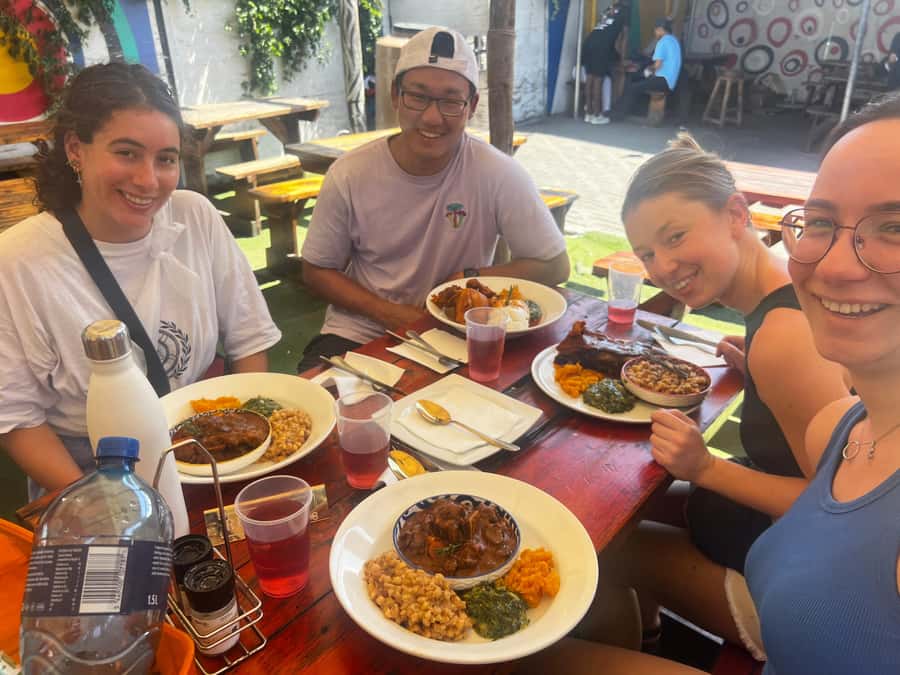
Your tour begins at Guga S’thebe Cultural Centre in Langa. That matters more than it sounds. Instead of jumping straight into eating, you get oriented first, with a guide setting the tone and pointing you toward what to pay attention to. If you’re the type who likes to understand where a place fits in the bigger story, this first step helps you read the neighborhood as you walk.
You also get the practical part out of the way early. This tour is set up for a smooth 3 hours, and you’re not expected to figure out timing, meeting points, or where the food stops are. A bottle of water is included, which is useful because township walking can add up faster than you think, especially in warmer Cape Town conditions.
One small but important reminder: the tour includes meals to taste, but it also asks you to tip your guide. That’s not just etiquette. It’s part of how good local guiding gets supported.
Walking Langa with guides like Thando and Mzukisi
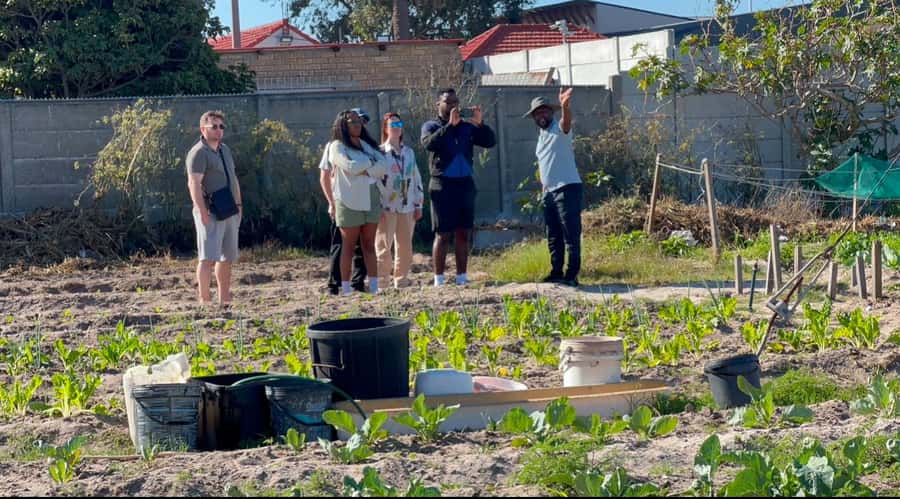
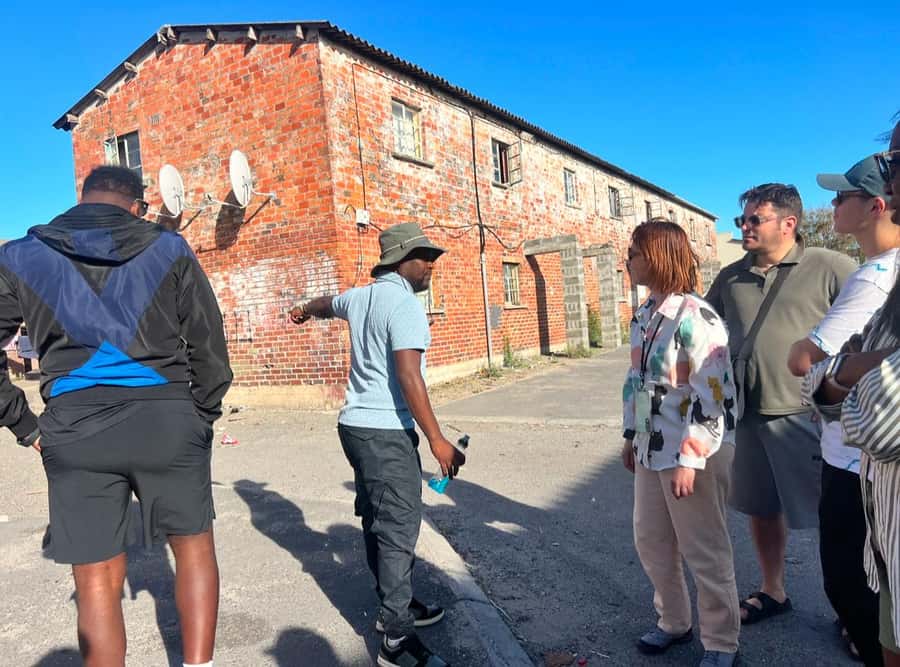
Most food tours focus on calories. This one focuses on people and context, and you feel that right away during the guided portion. You spend about 105 minutes with your guide in Langa, and the emphasis is on history, daily life, and cultural understanding. The guides I’m referencing, including Thando and Mzukisi, are engaging and absorbing, and they explain what you’re seeing in a way that sticks.
You can expect a story-driven walk. You’ll learn about the history behind the township and what it means for the present and the future. The tone from guides like Thando is enthusiastic and forward-looking, not just nostalgic. And with Mzukisi, the focus lands on being informed and fully present while you move through the area.
Safety is a big reason this tour has such strong marks. You’re walking with a local guide, and you follow their cues about where to go and how to move. In the same way that a good host makes you feel comfortable in their world, a good township guide helps you feel calm, confident, and oriented. The key point for you: this isn’t a self-guided walk where you’re guessing. You’re with someone who knows the neighborhood.
Possible drawback to flag: if you want only the food and nothing about history, you may find the story portion a bit longer than you expected. But if you like learning what a dish represents, the historical context makes each bite more meaningful.
The food tasting window: what you’ll actually eat and why it matters
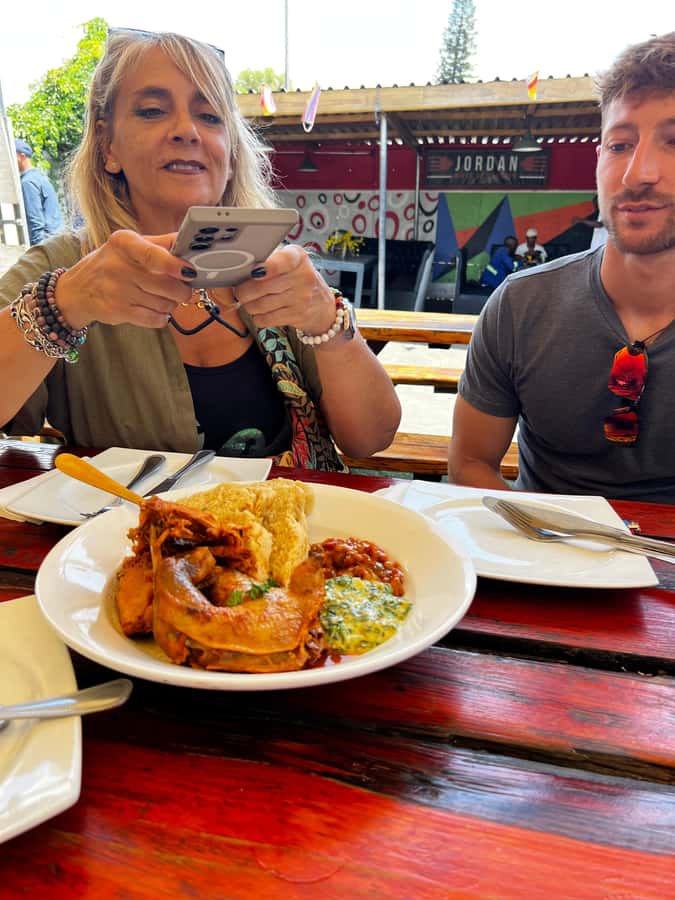
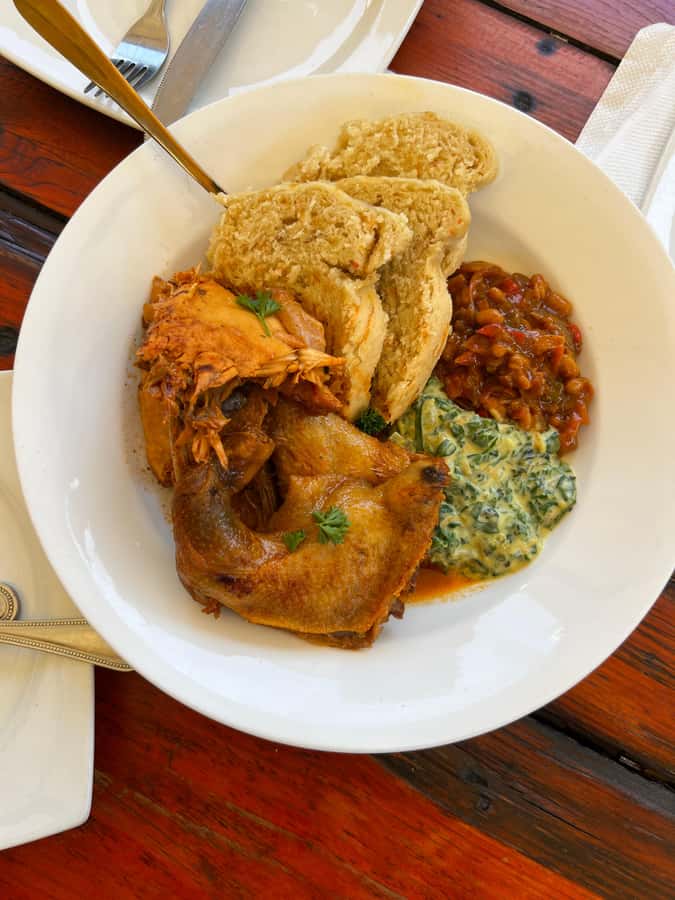
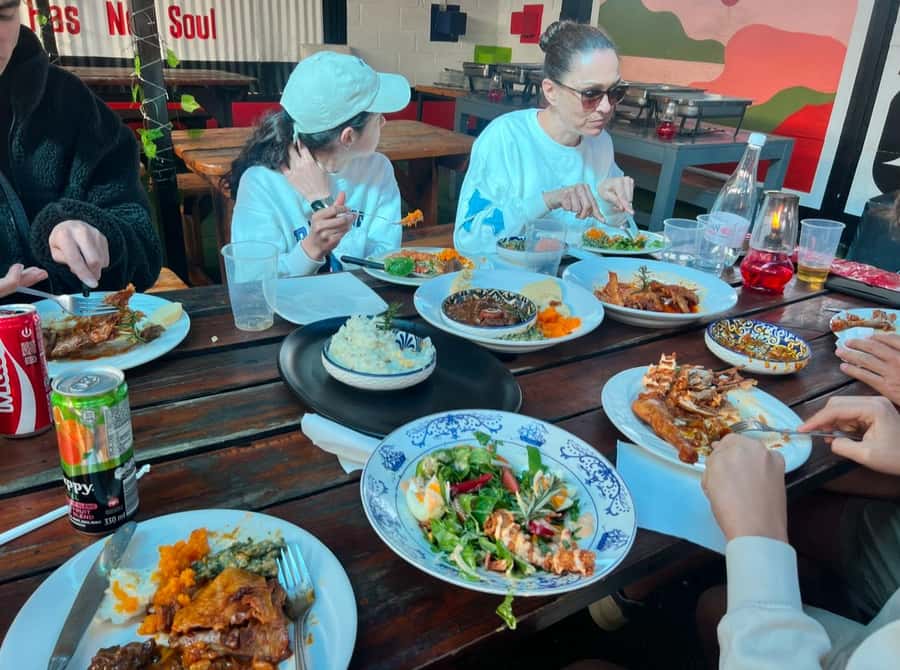
After the Langa walk, you shift into food tasting for about 70 minutes. This is the part where your hunger takes over, and the tour earns its keep. The lineup includes several of the best-known South African street foods, so you’re not stuck with one flavor profile.
Here’s what you should expect to try:
Bunny chow, the curry-in-bread classic
Bunny chow is a hollowed-out loaf filled with spicy curry, often made with lamb, chicken, or vegetables. It has roots tied to Indian cuisine, and in South Africa it became a street staple. On this tour, it’s a great starter because it teaches you how immigrant food traditions get adapted into local everyday life.
What to notice while you eat: the bread is part of the experience, not just packaging. It soaks up the curry and makes a mess in a way that’s completely normal here.

Boerewors rolls for sausage-lovers and barbecue fans
Boerewors rolls are grilled boerewors sausage served in a soft roll, often topped with chutney or tomato sauce. This is a classic South African comfort food, and it’s one of the easiest ways to understand the country’s love of grilled, hearty snacks.
The value for you: it’s filling without being complicated. You’ll likely leave this tour satisfied, not just curious.
Vetkoek, hot and comforting
Vetkoek are deep-fried dough balls, usually filled with savory ingredients like minced meat, or served with jam. It’s comfort food with texture and a “street stall” vibe. If you’re the sort of person who’s wary of trying new things, vetkoek are a friendly bridge into the rest of the menu because they feel familiar in the best way.
Samosas, spiced and portable
Samosas show up as a quick, handheld snack. They’re often filled with spiced potatoes, peas, or meat, and whether fried or baked, they bring a burst of flavor you can actually taste as you walk.
Pap and chakalaka, maize porridge with spicy relish
Pap is maize porridge, and chakalaka is a spicy vegetable relish served alongside. This pairing matters because it’s not just a trendy street item. It’s tied to everyday household staples.
If you want one dish that explains why South African food feels both practical and proud, pap and chakalaka is a strong candidate.
Biltong for the snack-factor crowd
Biltong is dried, cured meat, usually sold in flavors like spicy or sweet. It’s popular because it’s portable and keeps well. On a tour like this, biltong gives you something salty and focused that balances the heavier fried and saucy foods.
Ginger beer juice to cool the palate
Ginger beer juice is sweet and refreshing, and it’s often freshly prepared by street vendors. This is your reset between spicy bites. If you tend to chase heat with more heat, you’ll appreciate the cooling effect.
Street braai and the social side of eating
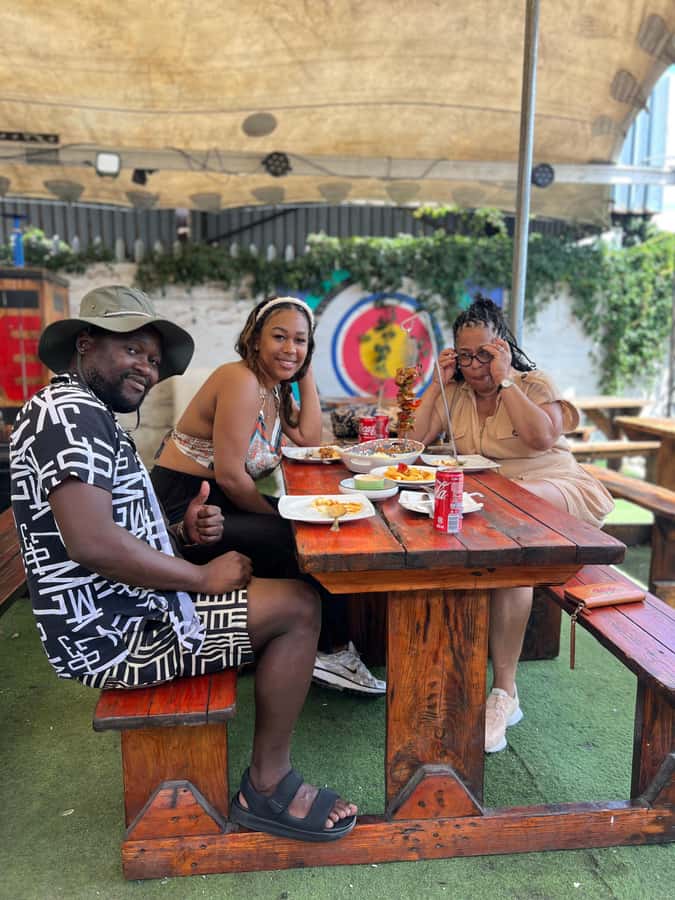
One of the most enjoyable parts of this kind of tour is the chance to experience street braai culture. Street braais are communal gatherings where meats like chicken, lamb, and beef are grilled over open flames. It’s not just cooking, it’s a social event.
Why this matters for you: street braai ties the meal to the community. You’re not only tasting food, you’re seeing how people gather, talk, and share. That’s the kind of detail that makes a food tour feel like a real window into daily life, not a performance.
This tour also includes the range of dishes that typically come with those braai moments, so you get variety in both flavors and textures. You may find that the braai experience helps you connect the dots between sausage, grilled meats, and classic sides like pap and chakalaka.
Price and value: is $87 worth it for 3 hours?
At $87 per person for a 3-hour tour, you’re paying for more than a meal. You’re paying for a local guide, meals to taste, and a bottle of water, plus the time it takes to walk through Langa and explain the cultural and historical meaning behind what you’re eating.
Here’s how I think about value for this one:
- You get guidance for the whole experience, including history and cultural context, not just food stops.
- You get multiple tastings instead of one or two dishes, so your per-bite cost feels more reasonable.
- You’re with a live English guide, and the stories help you understand what you’re consuming.
If you were to copy the experience on your own, you might save money on a guide, but you would lose a lot of the context, and you’d be less likely to know where to go for the best versions of these street foods. For me, the guide value is the centerpiece.
What to expect in the real world during your Langa walk
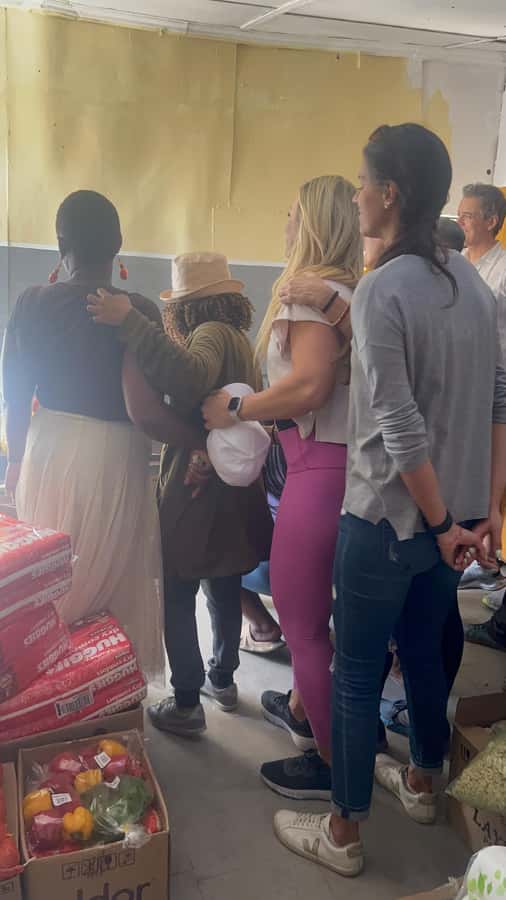
This is a short tour, but it can feel like more because it’s packed with story time and food time. Plan to come hungry but not reckless. You want enough appetite to enjoy each stop, not so much that you feel sick after the third spicy bite.
A few practical tips that fit what the tour is built around:
- Wear comfortable shoes for walking through town streets.
- Dress in light layers so you can handle temperature swings.
- Be ready for spice. Curry and chakalaka are typically not shy.
- Bring small cash for a tip, since tipping your guide is specifically mentioned.
- If you have dietary restrictions or allergies, ask your guide upfront during the tour start so you can adjust expectations.
Also, the tour is clearly designed for an English-speaking audience. You get live guiding in English, and that helps a lot when you’re learning the background behind dishes and traditions.
One more logistics note, just so you can plan your day: it’s a 3-hour experience that starts and ends at Guga S’thebe Cultural Centre. That makes it easier to schedule around other parts of Cape Town.
Who this tour is best for, and who should rethink it
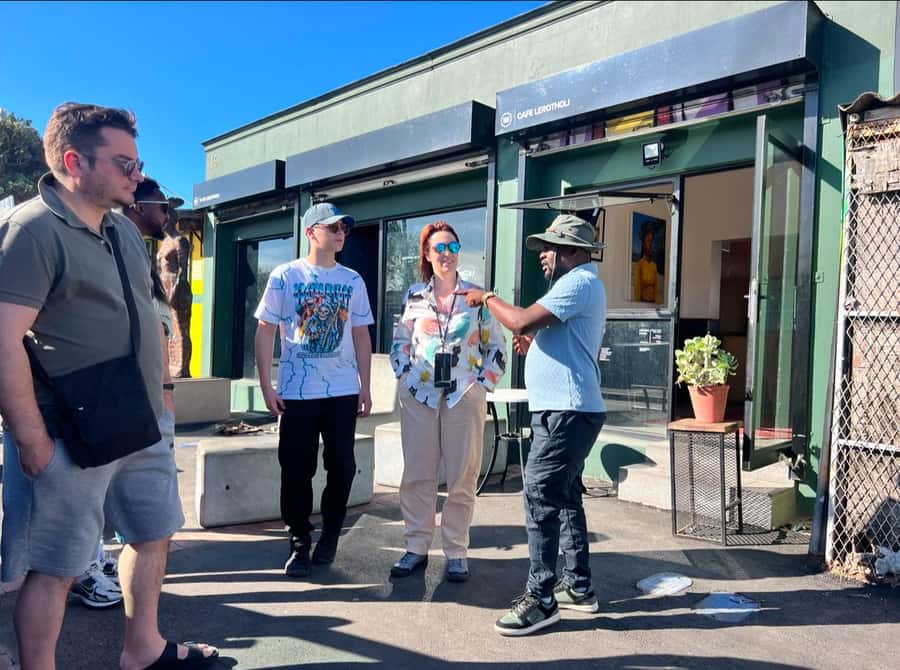
This tour is a great fit if you want:
- Real local food, not just restaurant-style versions
- Stories about Langa’s history and culture from people who live it
- A guide-led walking experience where safety and comfort are part of the package
- A short timeline, because 3 hours is easy to fit into a Cape Town itinerary
It may be less ideal if you:
- Prefer museums or indoor attractions over street-level experiences
- Have very strict dietary needs and need a menu you can review in advance
- Hate walking, even for short segments
For most people, the combination of guided history and a proper sampling of classic South African street foods is exactly the kind of tour that adds texture to a trip.
Should you book this Langa street food tour?
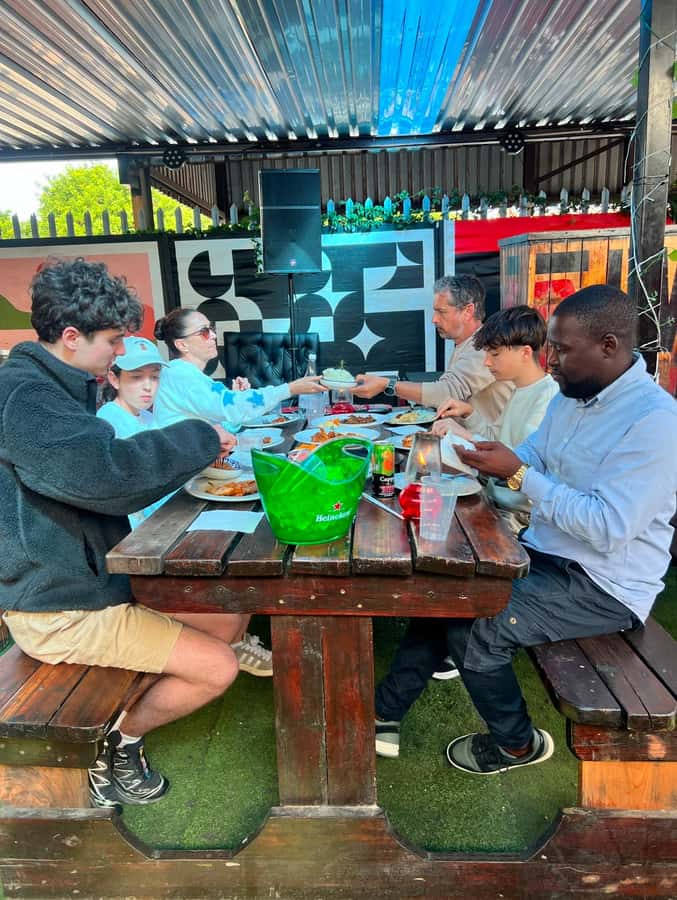
If you’re deciding between a generic food crawl and a guided experience with real context, I’d lean toward booking this one. It’s built around local guiding, cultural understanding, and a lineup that covers the classics: bunny chow, boerewors rolls, vetkoek, samosas, pap and chakalaka, plus street braai energy and biltong.
At $87 for 3 hours, it’s not a budget snack stop, but it’s also not just a meal. The value comes from the guide-led walk, the stories, and multiple tastings that help you understand South African food as part of everyday life.
If you want a solid plan B, know that free cancellation up to 24 hours in advance and reserve-and-pay-later options are available, so you can keep your schedule flexible while you decide.
FAQ
What is the meeting point for the tour?
You meet at Guga S’thebe Cultural Centre.
How long is the Cape Town local street food tour in Langa?
The tour duration is 3 hours.
What is the price per person?
The price is $87 per person.
Is there a live guide, and what language do they speak?
Yes, there is a live tour guide, and the tour is in English.
What is included in the tour price?
Included items are a qualified tour guide, meals to taste, and a bottle of water. Tipping the guide is also recommended.
Where does the tour take place?
It takes place in Langa, South Africa, in the Western Cape region.
What happens during the guided portion of the tour?
You get a guided tour in Langa for about 105 minutes, focused on the history and cultural understanding of the township.
How long is the food tasting part?
Food tasting takes about 70 minutes.
Can I cancel for a full refund?
Yes, you can cancel up to 24 hours in advance for a full refund.
Can I reserve now and pay later?
Yes, reserve now and pay later is available.
Where Cape Town Sits Down to Eat
Keep going: the rest of our Cape Town write-ups
- Cape Town to Cape Point Helicopter Flight – 48Min
★ 4.2 · 3 reviews - Full Day Private Hiking Table Mountain & City
★ 5.0 · 3 reviews - Sandboarding with jeep – drive uphill
★ 5.0 · 3 reviews - Full Day Tour for Cape of Good Hope & Boat to Seals Island
★ 5.0 · 3 reviews - 10 Day South Africa Tour Joburg to Cape Town
★ 5.0 · 3 reviews - 5 Day Garden Route Small Group Tour Fr CapeTown – Departs Mondays
★ 5.0 · 3 reviews
Food & Drink, compared.
 ★ 4.9Cape Town: Full-Day Winelands Tour with Wine Tastings & FoodFrom $1211,288 reviews
 ★ 4.4Hartbeespoort: 2-Hour Dam Cruise with South African FoodFrom $40621 reviews
 ★ 5.0The Cape Town Essentials Food TourFrom $113385 reviews
 ★ 4.5From Cape Town: Winelands Full Day Tour and Wine TastingFrom $102364 reviews
 ★ 4.5Stellenbosch & Franschhoek 20 Wine Tasting + Lunch Shared TourFrom $88290 reviews
 ★ 4.5From Cape Town: Stellenbosch & Franschhoek Wine Tasting TourFrom $277287 reviews
 ★ 4.7Cape Town: Full-Day Wine Tasting Tour with Wine TramFrom $80261 reviews
 ★ 4.9Stellenbosch: Historical Bike Tour & Wine TastingFrom $92248 reviews
Browse the lists this tour appears in