

REVIEW · CYCLING TOURS
Cape Town: Cultural Cycling Tour
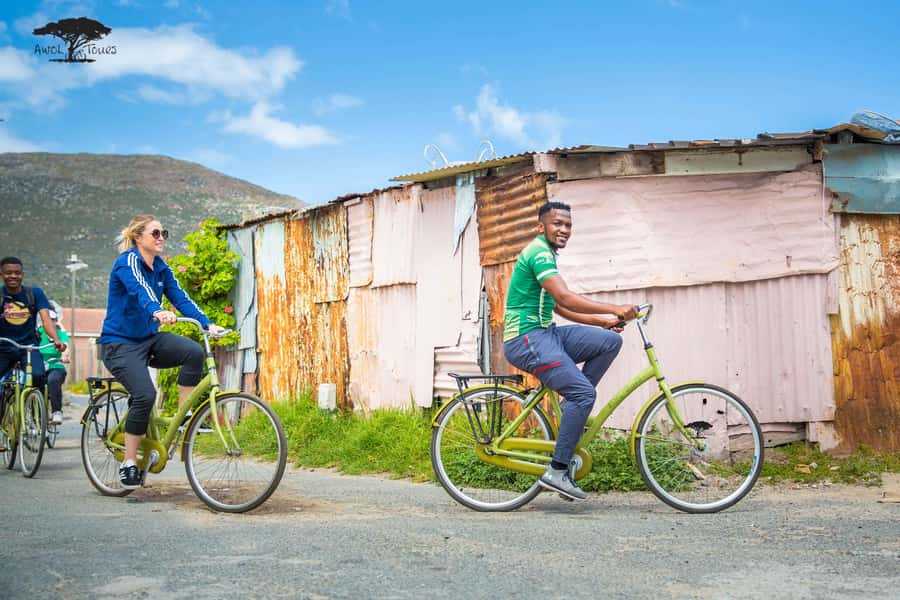
This bike tour has a feel-good purpose, and it moves at human speed. You roll through Masiphumelele on old-fashioned Dutch bicycles, guided by local experts who explain Xhosa customs in plain language, not museum talk. I also like that it’s not just sightseeing, you get moments like a sangoma visit and time to share traditional food.
There’s one thing to consider before you go: the contrast is real. You’ll see life under pressure, including a crèche visit when school is in session, and the day can feel a little heavy even while it’s respectful and hopeful. Also, this is not suitable for wheelchair users or people with mobility impairments, so plan accordingly.
In This Review
- Key highlights you should care about
- Why cycling Masiphumelele feels different than a foot tour
- Start at Masicorp, then meet Songezo Youth on Chasmay Road
- A local Xhosa guide: libraries, entrepreneurs, and daily life
- Crèche time changes everything during the week
- Sangoma visit and traditional lunch, where culture becomes a conversation
- Bikes, pace, and what to wear for a comfortable ride
- Price and donations: what you pay for, and why it’s fair
- Who should book this tour, and who should choose something else
- Should you book this Cape Town cultural cycling tour?
- FAQ
- Where does the tour start?
- How long is the Cape Town Cultural Cycling Tour?
- What is included in the ticket price?
- Is transport included?
- Are there rules on what I can bring or wear?
- What are the tour options on weekends and school holidays?
Key highlights you should care about
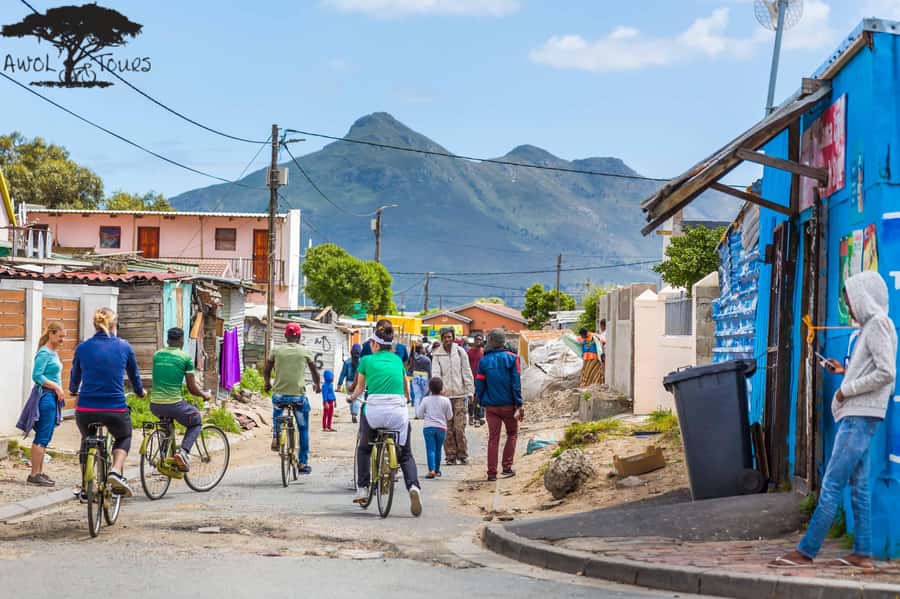
- Old Dutch bikes that make the ride feel slower and more conversation-friendly
- Local Xhosa guide who brings context for what you see, not just directions
- Sangoma visit and dancing that turns culture into a lived moment, not a performance for tourists
- Crèche stop (school-time dependent) with proceeds aimed at better facilities
- African lunch in a home or an African restaurant, plus traditional tea
- Songezo Youth + Masicorp support, including donations built into the tour
Other rides, flat and otherwise
- Cape Town: Atlantis Dunes Quad Bike and Photo Stop★ 4.4 · 497 reviews
- Quad biking Atlantis Dunes Cape Town & Photo Shoot★ 4.0 · 393 reviews
- Cape Town: Atlantis Dunes Quad Bike Tour and Photo Session★ 4.5 · 322 reviews
- Cape Town: Atlantis Dunes Quad Bike & Free Sandboarding Tour★ 4.8 · 279 reviews
Why cycling Masiphumelele feels different than a foot tour
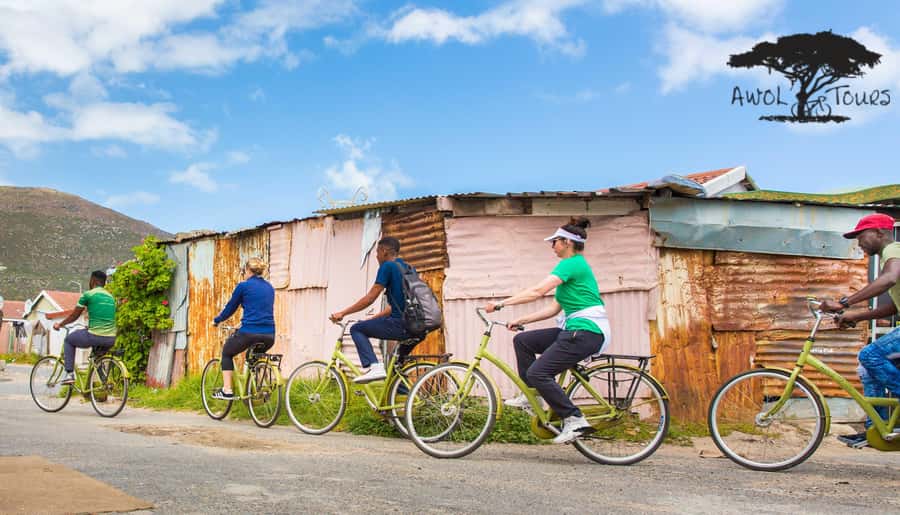
A walking tour can be informative, but biking changes the whole rhythm. On a bike you can cover ground without rushing, and you can pause more naturally for questions and small observations. It also helps you connect with people as you pass, instead of treating the neighborhood like a one-way checklist.
The other big difference is how practical it feels. You are moving like a local visitor might, not standing still like you’re filming from a sidewalk viewpoint. That matters here because the goal is interaction, not distance.
The tone of the tour also tends to be respectful, with the focus on relationships and community life. You’re not just learning words, you’re watching how people live, run businesses, and keep cultural traditions strong in everyday settings.
Start at Masicorp, then meet Songezo Youth on Chasmay Road
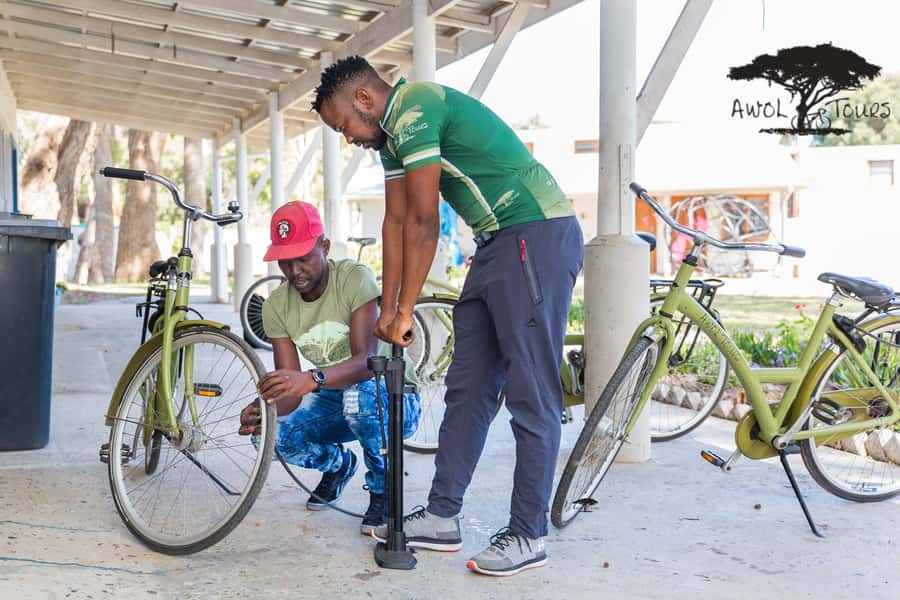
The tour begins at Chasmay Road Campus, Masicorp Head office, with a workshop shared with the SongezoYouth Cycling academy. This is the kind of start that sets expectations right away. It frames the day as support for youth development through sport, not a detached cultural show.
You might spot budding cyclists training there, and you’ll hear about Songezo Jim, described as South Africa’s first Black South African cyclist. That detail isn’t just trivia. It gives you a clearer picture of why cycling is more than recreation in this community.
This opening section also gives you an easy way to get comfortable. You’re not thrown straight onto streets with no context. You get to orient, meet the setup, and understand who benefits from the program before you start riding.
A local Xhosa guide: libraries, entrepreneurs, and daily life
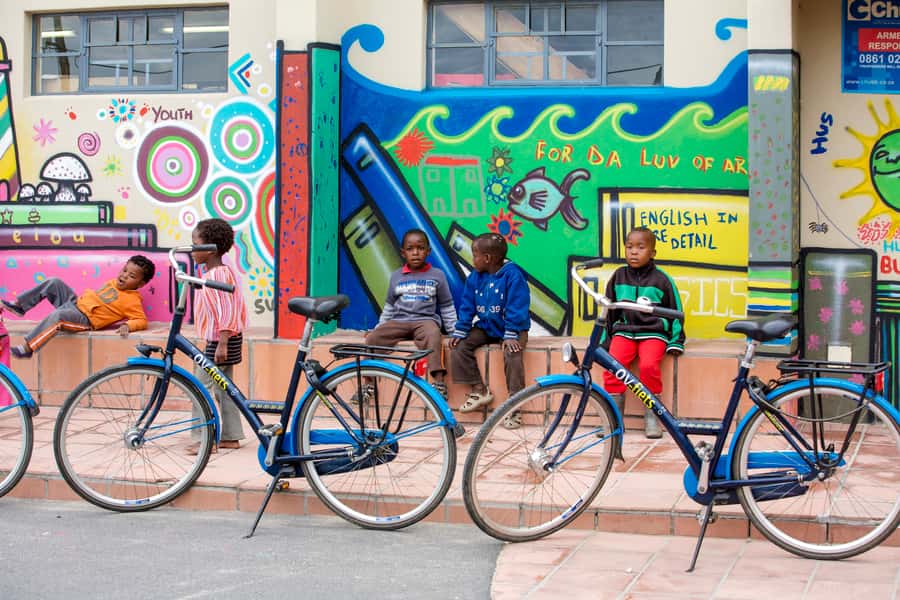
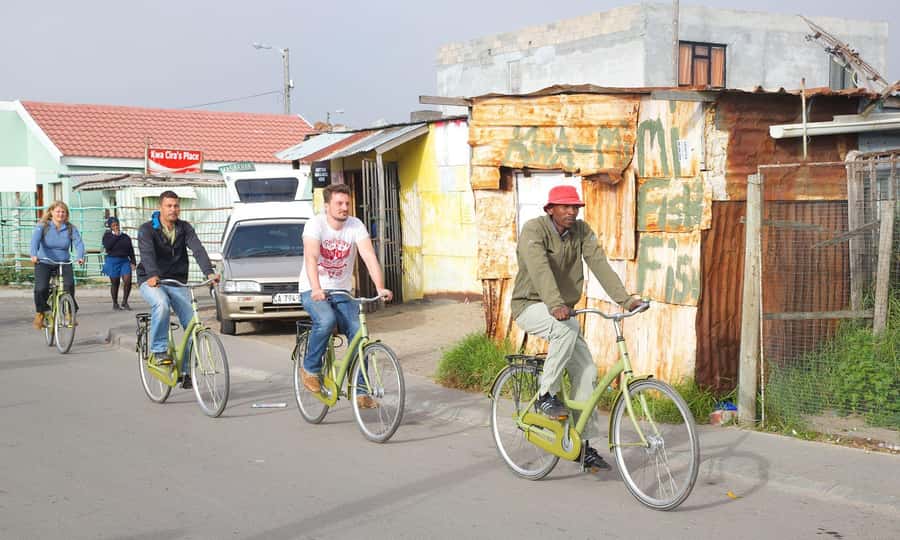
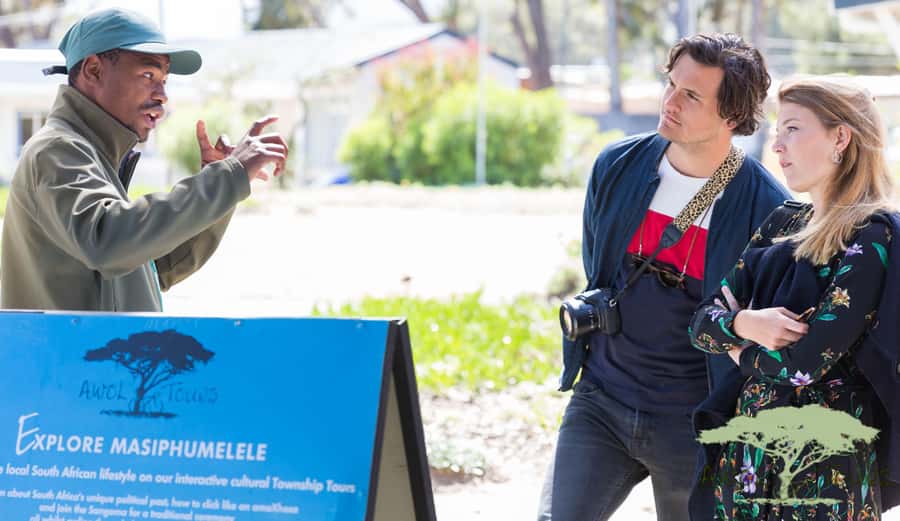
Once you’re on the bike, your local guide leads you around the township and explains customs along the way. You can expect stops that go beyond landmarks, including a local library, entrepreneurs, and small businesses. This is where the tour starts feeling grounded.
A library stop sounds simple, but it signals something important: learning and education exist in the middle of tough conditions. When you see it as part of a route, it stops being abstract. It becomes a real place where community members invest in the future.
The business stops are equally useful. They help you notice the township economy beyond stereotypes. You’ll also learn things like local Xhosa customs as you travel, which makes your questions easier and your observations less random.
English speaking guidance keeps it straightforward, and the group is small, limited to 8 participants. That means you’re more likely to get answers instead of feeling like you’re stuck behind someone else’s camera.
Crèche time changes everything during the week
Timing matters for this tour. During school time, you visit a local crèche because the teachers are working and the learning environment is active. The tour also notes that the crèche visit supports better facilities, which is the kind of detail that connects what you see to what your ticket helps fund.
During week-ends and school holidays, that crèche stop changes because the crèche visit is closed then. So if crèche access is a key reason you want to go, you’ll want to choose your day carefully.
This part of the experience can feel emotionally intense, and that’s normal. The value comes from seeing the situation clearly and with respect, not from trying to “fix” anything on the spot. If you’re bringing a cheerful mood, it still needs to be a grounded one.
And yes, there’s a practical rule here too: don’t give sweets or treats to children. The local partner prefers working through registered charities. It’s a small request, but it’s the difference between helpful and accidentally disruptive.


Sangoma visit and traditional lunch, where culture becomes a conversation
One of the most praised elements of this tour is the sangoma experience. You’ll meet and interact through the visit, and the program includes dancing with the sangoma’s (traditional healers). Even if you’re skeptical about what you’ll see, this is the moment that turns the day from informative to memorable.
Why it matters: traditional healing practices are part of community life, not just spiritual background. When you’re there in person, it’s easier to understand how health, belief, and identity overlap. Also, dancing shifts the energy from passive observation to active participation, which can make you more attentive.
Then comes lunch, and you’ll have two options depending on the day: an African restaurant or a local lady’s home where you can share an authentic African meal and tea. Eating with a host (when it’s offered) often leads to the best questions, because food brings conversation naturally. You might also learn how meals reflect local routines, ingredients, and hospitality style.
A quick practical note: food is not allowed on the tour. If you’re planning snacks, skip that idea. The meal is part of the experience, and the rules help keep the flow respectful and organized.
Bikes, pace, and what to wear for a comfortable ride
This tour runs for 4 hours, which is a good half-day length for most people who want something meaningful without blowing the entire day. The small group size helps keep the pace comfortable, especially since everyone is biking together and stopping often.
You ride on an old-fashioned Dutch bicycle. That usually means an upright feel and stable handling, but it also means you’ll want to be prepared for how different older bikes roll compared to modern rentals. You don’t need to be a cyclist, but you do need to feel safe moving slowly with the group.
For what to bring, focus on comfort. Bring comfortable shoes and wear something you can move easily in. The tour also says no jewelry and no high-heeled shoes. That’s not just strictness for the sake of it. It helps with safety during stops and keeps the focus on respectful participation.
If you wear items that you normally treat like accessories, think twice. Simple beats flashy. You’ll get more out of the day by being able to concentrate on conversation and surroundings.
Price and donations: what you pay for, and why it’s fair
At $106 per person for a 4-hour guided cultural cycling tour, it’s not a bargain price, and it’s also not trying to be. What justifies the cost is the combination: a live guide, bike-based access, a planned set of community stops, cultural activities like the sangoma visit, and a meal included.
More importantly, the price connects to support for local organizations. The tour notes that 10% of all proceeds go directly to Masicorp, a non-profit supporting education in the community. It also supports the Songezo cycling academy. That matters because your payment doesn’t just pay for staff time, it feeds into programs that are directly linked to youth opportunities and community facilities.
So when you evaluate value, look at the whole package. You’re paying for curated access that includes meeting community members, experiencing cultural practices, and eating as part of the day, plus a measurable donation component. That’s a different model than a typical sightseeing ride where nothing directly benefits the neighborhood beyond a photo.
One more reason this price feels more honest: the tour limits the group to 8 participants. Small groups cost more to run, but they also protect the experience from turning into mass tourism.
Who should book this tour, and who should choose something else
This is a strong fit if you want cultural context and real interaction, not just quick photo stops. The mix of Xhosa customs, a community library, small businesses, and a sangoma visit makes it ideal for travelers who like learning how daily life works. If you’re the kind of person who asks questions and listens first, you’ll do well here.
It also fits travelers who care about responsible support. The tour includes donations to Masicorp and Songezo, and it emphasizes proper ways of interacting with children. You’re not expected to bring treats, and you’re guided toward a respectful approach.
Who might skip it: if you need wheelchair access or mobility accommodations, this tour isn’t suitable. Biking and on-the-ground visits make it hard to adapt, and the activity explicitly notes it’s not for wheelchair users or people with mobility impairments.
Also, if you’re someone who needs a light, low-emotion day, be prepared. The crèche stop and the overall contrast in conditions can be uncomfortable in a human way. The goal isn’t to shock you, it’s to show a truthful picture alongside community hope.
Should you book this Cape Town cultural cycling tour?
If you want a Cape Town experience that’s more than scenery, I’d say book it, especially if you’re drawn to Masiphumelele community life and a cycling format that encourages conversation. The sangoma visit and the lunch options are the kind of experiences you’ll remember because you’re not just watching, you’re sharing the moment respectfully.
Choose your day wisely if a crèche stop matters to you. And go in with the right mindset: comfortable shoes, no jewelry, no high heels, and no sweets for children. Do that, and you’ll get the best version of what this tour is designed to do, connect you to people while supporting local education and youth cycling.
FAQ
Where does the tour start?
The tour departs from Chasmay Road Campus, Masicorp Head office in Cape Town.
How long is the Cape Town Cultural Cycling Tour?
It runs for 4 hours.
What is included in the ticket price?
The tour includes a local Xhosa guide, an old-fashioned Dutch bicycle, African lunch, a sangoma visit, and donations to Masicorp Non profit organisation that supports education in the community.
Is transport included?
Transport is not included, but it can be arranged on request.
Are there rules on what I can bring or wear?
Wear comfortable shoes. The tour does not allow high-heeled shoes or jewelry, and it also notes that you should not bring food.
What are the tour options on weekends and school holidays?
The crèche visit depends on school time, so it is noted as closed on week-ends and school holidays. On Sundays, the tour may include a visit to a local gospel church.
Pedalling Cape Town, Route by Route
Keep going: the rest of our Cape Town write-ups
- Cape Town to Cape Point Helicopter Flight – 48Min
★ 4.2 · 3 reviews - Full Day Private Hiking Table Mountain & City
★ 5.0 · 3 reviews - Sandboarding with jeep – drive uphill
★ 5.0 · 3 reviews - Full Day Tour for Cape of Good Hope & Boat to Seals Island
★ 5.0 · 3 reviews - 10 Day South Africa Tour Joburg to Cape Town
★ 5.0 · 3 reviews - 5 Day Garden Route Small Group Tour Fr CapeTown – Departs Mondays
★ 5.0 · 3 reviews
Cycling Tours, compared.
 ★ 4.4Cape Town: Atlantis Dunes Quad Bike and Photo StopFrom $46497 reviews
 ★ 4.0Quad biking Atlantis Dunes Cape Town & Photo ShootFrom $28393 reviews
 ★ 4.5Cape Town: Atlantis Dunes Quad Bike Tour and Photo SessionFrom $30322 reviews
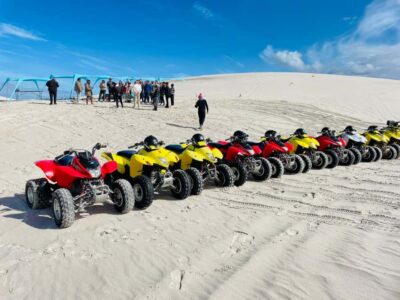 ★ 4.8Cape Town: Atlantis Dunes Quad Bike & Free Sandboarding TourFrom $49279 reviews
 ★ 4.5WILDX Atlantis QUAD BIKE ADVENTURE + PHOTO OPS CAPE TOWNFrom $28265 reviews
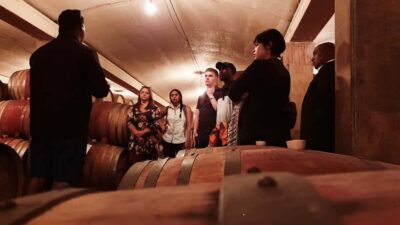 ★ 4.9Stellenbosch: Historical Bike Tour & Wine TastingFrom $92248 reviews
 ★ 4.5Cape Town Quad Bike and Free SandboardingFrom $69213 reviews
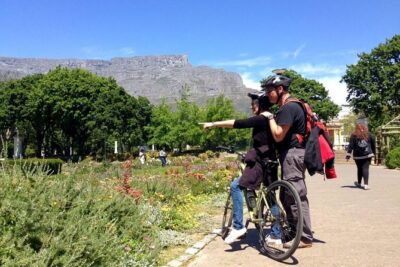 ★ 5.0Cape Town City Cycling TourFrom $77199 reviews
Browse the lists this tour appears in