
REVIEW · SOUTH AFRICA
Cape Town: Afrikaans Culture And Making Traditional Biltong
Cape Town does food experiences well, but this one feels personal. You step into a voorkamer (lounge) for a small, relaxed biltong class where Afrikaans culture and hands-on biltong stick making are the main event, not a side show. You start with a drink and local snacks, then move through the story of drying meat from Khoisan roots to the Great Trek spice that helped biltong travel worldwide.
What I like most is how quickly you get value in just 90 minutes, with tastings, history, and practical technique all tied together. I also love that you are not stuck watching someone else work, you actually prepare biltong sticks and learn what goes into cut, curing, and storage. One consideration: the space is not for wheelchair users, and cats live on the property, so animal allergies matter.
In This Review
- Key things to know before you go
- Entering Soutie’s vorkamer in Three Anchor Bay
- The opening drink and snack spread that sets the tone
- Where biltong culture starts: Khoisan drying to Great Trek spice
- Biltong tastings, plus the vegan surprise
- Hands-on biltong stick making, what you learn and what to do with it
- Afrikaans origins, Boeremusiek, and the moerkoffie moment
- What it costs and why the value is more than the menu
- How to get the best experience in 90 minutes
- Who should book this biltong and Afrikaans class
- Should you book Soutie’s Biltong Sticks Class?
- FAQ
- How long is the Cape Town biltong and Afrikaans culture experience?
- What is the group size?
- Is the class taught in English?
- What is included in the price?
- Can vegans participate?
- Will I get to make biltong sticks during the class?
- What should I bring with me?
- Is it suitable for wheelchair users and people with animal allergies?
Key things to know before you go
- A small group of 8 means more time for questions and conversation.
- Tasting plus making: you get multiple biltong samples and then hands-on biltong sticks.
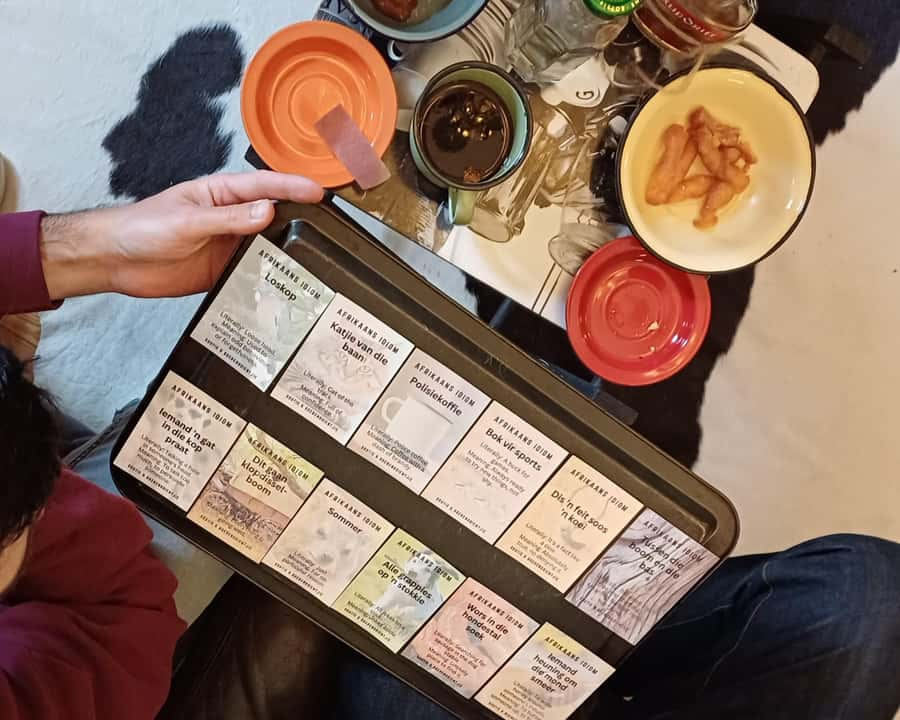
- Afrikaans culture in the room through Boeremusiek (folk music) and Afrikaans sayings.
- Real Cape flavors with moerkoffie coffee in a tin mug and Karringmelkbeskuit (buttermilk rusk).
- Vegans can be accommodated by prior arrangement.
- Cats live on site, so plan accordingly if you have allergies.
Still weighing it up? These Cape Town trips are the ones our readers open next.
- Wine Tour: Paarl, Franschhoek & Stellenbosch incl 3 wineries★ 5.0 · 3,940 reviews
- Cape Town: Hop-On Hop-Off Bus Tour with Optional Cruise★ 4.8 · 3,929 reviews
- Cape Town: Cape of Good Hope & Penguins Day Tour with Pickup★ 4.7 · 3,362 reviews
- Zipline Cape Town – From Foot of Table Mountain Reserve★ 5.0 · 3,179 reviews
Entering Soutie’s vorkamer in Three Anchor Bay
This class meets at Unit 5, 165 High Level Road in Three Anchor Bay, a simple address that is easy enough to plug into your map app. The vibe is the point. Instead of a factory-like “tour” feeling, you are invited into a homey lounge space, the kind locals actually use. It is why the experience works so well for both first-time visitors and people who already know their way around South African food.
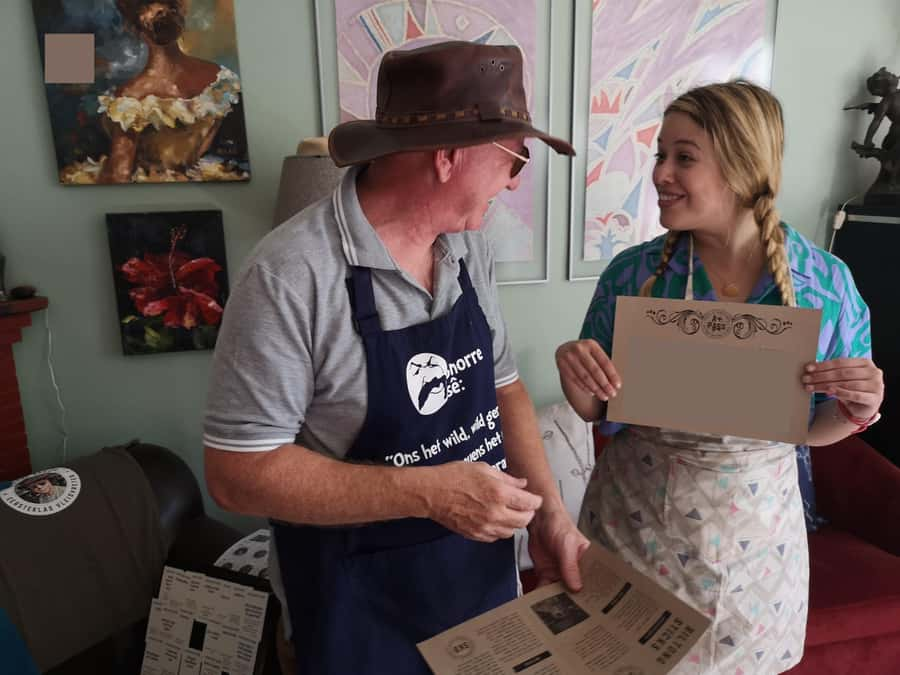
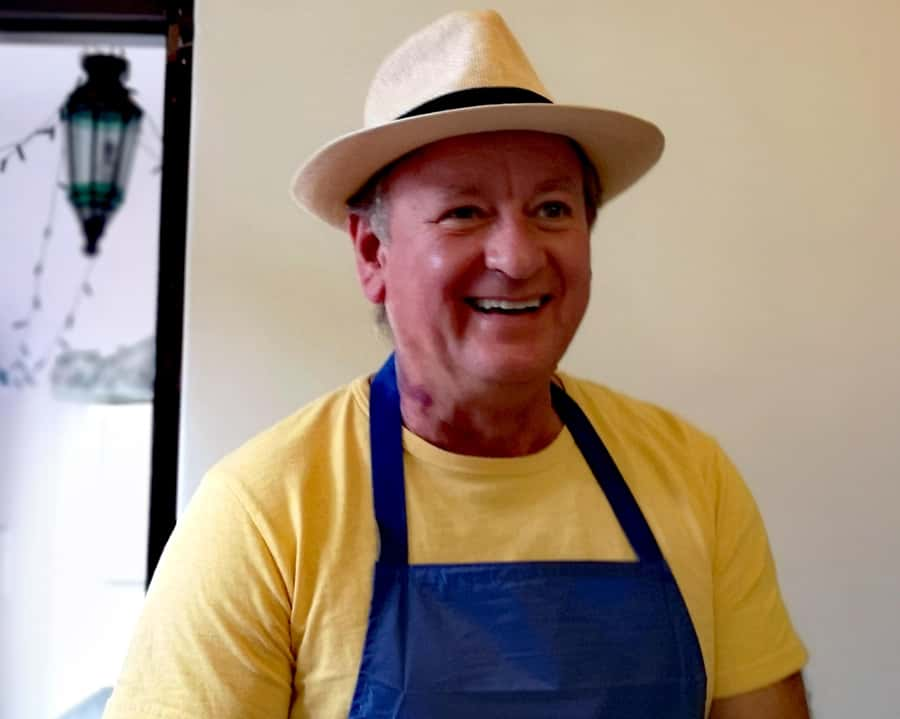
Soutie, the host behind Soutie’s Biltong Sticks Class, keeps things friendly and grounded. You get a real sense that this is about sharing daily culture, not performing for strangers. And the group size is capped at 8 participants, which matters more than you think. In a big group, history turns into a lecture. Here, it stays conversational.
The session is 90 minutes, which is ideal if your Cape Town days are packed. You will not lose half your afternoon waiting around. You get a full experience in a tight window.
The opening drink and snack spread that sets the tone
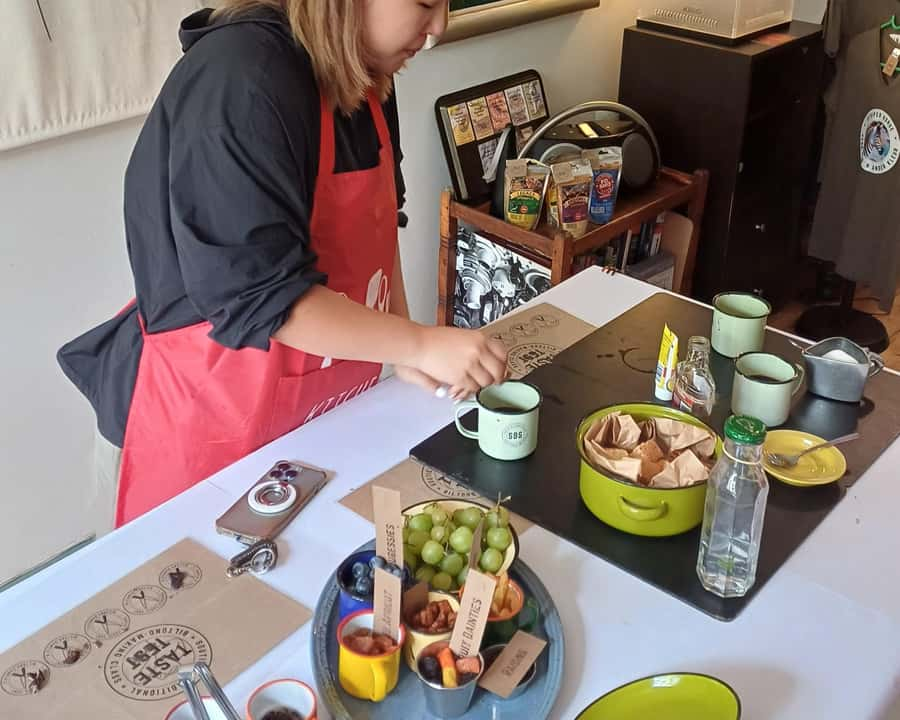
Before the biltong education begins, you settle in with a refreshing drink served in an iconic bottle. That sounds like a minor detail, but it tells you what the hosts are doing: setting an atmosphere first, then feeding you the story through food.
Then comes the snack portion. You can expect local dried fruit and preserves alongside the biltong tasting later. This matters for two reasons. First, it gives you something to enjoy while you learn. Second, it helps you pace yourself, because tasting cured meat is not like sampling potato chips. Flavors get more intense as you go.
Even if you are the type who hates “food tours” that feel rushed, this opening stage helps you slow down. It also gives you that I-am-here-for-real culture feeling, since you are eating familiar, local-style snacks rather than generic catering bites.
Where biltong culture starts: Khoisan drying to Great Trek spice
The heart of the lesson is understanding why biltong exists and how it became a South African staple. In this class, you learn about the ancient Khoisan hunter-gatherers and their air-drying methods for meat. That history is not treated like a classroom topic. It is framed as a practical survival and food-safety approach that later communities built on.
Then you connect that to the Great Trek pioneers. They added spice blends that helped biltong become the version many people recognize today, the one South Africans share and the one that eventually gained global fans.
You also get to understand that seasoning is not random. Spice choice links to flavor identity, and curing style is about technique. By the time you reach the hands-on part, you are not just copying steps. You know why the steps exist.
Biltong tastings, plus the vegan surprise
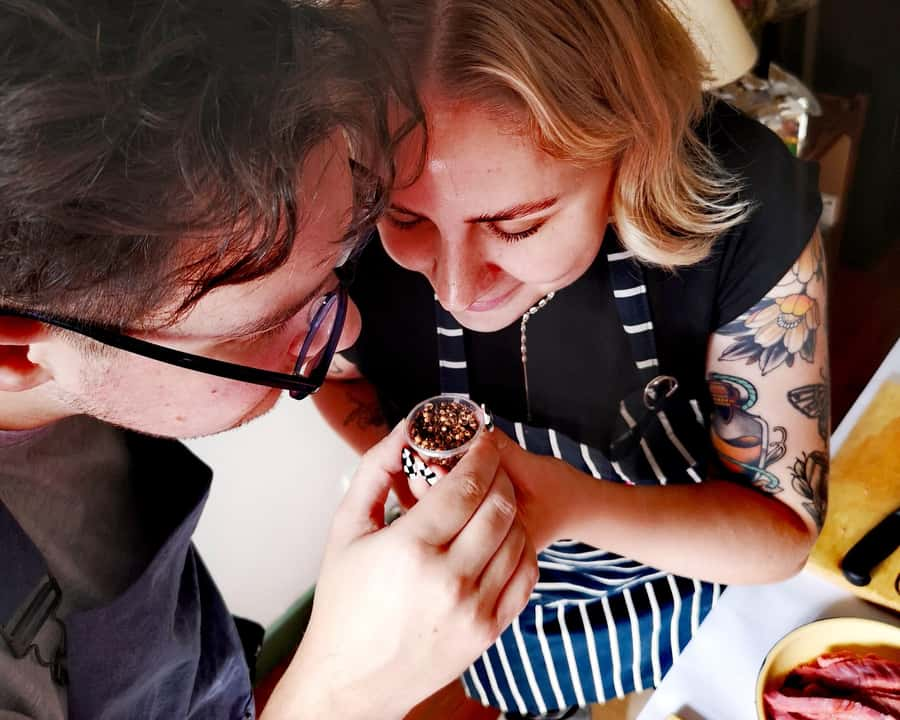
Your tasting is one of the strongest parts of the experience. You are not limited to one kind of biltong and one flavor. You get various types, which is important because biltong is not a single product. The texture, spice balance, and intensity can vary a lot depending on how it is prepared.
One standout detail you will appreciate: there is a vegan option that surprises people in a good way. Not everyone expects that to work in a cured-meat context, but it is offered here, and vegans can be accommodated by prior arrangement.
This tasting stage does more than feed you. It trains your palate. As you learn about the curing process, you start noticing what changes when spices shift and when you cure different cuts. If you are the kind of traveler who always comes home and tries to recreate meals, this is the part that actually gives you the clues.

Hands-on biltong stick making, what you learn and what to do with it
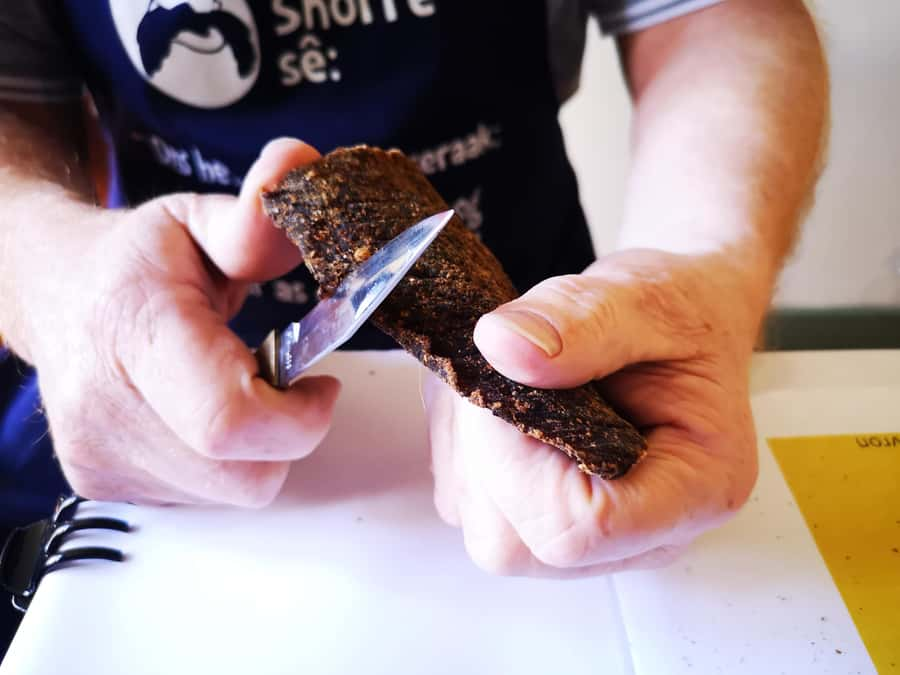
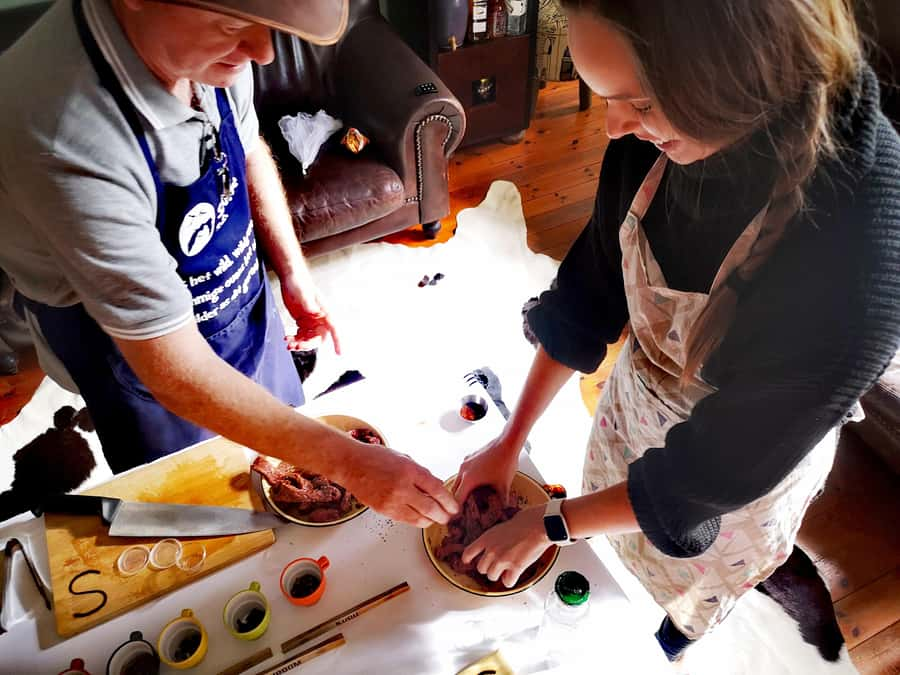
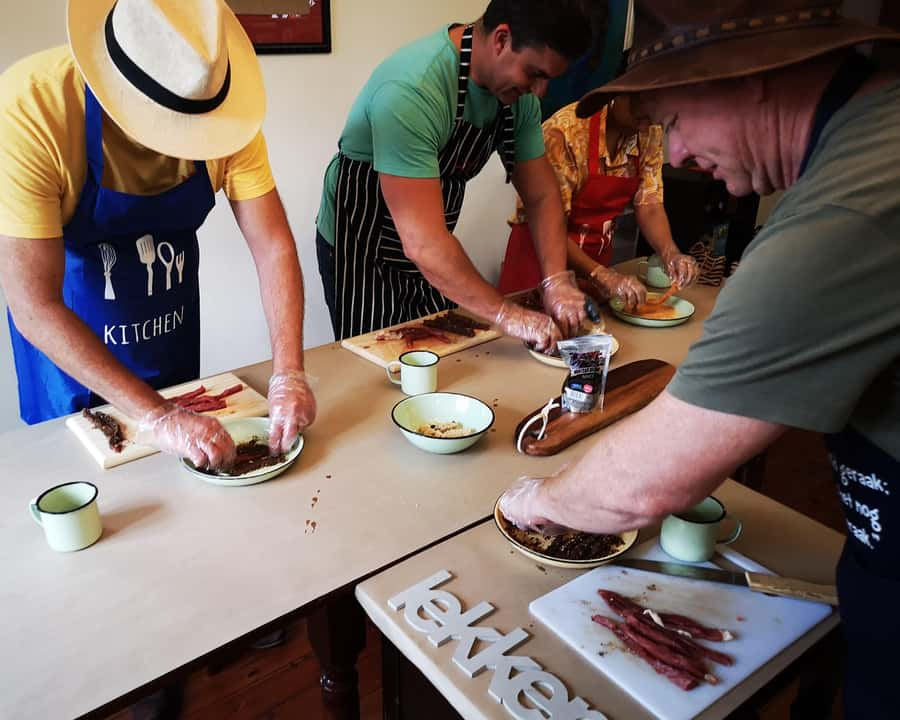
After the tasting and background story, you move into the interactive session where you prepare biltong sticks. This is where the class becomes genuinely practical.
You get equipment such as aprons and knives, plus visual aids to support what you are doing. That combination matters. You are not guessing. You are getting structured guidance while still doing the work yourself. And because the group stays small, the host can correct your technique and answer questions without making you feel rushed.
Here is what the teaching focuses on, based on the class structure:
- selecting the right cut and grade of meat
- understanding the blend of spices
- learning the overall curing and storage approach
- preparing your own biltong sticks during the interactive part
Even if you do not plan to make biltong at home, the value is in the method. You start to understand cured foods as an engineered process, not magic. You learn how flavor and safety come from control over ingredients and time.
A practical note: wear comfortable clothes and bring a camera. You will likely want photos, and you might have a little mess potential when you handle spice and prep. Also, be ready for the sensory part. The class is set up to engage the senses, smell and texture included.
Afrikaans origins, Boeremusiek, and the moerkoffie moment
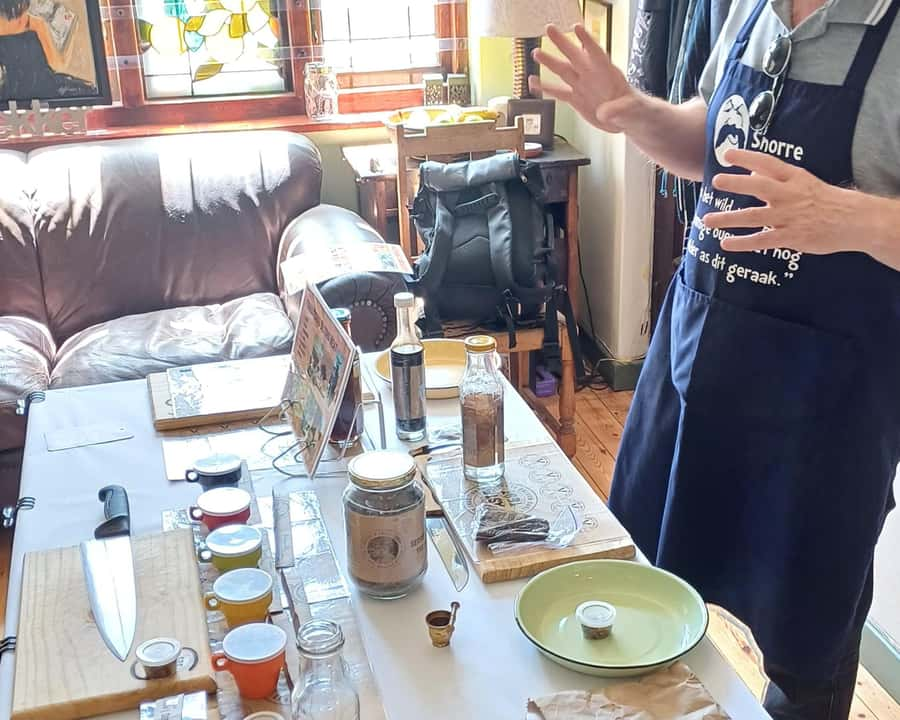
The food story is paired with Afrikaans culture in a way that feels natural, not tacked on. You learn about where Afrikaans comes from, described as a blend of European, Asian, and African languages. That language angle is a smart choice because it gives you a broader view of South Africa beyond one region or one history thread.
You also hear Boeremusiek, folk music associated with the Afrikaans community. It is not background noise. It becomes part of the atmosphere as you talk, taste, and learn typical sayings.
Then you get the coffee break: moerkoffie, a strong coffee served in a rustic tin mug. Pair that with Soutie’s homemade Karringmelkbeskuit, a buttermilk rusk. This part is more than a snack. It is a palate reset after cured meat flavors. The class understands pacing.
If you are the kind of traveler who likes “one great cultural moment,” this is it. Coffee in a tin mug feels specific and memorable, and it fits the whole room’s casual, lived-in feel.
What it costs and why the value is more than the menu
The price is $42 per person for 90 minutes. On paper, that is not a “cheap eats” deal. But you are paying for three things that are hard to replicate on your own:
- guided history and culture in one session
- tasting multiple biltong types, plus dried snacks and preserves
- the hands-on making experience with equipment, plus coffee and buttermilk rusk
Most food experiences either teach or feed. Here you get both, and the teaching is tied directly to the food you taste and make. You also get a take-home sample of biltong sticks. The class notes that you can stock up on more snacks and unique merchandise, though extra biltong or items beyond the sample are not included.
If you are trying to choose between a “drive-by tasting” and a real workshop, this is the better value. You are not just collecting bites. You are leaving with technique and a better understanding of what makes biltong taste the way it does.
How to get the best experience in 90 minutes
You will get more out of the class if you show up ready to participate. Here is what I suggest, based on how the experience is structured.
Wear comfortable clothes. You are preparing biltong sticks, and you will be in a work-and-taste environment. Bring a camera, because you will want to remember the process, not just the final snack. And bring cash, since cash is listed as something to have.
If you have dietary needs, sort them out early. Vegans can be accommodated by prior arrangement. If you have allergies, be careful. People with animal allergies should note that cats live on the property.
Finally, come with a curious attitude. The hosts share tall tales, history snippets, and classic Afrikaans sayings. When you treat it like a conversation with locals instead of a performance, the whole session gets better.
Who should book this biltong and Afrikaans class
This experience is a good match if you:
- want an authentic-feeling food class in Cape Town with a small group
- enjoy hands-on activities more than passive tours
- like cultural context, not just recipes and tasting notes
- need something that fits into a busy itinerary
It is also family-friendly in the sense that the short sessions fit different schedules, and the class notes it is accessible to all ages. Just keep the cat and allergy factors in mind.
It may not be the best choice if you need wheelchair access, because it is not suitable for wheelchair users.
Should you book Soutie’s Biltong Sticks Class?
If you want a Cape Town experience that mixes food, language, and technique without feeling commercial, I think you should book it. The biggest selling point is the combination: tasting multiple biltong types, then making your own biltong sticks with guidance, all while learning about Afrikaans origins and hearing Boeremusiek.
Choose this especially if you have limited time and you want real value per hour. It is also a solid choice if you care about cultural authenticity and small-group attention, not a large bus-tour rhythm.
Only skip or reconsider if cats or animal allergies are a problem for you, or if wheelchair access is required.
FAQ
How long is the Cape Town biltong and Afrikaans culture experience?
It lasts 90 minutes.
What is the group size?
The group is limited to 8 participants.
Is the class taught in English?
Yes, the instructor speaks English.
What is included in the price?
You get a refreshing drink, discussion of biltong history, biltong tastings, an explanation of the biltong-making process, coffee and Karringmelkbeskuit, dried fruit and preserves, an interactive session to prepare biltong sticks, equipment such as aprons and knives, and visual aids.
Can vegans participate?
Vegans can be accommodated by prior arrangement.
Will I get to make biltong sticks during the class?
Yes, there is an interactive session where you prepare biltong sticks.
What should I bring with me?
Bring a camera, comfortable clothes, and cash.
Is it suitable for wheelchair users and people with animal allergies?
It is not suitable for wheelchair users. Cats live on the property, so people with animal allergies should be cautious.
Keep going: the rest of our Cape Town write-ups
- Cape Town to Cape Point Helicopter Flight – 48Min
★ 4.2 · 3 reviews - Full Day Private Hiking Table Mountain & City
★ 5.0 · 3 reviews - Sandboarding with jeep – drive uphill
★ 5.0 · 3 reviews - Full Day Tour for Cape of Good Hope & Boat to Seals Island
★ 5.0 · 3 reviews - 10 Day South Africa Tour Joburg to Cape Town
★ 5.0 · 3 reviews - 5 Day Garden Route Small Group Tour Fr CapeTown – Departs Mondays
★ 5.0 · 3 reviews