
REVIEW · SOWETO TOURS
Apartheid Museum & Soweto Tour with Hotel Pickup
Soweto has a way of staying with you. This half-day tour links the Apartheid Museum to everyday Soweto sights, from Vilakazi Street to the FNB Stadium. I also like that the day is guided by local lived-in context, not just a checklist.
You’ll walk some streets and stand through key stops, so the main catch is comfort. Bring comfortable shoes, plus sun protection, and you’ll be in much better shape for a day that mixes museum time with neighborhood walking.
In This Review
- Key Things That Make This Tour Worth It
- How the 5 Hours in Soweto Really Feels
- Entering The Apartheid Museum: Where the Story Gets Concrete
- Diepkloof Housing and the Converted Hostels Detail
- FNB Stadium Stop: World Cup Numbers, Real Neighborhood Context
- Soweto Towers and Landmark-Spotting Like a Local
- Vilakazi Street Walk: Two Nobel Peace Prize Names in One Place
- Mandela House View From Outside and the Hector Pieterson Context
- Guides, Safety, and the Way the Day is Shaped
- Price and Value: Is $91 a Fair Deal for This 5-Hour Route?
- What to Bring, and When to Skip If You Need More Rest
- Should You Book This Apartheid Museum and Soweto Tour?
- FAQ
- How long is the Apartheid Museum and Soweto Tour with Hotel Pickup?
- What is included in the price?
- What is not included?
- Is the tour guided in English?
- What key sights will I see during the tour?
- Where does the tour walk and how much walking is involved?
- Are there rules about photos or smoking?
- Is the tour suitable for wheelchair users or people with back problems?
- Can I cancel for free or pay later?
Key Things That Make This Tour Worth It

- Apartheid Museum entry is included, so you are not hunting for tickets or timing on the day
- Hotel pickup and drop-off keeps the focus on Soweto, not Johannesburg logistics
- FNB Stadium and the 2010 World Cup Final gives you a major modern anchor point in the middle of the story
- Vilakazi Street walk ties together two Nobel Peace Prize winners, Desmond Tutu and Nelson Mandela
- Hector Pieterson Memorial stop gives context on the 1976 student uprising, without adding extra museum time
- Soweto Towers and Chris Hani Baragwanath Hospital pass-by views help you read the area like a local landmark map
Other Soweto routes we have reviewed, each with a local guide
- Johannesburg: Hop-On Hop-Off Bus with Optional Soweto Tour★ 4.6 · 985 reviews
- Soweto /Johannesburg and Apartheid Museum Guided Full Day Tour★ 5.0 · 932 reviews
- Johannesburg Hop-On Hop-Off City Tour with Soweto Option★ 4.5 · 768 reviews
- Half-Day Tour of Soweto Tour★ 4.5 · 712 reviews
How the 5 Hours in Soweto Really Feels
This is a tight, smart half-day format: you get pulled out of the city routine and into Soweto with guided stops that change the pace often enough to keep it interesting. You start with pickup from your residence, then spend the day mixing museum learning, driving through neighborhoods, and walking on one of Soweto’s most meaningful streets.
The schedule is built for seeing connections between past and present. You’ll learn about apartheid policies from 1948 to 1994 at the museum, then you’ll move through Soweto’s physical landmarks and housing changes, including what used to be migrant labor accommodation.
The walking is not endless, but it is real. You will want good shoes and basic sun and hydration prep, because you are outside at several points and the day is only 5 hours long, so there is not a lot of slack time to “take it easy.”
Entering The Apartheid Museum: Where the Story Gets Concrete
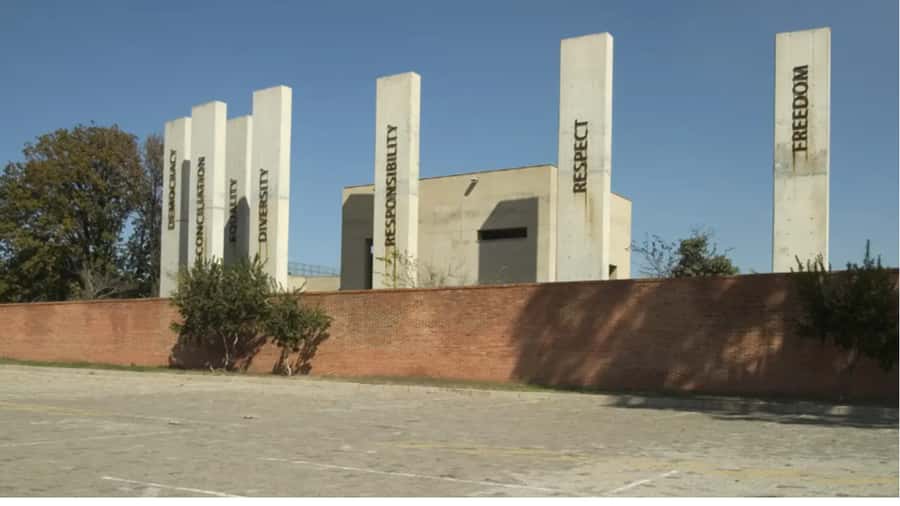
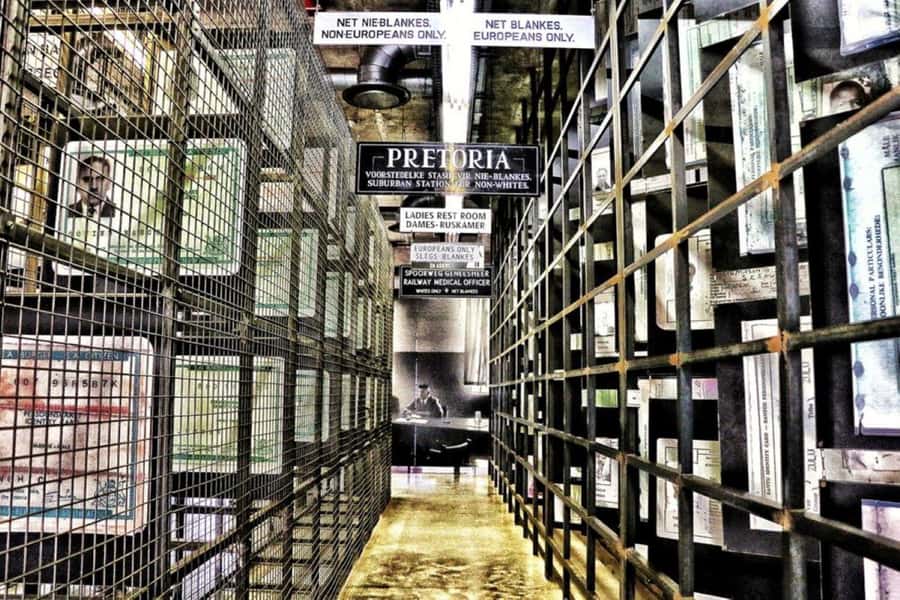
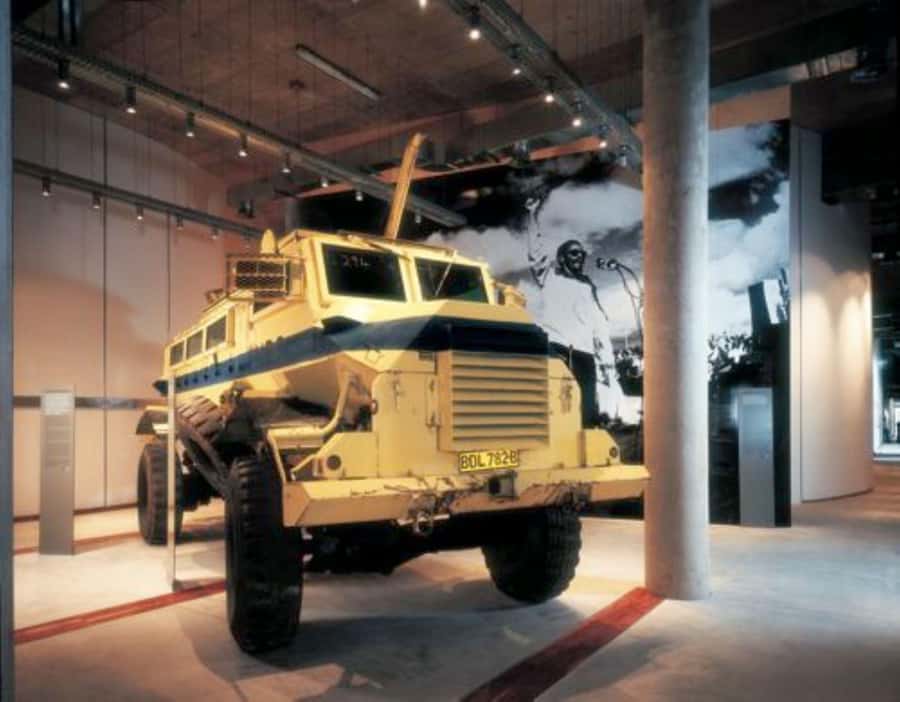
The Apartheid Museum is the heart of this tour. With entry included, you can spend your time inside absorbing the rise and fall of apartheid in South Africa instead of budgeting time and energy for a separate ticket stop. The museum focuses on segregation policies enforced from 1948 until 1994, and it is designed to help you understand what those rules meant in daily life.
Even if you already know the big historical outline, the museum tends to make the timeline feel personal and specific. You do not just hear about a system, you see how it shaped movement, access, identity, and opportunity. That matters because the rest of your day is about seeing those consequences in the places you visit afterward.
If you are sensitive to heavy topics, plan your mindset for a serious museum session. It is not a casual stop, and it deserves your attention. But it is also the most valuable part of the route, because it gives you a framework for everything you will see later in Soweto.
Diepkloof Housing and the Converted Hostels Detail
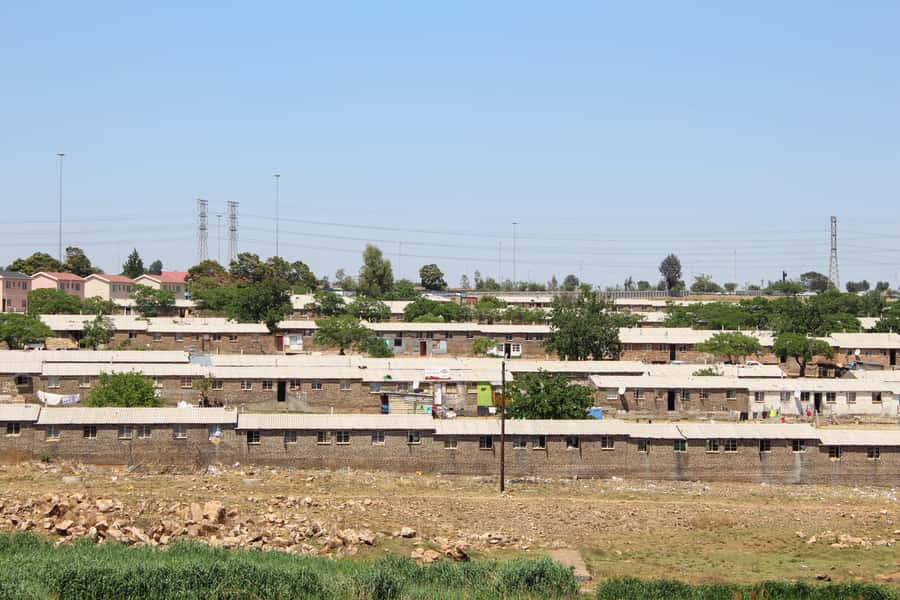
After the museum, the tour shifts into neighborhood scale. You begin the Soweto portion in Diepkloof, where you discuss differences in housing. That framing helps you understand that Soweto is not one single look or one single story, even though it is often described as a single township from the outside.
A standout moment is the pass-by look at hostels that have been transformed into family units. The tour explains they were originally migrant labor accommodation. That single detail is a powerful bridge between apartheid-era labor policy and what families navigate now, because housing shape tells you how people’s lives were organized.
You will also drive past Chris Hani Baragwanath Hospital, described as one of the largest hospitals in the world. Even from the road, it gives you a sense of scale and daily importance. It is a reminder that Soweto is not only a history lesson, it is also a place with huge local institutions serving people every day.
FNB Stadium Stop: World Cup Numbers, Real Neighborhood Context
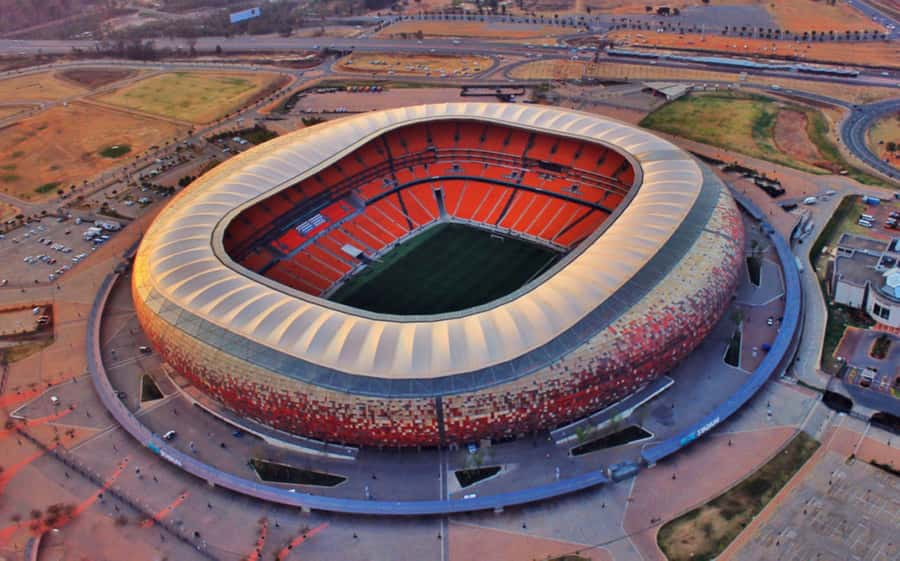
You will stop to view FNB Stadium, the venue that hosted the 2010 Soccer World Cup Final. This is a quick, visual change of gear in the day. It puts a globally recognized landmark next to Soweto’s lived reality, and that contrast helps your brain hold two ideas at once: South Africa’s global moments and its local complexities.
Why it works on this tour is simple. The museum gives you the why behind segregation and control. The stadium and surrounding view points help you notice how the country built new symbols of identity and international visibility over time.
Do not expect a long stadium tour or time inside. This stop is mainly about seeing the landmark from the outside and using it as a reference point while your guide connects it back to the bigger story of Johannesburg and South Africa.
More sites and museums that record the apartheid years
Soweto Towers and Landmark-Spotting Like a Local

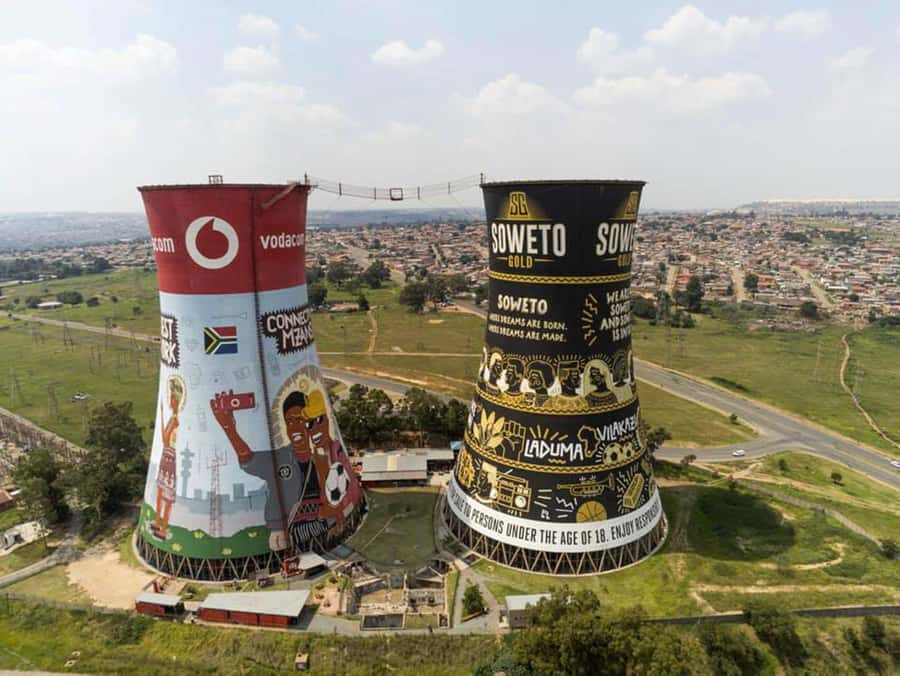
Next you will see the Soweto Towers, now a well-known landmark. Even if you only spot them from the road, the point is practical: towers are easy visual anchors, and your guide uses them to help you orient the area as you move.
That kind of landmark-spotting matters in Soweto because the township is large and the route can feel like a blur if you are not given a mental map. The towers, the hospital area, and the stadium together help you build a “where am I?” sense that lasts beyond the tour.
You are also moving through different parts of Soweto at a driving pace that makes sense for a 5-hour day. You do not get every street, but you do get guided selection. That selection is the difference between a scenic drive and a tour that teaches you something you can repeat later when you explore on your own.
Vilakazi Street Walk: Two Nobel Peace Prize Names in One Place
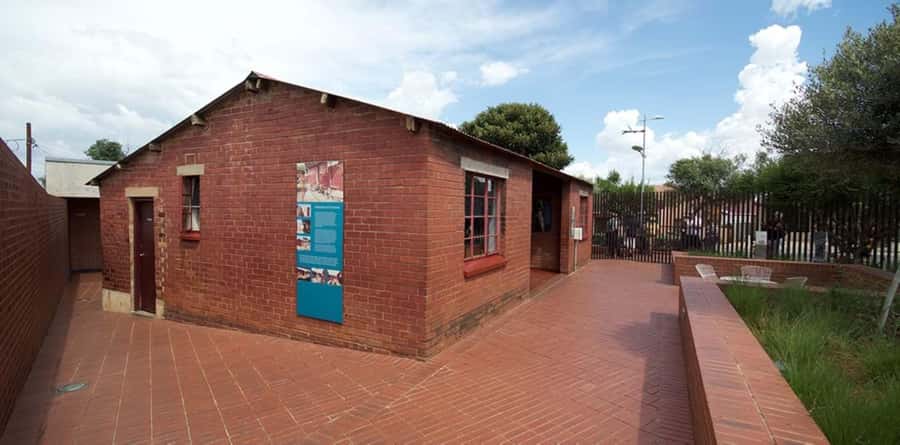
The tour’s walking highlight is Vilakazi Street, widely known as a prestigious street in the world because it was home to two Nobel Peace Prize winners: Archbishop Desmond Tutu and Nelson Mandela.
Walking here is more than a photo stop. It gives the day a human scale. You see how a location can carry meaning while still being part of everyday neighborhood life. When your guide connects the street names to the people they represent, the symbolism becomes sharper.
This is also where a strong guide can make a difference. I’ve seen how local-led tours work best when the guide brings in personal reflections, not just dates. On this tour, English guides such as Neo, Thabang, Thembo, and Tsalanang are described as Soweto locals who share firsthand perspective. If your guide is one of them, you can expect a tone that feels closer to lived experience than to textbook delivery.
Tip for the walk: keep your camera ready, but do not treat it like a frantic sprint. Take a breath, look around, and let the street story land before you move to the next stop.
Mandela House View From Outside and the Hector Pieterson Context
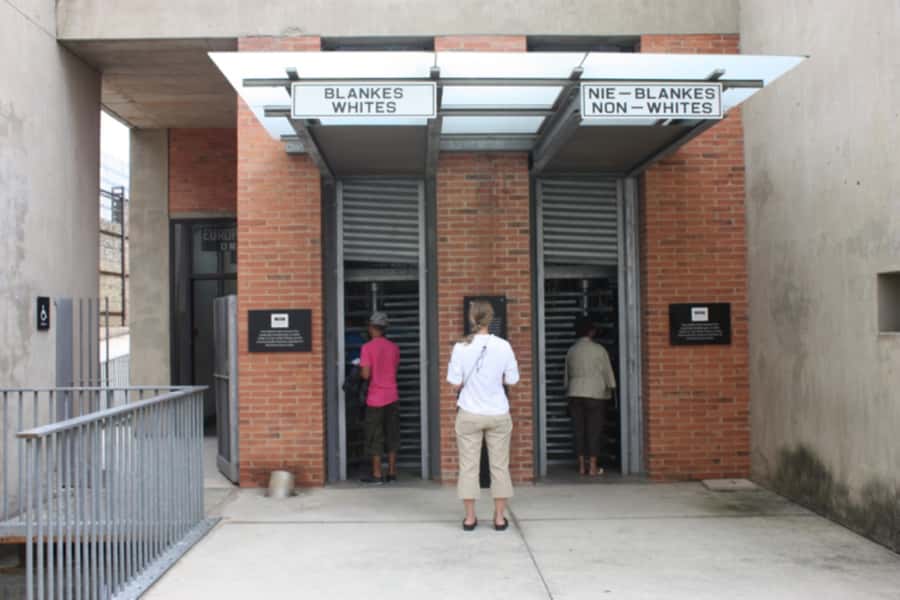
The tour includes a chance for souvenir shopping and an outside view of Mandela House. Importantly, the Mandela House Museum is not included, so if you want to go inside, you would need to arrange that separately. On this route, the house is part of the visual context, not a full museum detour.
Then comes Hector Pieterson Memorial, where you get an overview of the events of the 1976 Soweto Student Uprising. Like Mandela House, the Hector Pieterson Museum is not included, so you will likely get the history framing from the guide and the memorial setting itself, without adding another museum ticket.
For me, this structure is practical. The tour keeps you from stacking too many timed indoor stops inside 5 hours. You still leave with the core storyline of why 1976 matters, because the memorial stop is designed to anchor that memory in place.
If you are the type who loves museums and hates missing exhibits, note what is not included. You are getting context and location, not full museum coverage. That is not a flaw, but it is a choice.
Guides, Safety, and the Way the Day is Shaped
This is a live English-language guided tour, and the tone tends to matter as much as the stops. In the experience of past groups, guides like Thabang, Thembo, and Tsalanang have been singled out for sharing personal reflections from growing up and living in Soweto. That kind of framing can turn a standard history route into something you can actually understand.
Safety is handled through the structure of the day. You have pickup and drop-off, you move by vehicle between sites, and the guide keeps you oriented on where to walk and what to expect. Several guides are described as making people feel safe and comfortable, which matters a lot when you visit communities that are not theme parks.
One more point: there are rules to follow. Smoking is not allowed, and flash photography is not allowed. It’s a small list, but it helps preserve the seriousness of the places you visit.
Price and Value: Is $91 a Fair Deal for This 5-Hour Route?
At $91 per person for about 5 hours, the value comes down to what is included versus what you add on your own. You get hotel pickup and drop-off, entry to the Apartheid Museum, and bottled water. Those pieces alone cut down the two biggest tour headaches: logistics and museum timing.
You do not get meals or drinks, and you do not get souvenir credit. The Mandela House Museum and Hector Pieterson Museum are also not included. So if you plan to spend extra money on museum entries and lunch, the real cost will creep upward.
Still, the deal can be strong if you want a single guided half-day that gives you the essentials: the apartheid framework, the landmark map, and the key Soweto streets tied to famous figures. If you are short on time and want guided context without building your own route from scratch, this price makes sense.
What to Bring, and When to Skip If You Need More Rest
This tour asks for basic preparation. Bring comfortable shoes, a camera, and water. You are also advised to bring a hat and sunscreen because you spend time outside, including a walking segment.
Photo rules are straightforward: no flash photography. That usually means you are shooting with ambient light, so a phone camera and steady hands help.
The tour is not suitable for wheelchair users and is not suitable for people with back problems. It is also not for babies under 1 year. If you fall into any of those categories, you should look for an option with a more flexible walking plan or fewer outdoor segments.
Finally, plan for hunger. Meals are not included, so either eat before pickup or bring a snack if your operator allows it. At only 5 hours, you do not want low-energy delays.
Should You Book This Apartheid Museum and Soweto Tour?
I think you should book this tour if you want a guided, time-efficient way to connect apartheid history to real Soweto landmarks, including the street where Desmond Tutu and Nelson Mandela lived. The Apartheid Museum stop with included entry is the strongest reason to choose it, and the rest of the day is built to help you understand the area with context, not just sightseeing.
Skip it if you want full museum coverage at Mandela House and Hector Pieterson, because those specific museums are not included. Also consider alternatives if you have mobility limitations, since the tour includes walking and it is not listed as suitable for wheelchair users or people with back problems.
If you like local guides and you want a day that feels structured but not sterile, this one is a smart use of limited time in Johannesburg.
FAQ
How long is the Apartheid Museum and Soweto Tour with Hotel Pickup?
The tour duration is 5 hours.
What is included in the price?
Included are pick-up and drop-off at your residence, entry to the Apartheid Museum, and bottled water.
What is not included?
Meals and drinks, souvenirs, Mandela House Museum, and Hector Pieterson Museum are not included.
Is the tour guided in English?
Yes, the tour is guided in English.
What key sights will I see during the tour?
You will visit the Apartheid Museum, view FNB Stadium, drive through parts of Soweto including Diepkloof, see the Soweto Towers, walk along Vilakazi Street, view Mandela House from outside, and stop at the Hector Pieterson Memorial for an overview.
Where does the tour walk and how much walking is involved?
There is walking involved, including a walk along Vilakazi Street. You should wear comfortable shoes.
Are there rules about photos or smoking?
Smoking is not allowed, and flash photography is not allowed.
Is the tour suitable for wheelchair users or people with back problems?
No. The tour is not suitable for wheelchair users or people with back problems.
Can I cancel for free or pay later?
Yes. You can cancel up to 24 hours in advance for a full refund, and there is also a reserve now, pay later option.
Under Glass and Behind Ropes in Johannesburg
Apartheid History: Other Sites We Have Documented
Soweto: Other Guided Routes
Keep going: the rest of our Johannesburg write-ups
- Soweto Private half day tour
★ 4.5 · 3 reviews - Johannesburg’s Migration History with a local lunch
★ 5.0 · 3 reviews - Johannesburg: Soweto, Apartheid Museum, and Cradle tours
★ 4.7 · 3 reviews - Soweto Apartheid Museum and Lunch
★ 5.0 · 3 reviews - Bathongo Rhino & lion park nature reserve tour
★ 5.0 · 3 reviews - Johannesburg: Elephant and Monkey Sanctuary Half Day Tour
★ 5.0 · 3 reviews
Soweto Tours, compared.
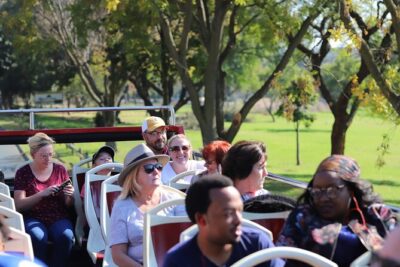 ★ 4.5Johannesburg Hop-On Hop-Off City Tour with Soweto OptionFrom $16768 reviews
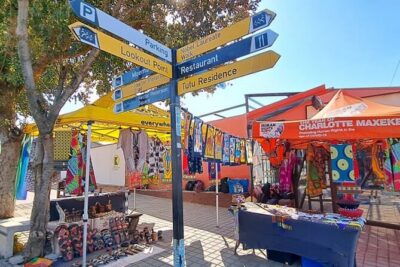 ★ 4.5Half-Day Tour of Soweto TourFrom $63712 reviews
 ★ 4.9Soweto: Walking Tour with a Local Guide and LunchFrom $43648 reviews
 ★ 4.8Jo’berg in 1 Day: Soweto, Apartheid Museum & City TourFrom $142524 reviews
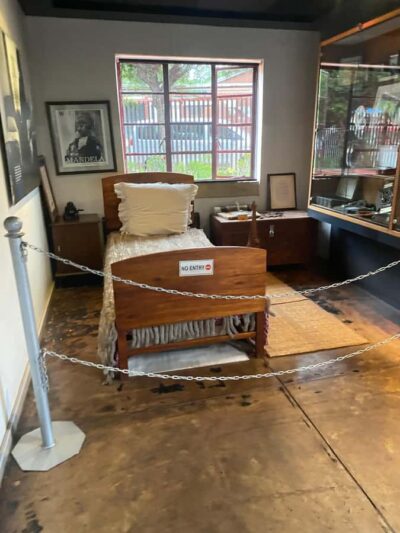 ★ 4.8Johannesburg: Full-Day Tour with Soweto and Apartheid MuseumFrom $104478 reviews
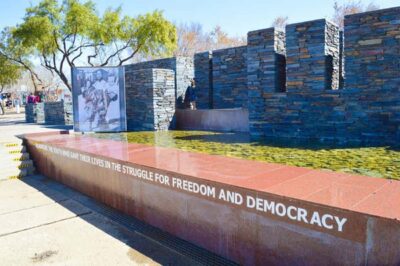 ★ 4.8Johannesburg and Soweto: Half-Day TourFrom $71439 reviews
 ★ 5.0Full-Day Soweto, Apartheid Museum and Lunch TourFrom $108410 reviews
 ★ 5.0Half Guided Day Tour of Soweto And Apartheid MuseumFrom $69356 reviews
Browse the lists this tour appears in