
REVIEW · SOWETO TOURS
Apartheid museum and Soweto. 5 hours Private tour.
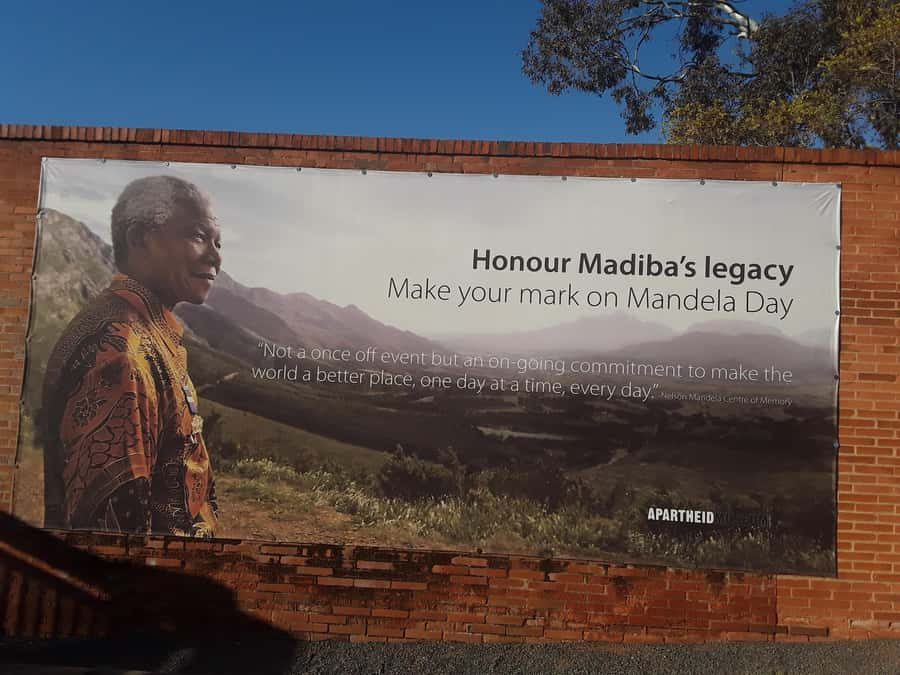
Seeing apartheid up close changes how you see South Africa. This private 5-hour tour pairs the Apartheid Museum with Soweto, so you move from exhibits about segregation to the lived reality of a township shaped by that same system. I love how the focus stays educational and human, with time for the videos and for street-level context in Soweto.
Two things I really like: first, the tour is built around clear takeaways, from how people were classified by race and color to the broader culture and heritage you encounter afterward. Second, you get that local-feeling pacing, with the guide helping you read what you’re seeing and with a chance to enjoy cultural dancers and local food and drink while you’re in Soweto.
One possible drawback to plan around is the tone. This is not a casual sightseeing day, and parts of the visit can feel heavy. Also, the Apartheid Museum is closed on Mondays and Tuesdays, so you’ll want your dates to match.
In This Review
- Key highlights to know before you go
- A One-Day, Five-Hour Plan That Puts Apartheid and Soweto Together
- Inside the Apartheid Museum: What You’ll Spend Your Time On
- Soweto and the Township Context: Learning the Place, Not Just the Sights
- Mandela’s House Photo Stop: 20 Minutes That Matter
- Hector Pieterson Museum: A Focused Half Step Into the Struggle
- Soweto’s Cultural Side: Dancers, Heritage, and Local Food Options
- Private Guide Setup: Why It Feels More Like a Lesson Than a Bus Tour
- Price and Value: Is $67 Per Person a Fair Deal?
- Practical Prep: Shoes, Passport, and Museum Rules You Must Follow
- Should You Book This Tour?
- FAQ
- How long is the private tour?
- What does the price include, and what do I pay separately?
- What days is the Apartheid Museum closed?
- What should I bring for the tour?
- Is the tour wheelchair accessible?
- Are there restrictions during the tour?
Key highlights to know before you go

- Apartheid Museum with skip-the-line entry, plus a guide to explain what you’re seeing
- Soweto focus on how segregation shaped daily life, not just dates on a page
- Short, timed stops like Mandela’s House photo time and the Hector Pieterson Museum visit
- English live guide and a private group format, so you can ask questions
- Cultural dancers and chances for local food and drink, with food not included
- Pickup and drop-off in multiple Johannesburg areas, so you do not have to sort local transport
Other Soweto routes we have reviewed, each with a local guide
- Johannesburg: Hop-On Hop-Off Bus with Optional Soweto Tour★ 4.6 · 985 reviews
- Soweto /Johannesburg and Apartheid Museum Guided Full Day Tour★ 5.0 · 932 reviews
- Johannesburg Hop-On Hop-Off City Tour with Soweto Option★ 4.5 · 768 reviews
- Half-Day Tour of Soweto Tour★ 4.5 · 712 reviews
A One-Day, Five-Hour Plan That Puts Apartheid and Soweto Together
This tour is designed as a tight loop: you start with pickup around Johannesburg, then you move into the core sites that explain apartheid and show you where that system played out. The day is only about five hours, so it is not built for slow wandering, but it does give you enough time to learn and then make sense of the place.
You’ll likely see a city view along the way, described as the beautiful view of the city of Gold. That matters because it gives you a baseline before the emotional weight starts. Then the day shifts into history, videos, and direct explanations from your guide.
If you want a day that feels organized, private, and focused, this format fits well. If you want a long, photo-heavy marathon with lots of optional add-ons, you may feel a bit rushed.
Inside the Apartheid Museum: What You’ll Spend Your Time On
The Apartheid Museum is where the tour gets serious, and it is the main reason to book. You’ll go through the exhibits with your guide’s help, learning how apartheid worked and how people were classified by race and color. The goal is not just memorizing facts, it is understanding the system’s impact on real lives.
Plan to spend time watching videos during the visit. The descriptions for this tour emphasize that those clips bring you back to the reality of those horrible days, and that is exactly what changes the experience. When a guide pauses to explain context, the same footage can turn into something you actually understand, instead of just something you watch.
A practical note: because you are doing a museum plus Soweto in one day, you should come in with comfortable shoes and a camera ready, but also with the mindset that some moments will be reflective rather than photo-friendly.
Soweto and the Township Context: Learning the Place, Not Just the Sights
Soweto is a township, and your guide frames it as an area allocated during the segregation era for black residents. That is the foundation you need before you start noticing the details around you. Once you have that context, the streets and landmarks stop looking like random points on a map.
Your time in Soweto includes learning the history, heritage, and culture of the area, including the presence of different cultural groups from across South Africa. You will also get chances to experience the culture in a more direct way, including cultural dancers, which is a nice counterweight to the museum’s heavy tone.
Soweto is also connected to key anti-apartheid sites and activists, and the tour description specifically calls out places such as the Mandela museum, Regina Mundi Church, Walter Sisulu Square of dedication, Bara Hospital, Orlando towers, and the Hector Peterson memorial. Your guide can help you place these landmarks in the story, even if you do not cover every single one with entry fees today.
The best part is the perspective shift. You start the day thinking about segregation as a system, and you end with a clearer sense of how people fought back and how the community lives with that history now.
Mandela’s House Photo Stop: 20 Minutes That Matter
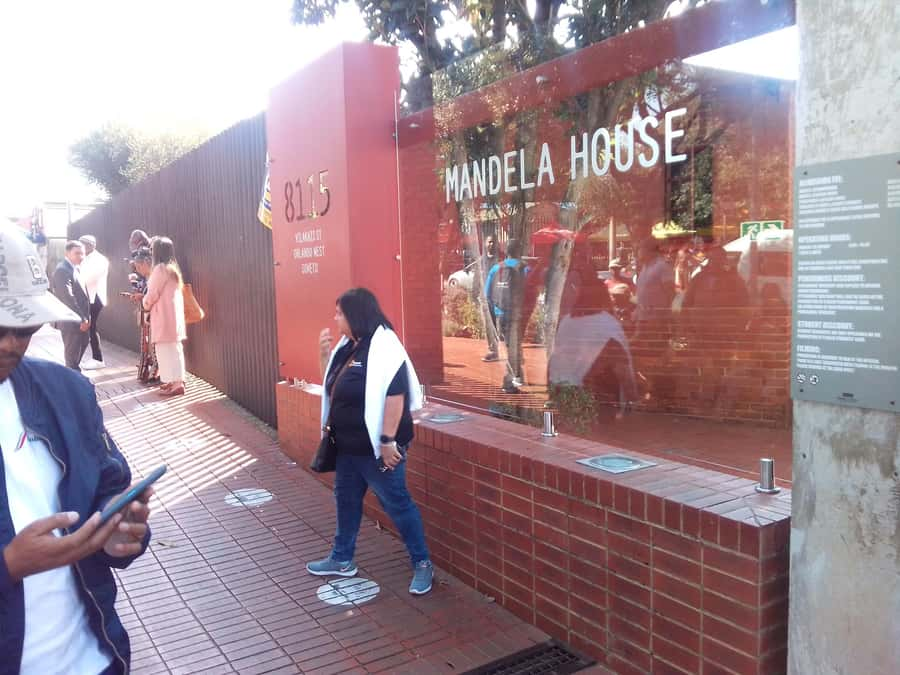
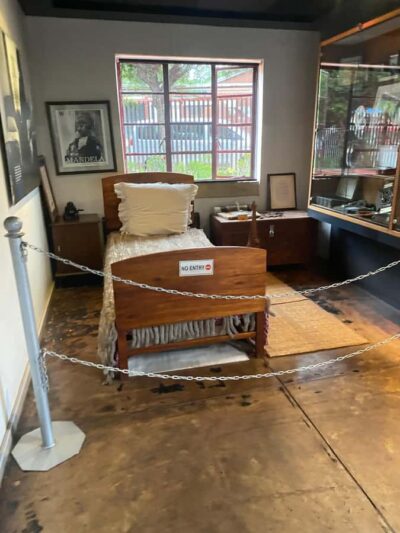
You get a photo stop at Mandela’s House for about 20 minutes. It is short, but that is often the right amount of time for a place like this. The key value here is what your guide can point out while you’re there, turning a simple photo moment into something you understand.
Because the stop is limited, do your prep before you get out of the vehicle. Have your camera out if you want a few quick shots, and keep your attention on the guide’s explanations instead of treating it like a photo shoot.
The drawback of a short stop is obvious: you cannot linger. But if you are doing the whole day with the museum and Soweto, a fast Mandela moment can actually help you stay on track.
More sites and museums that record the apartheid years
Hector Pieterson Museum: A Focused Half Step Into the Struggle
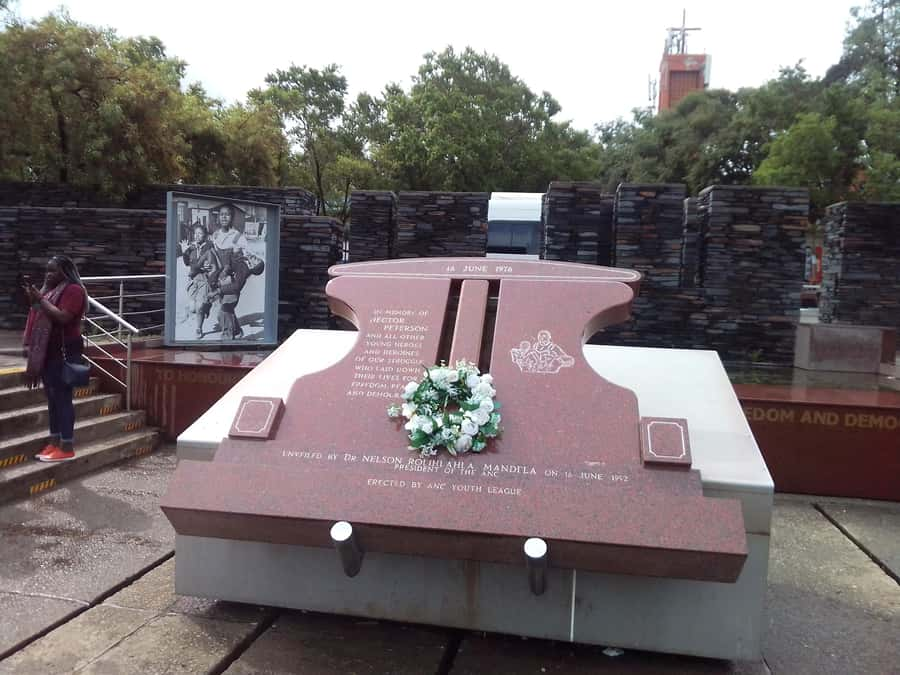
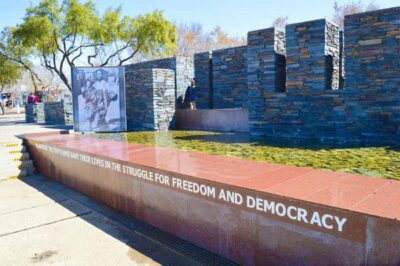
The tour includes a visit to the Hector Pieterson Museum with about 30 minutes of sightseeing time. That stop is important because it anchors the story in a specific memorial and a specific moment in South African history.
You’ll also have entry fees covered for the Hector Peterson memorial, so you do not have to plan extra spending for that portion. The time window is not long, so you want to watch for what your guide emphasizes. Often, the most powerful part of a short museum visit is learning what to pay attention to first, then using that lens while you move through the exhibits.
If you tend to want a lot of reading time in museums, you might feel the pace. In that case, I suggest picking up the main themes from your guide and saving your deeper self-guided exploration for a return trip.
Soweto’s Cultural Side: Dancers, Heritage, and Local Food Options
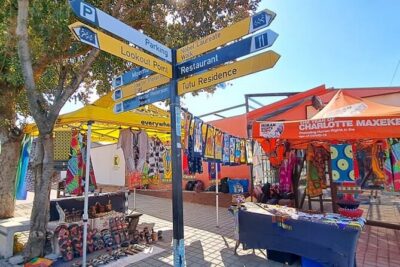
One of the highlights listed for the tour is the chance to enjoy cultural dancers in Soweto. That is more than entertainment. For me, it helps balance the day so it does not become only about suffering and institutions. You see culture living, not just history displayed.
The tour also mentions local food and drink. Just be clear: food is not included in the price. That means you’ll want some cash or card ready for snacks or a meal, especially if you have dietary needs. The practical upside is that you can choose what you actually want, rather than being stuck with a standard lunch.
If you hate shopping or detours, this could still work for you. The cultural side is framed as part of the experience, and the tour does not advertise a heavy commercial stop.
Private Guide Setup: Why It Feels More Like a Lesson Than a Bus Tour
This is a private group tour with a live guide in English. In real life, that means you get a smoother conversation flow. Instead of squeezing your questions into random gaps, you can ask what something means as you see it.
The reviews also underline the quality of the guiding experience. Guides such as Pile and Lutendo are specifically praised for being kind, helpful, and very strong on South Africa’s story and context. That matters because the day covers sensitive history, and you want a guide who can explain clearly without making it feel mechanical.
You also get transport included, which keeps the day from turning into a logistics puzzle. Pickup is offered across areas like Melrose, Lanseria, Midrand, Auckland Park, Rosebank, O.R. Tambo, Bryanston, Fourways, Rivonia, and Sandton, with matching drop-off options. If you are staying in one of those zones, the convenience is real.
One small but important detail: your guide gives instructions on what to follow during the visit. Stick to that. It keeps the day respectful and smooth, especially in museums.
Price and Value: Is $67 Per Person a Fair Deal?
At about $67 per person for a 5-hour private tour, the value comes down to what you get included. You get entry fees for the Apartheid Museum and the Hector Peterson memorial, guiding fees, transport, and one bottle of water.
What’s not included is also clear: food, entry fees to Mandela’s House (not listed as included), Orlando towers, and snacks. That means you can end up paying extra if you want to add more sites beyond what the tour covers.
Here’s how I think about it: this price can be very fair when you factor in paid museum access plus a guide who helps you understand the exhibits. You are not just buying a ride, you are buying context. If you try to do this on your own without a guide, you might save money upfront, but you’ll likely lose the sense-making part, which is the whole point of a day like this.
Practical Prep: Shoes, Passport, and Museum Rules You Must Follow
Come ready for a day that mixes museum time and time in Soweto. Wear comfortable shoes. You will be on your feet enough that sore feet can steal attention from learning.
Bring your passport. A passport copy is accepted, and you’ll also want your camera. Credit card and cash are useful since food and drinks are not included, and you might want to purchase something on the spot.
There are also clear rules:
- No alcohol or drugs.
- No explosive substances.
- No alcoholic drinks in the vehicle.
- Keep noise to a minimum.
Those rules matter because the day includes serious memorial and museum spaces. If you go in with a respectful mindset, you’ll feel more comfortable and you’ll also get more out of your guide’s explanations.
Finally, plan your dates around opening hours. The Apartheid Museum is closed on Mondays and Tuesdays. If your schedule puts you there on one of those days, this specific plan will not work as described.
Should You Book This Tour?
I’d book it if you want a focused introduction to apartheid and Soweto in one organized, private day. It is a good fit for first-timers who want structure, clear guidance, and a learning-first route, not a random grab-bag of stops. The combination of the Apartheid Museum with Soweto context is the key reason to consider it.
I would skip or rethink it if:
- You need lots of flexible time to wander and linger.
- You dislike emotional history and heavy subject matter.
- Your dates fall on Monday or Tuesday because of the museum closure.
- You are looking for food and extra site entries to be included, since those are not part of the package.
If you do book, bring comfy shoes, keep your schedule tight, and lean into the guide’s explanations. That is where the day becomes more than sightseeing.
FAQ
How long is the private tour?
The tour is about 5 hours.
What does the price include, and what do I pay separately?
Included are entry fees to the Apartheid Museum and the Hector Peterson memorial, guiding fees, transport, and one bottle of water. Not included are food, entry fees to Mandela’s House, Orlando towers, and snacks.
What days is the Apartheid Museum closed?
The Apartheid Museum is closed on Mondays and Tuesdays.
What should I bring for the tour?
Bring your passport, passport copy if needed, comfortable shoes, a camera, and personal medication. Credit card and cash can also be helpful.
Is the tour wheelchair accessible?
Yes, the tour is wheelchair accessible.
Are there restrictions during the tour?
Yes. Alcohol and drugs are not allowed, explosive substances are not allowed, alcoholic drinks are not allowed in the vehicle, and you should not make noise.
Under Glass and Behind Ropes in Johannesburg
Apartheid History: Other Sites We Have Documented
Soweto: Other Guided Routes
Keep going: the rest of our Johannesburg write-ups
- Soweto Private half day tour
★ 4.5 · 3 reviews - Johannesburg’s Migration History with a local lunch
★ 5.0 · 3 reviews - Johannesburg: Soweto, Apartheid Museum, and Cradle tours
★ 4.7 · 3 reviews - Soweto Apartheid Museum and Lunch
★ 5.0 · 3 reviews - Bathongo Rhino & lion park nature reserve tour
★ 5.0 · 3 reviews - Johannesburg: Elephant and Monkey Sanctuary Half Day Tour
★ 5.0 · 3 reviews
Soweto Tours, compared.
 ★ 4.5Johannesburg Hop-On Hop-Off City Tour with Soweto OptionFrom $16768 reviews
 ★ 4.5Half-Day Tour of Soweto TourFrom $63712 reviews
 ★ 4.9Soweto: Walking Tour with a Local Guide and LunchFrom $43648 reviews
 ★ 4.8Jo’berg in 1 Day: Soweto, Apartheid Museum & City TourFrom $142524 reviews
 ★ 4.8Johannesburg: Full-Day Tour with Soweto and Apartheid MuseumFrom $104478 reviews
 ★ 4.8Johannesburg and Soweto: Half-Day TourFrom $71439 reviews
 ★ 5.0Full-Day Soweto, Apartheid Museum and Lunch TourFrom $108410 reviews
 ★ 5.0Half Guided Day Tour of Soweto And Apartheid MuseumFrom $69356 reviews
Browse the lists this tour appears in