
REVIEW · DESSERT TOURS
AFRIKOA Bean-to-Bar Chocolate Experience
Chocolate starts as beans, not candy. This AFRIKOA session takes you through the full craft cycle. I like that it is focused and hands-on, with live bean-to-bar making plus chocolate sampling in one short stop. You also get a clear sense of how their single-origin Tanzanian cacao turns into flavor you can recognize.
What I really love is the structure: you get the process in 12 steps, from fermenting and drying through roasting, grinding, refining, conching, and tempering. You are not just tasting, you are learning what those stages mean for the final bar.
One possible drawback: 30 minutes can feel tight if you want deeper, slower explanations or extra tastings. If that is you, plan to shop for your favorites afterward and read labels carefully.
In This Review
- Quick take on AFRIKOA’s bean-to-bar chocolate experience
- A 30-minute session that teaches you how chocolate is made
- Where to go: Store G11 in Makers Landing
- The 12 steps, from fermenting to tempering
- Fermenting and drying: where the bean flavor starts forming
- Roasting and grinding: turning beans into chocolate base
- Refining and conching: smoothing and polishing
- Tempering: making the final texture behave
- Why their Tanzanian single-origin cacao matters for what you taste
- What you actually get to do: live making plus sampling
- The sustainability and ethics angle, without the lecture voice
- What to buy after: unique products and easy gift wins
- Practical timing: fit it into your Western Cape day
- Who should book this, and who might feel underfed
- Price and value: $13 for a craft process, plus tasting
- Should you book AFRIKOA’s Bean-to-Bar Chocolate Experience?
- FAQ
- How long is the AFRIKOA bean-to-bar experience?
- Where do I meet for the session?
- What days and times are sessions available?
- Is the experience wheelchair accessible?
- What language is the session taught in?
- What is included in the price?
- Can I buy products after the session?
- Is alcohol allowed during the experience?
- Is this experience suitable for children?
- Are there any closure dates I should know about?
Quick take on AFRIKOA’s bean-to-bar chocolate experience
- A full 12-step process covered in a compact 30 minutes, from ferment to temper
- Live product-making so you see chocolate being crafted, not just explained
- Single-origin Tanzanian heirloom cacao that helps you compare flavor characteristics
- A guided tasting that pairs learning with samples you can actually taste
- Good gift options in the shop, since you can pick up unique chocolate and products after the session
- Friendly, high-energy hosting that keeps the pace moving without feeling rushed
Still weighing it up? These Cape Town trips are the ones our readers open next.
- Wine Tour: Paarl, Franschhoek & Stellenbosch incl 3 wineries★ 5.0 · 3,940 reviews
- Cape Town: Hop-On Hop-Off Bus Tour with Optional Cruise★ 4.8 · 3,929 reviews
- Cape Town: Cape of Good Hope & Penguins Day Tour with Pickup★ 4.7 · 3,362 reviews
- Zipline Cape Town – From Foot of Table Mountain Reserve★ 5.0 · 3,179 reviews
A 30-minute session that teaches you how chocolate is made
If you are in the Western Cape and you want something chocolate-focused that does not eat your whole day, this is a strong choice. The session is 30 minutes, and you walk away understanding the key turning points in bean-to-bar making. At $13 per person, it is priced like a short experience, not a long workshop, so the value comes from concentration, not time.
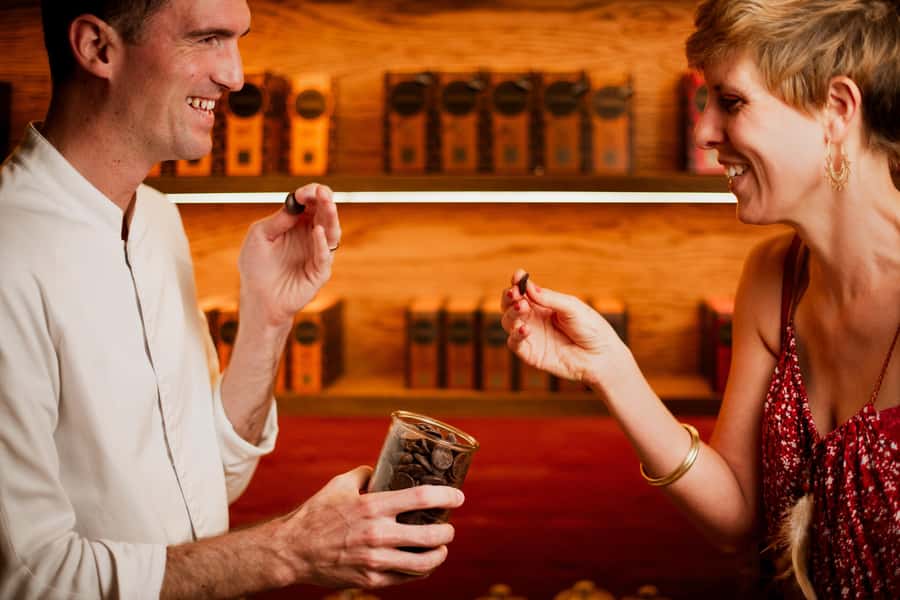
I also like that the lesson does not feel purely theoretical. You are shown the process stages, then you get to sample the chocolate. That combination matters, because chocolate can taste “complex” in a general way, but it becomes easier to notice patterns when you know what happened to the beans.
And yes, 30 minutes means it is not a slow, sit-down course. If you want a lot of extra comparisons, plan to spend a few minutes in the shop after, reading product descriptions and choosing what pulls you in.
Where to go: Store G11 in Makers Landing
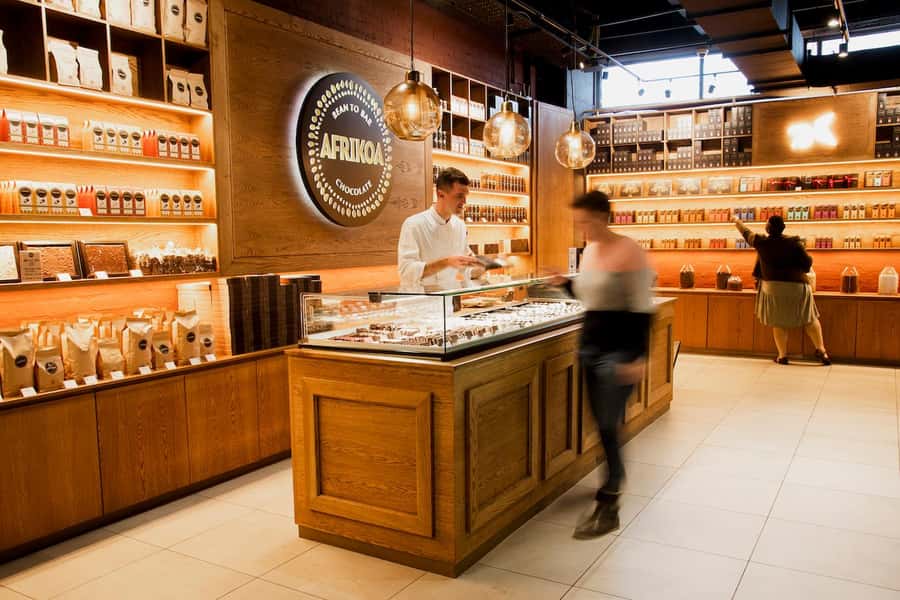
You meet at the AFRIKOA store at G11 in Makers Landing. The practical trick is simple, follow the chocolate smell. That is actually helpful because Makers Landing is the kind of place where a quick “I missed the entrance” moment can waste time.
Hours are Wednesday to Sunday from 10:00 am to 3:00 pm, with the last booking at 3:00 pm. So when you are building your day, treat it like a mid-morning to afternoon activity, not an evening plan. Closed dates are 25 and 26 December and 1 January, so check the calendar if you are visiting around holidays.
The 12 steps, from fermenting to tempering
This is the core of the experience. You get the journey of making chocolate through fermenting, drying, roasting, grinding, refining, conching, until tempering. The session presents it as a 12-step story, which helps because bean-to-bar can sound like a blur of technical words if you do not see how they connect.
Here is how to think about those stages as you watch them.
Fermenting and drying: where the bean flavor starts forming
Fermenting is the step that begins shaping the bean’s potential flavor. Drying then stabilizes what the bean developed during fermentation. Even if you cannot smell every chemical change, you can understand this part as the foundation, because the rest of the process is working with what fermentation and drying made possible.


Roasting and grinding: turning beans into chocolate base
Roasting is where flavor gets deeper and more “chocolate-like.” After that, grinding reduces the particles and moves you toward a smoother cocoa mass. When you see these stages explained in sequence, you start understanding why different origins and different processing choices taste different.
Refining and conching: smoothing and polishing
Refining helps create a finer texture, while conching is often described as a time for flavor to settle and the chocolate to become more cohesive. You may not get a chemistry lecture, but you will leave with a mental model of why “smooth” is not just about how it looks. It is tied to how the chocolate was treated after roasting and grinding.
Tempering: making the final texture behave
Tempering is the step that sets the chocolate for that satisfying snap and stable mouthfeel. You see it as the finishing move, the part that connects process to what you feel when you bite.
Why their Tanzanian single-origin cacao matters for what you taste
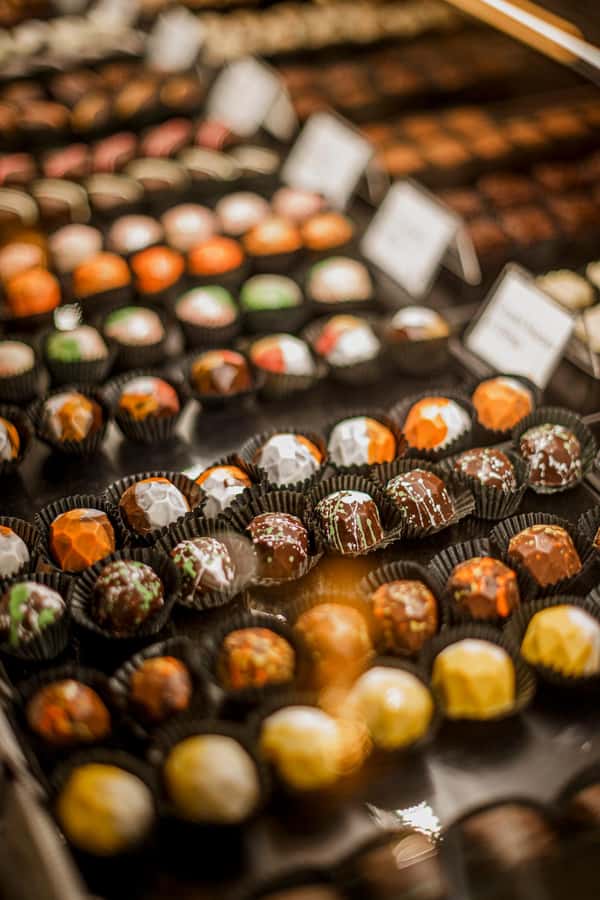
AFRIKOA focuses on single-origin chocolate, meaning the cacao comes from a specific region of Tanzania. They also mention heirloom cacao beans sourced directly from Tanzanian farmers. That is not just marketing language. It gives you a clearer tasting “reference point.”
Here is the practical way to use that information. If you taste one bar and then another from a different origin, single-origin labeling makes it easier to connect flavor differences to the cacao itself, instead of guessing whether the chocolate also changed because of different sourcing. It is one of the simplest ways to train your palate without doing complicated homework.
You can also look at this as a transparency choice. They are emphasizing where the beans come from and how the process is handled, which aligns with their stated focus on sustainability and ethical practices.
What you actually get to do: live making plus sampling
The experience is built around two moments: watching the crafting process and tasting the chocolates. The included portion covers the journey from fermenting and drying through roasting, grinding, refining, conching, to tempering, and then you sample their cherished chocolates.
This is a good setup for people who learn best by mixing senses. You can listen to explanations, but tasting gives you a “data point” in your mouth. That turns the lesson from a story you heard into something you can recall later when you are comparing bars at home.
A practical tip for tasting: go in with one simple goal. Instead of trying to identify dozens of flavors, focus on whether the chocolate feels more fruity, more roasty, more nutty, or more mellow. With only 30 minutes, a simple approach keeps you from getting overwhelmed.
The sustainability and ethics angle, without the lecture voice
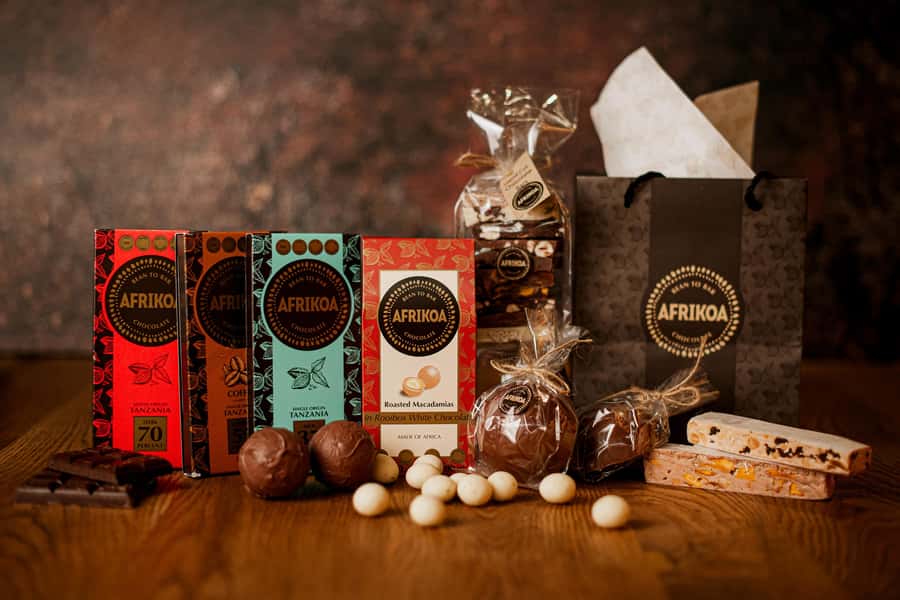
AFRIKOA frames the bean-to-bar movement around sustainability, transparency, and ethical practices. You do not need to know every term to appreciate why this matters.
If cacao is carefully sourced and processed, it often leads to better consistency and better traceability. Transparency also helps you trust what you are buying, because you know the origin and the approach behind the bar, not just the front-of-package claims.
And this matters in real life. When you buy chocolate as a gift, people remember the story you can tell. Even a short story like Tanzania, heirloom cacao, and a step-by-step process makes your gift feel personal.
What to buy after: unique products and easy gift wins
Yes, additional products are available for purchase. That is where your tasting turns into choices.
Because you learn how the bars are made, you can shop with intent. Look for products that match the kind of flavor you liked during sampling. If you enjoyed something that tasted fuller and roasted, lean toward darker, traditional profiles. If you liked something that felt lighter or fruit-forward, seek bars that emphasize that style.
This is also a good time to pick up gifts for family and friends. Chocolate is portable, and bean-to-bar products usually feel more “special” than mass-produced candy bars, especially when you can point to single-origin sourcing and a clear manufacturing process.
Practical timing: fit it into your Western Cape day
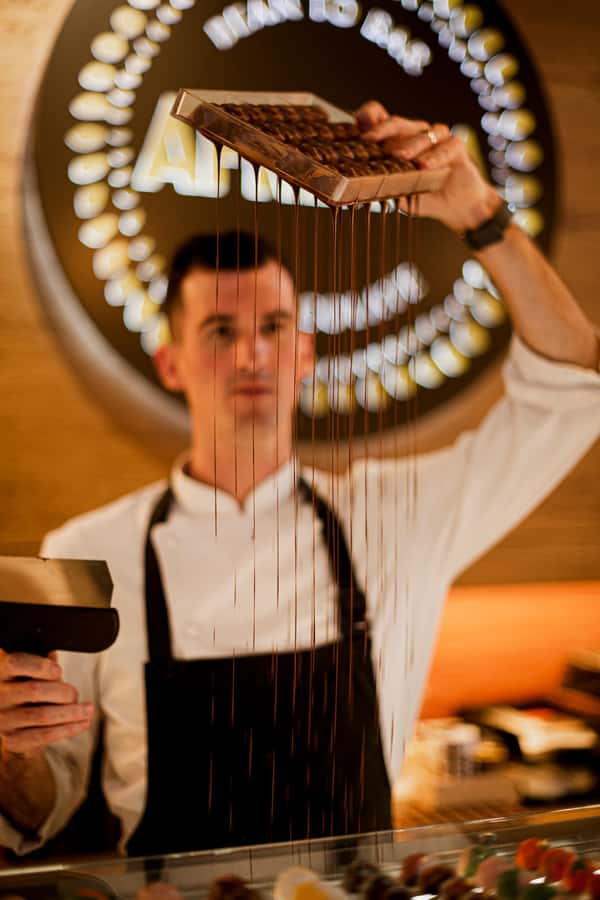
This is easiest to schedule in the window of 10:00 am to 3:00 pm, Wednesday to Sunday. The last booking is at 3:00 pm, so if you show up late, you may miss the final session.
The duration is short, so it fits well alongside other Makers Landing stops or a light afternoon itinerary. Just remember you need enough time afterward to browse. If you only do the tasting and leave immediately, you might miss the chance to turn what you liked into an actual purchase.
Also note: the experience is in English, and you should avoid alcohol or drugs during the session. (If you are trying to plan around other activities, treat this like a focused food experience, not a party.)
Who should book this, and who might feel underfed
This experience is a strong match if you:
- love learning through food, not through long lectures
- want to understand bean-to-bar steps in a way that connects to taste
- are specifically interested in cacao from Tanzania and want single-origin clarity
- like the idea of bringing home gifts with a real story
It is not suitable for children under 7 years. It is wheelchair accessible, so it is designed to be reachable for people with mobility needs.
The big “consideration” for many people is the time. Some people finish feeling satisfied, others want more depth. If you are the kind of chocolate person who can spend hours comparing notes, you may want to pair this with extra browsing or another food stop the same day.
Price and value: $13 for a craft process, plus tasting
At $13 per person, you are paying for two things: a step-by-step craft walkthrough and the chance to sample chocolate. In a short 30-minute format, the value is in efficiency, because you are not paying for time spent waiting or for a long show.
Think of it like a “starter course” that helps you shop smarter afterward. If you leave unable to describe how fermenting, roasting, conching, and tempering connect to what you taste, the session did not do its job. But when the process is laid out clearly and paired with tasting, you get immediate payoff.
Should you book AFRIKOA’s Bean-to-Bar Chocolate Experience?
If you are visiting the Western Cape and want a compact, craft-focused activity, I would book it. You get live bean-to-bar making, a clear 12-step overview, and included sampling, all for a price that does not require a full half-day commitment.
I would skip it only if you are chasing a long, slow tasting evening, or if you need a deep technical class without time limits. Otherwise, this is a smart stop for people who like honest food education, good smells, and chocolate you can buy with confidence.
FAQ
How long is the AFRIKOA bean-to-bar experience?
The experience lasts 30 minutes.
Where do I meet for the session?
Meet at the AFRIKOA store in Makers Landing, at G11. You can follow the smell of chocolate.
What days and times are sessions available?
Sessions run Wednesday to Sunday, between 10:00 am and 3:00 pm. The last booking is at 3:00 pm.
Is the experience wheelchair accessible?
Yes, it is wheelchair accessible.
What language is the session taught in?
The instructor speaks English.
What is included in the price?
You get the chocolate-making journey from fermenting to tempering, plus tasting and sampling their chocolates.
Can I buy products after the session?
Yes. Additional products are available to buy, but they are not included in the experience price.
Is alcohol allowed during the experience?
No. Alcohol and drugs are not allowed.
Is this experience suitable for children?
It is not suitable for children under 7 years.
Are there any closure dates I should know about?
Yes. It is closed on 25 and 26 December and 1 January.
Keep going: the rest of our Cape Town write-ups
- Cape Town to Cape Point Helicopter Flight – 48Min
★ 4.2 · 3 reviews - Full Day Private Hiking Table Mountain & City
★ 5.0 · 3 reviews - Sandboarding with jeep – drive uphill
★ 5.0 · 3 reviews - Full Day Tour for Cape of Good Hope & Boat to Seals Island
★ 5.0 · 3 reviews - 10 Day South Africa Tour Joburg to Cape Town
★ 5.0 · 3 reviews - 5 Day Garden Route Small Group Tour Fr CapeTown – Departs Mondays
★ 5.0 · 3 reviews
Dessert Tours, compared.
 ★ 5.0Full-Day Chocolate, Cheese, Olive and Wine Tour from StellenboschFrom $14113 reviews
 ★ 3.5The Art of Chocolate Making Bean-To-Bar Experience in Cape TownFrom $106 reviews
 ★ 4.0Full-Day Chocolate Cheese Olive and Wine Tour from FranschhoekFrom $1025 reviews
 ★ 5.0Cape Town Dessert Thrill: 4×4 Dune VentureFrom $493 reviews
Browse the lists this tour appears in