
REVIEW · CITY TOURS
African Food and Storytelling Tour Cape Town City Centre
Cape Town tastes better when you walk. This tour links African food with the city’s public spaces and the people running small businesses, including how gentrification changes what you see. I love the two warm shared meals and the way the guide turns quick stops into stories you can taste. One possible drawback, it moves through a lot of walking in a short window.
I also like the small group size, max 10 people, which makes it easier to ask questions and actually hear the food stories. You’ll eat at places that feel like they’re part of local life, not a stage set, from community kitchens to hole-in-the-wall spots. You should plan for a casual pace that still keeps you moving.
You start on Church Square at the statue of Jan Hendrik Hofmeyr, and you finish on foot at Greenmarket Square near all the action. It runs about 2 to 3 hours, with eight stops, and it includes three food moments: two warm shared meals and one snack tasting with warm and cold drinks.
In This Review
- Key things that make this tour worth your time
- Where African food meets Cape Town’s city center
- Church Square start, meet your guide, then settle your appetite
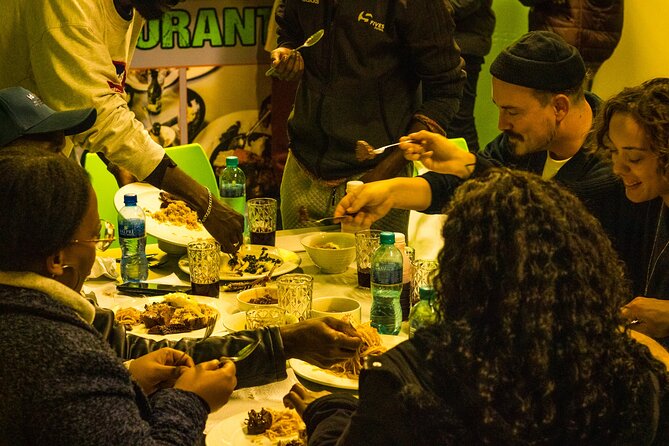
- Somali food culture at the first warm meal
- Old Post Office and Cape Malay bites in Golden Acre
- Grand Parade and Mandela Balcony, where street food has context
- Adderley Street flower market, an easy breather before more tasting
- Greenmarket Square, West African community, and a fabric tip
- West African cuisine tasting with Mali flavors
- Methodist Mission tea and community activism in real life
- Price and what you’re really paying for
- Logistics that actually matter, start times, weather, and walking
- Who this tour is best for
- Should you book African Food and Storytelling in Cape Town?
- FAQ
- What is the duration of the African Food and Storytelling Tour in Cape Town?
- How many stops and food experiences are included?
- Where does the tour start and where does it end?
- Is the tour walking, and what fitness level do I need?
- How big are the groups?
- Do I need to worry about weather?
Key things that make this tour worth your time
- Two warm shared meals plus a snack tasting, so you’re not just nibbling
- Historic public squares turned into real context for how food and business work
- Small group size (up to 10), which helps the storytelling land
- Eight stops across the city centre, from markets to community meeting places
- African owned food businesses with specific stories behind the dishes
- A fabric shopping hint if West African textiles are your thing
Other plates worth planning a day around
- Cape Town: Full-Day Winelands Tour with Wine Tastings & Food★ 4.9 · 1,288 reviews
- The Cape Town Essentials Food Tour★ 5.0 · 385 reviews
- From Cape Town: Winelands Full Day Tour and Wine Tasting★ 4.5 · 364 reviews
- Stellenbosch & Franschhoek 20 Wine Tasting + Lunch Shared Tour★ 4.5 · 290 reviews
Where African food meets Cape Town’s city center
If you want Cape Town to feel lived-in fast, this is a strong way to start. You cover the inner core on foot, but the point is not sightseeing for the sake of it. Each stop connects food to place, trade, politics, and entrepreneurship.
I really liked that the tour frames food as a social system, not just a menu. You’ll hear how different African food traditions travel, adapt, and show up in everyday life. That includes the role of informal vendors, the changing shape of public space, and why some neighborhoods feel familiar and others feel pushed around.
There’s also a practical side. With eight stops in about 2 to 3 hours and food built into the route, you don’t waste time hunting for something good. Come hungry, because the meals and snacks are the main event.
Church Square start, meet your guide, then settle your appetite
The meeting point is Church Square, at the statue of Jan Hendrik Hofmeyr. Look for where Parliament and Spin Street meet, and gather across from McDonald’s. This matters more than you’d think, because Church Square is large and there are similar-looking squares in the metro area, including one in Woodstock, so double-check you’re at the right Church Square.
Once everyone’s together, you get the lay of the land. Church Square is South Africa’s second oldest public square, and the guide uses it as a launchpad into Cape Town’s city identity. You’ll hear how public squares shape daily movement, shopping, and the small economy around food.
Food starts soon after, so you’re not waiting around with just history. Think of this first segment as a warm-up: you learn the vibe of the centre and then you start tasting East African traditions.
Somali food culture at the first warm meal
The first shared warm meal focuses on Somali food culture, with signature dishes and spiced tea. This stop is short, around 20 minutes depending on your group, so it’s not a sit-down restaurant experience where you stretch time.
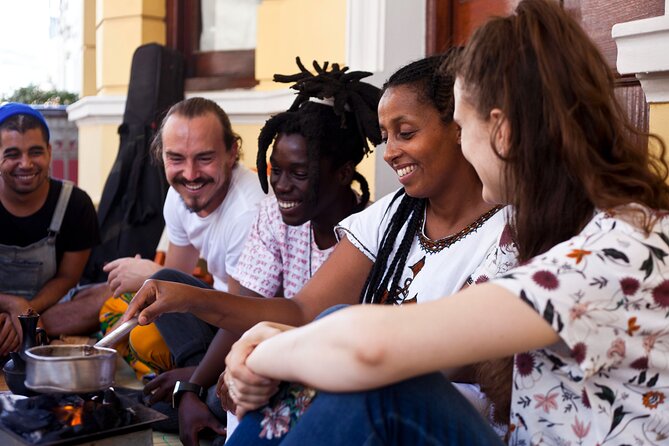
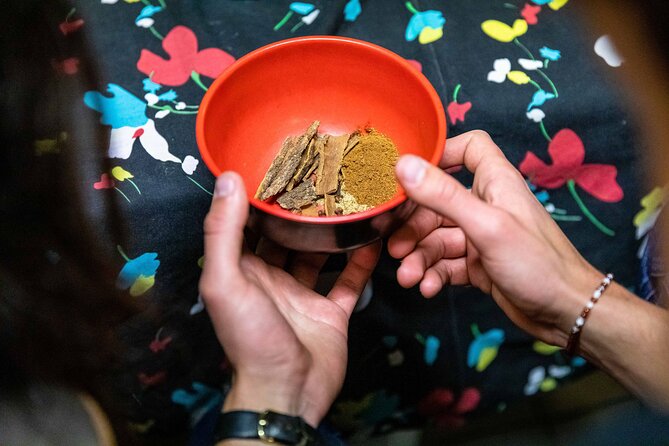
What I like about this setup is pacing. You get a real taste of Somali flavors, then you walk on while the flavors are still fresh. The spiced tea also acts like a bridge between bites and stories, so you’re not just eating, you’re decoding.
You’ll also get a sense of how food traditions carry meaning beyond taste. Somali cuisine, like many others across Africa, is strongly shaped by spice, shared plates, and hospitality. That idea becomes clearer as the tour moves from East to Cape Malay and then into West African dishes.
Old Post Office and Cape Malay bites in Golden Acre
Next you head toward Golden Acre Shopping Centre for the Old Post Office area, a place where colonial layers and changing public space show up in the background. This stop ties food to shifting history, because Cape Town’s centre has always been about movement, trade, and reinvention.
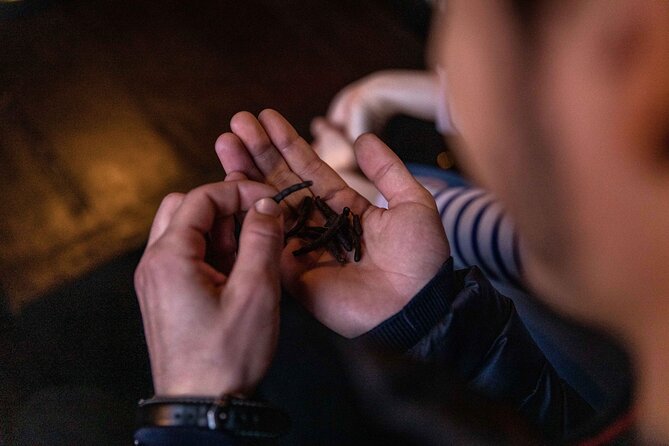
You’ll snack on Cape Malay and Creole style bites, and you also get the chance to browse through second-hand books while vendors are nearby. Even if you’re not a book shopper, it’s a nice way to slow down for a moment and see how everyday people use the space.
This is also where the snack tasting format comes in. Expect small portions and a mix of bites rather than a full meal. It’s the kind of stop that helps you widen your palate, because snack tasting is how you learn what you actually like, not just what you’ve heard of.
If you’re the type who orders one safe dish when traveling, this stop breaks that habit quickly.
Other city days, orientation to deep dive
Grand Parade and Mandela Balcony, where street food has context
Then you move to Grand Parade, South Africa’s oldest public square. The guide walks you through what makes the Grand Parade area unique, including a stop near the iconic Mandela balcony at City Hall, where Nelson Mandela delivered his first public address after his release from prison.
It would be easy for a tour like this to turn that moment into pure monument time. Instead, the stop keeps one foot on reality. You also hear about the informal food vendors who trade here daily and what that kind of business looks like in a city centre.
That combination is exactly what makes this tour feel different from a basic restaurant loop. You’re not only learning about political events. You’re seeing how today’s economy and daily life connect to major public spaces.
This segment lasts about 15 minutes, so it’s not a long stop. You get just enough context to make sense of the square when you pass it later on your own.
Adderley Street flower market, an easy breather before more tasting
From there, you head to Adderley Street and explore the flower market, described as one of the oldest open-air markets in South Africa. You’ll greet vendors as you walk through, which keeps it from feeling like a tourist shopping stop.
This part is a breather in the best way. You’ve already had one warm meal and several snack moments. The market gives you movement, color, and a sensory reset before the West African segment ramps up again.
It also helps you understand something important about Cape Town’s inner city: commerce is everywhere. Even where you might expect only streets and buildings, you’re still seeing people doing business right in front of you.
Greenmarket Square, West African community, and a fabric tip
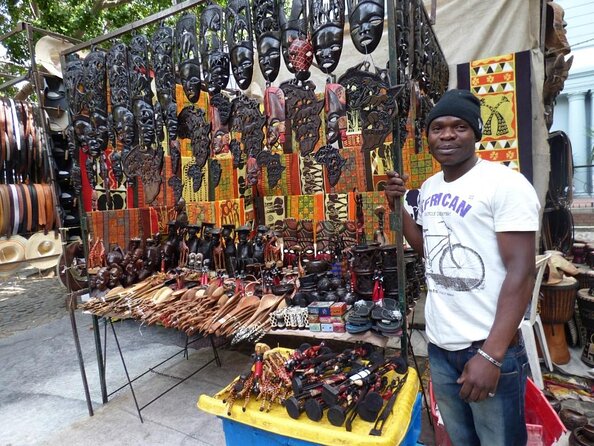
The tour ends on Greenmarket Square, but you also spend real time here mid-route. Greenmarket Square is Cape Town’s third oldest public square and a hub for informal African traders and entrepreneurs.
This is where the tour leans more directly into the West African community angle. You’ll see vendors from across the continent and you’ll have an opportunity to browse for souvenirs if you want. If you’re into fabrics or textiles, the guide points out a favorite Senegalese tailor for African textiles along the way.
That matters because it changes how you shop. Instead of grabbing a random souvenir, you’re more likely to buy with context. You’ll know what to look for and why it connects to community and craft, not just decoration.
It’s also one of the best places to keep your camera ready, without turning everything into a photo contest. The square is active in a way that helps the tour feel current.
West African cuisine tasting with Mali flavors
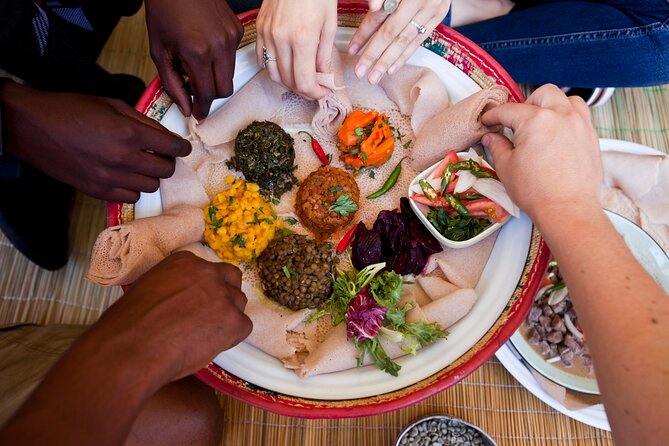
The second warm meal focuses on West African cuisine, including flavors linked to Mali. Expect a shared meal format again, plus food tasting designed to help you notice differences across ingredients, spice patterns, and textures.
This is one of the most valuable stops for most people, because West African cuisine can feel very new if you’ve only had it in one or two restaurant styles. The guide’s job here is to make your first real exposure feel organized. You’ll hear how African cuisine can unite people, and the idea shows up in the meal format itself: shared dishes, communal rhythms, and food that’s meant to be part of conversation.
This stop is about 30 minutes, so you get a little more time than the earlier ones. It’s also the meal that gives you the strongest sense of why the tour is called African Food and Storytelling, not just a history walk.
Methodist Mission tea and community activism in real life
The last stop is the Methodist Mission, a space where people from different walks of life gather daily. This is steeped in community activism and social justice history, and it’s described as a beating heart of Cape Town’s inner city.
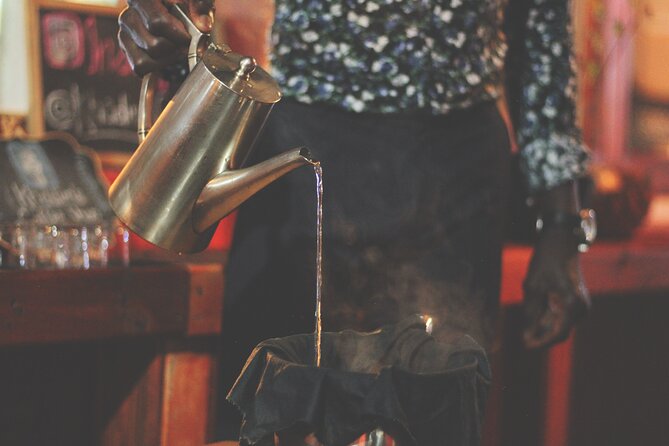
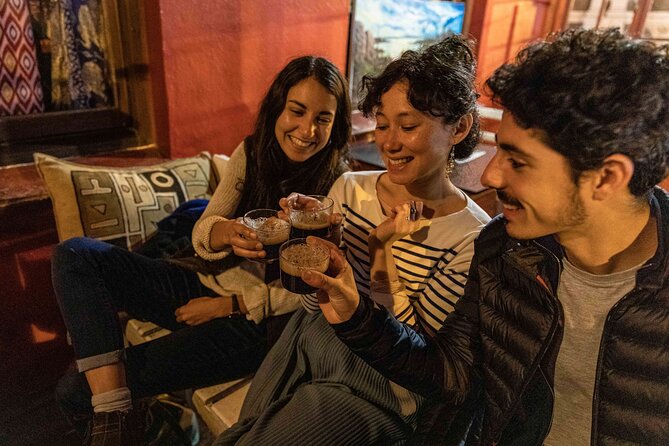
You’ll pause here for tea or coffee and a treat. Again, it’s not a long final event, around 20 minutes, but it works like a palate-cleanser for the whole experience. You’ve been walking and tasting across multiple cultures, plus learning about public space and the business layer of the city. Ending with a community hub makes the stories feel grounded.
The tone here is reflective. The guide ties the earlier themes back to people doing real work, not just people selling food for tourists.
If you’re the type who likes to end a tour with something calm, this is a smart closer.
Price and what you’re really paying for
The price is $92.02 per person for a 2 to 3 hour walking tour with eight stops and three food moments. On paper, that might sound like a lot for a short city-center walk. In practice, it’s more about what the meal time gives you.
You’re getting two warm shared meals plus a snack tasting with both warm and cold beverages. That food alone is usually the biggest cost in tours like this. On top of that, you’re paying for access to small businesses that you likely would not find on your own, plus a guide who connects each meal to public space, trade, and entrepreneurship.
The max group size of 10 people is part of the value too. When it’s small, you’re more likely to get actual conversation instead of standing on the edge while someone talks to the group.
Also, you’ll eat early enough in your day that you may not need dinner later. Several people mention canceling dinner reservations because the tour covers enough food. I wouldn’t plan your whole schedule around that, but it’s a good sign that portions are substantial for the time.
Logistics that actually matter, start times, weather, and walking
This is a walking tour in Cape Town city centre. You should have moderate physical fitness since you’ll be moving between stops, and the time at each place is short enough that you’ll want to keep a steady pace.
Good weather is required, which is common for walking tours. If the weather is poor and the experience is canceled, you’ll typically be offered a different date or a full refund. Also, expect the itinerary to depend on group size and how quickly you move and taste.
You’ll get a mobile ticket, so bring your phone with enough battery. It’s the kind of detail that sounds boring until you’re standing outside with a dead screen.
The tour ends on foot at Greenmarket Square. From there, parking in the centre can be limited, so taking an Uber is a smart move if you’re heading to a hotel with limited street options.
Who this tour is best for
This is a great fit if you:
- Want food plus context, not just a list of dishes
- Like markets, public squares, and small local businesses
- Enjoy learning how cuisines connect to migration, trade, and everyday life
- Want a small-group experience that keeps the guide talking directly to you
It’s also a strong choice for your first day or second day in Cape Town city centre. You’ll learn the layout of the centre while tasting your way through it, and the places you visit become recommendations you can reuse later.
If you hate walking, or you need long seated restaurant time, this may feel too active for your style. The tour is built for movement and snacks between moments.
Should you book African Food and Storytelling in Cape Town?
I’d book it if your ideal trip includes two things: eating real food that you can’t easily recreate at home, and understanding why the city’s public spaces and small businesses matter. The structure is what makes it work. You get warm shared meals early and mid-route, then you keep building context with markets, monuments, and a community hub.
Also, the small group size helps. Up to 10 people means the storytelling has room to be heard, not just delivered. If you’re traveling with someone who usually worries about food tours being repetitive, this one has enough variety, from Somali to Cape Malay to West African flavors, to keep it interesting.
If you’re the type who wants a quieter, strictly historical museum day, you might prefer something else. But if you want Cape Town to feel like people, plates, and streets, this tour is a smart way to get that quickly and responsibly.
FAQ
What is the duration of the African Food and Storytelling Tour in Cape Town?
The tour lasts about 2 to 3 hours.
How many stops and food experiences are included?
There are eight stops total, with three food experiences: two warm shared meals and one snack tasting with warm and cold beverages.
Where does the tour start and where does it end?
The tour starts at Church Square at the statue of Jan Hendrik Hofmeyr in Cape Town city centre, and it ends on foot at Greenmarket Square.
Is the tour walking, and what fitness level do I need?
Yes, it is a walking tour. You should have a moderate physical fitness level.
How big are the groups?
The tour has a maximum of 10 travelers.
Do I need to worry about weather?
Yes. The experience requires good weather, and if it is canceled due to poor weather you will be offered a different date or a full refund.
Another Day in Cape Town, Planned Out
Where Cape Town Sits Down to Eat
Keep going: the rest of our Cape Town write-ups
- Cape Town to Cape Point Helicopter Flight – 48Min
★ 4.2 · 3 reviews - Full Day Private Hiking Table Mountain & City
★ 5.0 · 3 reviews - Sandboarding with jeep – drive uphill
★ 5.0 · 3 reviews - Full Day Tour for Cape of Good Hope & Boat to Seals Island
★ 5.0 · 3 reviews - 10 Day South Africa Tour Joburg to Cape Town
★ 5.0 · 3 reviews - 5 Day Garden Route Small Group Tour Fr CapeTown – Departs Mondays
★ 5.0 · 3 reviews
City Tours, compared.
 ★ 4.8Cape Town: 12-Minute City Scenic Helicopter TourFrom $165853 reviews
 ★ 4.5Johannesburg Hop-On Hop-Off City Tour with Soweto OptionFrom $16768 reviews
 ★ 4.8Jo’berg in 1 Day: Soweto, Apartheid Museum & City TourFrom $142524 reviews
 ★ 4.5Cape Town City Pass: Save Over 50% on 80+ Top AttractionsFrom $97348 reviews
 ★ 4.5Soweto: Hop-On Hop-Off Bus, City Tour and Apartheid MuseumFrom $50250 reviews
 ★ 5.0Cape Town City Center Tour with ChampagneFrom $139221 reviews
 ★ 4.5From Sun City: Pilanesberg National Park 3-Hour Game DriveFrom $49216 reviews
 ★ 5.0Cape Town City Cycling TourFrom $77199 reviews
Browse the lists this tour appears in