
REVIEW · ADDO ELEPHANT PARK SAFARIS
Addo Elephant National Park All Inclusive Full-Day Safari
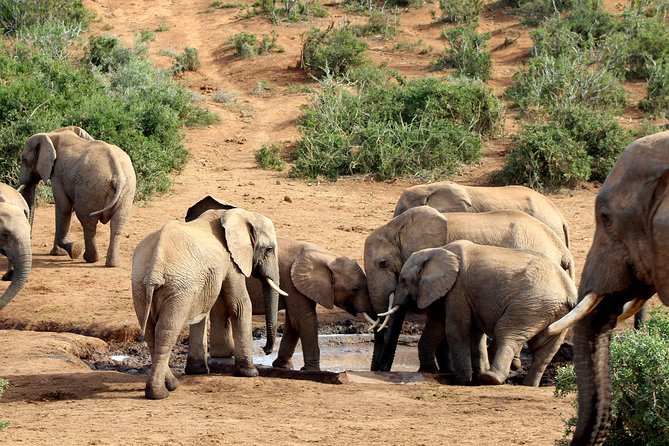
Elephants at Addo are the main event. This full-day safari gives you a guided, small-group way to explore one of South Africa’s biggest parks, including the original elephant section that began with just eleven animals in 1931, and now holds thriving wildlife. I also like the expert local guide part, since names like Freddy, John, and King Elvis show up again and again for their sharp spotting and easy-to-follow explanations.
One thing to factor in: wildlife sightings are still partly weather and timing dependent. Strong winds or heavy cloud cover can make the day feel quieter for elephants and predators, so go with a flexible mindset.
In This Review
- Key things to know before you go
- Addo Elephant National Park, and why it feels different from other safaris
- The Big 7 story you’ll hear in the jeep
- Pickup and timing: how the day is paced (and what it means for your sightings)
- The first game drive: where your guide earns the day
- Lunch at Addo: a break that keeps your brain sharp
- The second game drive: rhino and lion odds, with reality included
- Comfort and viewing: window seats and the photo factor
- Who this Addo safari is best for
- Price and value: what $186 per person really buys
- Should you book this Addo Elephant National Park safari?
- FAQ
- How long is the Addo Elephant National Park safari?
- Where does pickup happen?
- What time does pickup usually start?
- What is included in the price?
- How big is the group?
- What animals can I expect to look for?
- Are drones allowed?
Key things to know before you go
- A real wildlife search: Two guided game drives, not just one quick loop
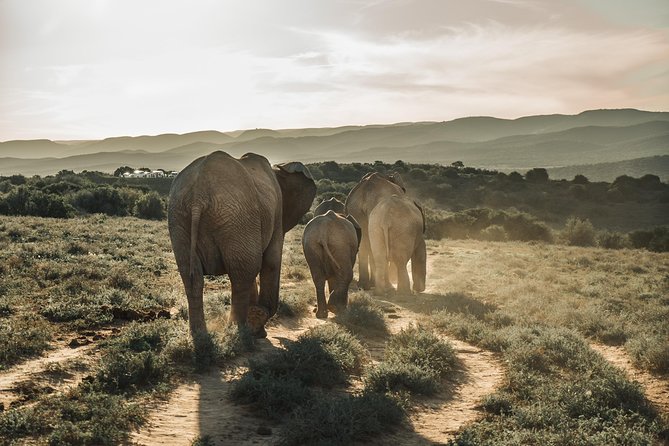
- Original elephant history: The park’s elephant story starts in 1931 with eleven animals
- Big 7 conservation angle: Addo links the Big 5 to sea giants off Algoa Bay, including great white shark and southern right whale
- Addo-only star species: The flightless dung beetle is found almost exclusively in Addo
- Small group comfort: Limited to 10 participants, with window seats in a 4×4 Jeep
- You get time to actually look: Lunch is included, plus breaks that help when the sightings slow down
Still weighing it up? These Jeffreys Bay trips are the ones our readers open next.
- Jeffreys Bay: Private Surfing Lesson for Beginners★ 4.8 · 43 reviews
- Jeffreys Bay: Learn to Surf Group Lesson★ 4.9 · 35 reviews
- Sandboarding Jeffreys Bay★ 4.0 · 19 reviews
- Kayaking Jeffreys Bay★ 4.4 · 7 reviews
Addo Elephant National Park, and why it feels different from other safaris
Addo Elephant National Park is not a “drive past a few animals” kind of place. It’s the third largest park in South Africa, and it’s built around the idea that you are there to look closely, wait patiently, and then react fast when something shows up.
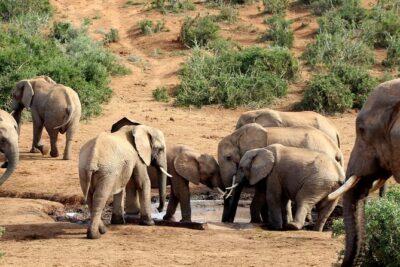
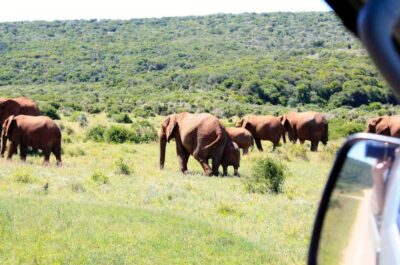
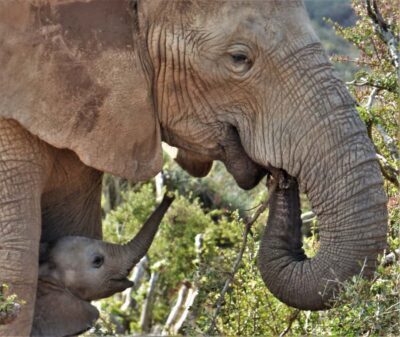
What I like most is the focus on the elephants, starting with the original elephant section. When that area was proclaimed in 1931, there were only eleven elephants in the area. Today, the park supports big numbers and a lot of behavior you actually want to watch, from grazing to movement patterns to those moments when elephants decide to come closer than you expect.
This tour also frames Addo in a way that makes the landscape feel alive. You are not only learning “animal names.” You’re learning how predators, grazers, and even small creatures fit together. Addo has the flightless dung beetle, found almost exclusively here, and that alone is a good reminder that conservation is about the full system, not just the big icons.
The Big 7 story you’ll hear in the jeep
Most people hear “Big 5” and stop there. Addo adds context that’s genuinely useful: the park is the only one in the world that conserves the Big 7, meaning the Big 5 plus the southern right whale and great white shark off the Algoa Bay coast.
Even if you are not viewing whales and sharks in this particular day tour, the Big 7 framing helps you understand why Addo matters beyond elephants and lion sightings. It’s a coastal ecosystem story as much as a land safari story. That matters for how guides explain habitat, seasons, and why certain animals show up when they do.
I also appreciate the plain logic behind it. If the park protects a range of species across land and sea, it usually means more consistent conservation effort, more monitoring, and more dedicated habitat protection. That often translates into better odds for sightings and a more responsible, low-pressure way of driving.
Pickup and timing: how the day is paced (and what it means for your sightings)
This is a 9-hour day built around morning pickup and two safari blocks. You’ll be collected from Port Elizabeth, Bluewater Bay, Colchester, or Addo, plus there’s pickup flexibility around the Matyholweni Entrance (South Gate) of Addo. One helpful detail is that collections usually fall between 8:30 AM and 9:20 AM, and a team member confirms your exact pick-up time the day before.
You’ll travel by air-conditioned 4×4 Jeep, with each passenger in a window seat. That’s more than comfort. In Addo, when your guide spots something, you want to lean in, shoot photos quickly, and keep watching without fighting for position.
Group size is another practical win. This runs as a small group limited to 10. That usually means you spend less time waiting for a big bus load, and it’s easier for your guide to manage stops so everyone has a view.
A gentle warning: if you catch the later pickup window, you may enter the park closer to mid-morning. That isn’t a deal-breaker, but it can shift the day’s wildlife rhythm. Many safaris are busiest earlier and later, while midday can be slower. Still, guides can often work around it by adjusting routes and staying alert.
The first game drive: where your guide earns the day
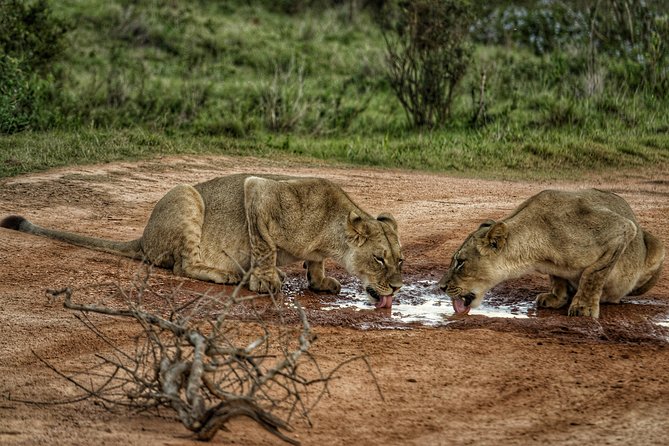
Your first safari block is roughly three hours of game drive and wildlife viewing. This is where your guide starts stacking the odds for you, usually by scanning for signs of movement and then repositioning when the chance appears.
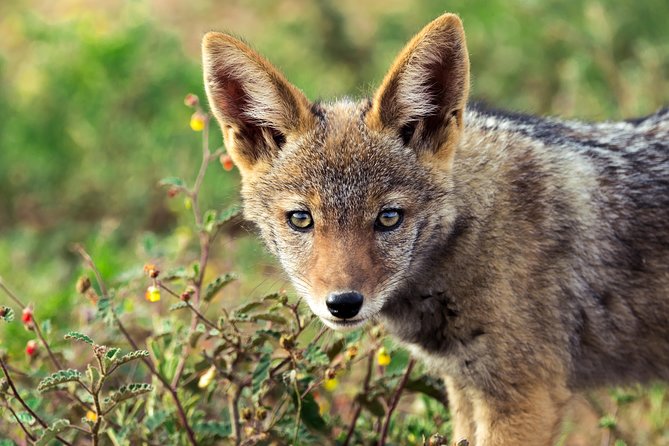
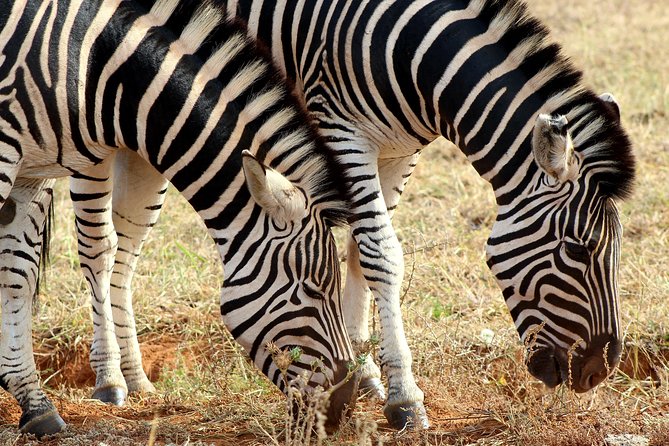
Here’s what to expect from the “elephant-centered” approach. Addo is famous for its dense elephant population, and the original elephant area is specifically where you’re likely to feel that. You’re also looking for other large animals like antelope and zebra species, and for predators such as lions when conditions allow.
What makes the guided part especially valuable is the spotting skill. In real-world safaris, the difference between seeing an animal and missing it can be about two seconds. Your guide’s job is to notice what you might overlook, like how far movement is from the road, what direction the animals are heading, and which clearings might hold something quieter.
Names from the field often come up with this tour, including Freddy, John, and Sidwell. The pattern in feedback is consistent: these guides don’t just point. They explain what you’re seeing and why it’s likely there.
Lunch at Addo: a break that keeps your brain sharp
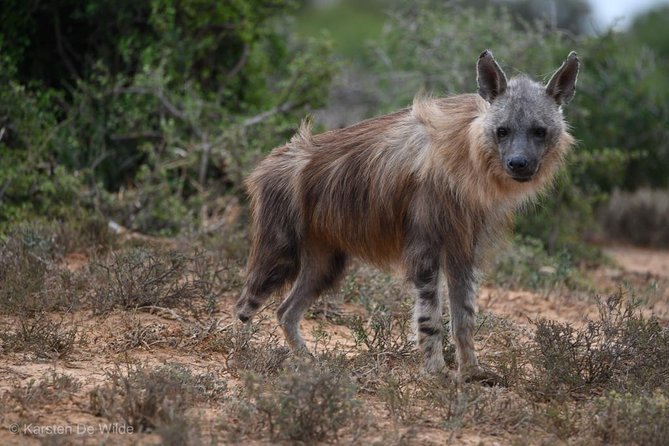
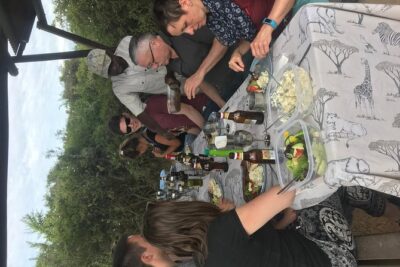
Lunch is included and takes about one hour. This matters more than people think. After the first drive, you’ve often been scanning for hours, sitting in one position, and using your camera a lot.
A well-timed break helps you enjoy the second drive instead of feeling “safari-stuffed” before you even reach the best light. Lunch in this tour is set up for the day, not as an hour-long detour. You’ll also have light refreshments included, which helps keep energy steady between stops.
If you care about food preferences, you should know that some guests report the team asks about vegetarian or vegan needs ahead of time. That’s not the same as a promise for every day, but it’s a good sign that the operator thinks about dietary fit.
The second game drive: rhino and lion odds, with reality included
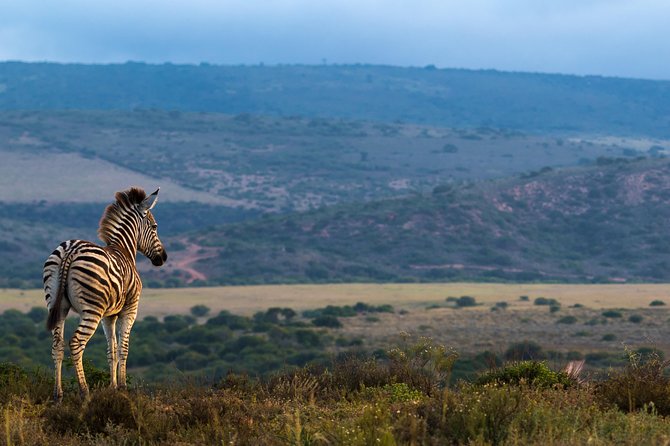
After lunch, you’re back in the park for another three hours of game drive and wildlife viewing. This is where Addo can surprise you. Predators might decide to show up later, or elephants might move into a new corridor. A good guide uses the second half to hunt for better positioning, not just “more driving.”
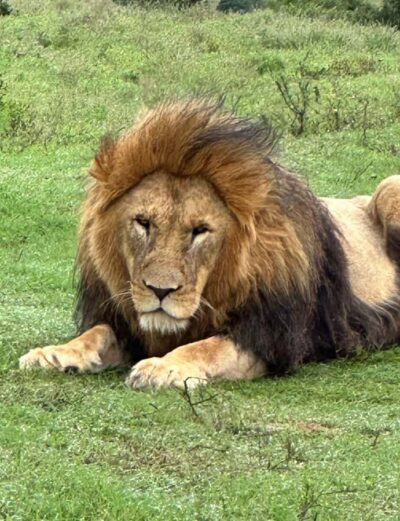
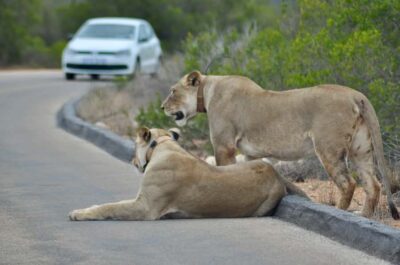
This is also your chance to look for the endangered black rhino. Addo is one of the places where black rhino conservation is part of the real safari story, not a distant concept. Lions are on the list too, but sightings are never guaranteed. Some days are “elephant days,” some are “predator days,” and some split the difference.
What makes the experience feel good, even when big cats are elusive, is the way your guide keeps the day meaningful. Many safaris get narrow after the big targets fail to appear. In this tour, you’ll still be watching antelope, zebra, and a lot of smaller detail that helps you understand the ecosystem. One guest highlight was seeing rhinos right at the end, which is a reminder to stay patient and keep your eyes moving.
Comfort and viewing: window seats and the photo factor
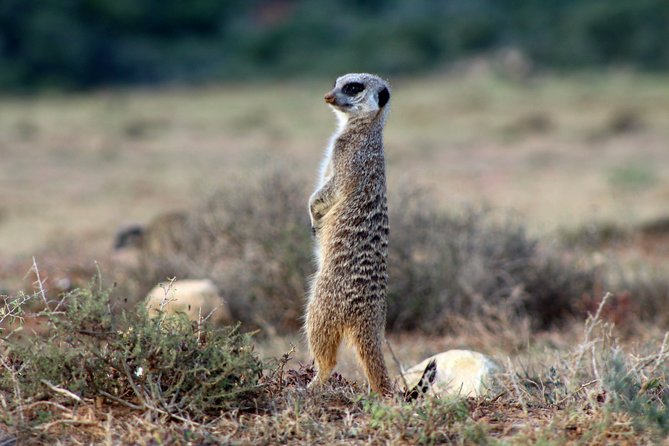
You’ll be in a closed air-conditioned 4×4 Jeep, but with window seats for everyone. That is a big deal on a long day because you avoid the constant crowding that happens with open vehicles.
In practice, many safaris in this region allow for fast window access for photos. Even when the vehicle is “closed,” the point is that you should be able to shoot without awkward angles. If you’re serious about photos, wear something with quick layers, keep your camera strap short, and be ready the moment your guide tells the driver to stop.
A small but useful gear note: the tour asks you to bring comfortable shoes and comfortable clothes. That’s not about hiking. It’s about being able to shift positions for viewing and handling your camera gear without getting stuck in uncomfortable footwear.
Also, drones are not allowed. Keep it simple, and save your battery for the moments you can actually capture.
Who this Addo safari is best for
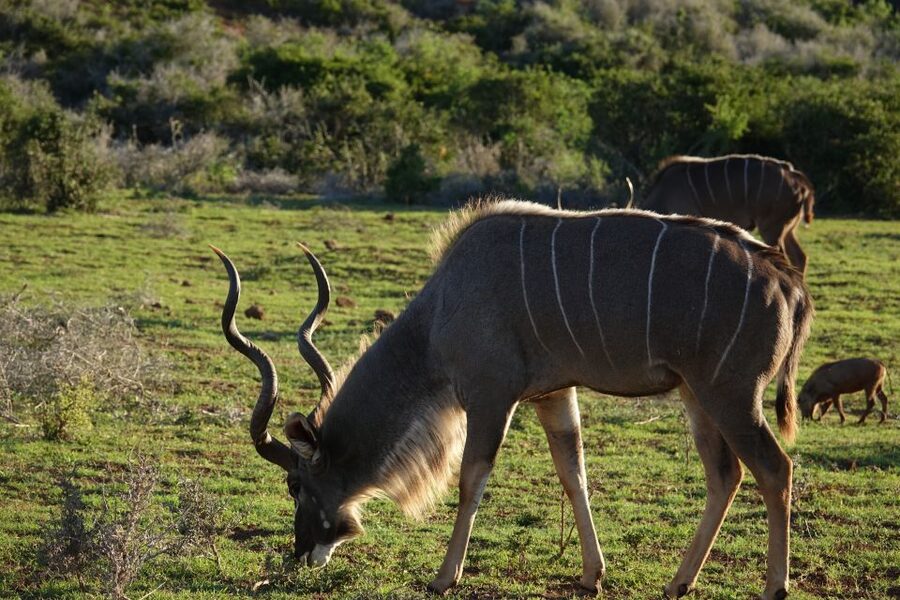
This tour fits well if you want a guided Addo day but still care about practical logistics.
- If you’re short on time in the Eastern Cape, this gives you a full day in the park without having to plan routes.
- If you don’t want to self-drive, the guide does the hard work of spotting and timing stops.
- If you travel as a couple, solo, or a small group, the limit of 10 keeps things comfortable and more flexible.
It’s also a good choice for families who can handle a long ride, since the schedule is straightforward: pickup, two drives, lunch, and then drop-off.
Price and value: what $186 per person really buys
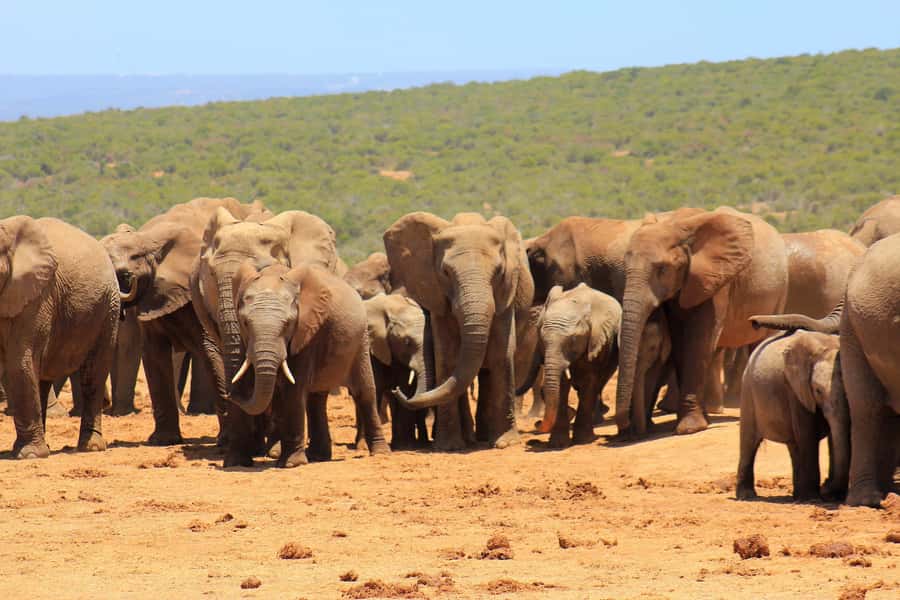
At $186 per person, this isn’t the cheapest activity in the area, but it can be good value if you price it correctly.
Here’s what you’re paying for:
- Pickup and drop-off from multiple areas
- A guided safari inside the park, where finding animals and keeping everyone positioned takes real skill
- National park entry fees included
- Transportation in an air-conditioned 4×4 Jeep with window seats
- Light refreshments and lunch
If you try to self-drive, you’ll save on the guide portion but you’ll still spend on fuel, park access, and your time spent doing the “where should I go next” work. A guide reduces that mental load and tends to increase the number of meaningful sightings you can focus on.
And for a park like Addo, the elephant-heavy core of the day makes the guide especially worth it. Elephants are often present, but knowing where to wait, where to look, and how to read the behavior is what turns a good day into a memorable one.
Should you book this Addo Elephant National Park safari?
Book it if you want a structured full-day Addo experience with a local guide, small-group comfort, and the best shot at seeing elephants plus the possibility of rhino and lion.
Consider another plan if you are expecting guaranteed Big Five action no matter the weather and season. Addo can deliver, but it’s still wildlife. The smart approach is to book for the elephant core, the guided search, and the chance at predators, not for a guaranteed checklist.
FAQ
How long is the Addo Elephant National Park safari?
It runs for about 9 hours.
Where does pickup happen?
Pickup is available from Port Elizabeth, Bluewater Bay, Colchester, and Addo. Pickup can also be arranged around the Matyholweni Entrance (South Gate) of the park.
What time does pickup usually start?
Collections happen between 8:30 AM and 9:20 AM, depending on your location. The exact pick-up time is confirmed the day before.
What is included in the price?
The tour includes pickup and drop-off, transport in an air-conditioned 4×4 Jeep, national park entry fees, a guided safari, light refreshments, and lunch.
How big is the group?
This is a small group limited to 10 participants.
What animals can I expect to look for?
You’ll be on the lookout for elephants, lions, antelope, zebra species, endangered black rhinos, and other wildlife. The park also has the Addo flightless dung beetle, found almost exclusively in Addo.
Are drones allowed?
No, drones are not allowed on this safari.
Keep going: the rest of our Jeffreys Bay write-ups
- Kayaking Jeffreys Bay
★ 4.4 · 7 reviews - Sandboarding Jeffreys Bay
★ 4.0 · 19 reviews - Jeffreys Bay: Learn to Surf Group Lesson
★ 4.9 · 35 reviews - Jeffreys Bay: Private Surfing Lesson for Beginners
★ 4.8 · 43 reviews - Addo Elephant National Park All Inclusive Full-Day Safari
★ 4.8 · 872 reviews
Addo Elephant Park Safaris, compared.
 ★ 5.05 Day Garden Route and Addo Safari – Best of South Africa Small Group TourFrom $575291 reviews
 ★ 5.06-Day Garden Route & Addo South African Adventure from Cape TownFrom $675282 reviews
 ★ 4.5Port Elizabeth: Schotia Game Reserve Safari with Port PickupFrom $233263 reviews
 ★ 5.0Addo Elephant National Park All Inclusive Full-Day SafariFrom $147256 reviews
 ★ 4.8From Cape Town: 5-Day Best of Garden Route and Addo SafariFrom $675221 reviews
 ★ 5.0Addo Elephant Full Day Safari with a Traditional South African Braai (BBQ) LunchFrom $172218 reviews
 ★ 4.8Port Elizabeth: Addo Elephant Park All-Inclusive Day SafariFrom $176199 reviews
 ★ 4.7Addo National Park: Guided Half-Day SafariFrom $81175 reviews
Browse the lists this tour appears in