
REVIEW · KRUGER NATIONAL PARK SAFARIS
1 Day Photographic Wildlife Safari from Hazyview to Kruger Park
Kruger looks great from the road. It looks better through a lens. This 1-day photographic wildlife safari runs from 5:00 am to sunset with a specialist guide who focuses on putting you in the right spot for the right light.
I especially like the open vehicle setup and the fact that the driver is also your wildlife photography guide. You are not just watching for animals, you are learning where the camera position needs to be.
The second big win for me is the gear included for stability: Gimpro gimbals and beanbags fitted to the vehicle. That matters in Kruger, because the animals move fast and the light changes even faster.
One thing to consider up front is that the main Kruger costs (conservation fees and park entrance) are not fully included, and meals during the day are also for your own account.
In This Review
- The photo-focused advantage in Kruger
- Sunrise to sunset timing, and why 5:00 am is worth it
- The open vehicle setup: space, stability, and small-group control
- How the gimbals and beanbags change your shooting day
- Entering Kruger: gate choice and route planning
- What your day looks like in motion
- Wildlife photography priorities: getting the angle right
- The value of a private group and per-vehicle pricing
- Fees and what you must pay at Kruger entry
- Meals, water, and keeping your day comfortable
- Who this safari is best for
- Final call: should you book the 1-day photo safari?
- FAQ
- Where does the safari start?
- What time does the tour begin?
- How long is the safari?
- Is this a private safari?
- How many people can ride in the vehicle?
- What photography gear is included?
- Are meals included in the price?
- Is water and hot drinks provided?
- What Kruger costs are not included?
- Is there a cancellation option with a refund?
The photo-focused advantage in Kruger
A standard safari day in Kruger can be a lot of fun. But a photo safari is different in a very practical way: your guide plans for images, not just sightings.
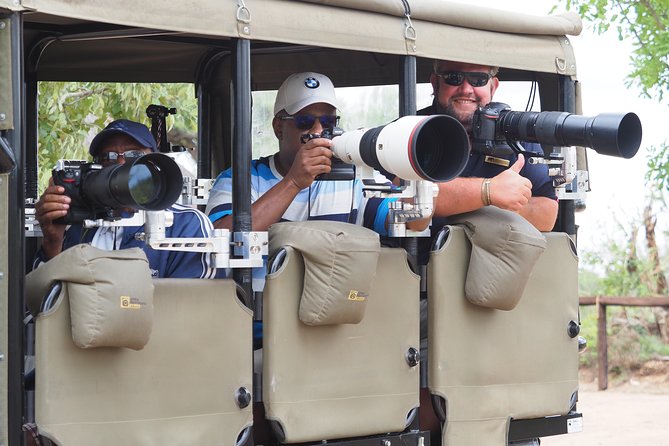
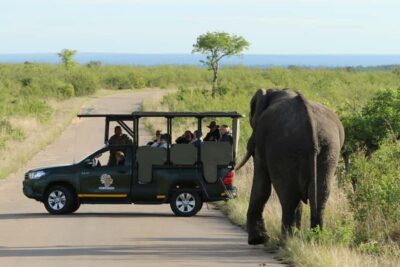
Here, you run in an open safari vehicle with enough seating for a small group. The idea is to keep you close to the action, while still giving you room to handle a long lens, tripod, or gimbal rig. And because your guide is experienced with both wildlife and photography, you get more than “there’s something over there” moments. You get positioning, timing, and camera help when it counts.
From the way the guide approach is described, they also pay attention to animal movement patterns. That can mean faster reactions when something shifts direction or suddenly steps into better light. The result is the kind of day where you come away feeling like you truly chased the shot, not just photographed a highlight reel.
Other Kruger trips, from half days to full weeks
- Kruger National Park Full Day Private safari★ 5.0 · 799 reviews
- Kruger National Park – Private full day Safari trip.★ 5.0 · 347 reviews
- From Hazyview: Kruger National Park Full-Day Safari★ 4.8 · 205 reviews
- Kruger National Park sunrise Morning Private safari★ 5.0 · 185 reviews
Sunrise to sunset timing, and why 5:00 am is worth it
You leave at 5:00 am from Perry’s Bridge Trading Post in Hazyview. Then it is a full day drive into Kruger from sunrise to sunset. That timing is not random. In Kruger, your best photo chances often start right at first light, when animals are active and the light is softer.
You also get a full day of road time, not a quick morning loop. That helps because wildlife photography is not linear. Sometimes you work a scene for an hour. Sometimes you get lucky fast. Either way, you want enough daylight to adapt.
Comfort stops happen during the day, and you will usually eat at main camps along the route. Since breakfast and meals are not included, it helps to plan for that. Bring snacks you can grab easily in the vehicle so you are not waiting hungry between stops.
The open vehicle setup: space, stability, and small-group control
This is a private safari with only your group on board. The vehicle has three rows of three seats, and the maximum group size is six guests, including up to three photographers.
That “up to three photographers” detail matters if you shoot seriously. With a small number of camera people onboard, your guide can manage the vehicle’s movement and your shooting angles without turning the vehicle into a crowded scramble. And with six total seats, you should feel like you have breathing room for movement, lens changes, and shooting from different sides of the vehicle.
The included stability kit is a big part of why this safari works for cameras:
- Gimpro gimbals fitted on the vehicle
- Beanbags fitted on the vehicle
If you have ever tried to hold a big lens steady from a moving open vehicle, you already know the struggle. Beanbags help you control micro-movement. Gimbals can help you track smoother as the subject moves. This kit is part of the value here, because it reduces the chances you spend the day fighting your own hands instead of the wildlife.
How the gimbals and beanbags change your shooting day
Gear is only useful if you can actually use it. The included kit is meant to make shooting easier on a safari vehicle that is moving and bouncing on uneven ground.
Here is what that means for you in real terms:
- When an animal appears, you can go from spotting to shooting faster.
- You spend less time trying to stabilize and more time on settings and framing.
- If the subject is moving, gimbals can help your tracking feel more controlled.
Beanbags also give you a practical “rest” point, which helps in two situations: when the animal pauses for a moment, and when you are waiting for it to re-enter better light. Even if you do not use the gimbal constantly, the presence of the setup means the vehicle is built for photography, not just transportation.
And because your guide is also your photography guide, you can ask questions in the moment. Some guides teach simple, real-world tips that you can apply right away, like how to think about shutter speed and how to stabilize your body posture so the camera stays steady. Even small adjustments can make a sharpness difference, especially with birds and cats that do quick, unpredictable moves.
Entering Kruger: gate choice and route planning
You will enter Kruger via either the Kruger gate or the Phabeni Gate. That choice depends on conditions and what your day needs, and it affects driving time and where you start your wildlife search.
The practical value of letting a specialist handle this is simple: you are not guessing. Kruger is big, and timing matters. Starting from a gate that supports your day’s plan can mean more time in likely sighting areas before the light gets harsh.
Your guide will also plan the day around where animals are more likely to show up. Wildlife in Kruger does not show up on a schedule, and roads can be unpredictable. The difference between a good day and a great day is how quickly the guide adapts when sightings change. This safari is designed for that kind of adaptation.
More Lowveld bases for an early Kruger start
What your day looks like in motion
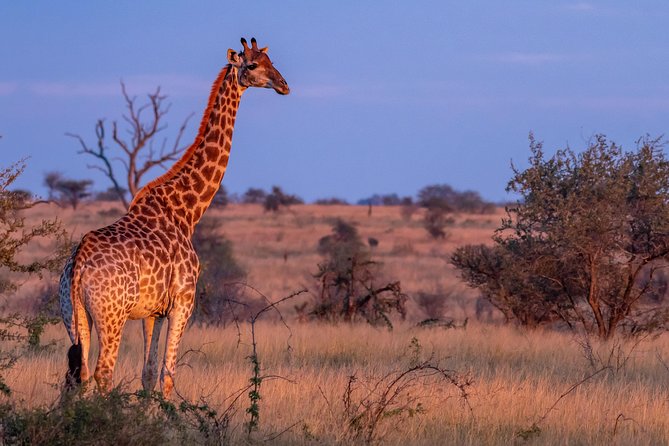
You start early, and then it is an all-day drive inside Kruger, with scheduled breaks for food and comfort. Meals are for your own account, and the stops are done in main camps where you can find restaurants and shops.
That day structure is photographer-friendly for one main reason: it keeps you in the game-focused rhythm. You are not doing long, unrelated detours. You are driving, stopping when the guide finds good chances, and then moving again.
A typical flow you should expect:
- Early departure and entry into Kruger right at sunrise timing.
- Morning scanning and shooting windows as the light improves and animals move.
- Comfort breaks and meal stops at main camps during the day.
- Afternoon repositioning as the light changes again and activity shifts.
- Return back to the meeting point as the day winds down at sunset.
Keep your expectations realistic. One day is a short window in Kruger. Your goal here is not to “check off everything.” It is to get the best images you can by finding strong subjects and shooting at the times and angles that work.
Wildlife photography priorities: getting the angle right
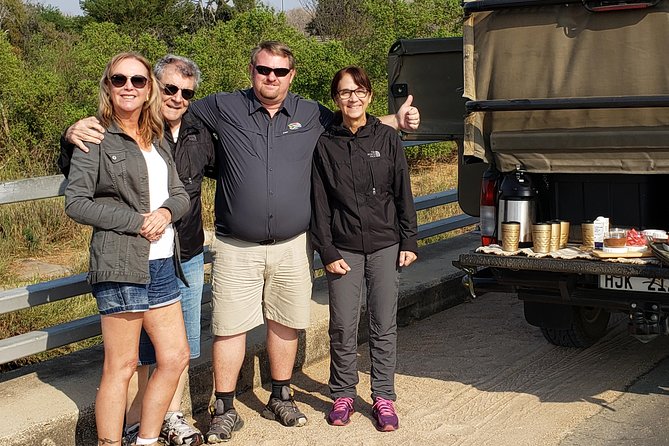
The most praised part of this safari is not just sightings. It is what happens around the sightings.
A specialist photo driver-guide tends to focus on three things:
- Where the animal will likely be next
- Where you can get the best angle without crowding or blocking views
- When the light is actually usable for your camera settings
In practice, that can turn a decent sighting into a keeper set. If you have ever missed the best moment because you were trying to reposition your gear, you know how frustrating that is. This safari is geared to reduce that problem, so you can react faster and shoot with more confidence.
You may also notice that the guide talks in practical camera terms, not vague advice. People have described getting tips that connect directly to the shot, including guidance on shutter speed and very hands-on stabilization ideas like how to brace your body position. That kind of coaching helps you improve even if you are not a professional wildlife shooter.
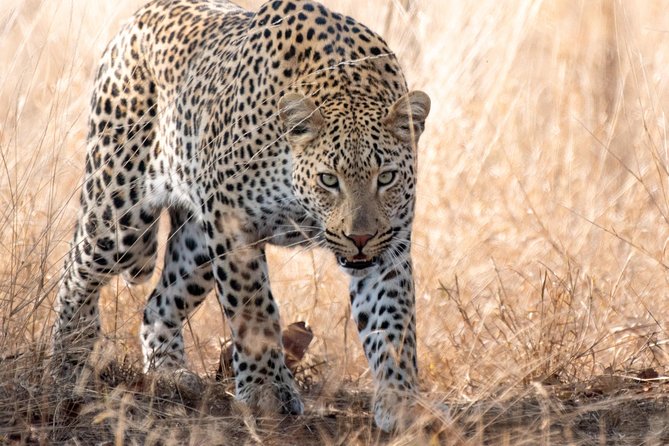
And yes, leopard sightings and big cat moments are part of the story here. While no safari can promise specific animals, the guide approach clearly aims for the kind of subjects that make wildlife photography exciting, especially when timing and positioning line up.
The value of a private group and per-vehicle pricing
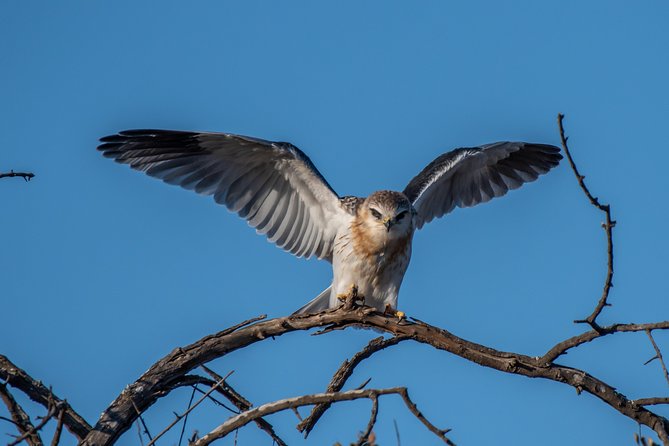
Let’s talk money, because it is easy to get misled by a single price line.
The listed price is $533.93 per group (up to 4). But the operator also describes a per-vehicle charge that covers groups up to six, including three photographers. So the value math depends on your group size and how many people in your group are bringing camera gear and need that dedicated photo-focused space.
Either way, this is not a bargain-bin shared safari. It is a specialized vehicle experience built around a small number of people and a photography setup that most standard safaris do not include. When you include gimbals and beanbags in the price, you are paying for a service that reduces your need to rent or scramble for stabilization solutions.
What you should plan for separately:
- Kruger conservation fees and vehicle fee payable at entry
- Park entrance fees (entrance fee is listed as not included)
- Meals (breakfast and meals are not included)
If you are comparing options, treat the day as a package where you are paying for time in the park plus a photography-focused guide and stability gear. That is why the day can justify the cost even if it is short by Kruger standards.
Fees and what you must pay at Kruger entry
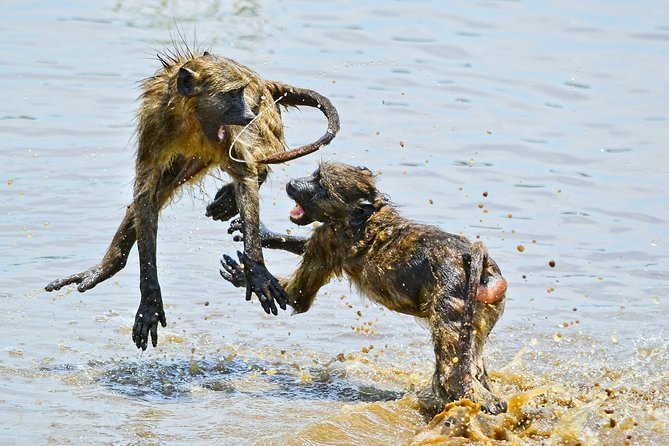
This is the part to get straight before you go, because it affects your total cost.
The safari does not include:
- Conservation fees: R460 per person for international visitors, plus R40 for the vehicle
- Kruger National Park entrance fee
You pay these in cash on entry. Conservation fees are explicitly listed as payable in cash. The conservation fee amount given is for international visitors, so if you are local or a different category of visitor, your exact total could vary, but you will want to check what applies to you.
For budgeting, plan for the fact that $533.93 is not your all-in total. It is your safari experience cost. The Kruger fees are the extra layer you pay once you enter the park.
Meals, water, and keeping your day comfortable
Good photography days can be exhausting. You sit forward, you track movement, you switch settings, and you spend time waiting for one clean moment. This safari helps with the basics:
- Bottled water
- Tea and coffee
- Mineral water available during the day on the vehicle
Meals are not included. You will stop at restaurants and shops in different camps for your own account. That is a very common safari pattern, and it works well if you treat meal stops as part of the day and not as a surprise. If you have dietary needs, keep that in mind and plan to bring extra snacks just in case camp options are limited at that moment.
Who this safari is best for
This one is built for people who care about the camera output.
You will enjoy it most if:
- You shoot wildlife seriously or want to learn fast
- You want a specialist guide focused on animal positions and photo angles
- You travel with a small group and want a private setup
- You appreciate gear that supports stability, like gimbals and beanbags
It might be less ideal if:
- You mainly want a low-stress casual safari and do not plan to shoot
- You dislike paying separate park and conservation fees on entry
- You expect a meal plan included in the price
If you are a photographer who wants a focused day, this is a strong fit.
Final call: should you book the 1-day photo safari?
If you want maximum photo effort in minimum time, I think this is an easy yes. The combination of sunrise-to-sunset timing, a small private vehicle group, and gimbal plus beanbag support is exactly what you need for wildlife photography in Kruger.
I would book it especially if you care about angles, not just sightings, and you like getting hands-on guidance from guides such as Bernhard and Hennie, who are described as patient and helpful with real camera advice.
The only reasons not to book are practical ones: you need to budget for Kruger entry and conservation fees payable on entry, and you should be ready for meals on your own. If that fits your trip plan, this safari delivers the kind of day where you come home feeling you really worked toward the shot.
FAQ
Where does the safari start?
The safari starts at Perry’s Bridge Trading Post, Hazyview (1242), South Africa.
What time does the tour begin?
The start time is 5:00 am.
How long is the safari?
It is a 1-day safari, approximately, running from sunrise to sunset.
Is this a private safari?
Yes. It is private, so only your group participates.
How many people can ride in the vehicle?
The open safari vehicle has three rows of three seats and can take a maximum of six guests, including up to three photographers.
What photography gear is included?
Gimpro gimbals and beanbags are included and fitted on the open safari vehicle.
Are meals included in the price?
No. Breakfast and all meals are for your own account. You stop at restaurants and shops in main camps.
Is water and hot drinks provided?
Yes. The vehicle provides bottled water, tea/coffee, and mineral water.
What Kruger costs are not included?
You pay Kruger conservation fees (listed as R460 per international visitor, plus R40 for the vehicle) payable in cash on entry, plus the Kruger National Park entrance fee.
Is there a cancellation option with a refund?
No. The experience is non-refundable and cannot be changed for any reason.
Hazyview and the Lowveld: More Bases
Kruger: More Ways Into the Park
Keep going: the rest of our Hazyview write-ups
- Kruger Park Safari – Half Day Game Drive from Hazyview
★ 5.0 · 3 reviews - Full Day Big 5 Game Safari in Kruger National Park from Hazyview
★ 5.0 · 3 reviews - Transfer – Kruger Mpumalanga International Airport to Hazyview
★ 5.0 · 3 reviews - Hazyview : Tubing/Geckoing/Kloofing
★ 4.6 · 3 reviews - From Hazyview: Private Afternoon Game Drive
★ 5.0 · 3 reviews - Big Five Afternoon Game Safari in Kruger National Park from Hazyview
★ 5.0 · 4 reviews
Kruger National Park Safaris, compared.
 ★ 5.0Kruger National Park Full Day Private safariFrom $158799 reviews
 ★ 5.0Kruger National Park – Private full day Safari trip.From $166347 reviews
 ★ 4.8From Hazyview: Kruger National Park Full-Day SafariFrom $105205 reviews
 ★ 4.5From Johannesburg: 3-Day Budget Tent Kruger Park SafariFrom $653163 reviews
 ★ 4.6Kruger National Park: Full-Day Game Drive with PickupFrom $109136 reviews
 ★ 4.9Kruger National Park: Full-Day Private Safari With PickupFrom $280122 reviews
 ★ 4.7Marloth Park: Kruger National Park Safari Game DrivesFrom $61115 reviews
 ★ 5.0Kruger National Park – Private Sunrise Half day Safari trip.From $16397 reviews
Browse the lists this tour appears in