
REVIEW · LION AND BIG CAT PARKS
South Africa from Joburg: Elephant Sanctuary Half Day Tour
Elephants up close can reset your whole day. This half-day trip takes you from Joburg-area hotels to the Elephant Sanctuary near Hartbeespoort for real, hands-on learning about these gentle giants. Elephants here aren’t on display, they’re living in a safe sanctuary setting.
What I like most is the chance for close interaction: feeding, quiet handling moments, and guided walks with professional handlers right alongside you. I also love the educational side, especially the elephant anatomy lessons, plus time spent observing natural behaviors like heading to the night shelter and watching them swim on hot or rainy days.
One thing to plan for: the tour price does not include sanctuary entry tickets. You’ll pay those at the sanctuary upfront, so budget extra cash in South African rand.
In This Review
- Key highlights to expect in this half-day sanctuary visit
- From Joburg to Hartbeespoort: the ride matters more than you think
- First steps inside: what you’re really paying for
- Feeding time and gentle contact: close, controlled, and unforgettable
- The trunk-in-hand walk: how it feels up close
- Learning elephant behavior and anatomy without it becoming a lecture
- Night shelter viewing: seeing what happens after the fun
- Watching them swim on hot or rainy days
- Break time and energy management in a 5-hour day
- Price and value: what $265 really buys (and what costs extra)
- The practical stuff: what to bring and what not to bring
- Who this half-day Elephant Sanctuary tour suits best
- Booking with confidence: the human details you should care about
- Should you book this Elephant Sanctuary half-day from Joburg?
- FAQ
- What is the duration of the Elephant Sanctuary half-day tour from Joburg?
- What is included in the tour price?
- Are sanctuary entry tickets included, or do I pay separately?
- How much are the sanctuary entry tickets?
- What activities will I do at the sanctuary?
- What should I bring, and what is not allowed?
Key highlights to expect in this half-day sanctuary visit
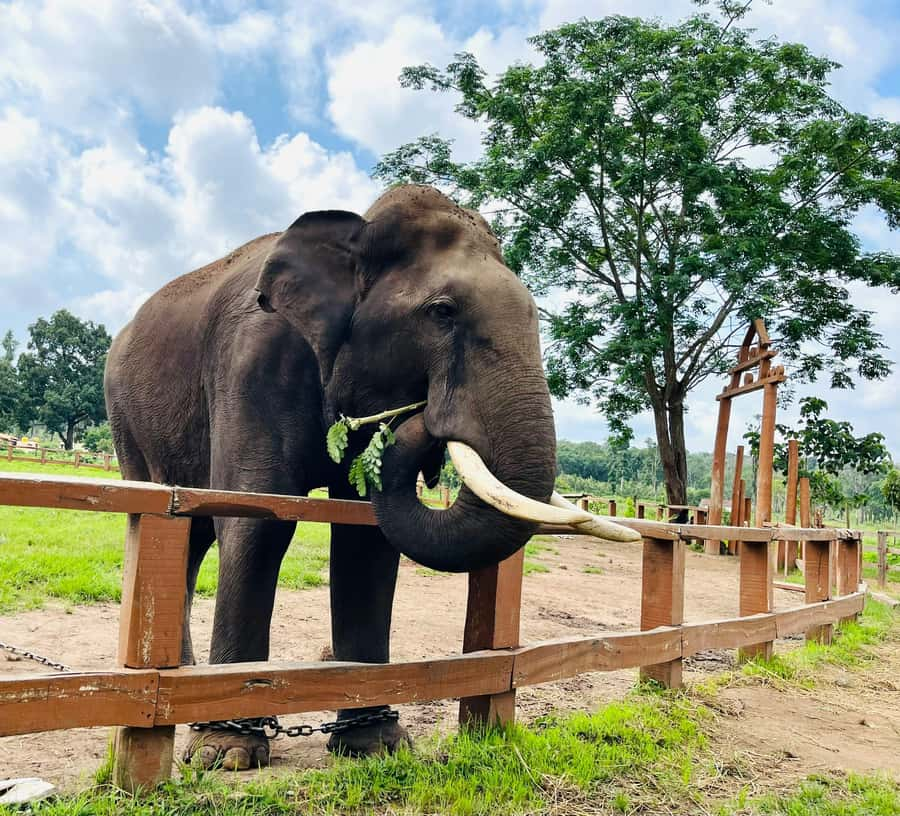
- Small group size (up to 10) keeps the experience personal, not rushed.
- Hotel pickup and drop-off (and airport transfers) helps you skip the logistics stress.
- Feeding and hands-on contact with handlers in a controlled, guided setting.
- Trunk-in-hand walks for a close-up look at how elephants move and communicate.
- Night shelter viewing so you can see how they settle in rather than only standing around.
- Elephant swimming moments when conditions are right, usually on warmer or rainy days.
From Joburg to Hartbeespoort: the ride matters more than you think
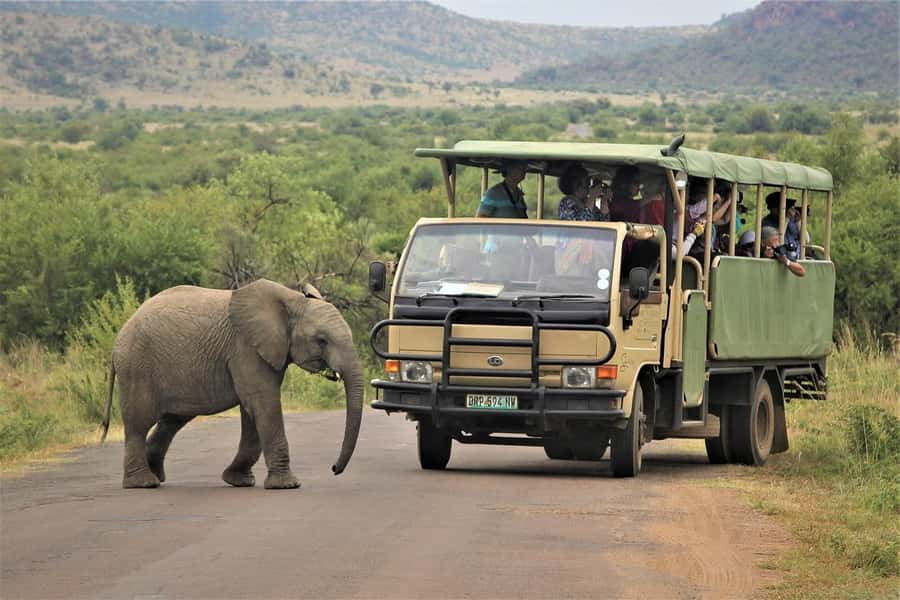
This tour is built for convenience. You’re picked up from any hotel in the listed areas: Gauteng, Mpumalanga, or North West, plus airport transfers are included. That means you can roll out without trying to figure out routes and timing on your own.
Then you’re on the road in a coach for about one hour each way. In a half-day format, that travel time becomes part of the day’s rhythm. The good news is that you’re not stuck “waiting around” alone. You’ve got a tour guide/driver with you, and you’ll use that time to get oriented before you reach the sanctuary.
The sanctuary visit itself is about 2.5 hours, with a 30-minute break mid-journey at the sanctuary area before heading back. If you’re the type of traveler who likes structure, this timeline helps. If you’re the type who hates being on a schedule, you might feel the time pressure.
The tour guide speaks English and several local languages including Xhosa, Zulu, Setswana, and Sesotho. That matters more than it sounds. Clear explanations about animal behavior and handling safety will make the whole experience feel less like a show and more like learning.
First steps inside: what you’re really paying for
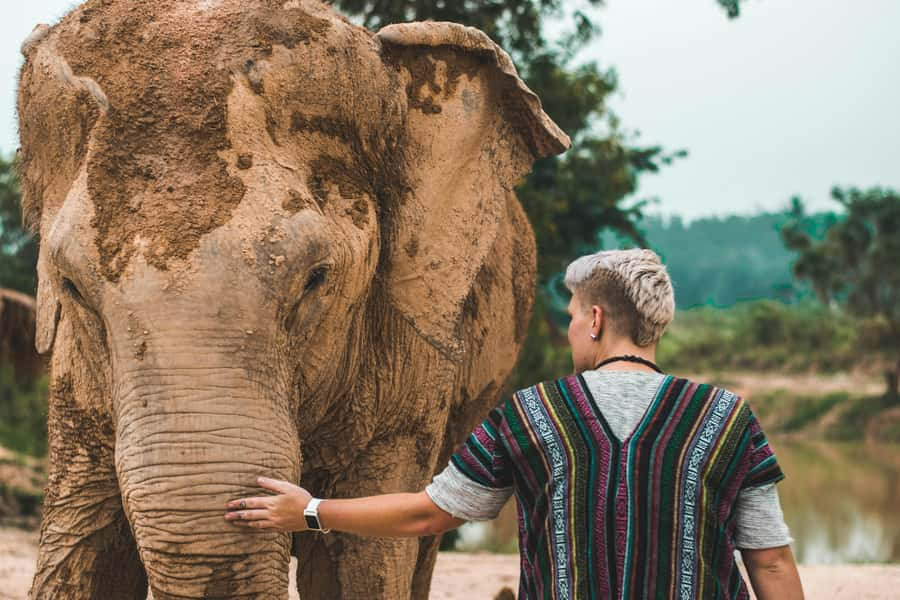
Once you arrive at the Elephant Sanctuary near Hartbeespoort, the tone changes fast. Elephants are huge, and even when you know that intellectually, your brain catches up only when you’re actually there. You’re close enough to register details like body shape, skin texture, and how calmly they move when they’re not crowded by constant pressure.
This is where the sanctuary approach shows. The focus isn’t on tricks or stage moments. It’s on well-being and protection, and that shows in the pace. Expect plenty of time for guided observation, with moments built in for interaction and learning.
Also, this tour isn’t a giant bus-fest. The group is limited to 10 participants, which helps with both safety and attention. In a smaller group, you’re more likely to hear instructions clearly and be able to ask questions if you’re uncertain about what’s happening.
Feeding time and gentle contact: close, controlled, and unforgettable
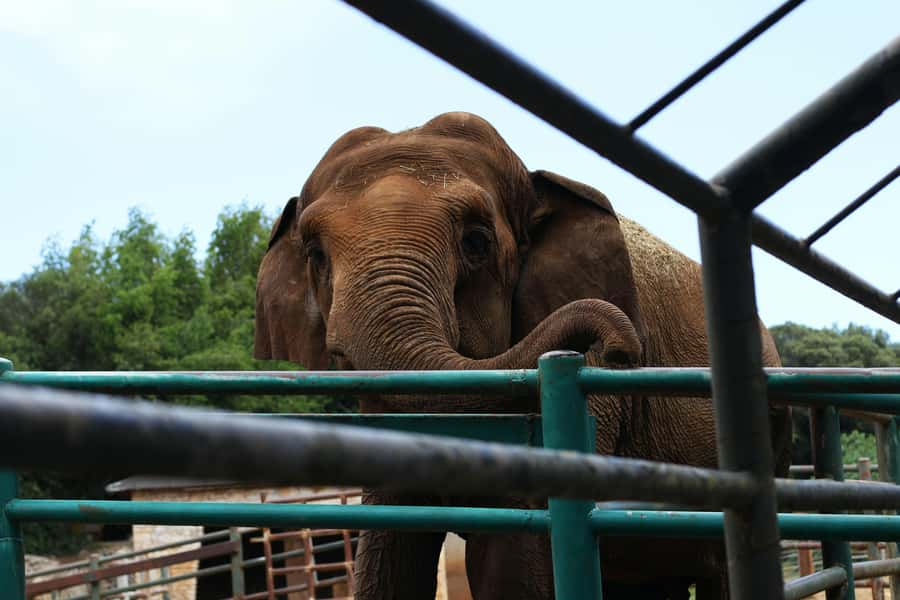
This is the part most people remember. You’ll get the chance to feed the elephants under professional guidance. Feeding time gives you a new understanding of their intelligence. Their focus becomes very obvious, and you’ll see how they use touch and body language to communicate.
You may also have hands-on moments described as petting and touching areas like ears and other parts of the body. Some participants even note that an elephant gave a kiss. I can’t promise exactly what you’ll experience, but it’s realistic to expect close contact in a way that feels personal, not distant.
A practical note: when animals are close, you’ll want to follow the handler’s cues fast. Move when they tell you to move. Stay where they place you. If you’re thinking about taking photos nonstop, pause and listen first. The best memories often come from watching, then acting when invited.
The trunk-in-hand walk: how it feels up close
One of the most standout activities is the guided walk where you experience elephants with trunk-in-hand. This is not about charging around or doing anything rough. It’s about sharing space and gaining familiarity with how elephants react when they feel secure and supervised by handlers.
When you hold the trunk, you’re learning a lot without even trying. The trunk is flexible, strong, and sensitive. Even if you’ve never been this close to an elephant before, you can learn to read the moment. If the elephant leans in or pauses, you understand that you’re in a shared interaction, not a one-way “petting session.”
A plus for first-timers: the guide and handlers are there for instruction. You’ll be in a position to ask questions about what you’re seeing, like how elephants use their trunk to explore and communicate.
Learning elephant behavior and anatomy without it becoming a lecture
This tour isn’t just about being near elephants. It has an educational layer focused on elephant behavior and anatomy. That matters because it helps you connect what you’re seeing with what it means.
Expect to learn how body parts work together, and why certain behaviors are normal in a sanctuary setting. You’ll also get explanations that help you understand the difference between curiosity, comfort, and caution. That’s useful because elephants communicate quietly. You’ll often notice more by watching their posture and movement than by seeing a dramatic action.
There’s also an option connected to this learning: you may have a chance to walk the elephant by yourself along a laid-out path after the anatomy instruction. If you’re comfortable following instructions and staying calm, this can be a memorable level-up moment. If you prefer to stick with guided proximity, you can still enjoy plenty of observation and interaction.
Night shelter viewing: seeing what happens after the fun
A lot of wildlife experiences focus on daytime activity only. Here, you also get to witness elephants heading to their night shelter, where they gather to sleep. That changes how you understand their “schedule.” You’re seeing routine behavior, not just attraction behavior.
Night shelter viewing can feel peaceful and grounded. It also helps you see elephants as animals with daily needs, not just as entertainment. You’re watching how they settle, which ties back to the sanctuary theme of protection and well-being.
It’s also the kind of moment where your camera will feel less important. Watch their movements and the group dynamic. If you enjoy slow, thoughtful observing, this will reward your patience.
Watching them swim on hot or rainy days
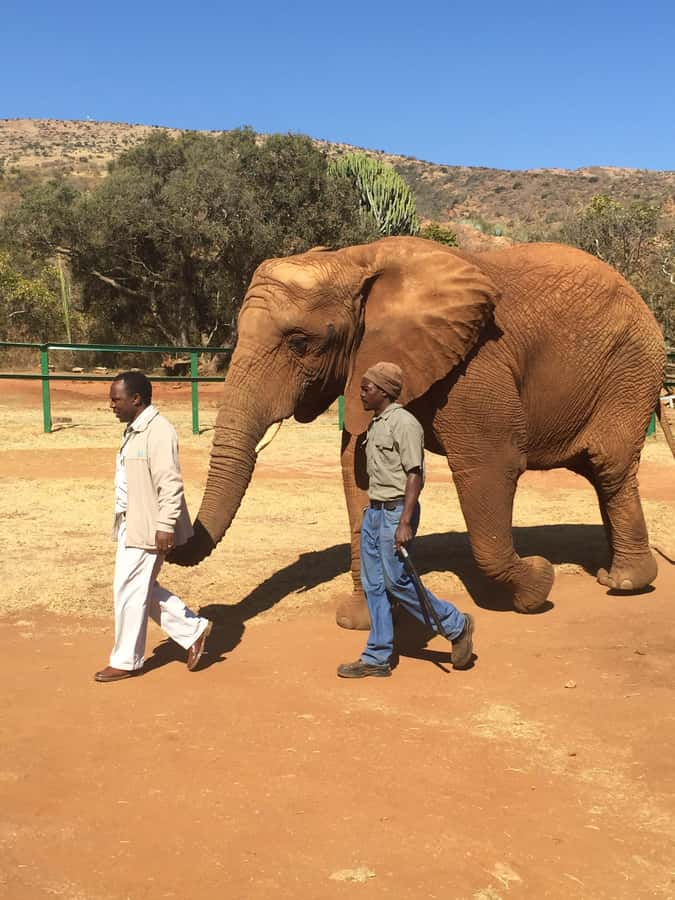
In a sanctuary visit, the most authentic experiences often come from weather and timing. On hot or rainy days, you may get to witness elephants swimming. That’s not an artificial performance. It’s a natural behavior that can happen when conditions are right.
Swimming also adds a different dimension to learning. You see how elephants handle themselves differently in water, and you get a glimpse of how they might cool down or interact with their environment. If you’ve only seen elephants standing on land, this is the kind of moment that gives your mental image a fuller shape.
Break time and energy management in a 5-hour day
The tour includes a 30-minute break during the sanctuary portion. This matters because you’ll likely spend a lot of time standing and watching up close. Your feet and attention will need a reset.
Food and drinks are not included, so use this break to plan. If you’re someone who gets cranky when hungry, bring simple snacks and water. Even if you’re not a snack person, having a drink on hand can make the experience smoother, especially in warm weather.
Because the full day is about 5 hours, you don’t have room to “miss your moment.” If something is happening you’re excited about, pay attention early and follow the guide’s direction. Then use the break to regroup and recharge.
Price and value: what $265 really buys (and what costs extra)
The tour price listed is $265 per person, and the big thing to understand is this: sanctuary entry tickets are excluded from what you pay through the booking platform. You’ll pay those entry tickets upfront at the sanctuary in South African rand.
Ticket prices listed in ZAR are:
- Adult (12 to 64): R1250.00
- Child (0 to 11): R495.00
- Senior (65 to 99): R850.00
So how do you judge value? For me, you’re paying for:
- Hotel pickup and drop-off plus a coach ride
- A small group capped at 10
- Guided time at the sanctuary, including interaction and education
The ticket you pay at the sanctuary is a separate layer of cost, but it also clarifies what you’re funding. You’re supporting access to the sanctuary environment and its protections.
If you’re traveling with a group, the small-group structure keeps the experience personal, which is often where sanctuaries earn their higher prices. If you’re on a strict budget, make the extra ticket cost part of your math from the start, not as a surprise at the entrance.
The practical stuff: what to bring and what not to bring
This tour is straightforward. The main suggestion is to wear comfortable clothes. Since you’ll likely be walking and spending time outdoors, comfortable footwear is a smart idea, even though the listing only explicitly calls out clothes.
Not allowed: alcohol and drugs. Keep it simple and focused. You want your energy to match the calm pace around the elephants.
Also, plan for the fact that food and drinks are not included. Bring what you can tolerate easily. Aim for lightweight snacks and enough water for the day.
Who this half-day Elephant Sanctuary tour suits best
This is a great fit if you want close animal interaction without spending a full day. The timing is ideal for travelers who have limited hours around Joburg and still want something meaningful.
It’s also a strong choice if you like learning while you’re experiencing. The mix of behavior observation, anatomy explanations, and guided activities helps you understand what you’re seeing instead of just collecting photos.
I’d especially recommend it for:
- Families looking for age-friendly activities in a small group
- First-time elephant visitors who want safe guidance and explanations
- Travelers who prefer hands-on moments with professional handlers rather than distant viewing
If you hate schedules or want maximum freedom with no coaching, you might find the guided format and timed travel feel a bit structured. But even then, the sanctuary experience tends to absorb your attention quickly.
Booking with confidence: the human details you should care about
The tour is run by Kharivhone SA Exclusive Historical and Cultural Tours, and you’ll have a live guide/driver. The guide’s multilingual support, including English plus several local languages, makes the experience easier to follow if you’re not a native English speaker.
You also have wheelchair accessibility, so the tour is set up to work for mobility needs. If you’re traveling with a wheelchair or mobility device, you’ll still want to be ready for outdoor terrain, but the fact that it’s labeled accessible is a good sign.
Finally, the tour offers free cancellation up to 24 hours in advance and even a reserve-and-pay-later option. That’s useful if your plans in South Africa are still flexible.
Should you book this Elephant Sanctuary half-day from Joburg?
If you want a half-day that feels personal, educational, and genuinely close to elephants, I’d book it. The small group and the mix of feeding, trunk-in-hand walking, anatomy learning, and observing night shelter behavior create a full picture in just a few hours.
Just do one thing before you go: budget for the entry tickets you pay at the sanctuary and bring snacks and water since food and drinks are not included. If you handle that planning, the value is strong, and you’ll leave with memories that go beyond a quick photo.
FAQ
What is the duration of the Elephant Sanctuary half-day tour from Joburg?
The total duration is about 5 hours.
What is included in the tour price?
The tour includes hotel pickup and drop-off, airport transfers, and a tour guide/driver.
Are sanctuary entry tickets included, or do I pay separately?
Sanctuary entry tickets are not included. You pay the tickets upfront at the sanctuary in South African rand.
How much are the sanctuary entry tickets?
Adult (12 to 64) tickets are R1250.00, child (0 to 11) tickets are R495.00, and senior (65 to 99) tickets are R850.00.
What activities will I do at the sanctuary?
You can expect guided elephant viewing plus activities such as feeding, learning elephant behavior and anatomy, walking with elephants with professional handlers, walking to the night shelter, and witnessing elephants swimming on hot or rainy days.
What should I bring, and what is not allowed?
Bring comfortable clothes. Alcohol and drugs are not allowed. Food and drinks are not included, so you may want to plan for refreshments during the break.
Lion and Big Cat Parks, compared.
 ★ 5.0Half Day Lion Park tour from Johannesburg or PretoriaFrom $100274 reviews
 ★ 4.8Hartbeespoort: Lion and Safari Park TourFrom $70103 reviews
 ★ 4.8Hartbeespoort: Lion and Safari Park Guided TourFrom $3899 reviews
 ★ 4.5Cheetah Outreach Tour Somerset West, Gordon’s Bay and Strand BeachesFrom $5394 reviews
 ★ 5.0Cradle of Humankind, Caves or Maropeng, Rhino and Lion ParkFrom $9774 reviews
 ★ 4.7Hartbeespoort: Self-Drive Lion and Safari Park TourFrom $2464 reviews
 ★ 4.5Captivating Safari Lion Park Experience (Half Day Guided Tour)From $9462 reviews
 ★ 4.8Pretoria: Pretoria City and Lion Park TourFrom $16741 reviews
Browse the lists this tour appears in