
REVIEW · SAFARI GAME DRIVES
Hluhluwe-iMfolozi Park – Open Safari Vehicle Game Drives
If you like wildlife stories you can feel, go to Hluhluwe-iMfolozi Park. I love the way this reserve mixes wooded areas and open grassland savannah, so the day keeps changing fast, and your guide can steer you toward what’s most active right then. The best part for me is the local guiding style, including careful driving habits like slowing down and even switching off the engine when animals come close, plus a breakfast-style picnic when you start early. One thing to weigh, though, is that this is an open safari vehicle, so sun, dust, and long stretches off pavement are real, and it is not suitable for everyone.
In This Review
- Key takeaways before you choose a drive
- Hluhluwe-iMfolozi Park, often called HIP, in plain terms
- Open Safari Vehicle Game Drives: why the vehicle type matters
- Getting to the park: Memorial Gate vs Nyalazi Gate
- Drive lengths: 3, 6, and 9 hours, and how to pick
- What you’ll likely see: more than the Big Five
- Birds and the “quiet minutes” that count
- Bird hides, picnic sites, and lookout points you can use to reset
- Local guides on the road: names you might meet and why it matters
- Price and value: what you get for $191 per person
- Rules you should know before you step on board
- Who should book, and who might want a different option
- Should you book this Hluhluwe-iMfolozi Park open drive?
Key takeaways before you choose a drive
- Multiple drive lengths (3, 6, or 9 hours) so you can match your energy and schedule.
- Pick-up and drop-off from Saint Lucia, Hluhluwe, Mtubatuba, or Bushlands, or meeting at Memorial Gate or Nyalazi Gate.
- Local, registered guides born and raised around the park, with routes and animal timing they understand.
- Early start treats: complimentary coffee and rusks on morning departures, plus picnic-style breaks during longer options.
- Park rules that protect wildlife, including no drones and no touching animals or plants.
Hluhluwe-iMfolozi Park, often called HIP, in plain terms
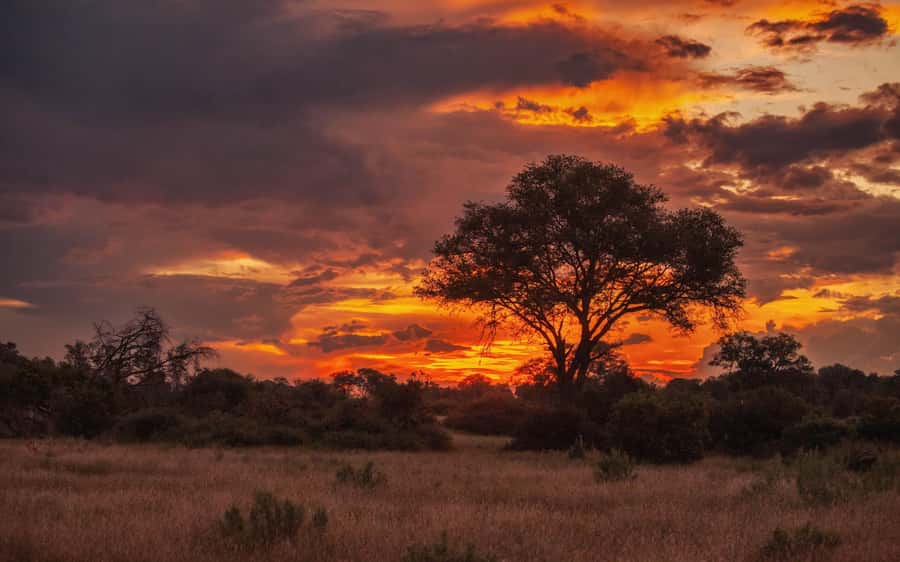
Hluhluwe-iMfolozi Park, or HIP, is one of Africa’s older “Big Five” reserves. It sits in KwaZulu-Natal and covers about 96,000 hectares, which is small compared with Kruger, yet still feels like proper wilderness because it’s conservation-focused and not overrun.
What makes HIP different is the mix of habitats. You can move from dense, forested areas to open grassland savannah in the same day, and that habitat shift changes what you’ll spot. Birds show up in one area, plains game in another, and larger animals tend to use the edges where cover and open ground meet.
Also, HIP has the white rhino conservation story front and center. The park is described as the genetic home to every white rhino alive today, tied to Project Rhino and the work associated with the Centenary Center in the southern iMfolozi section. You might not sit in a museum the whole time, but that conservation context shapes how you view what you’re seeing out on the roads.
Open Safari Vehicle Game Drives: why the vehicle type matters
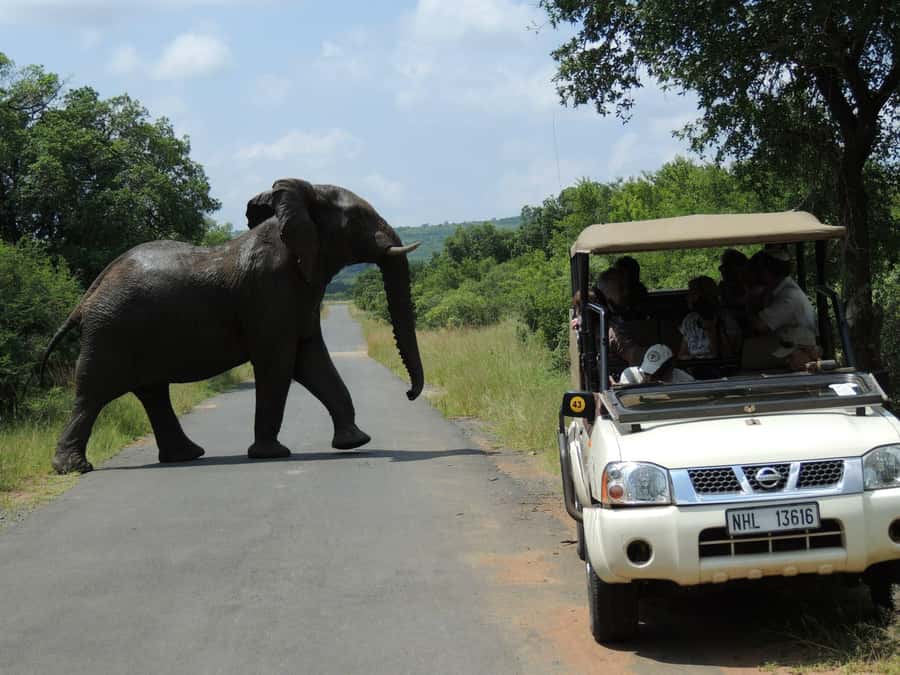
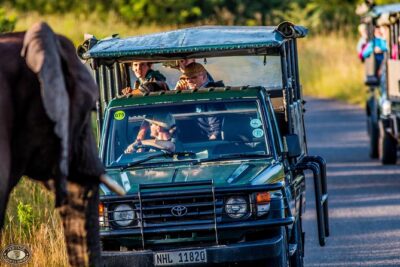
An open safari vehicle is exactly what it sounds like: you’re outside, you feel the heat, and the game drive is more about reading movement and sound than waiting behind glass. The upside is simple, you notice details fast, from bird calls to animal behavior.
The flipside is comfort. You’ll want to dress for sun and changing weather, and you’ll definitely want a hat and water. If you’re the kind of traveler who hates dust on your camera lens, plan to clean gear a few times during the day.
The driving style is also part of what you get. In the strongest experiences, the guide handles proximity with care, including switching off the engine when animals are close. That kind of attention matters because it reduces disturbance and makes your sightings feel more natural, not staged.
Getting to the park: Memorial Gate vs Nyalazi Gate
Your route depends on where you start. You’ll either enter through Memorial Gate into the northern Hluhluwe section, or via Nyalazi Gate into the southern iMfolozi section.
Here’s why that matters. Even though the park is one big system, the two sections feel different in practice because of the habitat mix and where the day’s conservation priorities focus. If you’re short on time, you’ll appreciate how the drive length shapes your “chance to cover different terrain.” If you have a full day, you get more opportunities to see the park’s variety in motion.
Convenience is built in. You can start from accommodations in the Hluhluwe area within a 10 km radius, and from Saint Lucia you’ll be collected across St Lucia, Monzi, and Mtubatuba. If you prefer to meet at the park instead, you can choose to meet at Memorial Gate or Nyalazi Gate, depending on which section your drive covers.
Drive lengths: 3, 6, and 9 hours, and how to pick
You can choose a 3-hour, 6-hour, or 9-hour open safari vehicle drive. That range is more than flexibility. It’s your main tool for managing expectations.
- 3-hour option: best if you want the experience without losing your whole day. You’ll likely focus on a smaller slice of the park, so your sightings depend heavily on what the guide finds early.
- 6-hour option: this is the sweet spot for many people. You get enough time to move between habitat types and still have room for breaks.
- 9-hour option: you’re buying time for patience. Longer drives are where you start to feel how guides work, scanning constantly, adjusting as animals shift, and spending time in the right places instead of rushing.
If you want the conservation story to land, you’ll do better with a longer option because you’re more likely to move through the areas tied to it. If you’re traveling with limited energy, don’t force a long day. In HIP, your guide’s local timing can still make a shorter drive rewarding.
What you’ll likely see: more than the Big Five
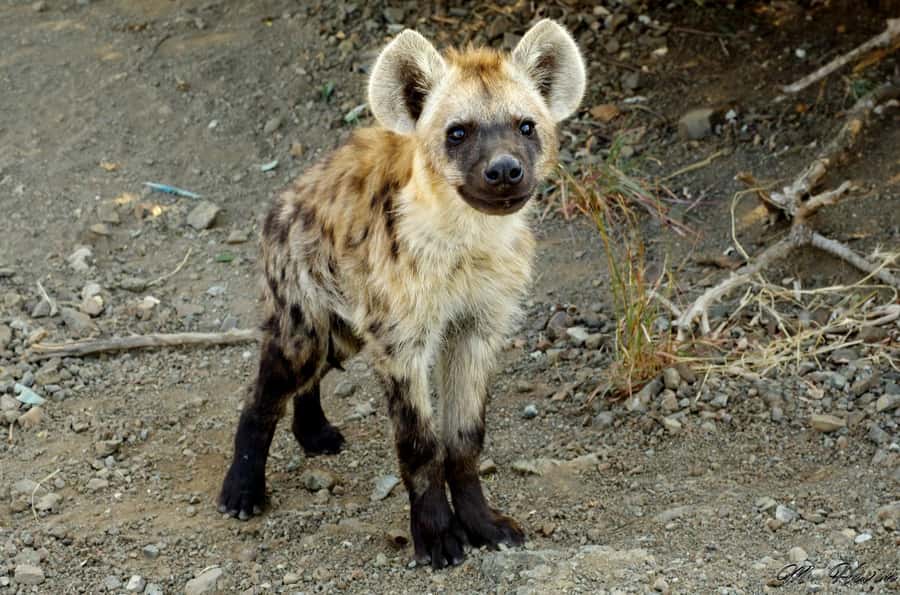
Yes, HIP is known as a Big Five reserve. But the smarter way to think about it is this: you’re going into a reserve that’s described as full of plains game and strong biodiversity, and you should plan to enjoy the full wildlife picture, not just hunt for one headline animal.
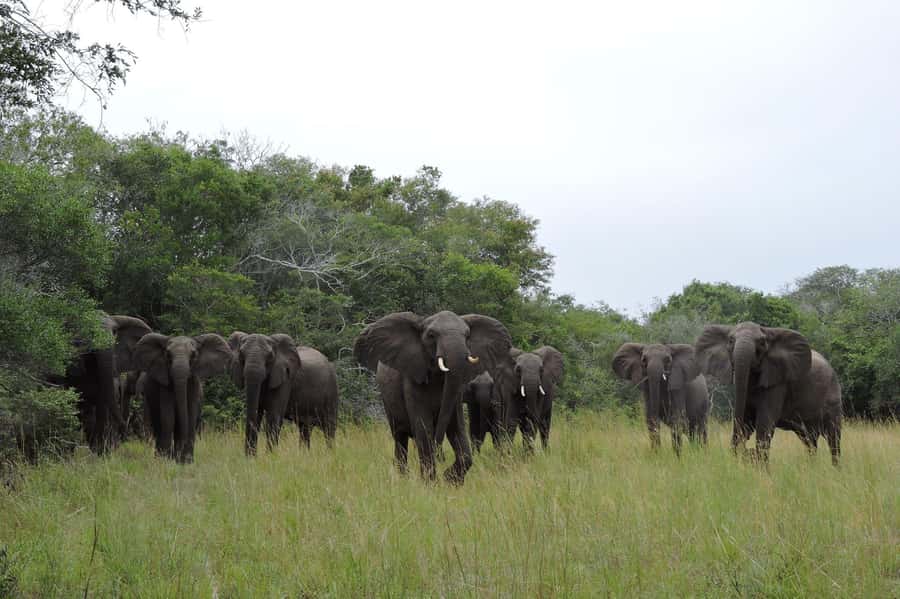
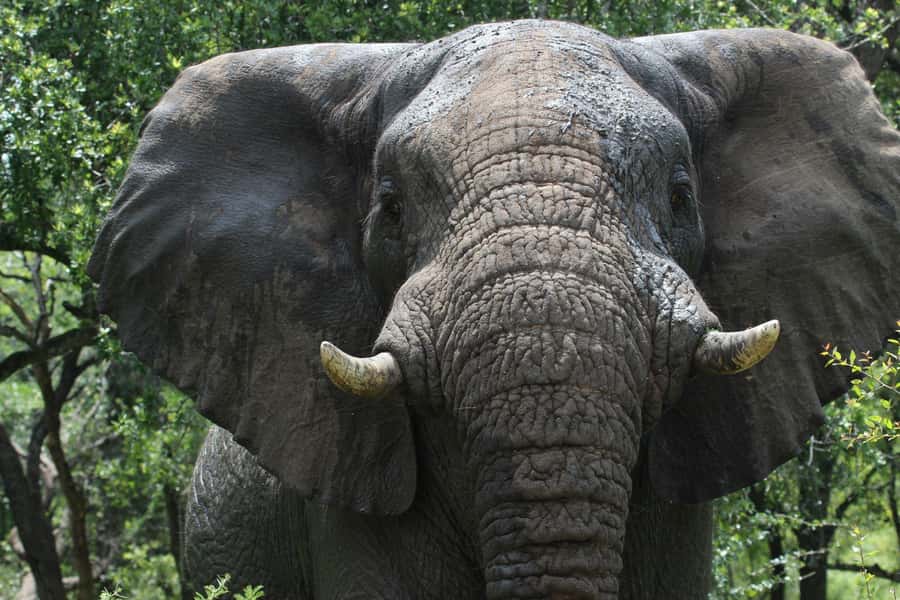
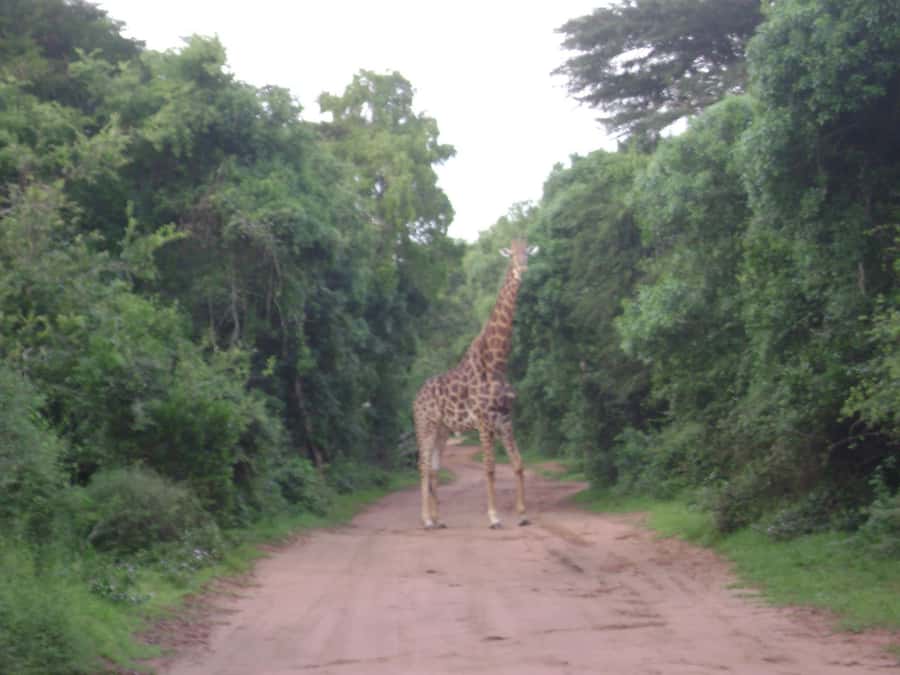
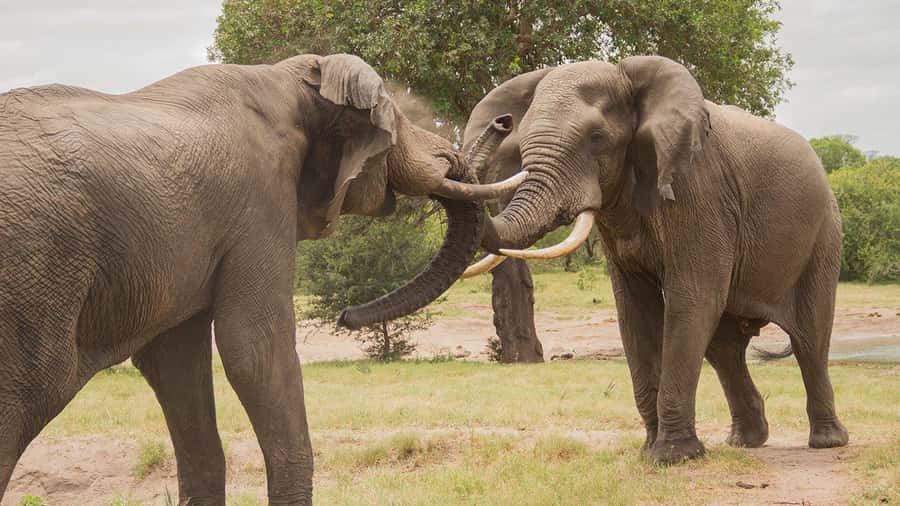
From what guides can put you onto, you might spot elephants and rhinos, plus species like giraffes, impalas, monkeys, and buffalo. That mix is why I like HIP for first-timers, because it often feels like a living ecosystem, not a checklist.
Also, larger animals often come with “story time.” Your guide watches behavior, not only position. Are the animals feeding? Moving along cover? Using edges for shade? When you understand that rhythm, even a short wait feels worthwhile.
Birds and the “quiet minutes” that count
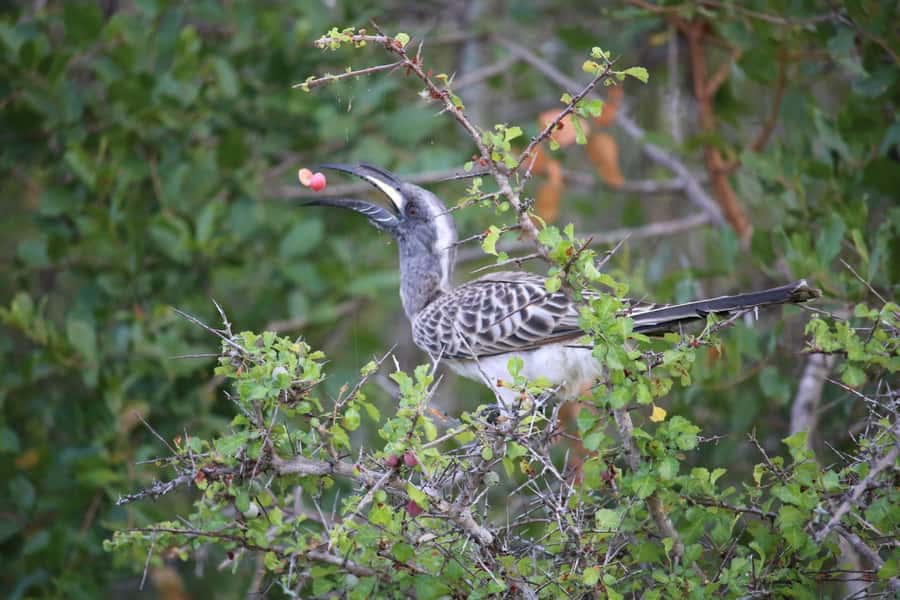
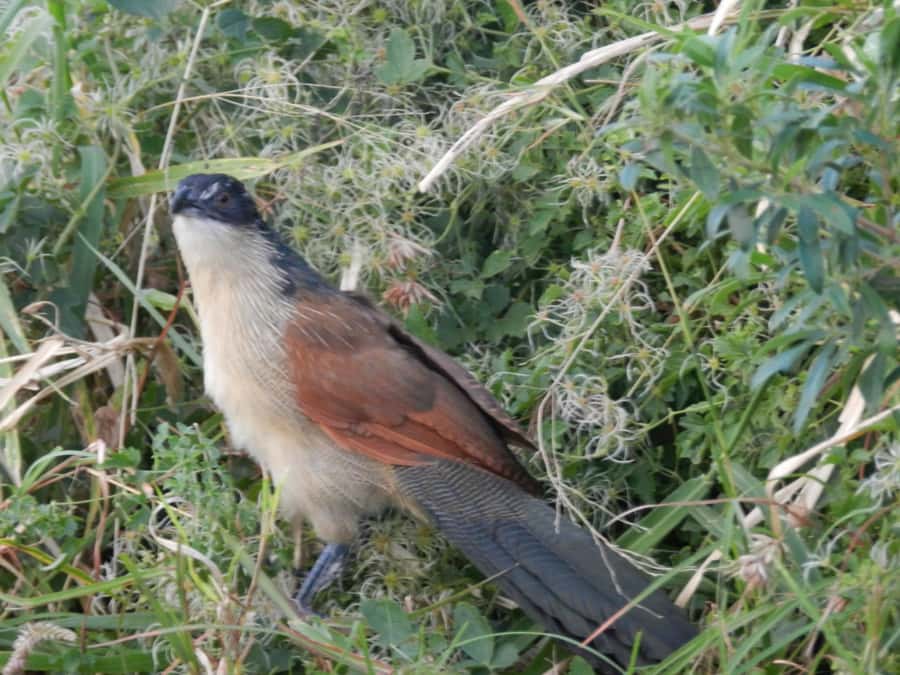
HIP is also a bird-focused safari. The park includes bird hides, and it’s a very practical feature because it turns bird spotting into something calmer. You can sit, watch, and let smaller action come to you.
Even if you don’t use a hide for the entire drive, the concept is useful for your own mindset. When you stop sprinting your attention between trees, the birds start to “show themselves.” That’s how your photo opportunities improve too.
Bird hides, picnic sites, and lookout points you can use to reset
A good game drive isn’t only about rolling forward. It includes pauses built into the park experience, like picnic sites and lookout points.
If you’re on an early start, you’ll get complimentary coffee and rusks. That sounds simple, but it’s exactly the kind of small comfort that keeps people cheerful during the morning hours when animals may be more active. In longer drives, you may also enjoy a breakfast-style picnic inside the park, which several people highlight as a standout moment because it breaks the day in a good way.
Lookout points and bird hides work best when you treat them as a scheduled reset. Put your camera down for a minute. Drink water. Then go back to scanning with fresh eyes. That’s when you start noticing details you’d miss while constantly staying in motion.
Local guides on the road: names you might meet and why it matters
The biggest difference between an average safari and a great one is how your guide reads the park. Here, you’re getting guides who are described as trained, legally registered, and born and raised in rural communities around the park. That kind of background tends to show up as confidence in route choice and patience with spotting.
You may hear guide names like Sifusi and Sifiso during your booking experience. One review specifically called out Sifusi for high expertise and a focus on elephants, including helping people understand behavior and where animals were likely resting or feeding. Others mention Sifiso for taking time and patience, working to locate animals like elephants, rhinos, giraffes, monkeys, impalas, and buffalo.
There’s also a strong service element. One organizer contact mentioned was Larni, with fast responses and clear communication right before the safari. That matters because game drives run on timing, and the less you have to stress about the day, the better you’ll enjoy the actual wildlife time.
Finally, there’s the driving care. One of the most praised details is the habit of putting out the engine when animals come close. That’s a practical behavior with real benefits: calmer conditions for you, less disturbance for wildlife.
Price and value: what you get for $191 per person
At $191 per person, this safari sits in a mid-range band for South Africa game drives, but you’re not just paying for a vehicle and entry. The value is in the package.
What you’re paying for, based on what’s included:
- Park entry fees and levies
- A qualified, registered guide
- Pick-up and drop-off from selected areas or gates near your accommodation
- Complimentary coffee and rusks if you start early
Meals are not automatically included unless you order add-ons. That’s worth planning for, especially on the longer options. If you’re a person who gets hungry, consider adding the meal option so the day stays smooth.
The value equation becomes even stronger when you compare this to “DIY driving” costs. If you were to arrange your own entry, figure out routes, and hire a trained guide separately, the total usually climbs fast. Here, the guide is part of what you buy, and it’s that guiding skill that helps turn a drive into real sightings.
Rules you should know before you step on board
HIP safari rules are designed to keep wildlife calm and keep you safe. They also help you avoid the kind of embarrassing mistakes that can ruin a day.
You cannot:
- fly drones
- smoke in the vehicle
- litter
- touch animals
- touch plants
Your “bring” list is simple and useful:
- hat
- camera
- snacks (especially if you’re doing self-catering)
- sunscreen
- water
- weather-appropriate clothing
If you’re taking snacks, don’t forget the basics, enough water and a few easy bites for the waiting moments. Long drives often mean long stretches between food stops.
Who should book, and who might want a different option
This safari is best for people who enjoy being on the move, listening to a guide’s explanations, and staying patient for animal sightings. It’s also a good fit if you want a private group experience, not a crowded scramble.
It’s not suitable for:
- children under 4
- babies under 1
- people with mobility impairments
Before you book, think about your own comfort with an open vehicle and spending several hours in the park. If you’re the kind of traveler who wants maximum physical comfort and minimal sun exposure, you’ll want to plan your clothing carefully.
If you’re visiting KwaZulu-Natal and want a classic reserve without feeling like you’re in a major mega-park, this one fits. HIP is described as not overcrowded and not overcommercialized, which you’ll feel in the overall tone of the drive.
Should you book this Hluhluwe-iMfolozi Park open drive?
Book it if you want a safari day that’s more than a photo chase. Choose it for the mix of habitats, the chance to enjoy bird hides and lookout breaks, and the emphasis on how guides find wildlife by reading the park.
I’d especially consider it if you’re traveling with someone who loves elephants and big conservation stories. HIP’s white rhino link is real and tied to Project Rhino, and the park experience helps you see why that work matters.
Skip it or look for another option if you need a fully sheltered vehicle, if long outdoor time is a deal-breaker, or if your group falls into the listed age and mobility limitations.
If you want my practical closing advice: pick the drive length that matches your schedule, then pack like you’ll be outside for hours. The more prepared you are for sun, dust, and patience, the more you’ll enjoy what HIP does best, turning the whole day into a wildlife puzzle your guide helps you solve.
Safari Game Drives, compared.
 ★ 4.6From Cape Town: Big Five Game Reserve with LunchFrom $2362,409 reviews
 ★ 4.7Gansbaai: Marine Big 5 Boat tourFrom $155593 reviews
 ★ 4.7Little Brak River: Botlierskop Guided Game DriveFrom $40589 reviews
 ★ 5.0Big Five Safari and Breede River Valley Guided Day TripFrom $155526 reviews
 ★ 4.5Cape Town: Aquila Game Reserve Sunset Game DriveFrom $168508 reviews
 ★ 4.5Full Day Pilanesberg Experience in Open VehicleFrom $137414 reviews
 ★ 4.4From Cape Town: Aquila Game Reserve Sunset Game DriveFrom $167350 reviews
 ★ 5.0Hluhluwe-Imfolozi Park Full Day Big 5 Safari TourFrom $96310 reviews
Browse the lists this tour appears in