
REVIEW · SAFARI GAME DRIVES
Hluhluwe Game Reserve Safari from Durban
Rhinos are why you wake up early. This day trip from Durban has you rolling at 6:30 am toward Hluhluwe-iMfolozi, then spending hours in a closed vehicle where your guide can read animal behavior in real time. I especially like that the guide approach is proactive, like the way Wendy reportedly repositioned the group when animals looked tense.
I also like how the day balances big-ticket wildlife with the little stuff you might miss on your own. With lunch included and long stretches for birdwatching, you get time to scan waters for crocs and hippos and listen for calls like Klaas’s cuckoo and the little bee-eater.
One drawback to plan for: the long drive from Durban eats daylight, and Big Five sightings are never guaranteed. Even great safaris can come up short on lions or rhinos, and a closed-vehicle drive means you may need a bit of patience for distant views.
In This Review
- Key highlights you should care about
- Durban to Hluhluwe-iMfolozi: the early start that shapes your safari
- The closed-vehicle game drive: why guide positioning matters so much
- Big Five hopes, rhino reality, and why sightings can vary
- What you actually do at Hluhluwe-iMfolozi Park Wilderness Area
- Lunch and the in-between time that keeps the day from dragging
- Crocs, hippos, and birds: the wildlife you can enjoy even without a lion
- Open-vehicle upgrade: when extra money buys you better angles
- Price and value from Durban: what $241.84 covers
- Service quality, group comfort, and the small hiccups to know
- Who should book this Durban day safari
- Should you book this Hluhluwe-iMfolozi safari from Durban?
- FAQ
- What time does the safari start and how long is the day?
- What is included in the tour price?
- Is there an open-vehicle game drive option?
- Are there age limits for the open-vehicle drive or car seats?
- How many people are in the group?
- What happens if I cancel or want to change my booking?
- How does COVID-19 health and safety work for this tour?
Key highlights you should care about
- A long closed-vehicle safari window: around 6 hours of game drive time once you reach the reserve
- Guide style that prioritizes safety and position, praised by multiple guide names including Wendy and Thabo
- Rhino country, home to the world’s largest white rhino population, even if sightings can be distant
- More than the Big Five, with crocs, hippos, and bird calls built into the experience
- Group size capped at 12, so you are not packed into a massive herd of strangers
More of Durban, beachfront to curry counter
- Durban: 30-Minute Harbor Boat Cruise★ 4.7 · 665 reviews
- Durban: 1-Hour Boat Cruise from Wilson’s Wharf★ 4.7 · 496 reviews
- Durban Point Waterfront: Luxury Canal Boat Cruise★ 4.4 · 298 reviews
- Durban: Pontoon Boat Harbor Cruise★ 4.4 · 182 reviews
Durban to Hluhluwe-iMfolozi: the early start that shapes your safari
This is a full-day outing, and the timing matters. You start at 6:30 am, which means you will leave the city while it is still morning and return well after the afternoon. Multiple experiences mention late returns, so treat this as a day trip with a real schedule, not a quick side quest.
Why it works: a good safari is about time on the ground and smart positioning. Since you are traveling from Durban, you trade some time in the vehicle for a bigger payoff at the reserve. Once you enter the reserve, you are in a closed vehicle for the main drive, with a guide who helps you interpret what you are seeing.
Another practical note: you are dealing with a moderate level of physical effort. Think sitting for long stretches, climbing in and out of the vehicle, and being ready for uneven terrain around stops. It is not extreme, but you should be comfortable with a long day and early wake-up.
The closed-vehicle game drive: why guide positioning matters so much
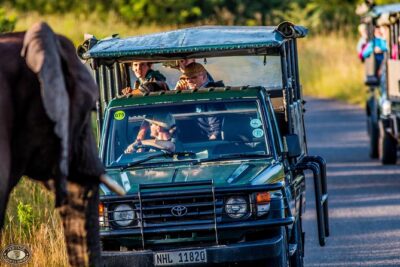
The heart of the day is the closed-vehicle game drive in the Hluhluwe-iMfolozi Park Wilderness Area. The drive portion runs for about 6 hours, and that is where you can realistically build a wildlife list, not just grab one quick glimpse.
Here is what I would watch for as you ride. In these reserves, animals often react to vehicle noise, other groups, and even your angle of approach. One review specifically calls out Wendy spotting when game looked nervous or challenged, and removing the group from harm’s way fast. That is the kind of skill you want, because it can mean the difference between seeing an animal calmly versus getting a panicked retreat.
You also get the classic safari mix:
- Big Five searching, with cheetahs and hyenas also part of the hunt plan
- Scanning for crocs and hippos in water areas
- Bird attention for species like little bee-eater and Klaas’s cuckoo
Closed vehicles can feel limiting at first, but they are often the safest and most comfortable way to drive in reserves for long hours. You are also less likely to miss things because your guide is actively scanning, calling out movement, and helping you focus your eyes. Several guide names came up with strong praise, including Jan Jordaan, Prince, Thabo, and Wendy, and the theme is consistent: spotting helps, and spotting helps most when someone is guiding your attention.
Big Five hopes, rhino reality, and why sightings can vary
Let’s talk about the elephants in the room, rhino included. The tour is built around a hunt for the Big Five. The problem is that wildlife is wildlife. You can do everything right and still miss lions, especially if they are not moving through your route.
Some safari outcomes line up perfectly with the dream checklist, like one group that reported rhino, elephant, zebra, giraffe, wildebeest, buffalo, and more. Others were less complete, with one review disappointed by missing rhinos and lions and another noting only a subset of the Big Five.
So what should you do with this information? Plan your expectations around the style of the reserve and the reality of animal movement:
- White rhinos are a key reason to come, and this reserve is known for strong rhino presence. But rhinos can be far away or partly obscured.
- Lions and other big cats are not guaranteed on a single drive, even in a good reserve.
- Timing and season matter. One review flat-out mentioned February as not the best time for big cats.
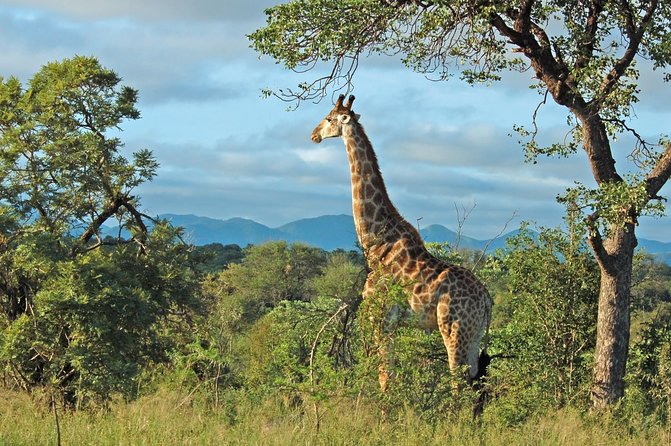
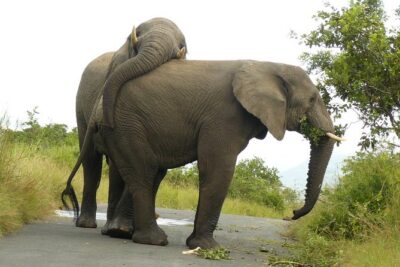
My practical advice: if you only care about seeing one of the Big Five, you are putting yourself at risk of feeling let down. If you are open to a broader wildlife day, this becomes much more satisfying. The experience is still built to deliver plenty: elephants, buffalo, zebra, giraffe, warthogs, baboons, plus reptiles and birds if you are willing to slow down and scan.
What you actually do at Hluhluwe-iMfolozi Park Wilderness Area
You start with your main game drive once you reach the reserve. The tour description frames it as a Big Five game park with closed-vehicle driving. That Wilderness Area is also where a lot of the action shows up, especially around the kinds of habitats that attract the reserve’s mixed lineup.
Expect these “search modes” during the day:
- Open sightline scanning: grasslands and bush edges for grazers and browsers
- Waterline checking: where crocs and hippos might be resting or feeding
- Movement spotting: animals rarely appear in a slow, cinematic way. More often, you first notice a shift in shadows or a sudden reaction from birds
- Bird listening and watching: this is where guides earn their keep, because calls are easier to ignore if you do not know what you are hearing
Even with a solid route, you can still end up with lots of buffalo and rhino but fewer “wow” cat moments. A good guide makes that less frustrating by finding the best alternatives on the fly, like swapping in a different area of interest or calling out lesser-seen animals and signs.
One more helpful point: you should not treat the safari as only one long chase. In a reserve, good drives often mean pauses, repositioning, and watching how groups react. That is exactly why people mention guides who can read behavior and move you when it matters.
More Zululand parks and wetland safaris
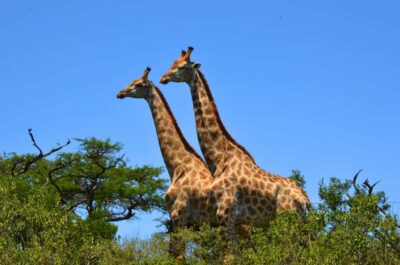
Lunch and the in-between time that keeps the day from dragging
Lunch is included, which matters on a long day. The day is long enough that hunger can turn wildlife excitement into crankiness, so having lunch handled is real value.
Some experiences also mention a meal at a hilltop restaurant with a strong view. Even when that detail is not your exact stop, the pattern is consistent: you get a break so you can recharge your eyes for the next round of spotting.
What I recommend: treat lunch as a chance to reset your focus. Use it to:
- Drink water and top up snacks you brought, if allowed by your group rules
- Review what you want to prioritize next, like birds, water animals, or big grazers
- Stretch a bit before you get back into the vehicle
Because you are in a closed vehicle for hours, small comfort checks go a long way. Sitting all day sounds simple, but it adds up.
Crocs, hippos, and birds: the wildlife you can enjoy even without a lion
When the Big Five slot misses, your attitude still decides how memorable the day feels. This safari is built to give you multiple categories of wildlife targets, and that helps.
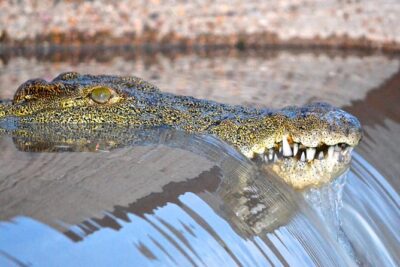
Crocs and hippos are often the best example. They are not always right out in the open, but when they show, they tend to hold attention. Even if you do not get a close lion sighting, water animals can still deliver real “did you see that” moments.
Then there is the bird component. The tour explicitly calls out birds you can look for, including the little bee-eater and Klaas’s cuckoo. Birding on safari is not just about pretty colors. It helps you track where animals might be active, because bird behavior changes around movement, predators, and food.
If you like wildlife photography, this is also where you can work. Birds can be closer and more active than large mammals that choose to stay hidden. And if you just enjoy watching, birds are less dependent on luck than big cats. They are not guaranteed either, but they often keep showing up throughout the drive.
Open-vehicle upgrade: when extra money buys you better angles
There is an optional open vehicle game drive available for an added surcharge. It is subject to availability, and it needs to be pre booked and pre paid.
So is it worth it? One review says it was worth paying extra. Here is why that makes sense from a practical standpoint. Open vehicles typically give better sightlines and more flexible camera angles, especially when animals are close to the track. They can also make you feel more connected to the environment, though that depends on weather and what the reserve allows that day.
However, check the age rule if you are traveling with kids:
- Children under 8 years are not permitted on the scheduled open vehicle game drives.
- For children up to age 3, a car seat is required, subject to availability, and parents can bring their own.
Also, if you are sensitive to sun, wind, or dust, you should consider whether an open vehicle will feel like a plus or a burden. This is your day. You get to choose how “wild” you want it to feel.
Price and value from Durban: what $241.84 covers
At $241.84 per person, this is not a budget safari. But you are also not just paying for a drive around a park. Your included value stack is strong:
- Hotel pickup and drop-off
- A professional guide
- Lunch
- Admission ticket included
- A closed-vehicle game drive for about 6 hours
That pricing starts to make sense when you compare what costs add up on your own: transport out of Durban, park entry, and the guide service. A guide is not a luxury add-on here. It helps you spot animals sooner and react better to what you are seeing.
The group size cap helps too. The tour maxes at 12 travelers, which usually translates to a more manageable vehicle environment than you would get on a bigger multi-truck day. Reviews also mention groups with enough room in the vehicle, including an air-conditioned Mercedes van situation, which aligns with the idea that comfort matters for a long day.
My honest bottom line: if you want a guided safari day that includes food and transport, this price can be good value. If you want maximum Big Five certainty, no day trip from Durban can promise that. The value is really in the guide-led spotting and the time you spend in the reserve.
Service quality, group comfort, and the small hiccups to know
Most of the feedback is clearly positive. People praise guides who know where to look and how to adjust, with standout mentions like:
- Wendy for quick safety awareness
- Jan Jordaan for being well informed
- Prince for a big list of animals during his group drive
- Thabo for spotting and sharing lots of information
Vehicle comfort and timing also show up. Several reviews mention punctual pickup and air-conditioned transport.
Still, one balanced thing to consider: a couple of reviews mention issues during transit, like a vehicle that felt too small for a group before a change, and some complaints about fast driving or missed speed bumps. This does not sound like the whole experience, but it is worth knowing so you can advocate if something feels unsafe or uncomfortable.
Bring simple safari basics like sun protection and water. Even with lunch included, you still want to be comfortable while waiting for animals to show.
Who should book this Durban day safari
This tour is a great fit if you:
- Want a single-day safari out of Durban, without planning your own transport and logistics
- Like wildlife spotting with a guide who helps you find animals you would likely miss
- Are open to seeing a mix of mammals, reptiles, and birds, not only one specific checklist item
It is less ideal if you:
- Only care about seeing lions or rhinos up close on one day
- Get frustrated by long travel days
- Have young kids who might need to be excluded from open-vehicle options
If you love animals and enjoy learning in the moment, this one has the right energy. When the guide is on top of scanning and repositioning, the day can feel like it flies by, even with a long start time.
Should you book this Hluhluwe-iMfolozi safari from Durban?
Book it if you want a structured day trip with hotel pickup, lunch, and a long guided game drive. The reserve is genuinely worth the trip, and the guide skill level gets praise for both spotting and safety decisions.
Skip or consider a different plan if you are chasing a guaranteed Big Five finale. This is a safari, not a slot machine. Some groups see fewer of the Big Five, but they often still come away with plenty of wildlife and the kind of bird and water-animals moments that stay with you.
If you can afford the open-vehicle upgrade and your timing fits, it may improve your angles. If not, you can still have a very solid safari experience with the closed-vehicle drive, especially when you lean into the full variety of wildlife, not only the headline cats.
FAQ
What time does the safari start and how long is the day?
The tour starts at 6:30 am and runs for about 12 hours total.
What is included in the tour price?
The tour includes hotel pickup and drop-off, a professional guide, lunch, and a closed-vehicle game drive, plus an admission ticket.
Is there an open-vehicle game drive option?
Yes. An open vehicle game drive is available for an added surcharge, and it must be pre booked and pre paid. Availability can vary at the time of booking.
Are there age limits for the open-vehicle drive or car seats?
Children up to age 3 must sit in a car seat (subject to availability), and parents may bring their own. No children under 8 are permitted on the scheduled open vehicle game drives.
How many people are in the group?
The tour has a maximum group size of 12 travelers.
What happens if I cancel or want to change my booking?
The experience is non-refundable and cannot be changed for any reason.
How does COVID-19 health and safety work for this tour?
The operator follows SA Government approved TBCSA Health and Safety COVID-19 Protocols. If you present symptoms, COVID testing and quarantine are at your own cost, and they recommend having adequate travel insurance.
Game Drives Across South Africa
Hluhluwe, iMfolozi and iSimangaliso
Durban: More Along the Golden Mile
Keep going: the rest of our Durban write-ups
- Discover Durban on our Durban City Day Tour
★ 5.0 · 3 reviews - 2 Day Drakensberg Mountains & Tala Game Reserve Tour From Durban
★ 5.0 · 3 reviews - Valley of a Thousand Hills – Durban
★ 5.0 · 3 reviews - Full Day Hluhluwe Imfolozi Game Reserve From Durban
★ 5.0 · 3 reviews - Private Guided Cultural Day Tour of Zulu Village & PheZulu Safari Park
★ 5.0 · 3 reviews - Durban: Half Day Phezulu Safari Park and Durban City Tour
★ 4.6 · 3 reviews
Safari Game Drives, compared.
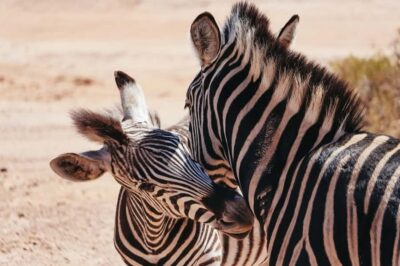 ★ 4.6From Cape Town: Big Five Game Reserve with LunchFrom $2362,409 reviews
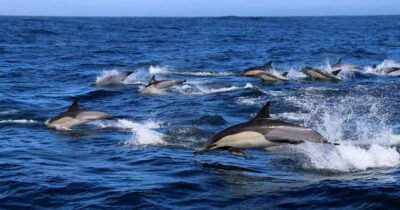 ★ 4.7Gansbaai: Marine Big 5 Boat tourFrom $155593 reviews
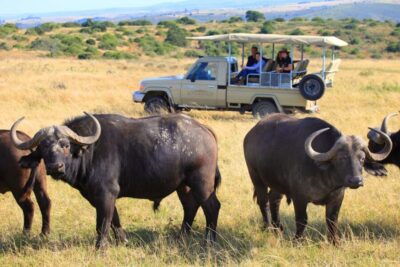 ★ 4.7Little Brak River: Botlierskop Guided Game DriveFrom $40589 reviews
 ★ 5.0Big Five Safari and Breede River Valley Guided Day TripFrom $155526 reviews
 ★ 4.5Cape Town: Aquila Game Reserve Sunset Game DriveFrom $168508 reviews
 ★ 4.5Full Day Pilanesberg Experience in Open VehicleFrom $137414 reviews
 ★ 4.4From Cape Town: Aquila Game Reserve Sunset Game DriveFrom $167350 reviews
 ★ 5.0Hluhluwe-Imfolozi Park Full Day Big 5 Safari TourFrom $96310 reviews
Browse the lists this tour appears in