
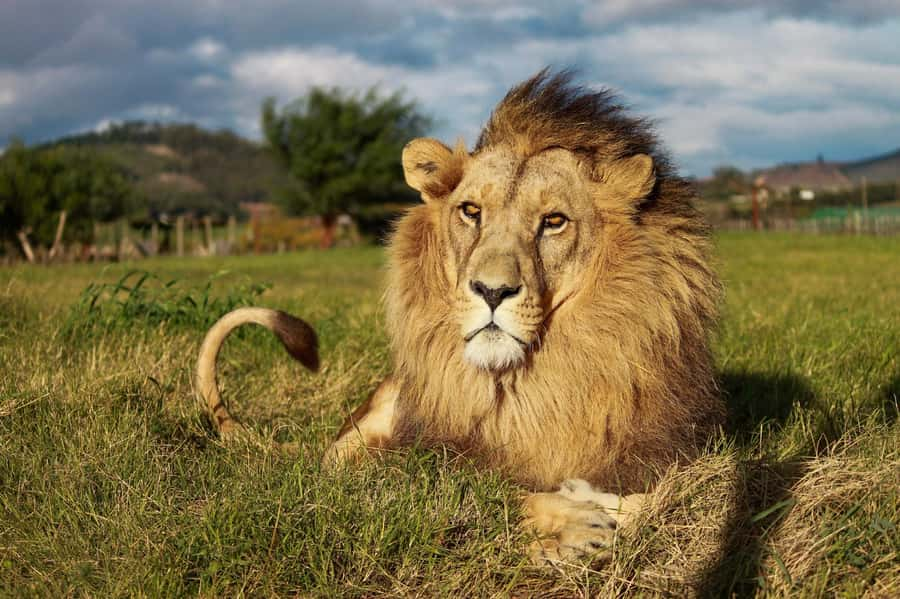
REVIEW · LION AND BIG CAT PARKS
Drakenstein Lion Park Entry Ticket
Rescue lions in the Cape Winelands, without the gimmicks. I like that Drakenstein Lion Park is a proper sanctuary for rescued big cats, and I also like that it is set on 60 acres of purpose-built habitat. Your ticket helps fund day-to-day care, and you get a serious look at how an ethical place handles animals that arrived from abusive situations.
The main potential drawback is also simple: you may not spot every lion clearly. Some cats can be tucked to the back of their compounds, or resting in bushes, so your best views depend on where they choose to be.
In This Review
- Key things I’d watch for
- Drakenstein Lion Park in the Cape Winelands, and why it matters
- The Hart family and the 1998 mission in plain language
- Inside the 60-acre lion habitat: how the viewing experience works
- Ethics check: what makes it a genuine lion sanctuary
- A realistic day plan for your 1-day ticket
- The main practical risk: sightlines
- Price and value: is $10 actually worth it?
- What to bring, camera rules, and comfort tips that actually help
- Who should go, and who should skip it
- The subtle difference between sanctuary viewing and animal entertainment
- Should you book Drakenstein Lion Park?
- FAQ
- How long is the Drakenstein Lion Park ticket valid?
- What is included with the entry ticket?
- Is there animal petting or interaction?
- What are the rules for photos and smoking?
- Is food or transportation included?
- Is it suitable for wheelchair users or people with allergies?
Key things I’d watch for
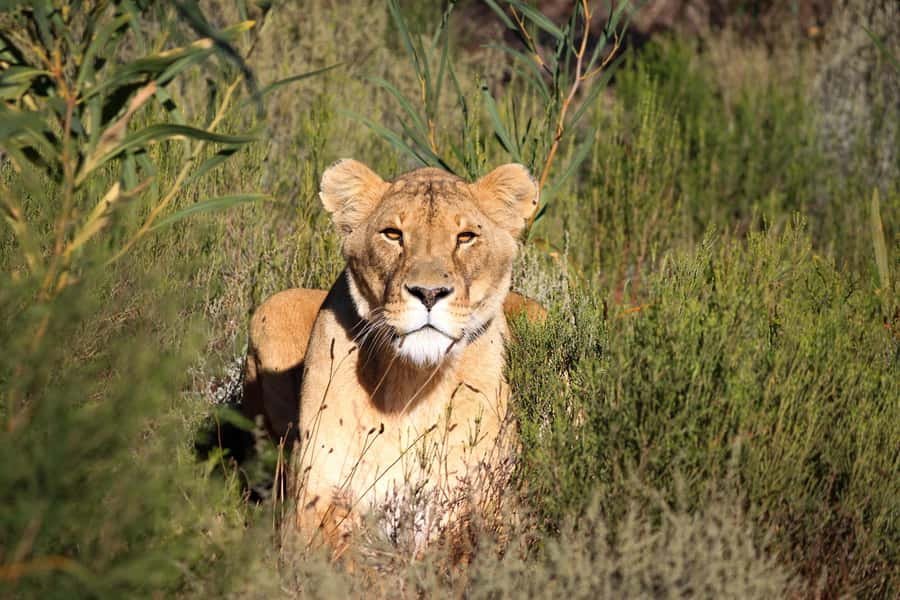
- Real sanctuary, not a performance: no captive breeding, no trade, and no visitor-animal interaction.
- Hands-on care since 1998: run by the Hart family with decades of experience.
- Purpose-built viewing: ethical, non-intrusive, non-exploitative ways to see lions without stressing them.
- 60 acres of habitat: gives the cats space to behave like lions, not like props.
- Small group size: limited to 10 participants, which keeps things calmer.
- Spotting depends on cat behavior: some lions may be sleeping or positioned away from the main sight lines.
Still weighing it up? These South Africa trips are the ones our readers open next.
- Kruger National Park: Full-Day Game Drive with Pickup★ 4.6 · 136 reviews
- Full Day Private Kruger Park Safari★ 5.0 · 90 reviews
- Private Full Day Safari (10 hours) in Kruger National Park★ 5.0 · 62 reviews
- Magoebaskloof Adventures: 2H Canopy Tour★ 4.6 · 17 reviews
Drakenstein Lion Park in the Cape Winelands, and why it matters
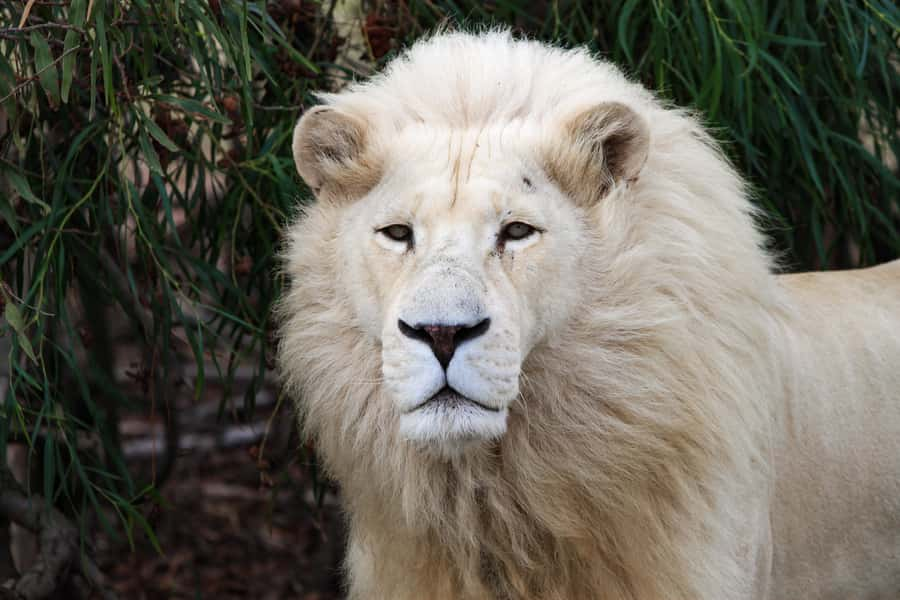
The Cape Winelands are already a good day out, with scenic roads and wine-country vibes. Drakenstein Lion Park adds a meaningful purpose to that scenery, because you are supporting a place that exists because rescued lions need real, long-term care.
What I like most is that the visit is about situation and care, not entertainment. The park is described as an ethical, non-intrusive, non-exploitative environment, so you are not being guided toward tricks, forced poses, or anything that turns animals into attractions. Instead, you are walking into the reality of sanctuary life.
It’s also helpful to know this is visitor-funded. The park receives no governmental or grant funding, which means your entry contributes directly to staffing, animal support, and ongoing care. At $10 per person, that feels like a solid deal when the goal is to keep rescued big cats safe for the long haul.
The Hart family and the 1998 mission in plain language
Drakenstein Lion Park was established in 1998, and it is described as the longest-operating South African-owned big cat sanctuary. It is built, owned, and run by the Hart family, who bring decades of hands-on experience with rescued and previously mistreated captive big cats.
That matters because rescue is not a quick fix. A sanctuary’s job is ongoing: safe housing, appropriate environments, and attention to each animal’s physical and psychological wellbeing. The park describes each rescue as a sentient individual, with care tailored to that lion’s unique needs.
I find that framing important. A lot of places use the word rescue loosely. Here, the core idea is clear: these are rescued animals that deserve lifetime care, not short-term “projects” that end when visitor interest fades.
Inside the 60-acre lion habitat: how the viewing experience works
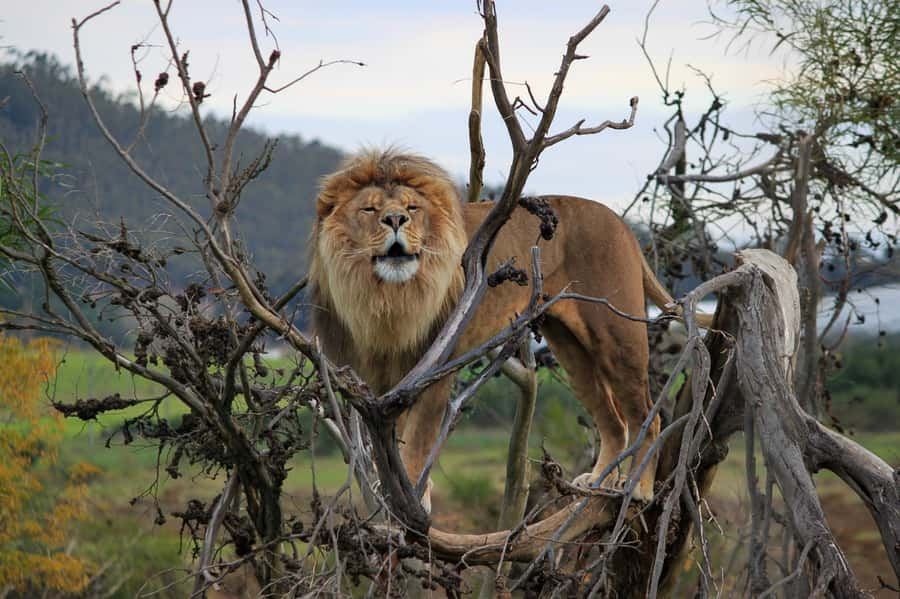
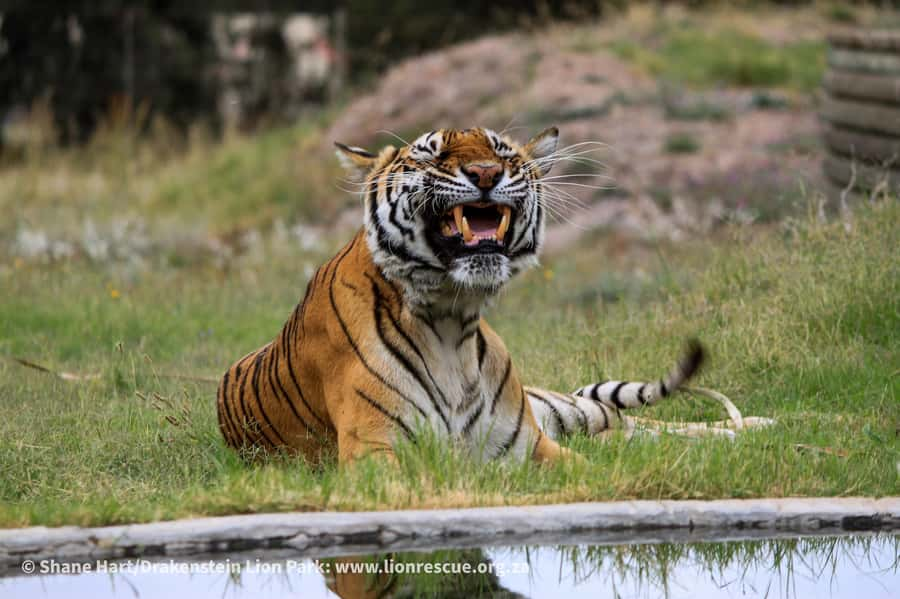
You’ll see Drakenstein Lion Park’s setup on 60 sprawling acres of fit-for-purpose lion habitat. In practice, that translates into a visit that feels more like observing an environment than “passing through” a zoo.
Because the park is designed to be ethical and non-intrusive, you should expect a more natural viewing flow. You might walk or move between viewpoints, but the focus stays on letting lions behave in their own way, not on drawing them out for you.
And yes, this is where the potential disappointment can happen. One of the most practical realities of sanctuary viewing is that lions can choose where they rest. If they are at the back of their compounds, or sleeping in bushes, you may not get a full, clear view of every animal. This is not a sign the park is doing something wrong. It’s just how wildlife behaves when they are not being staged.
If you want the best shot at seeing more activity, stay patient and flexible with your sightlines. When a lion is resting, give it a little time before assuming you are out of luck.
Ethics check: what makes it a genuine lion sanctuary
There are a lot of facilities that use big-cat-friendly language. Some claim to rescue lions, do research, or rehabilitate lions, but the park specifically warns that false and misleading claims exist elsewhere.
For Drakenstein, the key ethical guardrails are stated plainly:
- No captive breeding
- No breeding, trade, or visitor-animal interaction
- Lifetime care for resident animals
- An environment built to be non-intrusive and non-exploitative
- Each rescue treated as an individual, with care shaped around their psychological and physiological wellbeing
That combination is what separates a genuine sanctuary from places that are more about novelty. If your priority is animal welfare and responsible viewing, this is the kind of operation you want to support.
Also, because the park is one of a small handful of genuine lion sanctuaries in South Africa, it’s a good option if you are trying to choose carefully. If you are comparing options, look for the same themes: lifetime care and a clear commitment to no breeding and no interaction.

A realistic day plan for your 1-day ticket
This is a 1-day experience. The park notes that you should check availability to see starting times, so your first task is picking the slot that fits your day in the Cape Winelands.
From there, the rhythm is straightforward:
- Arrive and enter with your ticket, then access the viewing areas for the rescued big cats.
- Spend time observing the lions in their habitat and take in the sanctuary’s mission.
- Support the care by being part of a visitor-funded operation that receives no government or grant support.
There is no mention of a personal guide, so you should expect a self-led experience in the viewing areas, with learning coming from whatever explanations, signage, or staff engagement are available on the day. You do have an English-speaking host or greeter, which helps if you want clarification.
Because the group is limited to 10 participants, the experience stays more intimate than mass tourism. That’s not just comfort, it’s also good for the animals. Smaller groups mean less noise and fewer interruptions in a space designed to avoid stress.
The main practical risk: sightlines
If you come expecting to see every cat clearly at all times, you may feel frustrated. The park is ethical, but animals have preferences. Plan for some lions to be sleeping, partly hidden, or positioned away from the easiest viewing angles.
My advice: come with the mindset of observing behavior, not collecting perfect sightings. If a lion is lounging in the shade, that is still part of the story. It tells you the animals are not being repeatedly harassed or forced to perform.
Price and value: is $10 actually worth it?
At about $10 per person, Drakenstein Lion Park is one of those experiences that feels inexpensive when you think about what it actually funds.
Here’s why the value holds up:
- Your ticket supports a sanctuary that receives no government or grant funding.
- The park is described as purpose-built and long-running since 1998.
- There is no breeding and no visitor interaction, which usually means less “tour revenue” pressure and more focus on care.
- You get access to viewing rescued big cats, plus the chance to learn about their ethical handling.
Could it be that the viewing is sometimes quieter or slower than an attraction where you wait for animals to entertain you? Sure. But that’s exactly the point. If you want a feel-good day that actually supports welfare, this is a strong option.
One thing I would not ignore: ticket confusion can happen. A visitor reported an issue where a pre-booked price did not match what they were told at the venue, and they ended up paying additional money. I cannot promise that will happen to you, but the safest move is simple: bring your booking confirmation and be ready to show it at check-in. When it’s a small amount, a mismatch can feel annoying fast.
What to bring, camera rules, and comfort tips that actually help
You’ll want to plan for a walking visit on grounds that are meant for lions, not just for photo ops. Wear comfortable walking shoes. It’s the kind of place where your feet carry the whole experience, and tired feet ruin good thinking.
Camera notes matter too. Flash photography is not allowed. So if you rely on flash, skip that habit. Bring a camera you can use in lower light conditions, and check your settings before you start.
Also note the rules:
- No smoking
- Flash photography not allowed
Food and drinks are not included. That doesn’t mean you can’t have a snack, but it does mean you should plan ahead. Pack water or bring money for what you need, so you aren’t stuck hungry in the middle of your day.
And don’t forget the simple practical things: sun protection and a small layer, since the Cape Winelands can change mood through the day.
Who should go, and who should skip it
This visit is a good match if you care about ethical wildlife viewing and you want your money to support sanctuary care rather than animal “experiences.”
It’s especially suitable if you want:
- A calm, small-group day
- A chance to see rescued lions in a sanctuary setting
- A mission-focused outing in the Cape Winelands
- Photo opportunities without flash
It may not be a good fit for:
- Children under 2 years
- Pregnant women
- People with animal allergies
- Wheelchair users, since the activity notes “not suitable for wheelchair users,” even though it also says wheelchair accessible
That conflict is worth taking seriously. If mobility or accessibility is a concern for you, confirm with the provider before you go so you don’t arrive to find the route and terrain are not what you expected.
The subtle difference between sanctuary viewing and animal entertainment
Once you’ve spent time in a real sanctuary, you start noticing the tiny choices that show ethics. Drakenstein’s rules point in that direction: no interaction or petting, no breeding, and no exploitative visitor setup.
In other words, you are not there to touch or pose with a lion. You are there to witness care, in an environment designed to reduce stress. If a lion is hidden, you learn to accept that this is their home, not your stage.
That mindset also makes the day more satisfying. You’ll likely end up paying attention to body language and resting positions, not just trying to force a “moment.” When lions choose to move, it feels more meaningful because it is not scripted.
Should you book Drakenstein Lion Park?
Book it if you want an ethical sanctuary day in the Cape Winelands and you like the idea of supporting long-term care for rescued big cats. The combination of visitor-funded operation, no breeding, and a non-intrusive viewing approach makes this a strong choice for welfare-focused visitors.
Skip it or think twice if you need guaranteed close-up sightings, or if your schedule relies on the lions being active and visible all the time. Also, if you have allergy concerns, are traveling with very young children, are pregnant, or need wheelchair-specific accommodations, verify fit before you commit.
If you’re the kind of traveler who prefers doing good without the noise, this is exactly the sort of place that makes that easy.
FAQ
How long is the Drakenstein Lion Park ticket valid?
The ticket is valid for 1 day. You should check starting times based on availability.
What is included with the entry ticket?
Your ticket includes entrance to Drakenstein Lion Park and access to view the rescued big cats. It also gives you the chance to support big cat care and rescue.
Is there animal petting or interaction?
No. Animal interaction or petting is not included, and there is no visitor-animal interaction taking place.
What are the rules for photos and smoking?
Smoking is not allowed, and flash photography is not allowed.
Is food or transportation included?
No. Food and drinks are not included, and transportation to and from the park is also not included.
Is it suitable for wheelchair users or people with allergies?
It is listed as wheelchair accessible, but it is also stated as not suitable for wheelchair users. It is not suitable for people with animal allergies. If this affects you, you should check before going.
Keep going: the rest of our South Africa write-ups
- Kruger National Park Game Drive (Half-Day PM)
★ 4.3 · 3 reviews - Tiger Valley Tour
★ 4.0 · 3 reviews - 4 Day Dumela Tented Camp Safari
★ 3.8 · 3 reviews - Cape Town: Table Mountain,Cape Point & Penguins Private Tour
★ 5.0 · 3 reviews - Full day Kruger National Park Tour
★ 5.0 · 3 reviews - Durban: All-in-one Luxury Spa Package at Gwahumbe Game & Spa
★ 4.6 · 3 reviews
Lion and Big Cat Parks, compared.
 ★ 5.0Half Day Lion Park tour from Johannesburg or PretoriaFrom $100274 reviews
 ★ 4.8Hartbeespoort: Lion and Safari Park TourFrom $70103 reviews
 ★ 4.8Hartbeespoort: Lion and Safari Park Guided TourFrom $3899 reviews
 ★ 4.5Cheetah Outreach Tour Somerset West, Gordon’s Bay and Strand BeachesFrom $5394 reviews
 ★ 5.0Cradle of Humankind, Caves or Maropeng, Rhino and Lion ParkFrom $9774 reviews
 ★ 4.7Hartbeespoort: Self-Drive Lion and Safari Park TourFrom $2464 reviews
 ★ 4.5Captivating Safari Lion Park Experience (Half Day Guided Tour)From $9462 reviews
 ★ 4.8Pretoria: Pretoria City and Lion Park TourFrom $16741 reviews
Browse the lists this tour appears in